


Istanbul’s Asian Side: Your Full Travel Guide
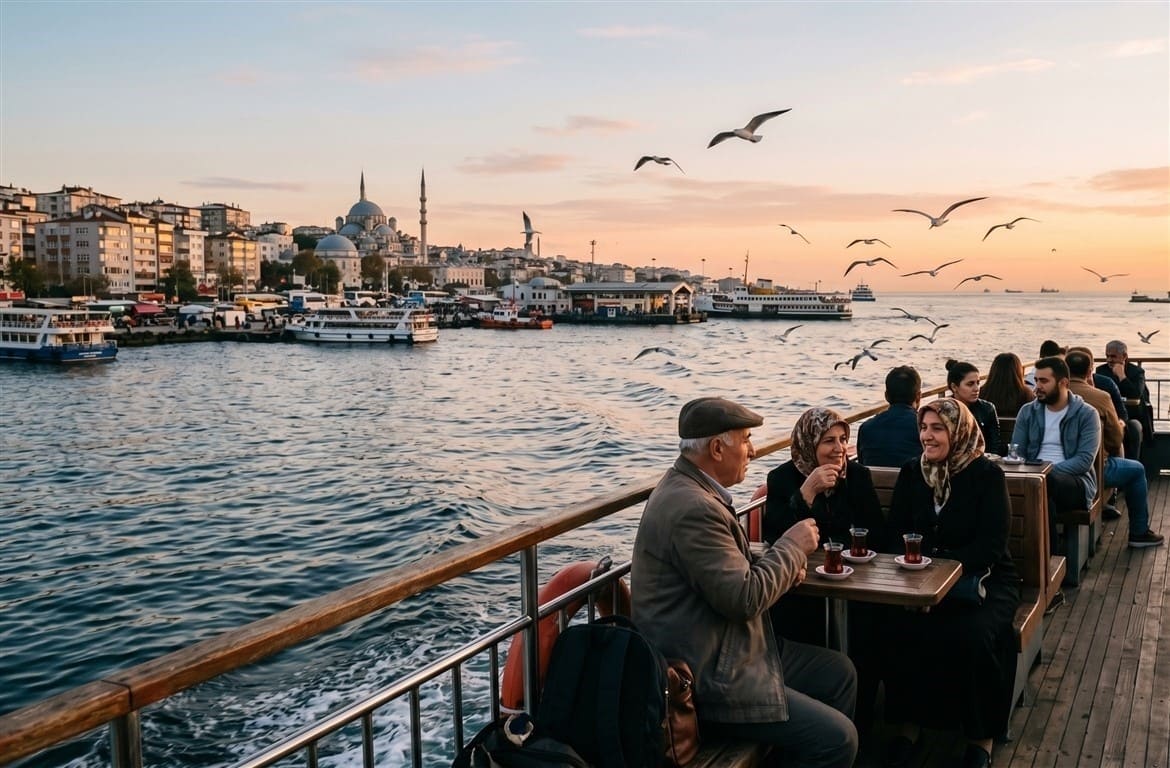
Istanbul’s Asian Side isn’t one for flashy displays. The ferries handle all the noise, thank you very much. Listen: seagulls cry out over the Bosphorus, tea glasses chime softly on wooden decks, and just like that, the city transforms. It stops being a static map of monuments and starts feeling real—a place where folks actually grab their fish, yell about football, take their dogs for a walk, groan over missed buses, and, yes, definitely stretch breakfast out for what feels like forever.
Headed to Istanbul in 2026? Good call. After you’ve soaked up all those famous spots in Sultanahmet, Galata, and Karaköy, the Asian side opens up as one of the city’s most rewarding corners. Think Kadıköy, buzzing with markets, live music, amazing street food, lively bars, cool vintage finds, and that unforgettable salty tang from the ferry pier. Then there’s Üsküdar, with its ancient mosques, incredible waterfront sunsets, and those picture-perfect glimpses of the European shore’s domes and towers. Head a bit further north, and you’ll hit places like Kuzguncuk, Çengelköy, Kanlıca, and Anadolu Hisarı, where the whole day just… slows down. That’s the real magic here. It’s not sleepy, mind you. Just decidedly less frantic.
Why You Should Absolutely Visit Istanbul’s Asian Side
The Asian side, sometimes called the Anatolian side, sits right across the Bosphorus from Istanbul’s more tourist-trodden European districts. It’s packed with major transport hubs, fascinating historic landmarks, bustling shopping streets, quiet residential neighborhoods, lovely parks, vibrant food markets, busy ferry terminals, and those long, inviting waterfront promenades. Honestly, calling it a “side trip” just doesn’t do it justice. This is half the city, folks, and it moves to its own wonderful beat.
People flock here for three main reasons: everyday life, open space, and, well, the water itself. Even the ferry ride from Eminönü, Karaköy, Beşiktaş, or Kabataş feels like an experience in itself. Then you arrive, and the whole vibe shifts. Streets suddenly feel wider. Cafes spill onto corners without that intense souvenir-shop pressure. Locals line up patiently for their daily bread, students gather around unbelievably cheap eats, and old men simply sit by the sea, looking as if the Bosphorus had personally sent them an invitation.
First, the facts: the Asian side boasts significant sights like the Maiden’s Tower, Beylerbeyi Palace, the Süreyya Opera House, the famous Bağdat Avenue, Fethi Pasha Grove, and the routes that whisk you away to the Princes’ Islands. Second, my personal take: it just feels easier to breathe over here. Maybe that’s just the ferry’s influence talking, who knows?
Top Neighborhoods You Need to Explore
Kadıköy
Kadıköy? Oh, it’s the obvious starting point, and trust me, it’s still the right one. Ferries pull in right next to a super busy transport hub, but within moments, those streets magically tighten into a proper, wonderful neighborhood maze. Expect bakeries, fishmongers, pickle shops, meyhanes, independent bookstores, cool murals, vinyl record stores, tiny theaters, and snack counters absolutely humming with business from lunchtime until late evening.
The Kadıköy Market isn’t some made-for-tourists attraction. It’s a living, breathing food district where you can sample olives, grab exotic spices, watch fish being expertly cleaned, or simply follow the intoxicating aroma of fresh bread without needing any grand plan. The local food scene here is strong on quick, satisfying bites: think lahmacun, döner, midye dolma, kokoreç, plump stuffed mussels, savory pastries, and those impossibly crunchy simit that somehow vanish before you even reach the next corner.
Moda, just a quick skip southwest of the market streets, gently slows the pace down. Its coastal park features plenty of benches, refreshing sea air, cats with all the confidence of local landlords, and, on a clear day, stunning views stretching towards the Princes’ Islands. A walk from Kadıköy pier through Moda is absolutely perfect late afternoon, when the light turns this beautiful golden hue and absolutely nobody seems to be in a rush—unless, of course, they’ve got a ferry to catch.
The Süreyya Opera House adds a touch of formal elegance to the area. Built way back in the early 20th century and beautifully restored for cultural events, it gives Kadıköy a handsome landmark that goes beyond just food and nightlife. Even if you don’t have a ticket, its grand facade is totally worth a moment’s pause.
Üsküdar
Üsküdar feels much older, certainly more reflective, and absolutely centered on the water. Ferries dock right near ancient mosques, charming tea gardens, busy bus stops, and that long, beautiful shoreline that gazes directly back at Istanbul’s Historic Peninsula. The view, honestly, is almost unfair: Topkapı Palace, Hagia Sophia, the Blue Mosque, Galata Tower—all of them shimmering across the water like a perfectly painted backdrop.
The Maiden’s Tower stands proudly on its tiny islet just offshore. Its long, storied past includes stints as a defensive outpost, a crucial maritime aid, and a powerful symbol, making it one of Istanbul’s most photographed landmarks today. For the best casual glimpse, head to the Üsküdar waterfront. Folks gather there, settling onto cushions, sipping tea, and patiently waiting for the sunset to perform its magical little trick.
Beylerbeyi Palace stretches further north along the Bosphorus. Constructed in the 19th century during the glorious Ottoman era, it served as a blissful summer palace and a residence for esteemed guests. The building itself is incredibly ornate but never feels overwhelming, and its prime waterside location clearly shows why sultans cherished this particular stretch of the shore. Fethi Pasha Grove, just a stone’s throw away, offers a wonderful green escape high above the water, complete with lovely walking paths and more of those killer Bosphorus views.
Kuzguncuk
Kuzguncuk is tiny, ridiculously photogenic, and just utterly charming. Think colorful wooden houses, centuries-old religious buildings, inviting neighborhood bakeries, and leafy, quiet lanes that give it a distinctly village-like atmosphere, right inside this massive city. It’s become a hotspot for photographers, so, honestly, mornings usually feel much better than those often-crowded afternoons.
The real draw here isn’t one single, colossal monument. It’s the delightful flow of the place: grab a coffee, enjoy a slow meander, turn down a side street, then another, maybe indulge in a pastry you absolutely didn’t need. Kuzguncuk truly rewards those who can put their phone down between photos and just soak it all in.
Çengelköy
Çengelköy is the place for tea right by the water. This neighborhood has been a longtime favorite for its Bosphorus-facing cafes, lovely breakfast tables, and a wonderfully calm, shoreline vibe. Show up early, and the whole place has this soft, domestic feel: bread bags rustling, ferry sounds drifting, kids on scooters, ancient plane trees standing guard, and that comforting aroma of freshly brewed tea.
It’s a perfect next stop after exploring Üsküdar or Kuzguncuk. Just don’t rush it, okay? Çengelköy loses half its charm if you treat it like just another checkbox on your itinerary.
Kanlıca
Kanlıca is inextricably linked to its famous yogurt, traditionally served with a generous dusting of powdered sugar. That simple little bowl has basically become part of the neighborhood’s identity, and loads of visitors make a point of stopping here as they journey up the Bosphorus. The shoreline here is noticeably quieter than Kadıköy or central Üsküdar, with a much more local, laid-back ferry-stop feel.
Just order your yogurt, find a spot by the water, and let the boats gently glide past. It’s not dramatic. In fact, it’s even better than dramatic.
Anadolu Hisarı
Anadolu Hisarı takes you deeper into the Bosphorus saga. This ancient fortress area goes all the way back to the Ottoman period, even before the conquest of Constantinople, and it guards the narrower parts of the strait. The nearby lanes, charming waterside houses, and cozy small cafes make it a fantastic northern stop before you decide to continue towards Anadolu Kavağı or simply head back south.
Must-See Sights and Activities
Historic Landmarks and Grand Palaces
Okay, the Asian side isn’t as jam-packed with imperial monuments as Sultanahmet, but it offers a more scattered, perhaps even more intimate, kind of history. Beylerbeyi Palace vividly showcases Ottoman court life right on the Bosphorus. The Maiden’s Tower is just brimming with layers of legend, its crucial maritime function, and sheer postcard-perfect beauty. Anadolu Hisarı? That’s pure military geography. And Üsküdar’s mosques and ancient streets keep the city’s religious heart beating visibly, without ever turning it into a mere stage show.
Travelers who only chase the biggest, flashiest monuments might totally miss the point here. The history on this side lives nestled between ferry piers, quiet cemeteries, lush gardens, ornate fountains, and winding shore roads. You truly *notice* it as you walk, not just when you’re pulling out your wallet for tickets.
Bosphorus Views and Wonderful Waterfront Walks
The waterfront? That’s the Asian side’s absolute trump card. From Üsküdar heading towards Harem, Kadıköy wrapping around to Moda, Kuzguncuk stretching to Çengelköy, and those charming northern Bosphorus villages—they all offer completely different perspectives on the same magnificent strait. The light, generally, is at its absolute best around sunset, when the European skyline sharpens into a stunning silhouette and the water takes on a mesmerizing metallic sheen.
Remember to pack a light jacket if it’s not summer. The Bosphorus can feel surprisingly brisk even when inland streets are toasty. In winter, that wind will cut right through you. And in July and August? Shade isn’t just nice, it’s gold.
Parks, Groves, and Inviting Nature Spots
Fethi Pasha Grove is easily one of the most accessible green getaways near Üsküdar. Moda’s coastal park, however, is better suited for truly relaxed strolling and some excellent people-watching. Venture a bit further out, and the Princes’ Islands await with their fragrant pine trees, grand old mansions, sweeping sea views, and a much-needed break from the central city traffic. Büyükada is definitely the most famous island, while Heybeliada, Burgazada, and Kınalıada each possess their own unique, slightly different tempo.
Shopping on Bağdat Avenue
Bağdat Avenue slices right through the more polished, upscale residential districts of the Asian side. It’s renowned for its trendy fashion stores, chic cafes, fantastic restaurants, and a broad, urban shopping experience—definitely not the bazaar-style haggling you might find elsewhere. Picture this: leisurely window-shopping, a delightful lunch, a relaxing coffee, and a long, pleasant walk along the wide pavement. The vibe is unmistakably Istanbul, yes, but with a subtly different cut of jacket.
A Day Trip to the Princes’ Islands
Taking a ferry to the Princes’ Islands is among Istanbul’s most classic, slow-paced delights. From the Asian side, Kadıköy and Bostancı are your usual departure points, though keep in mind that routes and schedules can shift with the seasons. Büyükada consistently draws the biggest crowds, thanks to its gorgeous mansions, stunning hilltop views, and inviting beaches. Weekdays honestly feel much saner. Summer weekends? They can get absolutely packed, noisy, and yes, sweaty. Still beautiful, though. Just, you know, sweaty.
Food, Cafes, and Nightlife: A Delicious Deep Dive
Best Street Food You Have to Try
Kadıköy is, hands down, the easiest place to just graze your way through. A perfect food walk might kick off with a simit right near the ferry, then take you into the market streets for olives and cheese shops, pausing for a mouthwatering lahmacun or pide, before drifting towards plump stuffed mussels or grilled fish sandwiches later in the day. Got a sweet tooth? Oh, there’s plenty to keep you happy: baklava, künefe, lokma, creamy milk desserts, and endless ice cream counters.
- Simit and tea near the ferry: It’s cheap, it’s simple, and it’s quintessentially Istanbul. That sesame crust, the ferry horn blaring, the gulls soaring overhead—honestly, it needs no embellishment.
- Midye dolma in Kadıköy: These stuffed mussels are a wildly popular street snack, usually served with a refreshing squeeze of lemon. Always pick vendors who are super busy; that means high turnover and fresh, delicious mussels.
- Kanlıca yogurt: A true Bosphorus-side classic, served either plain or with a delicate dusting of powdered sugar. It somehow tastes even better when you’re eating it *in* Kanlıca, gazing out at the water.
- Turkish breakfast in Çengelköy: Go all out: bread, various cheeses, olives, eggs, honey, thick clotted cream, fresh tomatoes, crisp cucumbers, and endless tea. Then, seriously, just cancel whatever overly ambitious plans you had scheduled right after.
Traditional Breakfast and Local Restaurant Gems
The Asian side absolutely nails breakfast. Çengelköy, Moda, Suadiye, and Caddebostan all boast fantastic spots built for those wonderfully long morning tables. A traditional Turkish breakfast is incredibly generous: expect cheeses, olives, a selection of jams, eggs, fresh bread, butter, ripe tomatoes, crisp cucumbers, honey, rich kaymak, and, of course, endless, steaming cups of tea. Menemen, that soft, savory egg dish with tomatoes and peppers, also pops up on menus quite frequently.
For dinner, Kadıköy truly offers the most variety. Meyhanes will charm you with their small plates, fresh fish, potent raki, and lively, often noisy, tables. Casual restaurants serve up fantastic kebabs, comforting soups, delicious home-style dishes, and flavors straight from the Black Sea region. Moda leans more towards cafe culture and contemporary menus. And Bağdat Avenue? That’s where things get a bit dressier.
Cafes, Bars, and Fun Evening Spots
Kadıköy nightlife is vibrant without ever trying to mimic Beyoğlu. You’ll find bars tucked away on narrow streets, music softly spilling from basement venues, and a crowd that’s largely local, young, and wonderfully diverse. Moda offers a softer vibe, perfect for cozy wine bars, chill cafes, and pleasant late-night strolls. Üsküdar, by contrast, is much calmer after dark, focusing on quiet tea gardens and stunning waterfront views rather than bustling bar crawls.
How to Reach the Asian Side
By Ferry
Taking the ferry is hands down the most memorable way to cross. Routes connect European piers like Eminönü, Karaköy, Beşiktaş, and Kabataş directly with Kadıköy and Üsküdar. The crossing itself is quick, incredibly scenic, and super practical. Always try to sit outside if the weather plays along. Grab a tea if the vendor passes by. And definitely watch the magnificent skyline glide past, instead of just staring blankly at your map.
Just a heads-up: ferry schedules can change depending on weekdays, weekends, holidays, and even the season. So, always double-check current departure times before you try to craft a super rigid plan. Istanbul truly rewards a more flexible approach to timing.
By Metro, Marmaray, and Train
Marmaray, that amazing rail line burrowing right under the Bosphorus, links the European and Asian sides in a flash. It’s incredibly useful for travelers who are staying close to its stations or if you’re planning to head further afield than the main ferry zones. On the Asian side, metro lines connect Kadıköy, Üsküdar, various residential districts, and even Sabiha Gökçen Airport through the city’s broader network.
For those flying in, Sabiha Gökçen Airport is conveniently located on the Asian side. Istanbul Airport, however, is on the European side, meaning cross-city transfers will naturally take longer, especially during those notoriously heavy traffic hours.
By Bus, Taxi, or Car
Buses cover enormous parts of the Asian side, though they do demand a fair bit of patience. Taxis and ride-hailing apps can definitely be a lifesaver late at night or for those awkward routes, but beware: traffic on bridges and main roads can easily transform a short distance into a mini-saga. Honestly, renting a car for central Istanbul sightseeing almost never pays off. Parking alone is enough to ruin anyone’s mood.
Getting Around Once You’re There
Public Transportation and Your Istanbulkart
The Istanbulkart is the city’s essential transit pass, and it works seamlessly across ferries, metro, Marmaray, trams, buses, and even funicular lines. For exploring the Asian side, it makes getting around so much simpler. Just load it up with credit, tap in, and keep moving. Be aware that stations and ferry terminals can get pretty hectic, so don’t wait until the absolute last second to top up your card right before you need to depart.
| Route or Area | Best Transport | Useful For |
|---|---|---|
| Eminönü to Üsküdar | Ferry | Amazing sunset views, the iconic Maiden’s Tower, ancient mosques |
| Karaköy to Kadıköy | Ferry | Bustling markets, charming Moda, lively nightlife, delicious food streets |
| European rail zones to Üsküdar | Marmaray | A super-fast Bosphorus crossing, no worries about weather delays |
| Kadıköy to Moda | Walking or tram | The lovely coastal park, cozy cafes, wonderfully relaxed afternoon strolls |
| Üsküdar to Kuzguncuk | Bus, taxi, or a nice long walk | Colorful streets, charming cafes, classic Bosphorus neighborhoods |
| Kadıköy or Bostancı to islands | Ferry | That perfect Princes’ Islands day trip |
Walking and Cycling Adventures
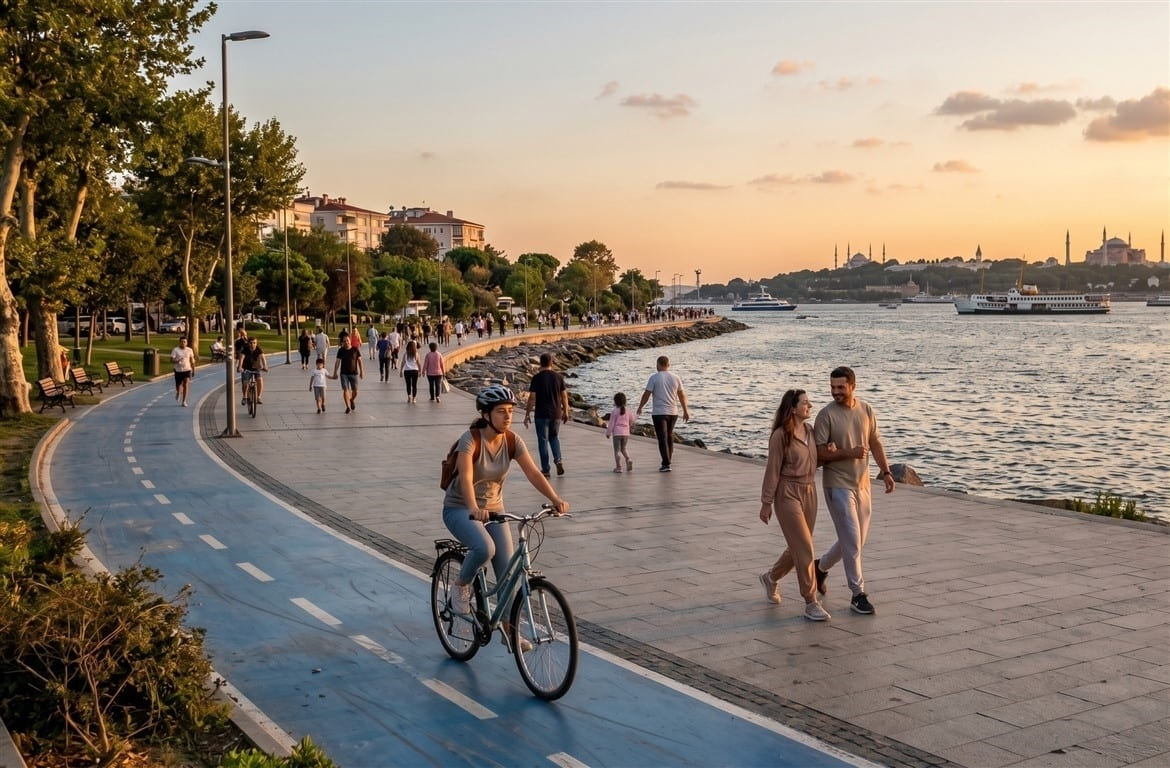
Kadıköy, Moda, the Üsküdar waterfront, Kuzguncuk, and parts of Caddebostan are absolutely fantastic for walking. Just a heads-up: the distances between neighborhoods can actually be a bit longer than they appear on a screen. Hills, busy traffic crossings, and those lovely shore curves can all slow things down a touch. Cycling, on the other hand, really shines along the flatter coastal stretches, like Caddebostan and parts of the Moda shore.
Suggested Itineraries to Get You Started
Your Perfect One-Day Asian Side Plan
Kick things off with a morning ferry ride to Kadıköy. Wander through the bustling market streets before lunch, then continue your stroll to Moda for its lovely coastal park and charming cafes. By mid-afternoon, hop on some transport to Üsküdar. Explore the waterfront, catch a glimpse of the Maiden’s Tower from the shore, and definitely stick around for sunset if the sky is clear. Dinner? Head back to Kadıköy; the dining options are broader, and the evening energy is just better there.
Making the Most of Two Days on the Asian Side
Dedicate your entire first day to Kadıköy and Moda, taking your sweet time. Eat well, wander aimlessly, maybe do a little shopping, then stay late enough to really feel the district transform after dark. On your second day, begin in Üsküdar, then slowly make your way north through Kuzguncuk and Çengelköy, perhaps continuing on to Kanlıca or Anadolu Hisarı. This route is ideal for travelers who genuinely prefer soaking in neighborhood vibes over ticking off a frantic list of packed landmarks.
- Morning: Arrive by ferry and start walking before the streets get too crowded. Markets and waterfronts just feel so much clearer before the lunch rush.
- Midday: Pick *one* food area instead of trying to crisscross the city for a single restaurant. Kadıköy, Çengelköy, and Bağdat Avenue each offer something different for various moods.
- Afternoon: This is prime time for parks, groves, or those lovely Bosphorus villages. The light is often better, and the pace just naturally fits the setting.
- Evening: Return to Kadıköy or Moda for dinner, grab a drink at a bar, chill at a cafe, and enjoy those easy ferry or rail connections back across the water.
The Grand Bosphorus Route from Üsküdar to Anadolu Kavağı
This longer, northern route starts in Üsküdar and beautifully traces the shoreline through Beylerbeyi, Kuzguncuk, Çengelköy, Kanlıca, Anadolu Hisarı, and keeps going towards Anadolu Kavağı, right near the upper Bosphorus. It’s definitely too much to squeeze into a rushed half-day. But with enough time, oh, it transforms into one of Istanbul’s most deeply satisfying city journeys: palace, tea, yogurt, ancient fortress, quaint fishing village, and water, water, all the way.
Handy Practical Travel Tips
Best Time to Plan Your Visit
Spring and autumn are hands down the easiest seasons for exploring the Asian side. April, May, September, and October generally offer wonderfully comfortable walking weather, streets that are busy but totally manageable, and fantastic outdoor dining opportunities. Summer can be hot and crowded, although those ferry rides and coastal parks certainly help. Winter is quieter, a bit moodier, and often reveals incredible beauty when the sky clears after a rainfall.
As for daily timing, Kadıköy shines from late morning well into the night. Üsküdar is absolutely magical near sunset. And those charming Bosphorus villages? They feel best earlier in the day, before traffic and weekend crowds start to thicken.
What to Pack and What to Wear
Seriously, comfortable shoes are non-negotiable. The Asian side throws a mix of hills, uneven pavements, ferry stairs, station tunnels, and long, inviting waterfront walks at you. Always bring a scarf or a light layer for those breezy ferry decks. In summer, sunglasses and plenty of water aren’t just accessories; they’re absolute lifesavers. When visiting mosques, remember to dress modestly and always respect the posted rules.
Where Should You Stay?
Kadıköy truly makes the strongest base if you’re keen on food, nightlife, easy ferry access, and excellent transport links. Moda perfectly suits travelers craving a calmer, more residential feel while still being super close to Kadıköy’s buzz. Üsküdar works beautifully for those stunning views, an older, more atmospheric vibe, and quick crossings to the Historic Peninsula. For visitors who prefer shopping, local comfort, and a less tourist-heavy base, Bağdat Avenue and its nearby coastal districts are a great fit.
Safety First and Local Etiquette
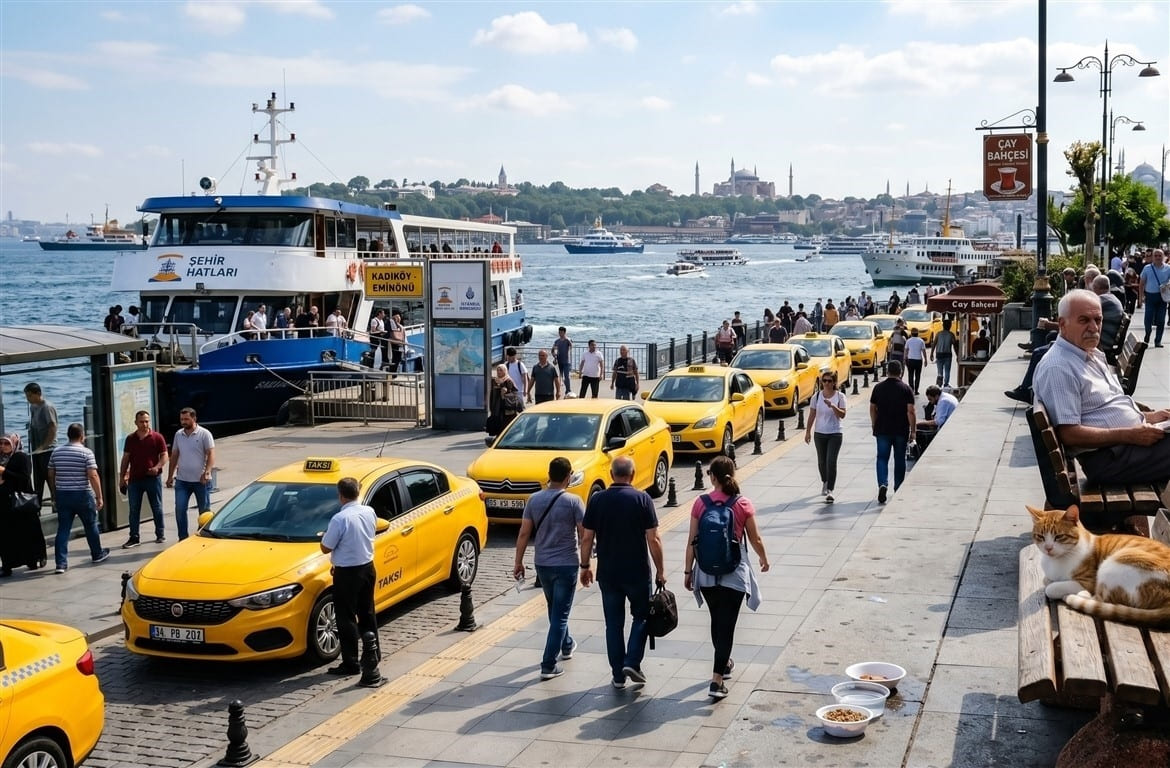
The Asian side is generally a very comfortable place for travelers, just remember to exercise normal big-city caution. Keep an eye on your bags in crowds, stick to official transport, always agree on taxi details using the meter or an app, and be mindful of ferry times, especially at night. And those street cats? They’re just part of daily life here. Please, don’t bother them. They practically own more of Istanbul than anyone is willing to admit.
In residential neighborhoods, a little photo etiquette goes a long way. Kuzguncuk’s houses are indeed incredibly picturesque, but actual people live behind those doors. A quiet camera is always, always better than a full-blown doorway photoshoot.
Asian Side vs. European Side: The Great Debate
Which Side Works Best for First-Time Visitors?
Most first-timers usually gravitate towards staying on the European side, and for good reason! That’s where all the biggest historic sights are clustered: Hagia Sophia, Topkapı Palace, the Blue Mosque, the Grand Bazaar, Galata, and a ton of Bosphorus cruise departures. For a shorter trip, that choice absolutely makes sense.
The Asian side, on the other hand, really hits its stride after you’ve covered those headline sights, or if you’re a traveler looking for a more authentic, local base. Kadıköy offers fantastic food and nightlife without the same overwhelming tourist density. Üsküdar provides those iconic postcard views, gazing back towards the famous skyline. And honestly, the ferry makes the perceived divide feel a lot smaller than it looks on any map.
| Travel Style | Asian Side | European Side |
|---|---|---|
| Classic landmarks | Scattered palaces, historic towers, charming mosques, and beautiful Bosphorus sites | A dense historic core centered around Sultanahmet and Galata, packed with major attractions |
| Food and local streets | Kadıköy’s vibrant markets, lively meyhanes, cozy cafes, and delicious breakfast spots | A huge variety, ranging from bustling tourist zones to ancient, authentic food districts |
| Nightlife | Kadıköy and Moda offer a local, relaxed, and incredibly inviting vibe | Beyoğlu, Karaköy, and Beşiktaş boast much bigger, more energetic scenes |
| Views | Offers the absolute best skyline views looking back towards the old city across the water | Provides the best close-up access to all those magnificent imperial monuments |
| Pace | More residential, distinctly coastal, and beautifully neighborhood-driven | Generally busier, much denser, and more intensely visitor-focused |
Food, Culture, and Local Life: A Thoughtful Comparison
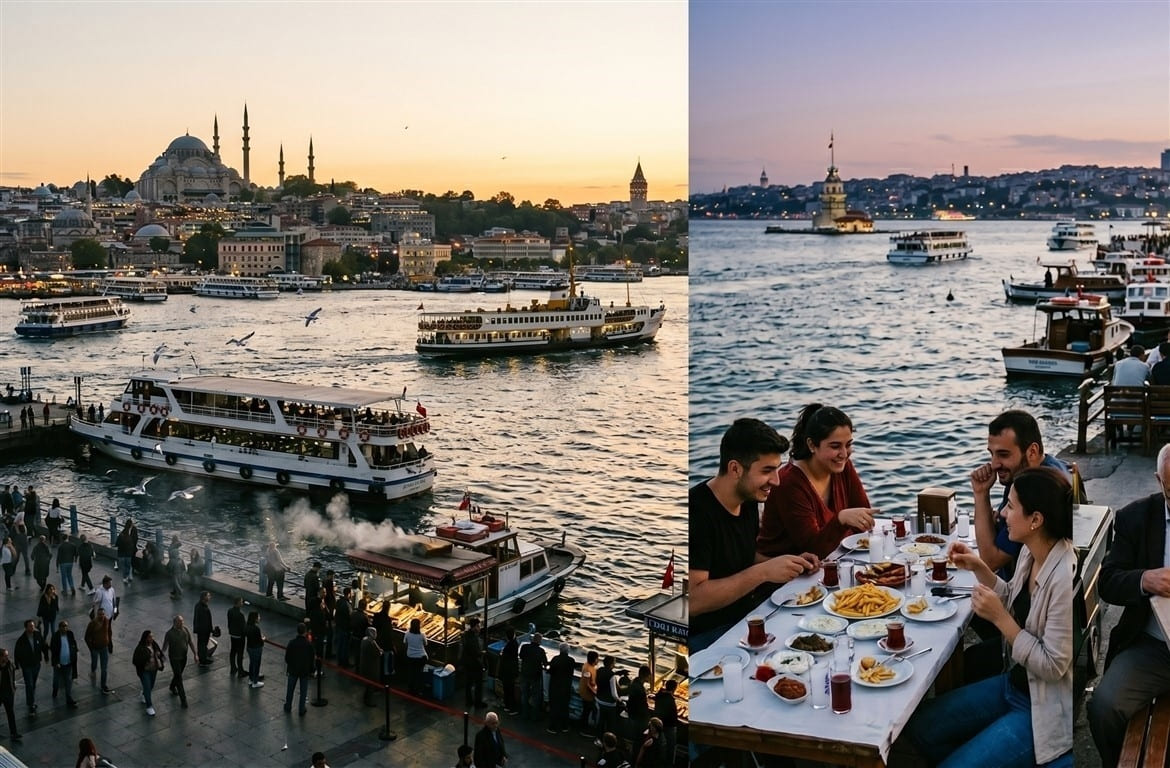
Think of it this way: the European side is the grand stage, full of dramatic performances. The Asian side? That’s the cozy after-work table, where real life unfolds. Now, that’s not a hard-and-fast rule, but it’s a pretty useful way to understand the city’s character. On the European shore, travelers often zip between monumental sights, fascinating museums, chic hotels, swanky rooftop restaurants, and world-famous shopping streets. On the Asian shore, though, the real joy comes from smaller, more intimate scenes: someone gracefully carrying a bouquet of flowers in Kadıköy, teenagers happily sharing fries by the sea, or an elderly ferry passenger meticulously folding his newspaper with almost priestly concentration.
For food, Kadıköy absolutely rivals anywhere in the city for its incredible variety and fantastic atmosphere. Culturally speaking, the Süreyya Opera House, independent cinemas, charming bookstores, vibrant street art, and lively neighborhood festivals all give the district its own distinct voice. And for sheer calm? Üsküdar and those serene northern Bosphorus neighborhoods win, without even having to try too hard.
FAQ: Your Burning Questions Answered
Is the Asian side of Istanbul truly worth a visit?
Absolutely, yes! The Asian side is definitely worth visiting for Kadıköy’s amazing markets and bustling nightlife, Üsküdar’s breathtaking waterfront views, charming Bosphorus neighborhoods like Kuzguncuk and Çengelköy, the impressive Beylerbeyi Palace, the famous Bağdat Avenue, and its convenient ferry access to the Princes’ Islands. It genuinely gives you a much fuller, richer sense of Istanbul, well beyond just the
0 Comment