


Manila Itinerary: Top Spots in 3 Days
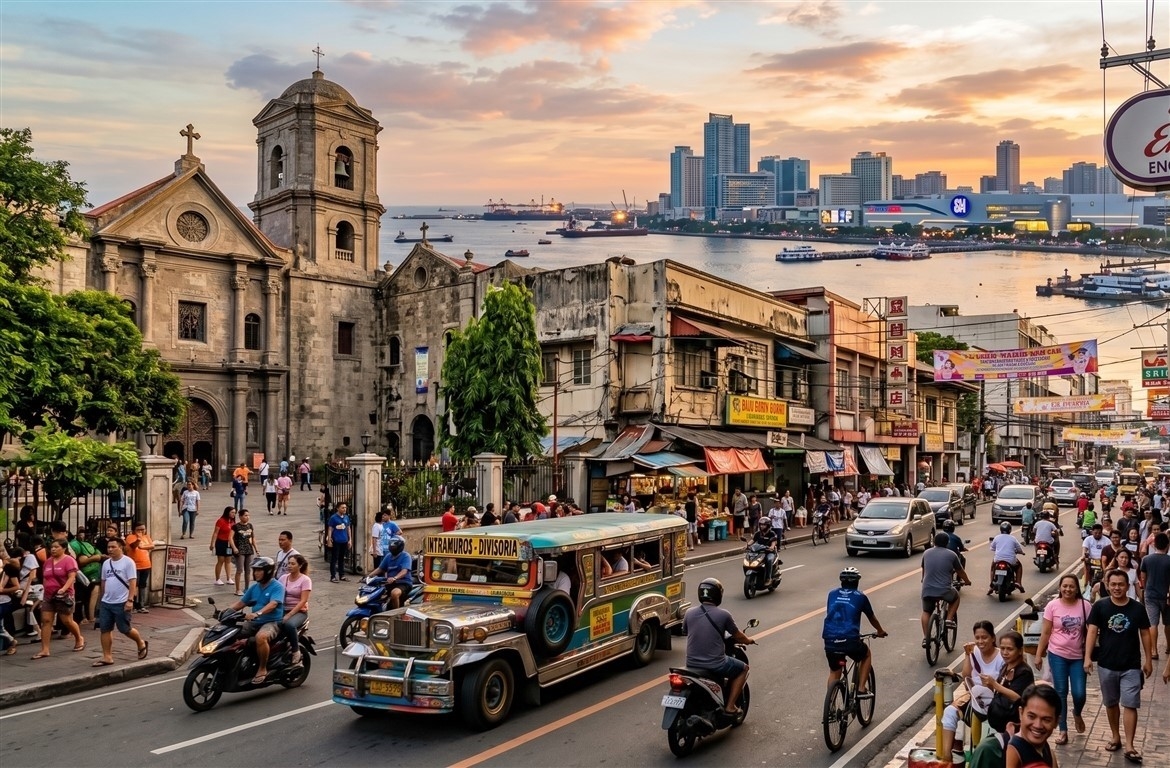
Manila isn’t one of those cities that rolls out a neat welcome mat. It’s vast. It’s loud. It’s wonderfully humid. The city constantly buzzes, smiles, and tempts you with incredible food. Then, in the blink of an eye, you’ll find a centuries-old Spanish church right next to a bustling Chinese bakery, a gleaming glass mall, and a breathtaking bay sunset, all on the same afternoon. Three days won’t make this city simple. And honestly? That’s a good thing. Manila truly shines when it keeps a few delightful corners a bit messy.
A smart three-day trip to Manila really tightens up your route. Think about it: Old Manila and Binondo? They just belong together. Makati, Bay City, and Pasay flow nicely as a modern urban loop. Maybe Bonifacio Global City (BGC) or a tranquil university district can round out your last day. Remember to mix in museums, savor every bite of Filipino food, embrace ride-hailing apps, and pack a good dose of patience for the traffic. That’s your real game plan right there.
Manila in 3 Days: A Quick Plan
Three days in Manila offers first-time visitors plenty of space to hit all the big-ticket experiences. You’ll definitely see Intramuros, Fort Santiago, San Agustin Church, Binondo Chinatown, Rizal Park, the National Museum Complex, Manila Bay, Makati, SM Mall of Asia, and Bonifacio Global City. Yes, it’s a jam-packed schedule. But it won’t feel rushed if you group your days geographically.
| Day | Main Area | Best For | Evening Idea |
|---|---|---|---|
| Day 1 | Intramuros, Binondo, Rizal Park | History, museums, amazing local food | Sunset dinner by Manila Bay |
| Day 2 | Makati, Bay City, Pasay | Shopping centers, modern vibe, night spots | Dining out in Poblacion or Pasay |
| Day 3 | Paco Park, Salcedo, BGC, UP | Relaxed pace, green spaces, cool cafés | Dinner cruise or a cultural performance |
| Flexible | National museums or Ocean Park | Rainy days, families, taking it slow | Indoor dinner and drinks scene |
Manila: When to Visit
Manila keeps things hot, humid, and full of life all year long. The dry season, roughly December through May, is definitely the easiest for walking tours, grabbing outdoor photos, and enjoying those long days around Intramuros. Just a heads up: March, April, and May can feel brutally hot by noon, so starting your mornings early is key. Drink water before you even feel thirsty. Treat those museum breaks like essential parts of your route, not just a plan B.
The wetter months bring sudden, intense downpours and slower roads. A quick shower might vanish in minutes, or it could absolutely flood a street and throw off your entire day. Always carry a small umbrella. Wear shoes that can handle puddles. Always have an indoor stop ready to go. Manila totally rewards flexibility. If you stick to a rigid schedule, it’ll often punish you with traffic and bad weather, usually hitting at the exact same moment.
Getting Around Manila
Metro Manila is simply huge. And guess what? Traffic is just part of the travel experience, whether you like it or not. Ride-hailing apps, like Grab, are usually the easiest choice for many visitors. This is especially true at night or when you’re hopping between districts. Sure, metered taxis exist, but always confirm they’ll use the meter *before* you get in. Trains can certainly help on certain routes. The LRT and MRT lines connect key parts of the metro, though they won’t drop you perfectly at every single tourist sight.
Jeepneys are still a big part of local life. They’re cheap, incredibly colorful, and can be a bit confusing for first-timers. Give one a try with a local friend, or on a short route when you’re not wrestling luggage. Walking works great inside Intramuros, in certain sections of Makati, BGC, and within mall districts. But walking across random, huge arterial roads? Nope. Manila’s roads genuinely couldn’t care less about your vacation mood.
- Group your sights by district. Intramuros, Binondo, Rizal Park, and the museums are close enough to share one day. Makati and BGC feel super modern and polished, but they’re quite a bit from Old Manila. Don’t bounce between them without a really good reason.
- Travel outside peak traffic. Early morning rides? Much calmer. Late afternoon? Expect a crawl. Always leave plenty of buffer time before dinner reservations, airport runs, or shows.
- Use malls as handy anchors. In Manila, malls are so much more than just shopping zones. They’ve got ATMs, spotless restrooms, food courts, pharmacies, taxi stands, and air-conditioning that feels like a pure blessing.
Where to Stay in Manila
Your choice of where to sleep seriously shapes your entire trip. Pick a hotel on the wrong side of town, and a short itinerary can quickly turn into a never-ending parade of brake lights. Base your decision on your travel style, not just some random cheap rate you spotted on a map.
| Area | Best Fit | Trade-Off |
|---|---|---|
| Intramuros | History buffs and first-day walkers | Quieter after dark, fewer hotel options |
| Ermita and Malate | Museums, Manila Bay, budget-friendly stays | Street vibe varies block by block |
| Makati | Great restaurants, malls, business hotels | Traffic to Old Manila can be a drag |
| Bay City and Pasay | Mall of Asia, airport access, families love it | Less of that old-city charm |
| BGC | Clean streets, nightlife, trendy cafés | Farther from Intramuros and Binondo |
Intramuros
Intramuros is absolutely the atmospheric pick. Stay here if old walls, cobbled lanes, beautiful churches, and colonial tales are what drew you here. This area works perfectly for Day 1, and mornings are simply magical before the heat really settles in. Nightlife here is pretty quiet, so your dinner plans might take you elsewhere.
Ermita and Malate
Ermita and Malate put you right near Rizal Park, the National Museum Complex, Manila Bay, and a real mix of hotels. The area has history, a genuine old Manila feel, and a slightly rougher edge in certain spots. Be picky, check recent hotel reviews, and always use ride-hailing late at night.
Makati
Makati is an easy win for visitors seeking comfort. Ayala Center, Greenbelt, Glorietta, tons of restaurants, lively bars, banks, and business hotels are all packed close together. It totally lacks the antique romance of Intramuros. But after a sticky, hot day of sightseeing, Makati often feels like a sane, welcome retreat.
Bay City and Pasay
Bay City and Pasay are ideal for travelers who prioritize SM Mall of Asia, entertainment venues, fantastic Manila Bay dining, and quick airport access. Families often appreciate the sheer convenience. The setting here is modern and quite spread out, with fewer historic corners to explore on foot.
Bonifacio Global City
BGC is polished, super walkable, and bursting with restaurants, cafés, shops, and bars. It feels less like old Manila and more like a thoughtfully planned global district. Choose to stay here if you love clean sidewalks, late-night dinners, and a softer landing after those long flights.
Manila Day 1: History & Old City
Day 1 absolutely has to kick off where Manila’s rich, layered story is easiest to grasp: Intramuros. This Walled City showcases Spanish colonial architecture, stunning churches, charming courtyards, intriguing museums, sturdy stone gates, and the lingering scars of war. It’s compact enough to explore comfortably on foot or by pedicab. Just remember, the heat can make even short distances feel much longer.
Morning: Intramuros
Get there early. Stroll along the ancient walls, wander down the quiet side streets, and really give yourself permission to slow down. Intramuros isn’t just a checklist of sites. Its best moments are the little things: a horse carriage clip-clopping past a grand stone facade, students chatting as they cross a sun-drenched courtyard, or the morning light hitting the old fort walls at a dramatic angle.
Fort Santiago
Fort Santiago stands as one of Manila’s most vital historic places. This ancient defense fortress sits right at the mouth of the Pasig River and is intimately connected to José Rizal, whose life and execution are still central to Philippine national memory. Try to visit before noon if you can. There’s some shade, but definitely not enough for a full midday baking.
San Agustin Church & Museum
San Agustin Church holds the title of the oldest stone church in the Philippines. It’s also part of a UNESCO-listed collection of Baroque churches. Step inside, and the whole atmosphere shifts instantly. The street noise fades away, and the incredible ceiling, ornate chapels, and museum rooms gently pull your day into a much calmer pace. Dress respectfully, please; it’s still a very active place of worship.
Casa Manila
Casa Manila meticulously recreates the lavish lifestyle of a wealthy colonial-era household. Yes, it’s a bit curated, almost like a stage set, but it’s incredibly useful for understanding the past. The furniture, courtyards, galleries, and various rooms really help visitors visualize how elite domestic life once looked within these old walls. Combine it with San Agustin for an even deeper sense of this historical place.
Lunch: Binondo Chinatown
Head over to Binondo for lunch. Established during the Spanish colonial period, Binondo is widely celebrated as one of the world’s oldest Chinatowns. It absolutely remains one of Manila’s finest eating districts. Come hungry. Dumplings, noodles, lumpia, hopia, roasted meats, crispy fried snacks, and tiny bakeries make this area perfect for grazing. Forget sitting through one long meal; just nibble your way around.
Ongpin Street is the perfect central artery for your first visit. The pavements get crowded, the signage screams for attention, and the food stops are practically on top of each other. It can feel beautifully chaotic. That’s part of its charm. Bring cash for those smaller vendors, and keep your valuables tucked away securely.
Afternoon: Rizal Park & Museums
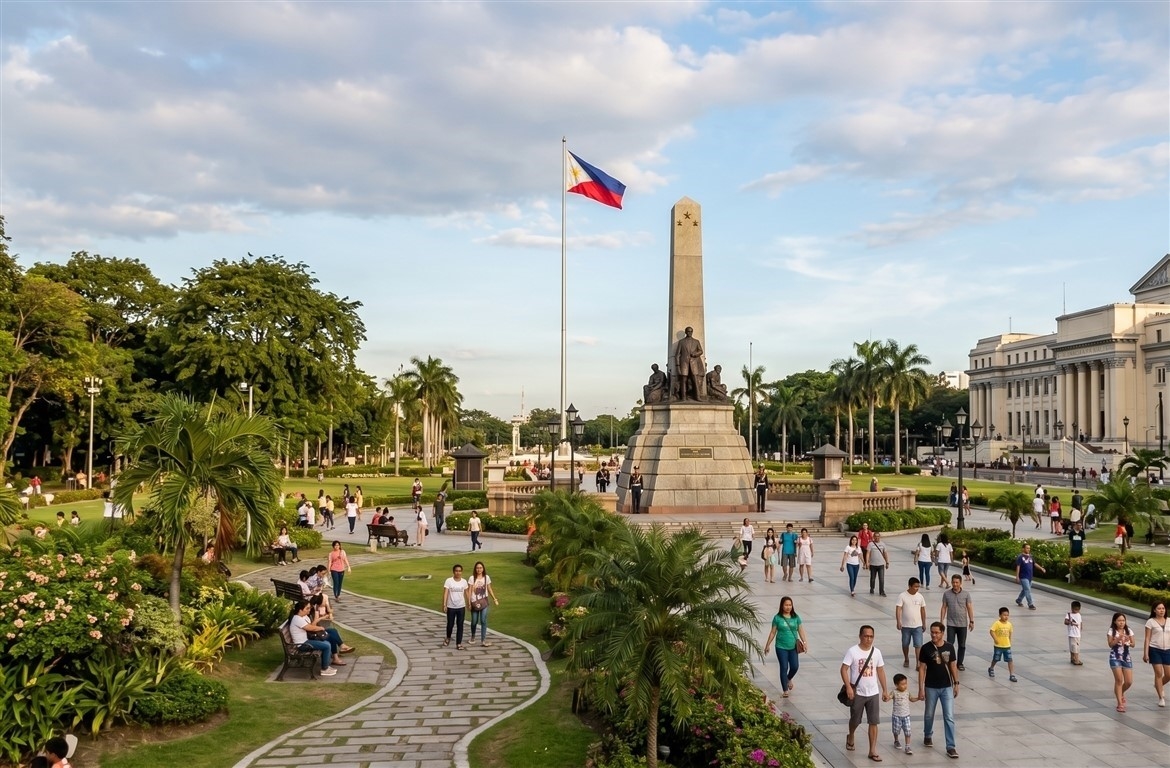
After your Binondo feast, make your way towards Rizal Park and the National Museum Complex. Rizal Park, also known as Luneta, is one of Manila’s most iconic public spaces and home to the Rizal Monument. The nearby museums offer a wonderful dose of calm for the afternoon: art, anthropology, natural history, and poignant national memory, all housed under grand, impressive roofs.
Pick one or two museums. Don’t try to devour the entire complex. A tired museum visit just becomes aimless hallway wandering. Choose what truly interests you, then give it the proper time and attention it deserves.
Evening: Sunset at Manila Bay
Wrap up your day at Manila Bay. The sunset here has become a beloved Manila ritual for an excellent reason: the sky can explode into coppers, soft pinks, or deep oranges over the water. People gather, as if the entire city has briefly agreed to just pause. Stroll along the Baywalk area, then grab dinner nearby, or easily hop over to Malate, Ermita, Pasay, or Makati.
Manila Day 2: Modern City Life
Day 2 changes gears completely. Glass towers, bustling shopping centers, chic rooftop bars, colossal malls, and vibrant dining districts take over from the old walls. This is still Manila, but it’s definitely wearing a much cleaner, sharper shirt.
Morning: Makati & Ayala Center
Kick off your day in Makati, which is the city’s undisputed business and lifestyle hub. Ayala Center serves as the easiest anchor, with Greenbelt, Glorietta, countless shops, inviting cafés, and fantastic restaurants all clustered incredibly close. Enjoy a leisurely late breakfast, wander through the serene gardens around Greenbelt, and use this area to wonderfully reset after the heavier history of Day 1.
Greenbelt and Glorietta
Greenbelt features beautifully landscaped paths, serene chapels, charming dining terraces, and upscale boutiques. Glorietta, on the other hand, is generally busier and more practical, packed with retail stores, quick snacks, and everyday shopping needs. Together, they perfectly illustrate how Manila residents use malls as their public living rooms. People meet up, cool down, grab a bite, enjoy a stroll, and escape the rain here.
Lunch in Makati
Lunch can be as casual or as polished as you like. Filipino comfort food, savory ramen, juicy burgers, cozy cafés, and regional restaurants are all super easy to find around Makati. Try sisig if you love sizzling, intensely savory food with a real kick. Go for sinigang if a tangy, sour broth sounds just right. Halo-halo later in the day? Absolutely, especially when the heat gets absolutely rude.
Afternoon: SM Mall of Asia & Bay City
Head to Bay City for SM Mall of Asia. This place is one of the largest mall complexes in the entire country and a massive leisure destination right by Manila Bay. It’s so much more than just shops: expect cinemas, diverse restaurants, huge entertainment spaces, lovely bayfront walks, and plenty of family attractions filling the area. Even travelers who swear they dislike malls usually end up grateful for the glorious air-conditioning here.
Optional Stop: Manila Ocean Park
Families might find Manila Ocean Park a better alternative to a long mall afternoon. It’s conveniently located near Manila Bay and works wonders when the weather turns wet or if the kids need something more interactive than another historical plaque. Just double-check their current opening hours before you head out, as schedules can sometimes change.
Evening: Dinner in Pasay or Poblacion
For dinner, stick around Pasay and Bay City if you’re looking for sheer convenience. However, if you’re in the mood for vibrant bars, live music, unique small restaurants, and a looser, more energetic night out, head to Poblacion in Makati. Poblacion can be incredibly fun and delightfully messy all at once. Always use a ride-hailing app after dark, and keep your phone securely out of easy reach on crowded streets.
Manila Day 3: Local Vibes & BGC
Day 3 shouldn’t feel like an afterthought. Use this day to really dive into the Manila you want more of: tranquil parks, bustling weekend markets, sleek modern streets, lively student neighborhoods, cozy cafés, or a spectacular final dinner by the bay.
Morning: Paco Park or Salcedo Market
Paco Park offers a wonderfully softer start to the morning. This circular cemetery-turned-park features ancient walls, mature trees, and a sense of quiet calm that feels almost surreal after Manila’s usual busy corridors. It’s a short visit, not an entire morning affair, but it lands beautifully.
If your third day happens to be a Saturday, the Salcedo Saturday Market in Makati is a far better breakfast plan. Food stalls, fresh produce, delicious baked goods, authentic Filipino dishes, and international bites absolutely fill the park area. Get there early, snack on everything, and honestly, don’t even try to plan on eating lightly. That plan will spectacularly fail.
Lunch: Local Food & Street Snacks
Use lunchtime to fill any culinary gaps from the first two days. Adobo for that deep soy-vinegar flavor, pancit for savory noodles, lumpia for crispy bites, lechon for succulent roasted pork, chicken inasal, kare-kare, or even a simple silog breakfast plate—they all fit perfectly into a Manila food adventure. Street snacks are so tempting, but always choose vendors with high customer turnover and food that’s cooked piping hot right in front of you.
Afternoon: BGC or UP Diliman
BGC is the effortlessly easy option: super walkable streets, cool murals, chic shops, cozy cafés, engaging bookstores, sophisticated cocktail bars, and impeccably polished sidewalks. It gives visitors a glimpse into the newer side of Metro Manila, with far less friction and a whole lot more breathing room.
UP Diliman presents a totally different afternoon. The campus boasts wide roads, mature trees, a palpable academic energy, and a noticeably slower, more local feel. It pairs wonderfully with Maginhawa Street in Quezon City for casual eating, though travel time from central Manila can definitely stretch. Only pick this route if you’re comfortable spending a bit more time in transit.
Evening: Dinner Cruise or Cultural Show
A Manila Bay dinner cruise can feel a bit touristy, sure. But it can also be genuinely pleasant if the weather holds up and you’re looking for a relaxed final evening. A cultural performance is another excellent last-night choice, offering vibrant music, dynamic dance, and a showcase of Filipino heritage presented in a beautifully structured setting. Just make sure to book ahead during busy travel periods.
Must-Visit Places in Manila
Intramuros is the absolute classic starting point. It’s packed with ancient walls, grand gates, stunning churches, vibrant plazas, and fascinating museums, all within a walkable district. Head there early and definitely wear a hat.
Fort Santiago really brings the city’s colonial and national history into sharp focus. It stands as one of the most profoundly meaningful stops in Old Manila.
Binondo Chinatown is a foodie’s paradise: crowded, alive, and utterly delicious. Visit for incredible noodles, tasty dumplings, amazing bakery treats, vibrant street scenes, and that wonderful feeling of being delightfully overwhelmed.
Rizal Park serves as a lovely green oasis between the museums and the bay. Its iconic monument and open spaces provide a vital civic focal point for the city.
The National Museum Complex is perfect for rainy afternoons, blazing hot afternoons, and anyone craving a deeper dive into Philippine art, culture, and natural history.
Manila Baywalk truly shines near sunset. The bayfront isn’t perfectly polished everywhere, but the sky can be absolutely magnificent.
SM Mall of Asia is a colossal leisure destination with endless shopping, dining, entertainment, and easy bay access. It’s practical and useful, not subtle.
Makati offers a fantastic array of restaurants, comfortable hotels, sprawling malls, lively bars, and a truly practical base. It’s one of the easiest districts for first-time visitors to navigate.
Poblacion buzzes with a youthful nightlife energy, featuring cool bars, independent restaurants, cozy hostels, and streets that stay vibrant late into the night. Stay aware, then just enjoy the atmosphere.
Bonifacio Global City is modern, impeccably clean, and straightforward to explore on foot. It offers a powerful, refreshing contrast to Old Manila for your final day.
Manila: Where to Eat
Street Food
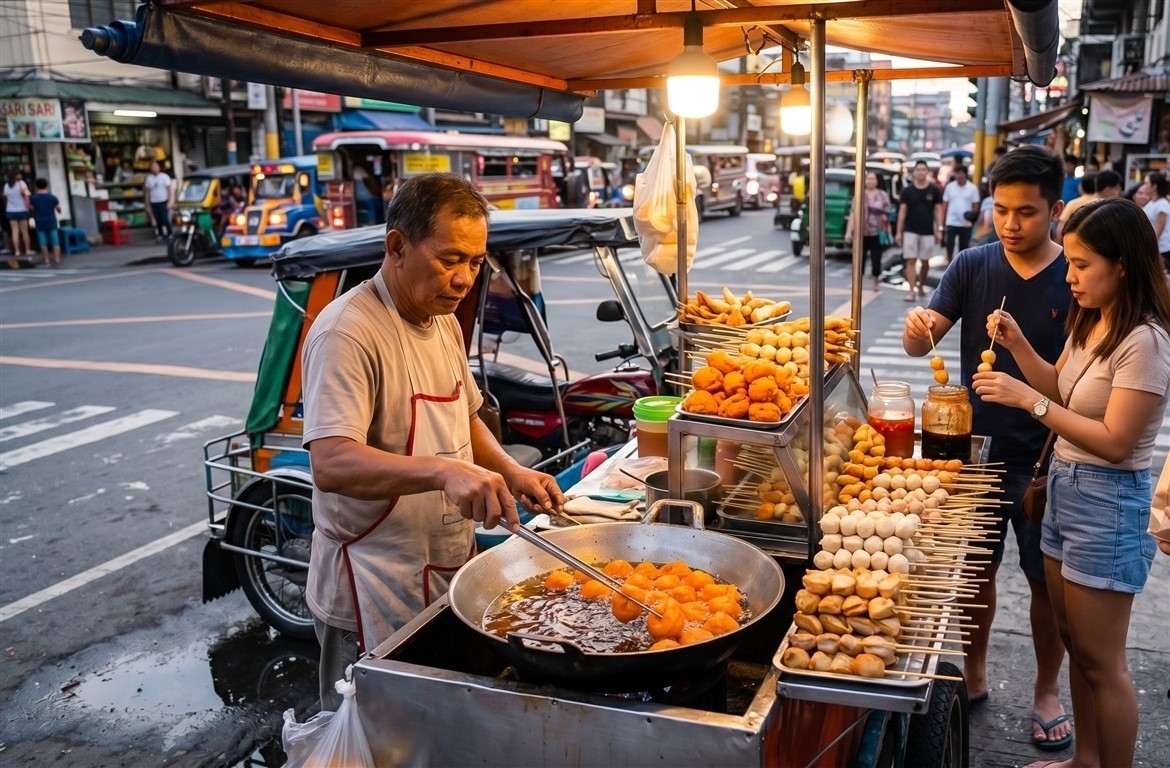
Street food in Manila is quick, incredibly cheap, and wonderfully social. You’ll find grilled skewers, bouncy fish balls, crispy kwek-kwek, sweet banana cue, soft taho, and various fried snacks popping up all around busy areas. Always choose items that are cooked hot and fresh right in front of you. If your stomach is a bit sensitive, start with market stalls or food courts before diving headfirst into curbside grazing.
Fast Food & Local Chains
Trying local fast food is absolutely part of the experience here. Filipino chains serve up delicious fried chicken, sweet spaghetti, tasty burgers, rice meals, refreshing halo-halo, and hearty breakfast plates. It’s not fine dining, and it’s not trying to be. This is everyday Manila, bright lights and all.
Casual Restaurants
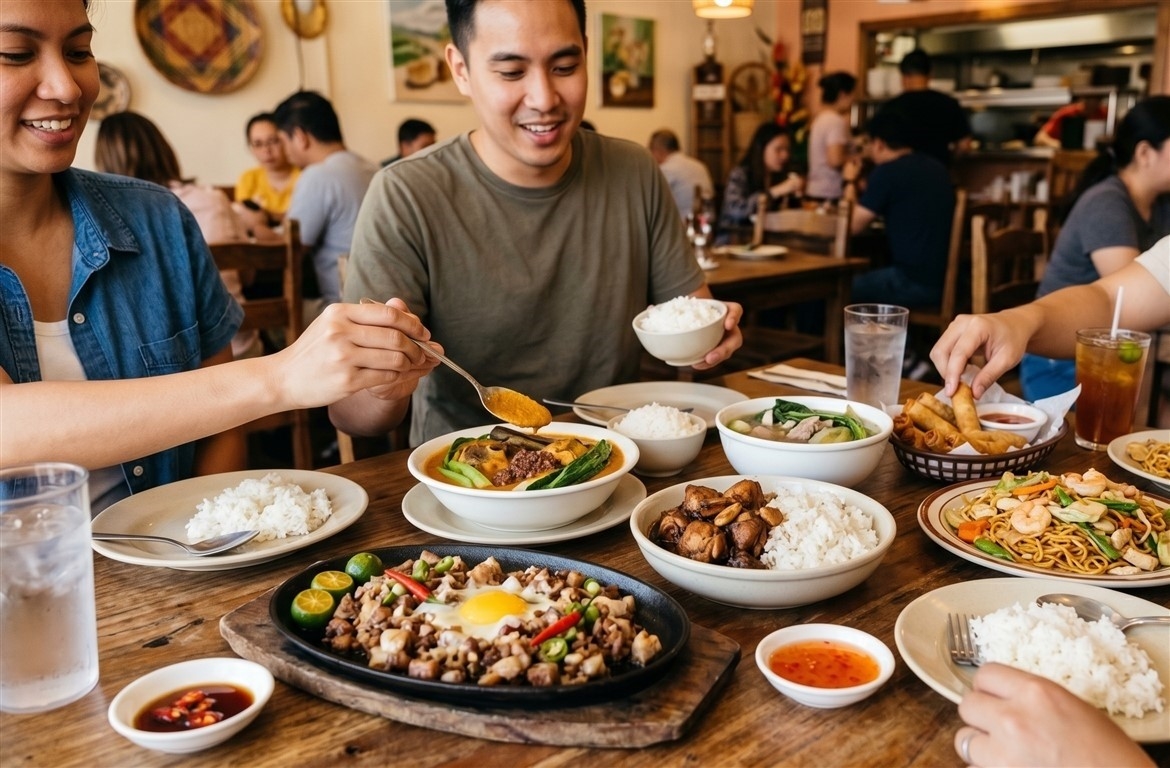
Casual restaurants are the easiest way to try authentic Filipino dishes without needing a full cultural decode. Order adobo for its deep soy-vinegar richness, sinigang for that wonderfully sour broth, sisig for sizzling, savory perfection, pancit for fantastic noodles, lumpia for crispy, satisfying bites, and kare-kare for creamy, peanut-based comfort. Share plates! Filipino meals just make more sense that way.
Fine Dining
Manila’s higher-end dining scene has really blossomed, especially around Makati, BGC, and the hotel districts. Expect exquisite Filipino tasting menus, sophisticated regional cooking, modern Asian restaurants, top-notch steakhouses, and polished hotel dining experiences. Definitely book ahead for those highly celebrated kitchens and weekend evenings.
Best Dining & Drinks Areas
Makati is reliably good. BGC is sleek and stylish. Poblacion is much rowdier and fun. Bay City offers convenience after a Mall of Asia visit or a sunset stroll. Binondo is best for lunch or an early dinner, unless you already know exactly where you’re headed. Manila truly rewards eaters who move with the neighborhood, rather than relentlessly chasing one “perfect” restaurant clear across town.
Manila Tips for First-Timers
Safety Tips
- Use ride-hailing at night. It keeps your route visible, clarifies the fare, and makes managing your pickup point much easier after dinner or drinks.
- Keep your valuables discreet. A simple crossbody bag, the habit of keeping your phone in a front pocket, and a low-key watch will prevent more problems than any dramatic warning ever could.
- Watch traffic before looking at your map. Pedestrian crossings can feel a bit loose here. Motorbikes, buses, cars, and jeepneys all move to their own distinct rhythm.
- Ask hotel staff about nearby blocks. Manila can change rapidly from one street to the very next. Local front desk staff usually know exactly which corners feel safer after dark.
Traffic & Transport Tips
Whatever you do, don’t plan to visit three wildly separated districts in one afternoon. That’s a surefire way for a Manila itinerary to completely unravel. Group your Old Manila sights together. Keep Makati and Bay City linked whenever possible. Save BGC for a smoother, final-day arc. Airport trips need plenty of extra padding, especially during the late afternoon and evening traffic rushes.
Money, Payments & Tipping
Credit cards work perfectly in hotels, malls, and most restaurants. However, cash is still incredibly helpful in markets, small eateries, taxis, and all those amazing street food areas. ATMs are super easy to find in malls and business districts. Tipping is certainly appreciated in restaurants, hotels, and on tours, though many sit-down places often include a service charge already.
What to Wear & Pack
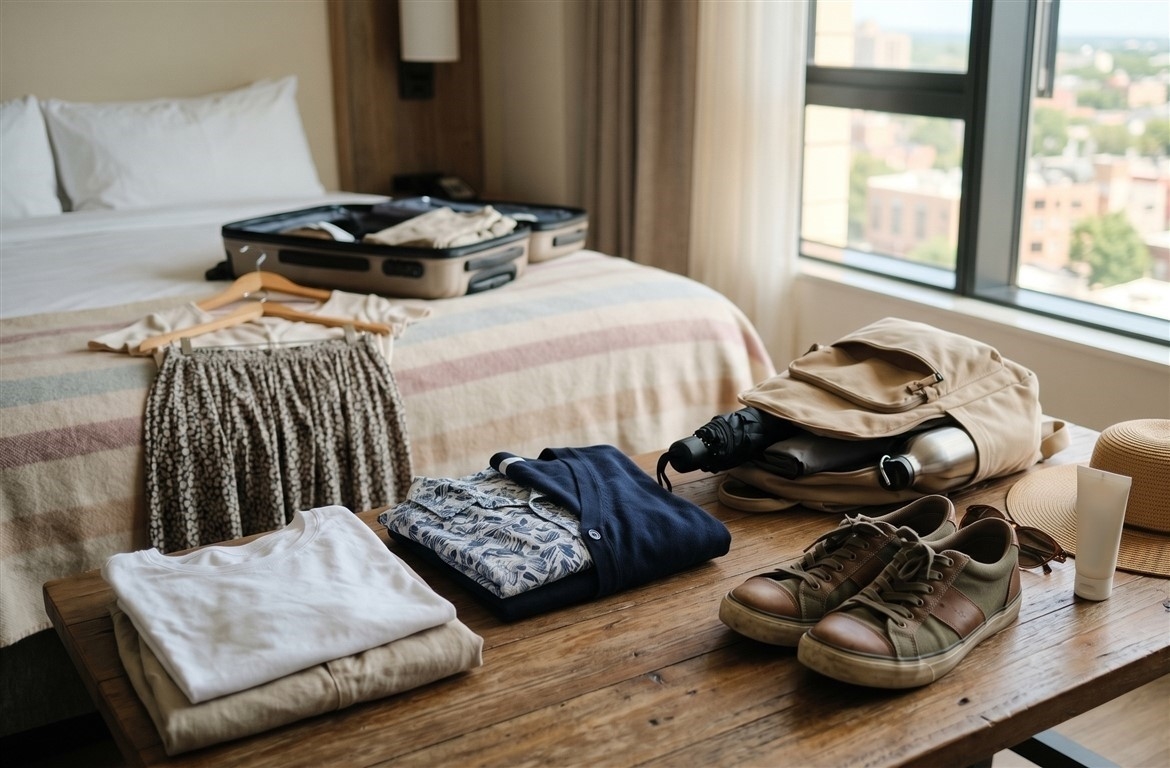
Pack light, breathable clothing. Comfortable walking shoes are an absolute must. Don’t forget sunscreen, a good hat, a small umbrella, and a reusable water bottle. Churches and fancier restaurants often require modest, neat attire. Malls, surprisingly, can be cold enough to make you actually laugh at yourself for sweating just ten minutes earlier, so a thin layer to throw on definitely helps.
Is Manila Safe for Tourists?
Manila is a bustling, major urban destination. Tourists visit its historic sites, impressive malls, comfortable hotels, fascinating museums, delicious restaurants, and lively entertainment districts every single day. The smart approach is simply city awareness, not outright panic. Stick to known transport, keep your bags close in crowded areas, avoid flashing large amounts of cash, and definitely don’t wander down poorly lit side streets late at night after a few drinks.
The more common rough patches are usually practical: heavy traffic, intense heat, confusing routes, and the risk of petty theft in very crowded spots. Violent incidents involving tourists are honestly not the typical travel story here. But careless behavior can still invite trouble. Move with purpose. Ask locals for advice. If a street simply feels off, just leave. No need to debate it.
Manila 3-Day Itinerary Map
The smoothest route begins in Old Manila: hit Intramuros, Fort Santiago, San Agustin Church, Casa Manila, Binondo, Rizal Park, the National Museum Complex, and Manila Bay. Day 2 can easily flow through Makati, Ayala Center, Bay City, SM Mall of Asia, and Pasay. For Day 3, you can lean towards Paco Park, Salcedo Market, BGC, UP Diliman, or simply enjoy a relaxing bayfront evening.
Think in clusters, not scattered pins on a map. Manila isn’t a city designed for zigzag sightseeing. A well-planned route saves your energy by respecting distances, acknowledging traffic, and recognizing the simple truth that lunch tastes a whole lot better when you’re not absolutely furious in the back seat of a car.
Alternative Itinerary Options
For History Lovers
Dedicate more time to Intramuros, add extra museum hours, linger longer at Fort Santiago, and treat Binondo as a rich cultural food exploration rather than just a quick lunch stop. Consider adding Escolta if you appreciate old commercial architecture and that beautifully faded urban texture.
For Food Lovers
Build your entire trip around Binondo’s culinary wonders, the Salcedo Market, Poblacion’s vibrant dining scene, Makati’s diverse restaurants, authentic Filipino casual dining, and all those irresistible dessert stops. Keep sightseeing a bit lighter. Manila’s food isn’t just a side quest; it can absolutely carry the whole trip if you let it.
For Families
Shorten your walking segments, definitely add Manila Ocean Park, use malls for frequent cool breaks, and avoid late-night transfers. A morning in Intramuros, an afternoon in air-conditioned museums, and an easy dinner near your hotel will always beat heroic overplanning when traveling with kids.
For Shopping & Nightlife
Base yourself in Makati, BGC, or Bay City. Use your mornings for one or two key cultural stops, then dive headfirst into Greenbelt, Glorietta, SM Mall of Asia, Poblacion, and BGC’s fantastic dining and bar scenes. Always make that final ride home simple and safe.
FAQs About Manila
Is 3 days enough time in Manila?
Yes, three days is definitely enough for a solid first visit. You can absolutely see Intramuros, Binondo, Rizal Park, the major museums, Manila Bay, Makati, Mall of Asia, and either BGC or a local market. You won’t see absolutely everything. That’s
0 Comment