

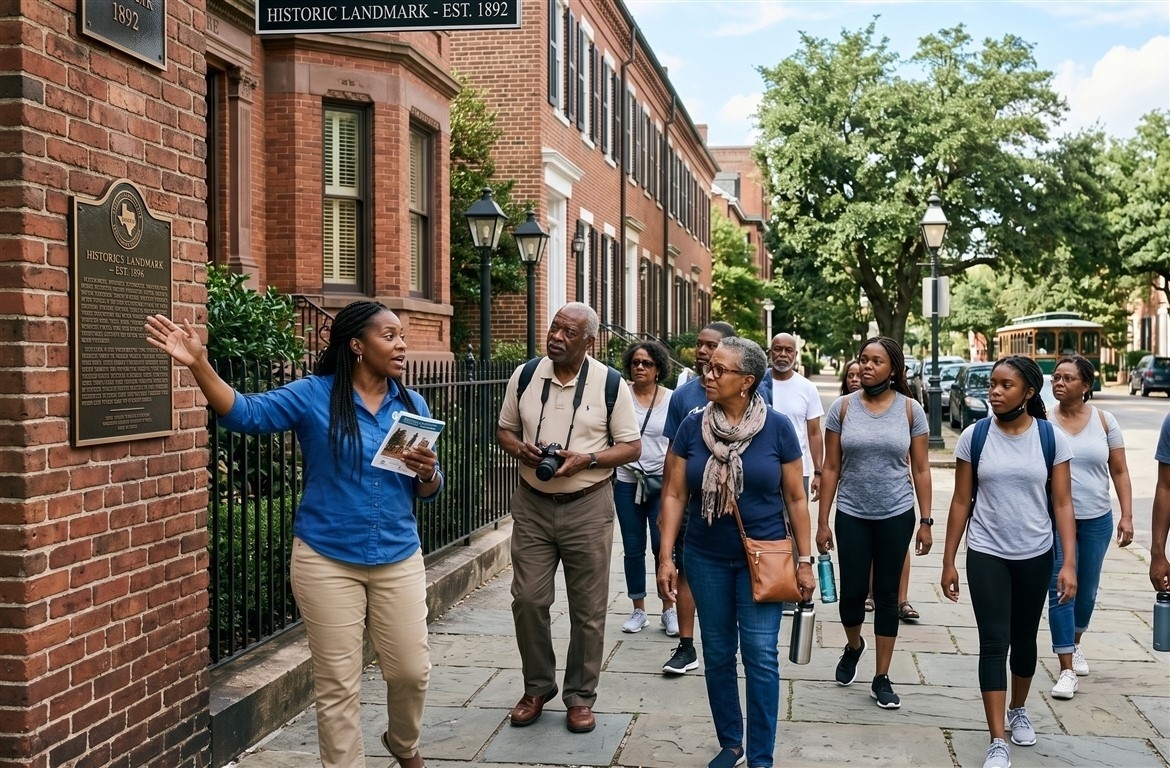

African American History Tours: Black Heritage Across America
An African American history tour literally changes how you see the map. Those streets you just walked? Suddenly, they’re buzzing with forgotten names, massive migrations, fiery sermons, tough court battles, bustling storefronts, groundbreaking music, hard labor, deep grief, and incredible triumph. A simple brick house transforms into a secret meeting spot. A church basement becomes a classroom for change. A busy harbor reveals itself as a ledger of forced arrivals and fierce survival. The United States simply reads differently when Black history isn’t just pushed into a tiny footnote.
Good news: travelers in 2026 have an astonishing number of choices. Think guided strolls, in-depth museum visits, private dives into specific neighborhoods, engaging school programs, comprehensive bus routes, immersive cultural food experiences, and even heritage trails you can tackle at your own pace, map in hand. Some are polished, ticketed affairs. Others are free public routes, totally open for exploration. Some feel incredibly quiet, even raw, hitting you right in the gut. The best ones? They absolutely refuse to flatten history down to just a bunch of dates. Instead, they weave together slavery, resistance, emancipation, civil rights, stunning art, vital education, entrepreneurial spirit, deep faith, and cherished family memories. They let you stand right inside those stories.
What Exactly Is a Black History Tour?
So, what’s a Black history tour all about? It’s a travel experience that puts Black life, struggle, creativity, and leadership in the United States front and center. You might follow a city trail, get lost in a museum’s collection, step inside historic churches, visit powerful civil rights landmarks, or trace the neighborhoods that Black communities built over generations.
The really great tours aren’t just telling you what happened. They show you the precise *where* it happened. You learn who carried the stories, who got rich, who fought back, and what bits and pieces of it still stand visible today. That last part is huge. A simple sidewalk marker can sit right next to some fancy luxury hotel. A sacred burial ground might be surrounded by roaring traffic. A school that played a role in desegregation? It can still feel close enough to reach out and touch.
Black History Tours: A Deeper Look at America
Black history tours shove American history back into its proper, complete frame. They bring the economics of slavery right into those old port cities. They bring the intense fight for education into dusty schoolhouses. They drop the civil rights movement squarely onto the very streets where people marched, organized, sang, prayed, and faced arrest. But wait, there’s joy too! These tours make space for lively jazz clubs, vibrant literary circles, comforting home cooking, joyous neighborhood parades, the rich culture of HBCUs, buzzing barbershops, and incredible galleries and museums—all built by communities that just refused to disappear.
That fuller picture isn’t just for first-time visitors. Oh no. It’s incredibly useful for locals who swear they know their own city inside out. A skilled guide can make a square you’ve walked a hundred times feel almost brand new. Not spooky, just honest.
What You’ll See and Learn on These Journeys
You’ll often find yourself stopping at historic districts, revered churches, old schools, homes of activists, solemn memorials, insightful museums, quiet cemeteries, courthouses, public art installations, former market squares, bustling ports, and neighborhoods profoundly shaped by migration. Many tours also explain how Black communities had to build their *own* institutions when public systems slammed doors in their faces: mutual aid societies, schools, newspapers, powerful religious networks, fraternal groups, and vital cultural spaces.
Prepare for stories of deep brutality and stunning beauty, often side-by-side. That’s just part of the experience. A tour might cover enslavement and the agony of family separation, then smoothly shift to the resilience of music, foodways, land ownership, clever civil rights strategies, military service, and modern cultural power. That shift can feel abrupt. Real history usually does.
Best African American History Tours & Destinations
Listen, no single city holds *all* of African American history. The smartest way to approach this is to pick a destination based on a theme. Think slavery and port economies, abolition and free Black communities, civil rights, Black arts, the Great Migration, education, or specific museum collections. You could spend a whole week weaving several of these threads together, but even a single afternoon can hit hard when your guide truly knows the ground.
Washington, DC: Black History & Culture Tours
Washington, DC, is hands down one of the richest spots for a Black history tour. Here, the story of our nation sits right next to vibrant neighborhood histories. Visitors can easily combine the National Museum of African American History and Culture with stops connected to giants like Frederick Douglass, the hallowed grounds of Howard University, the iconic U Street, the legendary Black Broadway, crucial civil rights organizing sites, and monuments that speak to freedom from so many different angles.
A DC tour is perfect for first-timers because the city offers both massive national institutions and intimate street-level stories. That museum? It demands your time. Rushing through it is a huge mistake. The building houses materials on slavery, segregation, military service, sports, politics, music, religion, fashion, and everyday family life. People often leave feeling completely exhausted, and it’s not just physical.
Boston’s Black Heritage Trail & Historic Sites
Boston’s Black Heritage Trail guides you through Beacon Hill, showcasing the incredible history of the city’s free Black community in the 1800s. This route is officially part of the Boston African American National Historic Site, featuring places central to abolition, education, activism, and community leadership. It’s compact, totally walkable, and absolutely packed with meaning.
This is a brilliant pick if you love historic streets, charming house museums, and the deeply layered feel of an ancient city. Boston’s role in American independence is legendary; its Black abolitionist history gives that famous narrative an even sharper edge. The neighborhood scale makes it personal. You’re not just observing history from afar; you’re walking right through it, door to door.
Charleston Black History Tours
Charleston can be stunning, almost to the point of distraction. A serious Black history tour slices right through that postcard-perfect image. Guides here often connect the city’s gorgeous architecture with rice wealth, bustling ports, slave markets, solemn burial grounds, the unique Gullah Geechee culture, vibrant church life, and the backbreaking labor of enslaved Africans and their descendants.
Charleston isn’t an easy place to explore this subject. And frankly, it shouldn’t be. The city’s undeniable charm was built hand-in-hand with forced labor and brutal racial hierarchy. The strongest tours don’t try to sugarcoat that. They explain it, then gently lead visitors towards powerful stories of family, skilled craft, bold resistance, enduring language, hard-won land, and cultural survival all along the Lowcountry coast.
Houston Black History and Sites of Memory Tours
Houston offers tours that skillfully link Black history to emancipation, the cherished memory of Juneteenth, historic neighborhoods, museums, and public sites woven into local Texas history. Dedicated heritage organizations in the city have put together amazing Black history programs centered around Sam Houston Park, powerful “Sites of Memory” themes, and group educational experiences.
Houston is a smart choice for anyone interested in Juneteenth, the growth of urban Black communities, and Southern history that reaches beyond those older Atlantic port cities. It’s also fantastic for school groups because the city’s stories can be directly connected to Texas history, civic life, migration patterns, and cultural identity.
Northwest African American Museum Tours
The Northwest African American Museum in Seattle brings a whole new geography into the discussion. Black history in the Pacific Northwest is often completely overlooked, making this museum a true gem for travelers who want a broader, richer view of African American culture, art, and unique regional identity.
Museum tours here are a perfect fit if you prefer indoor exhibits, carefully curated displays, and a more serene pace. They also work wonderfully for groups seeking a structured visit rather than a long city walkabout. The museum’s deep focus on Black history, art, and culture makes it invaluable for families, students, and travelers looking for more than just a generic downtown tour.
More Great Black History Tours Across the USA
New Orleans, Memphis, Montgomery, Atlanta, Birmingham, Philadelphia, New York, Richmond, and Baltimore all boast major Black history routes. Each city has its own special flavor. Memphis dives deep into music and civil rights. Montgomery and Birmingham are home to iconic civil rights landmarks. Philadelphia offers a rich tapestry of free Black and abolitionist history. New Orleans adds Creole culture, incredible music, vibrant spirituality, and the enduring memory of the Gulf South.
| Destination | Strongest focus | Tour style | Best fit |
|---|---|---|---|
| Washington, DC | National memory, museums, civil rights | Museum, bus, private city tour | First-time visitors |
| Boston | Abolition, free Black communities | Walking trail, historic site visit | History-focused walkers |
| Charleston | Slavery, Lowcountry culture, Gullah Geechee roots | Walking, ride-and-walk, private tour | Cultural heritage travelers |
| Houston | Juneteenth, emancipation, Texas Black history | Group tours, park-based programs | Schools and community groups |
| Seattle | Black art, culture, Pacific Northwest history | Museum tour | Museum-focused travelers |
What to Expect During the Tour
The pace totally depends on the tour format. A two-hour walking tour might cover just a few blocks, but in incredible detail. A bus tour, on the other hand, can link neighborhoods that would be a pain to reach on foot. A museum visit might move chronologically, by theme, or highlight specific objects. Private tours? Those can be tailored around family heritage, student learning goals, religious history, captivating architecture, or powerful civil rights landmarks.
Spotlighting Historic Landmarks & Neighborhoods
Landmarks are important, sure, but the neighborhoods themselves often hold the true soul of the route. Look for tours that really explain who lived there, how people earned a living, where children went to school, which churches anchored the community, what businesses served the residents, and what shifted after new highways, urban redevelopment, segregation, or gentrification came calling.
A single block can tell a profound story. Think a forgotten theater. A powerful newspaper office. A former school. A humble house with no grand plaque. Great guides know exactly how to slow everyone down at those unassuming places other tours would rush right past.
Museums, Memorials, Churches & Cultural Spots
Museums give vast histories a helpful structure. Memorials offer visitors a place to pause and reflect. Churches and cultural institutions add a vital, lived dimension, because honestly, most weren’t built as tourist attractions. They served people first. And you can absolutely feel that difference.
Travelers should always double-check opening hours before heading out. Smaller museums and historic homes often have limited schedules. Some might even require reservations for groups. Some close on specific weekdays. A tiny bit of planning can save you that sad, deflated moment of staring at a locked door.
Slavery, Resistance, Rights, and Achievements: The Full Story
Black history tours frequently move through four big themes: slavery, resistance, emancipation, and civil rights. But the story absolutely doesn’t stop there. Modern Black culture, impactful politics, vital education, thriving entrepreneurship, powerful literature, delicious food, and groundbreaking art all deserve a spot on the route too. A tour that just quits in the 1960s leaves way too much unsaid.
Listen for names beyond just the famous ones. Frederick Douglass, Harriet Tubman, Martin Luther King Jr., and Rosa Parks are incredibly important. But so are the local teachers, dedicated ministers, skilled printers, compassionate nurses, hardworking dockworkers, brave soldiers, bright students, talented cooks, essential porters, visionary artists, and tireless organizers whose names never made it into a textbook.
Walking, Bus, Museum, and Private Tour Styles
Walking tours give you texture. You hear the city’s pulse, feel the distance, notice the hills, the sun’s heat, the shade, the unique street corners. Bus tours cover more ground and are a godsend for travelers with limited mobility. Museum tours are perfect for bad weather and often feel more focused. Private group tours will cost more, but they offer incredible flexibility for age, pace, specific interests, and accessibility needs.
- Walking tours: These are ideal for historic districts, tight-knit neighborhoods, and anyone who loves soaking in every little detail. Make sure to wear shoes that can handle uneven sidewalks, brick streets, and plenty of standing still.
- Bus or van tours: Super useful in big cities where important landmarks are spread out. They work well for mixed-age groups and travelers who want a broader view without a ton of walking.
- Museum-led tours: A strong choice for visitors who want to engage with objects, photographs, archives, and expert interpretation all in one climate-controlled space. Plus, they’re easier to schedule during winter chills or summer heatwaves.
- Private tours: Absolutely perfect for schools, families, corporate teams, faith communities, and travelers with a very specific theme in mind—like civil rights, regional food culture, or even tracing genealogy.
A Sample Itinerary for Your Black History Tour
A full day works best when you don’t try to cram absolutely everything in. Instead, pick one neighborhood, one major museum or cultural center, and one evening experience that connects to local Black culture. Leave some breathing room. People need time to truly absorb what they’ve heard and seen.
Morning: Start with a Historic District or Heritage Trail
Kick things off outdoors before the crowds arrive. A morning stroll through a heritage trail, a historic district, or a former Black business corridor gives your trip a tangible starting point. In Boston, that might mean Beacon Hill. In Charleston, you’d explore the old city streets and sites directly linked to enslaved labor. And in Washington, DC, a neighborhood route near U Street or Anacostia could be a fantastic choice.
Mornings are also better for snagging great photos, enjoying quieter sidewalks, and having deeper conversations with your guide. Don’t be shy; ask direct questions. Good guides absolutely welcome them.
Afternoon: Dive into a Museum or Cultural Center
Dedicate your afternoon to a museum, historic house, archive, or cultural center. This adds a crucial second layer to your day: real documents, compelling oral histories, tangible objects, period clothing, powerful photographs, moving music, insightful films, and deeply personal testimony. Travelers who rush through these spaces often miss the little things, like a handwritten letter or a schoolbook that defied the odds and survived far longer than anyone expected.
Plan your meals nearby, but for goodness sake, don’t try to squeeze lunch into a ten-minute dash. Heritage travel asks more of your mind than a breezy beach day. And trust me, hunger makes everyone a bit weird.
Evening: Experience Local Black Culture, Food, or Music
The evening can beautifully soften the day without making it superficial. Head to a Black-owned restaurant, a lively jazz venue, a local arts space, a powerful spoken word night, a soul-stirring church concert, or a vibrant community event. These experiences connect history directly to living culture. Food isn’t just a footnote here. Neither is music. They carry memory in profound ways that museum labels can’t always capture.
Best Tours for Different Types of Travelers
Different travelers, different routes. A family with two kids won’t experience a four-hour cemetery and archive walk the same way a graduate history group will. And that’s perfectly okay. The right tour respects everyone’s attention span, mobility, emotional capacity, and natural curiosity.
Best for first-time visitors
Washington, DC, usually stands out as the strongest first choice for many visitors. It beautifully combines national monuments, world-class museums, and excellent guided city tours. A first-timer can grasp the sweeping arc of African American history there, then perhaps plan a more focused regional trip later on.
Best for families and students
Families and students often thrive on museum tours, shorter heritage trails, and programs built around really clear themes. The route needs to include breaks, accessible restrooms, and plenty of time for questions. Sensitive historical topics should be handled with care for younger children, but never by watering down the truth.
Best for groups and private tours
Private tours are invaluable when a group has a fixed schedule, their own bus, specific school curriculum requirements, or unique accessibility needs. They also make sense when the group wants to laser-focus on one particular subject: Juneteenth, civil rights, Black church history, the Great Migration, abolition, or local entrepreneurship.
Best for museum-focused travelers
If you’re all about museums, check out Washington, DC, Seattle, Boston, Atlanta, New Orleans, and Montgomery. The most impactful museum days often pair one major institution with a smaller, local museum. The big places give you scale; the small places frequently deliver the punch you’ll remember.
Best for walking tour lovers
Boston, Charleston, New Orleans, Philadelphia, and Harlem are a walker’s paradise. Bring water, a hat, and plenty of patience. The best walking tours are not races. Your guide might spend ten minutes on one single doorway, and that doorway might absolutely deserve every single second.
Picking the Perfect Black History Tour for You
Choosing a tour isn’t just about grabbing the “top rated” option. It’s really about finding the route that perfectly aligns with *your* reason for going. A shiny booking page can sometimes hide incredibly thin storytelling. On the flip side, a modest local tour could turn out to be absolutely phenomenal. Read those descriptions very carefully.
Location and historical focus
Choose your city based on the subject that calls to you. Go for Boston if you’re keen on abolition and free Black communities. Pick Charleston for deep Lowcountry slavery history and Gullah Geechee culture. Head to DC for major national institutions and broad historical coverage. Opt for Houston if Juneteenth and Texas Black history are your focus. And choose Seattle for a unique perspective on Pacific Northwest Black culture and art.
Tour length and transportation
Two hours is often just right for a focused walking tour. Three to four hours works well for a city overview. A full day absolutely requires meal breaks and smart pacing. Transportation matters more than many travelers realize; a route that looks close on a map might involve steep hills, intense heat, limited shade, or frustratingly long gaps between stops.
Group size and accessibility
Smaller groups typically allow for better questions and more personal interaction. Larger groups can still work beautifully if the guide uses audio equipment and the route provides enough space for everyone to gather safely. Before booking, travelers should always check about wheelchair access, restroom availability, opportunities for seating, and total walking distance.
Your Guide’s Expertise and Storytelling Style
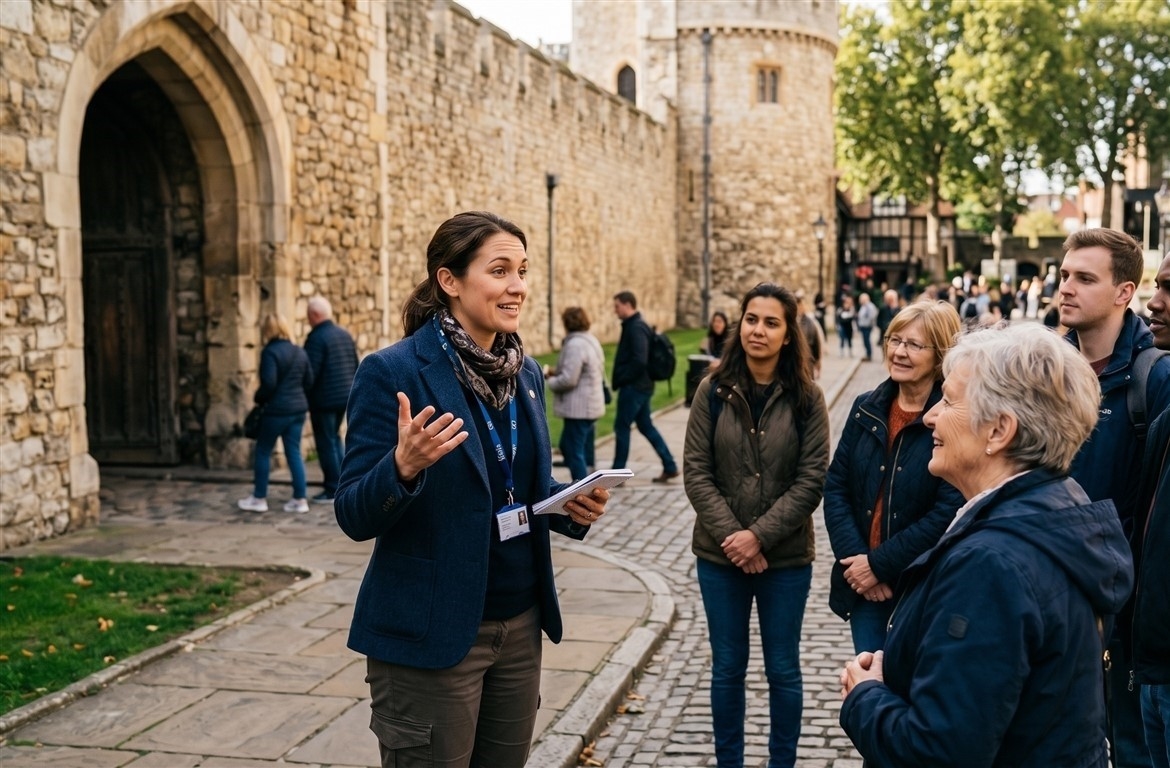
A truly great guide does so much more than just rattle off dates. Listen for rich biography, crucial context, deep place memory, and a real care with language. This subject demands accuracy. It also deserves warmth. The best guides can navigate difficult material without ever turning people into props or pain into a mere performance.
Checking Reviews, Ratings, and Feedback
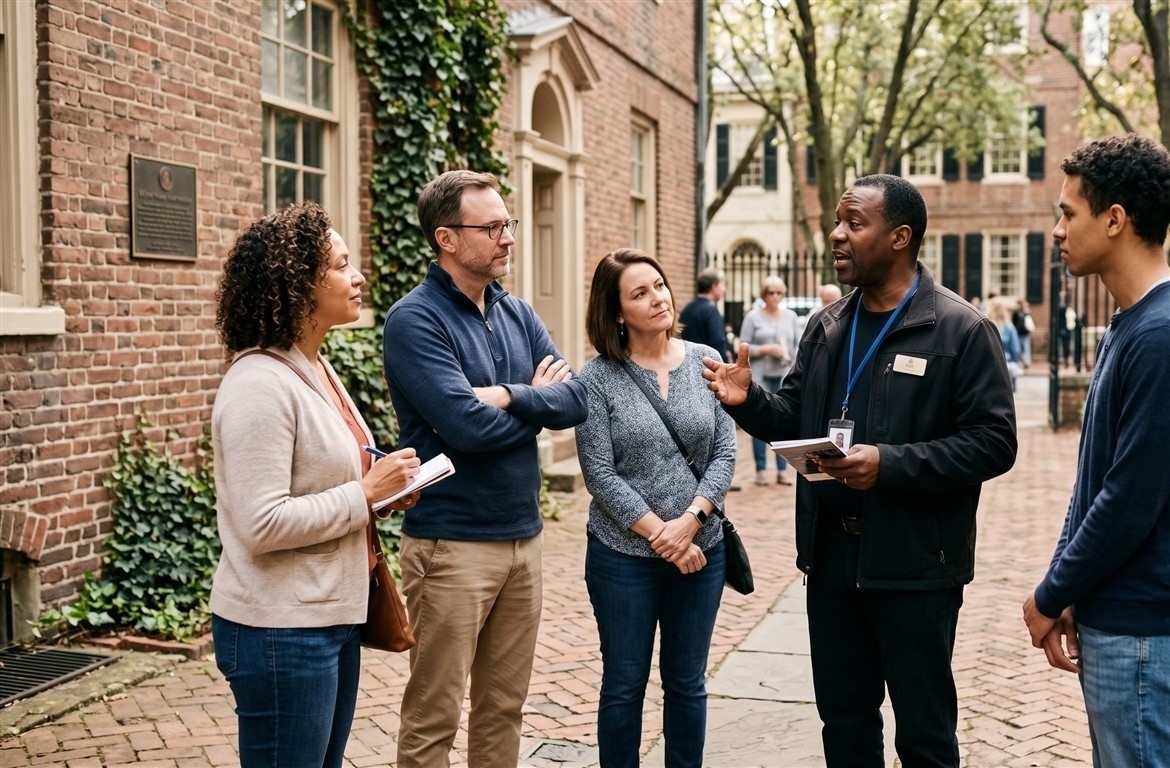
Reviews can be incredibly helpful, but read them carefully. Look for comments about the guide’s knowledge, the tour’s pacing, clarity, respectfulness, and whether questions were genuinely answered. Ignore reviews that complain simply because the subject matter was uncomfortable. Discomfort isn’t a flaw in a Black history tour. It might just be the entire point of the day.
Practical Information Before You Go
A little smart planning makes the whole experience much smoother. These tours can involve timed entries, long walks, unpredictable weather, security checks, and sometimes, emotionally heavy material. A bit of preparation frees up more of your mind for listening and absorbing.
Tickets, fees, and reservations

Some heritage trails are free and self-guided. Many guided tours, however, require paid tickets. Museums might use timed entry, suggest donations, or require group reservation forms. School groups and corporate groups should absolutely book early, because guided slots fill up fast, especially during Black History Month, spring travel season, and holiday weekends.
Operating hours and seasonal availability
Outdoor tours might run year-round in warmer Southern cities, while winter schedules in Northern cities can be quite limited. Smaller museums sometimes close on Mondays or Tuesdays. Historic houses occasionally open only for guided entry. Always check the schedule very close to your travel date, not just three months beforehand and then forget about it.
Meeting points, directions, and transportation
Meeting points can be super specific: a particular statue, a museum entrance, a visitor center desk, a church gate, a corner near a park. Get there early. City traffic, transit delays, packed parking garages, and security lines can quickly turn a calm morning into a chaotic mess.
Weather, walking distance, and what to bring
Bring water, genuinely comfortable shoes, whatever weather protection you need, a fully charged phone, and a small notebook if you like jotting down names. In Southern cities, heat and humidity will absolutely dictate your day. In older Northern districts, sidewalks can be delightfully uneven. Inside museums, layers are a good idea because galleries can feel chilly after a hot walk.
0 Comment