


What to Wear in Spain? Your Real-World Style Guide for Travelers in 2026
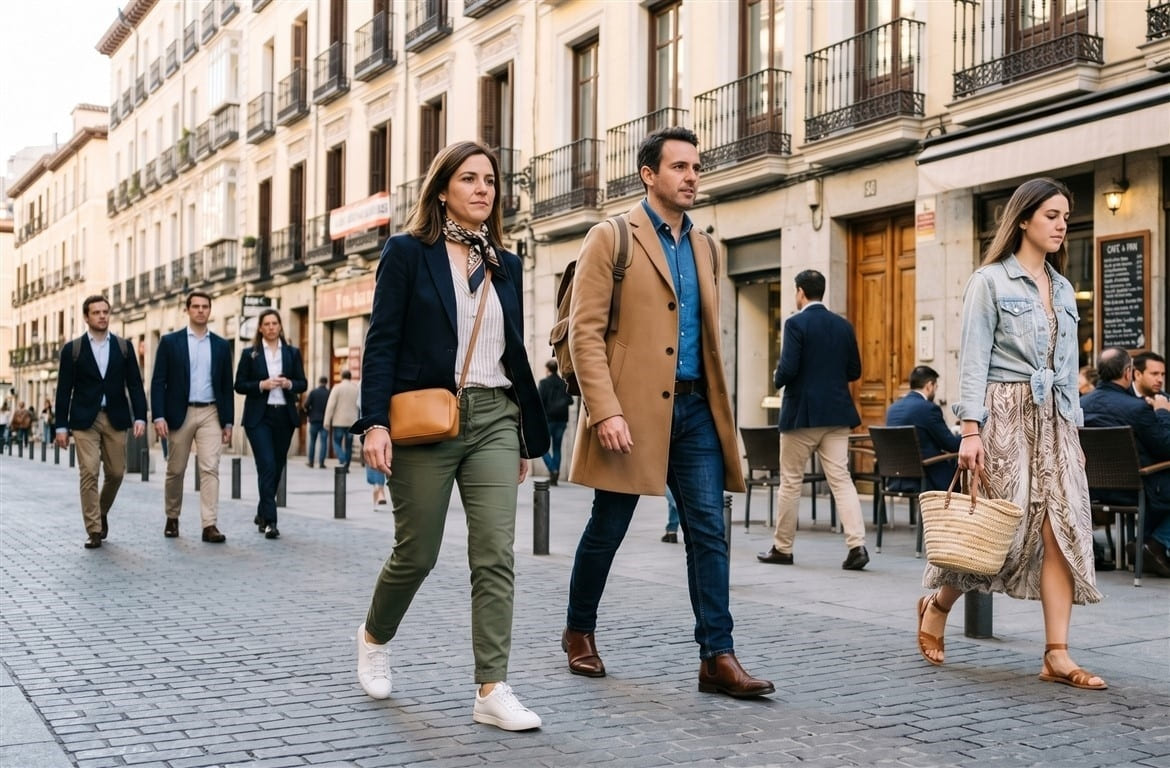
Okay, Spanish style isn’t about being stiff, but you’ll rarely catch anyone looking sloppy. That small detail really matters, right? Imagine strolling through Madrid at nine in the morning: you’ll spot commuters in their crisp sneakers, perfectly pressed trousers, chic wool coats, smart blazers, and those ever-present leather crossbody bags. Now, picture yourself in Seville come July. That same polished vibe persists, just in lighter fabrics. Think breezy linen shirts, flowing dresses, neatly tailored shorts, and sandals that clearly made an appearance on purpose, not just because they were easy to grab. Spain feels relaxed, absolutely. But messy? Not a chance.
For us travelers, the best way to answer “What do people wear in Spain?” boils down to one simple concept: polished comfort. We’re talking about clothes tough enough for cobblestone streets, endless metro stairs, hushed cathedral visits, sunny terrace lunches, late-night dinners, coastal breezes, dry heat, and surprisingly cool evenings. Spain expects a little effort from your suitcase. Not runway-ready effort, thankfully. Just enough so you don’t look like you rolled out of bed for a theme park breakfast.
Spanish Fashion: A Quick Look
How the Locals Really Dress
Local attire throughout Spain shifts with the region, age group, season, and even the neighborhood, yet a core consistency remains. People generally lean towards well-fitting or custom-cut clothing. You’ll notice city palettes getting darker in cooler months, footwear that’s often nicer than most visitors anticipate, and simple, understated accessories. A basic outfit can look fantastic just because it fits properly. That’s the secret, truly.
In the big cities, jeans are everywhere. Sneakers too. But here’s the kicker: it’s all about the finish. Think bright white trainers, straight-leg denim, a structured jacket, a shirt casually tucked in, a sleek black handbag, maybe a scarf draped on without any fuss. Head to the beach towns, though, and things loosen up fast. Flip-flops pop up near the sand, swimwear stays by the water, and linen becomes the unofficial language of summer style.
Why Looking Put-Together Matters in Spain
Spain practically lives and breathes café culture, restaurant culture, and that wonderful paseo culture. People step out to be seen. Not in a vain way, mind you. It’s more in that old Mediterranean tradition where public life simply deserves a bit of personal care. You might just be grabbing a loaf of bread, yet the person ahead of you in line could easily be sporting a sharp coat and gleaming boots. That daily rhythm often catches visitors by surprise.
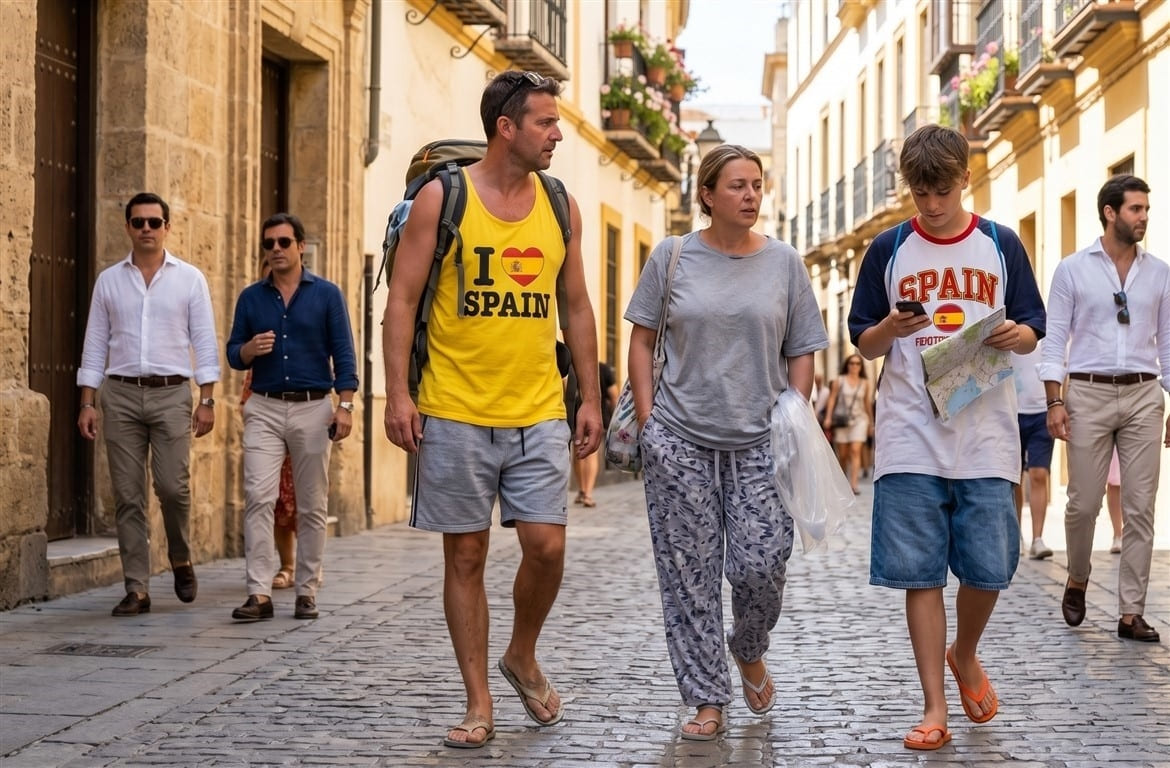
Wearing tourist clothes isn’t against the law, obviously. But let’s be real: cargo shorts with a gazillion pockets, gym tanks at dinner, rubber shower sandals wandering through the city center, or those massive hiking backpacks trying to squeeze into a tiny tapas bar—those things yell across the plaza. And they yell loudly.
Core Style Ideas: Polished, Comfy, and Ready for Whatever the Weather Throws at You
Seriously, pack items that can pull double duty. A linen shirt? Perfect for both sightseeing and dinner. A midi dress? Wear it with sneakers during the day, then swap to sandals for evening. Chinos will fit right in at museums, restaurants, and train stations without screaming for attention. Spain really favors clothes that let you move freely but still look sharp and complete.
And don’t forget the weather! In 2026, Spain keeps its crown as one of Europe’s hottest travel spots, with 2025 breaking records for international arrivals and this new year showing no signs of slowing down. That means bustling streets, timed museum entries, packed terraces, and a whole lot of walking. Dressing well is nice, sure. But dressing well while staying cool, dry, and blister-free? That’s pure genius.
What to Wear in Spain: Season by Season Breakdown
Spring Outfits for Spain
Spring? It’s genuinely one of the best times for Spain outfits because layers just make so much sense. March can feel surprisingly crisp in Madrid, breezy in Barcelona, a bit damp in Bilbao, and already quite warm down in Andalusia. Then April and May roll in, bringing those glorious longer days, plazas bursting with blooms, and that classic moment when locals are still bundled in jackets while visitors are practically melting in T-shirts.
Throw in a few light sweaters, comfy cotton shirts, straight jeans, tailored trousers, midi skirts, some casual dresses, and a jacket that looks great in your photos but doesn’t weigh a ton. A trench coat, a cropped jacket, a denim jacket, or a soft blazer truly earns its spot in your luggage. For footwear, clean sneakers are your absolute best bet. Add loafers or ankle boots if you’ve got some fancier dinners planned.
Summer Outfits for Spain
Summer in Spain, especially inland, can be utterly brutal. Madrid and Seville crank up the heat to extreme levels. Córdoba and Granada? They’ll make you feel like someone just opened an oven door. Coastal cities offer a bit more mercy, but even there, the humidity in Barcelona, Valencia, Málaga, and the Balearics can turn heavy fabric into pure torture.
Your go-to fabrics should be linen, cotton, viscose, or other breathable blends. Think loose shirts, tailored shorts, sundresses, wide-leg trousers, and sandals that actually offer real support. Dark synthetic tops? Seriously, leave them at home unless you enjoy instant regret. When you’re in the city, swim shorts and bikini tops belong on the beach, not at lunch near a historic cathedral. A light overshirt or a shawl can be a lifesaver for religious sites and those aggressively air-conditioned trains.
Fall Outfits for Spain
September still feels very much like summer across large parts of Spain. October brings that beautiful golden light and an easier vibe. November ushers in cooler evenings, rain in the north, and a distinct shift towards more urban styles. Fall is prime time for jeans, leather jackets, trench coats, cozy cardigans, loafers, ankle boots, scarves, and long-sleeve shirts.
If you’re planning to hop across several regions, build yourself a layered capsule wardrobe. A week split between Barcelona, San Sebastián, and Madrid will definitely need more variety than a week just chilling on the Costa del Sol. Northern Spain can be quite wet, lush, and moody. It’s beautiful, yes. But it’s also a bit unkind to flimsy shoes.
Winter Outfits for Spain
Winter in Spain isn’t just one thing, you know? Madrid wakes up to chilly mornings. The north gets its fair share of rain. The mountains, naturally, see snow. The Mediterranean coast stays much milder, and the Canary Islands exist in their own delightful, warm-weather bubble. Locals definitely dress for the season, even when visitors from colder countries might find the weather surprisingly gentle.
Grab a wool coat or a padded jacket if you’re heading to central and northern Spain, along with sweaters, jeans, trousers, boots, warm socks, and a good scarf. In Barcelona, Valencia, Málaga, and Alicante, a lighter coat might do the trick, but nights still get pretty cool. Just a heads-up: restaurants and older apartments aren’t always as toasty as travelers might expect.
Spain Weather & What to Wear: A Quick Summary
| Destination | Typical Climate Note | Best Clothing Move |
|---|---|---|
| Madrid | Hot, dry summers; brisk winter mornings; major day-to-night temperature swings | Smart layered city outfits, light breathable fabrics for summer, a proper coat in winter |
| Barcelona | Classic Mediterranean climate, humid in summer, mild winters | Aim for smart casual, versatile light layers, and comfy sneakers |
| Seville | Blisteringly hot summers, mild winters, intense sunshine | Linen is your friend, wear hats, airy dresses, loose shirts, and supportive sandals |
| Bilbao and the Basque Country | Green, Atlantic influence, much more rain than southern Spain | Definitely pack a water-resistant jacket, closed-toe shoes, and lots of layers |
| Balearic Islands | Warm beach weather with pleasant, breezy evenings | Think resort wear, swimwear, linen separates, plus one nicer outfit for dinner |
| Canary Islands | Mild all year round, with diverse microclimates depending on island and elevation | Light clothing, a windbreaker, swimwear, and good walking shoes for those volcanic trails |
What to Wear in Spain: Destination Specifics
What to Wear in Barcelona
Barcelona is undeniably stylish, but it’s never uptight. Picture this: pristine sneakers, flowy trousers, elegant midi dresses, cool overshirts, chic cropped jackets, effortless linen sets, and those practical crossbody bags worn nice and close. The city beautifully blends a relaxed beach vibe with an edgy design-school coolness. The result? It can be wonderfully quirky: surf hair, sharp black tailoring, vintage denim, and gold earrings, all on the same block. Seriously.
For places like Sagrada Família and other churches, make sure your shoulders are covered and skip anything too short on the bottom. The official dress codes for major religious sites can be a lot stricter than what you’d see on the street just outside. A simple scarf, a light shirt, or a thin cardigan can solve this in a flash, without turning your bag into a full-on wardrobe storage unit.
What to Wear in Madrid
Madrid? It’s got a sharper edge. Not formal every minute of the day, but definitely leaning more urban. Locals adore their coats, blazers, leather shoes, sleek sneakers, dark denim, tailored trousers, and proper handbags. Summer here gets hot enough to humble absolutely anyone, yet Madrileños somehow still manage to look impeccably put together. Annoying, but you gotta respect it.
For museums, swanky rooftop bars, and dinners in neighborhoods like Salamanca, Las Letras, Chueca, or Chamberí, smart casual attire works wonders. Guys can easily rely on chinos, a crisp button-down shirt, a polo, or a clean tee paired with a lightweight jacket. Ladies, you’ll be set with dresses, trousers, blouses, jumpsuits, sandals, loafers, or low heels. Just keep your outfit comfortable. Madrid involves stairs, late nights, and much longer walks than any map will ever let on.
What to Wear in Seville and Southern Spain
Seville, Córdoba, Granada, Málaga, and those charming white villages of Andalusia absolutely demand a sun strategy. Your clothes simply *must* breathe. Linen shirts, loose dresses, palazzo trousers, cotton skirts, smart shorts, woven hats, sunglasses, and supportive sandals all belong here. Black skinny jeans at 3 p.m. in July? That’s just a personal feud with comfort, honestly.
Even when it’s scorching, restaurants and historical sites feel better if you’re a little polished. A crisp white shirt, a flowing linen dress, a skirt with a sleeveless top and a scarf, or tailored shorts paired with nice sandals looks just right. And in Granada, where the hills will playfully (or not-so-playfully) attack your calves, good walking shoes matter way more than any fantasy outfit.
What to Wear in Coastal Towns and Beach Destinations
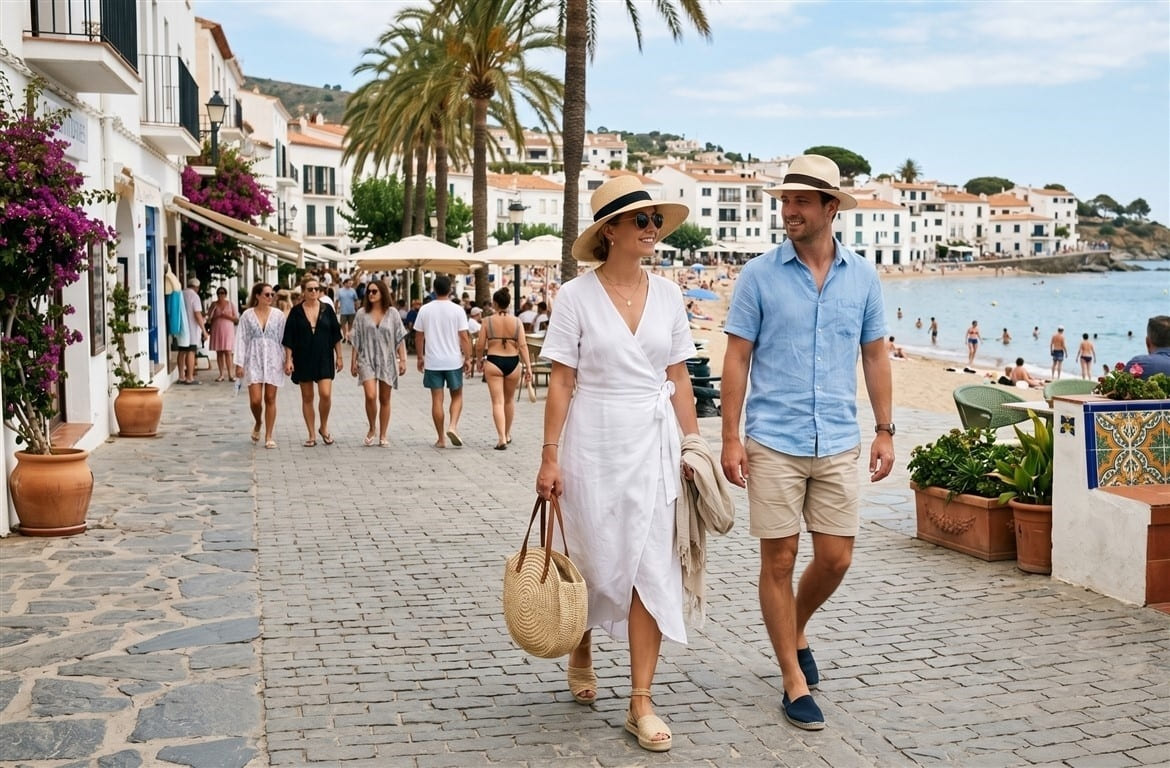
Beach destinations definitely relax the rules, but only when you’re *near* the beach. Swimwear is totally normal on the sand, at pool clubs, and along seafront promenades. But if you’re stepping into town for lunch, it’s always a good idea to throw on a cover-up, a shirt, a dress, or some shorts. Spanish coastal style often looks casual but always neat: linen trousers, espadrilles, woven bags, cotton dresses, relaxed shirts, and straw hats are common sights.
For places like Ibiza, Mallorca, Marbella, San Sebastián’s beaches, the Costa Brava’s coves, and the Canary Islands, pack your swimwear, a versatile cover-up, sandals, sunglasses, and just one slightly nicer outfit for dinner. Resorts might have a barefoot-friendly spirit, but restaurants still tend to notice what’s on your feet.
What to Wear in Northern Spain
Northern Spain truly has its own distinct weather personality. Galicia, Asturias, Cantabria, and the Basque Country are green for a very good reason, you know? Rain happens. Mist happens. And a strong wind whipping off the Atlantic can easily turn a cute outfit into a minor tragedy.
Bring a light rain jacket, some closed-toe shoes, layers, and clothes that will dry much faster than heavy denim. San Sebastián and Bilbao also boast excellent style, but it’s a bit more understated: think quality coats, nice knitwear, dark trousers, sleek leather sneakers, and practical bags. When you’re exploring mountain villages and coastal paths, proper walking shoes are a must—don’t even think about delicate sandals that can’t handle a wet stone path.
Spain Outfit Ideas for Women
Casual Daytime Looks
A killer daytime outfit in Spain always starts with freedom of movement. How about wide-leg trousers paired with a fitted tank and an overshirt? Or straight jeans, a breezy cotton blouse, and your favorite sneakers? A midi dress with flat sandals is always a winner. You could also do a skirt with a casually tucked-in tee and a denim jacket. The key? Nothing fussy, nothing that screams “just left the gym.”
For spring and fall, simply add a trench coat, a blazer, a cardigan, or a leather jacket. When summer hits, lean heavily on breathable fabrics and looser silhouettes. If your outfit can handle a busy market visit, a museum tour, a leisurely long lunch, and 12,000 steps without complaint, it absolutely deserves a spot in your suitcase.
Elegant Evening Outfits
Dinner in Spain kicks off late, and the streets often feel quite dressed up once the sun goes down. A slip dress, a chic linen set, a jumpsuit, tailored trousers with a silk or cotton top, or a simple black dress jazzed up with some nice earrings will work beautifully for most restaurants. High heels aren’t really a requirement. Low block heels, polished sandals, ballet flats, loafers, or even dressy sneakers can be perfectly appropriate, depending on where you’re headed.
Spain isn’t asking for gala-level glam at your local tapas bar. But still, your dinner attire should definitely *feel* like dinner wear. That tiny mental switch makes all the difference.
Comfortable Walking Outfits
For those epic sightseeing days, mix soft trousers or jeans with a breathable top, a light layer, and your most comfortable sneakers. Crossbody bags are super popular because they’re practical and much safer in crowded areas. A small backpack is fine for day trips, but those massive hiking packs just look awkward in city restaurants and packed metro cars. Trust me.
Beach and Resort Outfits
Pack two swimsuits, one cover-up that can easily double as a casual dress or tunic, some flat sandals, a hat, and a linen shirt. A sarong is incredibly handy. So is a spacious tote that can effortlessly hold your sunscreen, water bottle, and a good book without collapsing into a chaotic mess.
Spain Outfit Ideas for Men
Casual Daytime Looks
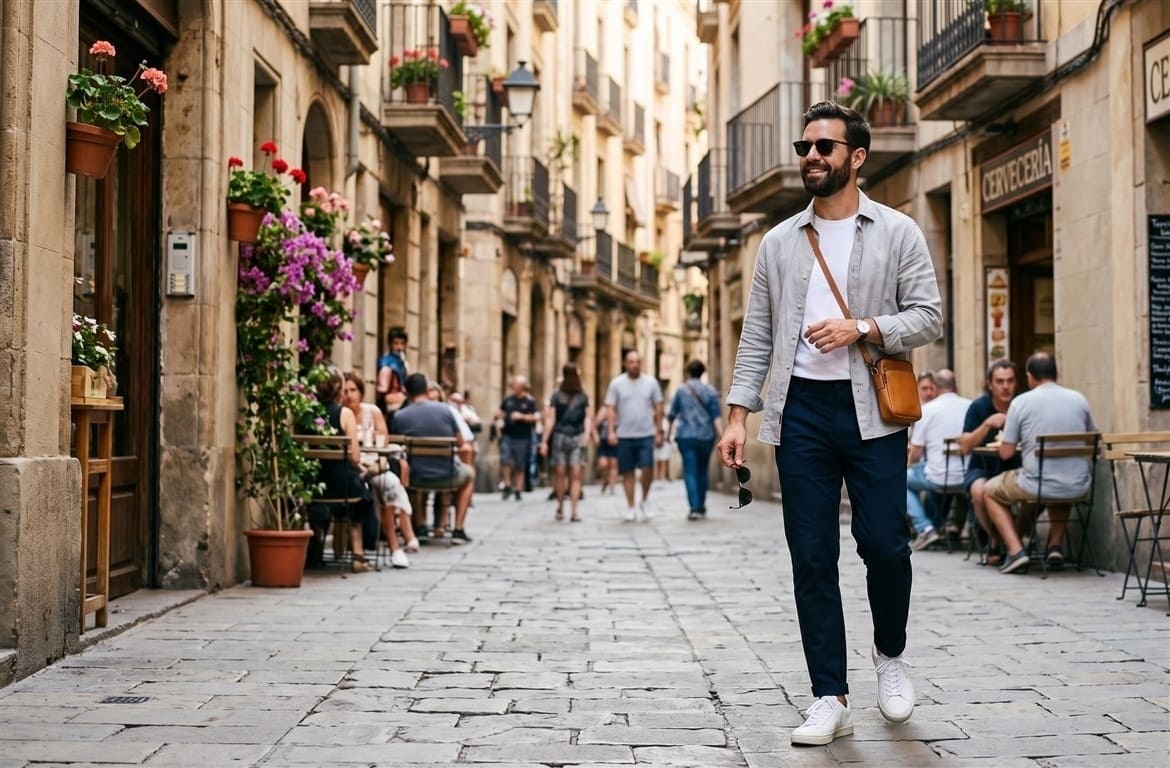
Honestly, men in Spain often look better with fewer pieces, simply because everything fits so cleanly. Chinos, tapered trousers, dark jeans, polos, linen shirts, plain tees, overshirts, and clean sneakers are all instant wins. Shorts are totally fine in warm weather, but tailored shorts will always look more natural in city settings than baggy basketball shorts.
Smart-Casual Evening Outfits
For dinner, why not try chinos or dark jeans paired with a button-down shirt, a knit polo, or a crisp T-shirt under a lightweight jacket? Loafers, sleek leather sneakers, desert boots, or neat sandals (if you’re on the coast) all work really well. Just steer clear of beach flip-flops unless the restaurant is literally on the beach and nobody cares. And even then… maybe think twice.
Comfortable Walking Outfits
Let’s be real, Spain is a walking country for travelers. We’re talking museums, grand plazas, ancient quarters, breathtaking viewpoints, busy train platforms, lively beach promenades, and countless tiled bars. The perfect men’s walking outfit is beautifully boring: a breathable shirt, comfortable trousers or shorts, clean sneakers, sunglasses, and a small day bag. Perfection.
Warm-Weather and Coastal Looks
Linen shirts, cotton shorts, espadrilles, sandals, light polos, and swim shorts are genuinely all you need for coastal adventures. Just add a collared shirt for dinner. On the islands, a relaxed resort look is perfect, but please, keep the swimwear out of indoor dining rooms unless the place is *exceptionally* casual.
The Best Shoes to Wear in Spain
Sneakers for Walking and Sightseeing
Seriously, good sneakers are hands down the most useful shoes for Spain. Pick a pair that looks clean and can truly handle serious walking. White leather sneakers, cool retro trainers, simple black sneakers, or cushioned walking shoes with a sleek, low-profile design fit right into city life. Break them in *before* you fly. Spain’s ancient streets show no mercy, believe me.
Sandals for Warm Weather
Supportive sandals are absolutely brilliant for summer, those charming beach towns, and southern Spain in general. Leather sandals, cushioned walking sandals, and elegant flats beat flimsy flip-flops for city wear, every single time. Those stone lanes, scorching pavements, and long evenings make unsupportive soles feel like a personal attack.
Dressier Shoes for Restaurants and Nights Out
Consider packing one dressier pair of shoes if your trip involves swanky rooftop bars, fine dining, important business meetings, weddings, or upscale hotels. For women, flats, loafers, block-heel sandals, or low boots are excellent choices. For men, think loafers, smart leather sneakers, or lightweight dress shoes. The goal here is versatility, not suitcase drama.
Shoes to Absolutely Avoid
- Brand-new shoes: Spain trips almost always involve way more walking than you initially plan. Fresh shoes can turn a delightful museum day into a painful blister count.
- Beach flip-flops in cities: They’re perfect for pools and sand, but they just look out of place in Madrid, Barcelona, Seville, Bilbao, and inside nice restaurants.
- Super high heels on old streets: Cobblestones, metro stairs, steep slopes, and those late-night walks? They are not friends with stilettos.
- Heavy hiking boots for city-only trips: Fantastic in the mountains, but clunky and awkward in a crowded tapas bar. Only bring them if trails are genuinely on your itinerary.
Essential Clothing Items to Pack for Spain
Lightweight Tops and Shirts
Bring along breathable tops that layer like a dream: cotton tees, linen shirts, sleeveless tops, polos, blouses, and one slightly smarter shirt for good measure. For summer, go for pale colors and loose cuts; they’ll help you beat the heat. For those shoulder seasons, long sleeves really earn their keep.
Trousers, Jeans, Skirts, and Dresses
Jeans are completely normal in Spain, even in the cities. Opt for straight, slim, wide-leg, or relaxed cuts instead of heavily distressed, beachy denim. Trousers often feel much more comfortable in summer, especially those lovely linen or cotton blends. Dresses and skirts are a godsend for women travelers because they transition effortlessly from sightseeing to dinner without needing a full outfit swap.
Outerwear and Layers
A light jacket belongs in almost every Spain suitcase, unless you’re visiting in the absolute peak of summer. For winter, grab a proper warm coat if you’re heading to Madrid, Castilla y León, Aragón, northern Spain, or any mountain areas. If you’re going north, definitely pack a rain layer. For the coast, a light, breezy evening layer is usually enough for most trips.
Swimwear and Beachwear
Spain absolutely has a vibrant beach culture, but swimwear has its boundaries, okay? Wear it on the beach, at pools, on boats, and around resorts. But do cover up when you’re popping into shops, cafés, hotel lobbies, and the charming streets of the old town. A linen shirt, a kaftan, a sundress, or some simple shorts solves this dilemma in a flash.
Accessories: Sunglasses, Bags, Hats, and Scarves
Sunglasses are non-negotiable. A hat is a smart move, especially in Andalusia and those sunny beach regions. A scarf or shawl will be your best friend for churches, cooler evenings, and surprisingly aggressive air-conditioning. As for bags, crossbody styles are super popular and incredibly practical. Just remember to keep those zippers closed in busy tourist areas. No need to be paranoid, just aware.
What Not to Wear in Spain
Overly Casual Tourist Clothing
Gym shorts, souvenir tanks that scream “I’m a tourist!”, plastic ponchos, anything resembling pajamas, huge logo tees, and those flimsy beach flip-flops will make you stand out almost instantly. Of course, wear them if comfort truly trumps everything else for you. But if you’re aiming to blend in, choose cleaner lines and better fabrics.
Uncomfortable Footwear
Pain, my friend, ruins a trip faster than rain ever could. Spain’s historic centers are absolutely gorgeous, but they are also wonderfully uneven. Barcelona’s grid looks walkable until your feet stage a protest. Madrid’s museums stretch on forever. Seville’s ancient lanes just beg for endless wandering. Your shoes need cushioning, grip, and solid proof of prior use.
Seasonally Inappropriate Outfits
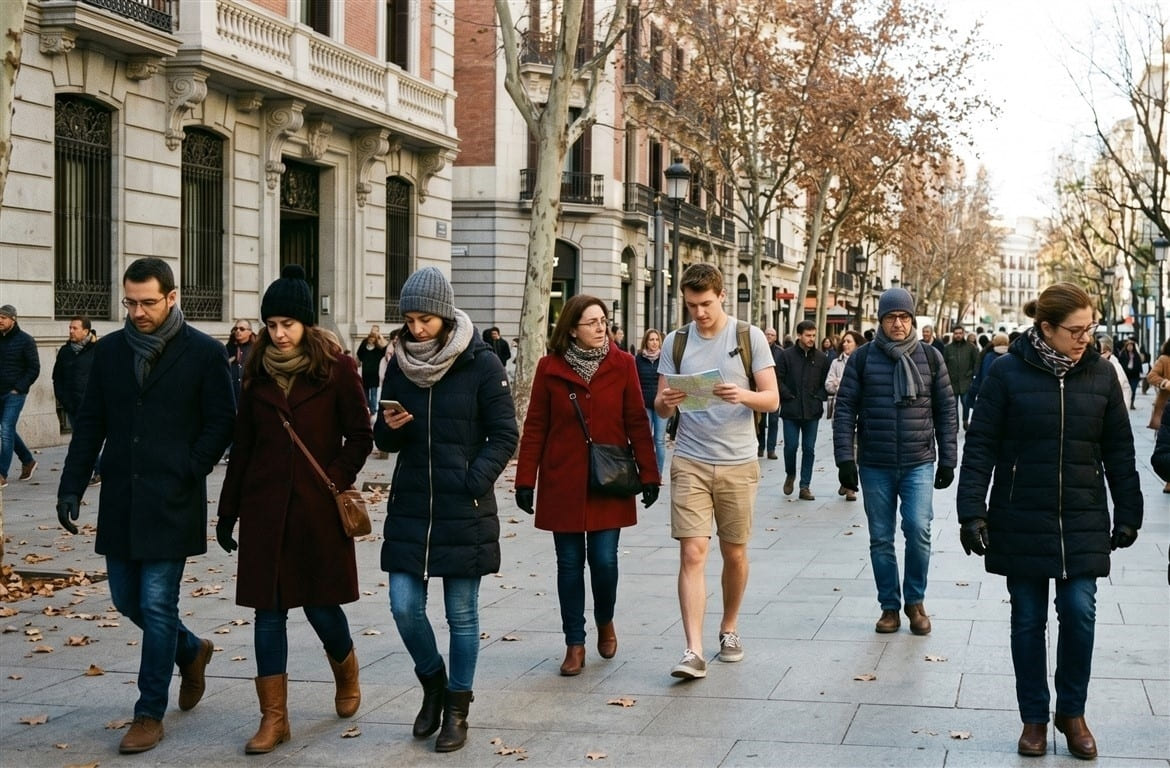
Locals here dress for the calendar just as much as they dress for the weather. Come November, even mild cities take on an autumnal look. In January, Madrid residents are absolutely wearing coats. So, a visitor strolling around in shorts might not be freezing, but they’ll definitely look a bit disconnected from the setting. Not a crime, obviously. Just super noticeable.
Clothing That Feels Out of Place in Cities, Churches, or Restaurants
Religious sites politely request modest attire. Nice restaurants definitely expect a little effort. And city centers generally reward neatness. Just pack one light cover layer and one slightly upgraded outfit, and most awkward moments will simply vanish.
What to Wear for Specific Situations in Spain
Sightseeing and Museum Days
Pick clothes that breathe easily and shoes that can handle hours of standing. Museums in Madrid, Barcelona, Málaga, and Bilbao can easily mean hours indoors, followed by a long walk to find lunch. A comfortable outfit with a tidy jacket or a smart shirt looks just right and works incredibly hard for you.
Restaurants, Rooftop Bars, and Nightlife
Spanish dinner style leans towards smart casual. A dress, a jumpsuit, trousers with a nice blouse, chinos and a shirt, a polo with a lightweight jacket, or dark jeans with polished shoes will get you into most places. Just a heads-up: some clubs and upscale rooftops might turn away beachwear, sportswear, or sandals that look too casual.
Churches and Cultural Sites
For cathedrals, basilicas, monasteries, and any active churches, you absolutely must cover your shoulders and avoid very short skirts or shorts. You might also need to take off your hat indoors. Going barefoot is a definite no-go. A light scarf is genuinely the easiest fix for those summer outfits.
Day Trips and Long Walking Days
Heading to Toledo, Segovia, Montserrat, Ronda, Girona, Córdoba, or Granada’s Alhambra? Plan for hills, ancient stone paths, strong sun, and plenty of waiting lines. Wear sneakers or sturdy sandals, bring your sunglasses, and carry a light layer. Old towns look deceptively compact on maps. Then, bam! The hill appears.
Beach Days and Island Trips
For beach days, pack your swimwear, a cover-up, sunscreen, a hat, sandals, and a dry layer for when you head to lunch. In the Balearics and Canaries, evenings can get quite breezy, so a linen shirt or a light sweater will be super useful. And for boat trips, secure sandals are key—you don’t want shoes that abandon ship at the first splash!
Spain Packing Checklist
Clothing Checklist
- Build a solid city base: Pack two or three tops that go with every bottom you bring, one smart layering piece, a pair of versatile trousers, your favorite jeans, and one outfit that just feels right for dinner. This keeps your suitcase light without making you wear the exact same look every single day.
- Add climate-specific items: For summer, throw in linen and those wonderful breathable dresses or shorts. For winter, don’t forget your knitwear and a proper coat. If you’re heading to northern Spain, definitely include rain protection. For islands and beaches, swimwear and cover-ups are essential.
- Check those modesty requirements: A scarf, an overshirt, a midi skirt, light trousers, or a sleeved dress will make church visits much easier, especially in places like Barcelona, Seville, Toledo, Burgos, Santiago de Compostela, and Córdoba.
Shoe Checklist
- One primary walking shoe: Make it clean sneakers or cushioned trainers that can conquer long days without a fuss.
- One warm-weather choice: Think supportive sandals or stylish espadrilles for summer and those lovely coastal regions.
- One dressier option: Loafers, flats, ankle boots, sleek leather sneakers, or low block heels for dinners and nightlife.
- Trail footwear only if truly needed: Save those heavy hiking shoes for Camino routes, national parks, mountain villages, volcanic trails, or genuinely wet coastal paths.
Accessory Checklist
Bring your sunglasses, a practical crossbody bag, a versatile scarf or shawl, a compact umbrella (especially for northern Spain or those shoulder seasons), a hat for hot regions, and a small tote for your beach days. Keep your jewelry simple. Spanish outfits often rely on just one really good accessory, rather than a whole pile of them.
Weather and Comfort Essentials
Sunscreen, a refillable water bottle, blister plasters (seriously, don’t skip these!), anti-chafe balm, and a packable layer totally deserve space in your bag. They might not be glamorous, but they are incredibly useful. And for summer trips, a handheld fan isn’t silly; it’s practically survival with a tiny motor.
Frequently Asked Questions About What to Wear in Spain
Can you wear shorts in Spain?
Oh yes, people definitely wear shorts in Spain, especially during summer, in coastal areas, on the islands, in parks, and throughout casual neighborhoods. When you’re in the bigger cities, tailored shorts tend to look much better than athletic shorts. For churches and nicer restaurants, though, you’re better off choosing longer bottoms or trousers.
Do people wear jeans in Spain?
Absolutely, yes! Jeans are super common all over Spain, especially in cities like Madrid, Barcelona, Bilbao, Valencia, and Seville, particularly outside the absolute hottest hours. Dark, straight, slim, or wide-leg jeans usually look more “local” than heavily distressed styles. In July and August, however, linen trousers will likely feel a whole lot more comfortable.
Are sneakers acceptable in Spain?
Sneakers? Totally acceptable! Clean, stylish sneakers are worn by locals of every age. Running shoes designed purely for sport can sometimes scream “tourist” a bit louder, but comfort is king on those long sightseeing days. A simple leather or retro sneaker is probably the safest middle ground you can find.
What should you wear in Spain to avoid looking like a tourist?
To blend in a bit more, go for fitted basics, clean shoes, neutral or rich colors, light layers, and outfits that simply feel intentional. Keep your beachwear strictly near the beach. Ditch those bulky backpacks in city centers if a crossbody bag will do the trick. And always, always dress for dinner, even if it’s just a casual outfit. That small shift alone changes the whole vibe.
How should you dress for dinner in Spain?
Smart casual is generally perfect for most dinners: think dresses, jumpsuits, trousers with blouses, dark jeans, chinos, polos, crisp button-down shirts, loafers, flats, nice sandals, or polished sneakers. For fine dining establishments, you’ll want to upgrade your shoes and definitely skip the shorts. For tapas bars, relaxed is fine, but still aim for neat and tidy.
Spain isn’t really demanding perfection from its travelers, you know? It simply asks for a little awareness: awareness of the weather, of the place you’re in, of the time of day, and that subtle, unspoken social language of looking just a bit pulled together. So, pack those breathable fabrics, grab your com
0 Comment