


The Ultimate Guide to Northern Italy: Places You Absolutely Must See
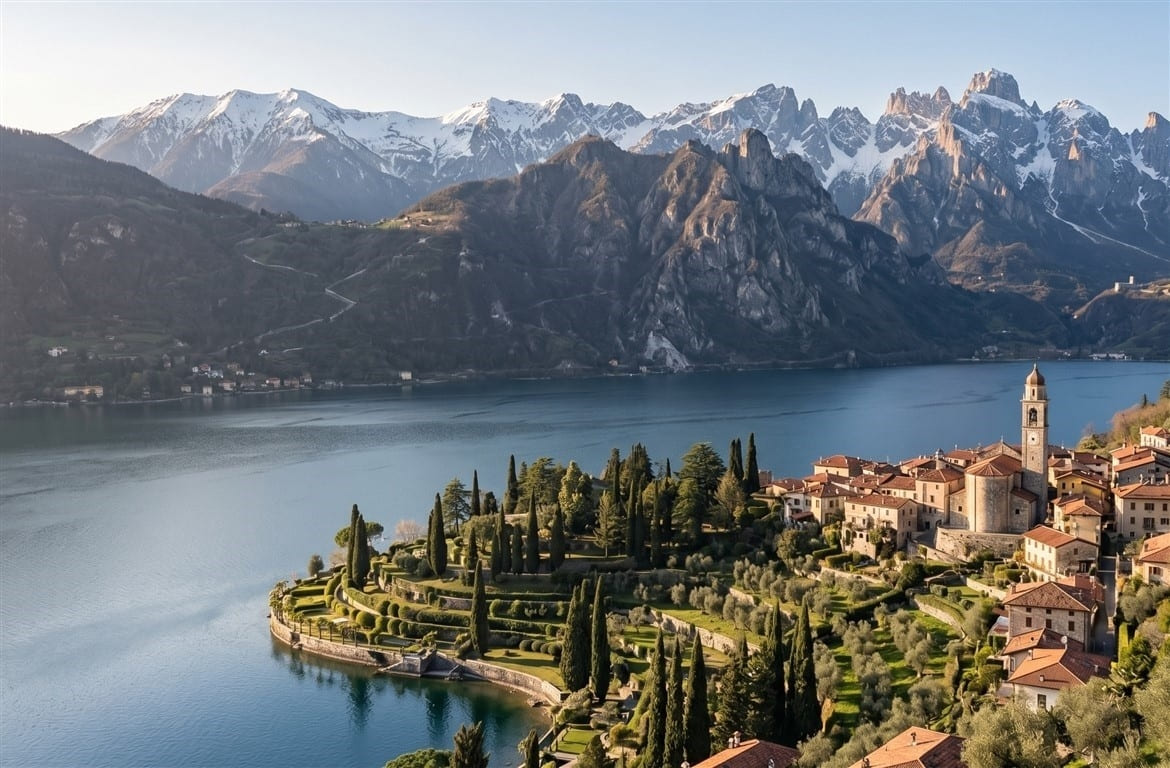
Imagine this: waking up practically next to a glacier, grabbing lunch under ancient porticoes in some buzzing university town, then dozing off by a lake so picture-perfect it feels staged – like someone *just* finished arranging those cypress trees for your arrival. Yeah, that’s Northern Italy. It’s got its polished side, absolutely. Wealthy pockets, sure. Even pretty efficient, by Italian measures. But then, BAM! Without a moment’s notice, it just goes wild: towering Dolomite cliffs, misty rice paddies stretching forever, Ligurian coasts plunging straight into the sea, little villages where church bells still mark the afternoon.
Looking ahead to 2026 travel? This northern stretch of Italy totally holds its own as one of Europe’s best multi-stop areas. Why? Distances are tiny. Train lines are everywhere. And the sheer variety? Honestly, it’s a bit nuts. Think about it: Milan, Venice, Verona, Turin, Bologna, Genoa, Trieste, Lake Como, Lake Garda, those stunning Dolomites, Cinque Terre, Parma, Modena, Bergamo, Ravenna – you can easily string them together. But here’s the cool part: none of them feel the same! That’s the real magic. It’s perfect for taking things slow, but even if you’ve only got a week and some serious discipline, you can still have an amazing time.
So, Why Should You Even Bother with Northern Italy?
The Regions Making Up Northern Italy
Northern Italy usually blankets eight distinct regions: Piedmont, Aosta Valley, Liguria, Lombardy, Trentino-Alto Adige/Südtirol, Veneto, Friuli-Venezia Giulia, and Emilia-Romagna. Those borders aren’t just lines on a map; they matter because the whole vibe changes super fast. Piedmont? Think regal, soaked in fine wine. Lombardy brings you dazzling lakes, high fashion, big banking, and Milan’s undeniably industrious hum. Veneto, well, that’s Venice, Verona, stunning Palladian villas, prosecco hills, and, let’s be honest, quite a few folks in its famous spots. Emilia-Romagna is a total food lover’s trap – in the absolute best possible way. Liguria is steep, salty, and a little bit moody. Friuli-Venezia Giulia leans into its Central European neighbors. And then you have Trentino and South Tyrol, where Italian life blends with Alpine precision, German signs, and mountain food that actively mocks small portions.
Culture, Landscapes, and Your Travel Style Here
The north isn’t just one pretty picture. It’s more like a whole stack of postcards, some crisp and glossy, others beautifully dog-eared. Venice feels ancient, Byzantine, and deeply tied to the sea. Turin boasts grand royal boulevards, delightful chocolate shops, and a kind of quiet calm that almost feels French. Bologna is loud, super intellectual, and constantly steaming with pasta. Trieste sips coffee like it’s in Vienna and gazes across the Adriatic. Up in the Dolomites, the air just bites with a dry, mineral crispness. Around Lake Como and Lake Maggiore, you’ll spot incredible villas tucked behind gardens where camellias, palms, and dramatic mountain shadows all share the same perfect frame.
Getting around here is often way easier than first-timers ever expect. Super-fast trains zip between Milan, Turin, Bologna, Verona, Venice, and other big hubs. Regional trains handle all those charming lake towns and smaller cities. A car definitely helps if you’re hitting the mountains, exploring wine country, or meandering through rural valleys. Ferries? Oh, they do all the romantic heavy lifting on the lakes. And walking, my friends, walking will handle the rest – and it’ll be a lot.
When’s the Absolute Best Time to Visit Northern Italy?
Spring and Fall: Prime Time for Sightseeing
April, May, September, and October are the absolute sweet spots for classic sightseeing. Cities buzz with life but aren’t totally overrun every single day. Museum queues magically shrink outside of crowded weekends. The gardens around Lake Como and Lake Maggiore burst into lush glory in spring, while autumn brings fantastic truffle hunts in Piedmont, all that exciting grape harvest energy in Langhe-Roero and Monferrato, and those dazzling golden larch forests up in the Alps. Just remember to pack layers! A sunny Verona morning can easily morph into a wet, chilly evening right by the Adige River.
Summer: Lakes, Mountains, and the Coast Call Your Name
June through August? That’s peak time for Lake Garda, the Dolomites, Liguria, and all those lovely beaches along the upper Adriatic. Days stretch out long, mountain lifts hum with activity, ferries run constantly, and outdoor dining transforms every piazza into its own little stage. The catch? You’ll deal with heat in the cities and serious crowds in Venice, Cinque Terre, Sirmione, Bellagio, and the most Instagrammable Dolomite viewpoints. So, book those lake hotels and mountain huts *early*. Seriously early. Like, yesterday early.
Winter: Skiing, Christmas Markets, and Cozy City Breaks
Winter completely flips the script. The Dolomites become a skier’s paradise, with places like Cortina d’Ampezzo, Val Gardena, Alta Badia, Madonna di Campiglio, and nearby resorts drawing serious snow enthusiasts. Bolzano, Merano, Trento, Verona, and smaller Alpine towns host enchanting Christmas markets. Milan, Turin, Bologna, and Venice are fantastic for hitting museums, savoring great food, catching an opera, and enjoying lower hotel rates (outside of holiday dates, of course). Venice in winter can be incredibly moody, beautifully gray, and just stunning in a way summer never quite achieves.
Must-Visit Cities in Northern Italy
Milan
Top Things You Have to See and Do Here
Milan really earns its stripes through sheer size and undeniable nerve. The Duomo is your obvious starting point: a dazzling white Gothic mountain smack in the city’s heart. Catch it from the roof, especially as the late light turns those marble spires warm. Right nearby, the Galleria Vittorio Emanuele II still flaunts its 19th-century elegance without missing a beat. You absolutely need to book Leonardo da Vinci’s “The Last Supper” way, way ahead of time. After that, wander towards Brera for art galleries, lively aperitivo bars, and those charming narrow streets that somehow soften Milan’s usual business-first vibe.
What Tourists Often Breeze Right Past
So many travelers rush Milan. Big mistake! This city keeps its best secrets hidden behind elegant courtyards, sleek design showrooms, fascinating 20th-century architecture, and quiet, unassuming churches. Seriously, the Monumental Cemetery? It’s one of Europe’s most moving open-air sculpture collections. Fondazione Prada gives contemporary art a super sharp Milanese edge. And Navigli, okay, it’s not exactly a secret, but those canals still just *make sense* at dusk when the first spritz glasses start clinking on the tables.
Venice
Top Things to See and Do
Venice? It really doesn’t need a sales pitch from me. St. Mark’s Basilica, the Doge’s Palace, the Grand Canal, Rialto Bridge, the Accademia, and those lagoon islands – Murano, Burano, Torcello – they’re all still utterly extraordinary. Sure, the city is delicate and, yes, crowded, but that ancient magic absolutely endures. You’ll find it in those quiet side canals at 7 a.m., in the cool echo under a *sotoportego*, or during a *traghetto* crossing that takes three minutes but somehow feels deeply ceremonial.
Smart Moves to Dodge the Worst of the Crowds
If your budget allows, *sleep* in Venice instead of just day-tripping. Get out and walk super early. Eat your meals far away from the San Marco-Rialto tourist treadmill. Use the *vaporetto* routes like they’re actual public transport, not just a theme-park ride. For 2026, seriously, double-check Venice’s official access-fee calendar before you arrive if you’re planning a day visit during those high-demand times. The city’s been testing and expanding paid access systems for non-overnight visitors quite a bit recently.
Verona
Top Things to See and Do
Verona is compact, gorgeous, and honestly, unfairly easy to fall in love with. The Roman Arena still puts on incredible operas and concerts. Piazza delle Erbe hums with market sounds, stunning frescoed facades, and enough café life to make an hour just vanish. Juliet’s balcony? It’s crowded and quite theatrical; if your curiosity wins out, go for it, but then make a quick exit. The *real* Verona is waiting along the river, at Castelvecchio, across the Ponte Pietra, and up at those viewpoints looking back over the ancient city.
Best Day Trips You Can Take from Verona
Lake Garda is the obvious great escape: Sirmione for all its castle drama, Malcesine for the Monte Baldo cable car, Bardolino for wine and lovely lakeside strolls. Mantua is another fantastic pick, loaded with Gonzaga palaces, frescoed rooms, and a wonderfully slower pace. Vicenza is a must for Palladian architecture enthusiasts. And Padua offers Giotto’s masterpieces, bustling markets, and one of Italy’s oldest universities.
Turin
Top Things to See and Do
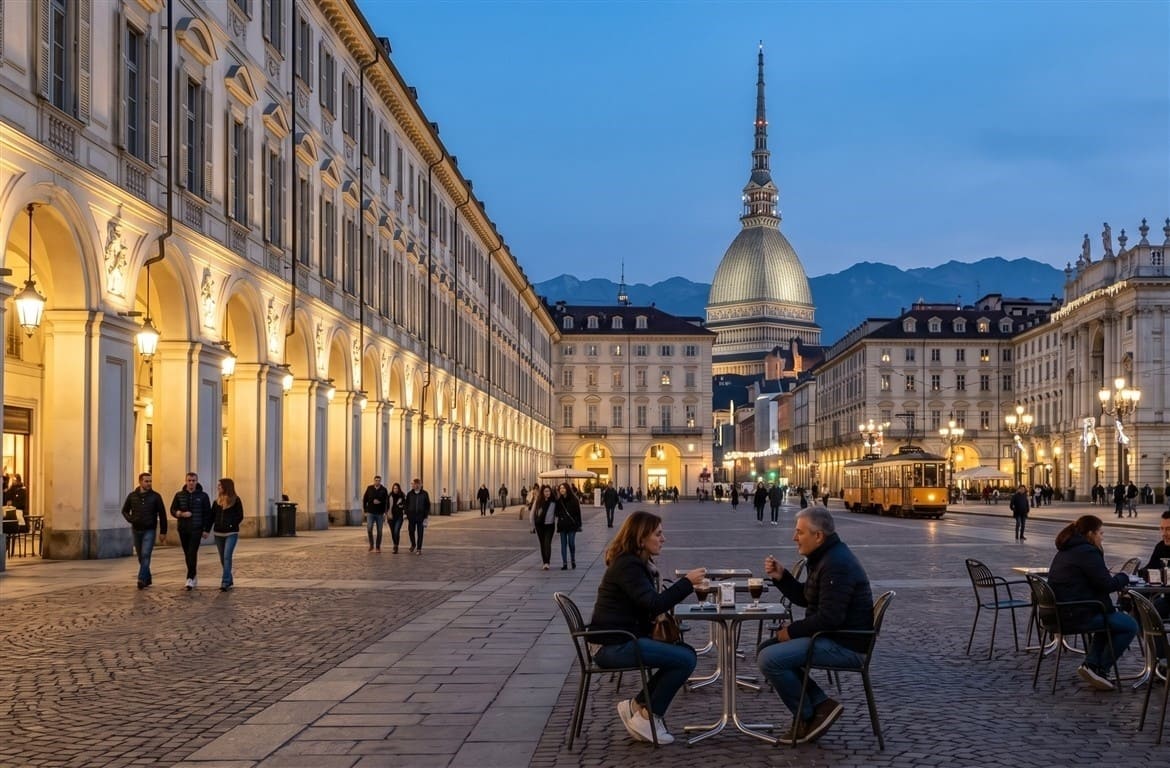
Turin stretches out with its long arcades, grand royal squares, serious museums, and a subtle undercurrent of old aristocratic melancholy. The Egyptian Museum? It’s genuinely one of the world’s great collections of its kind. The Mole Antonelliana, which now houses the National Cinema Museum, really defines the city’s skyline. And seriously, hit up a café for a *bicerin* – that layered drink of coffee, chocolate, and cream. It sounds totally over-the-top, but it turns out to be exactly what you needed.
How to Spend One Perfect Day in Turin
Start your day under the arcades near Piazza San Carlo, then walk to Piazza Castello, maybe pop into the Royal Palace or the Egyptian Museum. Then, settle in for a proper Piedmontese lunch: think *agnolotti*, *vitello tonnato*, *tajarin*, perhaps a lovely glass of Barbera. In the late afternoon, cross the Po River and climb up toward Monte dei Cappuccini for that breathtaking view back over the city rooftops all the way to the Alps. This city doesn’t shout for attention. And honestly? That’s a huge part of its charm.
Bologna
Top Things to See and Do
Bologna is red, hungry, and absolutely bursting with students. Its famous porticoes stretch for miles, offering perfect shelter from both sun and rain. Piazza Maggiore is the city’s beating heart, with the magnificent Basilica of San Petronio and ancient civic buildings framing all the daily bustle. If it’s open and your knees are cooperating, definitely climb the Asinelli Tower. That view makes all the effort feel completely worthwhile, not foolish at all.
The Best Food Experiences You Can Have Here
Fresh *tagliatelle al ragù*, *tortellini in brodo*, mortadella, *lasagna verde*, *crescentine*, perfectly aged Parmigiano Reggiano — Bologna doesn’t treat food like some pretty decoration. No, it sees food as irrefutable proof of civilization itself. The food markets around Quadrilatero and Mercato delle Erbe are amazing for just grazing and snacking, but the real treat? Sitting down for lunch and genuinely taking your time. Northern Italy has tons of elegant meals. Bologna? Bologna serves up meals with a true pulse.
Genoa
Top Things to See and Do
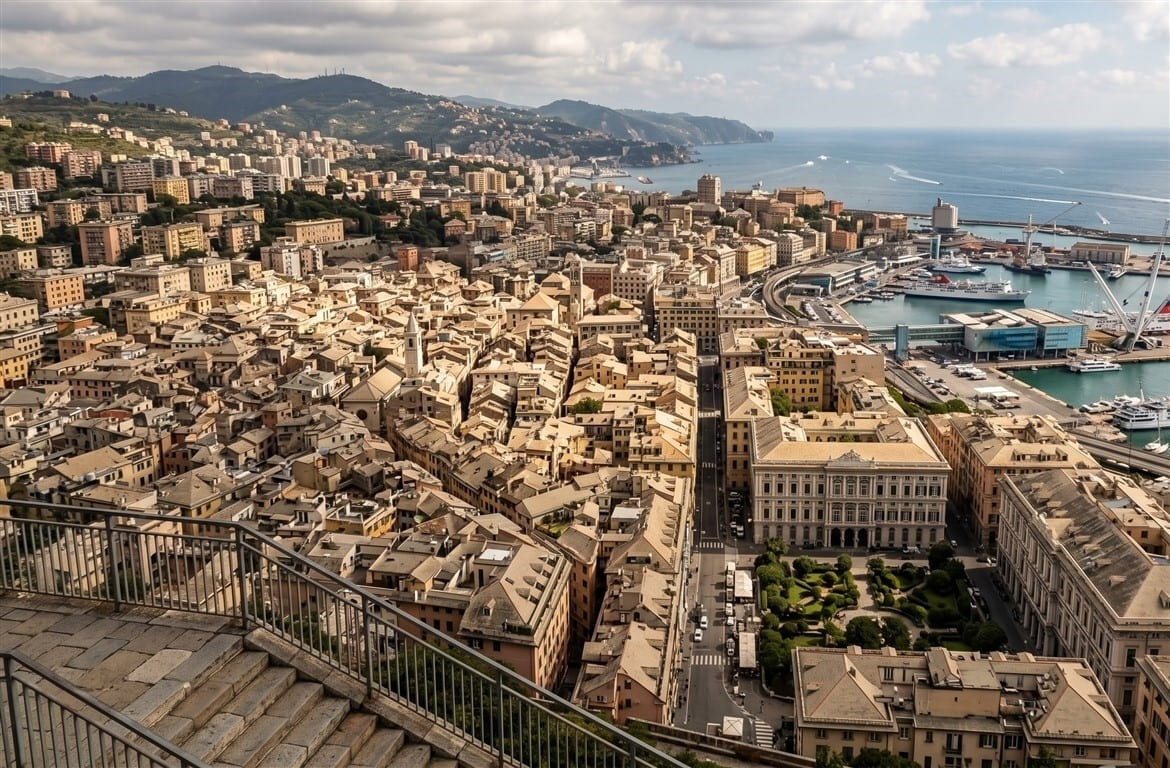
Genoa is a port city with a wonderfully complex personality. Its old town is dense, shadowy, and, yes, sometimes a bit rough around the edges. But then you see the palaces – they’re so grand that the roughness almost feels like it was on purpose. Via Garibaldi absolutely flaunts the city’s past banking power. The harbor area, its aquarium, and the maritime museums are a big hit for families, while the climb up to Spianata Castelletto rewards you with one of Italy’s most spectacular urban views.
Navigating the Old Town and Harbor: A Few Pointers
Don’t judge Genoa in just ten minutes. It really needs a little patience. On your first visit, stick to exploring the *caruggi* – those narrow, winding lanes – during daylight hours. Then, weave between the churches, bakeries, palaces, and tiny squares. You *must* eat focaccia here. And try the pesto right where it was born. If the city ever feels a bit too intense, just hop on a local train along the coast to Nervi or Camogli.
Trieste
Top Things to See and Do
Trieste perches right near Slovenia, gazing out at the Adriatic with a vibe that’s just… not quite “typically” Italian in the tourist brochure sense. Piazza Unità d’Italia opens directly onto the sea. Its historic cafés whisper tales of its Habsburg past. Miramare Castle, just outside the city center, offers pure white-stone romance set against that stunning blue water. And when the Bora wind kicks up? It can make the city feel dramatically alive, even a little unhinged. Perfect.
What Makes Trieste Stand Out from Other Italian Cities
Trieste really grew through empire, trade, shifting borders, incredible literature, coffee culture, and its bustling ports. You’ll find Italian, Slovenian, Austrian, Jewish, Greek, and Balkan influences all mingling closely. Menus effortlessly jump from fresh seafood to hearty *jota* soup to delicate strudel, completely without apology. This city is an absolute treat for travelers who love places that just don’t fit neatly into any predefined box.
The Most Breathtaking Natural Areas in Northern Italy
The Dolomites
Best Hikes, Viewpoints, and Charming Mountain Villages
The Dolomites aren’t just mountains; they’re truly architectural wonders. Think pale, towering rock formations, sheer vertical walls, lush green meadows, welcoming *rifugi* serving up dumplings and wine, and that magical evening light that bathes the rock in pink. Tre Cime di Lavaredo, Alpe di Siusi, Seceda, Lago di Braies, Val di Funes, Cortina d’Ampezzo, Ortisei, Canazei, and San Martino di Castrozza – these are all absolute musts. This UNESCO-listed mountain system boasts 18 peaks soaring above 3,000 meters and some of the most jaw-dropping limestone scenery in all of Europe.
Your Best Bets for Getting Around the Dolomites
A car is super useful here, no doubt. Public transport does connect many towns, and seasonal buses often hit the trailheads, but moving across valleys can get slow. For a shorter trip, pick one good base: Ortisei for exploring Val Gardena, Cortina for the eastern Dolomites, or Bolzano or Bressanone if you want a city-plus-mountain combo. If you’re visiting in summer, make sure to reserve parking for famous trailheads where needed, and always, always start early. The mountain just doesn’t care that your hotel breakfast was delightful.
The Italian Lakes
Lake Como, Lake Garda, and Lake Maggiore: What’s the Difference?
The Italian Lakes are absolutely *not* interchangeable. Lake Como is steep, dramatic, and utterly cinematic, with gorgeous towns like Bellagio, Varenna, Menaggio, opulent villas, and ferries crisscrossing like a slow, beautiful dance. Lake Garda is bigger, brighter, and much more diverse: olive groves in the south, dramatic cliffs up north, fantastic windsurfing near Torbole, and fairy-tale castles at Sirmione and Malcesine. Lake Maggiore feels grander and a tad quieter, with the Borromean Islands near Stresa offering a full-on aristocratic garden fantasy.
Best Towns, Villas, and Boat Trips Not to Miss
On Como, make Varenna, Bellagio, Villa Carlotta, Villa del Balbianello, and a mid-lake ferry loop your priorities. For Garda, definitely pair Sirmione with Malcesine, Riva del Garda, Limone, or Bardolino. And on Maggiore, take a boat out to Isola Bella and Isola Madre, then spend some time lingering in Stresa or Cannobio. Seriously, boat trips aren’t just an extra here. They’re the very backbone of the whole experience.
Cinque Terre and Portovenere
Best Villages, Coastal Walks, and Killer Viewpoints
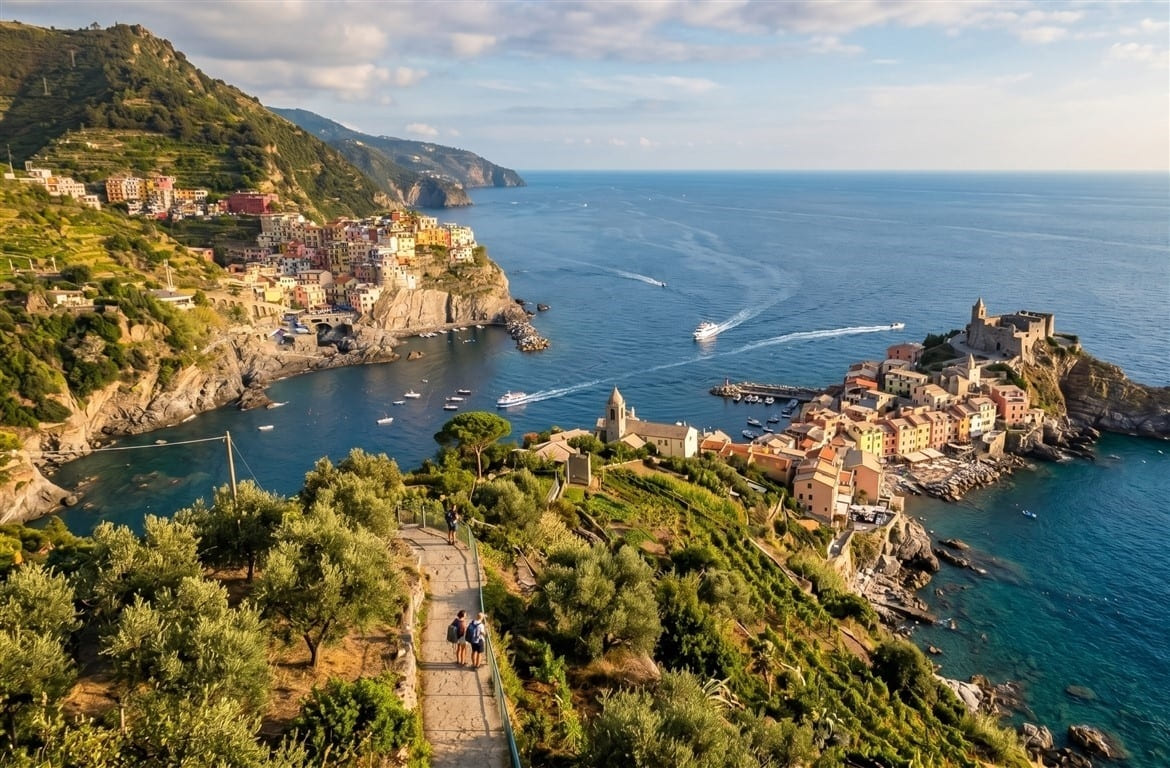
Cinque Terre is tiny, super famous, and still just breathtakingly beautiful – as long as you treat it with respect. Monterosso boasts the best beach. Vernazza gives you that iconic harbor view. Corniglia perches high above the water. Manarola just explodes with color at sunset. And Riomaggiore plunges into a steep, narrow slot packed with houses and boats. Don’t forget nearby Portovenere, with its incredible church clinging to the rocks and views stretching towards the islands; it absolutely deserves more than just a quick glance.
When to Go and How to Beat the Over-Tourism
April, May, early June, September, and October are honestly the sweet spots for most travelers. Use the trains to hop between villages, stick to only the open trails for hiking, and please, don’t treat the five towns like some kind of race. Staying overnight in Monterosso, Levanto, La Spezia, or Portovenere spreads out your visit much more gently than trying to do a frantic midday dash from Florence or Milan.
Those Hidden Gems: Underrated Places in Northern Italy
The big, famous names always grab the spotlight. But often, it’s the smaller places that deliver the truly unforgettable day.
- Bergamo: The Città Alta, which you can reach by funicular or a bracing steep walk, boasts Venetian walls, charming stone lanes, and incredible views stretching across the Lombard plain. It’s a perfect pairing with Milan or Lake Iseo.
- Mantua: A stunning Gonzaga city almost entirely surrounded by lakes, absolutely rich in frescoes, grand palaces, and wonderfully quiet squares. Honestly, the Palazzo Te alone makes the stop worth it.
- Parma: Elegant streets, incredible Correggio frescoes, the home of Parmigiano Reggiano and prosciutto, and a food culture that is so good, it doesn’t even need to brag.
- Modena: Deep traditions of balsamic vinegar, breathtaking Romanesque architecture, the Ferrari heritage nearby, and some of Italy’s most seriously good dining experiences.
- Padua: Giotto’s Scrovegni Chapel, charming arcaded streets, bustling markets, a lively student population, and a botanical garden that’s a UNESCO World Heritage site.
- Ravenna: Mosaics that literally glow like pure treasure. This city sits in Emilia-Romagna, but its Byzantine soul feels deeply connected to the eastern Mediterranean.
Wine, Food, and Countryside Destinations You’ll Adore
Langhe-Roero and Monferrato
Wine Tasting and Charming Hilltop Villages
Piedmont’s vineyard hills are just *made* for slow, unhurried travel. Barolo, Barbaresco, La Morra, Monforte d’Alba, Neive, and Alba create a breathtaking landscape dotted with castles, hazelnut groves, welcoming tasting rooms, and slopes meticulously combed with vines. The entire area is a UNESCO-listed cultural wine landscape. Autumn? That’s white truffle season in Alba, which means higher prices, a festive buzz, and plenty of crowds. Spring is softer, greener, and wonderfully serene. Winter is quiet, often foggy, and just perfect for indulging in long, leisurely lunches.
Emilia-Romagna: The Foodie Cities
Parmesan, Prosciutto, Balsamic Vinegar, and Seriously Fresh Pasta
Emilia-Romagna is absolutely not shy about its food. Parma delivers your Parmigiano Reggiano and Prosciutto di Parma. Modena brings you authentic traditional balsamic vinegar, lovingly aged in wooden barrels. Bologna carries fresh pasta like it’s a civic emblem. Reggio Emilia, Ferrara, and all those smaller towns? They all add their own incredible specialties. A truly great food trip here involves a delicious mix of bustling markets, visits directly to producers, cozy trattorias, and just enough walking to keep your dignity intact.
| Area | Known For | Best Travel Style |
|---|---|---|
| Milan and Lombardy | Design, fashion, Lake Como, business trips, art | A quick city break with some lake day trips thrown in |
| Veneto | Venice, Verona, Prosecco country, Palladian villas | A smart rail itinerary, maybe one or two overnight bases |
| Dolomites | Hiking heaven, skiing, charming alpine villages, UNESCO views | A car-based mountain stay or focusing on one village as a base |
| Emilia-Romagna | Pasta, Parmigiano Reggiano, balsamic vinegar, mosaics that pop | Definitely a rail trip centered around food |
| Liguria | Cinque Terre, Genoa, Portofino, amazing pesto, dramatic sea cliffs | Coastal train hopping and plenty of boat days |
| Piedmont | Turin, Barolo, Barbaresco, truffles, grand royal history | A lovely wine-country drive paired with a Turin stay |
Our Suggested Northern Italy Itineraries
A Whirlwind 5-Day Northern Italy Itinerary
Keep it tight, seriously: Milan for just one night, then Lake Como for a night or two, wrapping up with two nights in Venice. It’s super tempting to try and squeeze in Verona, Bologna, Cinque Terre, and the Dolomites. Don’t do it. Five days vanishes in a blink. A smarter plan: give Milan half a day for the Duomo and Brera, then pivot to Varenna or Bellagio, and finally, finish in Venice with enough time to properly get lost away from San Marco.
Your Awesome 7-Day Northern Italy Itinerary
For a solid week, this route totally works: Milan, Lake Como, Verona, Venice, and Bologna. Use trains for all those city-to-city transfers. Stay two nights in Venice, not just one. If the weather’s playing nice, add a day trip to Lake Garda from Verona. Bologna makes a beautiful ending, partly because the food is just so comforting after all those transfers.
The More Relaxed 10-Day Northern Italy Itinerary
Ten days gives you a bit of breathing room. Try Milan, Lake Como, Verona, the Dolomites, Venice, and Bologna. The Dolomites absolutely need at least two nights, maybe even three if hiking is your main goal. Rent a car after Verona or Bolzano for that mountain leg, then drop it off before you hit Venice. Honestly, driving into Venice is just pointless drama.
The Grand Two-Week Northern Italy Itinerary
Two weeks really lets you stretch out, perhaps from west to east: Turin, the Langhe wine country, Milan, Lake Como, Verona, the Dolomites, Venice, Bologna, and Ravenna. Or, flip it: Milan, Lake Maggiore, Genoa, Cinque Terre, Parma, Modena, Bologna, Verona, and Venice. Decide if you’re leaning more towards Alps-and-lakes or coast-and-food. Trying to gobble up the entire north in one go? That just creates a blur, and not the fun kind.
- First-timers, listen up: Kick off your trip with Milan, Lake Como, Verona, Venice, and Bologna. This route is efficient, offers amazing variety, and is super train-friendly, with only one lake transfer that needs a bit of extra planning.
- If scenery is your jam: Build your trip around the Dolomites and those stunning lakes. Toss in Venice or Verona for a dose of culture, but seriously, protect your mountain time. Weather up above 1,500 meters can change on a dime!
- For the food and wine obsessed: Go for Turin, Langhe, Parma, Modena, Bologna, and Verona. This route feels way less frantic and is beautifully built around incredible meals, bustling markets, producer visits, and charming smaller historic centers.
Getting Around Northern Italy: Your Best Options
Traveling by Train
Trains are, hands down, the cleanest answer for most city routes. Milan to Venice, Milan to Bologna, Turin to Milan, Verona to Venice, Bologna to Padua, and Milan to Genoa – all work beautifully by rail. High-speed services cover the big corridors, while regional trains whisk you away to the lakes and those lovely secondary cities. For fast trains, book in advance once schedules are set. Regional trains? Use those more freely, just remember to validate paper tickets if needed or double-check digital ticket rules before you hop on.
When to Absolutely Rent a Car
Grab a car for the Dolomites, those charming Langhe wine villages, any remote lake viewpoints, and if you’re planning countryside stays. But seriously, avoid cars in Milan, Venice, Bologna, Verona’s historic core, and Genoa’s old town. Those ZTL (restricted-traffic) zones are not cute local quirks. They are expensive little traps armed with cameras. If you’re driving, pick hotels with parking or simply stay just outside those medieval centers.
Airport Hubs and Connecting Flights
Milan Malpensa, Milan Linate, Venice Marco Polo, Bologna, Bergamo, Verona, Turin, Genoa, and Trieste airports all offer useful northern routes. Milan and Venice are definitely the strongest international gateways for loads of long-haul travelers. Bergamo is super handy for budget flights but remember it’s outside Milan, so factor in transfer time honestly. Bologna airport is excellent for Emilia-Romagna and smooth rail connections both south and north.
| Route | Typical Fast Option | Useful Note |
|---|---|---|
| Milan to Venice | Around 2.25 to 2.5 hours by speedy train | Perfect for a smooth two-city train journey |
| Milan to Bologna | Roughly 1 hour on a high-speed train | An easy day trip or a great overnight food stop |
| Turin to Milan | About 1 hour by fast train | Works wonderfully as your starting point for a Piedmont adventure |
| Verona to Venice | Around 1 to 1.5 hours by train | A simple, natural pairing with Lake Garda |
| Milan to Varenna | About 1 hour via regional train | One of the most straightforward ways to access Lake Como |
Where to Lay Your Head in Northern Italy
Best Bases for Your First Time Visiting
Milan makes a fantastic arrival base and a great hub for exploring Lake Como, Bergamo, Pavia, and Turin. Verona is absolutely excellent for day trips to Lake Garda, Mantua, Vicenza, and easy connections to Venice. Bologna? That’s your smartest food-and-rail base in Emilia-Romagna, with lightning-fast links to Modena, Parma, Ravenna, Ferrara, Florence, and Milan. And Venice absolutely deserves at least two nights, ideally right in the city itself, not just Mestre, if your budget allows.
Top Areas for Nature, Food, Culture, and Luxury Travel
Craving nature? Consider Ortisei, Cortina, Bolzano, Merano, Varenna, Riva del Garda, or Stresa. For the foodies, Bologna, Parma, Modena, Turin, Alba, or Verona will be your happy place. If you want culture without battling endless crowds, check out Mantua, Padua, Ravenna, Bergamo, Vicenza, or Trieste. And for luxury? Lake Como, Cortina, Milan, Portofino, and certain parts of Lake Garda truly ooze glamour, though prices there might just make you need a seat.
Super Practical Travel Tips for Northern Italy
Booking, Budgeting, and Dodging Crowds
Book those high-demand sights way in advance: “The Last Supper” in Milan, special access for St. Mark’s Basilica, Doge’s Palace tours, the Scrovegni Chapel in Padua, popular opera nights in Verona, and any Dolomite mountain huts. Hotel prices shoot up around Milan’s fashion events, Venice Carnival, big trade fairs, summer lake weekends, and ski holidays. For the better tables in restaurants in Bologna
0 Comment