

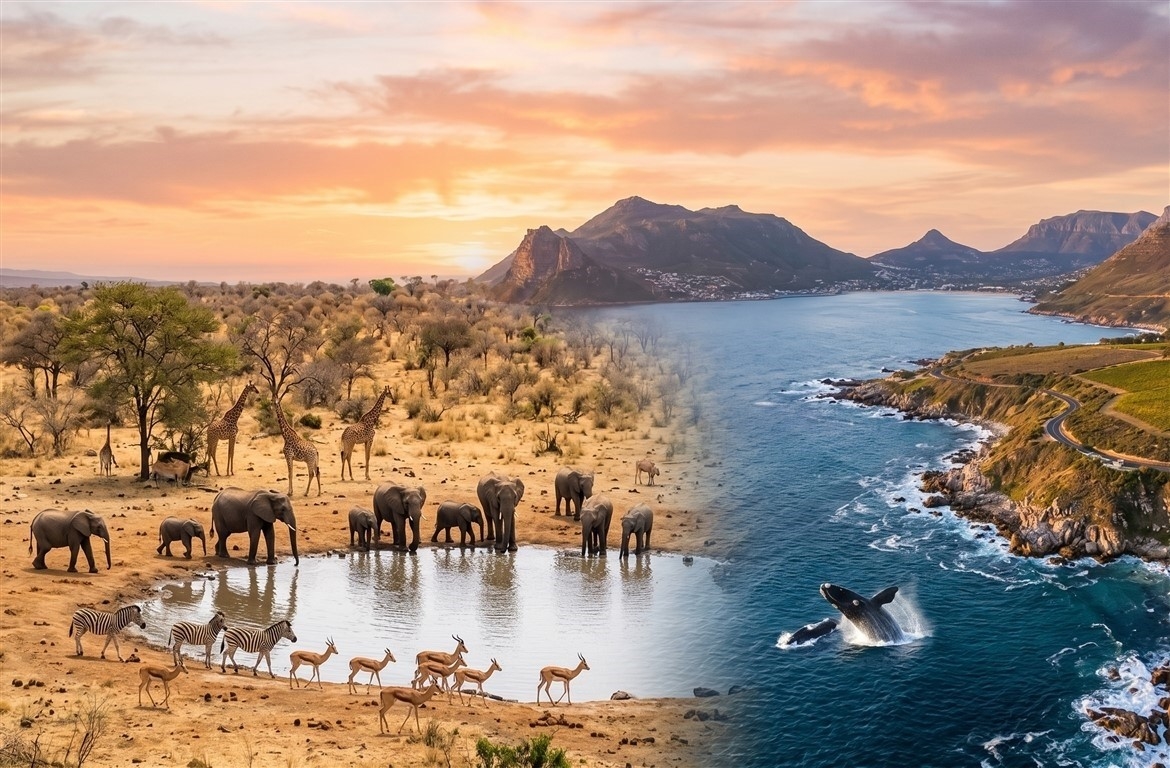

Best Time to Travel to South Africa
Figuring out the ideal time for your South Africa adventure really boils down to what kind of trip you’re dreaming of. If safari is at the top of your list, May through September usually offers the best viewing. That’s when the dry weather thins out the bush, making animals much easier to spot as they gather near water sources.
For city vibes in Cape Town, exploring wine country, hitting the beaches, or driving the stunning Garden Route, November to March brings warmer, drier days. Want to see whales along the southern coast? Mark June to November on your calendar; August to October often delivers the most spectacular sightings.
South Africa isn’t a “one-season-fits-all” kind of place. Someone landing in Cape Town in July might encounter rain and chilly evenings. Meanwhile, a traveler on a morning game drive near Kruger National Park could be enjoying crisp, dry air and fantastic wildlife viewing. This country truly rewards smart planning because its various regions experience totally different weather patterns. The trick is to match your travel month perfectly to each destination, instead of trying to hit one magical date for the entire map.
Quick Answer: When to Visit South Africa
Planning a safari? Aim for May to September if you’re headed to Kruger National Park, Sabi Sands, Timbavati, Manyeleti, Madikwe, or other prime safari spots in the northeast. Wildlife becomes incredibly easy to spot during this dry season. Grass gets lower, trees shed leaves, and animals instinctively move towards rivers and waterholes. Just a heads up: mornings can be quite cold, especially in open game vehicles. So, a good fleece layer is just as crucial as your camera gear!
For Cape Town, the Cape Winelands, glorious beach days, and lively outdoor dining, November to March is your window. These months bring long daylight hours, a much better chance of dry weather in the Western Cape, and that undeniable summer buzz. Heads up, though: December and early January get super busy and pricey thanks to local holidays. If you’re after sun without the thickest crowds, February and March often feel a lot more comfortable.
South Africa Travel Seasons at a Glance
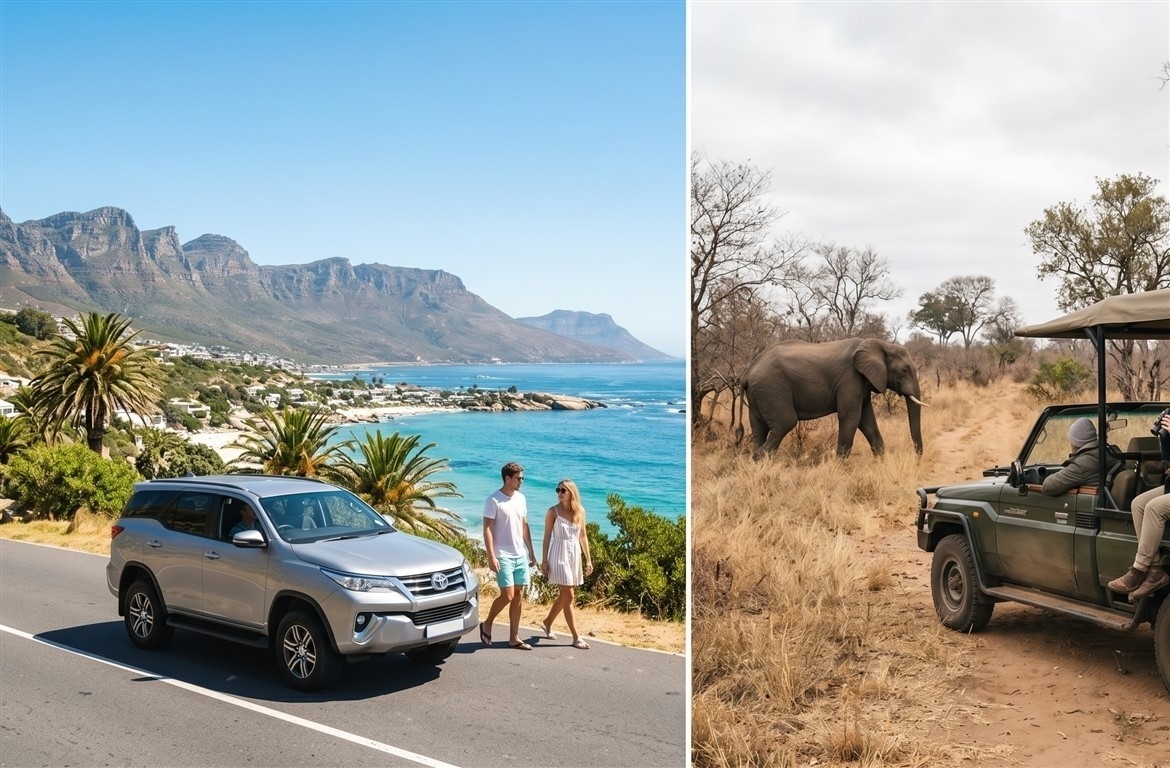
South Africa sits firmly in the Southern Hemisphere. This means its seasons flip-flop compared to North America and Europe. Summer swings around during Christmas and New Year, while winter arrives right in the middle of the year. That simple fact alone will shift how you plan everything—flights, what clothes to pack, booking safari lodges, and even your coastal stays.
This handy table offers a quick snapshot of what each season means for first-time visitors. Think of it as a super-fast planning guide, then dive into the specifics for your exact itinerary.
| Season | Months | Best For |
|---|---|---|
| Summer | December to February | Cape Town, beaches, festivals, coastal road trips |
| Autumn | March to May | Wine regions, Garden Route, fewer crowds, mild weather |
| Winter | June to August | Safari, whale watching, clear dry days in the northeast |
| Spring | September to November | Wildflowers, whales, hiking, mixed city and safari trips |
Summer: December to February
Summer truly shines as the classic time for Cape Town, Camps Bay, Clifton, the V&A Waterfront, Constantia, Stellenbosch, Franschhoek, and those breathtaking coastal drives along the N2. Days are warm, evenings buzz with social energy, and restaurant terraces fill up fast. The Atlantic water around Cape Town stays pretty cool even in summer, but those beaches look absolutely picture-perfect under clear blue skies.
Up in the northeast, summer brings heat, lush green landscapes, dramatic afternoon thunderstorms, and absolutely superb birdwatching opportunities. Safari is still a worthwhile pursuit, especially in private reserves where expert trackers work wonders. However, animals can be a bit trickier to spot amidst the dense vegetation. If you’re planning a December trip, book way in advance! South African school holidays, Christmas, and New Year push demand sky-high.
Autumn: March to May
Autumn offers one of the most wonderfully balanced times to explore South Africa. Cape Town remains delightful. Vineyards look stunning after the harvest season. Plus, the Garden Route becomes far more enjoyable without the peak-summer traffic. March, in particular, is fantastic for travelers who want warm days but without all the holiday hustle.
By May, safari regions really start drying out. This means wildlife viewing gets better and better with each passing week. Nights become cooler, which makes those early morning game drives way more comfortable than during the height of summer. For a trip that combines the delights of Cape Town, the Winelands, and Kruger, April and May can truly be superb.
Winter: June to August
Winter is absolutely prime safari season across Kruger, Sabi Sands, Timbavati, Manyeleti, Madikwe, and Pilanesberg. The weather up in the northeast is dry, mosquitoes are far less active than in the hotter, wetter months, and animals spend more time close to water sources. Morning drives can feel surprisingly chilly, so definitely pack a warm jacket, gloves, and a hat.
The Western Cape, however, dances to a different beat. Cape Town and the Winelands get much of their rain in winter. Table Mountain views might play hide-and-seek with clouds and wind. The silver lining? A quieter city, cozy restaurants, greener vineyards, and the thrilling start of whale season along the southern coast.
Spring: September to November
Spring truly gives South Africa one of its best all-around travel windows. Safari remains strong in September. Whale watching is in full swing along the coast. Cape Town begins its delightful shift towards warmer, drier weather. And if you’re lucky, the wildflower displays in the Cape and Namaqualand can be absolutely breathtaking after a good winter’s rain.
October and November are perfect for travelers seeking variety. Imagine a few days soaking up Cape Town, a scenic road trip through Hermanus and the Garden Route, then wrapping it up with a safari in Kruger or the Eastern Cape. Weather can still be a bit changeable, but the incredible blend of wildlife, coastal beauty, vibrant flowers, and comfortable outdoor living is truly hard to beat.
Best Time by Travel Goal
Let’s be real: a safari enthusiast and a beach lover shouldn’t necessarily book their trip in the same month. South Africa is massive, covering everything from deserts and mountains to vineyards, subtropical coastlines, dry bushveld, and cool Atlantic shores. The ideal dates for your visit really depend on the specific experience you care about most.
Use the following table to perfectly align your main reason for visiting with the strongest travel window. If your itinerary involves more than one goal, it’s smart to build your trip around the activity with the most specific season—think whales or peak safari viewing.
| Travel Goal | Best Months | Where to Go |
|---|---|---|
| Safari | May to September | Kruger, Sabi Sands, Madikwe, Pilanesberg |
| Cape Town | November to March | City Bowl, Table Mountain, Camps Bay, Winelands |
| Whales | June to November | Hermanus, Walker Bay, Gansbaai, De Hoop |
| Garden Route | February to May, September to November | Mossel Bay, Knysna, Plettenberg Bay, Tsitsikamma |
| Hiking | March to May, September to November | Table Mountain, Cederberg, Drakensberg |
| Lower prices | May, June, late August, early September | City hotels, lodges outside peak weeks, road trips |
Best Time for Safari and Wildlife
For Kruger National Park and those incredible private reserves hugging its western border, May through September offers the most consistently reliable safari experience. Dry weather naturally draws wildlife toward rivers, dams, and waterholes. The bush isn’t as thick, animal tracks are easier to follow, and visibility from your open game vehicle beats what you’d find in the green summer months.
July, August, and September are especially popular with first-time safari guests. Lions, elephants, buffalo, giraffes, zebras, and various antelope species often become easier to spot, though, of course, no sighting is ever truly guaranteed. Private reserves like Sabi Sands are famous for leopard sightings. Meanwhile, Madikwe and Pilanesberg make fantastic choices if you’re looking for malaria-free safari areas.
Best Time for Cape Town and Garden Route
For Cape Town, November to March gives you the best shot at warm, dry weather. This is absolutely the time for exploring Table Mountain, climbing Lion’s Head, wandering Kirstenbosch, driving the Cape Peninsula, savoring Constantia wine estates, and enjoying those long, leisurely lunches in the Winelands. February and March often feel more laid-back than late December, yet still deliver fantastic summer weather.
The Garden Route works beautifully from late summer right into autumn, and then again during spring. A super common road trip follows the N2 from Cape Town, passing through Mossel Bay, George, Wilderness, Knysna, Plettenberg Bay, and Tsitsikamma. Many drivers also add a stop in Hermanus for whale watching, Oudtshoorn for the unique Klein Karoo, or even Addo Elephant National Park for a malaria-free safari grand finale in the Eastern Cape.
Best Time for Beaches and Coast
Cape Town’s beaches sparkle brightest from December to February. Think Clifton, Camps Bay, Muizenberg, and Llandudno. The Atlantic Ocean stays quite cold, so many visitors come for the sun, stunning scenery, surfing, and sundowners rather than long swims. Wind can pick up strongly on summer afternoons, making morning beach time a much better bet.
Durban and the KwaZulu-Natal coast offer significantly warmer Indian Ocean water. Umhlanga, Ballito, Salt Rock, and the South Coast are perfect for beach lovers craving proper swimming conditions outside the Cape summer window. This coastline pairs wonderfully with the Drakensberg mountains or Hluhluwe-iMfolozi Park for a truly diverse KwaZulu-Natal trip.
Best Time for Whale Watching
Whale season along South Africa’s southern coast runs from June right through to November. Southern right whales come incredibly close to shore, and Hermanus provides some of the easiest land-based viewing anywhere in the country. Walker Bay, Gansbaai, De Kelders, De Hoop Nature Reserve, and certain parts of the Garden Route are all excellent choices for whale spotting.
August to October is a particularly fantastic window for travelers keen to include whales without missing out on great safari timing. A really practical route would be Cape Town, Hermanus, the Garden Route, then a flight or drive on to a safari area. Make sure to keep at least one flexible day near the coast; sea conditions can definitely affect those boat trips!
Best Time for Hiking and Outdoors
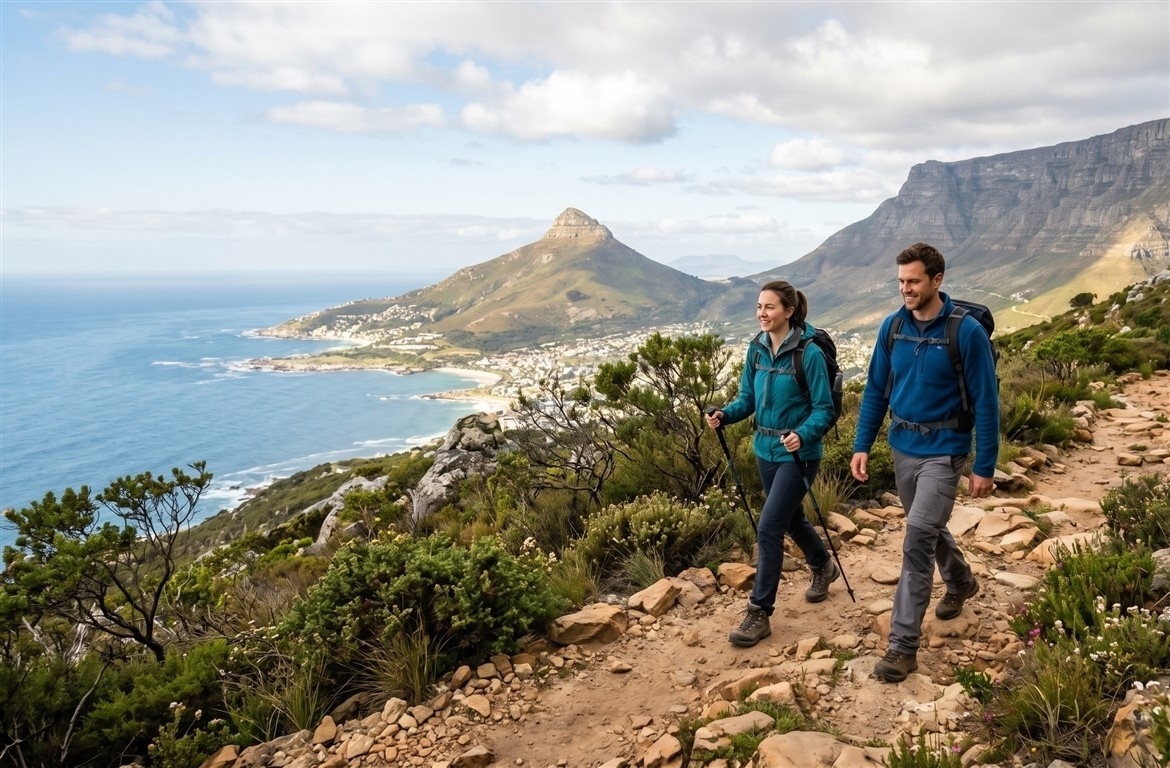
Spring and autumn are just perfect for hiking, far better than those scorching summer days or the wettest Cape winter weeks. Table Mountain, Lion’s Head, the Cederberg, the Drakensberg, and various coastal trails all become much more enjoyable when temperatures hover in a moderate, pleasant range. Starting your hikes early is still a smart move, though; mountain weather can shift incredibly fast.
When tackling Table Mountain, try to avoid super hot afternoons and really windy days. For the majestic Drakensberg, autumn often brings crisp air and amazing visibility, while summer can sometimes mean thunderstorms. Always pack good shoes, sun protection, plenty of water, and a light rain shell – these belong in your bag even for shorter routes.
Best Time for Lower Prices
Finding lower prices usually means traveling outside the busiest holiday periods and the most popular safari weeks. Cape Town hotels often offer better value during the cooler, wetter months. Safari lodges, on the other hand, tend to price higher during the prime dry-season wildlife viewing window. May, early June, late August, and parts of September can often hit that sweet spot, giving you a useful middle ground.
Keep in mind that flights and accommodation prices jump rapidly around Easter, Christmas, New Year, local school holidays, major conferences, and big sporting events. If choosing your safari lodge is a top priority, book that first. Then, fit your flights and city hotels around those secured dates. Even a flexible weekday arrival can unlock better room choices in popular areas.
Weather by Region
You simply cannot reduce South Africa’s weather to one single national forecast. Cape Town enjoys dry summers and wetter winters. Kruger and the northeast typically experience dry winters and wet summers. Durban stays much warmer and more humid, while the Drakensberg and other highland areas can get quite cold at night.
This big regional split is exactly why a varied trip demands careful packing. Imagine this: you might be wearing a T-shirt for lunch in Cape Town, a thick jacket on a dawn game drive, and multiple hiking layers in the mountains—all within the same holiday!
Cape Town and Western Cape
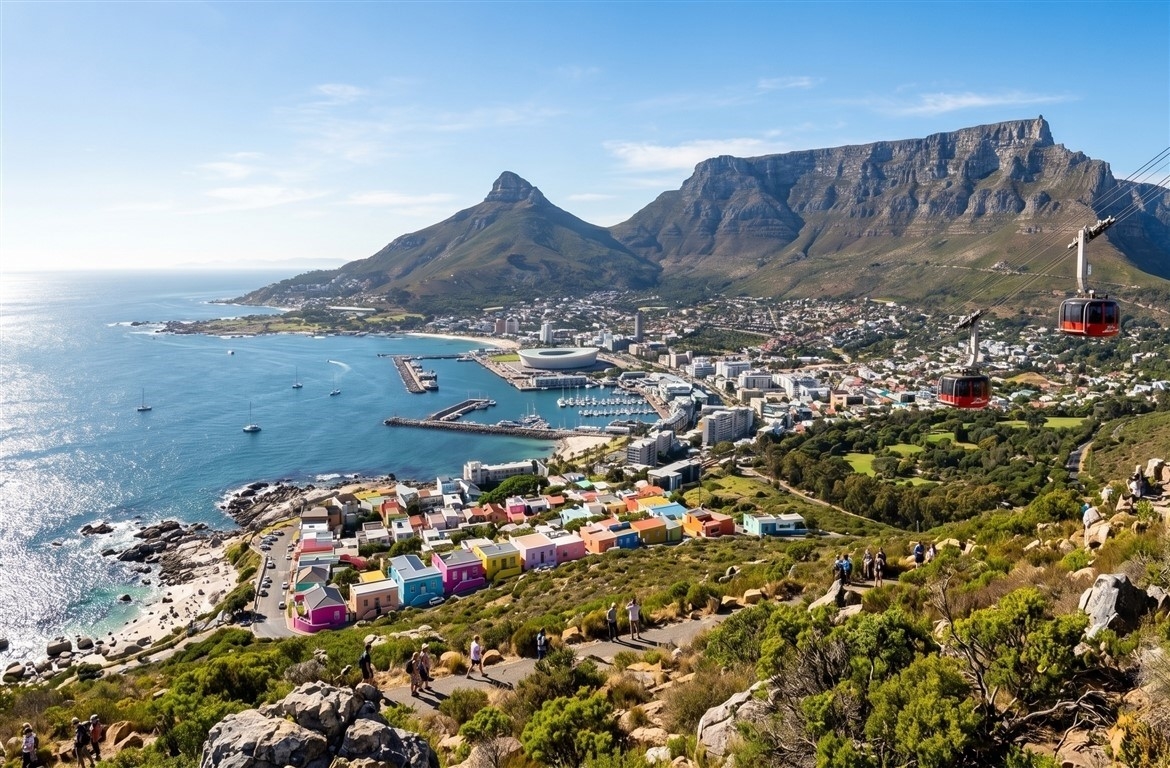
Cape Town typically enjoys its finest weather from November to March. The city just begs for outdoor adventures during these months: the Table Mountain cableway, Cape Point, Boulders Beach, Bo-Kaap, Kirstenbosch, and the Winelands are all far more enjoyable when rain is less common. Be warned, though, the famous southeasterly wind can still be fierce, so always leave some wiggle room in your schedule for sudden weather shifts.
Winter brings cooler days, rain, and moody skies, but it’s really not a bad time for travelers who prefer quieter restaurants, museums, wine tasting, and lower hotel rates. The city still gets plenty of sunny breaks. In fact, pairing a Cape Town winter visit with a dry-season safari up north can make perfect sense if wildlife is your main goal.
Kruger and the Northeast
Kruger National Park, Hoedspruit, Sabi Sands, Timbavati, Manyeleti, and the surrounding reserves truly shine from late autumn through winter and into early spring. The dry season guarantees better visibility, cooler days, and much more predictable animal movements. Those morning drives in June, July, and August can start off surprisingly cold, but usually warm up beautifully by midday.
Summer transforms the landscape into a vibrant green, bringing with it newborn animals, migratory birds, and dramatic skies. It’s an incredibly rewarding season for photographers who adore capturing color and atmosphere. The trade-off, of course, involves heat, humidity, occasional rain showers, and much thicker vegetation.
Garden Route and Eastern Cape
The Garden Route boasts a gentler climate than many other parts of South Africa, making it a super flexible option for a road trip. Knysna, Wilderness, Plettenberg Bay, Nature’s Valley, and Tsitsikamma are all delightful in spring and autumn, with far fewer crowds than during peak summer. December and early January buzz with activity but definitely require booking your accommodation well in advance.
The Eastern Cape throws in some fantastic malaria-free safari options near Addo, Shamwari, Kwandwe, Amakhala, and Kariega. This region works wonders for families or travelers who simply prefer to skip malaria-area planning. It also connects seamlessly with the Garden Route for an epic self-drive journey.
Durban and KwaZulu-Natal
Durban and the KwaZulu-Natal coast stay much warmer than Cape Town for most of the year. The Indian Ocean here is perfect for swimming, and even winter days can be wonderfully mild and bright. Summer tends to be humid, with warmer nights and a higher chance of rain.
This province is just right for travelers who dream of a beach and mountain combo. You could easily link Durban or Umhlanga with the stunning Drakensberg, then continue on to Hluhluwe-iMfolozi for some incredible wildlife. Distances are quite manageable by South African standards, though self-drive travelers should always plan their driving for daylight hours and avoid cramming too much into each day.
Rainy and Dry Seasons
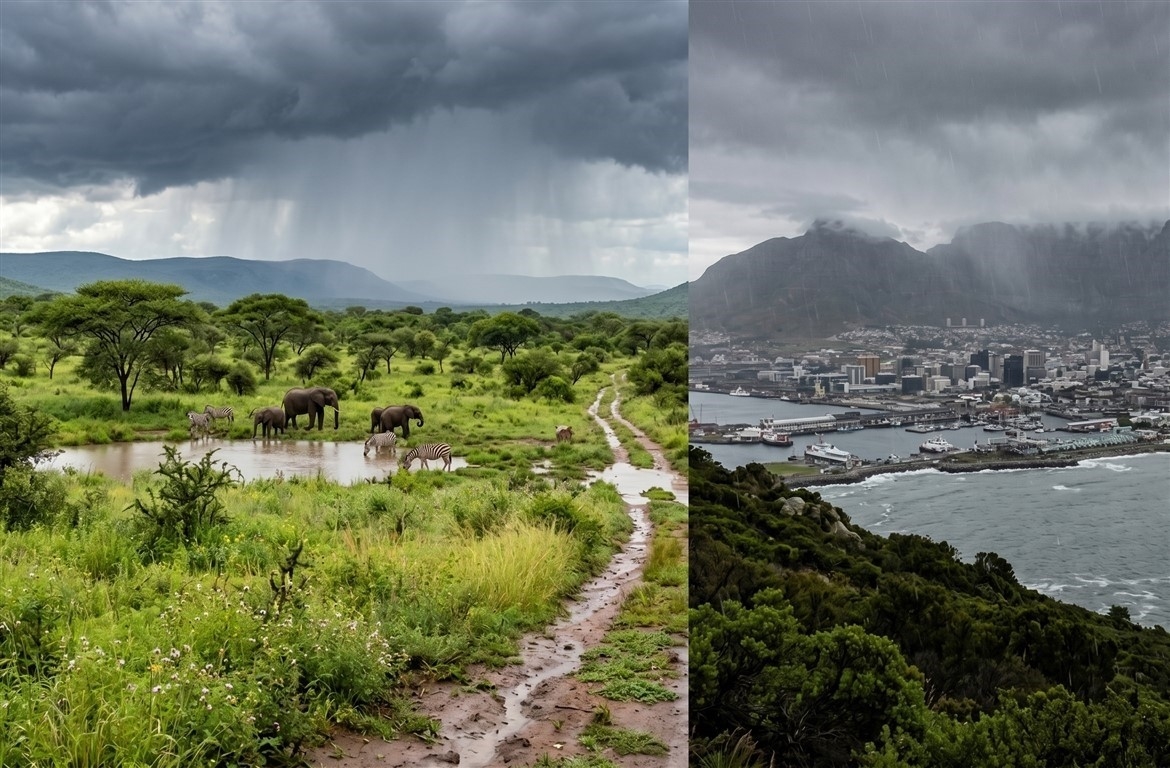
Rain doesn’t fall in the same months across the entire country. Most of the interior and the northeast get their rainfall during summer. The Western Cape, on the other hand, receives most of its rain in winter. This geographical split is crucial for anyone combining Cape Town with a safari adventure.
Imagine a traveler visiting both Cape Town and Kruger in July. They’d need to pack for two completely different trips! Cape Town might bring showers, cool evenings, and wind. Kruger, however, would likely offer dry roads, dusty tracks, clear skies, and chilly dawns.
When the Rainy Season Arrives
In Kruger and the northeast, rain typically rolls in during the warmer months, roughly from November to March. The bush explodes into vibrant green, birds become incredibly active, and afternoon storms, though often short, can be quite intense. Safari experiences continue, but sightings might require a little more patience since animals aren’t as reliant on fixed water sources.
In Cape Town and the Western Cape, winter months bring the most rain. June, July, and August can be quite wet, though sunny breaks definitely still appear. This particular period is fantastic for exploring wine estates, indulging in food-focused travel, visiting galleries, and easily adding a dry-season safari up in the northeast.
When the Dry Season Works Best
Dry months are incredibly valuable for safari, enhancing visibility and concentrating animal movements. In Kruger, this typically means May to September, with July to September often standing out as the absolute prime time for wildlife viewing. Expect dust, chilly mornings, and landscapes painted in shades of brown—all part of the authentic experience.
In Cape Town, the dry season is summer. This makes December to February the ideal window for beach clubs, outdoor meals, coastal drives, and all your Table Mountain plans. If you prefer fewer crowds, March often retains much of that fantastic weather while easing up on the holiday rush.
Month-by-Month Travel Guide
Month-by-month planning truly helps when your trip spans several regions. South Africa’s travel calendar is packed with brilliant overlaps: think safari and whales in winter, flowers and whales in spring, Cape Town and beaches in summer, or vineyards and road trips in autumn.
The guide below focuses on what each period *feels* like on the ground. Use it to find the perfect compromise when your itinerary has more than one key priority.
| Months | Travel Feel | Best Choices |
|---|---|---|
| January to March | Warm, busy early, calmer later | Cape Town, beaches, Winelands, Garden Route |
| April to June | Mild, cooling, safari improving | Road trips, wine regions, early dry-season safari |
| July to September | Top safari, whales, cool Cape weather | Kruger, private reserves, Hermanus, wildflowers |
| October to December | Warmer, scenic, peak demand late | Spring travel, Cape Town, late whales, early summer coast |
January to March
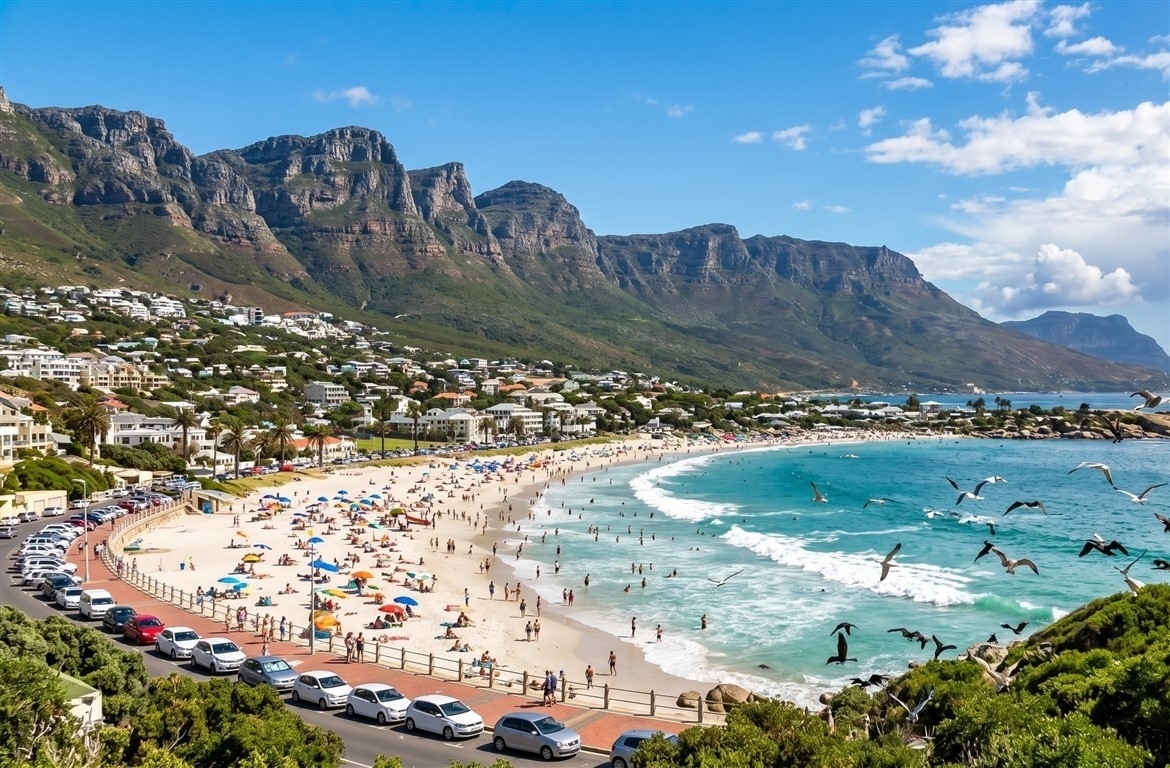
January is typically hot and incredibly popular, especially in Cape Town, along the Garden Route, and throughout coastal holiday towns. Make sure to book restaurants, rental cars, and family-friendly accommodation super early. Inland safari areas can be hot and green, with dramatic afternoon storms and incredibly active birdlife.
February and March are absolutely stellar months for Cape Town and the Winelands. The weather remains wonderfully summery, but the heaviest holiday crowds have usually thinned out significantly. March, in particular, works beautifully for a trip combining Cape Town, Franschhoek, Hermanus, and the scenic Garden Route.
April to June
April ushers in softer weather and a much more comfortable pace. The Winelands look absolutely gorgeous. Hiking becomes a pure delight. Road trips feel easier than during the intense peak summer. Easter can definitely bump up demand, so book ahead if your dates fall around that break.
May and June mark the transition for safari regions into their dry season. Vegetation starts to thin out, wildlife viewing improves dramatically, and evenings become noticeably cooler. Whale season kicks off along parts of the southern coast, offering travelers an amazing chance to pair coastal wonders with bush adventures.
July to September
July to September represents the strongest period for classic safari conditions. Game drives start off cold, but the incredible payoff is often superb visibility and bustling wildlife gathered near water sources. Lodges in the most famous reserves can fill up surprisingly fast, especially for family travel and honeymoon trips.
Whale watching is also in full swing during this time. Plus, vibrant spring flowers can absolutely blanket parts of the Cape after a good winter’s rain. Cape Town might still be a bit wet in July and August, but September truly begins to turn brighter. This period is perfect for travelers who prioritize safari and wildlife above all else, more than guaranteed beach weather.
October to December
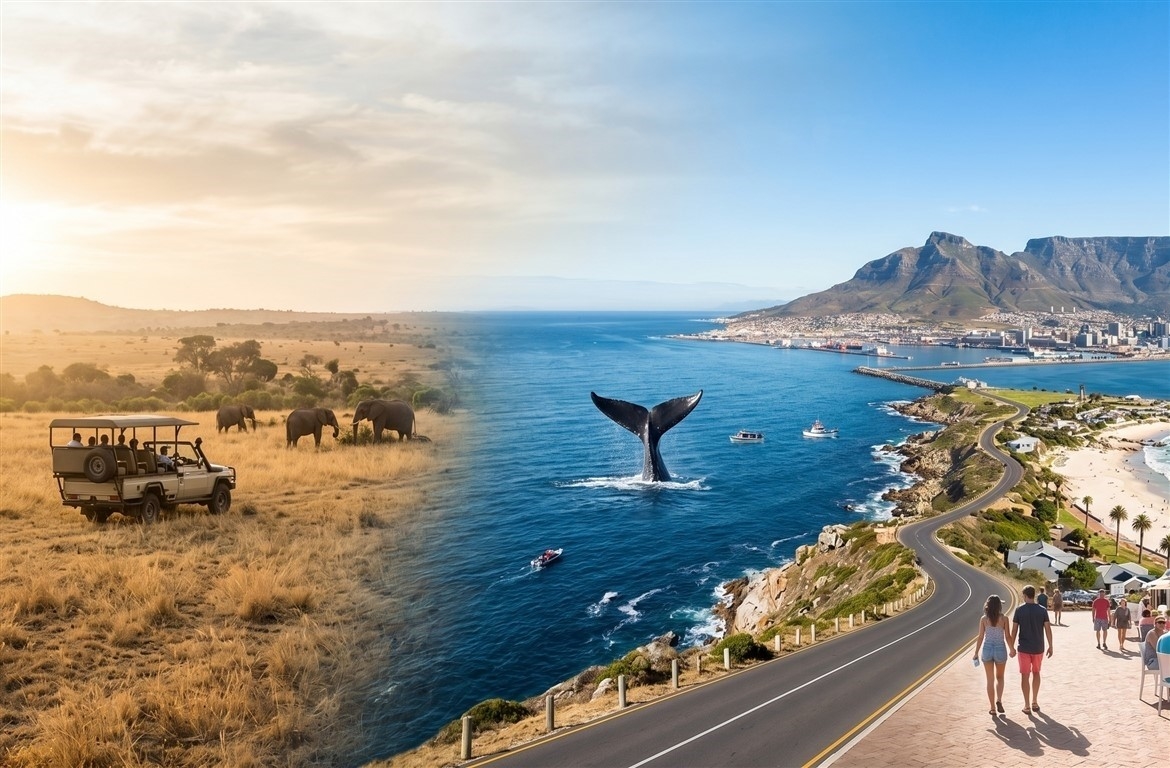
October is a fantastic month for a mixed-route adventure. Safari remains incredibly rewarding. You can still spot whales along the coast. And Cape Town starts its delightful shift towards warmer days. November often provides a wonderful balance before the festive December rush truly kicks in.
December is festive, sunny in the Cape, and buzzing with activity across all the popular holiday regions. Make sure to arrange accommodation in Cape Town, Hermanus, Plettenberg Bay, Knysna, and safari lodges way in advance. If you’re someone who really dislikes crowds, aim for early December rather than the peak Christmas and New Year period.
How Long to Spend in South Africa
Seven days can give you one really strong focus. You could easily spend four nights enjoying Cape Town and three nights exploring the Winelands. Or, you could fly straight to a safari area and dedicate most of your trip to one incredible lodge region. A shorter trip truly works best when you skip long road transfers and avoid unnecessary one-night stops.
Ten to twelve days allows for a much better first visit. A practical plan might involve Cape Town for four nights, the Winelands for two nights, and then a Kruger-area safari for three or four nights. Another excellent option is Cape Town, Hermanus, the Garden Route, and then an Eastern Cape safari—this combo is brilliant for travelers who love to drive.
Two weeks or more? Now you’re letting South Africa truly breathe. You can comfortably add the Garden Route, the magnificent Drakensberg, Durban, or even a second safari region without feeling rushed. Domestic flights between Cape Town, Johannesburg, Hoedspruit, Skukuza, Nelspruit, Durban, and Gqeberha help keep those vast distances incredibly manageable.
Smart Date-Picking Tips
Good timing isn’t just about the weather. Lodge availability, local school holidays, driving distances, whale season, daylight driving hours, and flight routing all play a huge role in shaping your trip. South Africa truly rewards travelers who book the “fixed” pieces first and then build in softer days around them.
For most travelers, the safari lodge is usually the trickiest piece to nail down. Once those nights are secure, arranging Cape Town hotels, car rental, Winelands stays, and Garden Route stops becomes much simpler. Always build your route with enough breathing room, especially when you’re driving long coastal stretches or connecting to smaller airports.
- Book top safari lodges way in advance for July, August, September, and the Christmas period.
- Reserve Cape Town and Garden Route hotels super early for late December and early January.
- When planning whale watching, build in at least one spare coastal day just in case sea conditions shift.
- Always check domestic flight routes *before* you finalize a self-drive plan.
- Keep those long drives strictly in daylight, particularly in rural areas and after any wildlife activities.
- Think of Cape Town, Johannesburg, Hoedspruit, Skukuza, Durban, or Gqeberha as your key route anchors.
Booking Safaris and Popular Routes
Safari lodges in Sabi Sands, Timbavati, and other private reserves often have a limited number of rooms. This means availability can vanish long before city hotels even begin to fill up. July to September and the festive season demand the earliest possible attention. If a specific lodge, guiding style, or family room is important to you, secure those dates well before buying any nonrefundable flights.
For self-drive routes, always map out your road trip before choosing hotels. Cape Town to Hermanus is a super easy coastal leg. Hermanus to Knysna is longer. Knysna to Addo or Gqeberha requires a sensible, full travel day. The N2 is the main Garden Route artery, but scenic detours through the Winelands, Route 62, or the Klein Karoo will add time to your journey.
Packing for Different Seasons
Safari packing is all about layers, not glamour. Think neutral-colored clothing, a warm fleece, a windproof jacket, a hat, sunglasses, sunscreen, closed shoes, and a small daypack—these items will cover most game drives. In winter, a good pair of gloves and a beanie can make those dawn drives far more comfortable.
For Cape Town, pack for sunshine, wind, and sudden temperature shifts. A light jacket is useful even on summer evenings. Winter trips, however, will definitely need a rain shell and warmer layers. If you’re hiking, bring proper shoes, plenty of water, sun protection, and a small emergency layer, even for popular trails.
Planning Around Peak Periods
South African school holidays dramatically change travel patterns, especially around Easter, the midyear breaks, and the festive December season. Cape Town, the Garden Route, national parks, beach towns, and family lodges all see much higher demand during these times. Restaurants and activities can also book out much faster.
If your travel dates are fixed, try to avoid squeezing too many places into your itinerary. Spending longer in fewer locations almost always beats racing between airports, lodges, and coastal towns. South Africais huge, and those travel days can drain your energy way faster than they look on a map.
Common Timing Mistakes to Avoid
The easiest trap to fall into is treating South Africa as one single climate zone. A month that’s perfect for Kruger might be rainy in Cape Town, while a gorgeous beach week in the Cape might be hot, humid, and overgrown in safari areas. Another big mistake is waiting too long to book for those peak safari months or the busy festive season along the coast.
Finally, don’t assume every iconic spot fits neatly into one short trip. The distances between Cape Town, Kruger, Durban, the Drakensberg, and the Garden Route are truly significant. The best itineraries pick a clear rhythm and prioritize enough time for rest, unexpected weather, and a slower pace of travel.
- Do not book a Cape Town winter trip expecting guaranteed beach weather.
- Do not pack only light clothing for safari mornings between June and August.
- Do not leave your December Garden Route hotel bookings until the last minute.
- Do not try to plan whale watching outside the main June to November season.
- Do not schedule long self-drive days immediately following long-haul overnight flights.
- Do not treat Kruger, Cape Town, Durban, and the Garden Route as nearby neighborhood stops.
FAQ About When to Visit South Africa
What month has the best weather?
September and October are fantastic for a varied trip. They can combine safari, whales, wildflowers, hiking, and increasingly sunny Cape weather. March is another top choice for Cape Town, the Winelands, and the Garden Route, offering warm days and fewer crowds than the peak of summer.
If you’re after pure Cape Town sunshine, February is difficult to beat. For the most reliable safari conditions, August and September sit at the top of the list. Ultimately, the best month depends on the route you choose.
When is best for Kruger National Park?
May to September is the most reliable window for Kruger National Park and its surrounding private reserves. The dry season boosts visibility, thins the bush, and forces animals to linger near water sources. July, August, and September are especially popular for first-time safari travelers.
Summer safaris from November to March have a different charm. The bush looks vibrant and green, migrant birds arrive, and newborn animals bring so much energy. Just be ready for the heat, humidity, rain, and denser foliage.
What is the cheapest time to go?
Savings really depend on the region. Cape Town hotels often provide better value during the cooler, wetter winter months. Safari lodges can sometimes be more affordable outside of the busiest dry-season weeks. May, early June, late August, and certain spring dates often strike a nice balance between price and quality.
Expect flight prices to climb around school holidays, Christmas, New Year, Easter, and major sporting events. Choosing flexible dates, flying mid-week, and keeping your itinerary focused with fewer domestic transfers can keep costs down without sacrificing the experience.
What is best for Cape Town?
November to March is the prime time for Cape Town’s outdoor lifestyle. Beaches, rooftop bars, drives around the Cape Peninsula, Kirstenbosch, Table Mountain, and the Winelands all thrive in this window. December gets very lively but crowded; February and March often feel a bit smoother.
April is also lovely for food, wine, and a more relaxed vibe. Winter is certainly cooler and wetter, but it fits travelers who enjoy quieter hotels, excellent restaurant reservations, gallery visits, and a safari-centric trip.
Is South Africa good year-round?
Absolutely, as long as your route lines up with the season. Winter excels for safari and whales. Summer shines for Cape Town and beach hopping. Autumn is perfect for wine regions and scenic road trips. Spring offers one of the finest mixes of wildlife, flowers, coast, and hiking.
The smartest date is the one that directly supports your main motivation for visiting. Start with that priority, then fill in the rest of your trip with regions that perform well during that same time.
0 Comment