


Plan Your First Costa Rica Trip
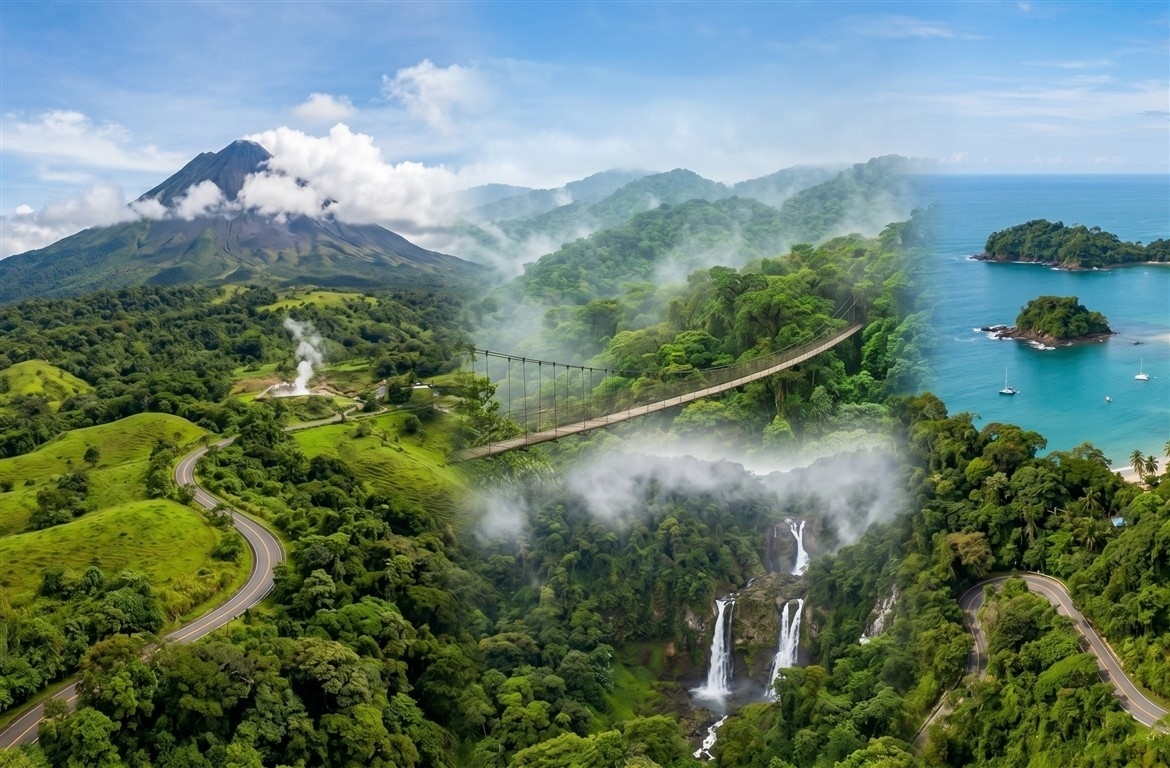
Your first visit to Costa Rica hits the mark best when you focus on quality over quantity. Instead of racing across the entire map, center your ten-day journey on three distinct environments: the volcanic slopes of Arenal, the misty canopy of Monteverde, and the sun-drenched Pacific shoreline of Manuel Antonio. This strategy keeps your time behind the wheel manageable while ensuring you soak in everything from thermal springs and deep rainforests to rugged mountain passes and quiet surf breaks.
Start by touching down at Juan Santamaría International Airport, then head straight toward La Fortuna. From there, navigate around the lake to reach Monteverde, wind your way down to the coast in Manuel Antonio, and finally circle back toward the capital with a possible quick stop in Jaco or Uvita. This loop works perfectly for newcomers because it eliminates tedious backtracking and gives you enough breathing room to actually enjoy each destination without constantly packing your bags.
Trip Plan Quick Reference
Deciding on Trip Length
Ten days remains the golden ratio for a first-time visitor. Anything shorter than a week makes the transit between La Fortuna and Manuel Antonio feel like a frantic sprint. If you can manage two full weeks, you gain the luxury of tacking on extra destinations like the Osa Peninsula or the Caribbean side without feeling like you’re missing out on the core experience.
| Trip length | Best route style | Who it suits |
|---|---|---|
| 7 days | La Fortuna and Manuel Antonio | Travelers short on time |
| 10 days | La Fortuna, Monteverde, Manuel Antonio | First-time visitors |
| 14 days | Main route plus beach or Caribbean add-on | Families and slower travelers |
| 21 days | Volcanoes, cloud forest, two coasts, Osa | Wildlife-focused travelers |
Suggested Daily Breakdown
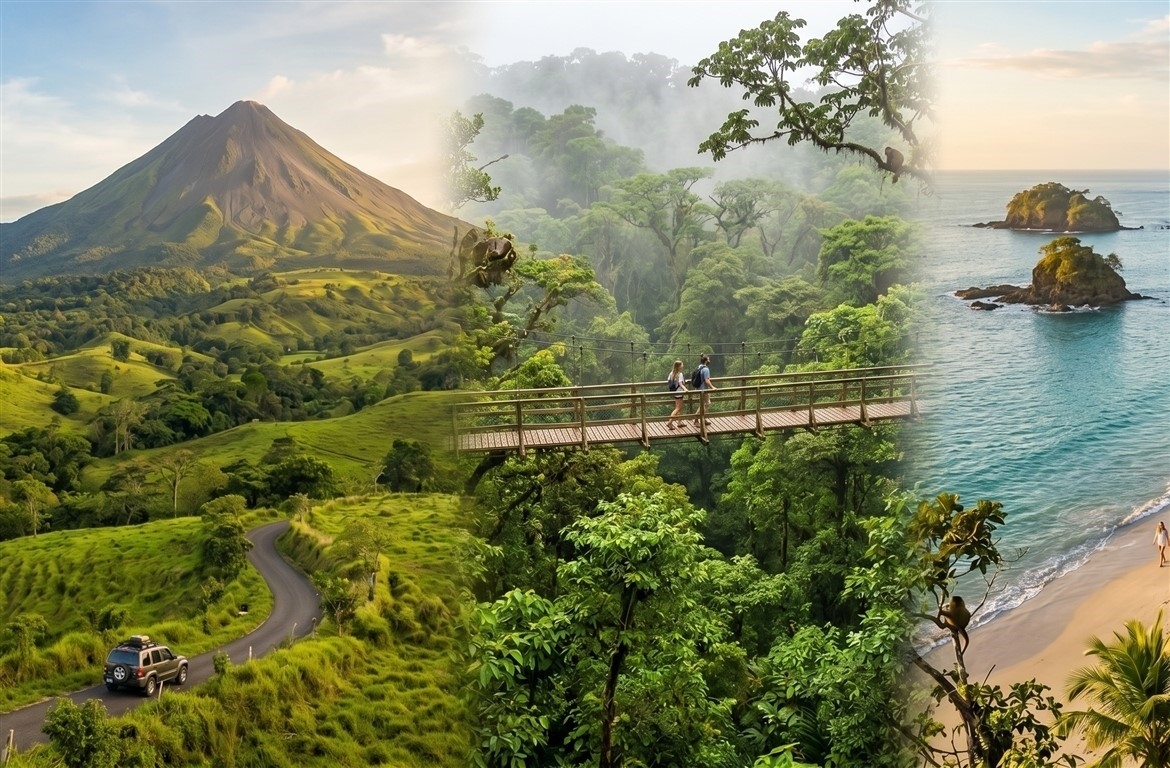
A solid rhythm involves three nights in La Fortuna, two in the heights of Monteverde, three by the coast near Manuel Antonio, and a final night close to the airport. Aim for an early flight arrival so you can handle the three-hour drive to La Fortuna in daylight. If your plane lands after the sun goes down, grab a room near the airport and set out fresh the following morning.
Mapping Distances and Times
Don’t be fooled by map scale here. Sharp mountain switchbacks, heavy rain, and slow-moving freight trucks often dictate your speed more than speed limits. Keep your driving during daylight hours, especially on the winding path to Monteverde. While a rental car offers supreme freedom, shared shuttles remain a fantastic option if you prefer someone else to handle the navigation.
| Route | Usual travel time | Best transport |
|---|---|---|
| SJO Airport to La Fortuna | 2.5–3.5 hours | Car or shuttle |
| La Fortuna to Monteverde | 3.5–4.5 hours | Car or van-boat-van |
| Monteverde to Manuel Antonio | 4–5.5 hours | Car or private transfer |
| Manuel Antonio to Uvita | 1–1.5 hours | Car or local bus |
| Manuel Antonio to SJO Airport | 3–4 hours | Car, shuttle, or bus |
Essential Travel Preparation
Choosing When to Travel
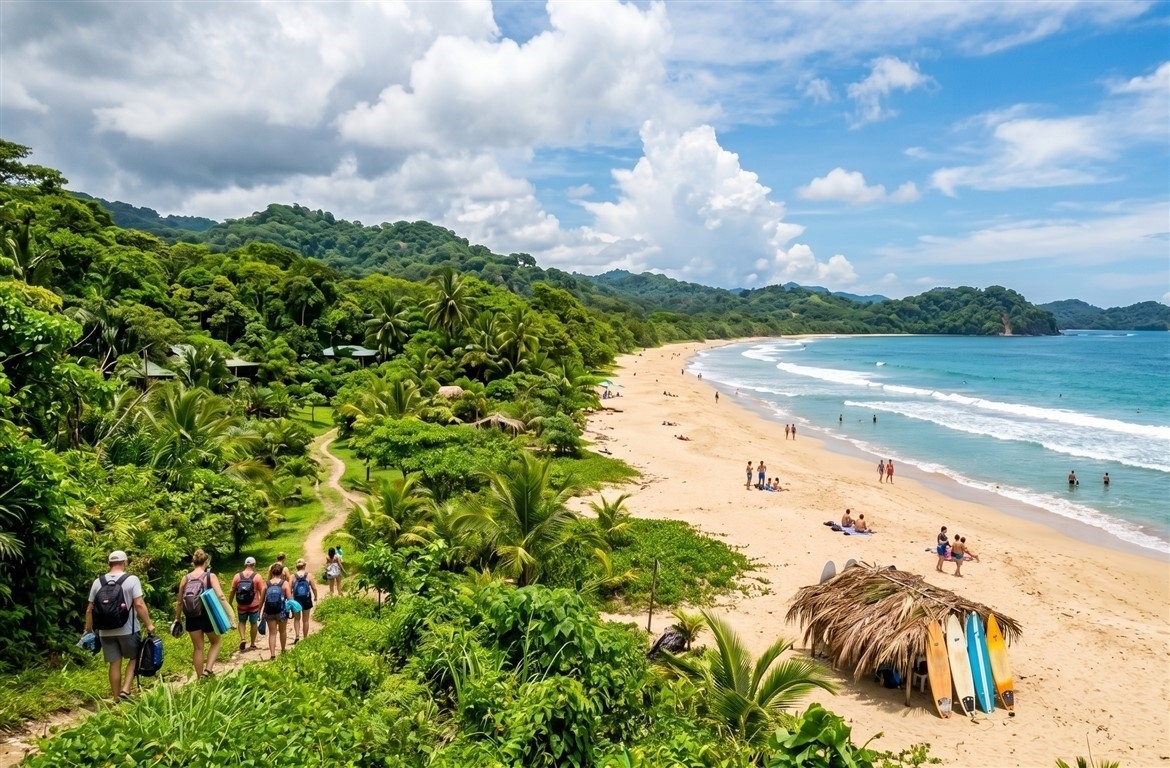
If you want guaranteed beach weather, the dry window from mid-December through April is your best bet. Just expect higher prices and busier parks during the holidays and spring break. For thinner crowds and lush scenery, try May or June. The rain usually holds off until the afternoon, and prices are quite a bit friendlier.
September and October bring heavier rains to the Pacific, so plan accordingly if you choose those dates. Interestingly, the Caribbean coast often stays drier during this same period, offering a clever alternative. Since wildlife is abundant year-round, you really cannot make a bad choice when it comes to seeing nature.
Navigating the Country
Your transport choice boils down to how much you value comfort versus your budget. Renting a car is perfect for independent spirits who want to stop for roadside photos or eat at hidden local spots. Shuttles are the go-to for many visitors who want a stress-free, door-to-door experience, while local buses offer the cheapest route for the patient traveler.
- Rental car: Best for families, photographers, and travelers staying outside town centers.
- Shared shuttle: Good for La Fortuna, Monteverde, Manuel Antonio, and airport transfers.
- Private transfer: Costly, but useful for late arrivals or groups with luggage.
- Domestic flight: Better for far places such as Drake Bay, Puerto Jiménez, or Liberia.
- Public bus: Cheapest choice, but slow and harder with tight itineraries.
Tips for Renting Vehicles
Pick up your rental car near the airport in Alajuela rather than the city center to avoid urban traffic headaches. Most agencies have shuttles ready to take you to their lots. You don’t necessarily need a tank, but a vehicle with decent ground clearance makes the ride to Monteverde much smoother. If you’re traveling during the wetter months, a 4×4 provides peace of mind.
Safe Driving Practices
Stick to Waze or Google Maps for real-time updates and keep a few small coins handy for those ubiquitous local parking attendants. Never leave gear exposed in your vehicle at trailheads or beach parking areas. If you’re heading to the cloud forest or a remote waterfall, stay mindful that weather patterns can wash out dirt roads overnight.
Booking Shuttles and Flights
Shared shuttles offer professional service across the country’s most popular routes. The van-boat-van crossing at Lake Arenal is a highlight of the trip, saving you time and giving you a great view. Reserve domestic flights only if you plan to stray far from the main route, like heading down to the Osa Peninsula.
Managing Your Budget
Costa Rica is an investment. Between entry fees for parks, guided tours, and insurance, costs can add up fast. If you want to keep spending down, look for vacation rentals with kitchens in places like Quepos or La Fortuna. This helps you balance the cost of those memorable guided excursions with affordable, home-cooked meals.
| Category | Budget range per day | Notes |
|---|---|---|
| Budget traveler | $70–$120 | Hostels, buses, casual meals, fewer tours |
| Mid-range traveler | $160–$280 | Private rooms, shuttles or car, paid activities |
| Comfort traveler | $300–$550+ | Boutique hotels, private transfers, guided tours |
| Family of four | $350–$700+ | Rental car, larger rooms, park fees, meals |
Packing Essentials
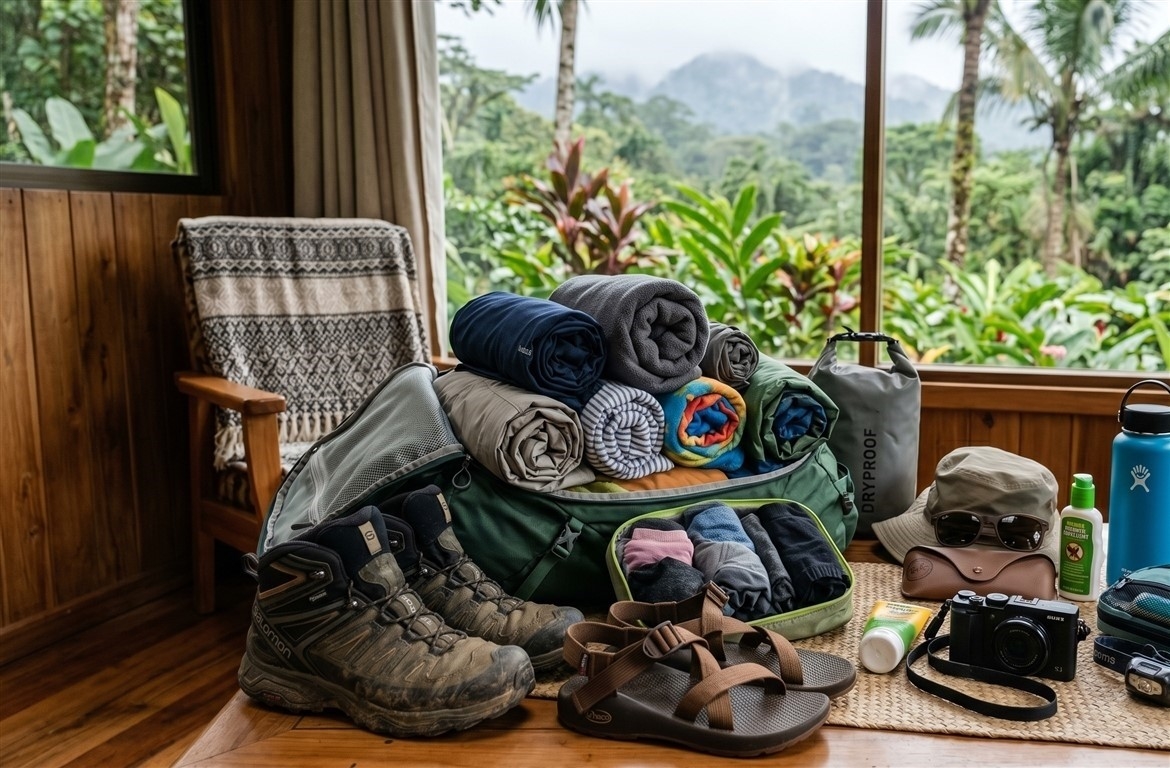
Pack like you’re heading to three different climates simultaneously. You’ll want lightweight clothes for the beach, a sturdy jacket for the cool, misty air of Monteverde, and reliable footwear for trails. Quick-dry fabrics are your best friend. Don’t forget closed-toe shoes; they are essential for zip-lining or night walks.
- Light rain jacket or poncho
- Quick-dry shirts, shorts, and hiking pants
- Closed-toe walking shoes with grip
- Sandals for beaches and hot springs
- Reef-safe sunscreen and insect repellent
- Dry bag for phones, passports, and camera gear
- Binoculars for birds, monkeys, and sloths
- Reusable water bottle
Your Day-by-Day Itinerary
Days 1: Arrival and First Stretch
After landing at SJO, get your transportation sorted and start the ascent toward La Fortuna. This town is a fantastic introduction to the country, sitting right in the shadow of the volcano. If you’re tired from the flight, book a room right there in town or find a scenic hotel on the road toward the volcano to wake up to a view.
The road trip takes you over mountainous terrain that’s as beautiful as it is winding. Be prepared for a slower pace as you navigate the hills. Whether you pick a boutique spot near the hot springs or a central hotel, you’ll find the vibe here is immediately welcoming.
Days 2–3: Volcano Country
La Fortuna is the ultimate base for a mix of adventure and relaxation. You can hike through volcanic landscapes one day and soak in natural hot springs the next. A solid plan includes a guided wildlife outing and at least one dedicated day for the local waterfalls or hanging bridges.
Hiking Arenal Volcano
The national park here provides incredible views and the chance to walk through old lava flows. It’s not an overly strenuous hike, but the tropical sun can be intense. Start early to beat the heat, and if you want more mileage, look at the Arenal 1968 trails which offer different perspectives on the mountain.
Visiting the Waterfall
The local waterfall is iconic for a reason. You’ll descend a set of stairs into a lush canyon to find a stunning blue pool. It’s the perfect spot for a quick, bracing swim. Just keep your balance on the wet rocks—sandals with good grip are much better than flip-flops here.
The Hanging Bridges
Head to Mistico for the hanging bridges. It’s a completely different experience when you’re walking high in the canopy. Hiring a guide is highly recommended—they’ll spot the tiny vipers, sleeping bats, and well-camouflaged birds you’d otherwise walk right past.
Thermal Hot Springs
There are options for every budget when it comes to the springs. Tabacón is the luxe, high-end experience, while EcoTermales offers a more intimate, quiet feel. If you’re watching your wallet, many local hotels have their own smaller, private thermal pools that do the trick just as well.
Night Wildlife Walks
The jungle truly comes alive after dark. Book a guided night walk to see frogs, nocturnal insects, and sleeping creatures you’ll never see during the day. It’s a highlight for many first-timers and reveals a whole side of the forest that feels like another planet.
Days 4–5: The Cloud Forest
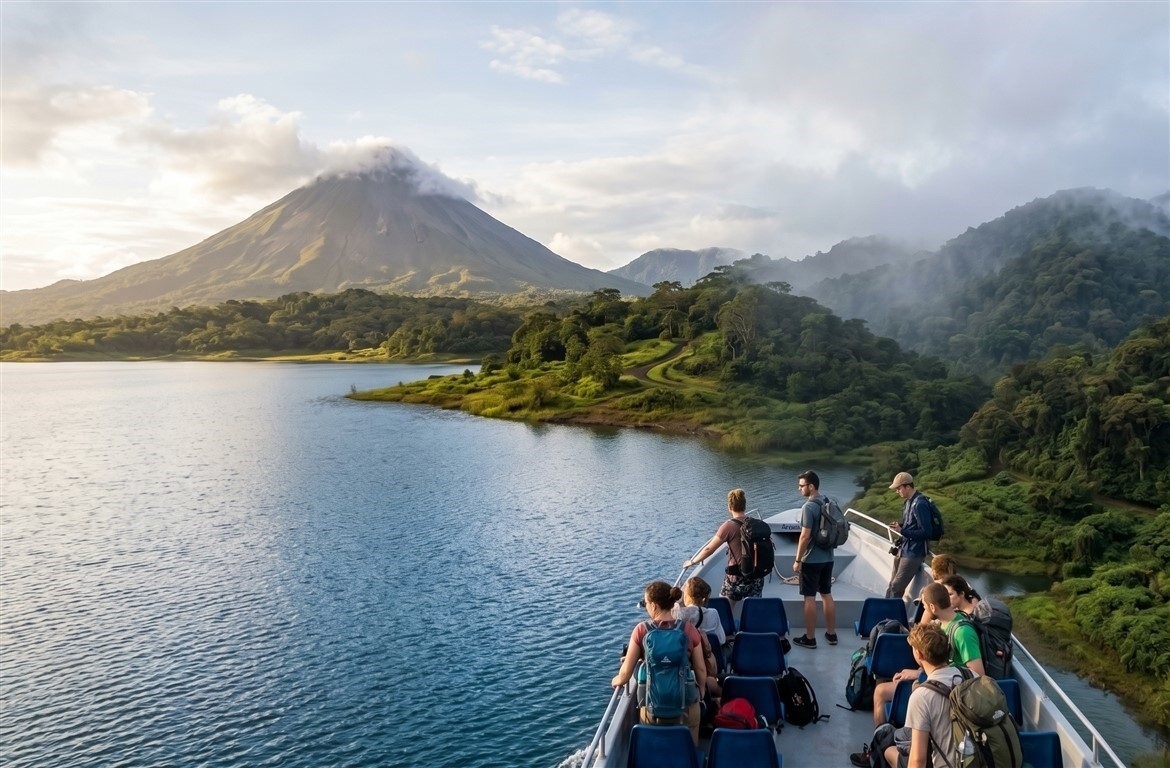
Leaving La Fortuna for Monteverde is a journey into the clouds. The van-boat-van route across the lake is the scenic choice, while driving the long loop around gives you a real feel for the local terrain. The final approach to Monteverde is steep and windy, so plan to finish this leg while the light is still good.
Cloud Forest Reserve
This is a quieter, cooler world filled with mossy trees and rich, humid air. It’s a haven for birdwatchers hoping to spot the resplendent quetzal. The trails here are well-maintained and offer a peaceful, atmospheric walk through some of the most biodiverse land on Earth.
Adventure Activities
The zip-lining in Monteverde is legendary. Because the forest is set at such a high elevation, you get an incredible vantage point over the canopy. If flying through the air isn’t your thing, the hanging bridges offer a way to see the forest floor and canopy at a more relaxed pace.
Birding and Wildlife
A guided tour is the best way to get a meaningful look at the forest’s inhabitants. The guides here have an uncanny ability to find birds nestled in the dense foliage. If you have extra energy, look into a night tour around Santa Elena to spot the local tarantulas and sloths.
El Tigre Waterfalls
If you’re looking for a more intense hiking challenge, this spot is perfect. It involves crossing various hanging bridges and navigating deeper into the wilder parts of the forest. It feels much more like a backcountry expedition, so be sure you’re wearing shoes you don’t mind getting muddy.
Days 6–8: Manuel Antonio Coastal Life
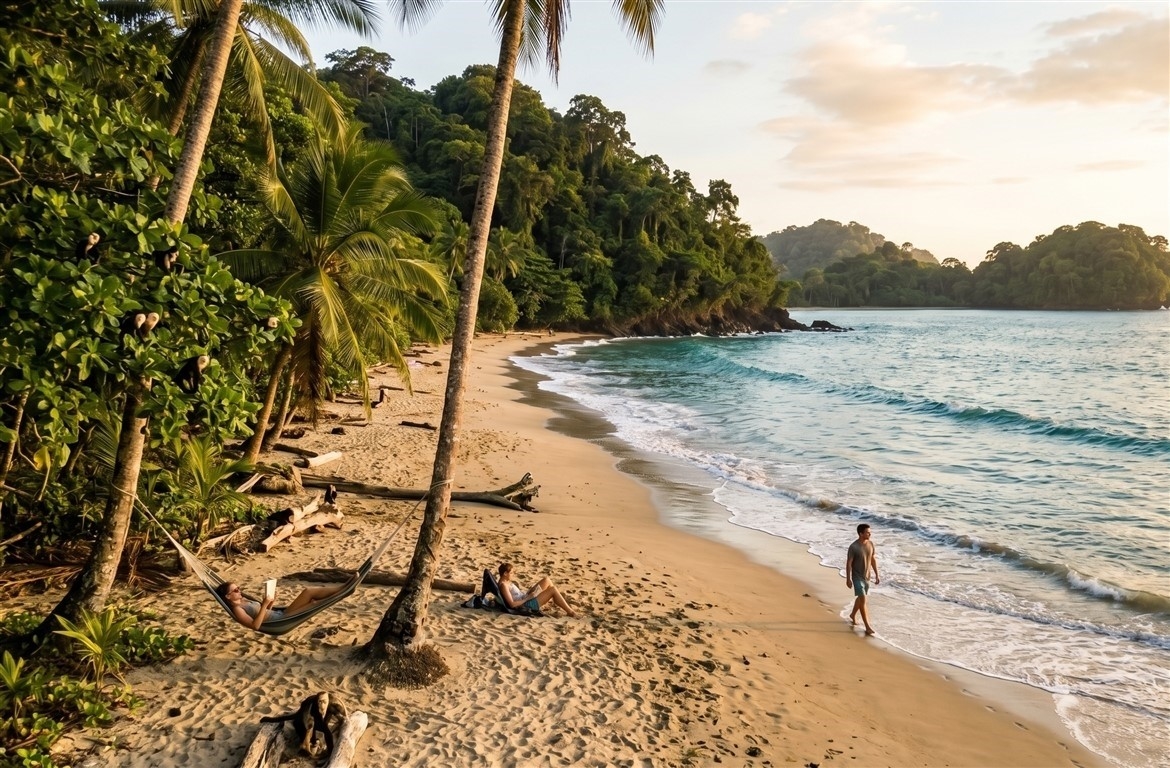
The drive south is a long one, so keep your schedule flexible. Once you arrive, you’ll trade mountain mist for tropical heat and beach vibes. It’s the perfect place to wrap up your trip, balancing easy access to the national park with some much-needed beach time.
National Park Access
The park is the main draw, known for its mix of wildlife and pristine sand. Be sure to book your tickets via the official government portal well in advance, as capacity is limited. You’ll likely see monkeys and sloths within minutes of starting your walk.
Local Beach Spots
Playa Espadilla is great if you want a social atmosphere or a surf lesson. If you want something quieter and more sheltered, try the beach inside the national park or take the short trek to Biesanz Beach. Don’t be surprised if the monkeys join you at the water’s edge.
Ocean and Mangrove Tours
Spend a morning on a catamaran, or explore the mangroves by kayak. The wildlife in the water is just as interesting as what’s in the trees. It’s a nice change of pace from the inland hiking and lets you see the coast from a completely different perspective.
Day 9: Final Coastal Exploration
Depending on your flight home, spend this day checking out either Uvita or Jaco. Uvita is home to the famous whale-tail sandbar and offers a more relaxed, nature-first vibe. Jaco is a bit more built-up and closer to the airport, making it a convenient final base for anyone who wants a smoother exit.
Uvita and Ballena Park
This is the spot for whale watchers and nature enthusiasts. The park is beautiful, particularly when the tide goes out, revealing the long sandbar. It’s a great place to slow down and reflect on the trip before the final push back to the airport.
Jaco and Resort Vibes
If you prefer a place with more nightlife and easy amenities, Jaco fits the bill. It’s well-positioned for an easy drive to the airport the next day. You can spend your afternoon enjoying the surf or relaxing at one of the upscale resorts in nearby Los Sueños.
Day 10: Head Home
Don’t cut it too close. Aim to spend your last night near Alajuela to avoid any potential road delays. If you’ve got a late flight, consider a quick stop at a local coffee farm on the way up. It’s a great way to say goodbye to the country with a cup of some of the best coffee on the planet.
Bonus Destinations
If you find yourself with extra days, don’t rush to squeeze everything into your existing schedule. Pick one new region and commit to it. Whether it’s the surf-heavy vibes of the Nicoya Peninsula, the canals of Tortuguero, or the wild forests of the Osa, choose a location that complements what you’ve already seen.
- Tamarindo and Nicoya: Perfect for surfers and those who love a sunset beach vibe.
- Rio Celeste: A beautiful, short stop if you’re traveling toward the northwest.
- Tortuguero: A unique canal experience that feels miles away from the mountains.
- Puerto Viejo: A slower, Caribbean-influenced pace that’s totally worth the travel time.
- Osa Peninsula: For the true explorer looking for deep, untouched nature.
Lodging Highlights
Where to Stay in La Fortuna
Town stays are best if you want to walk to dinner and shops. If you prefer quiet mornings with a view of the volcano, look for hotels along the main road leading toward the base. Many families find that cabin-style rentals offer the best mix of independence and comfort.
Where to Stay in Monteverde
Santa Elena is the heartbeat of the region. Everything you need is right there. If you want a more immersive experience, look for a lodge tucked away in the forest near the reserves, just keep in mind you’ll need a vehicle or a taxi to get back to town for your meals.
Where to Stay in Manuel Antonio
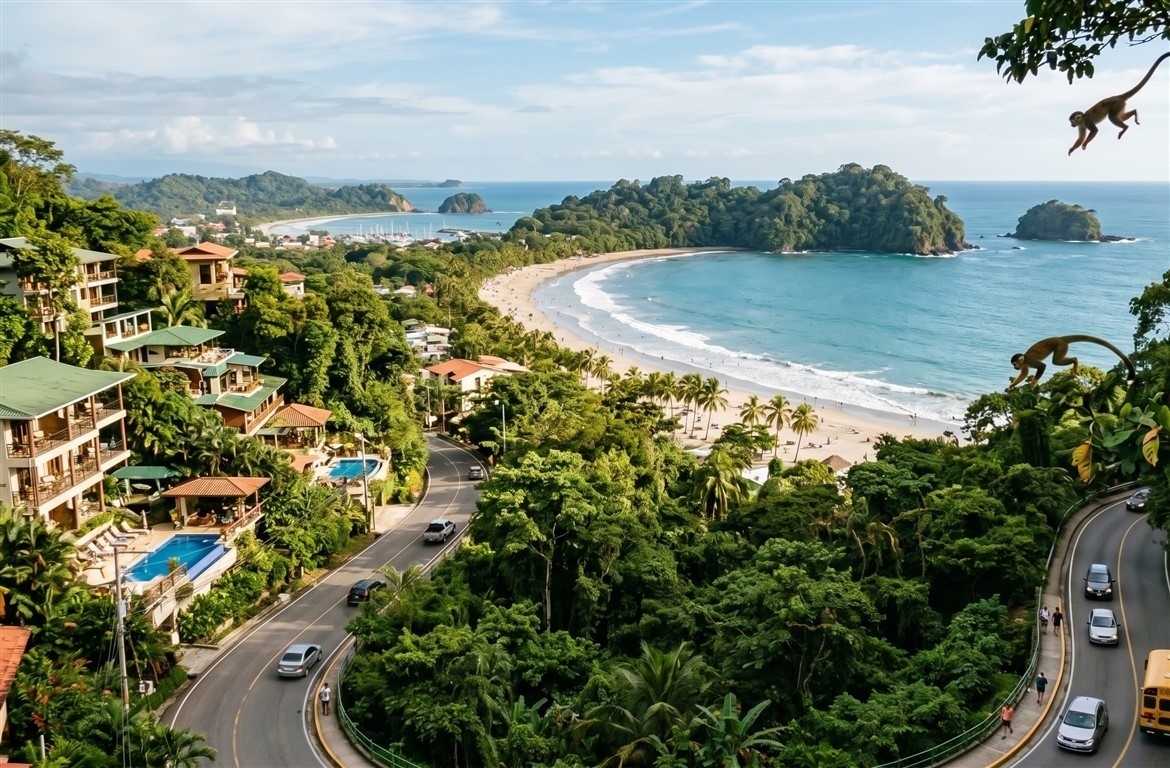
The main road leading to the park is lined with places that offer everything from ocean views to monkey sightings right off your balcony. It’s the most convenient area. Quepos, by contrast, is more about local flavor and marina access, often at a lower price point.
Where to Stay Near the Airport
Keep your last night simple. Alajuela has plenty of hotels designed specifically for travelers heading to the airport. They’re often secure, comfortable, and close enough to the rental agencies to make your departure morning easy.
| Base | Best area | Why stay there |
|---|---|---|
| La Fortuna | Town or volcano road | Food access or views |
| Monteverde | Santa Elena | Easy tours and restaurants |
| Manuel Antonio | Hillside road | Wildlife, views, park access |
| Airport night | Alajuela | Fast flight departure |
Booking Smart
Prioritize the “must-haves.” Book your park entry for Manuel Antonio first, then your rental car, then your accommodation. Stay updated on park rules and ticket procedures, as they change occasionally. Most importantly, leave yourself some breathing room. Unexpected rain or a slow stretch of road is part of the charm here.
- Reserve Manuel Antonio before picking your flight date.
- Schedule guided nature walks for the start of your trip.
- Carry physical cash for small purchases and tips.
- Use reputable ATMs in major towns.
- Give wildlife space and never offer them human food.
- Be flexible with your afternoon activities during the wetter months.
Practical Tips
Stay Safe
Costa Rica is generally very safe, but opportunistic theft is a reality. Keep your valuables close to you on the beach and never leave your bags sitting in plain sight inside a car, no matter how quick your stop is.
Money Matters
You can get by with US dollars in many places, but having local colones makes everything easier for small tips and local shops. Keep a debit or credit card for hotels, but don’t count on being able to use them for every small roadside snack.
Connectivity
An eSIM is a lifesaver for navigation. You’ll have signal in most towns, but as soon as you get into the mountains or deep along the coast, it can get spotty. Download your maps ahead of time to avoid getting lost on those beautiful, winding backroads.
Tour Ethics
Only work with certified local guides. They have the training to find wildlife without bothering them, and they’ll have the optics to show you things you’d never see on your own. It makes the cost well worth the experience.
Wildlife Interactions
Remember that you are a visitor in their home. Keep your distance, don’t use recordings to lure birds, and never try to touch or feed the animals. The best photos are the ones where the animal is acting naturally.
Commonly Asked Questions
How long is enough time?
Ten days is your sweet spot for the classic route. It’s long enough to see everything without feeling like you’re doing nothing but driving.
Beach or Forest?
Why choose? The magic of Costa Rica is how quickly you can go from a cloud forest hike to a Pacific sunset. Try to mix both into your schedule.
Do I need a rental car?
Not if you’re happy with shuttles. If you love the idea of pulling over whenever you see something cool, grab the car. It’s worth the extra effort for the flexibility.
Is it affordable?
It’s not the cheapest place in the region, but it’s manageable. Use vacation rentals and plan for your “big” activities to keep costs under control.
Can I travel with kids?
Absolutely. It’s one of the best spots for families. The wildlife, the pools, and the adventure activities keep them engaged, and the travel times are short enough that it doesn’t become a nightmare.
Do I need to be fluent in Spanish?
Not at all. You’ll find English spoken in almost all tourism-related businesses. That said, learning a few phrases shows respect and helps immensely when you’re interacting with locals away from the main tourist hubs.
0 Comment