


What Makes a State “Most American”?
The idea of a “most American state” sounds like something you’d argue about at a bar, then maybe see in a headline the next day. But there’s a real story behind why Iowa earned that label. One particular ranking looked at how closely each state mirrored the United States across a bunch of common benchmarks: people, money, faith, education, jobs, age, and a few cultural cues that often pop up in national descriptions.
Now, this doesn’t mean Iowa won America, not by a long shot. No single state can truly embody an entire nation. Think about it: New York buzzes with immigrants and subway grit. Texas sprawls with its swagger, ranch roads, border towns, oil fields, and vibrant cities. California fuels dreams from the Pacific and drives the tech world. Florida constantly reinvents itself under swaying palm trees. Iowa’s claim is much quieter. It literally sits in the middle of our map and, in many ways, at the core of our shared imagination.
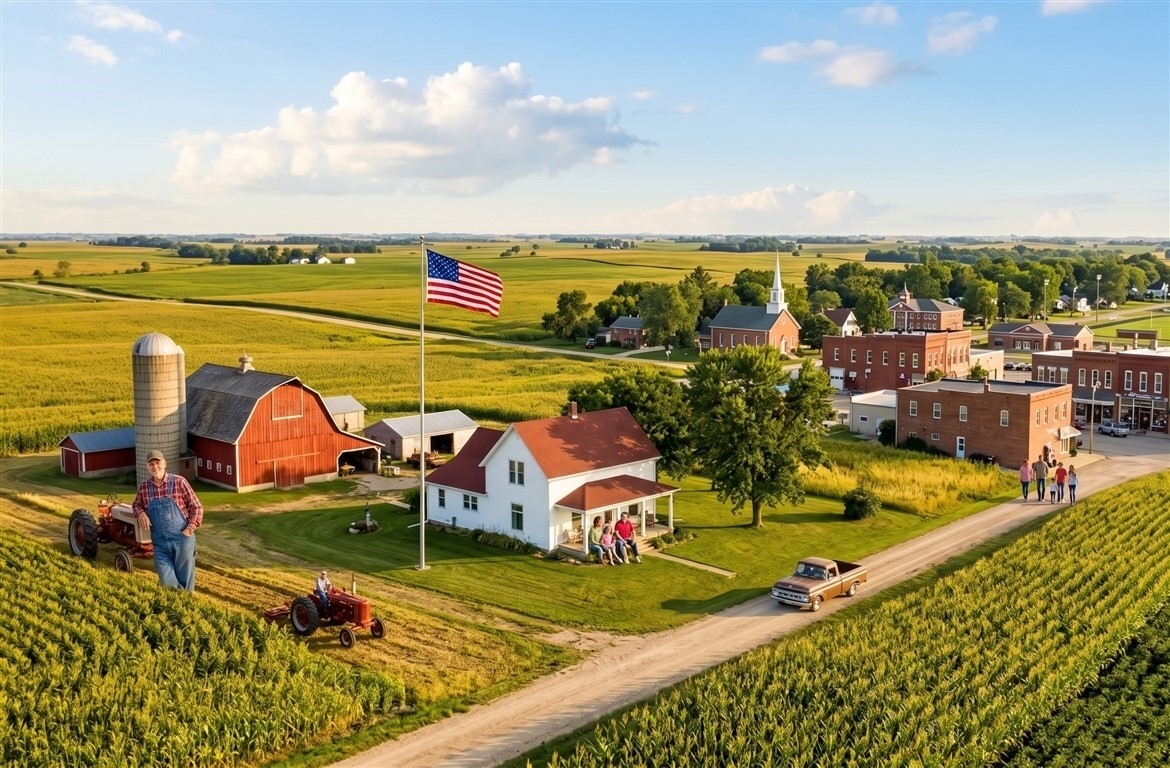
Just drive through the place, and you’ll get it. Cornfields stretch for miles. College towns thrive. County seats anchor communities. Grain elevators pierce the sky. Friday night lights gleam. Diners serve pie from glass cases. Presidential hopefuls chat in school gyms. Farm shows draw crowds. The State Fair features butter sculptures. Long highways invite the sky to do half the talking. Simple things, really. But strangely powerful.
Iowa Named a National Mirror
Iowa caught the country’s eye when some folks pointed out that, by certain statistical measures, it reflected the United States more closely than any other state. This wasn’t about who was prettiest, most patriotic, or best for tourists. It was a straightforward comparison: which state’s numbers, when lined up, looked the most like the national average?
The answer turned out to be Iowa, a place people often use as shorthand for the American heartland. And honestly, that label has some serious weight. Iowa is smack in the Midwest, relies heavily on farming, mixes quiet rural areas with expanding urban centers, and has always held a surprisingly big role in presidential politics thanks to its caucuses. It’s not the biggest, not the wealthiest, not the fastest, and certainly not the flashiest. That understated quality is part of its charm.
This old ranking still gets conversations going because folks love to disagree with it. Someone from Miami might just chuckle. A New Yorker might roll their eyes. An Ohioan might wonder why their state didn’t get the nod. And a Californian? They could easily point to population, innovation, migration, food, music, and argue the whole idea is way too narrow. Fair enough. America isn’t just one vibe.
Still, Iowa really does fit a specific national mold: middle-income homes, smaller cities, vast farmlands, familiar civic ceremonies, public schools, college sports, strong military service traditions, church potlucks, immigrant labor in meatpacking towns, growing suburbs around Des Moines, and countless small communities that still revolve around a courthouse square. It’s not perfect. It’s not the whole picture. But it’s definitely recognizable.
Iowa’s Authentic American Vibe
Iowa feels American not because of grand monuments, but through sheer repetition of common scenes. You’ll encounter sights here that feel instantly familiar, even if you’ve never stepped foot in the state: that water tower with the town’s name painted huge, the gas station that doubles as a breakfast spot, the high school field glowing under Friday night lights, barn-filled fairgrounds, the Methodist church sign, the old theater still holding on downtown.
Tourists rushing through completely miss it. Iowa isn’t set up for a quick postcard dash. It truly rewards those who actually stop—maybe for Dutch pastries in Pella, a walk over the bridges in Madison County, some time spent lingering in Decorah, a pork tenderloin sandwich at a small-town cafe, or a sweltering August day at the Iowa State Fair. The state’s charm isn’t polished like a resort. It’s truly lived-in.
That really matters because “American” often means ordinary just as much as it means famous. Our national story isn’t solely about towering skylines and majestic national parks. It’s also about school board meetings, grain prices, Little League games, local newspapers, marching bands, bustling diners, veterans’ halls, county sheriffs, food drives, and the yearly debate over whether that road should finally get repaved.
Of course, Iowa holds plenty of contradictions too. Many rural counties have seen their young people move away. Meanwhile, Des Moines has drawn in professionals, new restaurants, insurance companies, tech jobs, and fresh residents. Meatpacking towns have grown far more diverse, thanks to Latino, Asian, African, and other immigrant communities. University towns bring a totally different rhythm. Those old ideas about Iowa being just one thing fall apart pretty fast once you keep driving.
State Characteristics of “American”
A state can feel deeply American through a mix of symbols, numbers, daily habits, and compelling stories. None of these elements works in isolation. A flag on a porch tells a bit, but certainly not everything. A census table reveals something else entirely, yet it can’t capture the aroma of sweet corn roasting by a fair booth.
When people get into debates about the “most American state,” they usually gravitate toward a few key indicators:
- Population Profile: A state that mirrors national trends in age, income, household size, education, and religious ties often appears “average” on paper. Here, “average” isn’t dull; it’s precisely why Iowa joined the conversation.
- Cultural Touchstones: Think county fairs, school sports, diners, parades, farmers markets, bustling college campuses, church functions, and local civic clubs. These create scenes that resonate with many Americans, even as regional specifics might shift.
- Political Stage: Iowa’s caucuses made the state a front-row event in presidential campaigns for decades. Candidates had to shake hands in small rooms, tackle tricky local questions, and probably eat something fried at a fair.
- Economic Blend: Agriculture, manufacturing, insurance, education, healthcare, logistics, and small businesses all play a role in Iowa’s economy. This diverse mix gives the state much more depth than the typical cornfield stereotype suggests.
There’s a catch, though. The word “American” stretches so far it almost breaks. A Navajo community in Arizona, a vibrant Vietnamese restaurant district in California, a historic Black church in Georgia, a lobster fishing town in Maine, a lively Puerto Rican neighborhood in Florida, or a Norwegian festival in Iowa—they all belong to the same vast national fabric. No single state can possibly contain that entire spectrum. So, the “most American” title works best as a lens, not some kind of grand trophy.
Demographic Realities
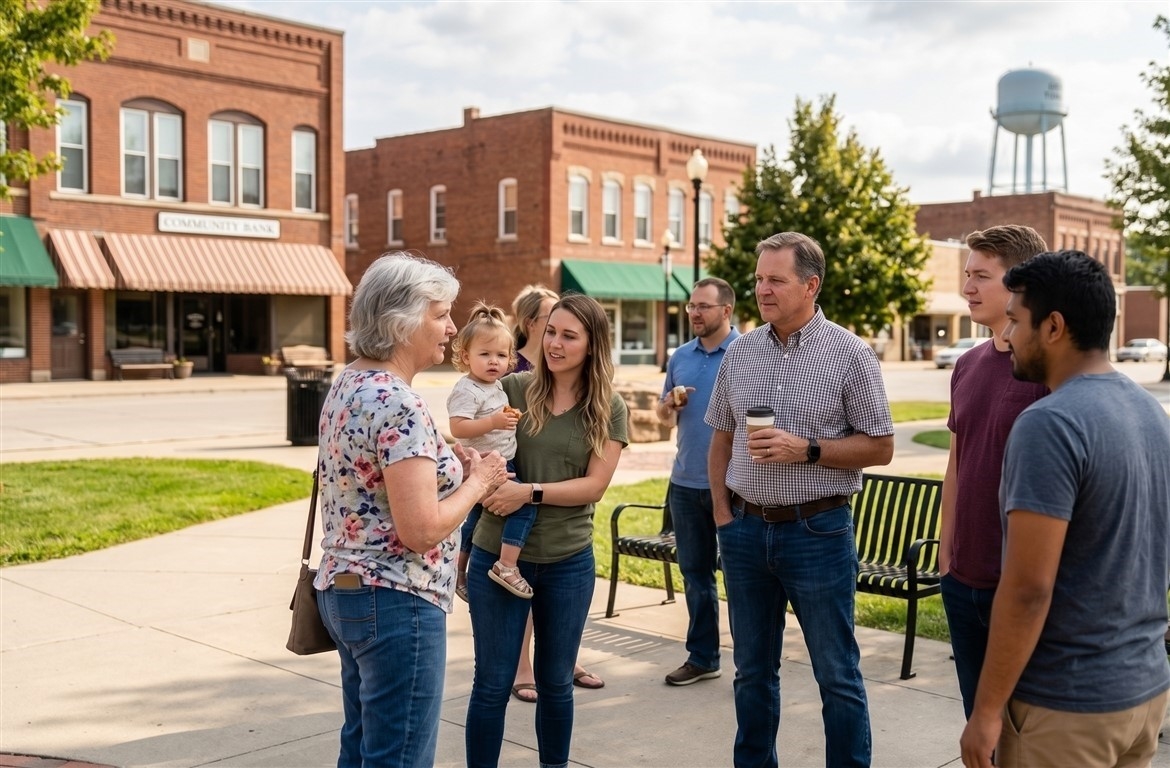
Iowa has often been seen as sitting right near the national middle on several big measures, though historically, its racial and ethnic composition has been less diverse than the United States overall. That difference really matters. A state might perfectly match national averages in income or age but still look completely different when it comes to race, immigration patterns, languages spoken, or how densely populated its areas are.
The picture in 2026 is far more intricate than that old stereotype. Iowa still strongly connects with white, rural, and Midwestern identity, yet its cities and many working towns are much more mixed than casual outsiders might expect. Des Moines has truly grown into a major metro area, boasting finance, insurance, government, a thriving restaurant scene, and lively nightlife. Cedar Rapids, Iowa City, Ames, Davenport, Sioux City, and Waterloo each add their own distinct social landscape.
Small towns absolutely remain central to the state’s image, but Iowa isn’t frozen in time. Meatpacking and food-processing communities have attracted immigrant workers from all over. University towns bring in international students. Suburbs around Des Moines have transformed rapidly. The American middle keeps shifting, and Iowa moves right along with it, albeit at its own steady pace.
Culture and Daily Rhythms
Iowa’s culture is practical before it’s ever theatrical. People talk about the weather constantly because the weather dictates their day. A storm line on the radar changes ball games, harvest schedules, and whether anyone bothers driving twenty miles for dinner. The land itself enforces a blunt calendar: plant, grow, harvest, winter, mud, repeat.
But daily life isn’t exclusively rural. Iowa City hums with bookstores, lively bars, major hospitals, and the University of Iowa’s famed literary scene. Ames revolves around Iowa State University and its extensive research. Des Moines features a statehouse dome, corporate high-rises, brand-new apartments, cozy coffee shops, music venues, and a food scene that genuinely shocks first-timers who arrived expecting only casseroles.
Then, those familiar rhythms return. A Fourth of July parade. A bustling county fair. A high-stakes wrestling meet. A comforting church basement meal. A town festival where someone’s uncle belts out classic rock under a tent. It can feel a little bit “corny,” sure. But then you stay another hour, and you realize these people aren’t performing “heartland” for visitors. They’re just living their lives.
Politics and Public Engagement
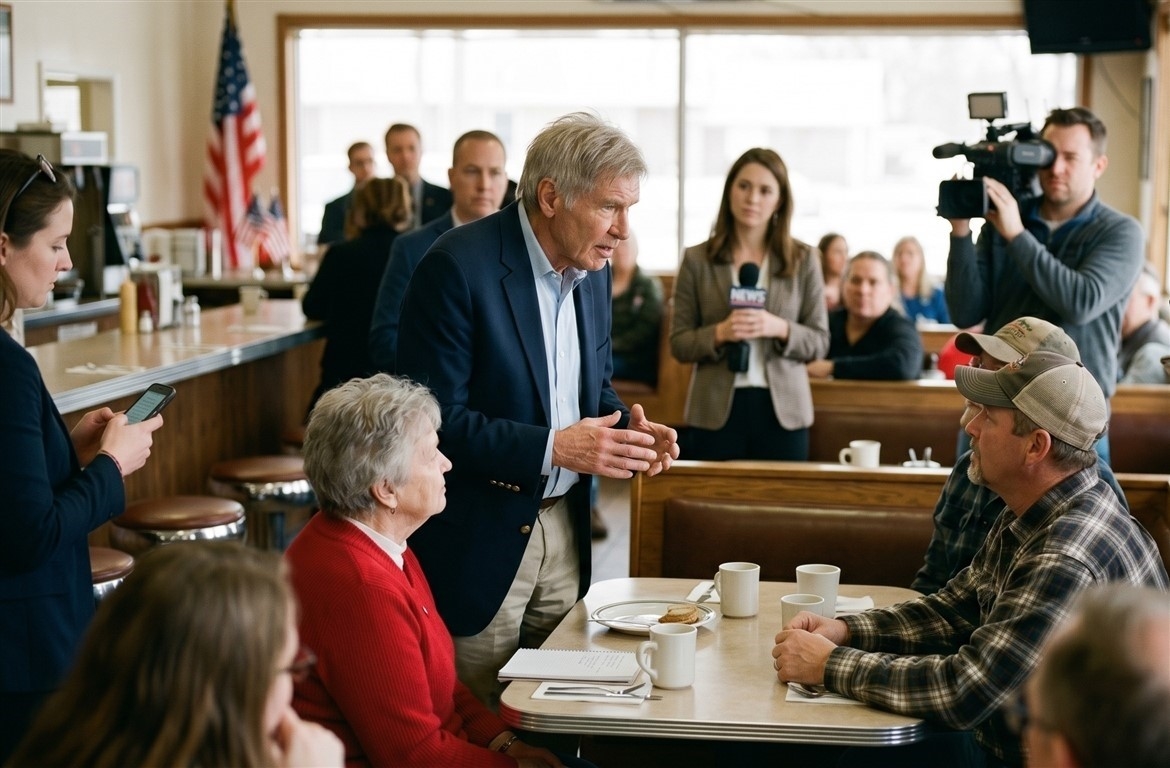
Iowa’s political identity has spread far beyond its relatively small population. For decades, the caucuses made the state a mandatory stop for anyone hoping to be president. Year after year, national reporters watched candidates wander through diners, high school gyms, union halls, farms, and even private living rooms, all hoping to catch a hint of what was coming before the rest of the country cast their votes.
That system gave Iowa a reputation for truly face-to-face politics. Voters could grill candidates up close. Campaign staff would rent storefronts for a few months. Local activists became crucial gatekeepers during those wild, intense periods. The whole spectacle was democratic, often messy, and sometimes outright absurd. Very American, honestly, in that particular way a folding chair meeting can feel both incredibly noble and completely uncomfortable.
By 2026, Iowa’s spot in the presidential calendar has faced debates and adjustments, so its national role isn’t quite the simple story it once was. Yet, a strong civic identity remains central to the state’s brand. School boards, county offices, farm groups, churches, unions, business associations, and local newspapers still shape public life in ways travelers can absolutely feel if they just pay a little attention.
Food, Sports, and Traditions
Food is where Iowa really makes a statement. Corn and pork dominate the conversation, and for good reason. Iowa stands as a top producer of corn, soybeans, hogs, and eggs. Here, agriculture isn’t just scenery; it’s the core economy, a key part of identity, family history, and a powerful political force.
The Iowa State Fair transforms all that into a grand performance: livestock barns, every imaginable food on a stick, intricate butter sculptures, massive grandstand concerts, politicians strolling through crowds, proud 4-H kids, and huge throngs of people moving slowly because everyone’s busy eating something. It offers one of the clearest glimpses into the state’s public personality.
Sports add another rich layer. High school wrestling boasts incredibly deep roots here. College football divides households between the Iowa Hawkeyes and the Iowa State Cyclones. Basketball, baseball, softball, track, volleyball, and fierce small-town rivalries fill up the calendars. These games aren’t just a bit of side entertainment. They’re how people gather, passionately debate, share memories, and truly feel at home.
Iowa vs. Other States: A Look
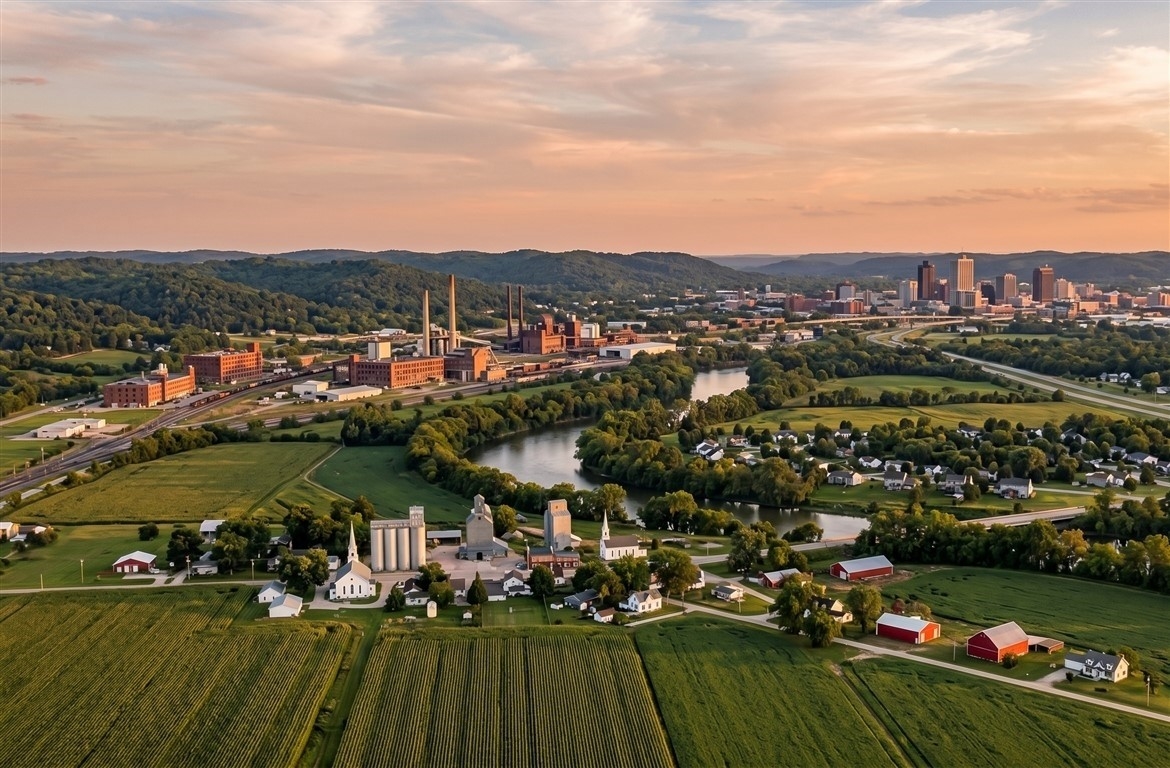
Calling Iowa the “most American state” only makes real sense when you stack it up against other strong contenders. Ohio has long been seen as a national bellwether, boasting big cities, sprawling suburbs, factories, farms, and a political history that once made campaign strategists utterly obsessive. Missouri, meanwhile, blends the Midwest with the South, featuring vibrant river cities and tranquil Ozark country. Pennsylvania packs old industry, colonial history, Appalachia, suburbs, and major urban centers into one rugged, fascinating package.
Then there’s Texas and California, simply too enormous to overlook. Each contains entire universes. Texas offers its unique border culture, energy industries, vast ranches, huge megacities, legendary barbecue, military bases, and a mythology that never, ever whispers. California has a powerhouse combination of agriculture, immigration, entertainment, technology, stunning mountains, arid deserts, vital ports, and one of the globe’s most influential cultural economies.
So, why Iowa, specifically? It boils down to scale. Iowa is simply easier to picture as a national middle ground because it isn’t completely dominated by one colossal city or a single global industry. Its image remains much closer to that classic heartland sketch: farms, small towns, modest cities, lively fairs, deeply ingrained civic habits, and a stubborn belief that local life still truly matters.
A Brief State Showdown
| State | Why It Enters the Debate | Travel Angle |
|---|---|---|
| Iowa | Often seen as matching national averages, rich in agriculture, key in caucus politics, and embodying Midwestern civic life. | State fairs, vibrant college towns, charming covered bridges, scenic river roads, classic small-town main streets. |
| Ohio | Long known for its political bellwether status, diverse industry, growing suburbs, farms, and major metro areas. | Lake Erie shores, unique Cincinnati neighborhoods, dynamic Columbus growth, passionate football culture, rich factory-town history. |
| Missouri | A captivating mix of Midwest and South, river commerce, rural counties, and two distinct major city identities. | Explore St. Louis, savor Kansas City barbecue, scenic Ozark drives, Mark Twain country, authentic blues routes. |
| Pennsylvania | Blends deep colonial history, old industry, Appalachian landscapes, bustling suburbs, major cities, and quiet rural communities. | Historical Philadelphia, industrial Pittsburgh, peaceful Amish country, significant battlefield sites, winding mountain highways. |
| Texas | Showcases American scale, significant migration, energy dominance, unique borderlands, vast ranching, dynamic cities, and a strong political identity. | Scenic Hill Country, warm Gulf Coast, historic San Antonio, vibrant Austin music scene, endless West Texas skies. |
| California | Reflects massive immigration, cutting-edge technology, global entertainment, diverse agriculture, incredible diversity, and worldwide influence. | Iconic Pacific Coast drives, stunning national parks, renowned wine regions, bustling Los Angeles, cultural San Francisco. |
This table doesn’t crown any permanent champion, of course. It simply illustrates why the debate keeps going strong. Iowa isn’t the *only* America. It’s simply one very readable version of it.
The Charm of Midwestern Values
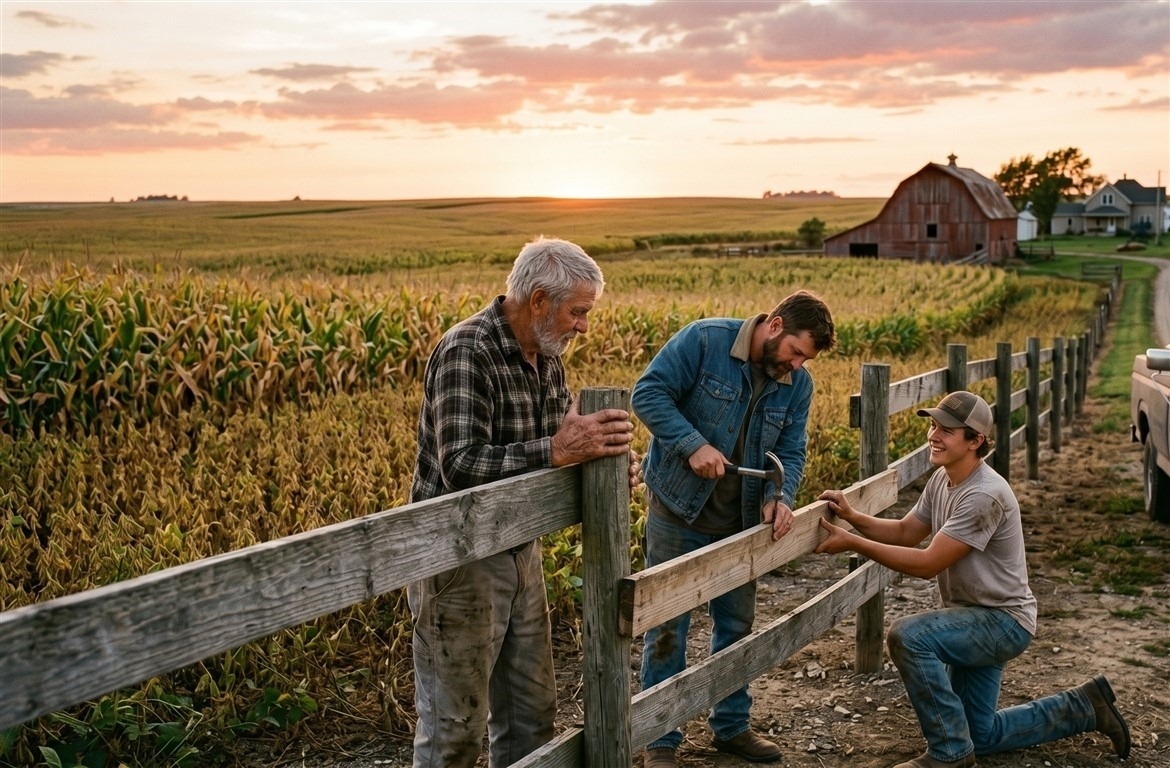
When you talk about Midwestern values, it can easily sound like a cheesy tourist brochure if you’re not careful. Friendly people. Hard work. Neighbors helping neighbors. Simple living. All true, but it’s too polished. Real life here is a bit rougher and far more interesting.
In Iowa, that Midwestern vibe truly comes alive in tiny interactions: a wave from a pickup truck even if no one knows who you are, bringing food to a grieving family after a funeral, grumbling about taxes over coffee at the local cafe, steadfastly refusing to brag, then bragging fiercely about a grandchild’s wrestling medal. There’s genuine warmth, yes. But there’s also a definite reserve. Outsiders might be welcomed, yet still kept at a polite distance until they prove they’re not just passing through with a camera.
Agriculture profoundly shapes this temperament. Farming demands patience, thrift, mechanical know-how, and a healthy tolerance for disappointment. Hailstorms hit. Prices plummet. Machinery breaks down at the worst possible moment. The culture that grows out of this life tends to value competence and steadfastness far more than flash.
Travelers often notice this same attitude in places that don’t immediately seem agricultural. A Des Moines restaurant owner, a hotel clerk in Dubuque, a museum guide in Cedar Rapids, a bookstore worker in Iowa City: the tone is usually direct, never cold. Just wonderfully unshowy.
Why the Ranking Ignited Discussion
That initial ranking really sparked interest because it poked a sensitive spot in our national ego. Americans endlessly debate who truly represents the “real” country. Rural voters often feel coastal cities get too much attention. City dwellers argue that rural nostalgia conveniently ignores modern America. Immigrants, Native communities, Black Americans, Latino neighborhoods, Asian American suburbs, military towns, farm counties, and bustling tech corridors all have their own powerful claims.
That’s why “most American state” worked so well as a headline. It practically forces people to respond. It turns identity into a geographical puzzle. More importantly, it also asks a genuine question: when someone says a place feels American, what exactly are they seeing?
- They might be seeing the statistical middle. A state that mirrors national averages can feel representative, even if it overlooks significant regional and cultural differences.
- They might be seeing familiar rituals. Fairs, football games, diners, parades, and local elections all share a broad national vocabulary. Iowa, it turns out, has plenty of them.
- They might be seeing nostalgia. The heartland image carries considerable emotional weight, but nostalgia often edits out the tougher bits: poverty, corporate consolidation, racial disparities, farm stress, and towns desperately fighting to keep their schools open.
- They might be seeing political theater. Iowa’s caucus history transformed ordinary places into national stages, which made the state seem far more central than its size alone would typically suggest.
The better question isn’t whether Iowa *owns* American identity. It absolutely doesn’t. The more interesting question is why so many people recognize something fundamentally national in its roads, towns, fields, and public habits.
Iowa’s “American” Status Today (2026)
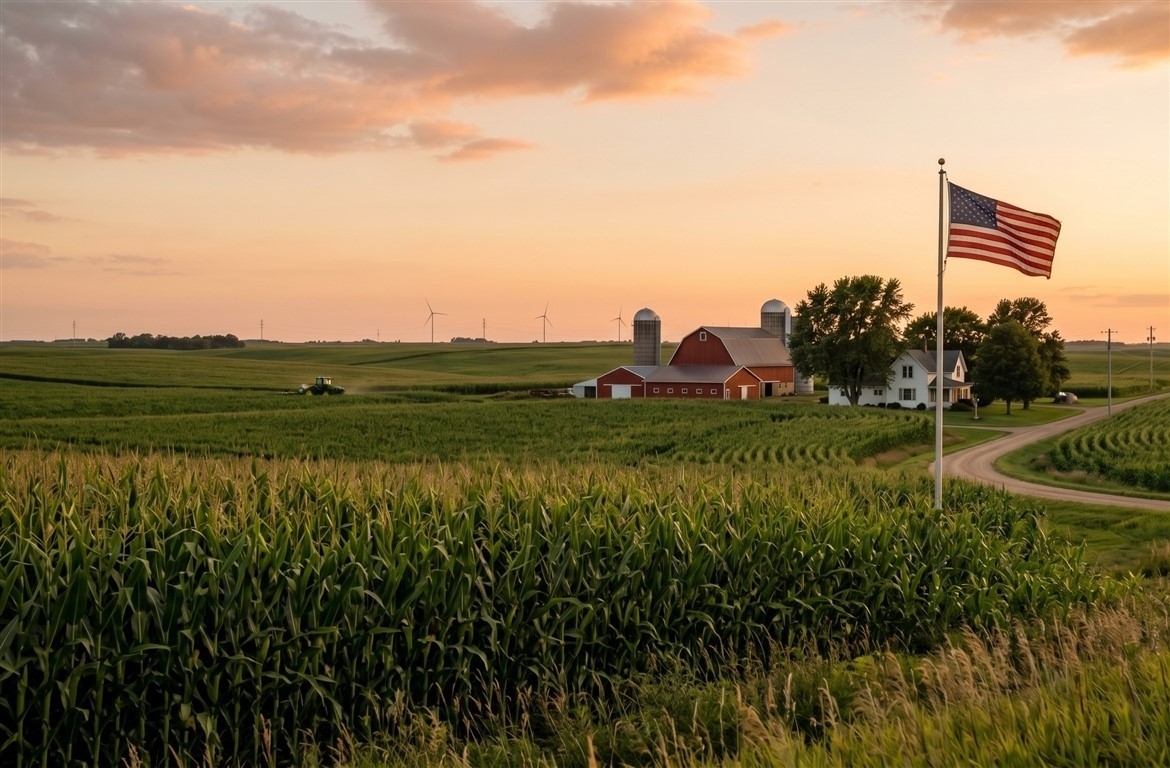
In 2026, Iowa’s old title still serves a purpose, but it needs to be handled with care. The country has changed immensely. Iowa has changed. Even the very meaning of American identity has evolved, because identity isn’t a museum label simply nailed to a wall.
Iowa still exhibits many of the qualities that made that ranking so memorable: agricultural strength, its prime Midwestern location, small cities, vast rural counties, strong civic traditions, passionate college sports, and a political culture that once placed it at the very start of presidential campaigns. The state continues to offer travelers a crystal-clear view of the American heartland, especially for anyone willing to leave the interstate and spend some genuine time in county seats, charming river towns, bustling campus neighborhoods, and lively fairgrounds.
At the same time, the United States in 2026 is significantly more urban, far more racially and ethnically diverse, incredibly digitally connected, and much more regionally complex than any single-state label could ever capture. Iowa can’t stand in for Miami, or Los Angeles, or Houston, Phoenix, Atlanta, Honolulu, Anchorage, or the Navajo Nation. It simply cannot represent the Bronx or the Mississippi Delta. No single state truly can.
So, that old answer still holds some truth, but only if you acknowledge the visible asterisk. Iowa might be the most statistically familiar state in one specific type of ranking. It might be one of the clearest places to genuinely study small-town America, the power of farming, civic rituals, and Midwestern life. However, it’s not a complete portrait of the entire nation. It’s a particularly well-written chapter.
What to See When You Visit Iowa
Anyone visiting Iowa specifically to grasp the “most American state” idea should completely skip the urge to hunt for symbols like souvenirs. The smarter approach is to simply notice patterns. See how towns are often clustered around towering grain elevators. Observe how county courthouses firmly anchor public spaces. Notice how university towns completely change the local pace. Watch how the mighty Mississippi River gently softens the state’s eastern edge. See how the Missouri River points resolutely west. Marvel at how a fairground can transform into a bustling civic living room for an entire week.
Des Moines makes for an excellent starting point: state government, major insurance offices, fantastic restaurants, intriguing public art, charming old neighborhoods, and a downtown that has truly grown more confident. Iowa City brings literature, a vibrant student population, top-tier hospitals, and that infectious Hawkeye energy. Dubuque offers rich river history and wonderfully steep streets. Decorah proudly carries its Norwegian heritage and boasts stunning bluff-country beauty. Pella leans heavily into its Dutch roots. And the Loess Hills in western Iowa feel like a magnificent secret the state somehow forgot to loudly advertise.
Then, there are the drives. Two-lane roads wind past barns, towering wind turbines, quiet cemeteries, local co-ops, endless soybean fields, beautifully restored theaters, and towns where the absolute best meal you’ll find might be inside a place with no design concept whatsoever. Just good coffee, a hot grill, and somebody who calls you “hon” without a second thought.
Iowa’s Story Continues to Resonate
Iowa’s claim as the “most American state” persists because it’s simple enough to easily remember, yet complicated enough to spark a good argument. That’s a pretty robust combination. The state offers travelers a distinct version of America, built from agriculture, strong civic rituals, fierce college loyalty, small-town memories, vital immigrant labor, compelling political theater, and a landscape that appears deceptively empty until you learn how to truly read its nuances.
Perhaps the phrase itself is a bit too tidy. America, after all, usually isn’t tidy. It’s loud in one county, quiet in the next, incredibly generous at breakfast, stubbornly defiant by noon, warmly sentimental at the fair, loudly angry at a school board meeting, and fiercely proud of a team that just lost by twenty points. Iowa contains some of that, yes. Not all of it. But certainly enough to keep the argument alive.
Just stand at the edge of a fairground as closing time approaches, when the lights hum and the livestock barns carry the distinct aroma of straw and summer heat. Families slowly drift toward the parking lots. Teenagers drag their feet, reluctant to leave. Someone carries a last cup of leftover lemonade. A campaign volunteer carefully folds up a sign. Beyond the fading noise, the fields stretch into darkness. The scene feels ordinary, almost *too* ordinary, and that, precisely, is why people keep calling it American.
0 Comment