

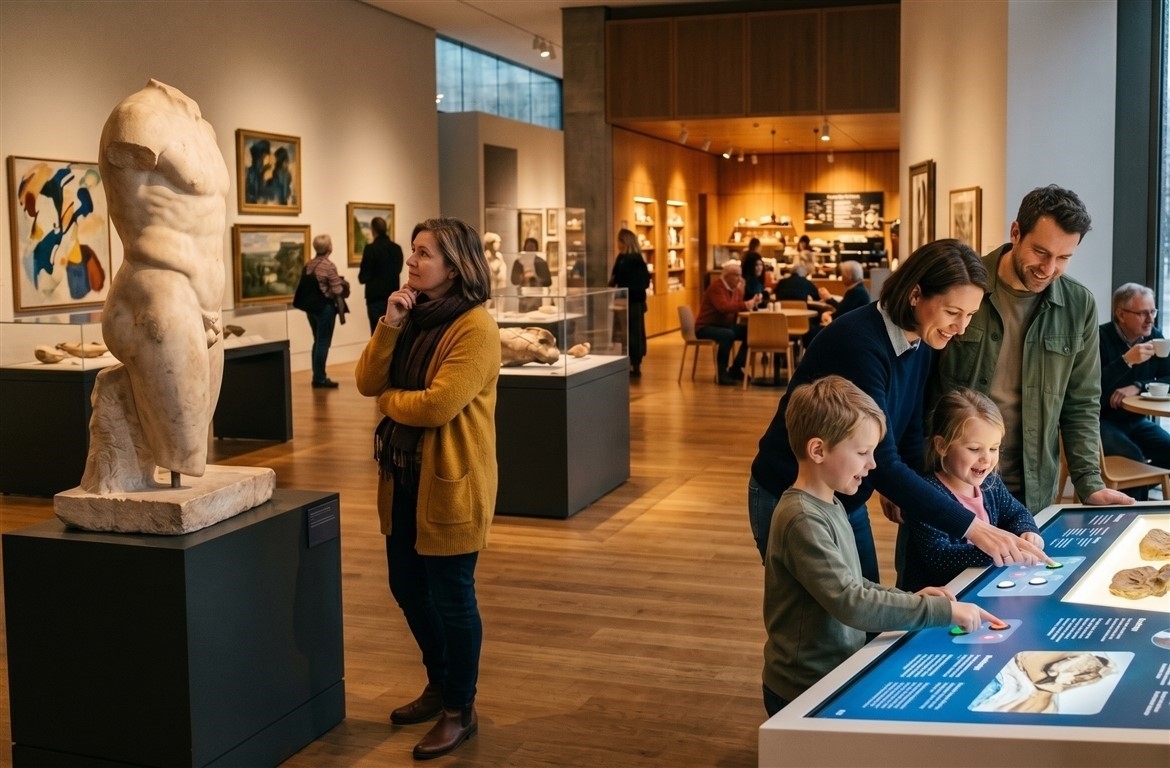

Museums Near Me: Best Local Museums, Free Days, and Tips
Finding a museum close by in 2026 isn’t just about spotting a building full of old art anymore. It’s really about picking the perfect vibe for your day. Perhaps you’re craving a peaceful hour admiring sculptures. Or maybe the little ones need something to do, like pushing buttons, gawking at fossils, and finding a cafe that won’t charge an arm and a leg for apple juice. A sudden downpour might have trashed your park plans. No worries. A well-chosen museum can totally rescue the afternoon.
These days, top local museums put almost everything you need to know right on their websites before you even think about heading out. We’re talking timed tickets, accessibility info, family fun, what’s currently showing, where to park, how to get there via public transport, cafe times, bag policies, and those sweet free admission deals. Sure, a quick online search tells you what’s around. But the real secret weapon? Diving into the museum’s own calendar *before* you leave the house. Things shift. Galleries might be closed. Hot-ticket shows often sell out fast.
A museum nearby could be huge and grand, or small and cozy. Some sit right downtown, practically next to major landmarks. Others hide in old houses, libraries, community hubs, waterfront warehouses, college campuses, or public parks. Don’t ever count out the smaller ones. Often, local museums tell the most vivid, compelling stories.
Best Museums to Visit Today
Art museums near me
Art museums are that classic choice when you want to take things at a slower pace. You’ll find painting galleries, sculpture rooms, photography exhibits, decorative arts, cool design collections, and always new rotating shows. Bigger art museums often soak up two or three hours of your time. A compact contemporary gallery, though, might be just right before dinner.
Always double-check if those special exhibitions need a separate ticket. Even in 2026, many places still use timed entry for their most sought-after shows, and walk-up tickets can vanish on busy weekends. If the museum has a permanent collection, definitely scan their highlights page first. It stops you from wandering around like you’ve lost a bet.
History museums near me
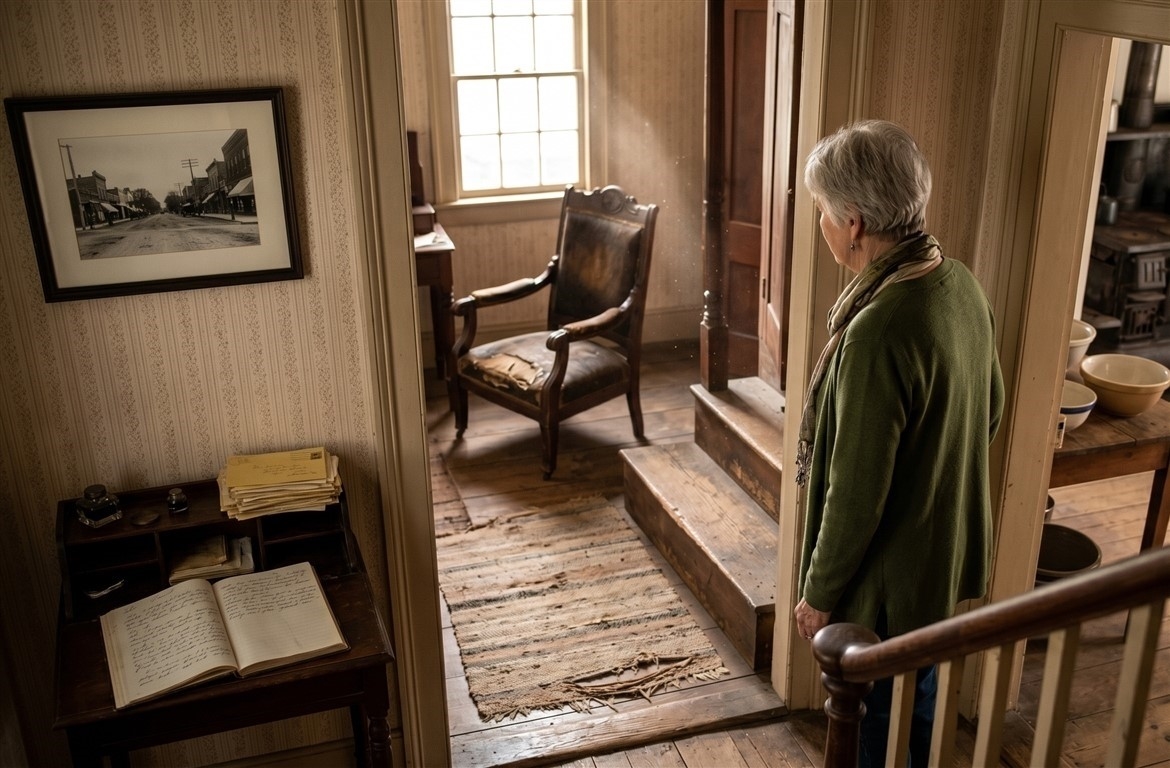
History museums truly hit their stride when they tie big national events to the very streets, families, industries, migrations, conflicts, and daily civic life of a place. A city museum might explore architecture, neighborhood changes, public transit, fashion trends, labor movements, immigration stories, or political shifts. Historic houses add an even more personal touch: rooms, furniture, letters, kitchens, those wonderfully creaky stairs.
For a richer, more vibrant visit, seek out museums featuring oral histories, old maps, archival photographs, and exhibitions shaped by the community itself. These details really give local history some life and depth.
Science museums near me
Science museums are absolutely built for sparking curiosity. We’re talking planetariums, dinosaur halls, weather labs, engineering zones, space displays, aquariums, and all sorts of hands-on physics exhibits. They pull in families, school groups, and adults who, honestly, still want to touch every single button. It’s fair. Totally fair.
Before you go, confirm showtimes for any planetarium films, live demonstrations, lab sessions, or experiences that need separate tickets. A science museum with a full schedule of programs feels completely different from one you visit on a quiet weekday morning.
Children’s museums near me
Children’s museums aren’t just smaller versions of adult museums. Nope. They’re designed for movement, joyful noise, pretend play, splashy water tables, art studios, climbing structures, calming sensory rooms, and learning by doing. The good ones will list age ranges for exhibits, stroller access, nursing rooms, lunch spots, and those much-needed quiet spaces.
Go early if your child tends to get overwhelmed by noon. Bring socks if play zones require them. Pack your patience. The absolute best part might just be the one exhibit your child refuses to leave, even after only four minutes in every other room.
Specialty and niche museums
Specialty museums explore the wonderfully odd, highly specific, and often brilliant nooks and crannies of a location: maritime history, music, aviation, trains, sports, food, medicine, fashion, firefighting, neon signs, folk art, printing, photography, or a local industry. These places can be quick, incredibly memorable, and surprisingly emotional.
They’re also easy to miss since they don’t always pop up front and center in search results. Try searches like “[city name] heritage museum,” “rail museum,” “design museum,” “house museum,” “cultural center,” or “gallery.”
Small local museums and hidden gems
Small local museums are where you stumble upon the best surprises: a volunteer who knows every name in the archives, a room dedicated to one vanished factory, a handmade map, or a photo wall that perfectly explains the whole town. The lighting might not be perfect. The story, however, can be absolutely fantastic.
Check their opening days very carefully. Smaller institutions often run on limited hours, seasonal schedules, or even by appointment only.
What’s on View Right Now
Current exhibitions
Current exhibitions are the quickest way to figure out if a museum is worth your time today. A rotating show might focus on a single artist, a particular historical moment, a specific community, a design movement, or a brand-new acquisition. Museum websites typically put these exhibitions under “What’s On,” “Exhibitions,” or “Visit.”
Read the dates. Then, check the ticket details. Some special exhibitions are part of general admission; others demand a separate, timed slot.
Permanent collections
Permanent collections are the absolute backbone of a museum. They house the works, objects, archives, specimens, and artifacts a museum lovingly cares for year after year. A really strong permanent collection makes a museum totally worth visiting, even if the temporary exhibitions aren’t quite your cup of tea.
Look for collection highlights, floor maps, audio stops, and self-guided routes. Many museums now offer short themed paths, which are super handy if you’ve only got 45 minutes and no desire for a marble staircase marathon.
Featured museum highlights
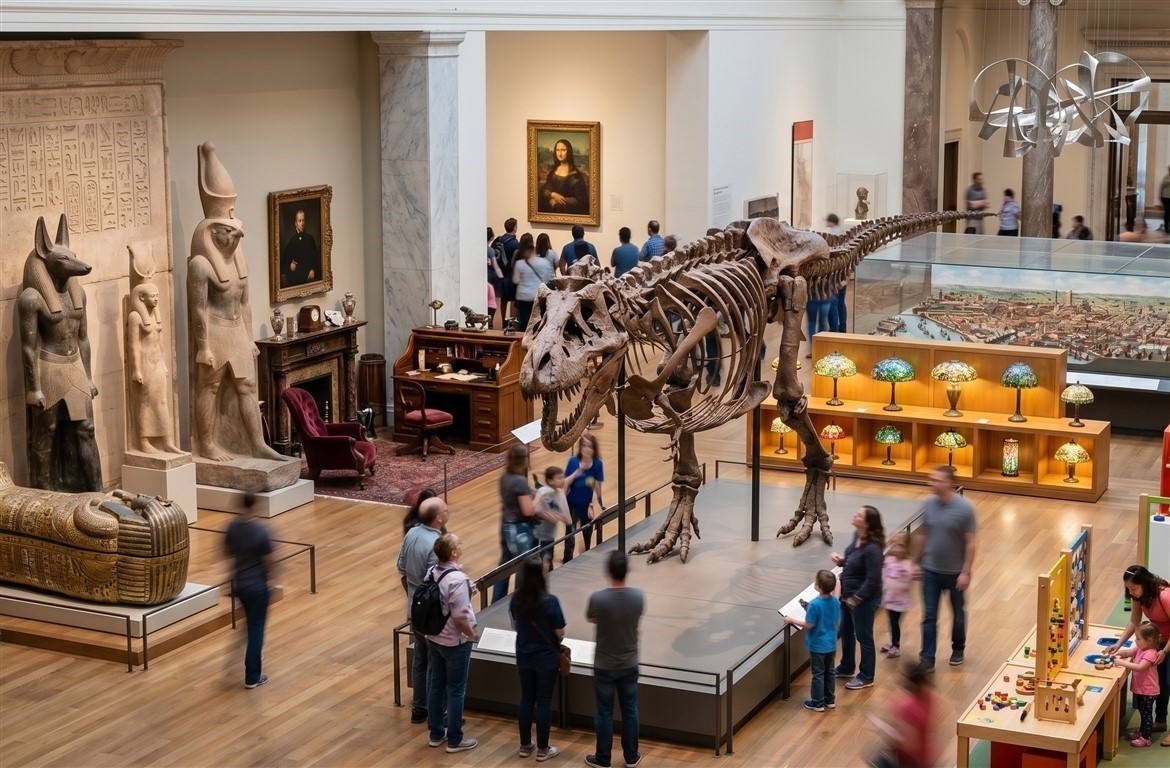
Featured highlights save visitors from decision fatigue. These could be a world-famous painting, a historic room, a magnificent dinosaur skeleton, an incredible panoramic model, a presidential artifact, an entire Tiffany lamp gallery, an Egyptian collection, a striking public art installation, or a lively children’s discovery area.
Don’t plan your whole visit around just one highlight without checking for gallery closures. Sometimes conservation work, loans, private events, or renovations can temporarily remove objects from public view.
New and limited-time installations
Limited-time installations inject a sense of urgency. They might involve contemporary artists, digital projections, immersive rooms, outdoor sculpture, unique sound pieces, or community-driven displays. These shows frequently create the longest lines because they feel fresh and are often perfect for social media.
Timed entry is extra important here. If the museum offers early morning or late afternoon slots, those can be much calmer than battling the crowds in the middle of a Saturday.
Interactive and immersive exhibits
Interactive exhibits aren’t just for kids anymore. Museums are using touchscreens, reconstructed rooms, digital maps, evocative soundscapes, projection, scent, movement, and hands-on stations to make complex topics more accessible. Some are brilliant. Some are just plain loud. You’ll figure it out pretty quickly.
Visitors sensitive to flashing lights, loud sounds, or crowds should definitely check the accessibility pages before booking tickets for immersive shows.
Free Museums Near Me
Always-free museums
Always-free museums typically get public, university, foundation, or donor support, which keeps general admission open to everyone. Some still charge for special exhibitions, films, events, parking, or workshops. So, “free” doesn’t always mean “no ticket required.” It might mean a zero-cost timed reservation.
Pay-what-you-wish museums
Pay-what-you-wish admission allows visitors to choose how much they contribute at the desk or online. Some museums restrict this option to residents, students, certain days, or specific hours. Make sure to bring identification if a resident discount is part of the deal.
Free admission days and hours
Free museum days are popular for a very good reason. They unlock doors for families, students, locals, and travelers trying to keep costs down. They also get super crowded. Aim to arrive early, book any required timed tickets, and pick just two or three must-see galleries instead of trying to conquer the entire building.
Student, senior, military, and resident discounts
Discounts vary quite a bit from one institution to another. Common categories include students, seniors, active-duty military, veterans, educators, children, members, and local residents. Some museums also team up with library pass programs or cultural access initiatives offered through city agencies.
Seasonal free museum programs
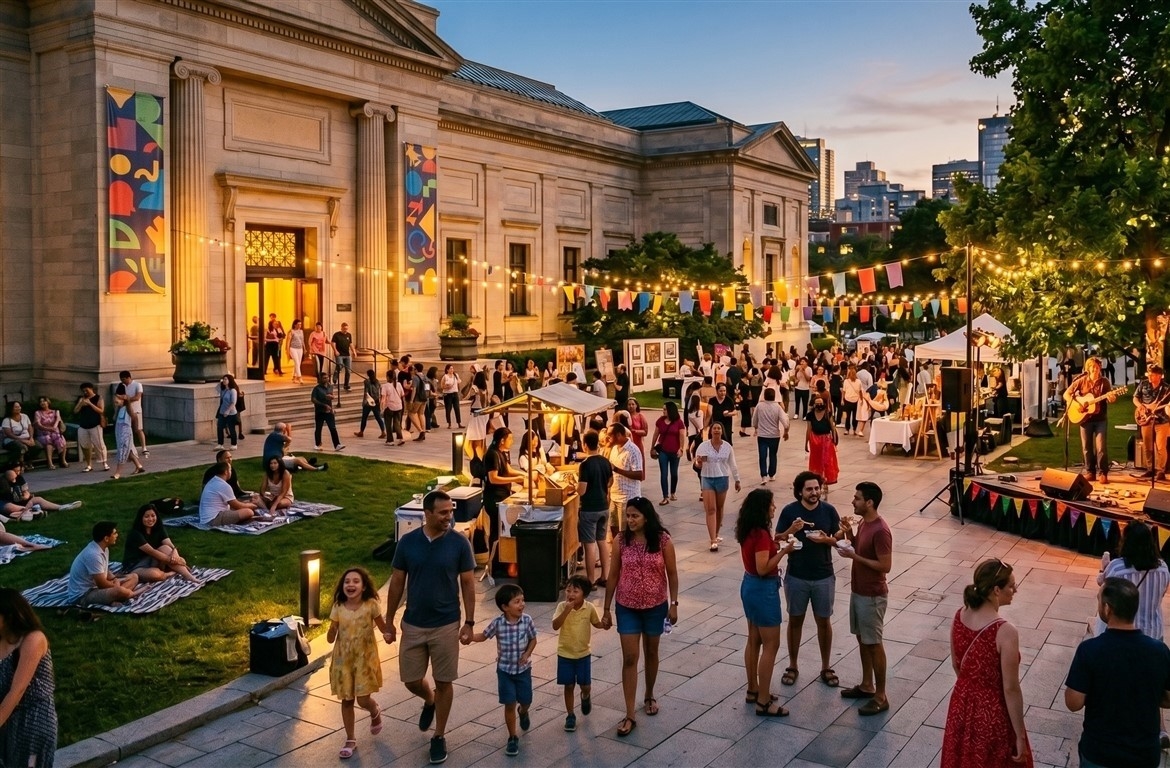
Summer nights, first-weekend events, cultural festivals, open-house weekends, and holiday programs can all offer free entry or fantastic free outdoor activities. The museum’s own calendar is the place to look for these. Just relying on search results alone means you’ll miss a lot.
Museums Near Me for Families and Kids
Best museums for young children
Young children generally thrive in museums with touchable exhibits, clear pathways, bathrooms close to play zones, and staff who totally get that toddlers aren’t exactly quiet admirers. Children’s museums, science centers, natural history museums, aquariums, and transportation museums are usually excellent choices.
Hands-on exhibits and activity zones
Hands-on zones transform a museum visit from “please stop touching that” into genuine learning. Water play, building stations, maker labs, costume corners, sound walls, and art tables give kids a real reason to stay engaged. Adults even get a breather too, if only for six sacred minutes.
Weekend workshops and art studios
Weekend workshops can completely change a routine visit. Kids might get to paint, print, sculpt, code, build, sketch, or work directly with teaching artists. Sign up in advance when the museum requires it; drop-in programs can fill up super fast during school breaks.
Children’s history and science programs
History programs for children really shine when they use objects, costumes, maps, games, music, food stories, or role-playing. Science programs spark with experiments and live demonstrations. A lecture disguised as a children’s activity almost never fools anyone under eight.
Tips for visiting museums with kids
- Start with the museum map. Locate bathrooms, elevators, cafés, nursing rooms, family areas, and exits *before* everyone gets tired. A quick two-minute scan at the entrance can save your entire afternoon later.
- Choose fewer galleries. Pick the dinosaur hall, the art studio, the train room, or the interactive floor. Kids will remember one amazing room far better than twelve rushed ones.
- Check food rules before arrival. Many museums don’t allow food in galleries, and some only permit snacks in designated areas. Pack water and simple snacks, then use the café or outdoor space when permitted.
- Use programs, not just exhibits. Family tours, art carts, story times, and demo stations offer children a human connection to the museum. Staff-led moments often trump another hallway full of glass cases.
- Leave before the crash. Ending your visit while everyone still has a little energy feels strange, but trust me, it works. The gift shop meltdown is definitely not a required cultural experience.
Museums Near Me for Art Lovers
Contemporary art museums
Contemporary art museums are your go-to when you want art that feels connected to the present: installations, video art, performance pieces, social practice, large-scale sculpture, experimental painting, and sound art. Labels might be brief. Rooms can feel sparse. The real reward comes from slowing down instead of trying to “understand” everything all at once.
Classic and old master collections
Museums featuring classic collections offer portraits, landscapes, religious paintings, still lifes, prints, drawings, and sculptures from centuries past. Audio guides and docent tours are incredibly helpful here, as context can totally change how a room feels. A painting that looks formal from ten feet away might turn out to be sly, political, or deeply strange once someone explains it.
Public art and outdoor installations
Public art is essentially the museum experience without the coat check. Murals, monuments, sculpture parks, transit art, campus installations, and waterfront pieces make fantastic additions to any museum day. Plus, they’re perfect when the galleries are closed.
Decorative arts and design collections
Decorative arts galleries truly reward a close look. Furniture, ceramics, textiles, jewelry, glass, metalwork, interiors, posters, and product design all show us how people blended beauty and function in their daily lives. Design collections can often feel more approachable than painting galleries because the objects relate directly to ordinary life.
Photography, sculpture, and multimedia exhibits
Photography exhibitions are often easier to browse quickly, though the very best ones absolutely deserve dedicated time. Sculpture demands you move around it. Multimedia exhibits can be intense, dark, bright, funny, disorienting, and sometimes pretty noisy. Always check content notes and sensory information if it’s available.
Museums Near Me for History and Culture
Local history museums
Local history museums transform streets into captivating stories. They might cover founding communities, local industries, civil rights struggles, major disasters, unique architecture, sports legends, old schools, newspapers, cemeteries, and those evocative old photographs of places you literally just passed on your way in. That strong local connection is truly the hook.
City and regional heritage museums
City and regional museums typically provide a broader context: who settled there, who was displaced, which industries boomed, what changed the skyline, how neighborhoods came to be, and where culture still thrives. The best ones resist flattening the past into some neat, tidy parade.
Presidential, political, and civic history exhibits
Civic history exhibits can delve into government, elections, activism, law, public service, protest movements, wars, diplomacy, and leadership. Read labels carefully and seek out original documents, recorded voices, and multiple community perspectives. Political history feels a bit thin when it just turns into souvenir shelves.
Indigenous and Native American collections
For Indigenous and Native American collections, look for museums that accurately name communities, clearly explain provenance, include contemporary voices, and acknowledge living cultures rather than treating them as merely distant artifacts. Exhibitions developed in partnership with tribal communities tend to offer much stronger, more authentic interpretations.
Immigration, community, and social history museums
Immigration and community museums often carry the most deeply human stories: arrival records, recreated kitchens, clothing, work tools, music, letters, religious objects, neighborhood businesses, and powerful oral histories. These museums can feel incredibly personal, very quickly. Give them ample time.
Museum Events and Programs Near Me
Lectures and curator talks
Curator talks are genuinely useful because they pull back the curtain. You get to hear why an object was chosen, how an exhibition actually came together, what got restored, what was missing, and the debates that sit behind the wall text. Even a brief talk can completely change how a gallery feels.
Guided tours
Guided tours are super helpful when a museum is large, packed with information, or simply unfamiliar. General tours offer a great orientation. Themed tours might zoom in on architecture, women artists, specific local history, hidden details, or a single collection area. Ask at the desk if tours require advance registration.
Live performances and cultural events
Museums are increasingly hosting music, dance, film screenings, readings, festivals, and various cultural celebrations. These events can totally transform a museum visit into an evening out, rather than just a daytime stop. Double-check age rules and ticketing, as some events are separate from general admission.
Art classes and workshops
Workshops are perfect for visitors who want to *make* something, not just look. Drawing from the collection, printmaking, photography walks, family clay sessions, and design labs can be well worth planning your visit around. Materials might be included or listed separately.
Family days and weekend programs
Family days usually bring in teaching artists, storytelling, music, activity tables, scavenger hunts, and shorter, kid-friendly tours. They can get busy, sure, but the energy is generally forgiving. Nobody expects cathedral silence next to a glue-stick table.
Evening events and museum nights
Evening hours can be the absolute sweet spot for dates, solo visits, and locals who work during the day. Some museums pair their late hours with live music, engaging talks, drinks, or reduced admission. Always verify the schedule before heading out; late nights are often weekly, monthly, or seasonal.
How to Choose the Best Museum Near You
- Match the museum to your mood. For peace and quiet, pick art, design, photography, or a historic house. For energy and engagement, go for science, children’s, natural history, transport, or immersive exhibits.
- Check what is open today. Museum hours can unexpectedly shift around holidays, private events, ongoing renovations, and seasonal schedules. Your quick search results might lag behind the museum’s own official site.
- Compare admission options. Look out for free entry, pay-what-you-wish hours, resident programs, student discounts, senior rates, military access, library passes, and member benefits.
- Look at timed entry rules. Special exhibitions, planetarium shows, immersive rooms, and children’s workshops might all need separate reservations. Book early, especially for weekend visits.
- Plan the route. Check public transit options, parking garages, bike racks, rideshare zones, and the walking distance from any nearby landmarks. A museum just two miles away can still be a hassle if transit is poor.
- Read accessibility details. Search for step-free entrances, available elevators, accessible restrooms, sensory information, assistive listening devices, captioning, service animal policies, and wheelchair availability.
- Decide how long to stay. A charming small local museum might only need 45 minutes. A huge art, science, or history museum could easily fill half a day. Set a realistic limit and simply enjoy the experience.
Quick Museum Comparison Table
| Museum Type | Best For | Typical Visit Length | Check Before You Go |
|---|---|---|---|
| Art museum | Paintings, sculpture
|
0 Comment