


Your 2026 Rome Adventure: See, Book, and Skip
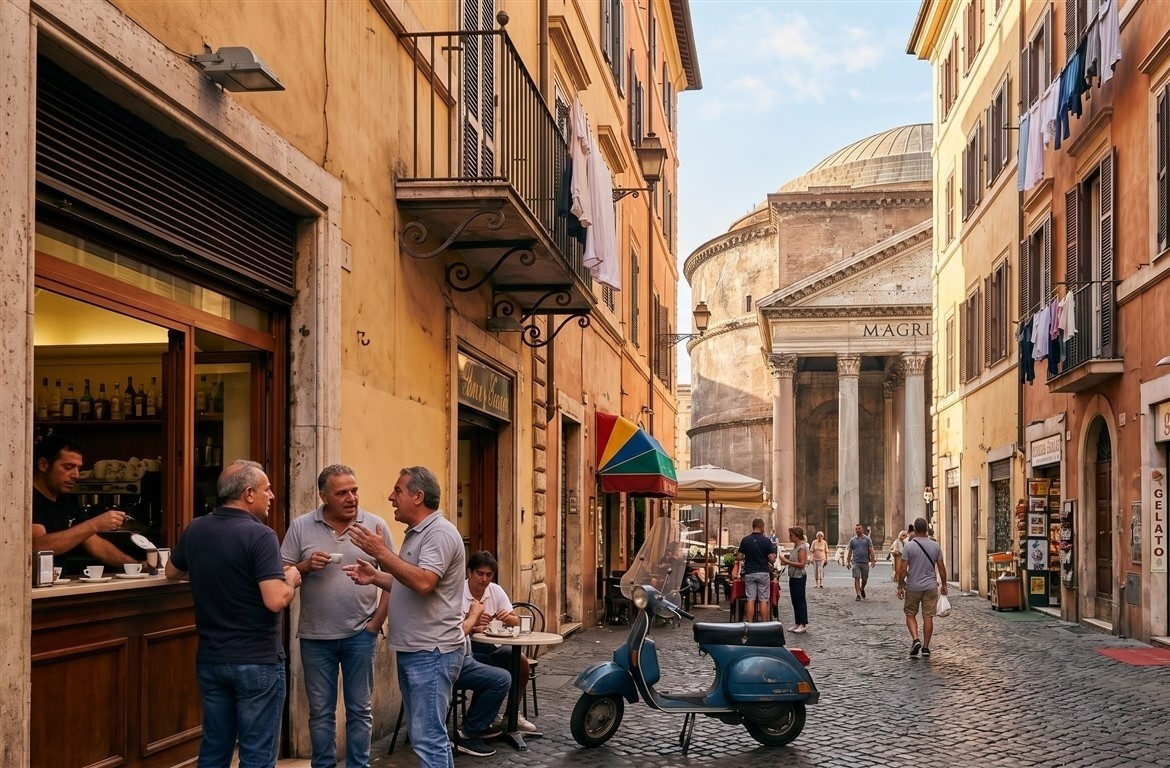
There’s just something about Rome that turns an ordinary morning into a scene right out of a movie. Picture this: a scooter sputtering by a bustling bar, then someone animatedly chatting over their espresso, full of warmth and passion. Just a couple of blocks further, boom – the Pantheon suddenly looms into view, sitting there like some ancient stone orb dropped into a lively mix of gelato spots, churches, and apartment buildings where laundry sways gently from windows.
Heading into 2026, Rome keeps up its energetic pace. Parts of the city gleam, other bits buzz with delightful chaos. But don’t think you can just wing it completely. Those famous spots? They really need timed tickets. You’ll see a small city tax on your hotel bill, too. And for dinner in popular areas like Campo de’ Fiori, Trastevere, Monti, or near the Spanish Steps, booking ahead is a smart move. Even with all that, Rome truly shines for folks who take their time. A peaceful church visit before lunch. An ancient ruin explored in the afternoon. Then, a simple, perfect plate of cacio e pepe. Easy.
A great trip to Rome isn’t about rushing from one monument to the next. It’s a smart blend of pre-booked entries, leisurely strolls, savoring local meals, and knowing when to just let the city take over. Honestly, Rome always wins in the end.
When to Visit Rome in 2026
March, April, May, then late September, October, and early November are absolutely prime. These are the sweet spots for most travelers. The light feels soft and inviting. Terrace tables pop up everywhere again. Walking around doesn’t feel like a chore at all. Just a heads up: April can get pretty hectic around Easter. May brings those lovely warm evenings and everyone wants to be there. October isn’t exactly a secret anymore, but it still delivers that gorgeous, cinematic Rome you dream about before your plane even lands.
July and August? Expect intense heat, big crowds, and a quick drain on your energy. Romans often leave town if they can. Visitors stick around, dashing between cool, shaded fountains and air-conditioned museum halls. Air conditioning becomes your best friend, especially in older hotels and rental apartments. So, double-check those room descriptions before you commit. A “classic building” can be charming, sure. It can also be a tiny, sweaty oven.
Winter brings its own special charm. January and February feel a lot calmer after the holiday madness. Lines shorten, and the skies often turn a crisp, brilliant blue. Some people come just for the quiet piazzas, the amazing food, the churches, and the museums, rather than chasing the sun. That approach works beautifully. Just pack some layers. Roman winters aren’t brutal, but damp stone streets at night have a way of seeping right into your bones.
Finding Your Rome Home Base
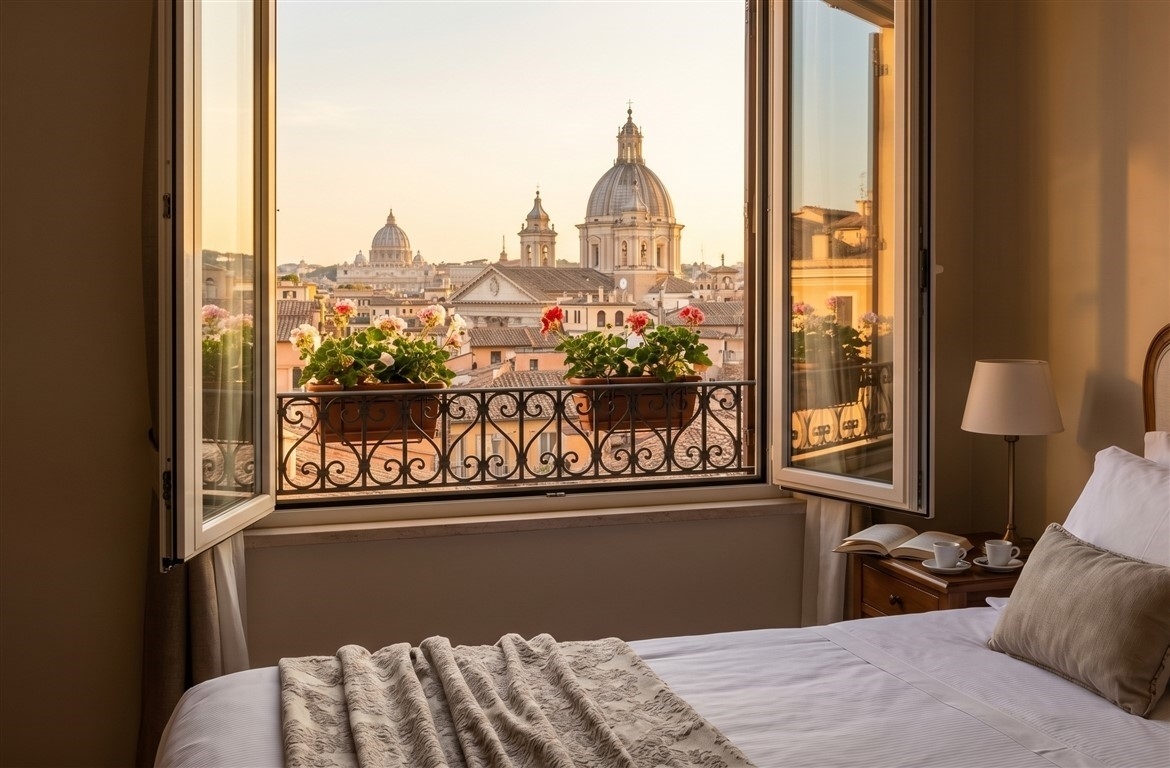
Picking the right neighborhood for your stay will save you so much energy. Rome is incredibly walkable—until your feet start staging a rebellion. For first-timers who want the Pantheon, Piazza Navona, Trevi Fountain, and the Spanish Steps practically on their doorstep, the historic center is a fantastic choice. Prices jump up pretty fast there, and rooms might be cozy, but the convenience is absolutely undeniable.
Monti suits folks looking for a real neighborhood vibe, still super close to the Colosseum and Roman Forum. This area boasts cool wine bars, unique vintage shops, cozy small hotels, and a wonderfully lived-in atmosphere. Trastevere, though, really comes alive at night. Think picturesque lanes, tons of people strolling, late dinners, and yes, maybe a bit of noise if your room faces the wrong way. Prati, located near the Vatican, feels much calmer and more residential. It’s perfect for early Vatican Museums visits and has excellent public transport links.
| Area | Best For | Trade-Off |
|---|---|---|
| Historic Center | First-time visits, quick stays, easy icon access | Higher costs and busy streets |
| Monti | Colosseum proximity, food, local evening vibe | Some hills, limited metro stops |
| Trastevere | Nightlife, dining, charming alleyways | Noise, especially on weekends |
| Prati | Vatican mornings, quieter hotels, shopping | Less ancient-Rome feel |
| Testaccio | Foodies, markets, fewer tourist traps | Further from the famous sights |
Essential Rome Tickets: Book Ahead
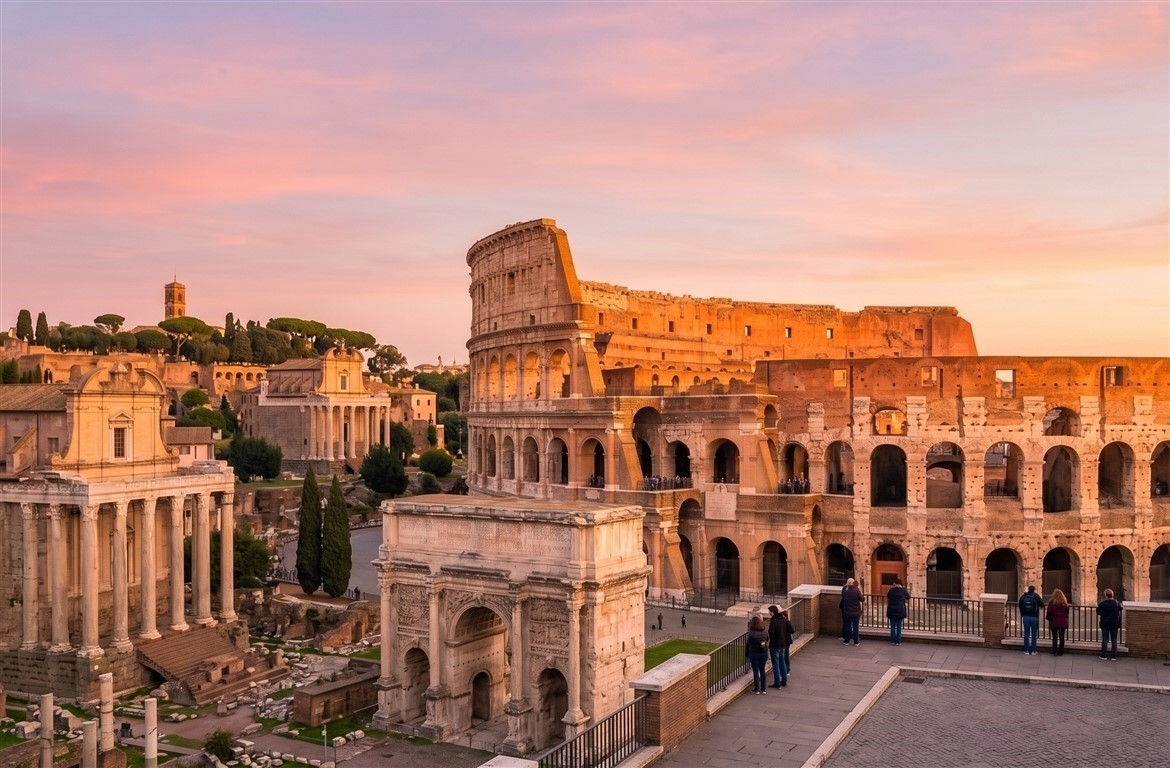
In 2026, Rome absolutely rewards the traveler who plans ahead. Not in a frantic way, but just by securing those big-ticket items before you even land. Spots like the Colosseum, the Vatican Museums, the Borghese Gallery, and special underground or attic tours often sell out quickly, especially on popular dates. Tickets typically drop in batches. Always, always start with the official websites before even thinking about third-party tour operators.
The Colosseum opens its gates at 8:30 a.m., with the Roman Forum and Palatine Hill area following at 9:00 a.m. From late March through September 2026, the Colosseum extends its hours into the early evening, with the last entry before closing time. Winter hours are shorter, naturally. Both sites stay closed on December 25 and January 1. And those free-entry days? They attract massive crowds, so they’re not always the bargain they initially seem to be.
The Vatican Museums welcome visitors Monday through Saturday from 8:00 a.m. to 8:00 p.m., with the last entry at 6:00 p.m. On the final Sunday of each month, provided it doesn’t clash with major religious events or holidays, they open for shorter hours and offer free entry. “Free” sounds delightful, right? The queue for it often isn’t.
- Snag the earliest Vatican Museums slot you can possibly manage. The Sistine Chapel, let’s be real, is never truly empty during public hours, but an early start can cut down on some of that shoulder-to-shoulder shuffle. If Michelangelo is your main mission, head straight through the primary museum route, then slow down and explore other areas afterward.
- Lock in your Colosseum and Forum tickets for the same day. Ancient Rome makes so much more sense when you experience it as one connected landscape: the amphitheater, the civic ruins, the imperial hill. Trying to split it across different days just breaks up the story into a pile of scattered stones.
- Treat your Borghese Gallery visit like a sacred appointment. Entry is strictly timed and controlled, and it’s definitely worth planning your day around. Bernini’s sculptures are not just pretty background pieces. They will literally stop you in your tracks.
- Save the Trevi Fountain for odd hours. Sunrise gives you the cleanest, most serene photos. Late at night can also work, but the mood can swing from dreamy to rowdy, depending on who’s there.
How Long for Your Rome Visit?
Three full days will cover the major landmarks, but you’ll feel like you’re constantly rushing. Four or five days? That’s much better. A whole week lets Rome truly breathe. That extra time lets you discover hidden churches, enjoy long, unhurried lunches, explore Aventine Hill or Testaccio Market, wander along the Appian Way, or simply lose an hour sitting by a fountain because, well, the day just slipped away.
A frantic Rome itinerary often falls apart by day two. Distances look so friendly on a map, then reality hits: cobblestones, security lines, the heat, endless stairs, and that sneaky exhaustion from staring at masterpieces for hours. Plan your day around two main attractions, not six. One morning booking. One afternoon zone. Dinner close by.
Your First Rome Trip: A Smart Plan
Kick things off in the historic heart of the city: the Pantheon, Piazza Navona, Campo de’ Fiori, Trevi Fountain, and the Spanish Steps. This day is mostly about walking, with plenty of churches and coffee breaks woven in. The Pantheon now often requires paid entry, and lines can grow, though they usually move faster than those at the Vatican.
Dedicate an entire day to ancient Rome. Start with the Colosseum, then move on to the Roman Forum and Palatine Hill. Grab water, wear shoes with good grip, and don’t just treat the Forum as a quick shortcut. It truly deserves your patience. The ruins become much clearer with a knowledgeable guide or a really good audio tour; otherwise, it can all blend into “old wall, older wall, very old wall.”
Keep the Vatican experience separate. The Vatican Museums, Sistine Chapel, St. Peter’s Basilica, and Castel Sant’Angelo can easily fill a day without any drama. The basilica offers free entry, but security lines definitely form. Climbing the dome costs extra and provides one of Rome’s most incredible views: a sprawling canvas of rooftops, cypress trees, the Tiber River, and that magnificent sweep down Via della Conciliazione.
- Day one: The historic center, on foot. Start early at Trevi, stroll to the Pantheon, pause near Piazza Navona, then meander toward Campo de’ Fiori and the Jewish Ghetto. Keep dinner within an easy walk of your hotel. Trust me, nobody wants a cross-city transfer after hitting 20,000 steps.
- Day two: Colosseum, Forum, Palatine, Monti. Use your timed Colosseum entry and give yourself ample time for the Forum afterward. Finish your day in Monti for drinks or dinner. This neighborhood has plenty of charming small spots, so you can easily skip the worst of the tourist menus if you just peek one street over from the obvious choices.
- Day three: Vatican and Prati. Book the Vatican Museums for an early start. Visit St. Peter’s Basilica next, then grab a bite in Prati rather than near the super crowded souvenir streets. The change in atmosphere is immediate and welcome.
- Day four: Borghese, Villa Borghese, and Trastevere. Reserve your spot at the gallery, enjoy a walk through the beautiful park, then cross toward the river later in the day. Trastevere is at its prettiest before the dinner crowds really descend.
- Day five: Appian Way or Testaccio. Choose the ancient road and catacombs for some open-air history, or head to Testaccio for amazing food, vibrant markets, and a more genuine Roman pace. Both options are far better than another circuit around the same old fountains.
Rome Travel Costs for 2026
Rome can be as budget-friendly or as luxurious as you make it. It all depends on where you sleep, what you eat, and how you book things. The city tax is calculated per person, per night, and varies based on your accommodation type. In 2026, Rome’s overnight tax usually ranges from lower rates for campsites and budget places to higher rates for luxury hotels, and it’s typically applied for a limited number of consecutive nights. Hotels and rentals usually collect this separately, so your final bill might be a bit higher than what your initial booking screen showed.
Grabbing an espresso at the bar? Still one of Rome’s simple, perfect pleasures. But settle down at a famous terrace table, and that price will jump dramatically. The same rule applies to food. A humble trattoria tucked away from the main piazzas often serves up a far better plate for less money than a fancy restaurant with laminated menus facing a famous monument.
| Expense | Typical 2026 Range | Plain Advice |
|---|---|---|
| Espresso at the bar | Low single euros | Stand at the counter for the local price |
| Casual pasta dish | Mid teens in euros | Scan menus before sitting down |
| Colosseum standard visit | Varies by ticket type | Use the official site, not resellers |
| Vatican Museums entry | Varies by date and booking type | Timed entry saves your energy |
| Rome city tax | Charged per person per night | Confirm collection method with hotel |
Navigating Rome: Stay Calm, Move Smart
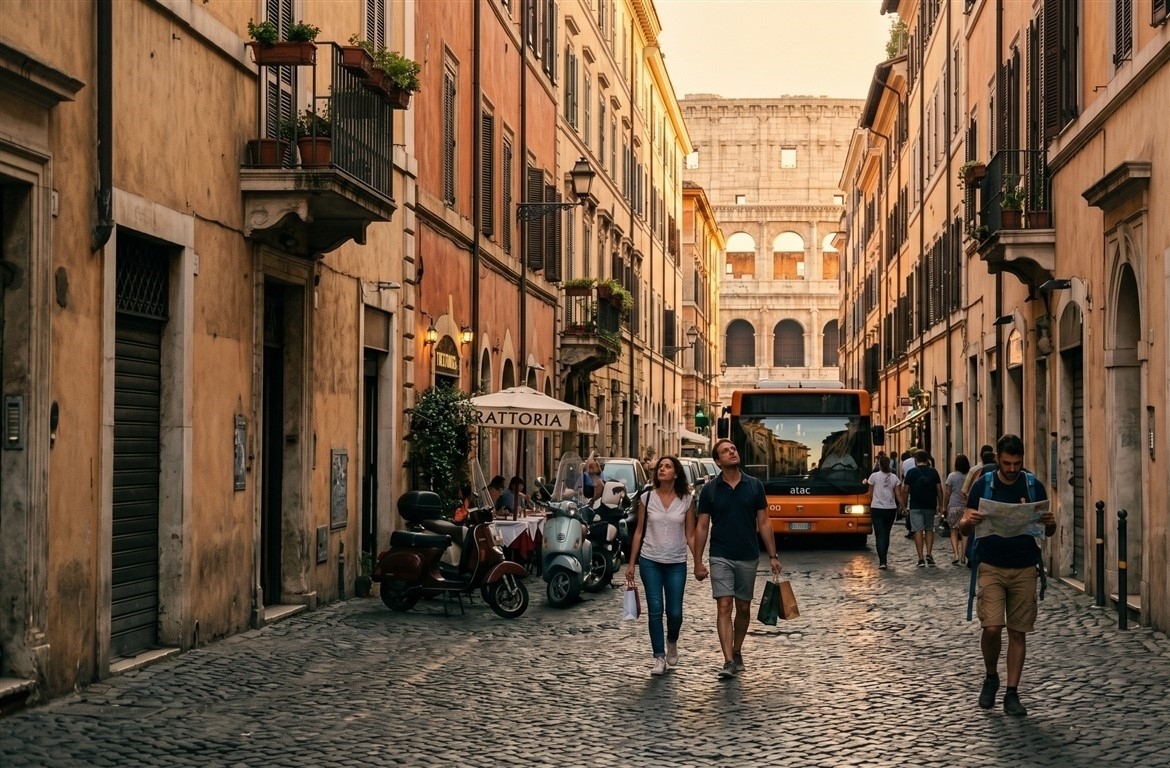
The metro is super useful, but it’s somewhat limited. Lines A and B help you reach the Vatican, Spanish Steps, Termini Station, the Colosseum, and several residential areas. Buses and trams pick up the slack, although traffic can easily turn a quick hop into a slow, frustrating crawl. Really, walking remains the best way to get around the center, as long as you plan your day logically by neighborhood.
If you need a taxi, make sure it’s an official white cab with a meter running. Ride-hailing apps work a bit differently here than in many other cities and can end up being pricier than you’d expect. From the airports, trains and fixed-rate taxis are popular choices. The Leonardo Express connects Fiumicino Airport directly with Termini Station. Ciampino relies more on bus connections and taxis.
Do yourself a favor: do not rent a car for central Rome. Those restricted traffic zones, confusing parking rules, swarms of scooters, and endless one-way streets are absolutely not charming when you’re stuck behind the wheel. Save your car rental for exploring Tuscany, Umbria, or the coast *after* you’ve left the city.
Dining in Rome: What to Savor
Roman food is wonderfully straightforward. It’s not fussy or delicate in an over-the-top way. Think carbonara, amatriciana, cacio e pepe, gricia, seasonal artichokes, saltimbocca, oxtail, supplì, and pizza al taglio. A truly great meal here doesn’t need a view of the Colosseum. In fact, if a place boasts that view, it might just be a warning sign.
Testaccio stands out as one of the best spots for food lovers. It still carries echoes of Rome’s old slaughterhouse district and its vibrant market culture. The Jewish Ghetto is famed for its fried artichokes, though quality can really swing depending on the kitchen and the time of year. Trastevere has a mix of absolute gems and total tourist traps, often right next to each other. Monti is excellent for wine bars and casual, satisfying dinners.
Skip the Tourist Traps at Dinner
Menus with photos aren’t an automatic sign of disaster, but in Rome, they’re often a hint. Staff waving you in from the street near major landmarks? Another clue. Carbonara with cream listed on the menu? Just keep walking. A restaurant doesn’t need to be famous to be fantastic. It just needs a short, focused menu, seasonal dishes, and a dining room where at least a few locals look genuinely relaxed.
Definitely book dinner if you’re eyeing a popular or smaller restaurant. Romans eat later than many visitors, but prime tables from 8:00 p.m. onwards fill up super fast. For a more peaceful evening, book around 7:30 p.m. and enjoy that rare feeling of being “early” in Rome.
Ancient Rome: Colosseum, Forum, Palatine
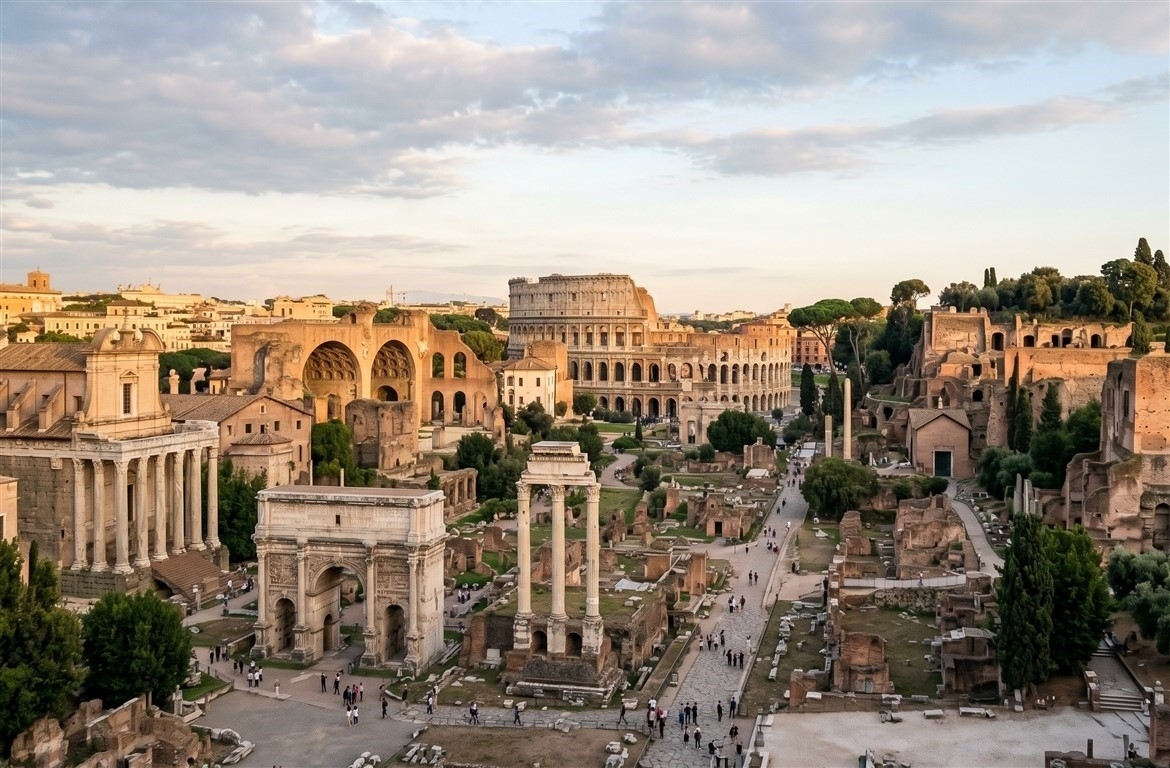
The Colosseum is the big headline, no doubt. But the Roman Forum and Palatine Hill truly give it its meaning. Without them, the amphitheater is just a magnificent shell. With them, this entire area transforms into a living map of power: temples, basilicas, grand arches, imperial residences, and the public spaces where Rome presented itself to the world.
Wear sturdy, comfortable shoes. Seriously. The surfaces are uneven, sometimes slick, often dusty, and occasionally quite slippery. If you’re visiting in summer, always carry water and use the public fountains (nasoni) whenever you see them. Shade is sparse. A hat isn’t just a fashion choice in July; it’s essential for survival.
Guided access to special spots like the arena floor, the underground tunnels, or the attic can really deepen your visit. Availability changes often, and restoration work might close sections unexpectedly. Keep your plans flexible and double-check your chosen ticket details carefully before you buy.
Vatican City: Museums and St. Peter’s
The Vatican Museums are both magnificent and utterly exhausting. The collection is mind-bogglingly vast, but most first-time visitors find themselves herded toward the Sistine Chapel. That journey takes you past stunning tapestries, ancient maps, exquisite sculptures, painted ceilings, and rooms where people often forget to look around because everyone is just moving, moving, moving forward.
Dress codes are still a real thing for sacred sites. Shoulders and knees must be covered for St. Peter’s Basilica and other churches. Security staff can absolutely refuse you entry. A light scarf or an overshirt easily solves this problem, preventing your morning from turning into a wardrobe emergency.
St. Peter’s Basilica offers free entry, but climbing the dome and certain other experiences cost extra. The climb involves elevators for part of the way, then stairs. The final section is quite narrow and tilted, so it’s not ideal for anyone who gets claustrophobic. The view, though. Oh, that view. It’s simply impossible to argue with it.
Rome for Families and Mixed Groups
Rome can be absolutely wonderful for families, but your schedule needs a generous dose of mercy. Kids might not care about the third ancient arch they’ve seen that morning. Older travelers might adore the museums but despise the cobblestones. Mixed groups should definitely split up sometimes. One person tackles the dome climb, another relaxes with a coffee. Peace of mind is far cheaper than forcing everyone through the same door.
Villa Borghese is a fantastic spot for some breathing room. The park offers plenty of shade, winding paths, beautiful viewpoints, and space to just stop “performing” tourism. The Appian Way can also be a great choice on a mild day, offering wide-open spaces and ancient vibes beyond the crowded city center.
| Traveler Type | Good Choice | Why It Works |
|---|---|---|
| First-time couple | Historic Center or Monti | Easy walking and vibrant evening options |
| Family with kids | Apartment near Villa Borghese | More space and park access |
| Food-focused traveler | Testaccio | Markets, trattorias, genuine flavors |
| Vatican-focused visitor | Prati | Calmer streets, quick museum access |
| Nightlife seeker | Trastevere | Bars, late dinners, lively atmosphere |
Stay Safe in Rome: Tips and Warnings
For most travelers, Rome is quite manageable if you apply basic city smarts. Pickpocketing is the main annoyance, especially around Termini Station, on crowded buses, metro platforms, at the Trevi Fountain, and in major queues. Keep your phones and wallets secure and out of sight. Back pockets are essentially an open invitation.
Just ignore those bracelet sellers, anyone approaching with a “fake petition,” or individuals trying to create sudden distractions near ticket machines. Always use official ticket channels and clearly marked transport. Around famous landmarks, be wary of unofficial “skip-the-line” offers shouted at you on the street. Some might be legitimate tours, sure. Others are just disorganized. Very few are the calm, cheap bargain they promise.
You’ll spot water fountains, called nasoni, all over Rome. They provide perfectly drinkable water unless explicitly marked otherwise. Carry a refillable bottle. It saves money and keeps those summer tempers from flaring.
Rome Day Trips: Escape the City
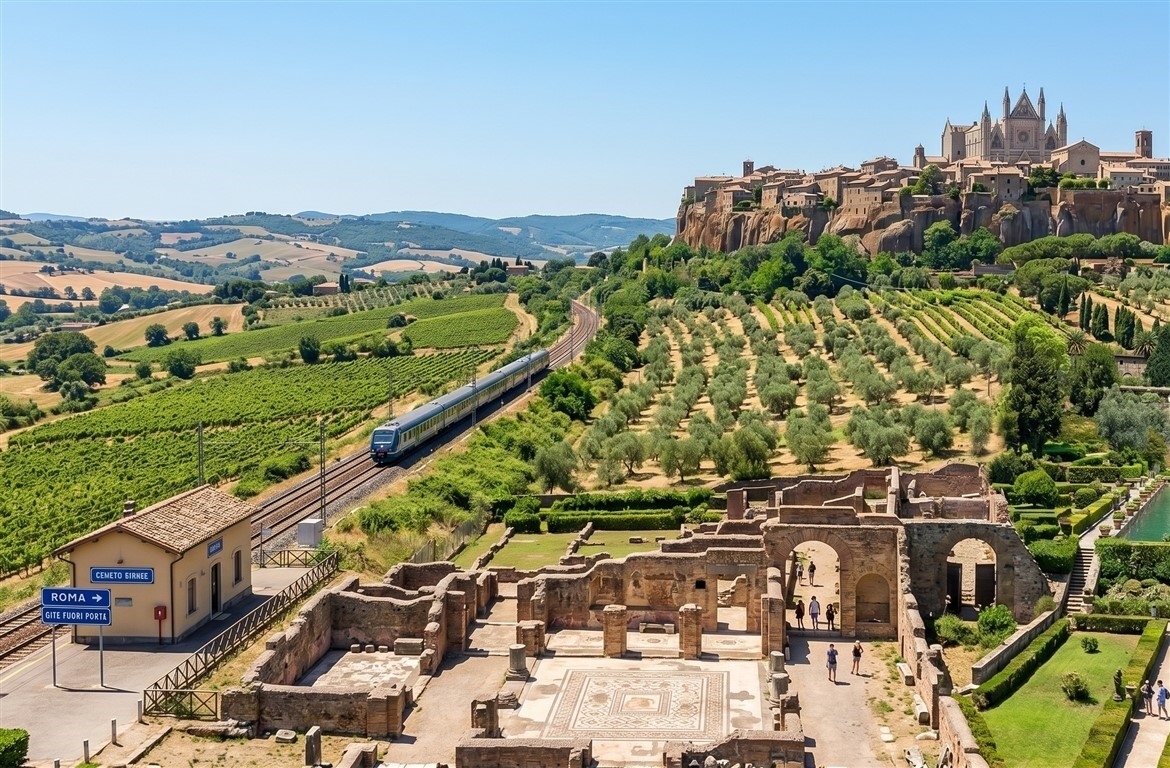
Rome has enough to fill a whole week, easily. But day trips can be a fantastic idea if the city’s heat or crowds start to feel a bit much. Tivoli is the classic choice, with Villa d’Este and Hadrian’s Villa offering beautiful gardens, intricate fountains, ancient ruins, and a completely different pace. Ostia Antica provides ancient streets and mosaics with far fewer crowds than Pompeii. Orvieto, up in Umbria, is an easy train ride away and offers a charming hill town, a magnificent cathedral, local wine, and a wonderfully slower atmosphere.
Florence and Naples are both doable by high-speed train, but honestly, they deserve more than just a rushed single day. Visiting Pompeii from Rome is possible but makes for a very long day. If you only have four days in Italy, don’t spend one of them mostly in transit unless that specific site is a deep personal obsession.
What Not to Do on Your First Rome Trip
Skip any restaurant whose only real selling point is a monument view. Skip trying to see every single church with a famous painting if all the names start to blur together by lunchtime. Ditch the idea that every piazza needs a photo from seven different angles. Rome will punish checklist travelers with sore feet and a strange sense of emptiness.
Some paid city passes can save you time or money, but only if the included attractions truly align with your trip plans. Always compare the actual ticket prices and check time slot availability before you buy. A pass that bundles places you don’t even want to visit isn’t a deal. It’s just more homework, now with a QR code.
Simple Tips for a Smoother Rome Trip
Always carry some coins or a card for smaller purchases, though card acceptance is pretty widespread now. Remember to validate paper transit tickets when it’s required. Make sure your shoulders and knees are covered for church visits. Keep a copy of your hotel details accessible offline. And absolutely bring comfortable shoes that are already broken in. New shoes in Rome? That’s just optimism with laces.
Plan your days by zones. Group the Vatican and Prati together. Combine the Colosseum, Forum, Palatine, and Monti. See the Pantheon, Navona, Trevi, and Spanish Steps as one area. Explore Testaccio with Aventine Hill or the Protestant Cemetery. Pair Trastevere with the Jewish Ghetto and Tiber Island. The city feels so much less exhausting when your map isn’t constantly zigzagging.
Making Your 2026 Rome Trip Truly Shine
A truly great 2026 Rome trip balances smart bookings with plenty of flexibility everywhere else. Timed entry for the Vatican Museums? Absolutely. A specific slot for the Colosseum? Yes. Maybe the Borghese Gallery if art is on your itinerary. After those essentials, leave some breathing room. Rome’s most unforgettable moments often happen spontaneously: a hushed cloister, the scent
0 Comment