


Tokyo’s Soul: Traditions, Bites, Manners, and Modernity
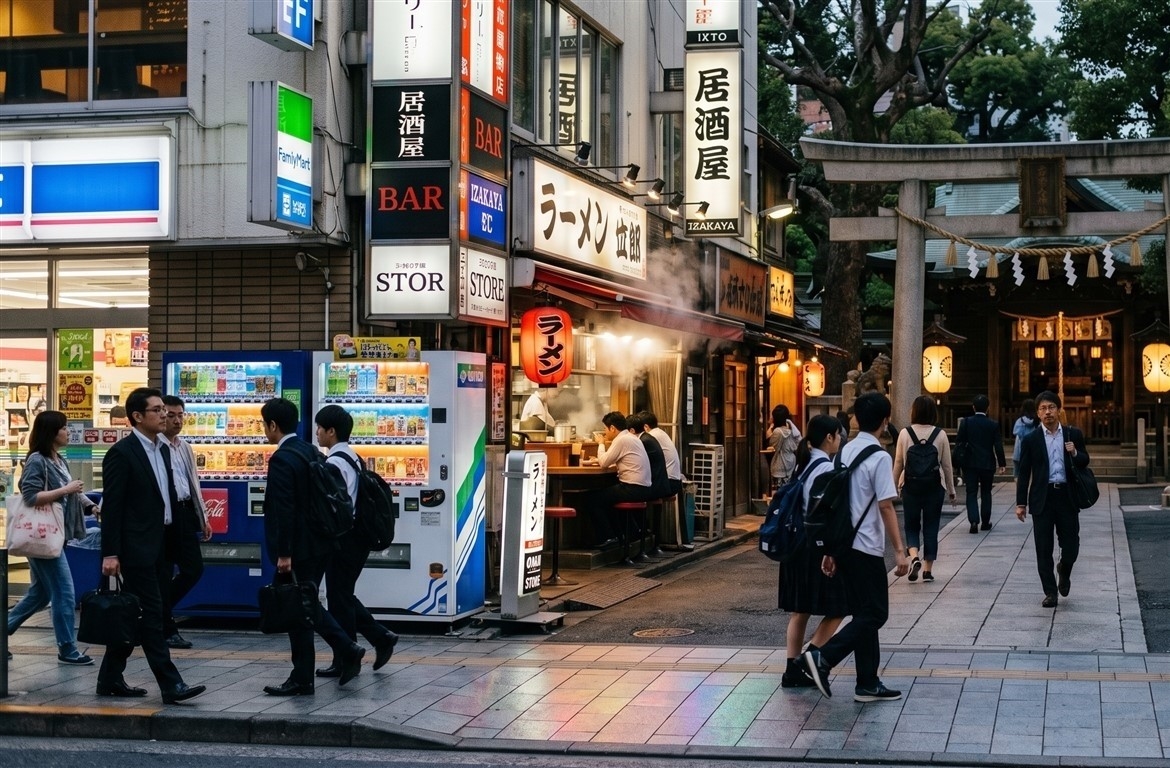
Tokyo’s unique vibe doesn’t just appear when you step through a temple gate or sit at a sushi counter. It starts the moment you board a train. A packed carriage glides through the city, hushed like a library. Then the doors swoosh open, breaking the spell: neon signs flicker, vending machines hum, office workers rush, school bags bounce, shrine lanterns glow, and a ramen shop steams invitingly into a narrow alley. From the outside, Tokyo can feel incredibly loud. Yet, so much of its daily rhythm relies on quiet restraint. That very tension gives the city its strange, captivating hold.
For visitors, the real joy isn’t just checking off famous sights. It’s about figuring out the little unspoken rules: where to stand, when to speak softly, how to handle money, or why a simple bow often communicates more than a whole sentence. Tokyo isn’t some dusty museum city. Ancient traditions happily coexist right next to convenience stores, giant anime billboards, gleaming skyscrapers, cozy tiny bars, and gardens pruned with monk-like devotion. Take it slow. The place will reveal itself.
Tokyo’s Unique Cultural Blend
Old Ways Beside Neon and Steel
Few cities manage to blend the old and the brand new so seamlessly, without making a big deal out of it. Imagine this: in Asakusa, visitors walk right through the imposing, crimson gates of Senso-ji Temple. Five minutes later, they’re browsing plastic toys, sweet melon bread, quirky phone charms, and vibrant matcha sweets in bustling shopping alleys. Over in Shibuya, youth fashion shifts faster than a traffic signal. And in Ginza? A department store basement food hall often displays more precise discipline than a fancy dining room in other parts of the world.
Tokyo doesn’t serve up its culture in one neat, predictable box. It stacks it high, layer upon layer. Shrine rituals, serene tea rooms, strict train manners, delicate seasonal sweets, roaring baseball chants, immersive manga cafés, addictive capsule toys, cool jazz bars, elegant kimono rental shops, and sleek designer boutiques. Every single bit belongs. Though, not everything feels ancient. Some traditions go back centuries. Others sprang from postwar pop culture, the daily commuter grind, and the restless hunger of a city that constantly reinvents itself.
Calm Courtesy in Crowded Tokyo
This city is dense, incredibly fast, and truly enormous. Still, it quietly asks everyone to minimize their impact. Speak a little softer. Keep your bags tucked close. Always let people off the train first. Don’t eat while walking, especially in places where it might get messy. Hold onto your trash until you find the proper bin. These aren’t just polite suggestions. They’re essential habits that stop a city of millions from falling apart at the seams.
Tokyo’s Own Vibe Compared to Other Cities
Tokyo definitely shares the broader values of Japanese culture: respect, an appreciation for seasons, spotless cleanliness, group harmony, and incredibly thoughtful hospitality. Yet, the capital has its own distinct speed. Kyoto, for instance, leans into its heritage with a much slower, more contemplative face. Osaka is famously warmer, louder, and hungrier. Tokyo, by contrast, is polished, observant, incredibly inventive, and sometimes, it can feel almost stern. Then, a tiny izakaya owner cracks a joke with you over grilled skewers, and that whole serious impression just melts away.
Values Visitors Quickly Notice
Respect, Harmony, and Daily Courtesies
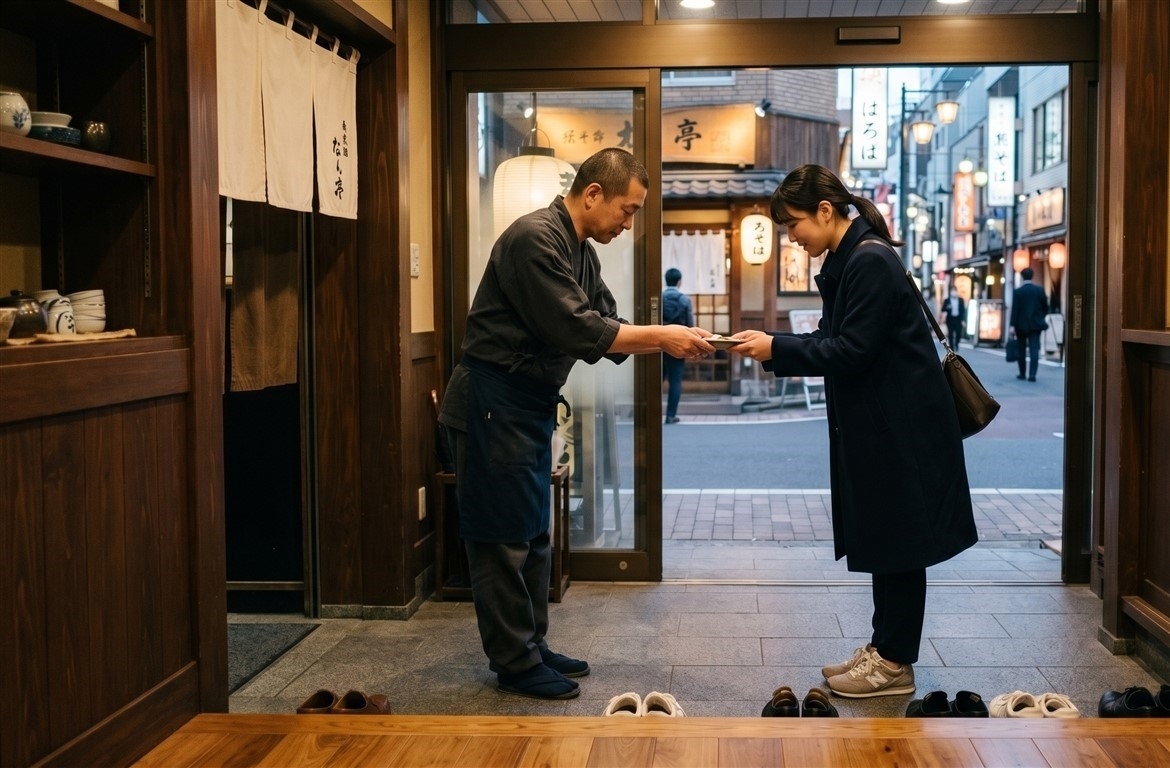
Respect in Tokyo is rarely a dramatic show. Instead, it surfaces in tiny, subtle movements: a clerk carefully placing coins on a tray with both hands, a passenger stepping aside without anyone asking, a restaurant host turning your shoes to face the door. Harmony isn’t about everyone always agreeing. It’s about skillfully avoiding unnecessary friction. Travelers who grasp this idea find themselves moving through the city with far less stress.
Cleanliness, Order, and Attention to Detail
Tokyo’s pristine streets often shock first-time visitors, mainly because public trash cans are hard to find. The secret isn’t magic; it’s habit. People carry their waste, sort it properly, and make a real effort not to create a mess in shared spaces. Restaurants, shops, and hotels also approach presentation with almost obsessive care. Even a simple convenience store egg sandwich, wrapped impeccably at midnight, says a lot about the local passion for order.
Public Life and Personal Space
Tokyo is undeniably crowded. Still, personal space really matters. The rule isn’t about physical distance; it’s about avoiding intrusion. Someone can stand incredibly close to you on the Yamanote Line, yet still grant you privacy by lowering their voice, turning their phone screen away, and simply not staring. That’s a true Tokyo skill. It’s hard to put into words, but you definitely feel it.
Tokyo’s Etiquette and Social Rules
Bowing and Saying Hello
Bowing serves many purposes: greetings, thanks, apologies, and showing respect. As a visitor, you absolutely don’t need to stress about the precise angle. A small, polite bow is perfectly fine in shops, hotels, temples, and restaurants. Handshakes pop up in international business settings, but many locals will still pair them with a slight bow. Just observe the mood around you and keep it simple.
Train Manners and Phone Use
Tokyo’s trains are a cultural lesson on wheels. People line up neatly along platform markings. They patiently wait for passengers to exit before boarding. Taking phone calls inside carriages is definitely frowned upon, though texting quietly is fine as long as your sound is off. Priority seats are specifically for elderly passengers, pregnant travelers, people with disabilities, and adults with small children. During rush hour, always wear your backpack on your front or take it off your shoulder entirely. Not glamorous advice, but incredibly practical.
Lines, Quiet, and Public Actions
Queues are a big deal here. Whether at ramen shops, train platforms, cafés, elevators, or museum entrances, a well-formed line saves everyone from awkward jostling. Speaking loudly in public quickly draws attention. It’s not that Tokyo lacks noise, but human noise gets treated differently from urban noise. A busy crossing can roar with sound. Someone shouting into a phone? That’s an entirely different situation.
Shoes, Slippers, and Inside Manners
Many homes, ryokan-style inns, temples, certain restaurants, and traditional spaces will ask guests to kick off their shoes. Look for a raised floor, shoe racks, or a line of slippers near the entrance. Remember: bathroom slippers stay strictly in the bathroom. Mixing them up is a classic rookie mistake. People will forgive you, sure, but the room definitely notices.
Giving Gifts and Omiyage Culture
Omiyage refers to small gifts you bring back from your travels, typically sweets or regional snacks, usually in lovely packaging. In Tokyo, gift-giving values presentation and thoughtfulness far more than the actual price tag. A beautifully wrapped box of biscuits can convey genuine warmth without becoming overly intimate. If someone hands you a gift, accept it with both hands. And please, don’t tear into the wrapping like a hungry raccoon.
- Keep your voice down on trains. Tokyo trains aren’t quiet by accident. Commuters use that silence to rest, read, message, think, or simply get through their day. A normal speaking voice from your home country might sound incredibly loud inside a carriage.
- Follow the flow at temples and shrines. At a shrine, visitors often rinse their hands at the purification basin, approach the offering box, bow, clap twice (at Shinto shrines), pray briefly, and bow again. At Buddhist temples, usually skip the clapping. Just watch the locals first.
- Do not pass food from chopstick to chopstick. This specific gesture eerily resembles a funeral custom. Also, avoid sticking your chopsticks upright in your rice. Instead, rest them on the chopstick holder or across your bowl if no holder is provided.
- Handle money using trays when offered. Many shops use a small tray at the cash register. Place your cash or card there, rather than trying to hand it directly to someone. It keeps the exchange neat and respectful.
Tokyo’s Living Traditions
Temples, Shrines, and Spiritual Ways
Tokyo’s spiritual side is quite visible in numerous quiet corners. Meiji Jingu offers a forested calm right near bustling Harajuku. Senso-ji, on the other hand, fills Asakusa with the scent of incense, fortune slips, and crowds moving beneath colossal lanterns. Smaller neighborhood shrines matter just as much. They might be squeezed between apartment blocks, but residents still pause, bow, and carry on with their groceries in hand.
Tea Ceremony and Welcoming Guests
The tea ceremony isn’t just about drinking matcha. It’s about space, subtle gestures, the season, silence, the bowl itself, a sweet treat, the guest, and the host. The most formal versions can feel a bit daunting, but visitor-friendly sessions in Tokyo usually break down the basics. The deeper meaning is hospitality beautifully shaped into movement. Nothing is rushed. Nothing is arbitrary.
The World of Kimono
Kimono appear at weddings, coming-of-age ceremonies, important gatherings, lively summer festivals, and even on tourist photo walks through old districts. Wearing one isn’t just costume play when done with respect. The garment itself carries rules about the season, fabric, pattern, and occasion. Rental shops are a lifesaver for visitors, helping them avoid major faux pas, which is much kinder than blindly guessing.
Calligraphy, Origami, and Artisanal Crafts
Tokyo craft workshops provide travelers with a quieter, more hands-on entry into the culture. Calligraphy teaches you about pressure and breath. Origami transforms a flat sheet of paper into a lesson in discipline. Edo kiriko glass, woodblock printing, incense blending, and fabric dyeing all link the city back to its older artisan neighborhoods. These experiences don’t require grand explanations. Your hands learn what guidebooks simply can’t tell you.
Gardens and Nature’s Seasonal Gifts
Tokyo’s gardens beautifully demonstrate a fierce love for the changing seasons. Plum blossoms arrive with a softer mood than the more famous cherry blossoms. Irises, hydrangeas, fiery maples, and delicate winter camellias all have their moment to shine. In spots like Hamarikyu, Koishikawa Korakuen, and Rikugien, the city’s harsh edges seem to vanish. Then, a tower peeks over the pines, and you’re instantly reminded exactly where you are.
Tokyo’s Delicious Food Scene
Must-Try Traditional Dishes
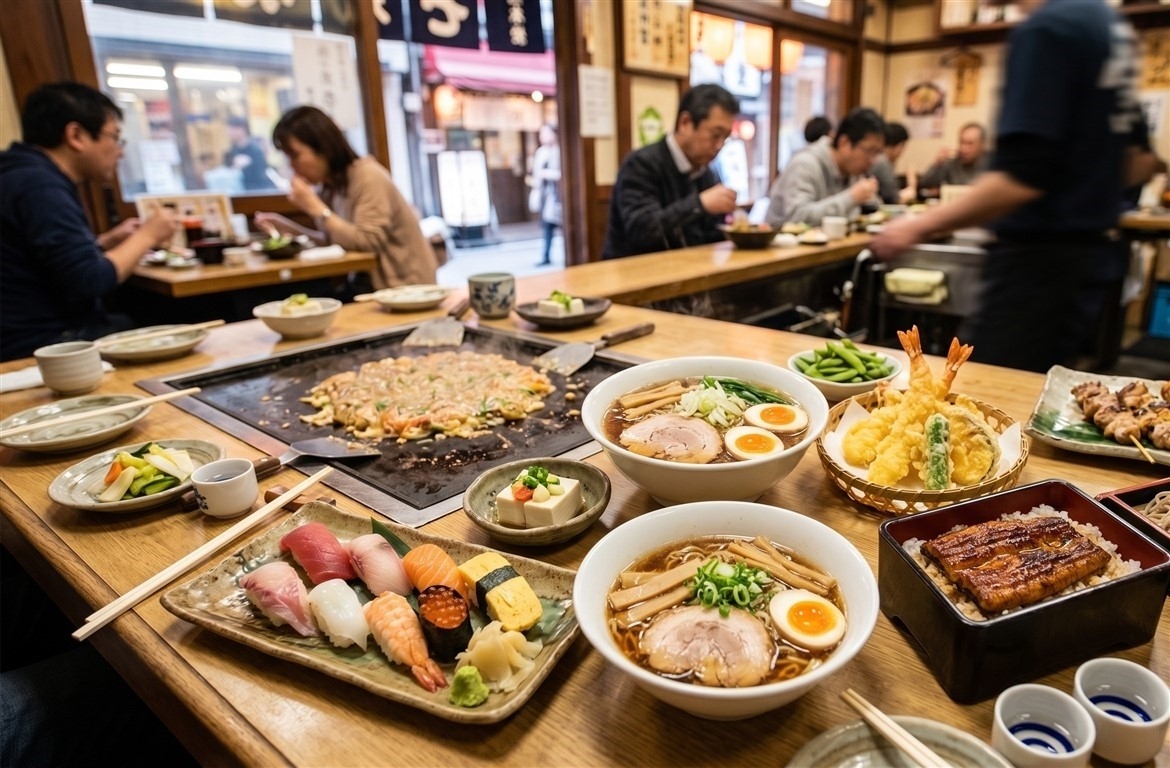
Tokyo’s food culture stretches far beyond just sushi, though sushi is certainly a huge deal here. Edo-style sushi, crisp tempura, earthy soba noodles, rich unagi (eel), savory monjayaki, grilled yakitori skewers, and hearty ramen all have their rightful place on the table. Department store food halls are absolutely brilliant for anyone a bit cautious about new flavors. Markets and old shopping streets are fantastic for grazing and trying little bits. Sometimes, a simple bowl of soba near a station can be far more memorable than a reservation you booked three months ago.
Sushi Manners, No Stress
At a serious sushi counter, the chef sets the pace. Feel free to use either your fingers or chopsticks. If you need soy sauce, dip the fish side down, never the rice side. Eat each piece pretty soon after it’s served. The ginger is there to cleanse your palate between bites; it’s not a topping for your sushi. In a casual conveyor-belt shop, honestly, just relax. Nobody expects a formal ceremony over a tuna plate with a colored price tag.
Street Food and Lively Markets
Tokyo street food tends to gather around markets, festivals, and specific shopping streets, rather than random sidewalk stalls everywhere. Definitely try taiyaki (fish-shaped cake), senbei (rice crackers), yakisoba (fried noodles), dango (sweet dumplings), croquettes, grilled seafood, and seasonal sweets. Eating while walking is generally less accepted here than in many other travel cities. So, take a moment to pause near the stall or use any provided eating space. Small detail. Makes a big difference.
Izakaya: Eating and Drinking Fun
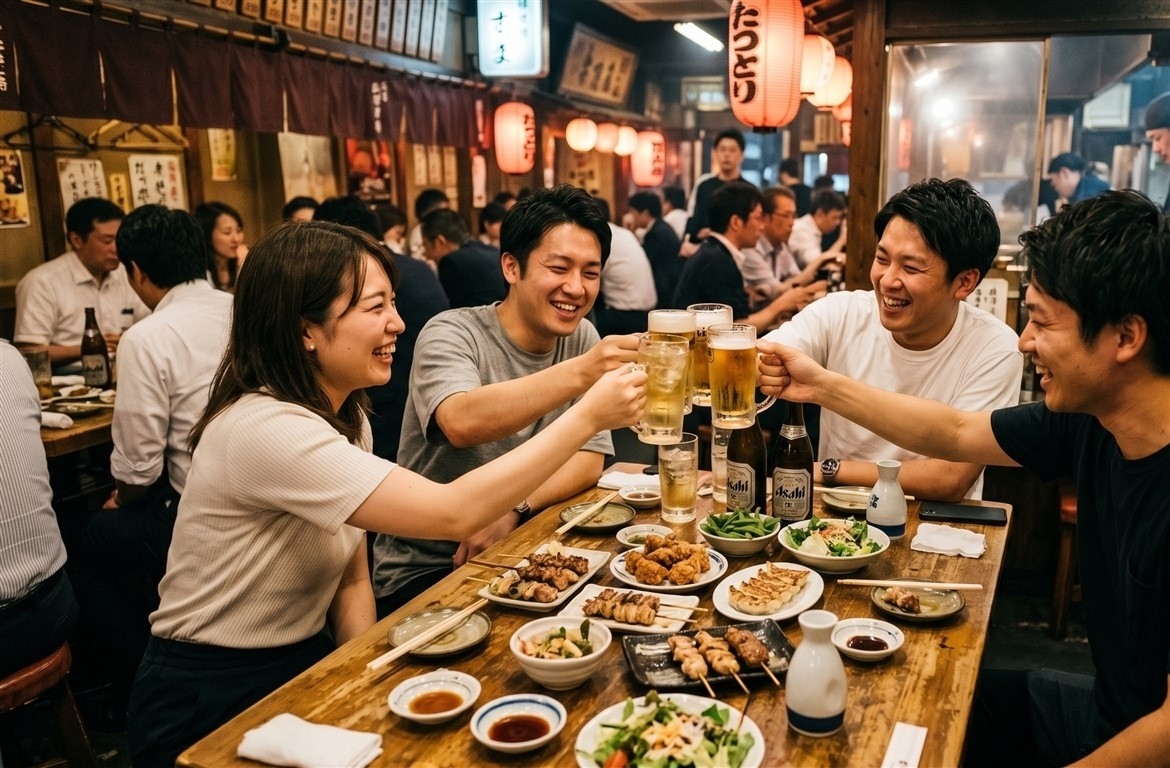
Izakaya are like social pressure-release valves: often noisy, sometimes a bit smoky in older spots, always cheerful, frequently cramped, and packed with shared plates. First, order a drink, then get food for the whole table. The word kanpai kicks off the round. You might find small dishes arriving before you’ve even ordered; these are common table charges known as otoshi. Splitting the bill evenly among groups is totally normal.
| Food experience | Where it fits best | Traveler note |
|---|---|---|
| Sushi counter | Ginza, Toyosu, neighborhood shops | Follow the chef’s rhythm; keep perfume light. |
| Ramen shop | Shinjuku, Ikebukuro, station areas | Use the ticket machine, slurp your noodles, then free up the seat. |
| Izakaya | Shimbashi, Ebisu, Ueno, Kichijoji | Order plates to share; expect a vibrant, bustling room. |
| Market snacks | Tsukiji Outer Market, Ameya-Yokocho | Eat right near the stall, avoid walking with food. |
| Seasonal sweets | Depachika, tea shops, shrine streets | Look for flavors tied to blossoms, leaves, and local festivals. |
Themed Cafes and Fresh Food Trends
Themed cafés offer a mix of spectacle and snack time. Some dive deep into characters, animals, games, or elaborate fantasy rooms. Choose your venue carefully, as animal welfare standards can really vary. Modern Tokyo also absolutely loves limited editions: think sakura drinks, chestnut desserts, cool convenience store collaborations, and train-station bento boxes that look almost too perfect to open. Almost.
Festivals and Seasonal Celebrations
Cherry Blossoms and Hanami Parties
Hanami, the cherry blossom viewing ritual, is what many travelers dream of. But its charm is much more about the social gathering than just the pretty flowers. Friends gather on blue tarps under pale pink blossoms. Office groups share snacks. Couples stroll hand-in-hand along rivers. Photographers chase perfect branches like hidden treasure. Ueno Park, Chidorigafuchi, and the Meguro River get incredibly crowded for good reason—they’re stunning. Go early or go late. Each time offers a completely different atmosphere.
New Year’s Traditions
New Year’s is one of Japan’s most significant family times. In Tokyo, temples and shrines fill up for hatsumode, the first visit of the year. Bells chime, charms are sold, food stalls appear, and the cold air makes the city feel beautifully ceremonial. Many shops close or change their hours around this holiday period, so travelers really need to plan their meals and transport carefully.
Summer Matsuri and Fireworks Galore
Summer brings lively matsuri (festivals), portable shrines, elegant yukata, booming drums, grilled snacks, and spectacular fireworks displays. The Sumida River fireworks have deep roots in the city’s history and still draw colossal crowds. Sometimes, local festivals can be even more enjoyable than the famous ones. A neighborhood procession at dusk, with lanterns swaying and kids half-bored, half-thrilled, might just stick with you longer.
Quirky Local Tokyo Festivals
Tokyo also hosts some truly quirky rituals: crying baby sumo events, fertility festivals, bustling rooster markets, fire ceremonies, and morning-glory fairs. These aren’t just staged for tourists. That’s what makes them so fascinating, and it also calls for a certain amount of tact. Observe, ask if you’re unsure, and definitely don’t shove a camera into someone’s private prayer.
Tokyo’s Modern and Pop Culture Scene
Anime, Manga, and Gaming Worlds
Akihabara still grabs all the headlines for anime, manga, retro games, electronics, and character goods. Ikebukuro has its own powerful fan culture, with shops and event spaces especially popular among women fans. Nakano Broadway feels more like a hidden treasure cave: old toys, super rare manga, vintage watches, cool posters, and all sorts of strange collectibles. Tokyo pop culture isn’t just confined to one neighborhood. It spills out everywhere.
The Charm of Kawaii Culture
Kawaii often gets translated simply as “cute,” but that barely scratches the surface. It can be playful, soft, childish, ironic, super stylish, comforting, or even a little rebellious. Harajuku certainly helped spread it globally, though the street scene there is always evolving. Just look around: accessories, café desserts, mascot designs, stationery, train posters. Cuteness in Tokyo isn’t merely decoration; it’s a language all its own.
Fashion Hubs and Street Styles
Harajuku, Omotesando, Shibuya, Shimokitazawa, Daikanyama, and Ginza each dress quite differently. Harajuku is where people experiment. Omotesando polishes its look. Shibuya moves at lightning speed. Shimokitazawa embraces thrift-shop chic with attitude. Ginza prefers understated elegance and money that doesn’t need to shout. Street style in Tokyo absolutely rewards a second, closer look.
Tech, Neon, and Tokyo’s Entertainment
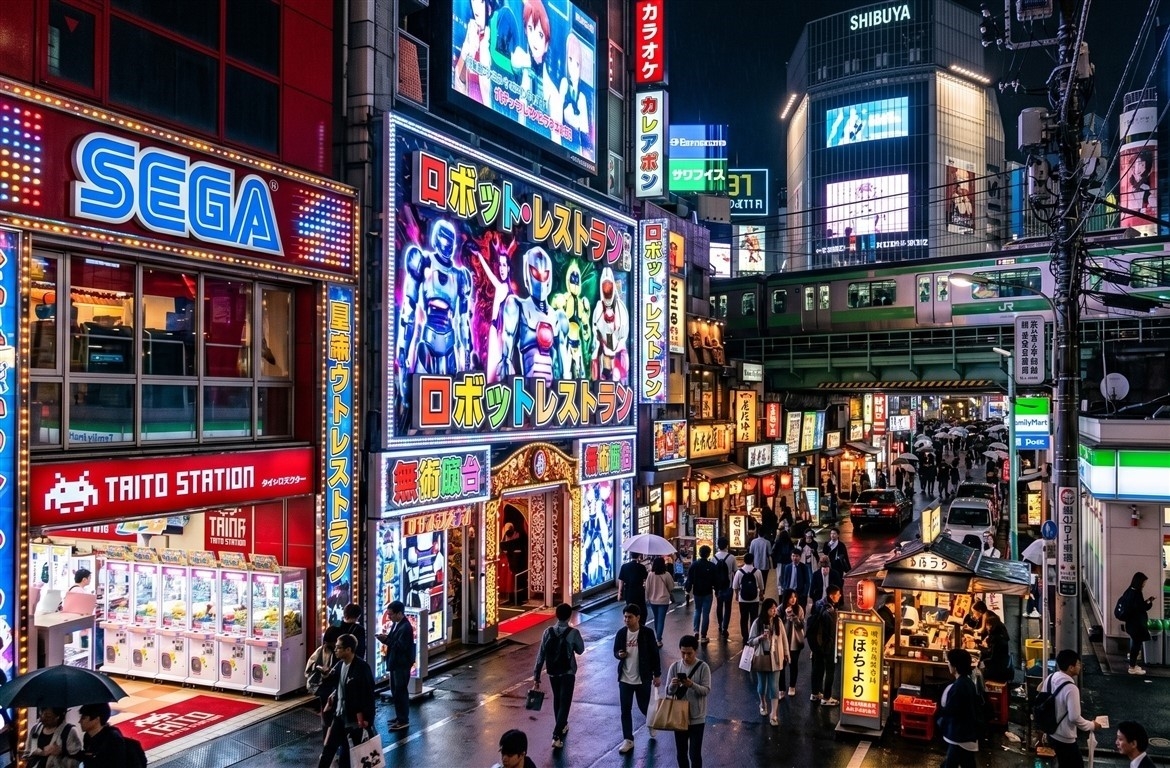
The futuristic Tokyo image is part reality, part tourist fantasy. Yes, you’ll find colossal screens, robot-adjacent attractions, dazzling arcades, and toilets with more buttons than some cars. Yet, old fax machines and paper forms still stubbornly exist. The city’s technology culture isn’t pure sleekness. It’s a mix of convenience, novelty, ingrained habit, and a dash of glorious weirdness.
Top Cultural Neighborhoods to See
| Neighborhood | Cultural feel | Best for |
|---|---|---|
| Asakusa | Old Tokyo, temples, craft shops | Your first taste of traditional street culture |
| Shibuya | Youth energy, music, fashion | Night strolls, shopping, excellent people-watching |
| Harajuku | Kawaii, street style, shrine forest | Fashion contrasts and pop culture exploration |
| Akihabara | Anime, manga, games, electronics | Fan culture and serious retro collecting |
| Ginza | Design, dining, theaters, retail craft | Refined urban culture |
| Roppongi | Art museums, nightlife, global dining | Contemporary art and lively late evenings |
Asakusa certainly gives off the clearest “old city” vibe, though it’s also very popular with tourists. Shibuya is all about motion: the famous crossing, giant screens, record shops, bustling cafés, and late-night trains. Harajuku feels stranger because it holds Meiji Jingu’s serene forest right beside Takeshita Street’s sugar-fueled rush. Akihabara can totally overwhelm people who aren’t into fandom, but for those who are, it’s a living map of obsessions. Ginza radiates controlled glamour. Roppongi transitions effortlessly from a museum afternoon to a bustling bar night without
0 Comment