

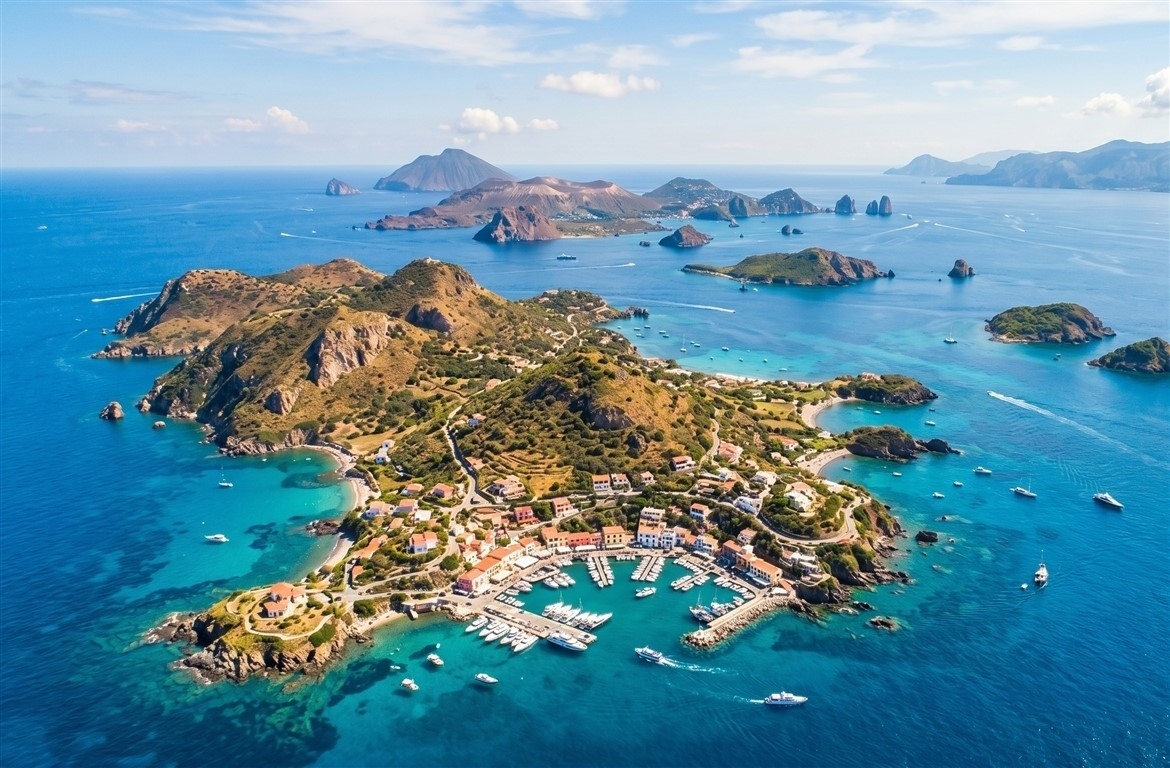

Italy’s Island Count
Italy? Oh, it’s absolutely packed with islands – hundreds of them! But here’s the kicker: getting an exact number is trickier than you’d think. If you only count places where people actually live, the number stays pretty low. Start throwing in tiny rocks, those sweet little lagoon islets, river and lake islands, even volcanic bits and sandbanks that pop up seasonally, and boom, the number skyrockets. That’s precisely why you’ll see different totals in travel guides, on those official-looking geographic lists, and from local tourism boards. Everyone has their own definition of “island.”
For us travelers, though, the picture gets much clearer. Italy boasts two colossal islands, Sicily and Sardinia, alongside dozens of famous holiday spots. Then there are all those smaller islands, just sprinkled across the Mediterranean, Tyrrhenian, Adriatic, and Ionian Seas. You’ll even find them in lakes, lagoons, and rivers. Some are buzzing with towns, busy ports, airports, vineyards, ancient ruins, and those fantastic all-night summer promenades. Others? They’re just bare stone, home to seabirds, maybe a single landing pier, perhaps a lighthouse. Still Italian. Each one adds its own chapter to the story.
How Many Islands Does Italy Claim?
No single, neat official number covers every Italian island out there. This count shifts constantly, mostly because everyone defines “island” a little differently. An islet marked on a map in the Venetian Lagoon simply isn’t the same type of place as mighty Sicily. And a rock off Sardinia might have a name, sure, but it likely has no residents, no ferry service, nowhere to lay out a beach chair, and certainly no gelato stand. Then, lake islands and river islands toss another fascinating layer into the mix.
For a reliable, traveler-friendly answer, consider this: Italy is home to hundreds of islands. Sicily and Sardinia, of course, absolutely dominate the landscape in terms of size, population, and sheer cultural punch. The country’s island geography stretches from the Alps-fed lakes way up north all the way down to Lampedusa, which actually sits closer to Tunisia than to Rome. It’s wonderfully messy, incredibly generous, and truly, deeply Italian.
Italy’s Islands: A Quick Look
Italy’s islands don’t fit into a single postcard scene. They emerge from volcanic chains, nestle in sandy lagoons, line dramatic limestone coasts, fill lake basins, or punctuate deep blue channels that ferries crisscross. A visit to Capri feels wonderfully polished and straight out of a movie. Stromboli, though, feels alive, practically rumbling beneath your feet. And Monte Isola, tucked away in Lake Iseo, has this unique quietness that makes people instinctively lower their voices without even noticing.
Major Italian Islands
Sicily and Sardinia are the undisputed heavyweights. Sicily stands as Italy’s largest island, and indeed, the biggest in the entire Mediterranean. Sardinia grabs the spot for Italy’s second-largest, also ranking among the Mediterranean’s most significant islands. Both boast their own airports, bustling ports, extensive rail or bus networks, stunning mountain ranges, gorgeous beaches, ancient archaeological sites, and regional identities so powerful, they make the mainland feel like a distant relative.
These aren’t just simple “beach destinations.” Sicily offers a breathtaking mosaic of Greek temples, intricate Arab-Norman architecture, opulent Baroque towns, the towering presence of Etna, vibrant street markets, historic tuna routes, and charming old fishing villages. Sardinia counters with its mysterious nuraghi, rugged granite coasts, ancient cork forests, a rich mining heritage, endless stretches of sandy beaches, and a language culture with unbelievably deep roots. Honestly, you could easily spend weeks exploring either island and still feel like you’ve barely scratched the surface.
Smaller Coastal Islands
Italy’s smaller islands gather in delightful clusters around both the mainland and those two huge islands. The Aeolian Islands, just north of Sicily, are strikingly volcanic. Off Sicily’s western coast, you’ll find the Aegadian Islands. The Tuscan Archipelago gracefully spreads out between Tuscany and Corsica. The Pontine Islands sit beautifully off Lazio, while the Tremiti Islands dramatically rise from the Adriatic Sea off Apulia.
Some are perfect for quick day trips. Think Capri from Naples or Sorrento, Procida from Naples, Elba from Piombino, or even Murano and Burano from Venice. Others demand a bit more travel time: Pantelleria, Lampedusa, Ustica, Marettimo, Capraia, San Domino. But trust me, that extra boat ride often rewards you with significantly quieter, more magical evenings.
Islands in Lakes and Rivers
Italy’s inland islands are often overlooked until you actually stumble upon them. Monte Isola pops up from Lake Iseo, complete with quaint villages, fragrant olive trees, and lovely walking paths. Isola del Garda graces Lake Garda, featuring stunning gardens and intricate villa architecture. Isola San Giulio in Lake Orta is tiny, intensely devotional, and almost theatrically charming. And the Borromean Islands in Lake Maggiore? They cleverly blend grand palaces, exquisite gardens, and those timeless old fishing lanes.
Sicily: Italy’s Biggest Island
Sicily truly is a heavyweight. It’s a region, an island, a historical crossroads, and practically a country-sized travel plan all wrapped up in one destination. Palermo, Catania, Syracuse, Trapani, Agrigento, Ragusa, Cefalù, Taormina, Marsala, Noto: each one could easily be the focus of an entire trip. Then Mount Etna just looms there, shifting the entire scale of things.
Why Sicily Matters
Sicily matters immensely because its very geography carved out history. Greeks, Romans, Byzantines, Arabs, Normans, Spaniards, and countless others left their indelible marks in the island’s stone, its cuisine, its dialects, and its city layouts. This island sits strategically between Europe and Africa, between the western and eastern Mediterranean. That unique position made it incredibly wealthy, fiercely fought over, and unbelievably rich in culture.
For visitors now, Sicily remains one of Italy’s most expansive island experiences. The beaches around San Vito Lo Capo, the southeastern coast near Vendicari, the stark black lava shores near Catania, and all those offshore islands — they each offer a completely different vibe. Inland Sicily reveals vast wheat fields, charming hill towns, exquisite ceramics, delicious pistachios, old rail lines, and those wonderfully long lunches that utterly derail any tight schedule. And that’s a good thing.
Nearby Sicilian Islands
Sicily is famously encircled by a host of incredible smaller islands. The Aeolian Islands include gems like Lipari, Salina, Stromboli, Vulcano, Panarea, Alicudi, and Filicudi. Just off Sicily’s western coast, you’ll find the Aegadian Islands: Favignana, Levanzo, and Marettimo. South of Sicily, the Pelagie Islands boast Lampedusa, Linosa, and tiny Lampione. Pantelleria and Ustica, standing somewhat apart on their own ferry routes, attract travelers who appreciate a bit more ruggedness.
Sardinia: Italy’s Second Island
Sardinia moves to a different beat. It’s less about urban drama than Sicily, and more about vast, open spaces. The coast there can honestly look almost unreal: stark granite, fragrant juniper, brilliant chalk-white sand, and coves where the water transforms into that electric blue shade people tend to overuse in brochures. Head inland, and the island turns stern yet incredibly beautiful: mountains, powerful murals, ancient shepherd towns, mysterious archaeological towers, and wonderfully silent roads.
Sardinia’s Surrounding Islands
Sardinia’s satellite islands are a huge part of its allure. The La Maddalena Archipelago, located off the northeast coast, is a stunning national park, famed for its crystal-clear waters, rugged granite shores, and incredible boat routes. Sant’Antioco and San Pietro sit off the southwest, deeply connected to fishing traditions, tuna heritage, and decidedly quieter towns. Asinara, once a prison island, is now a protected national park, offering a sanctuary for wildlife and dramatically stark coastal scenery.
Sardinia’s Enduring Fame
Sardinia is famous for its beaches, yes, but that answer feels a bit too simple. The island is truly known for the glitzy Costa Smeralda, the stunning La Maddalena, the rugged Cala Gonone, the breathtaking Gulf of Orosei, the charming Alghero, the vibrant Cagliari, the ancient Nora, the mysterious Barumini, and all those Bronze Age nuraghi scattered across the land. Summer brings a polished sheen to parts of the coast. Spring, however, feels raw, wild, and vividly green. Autumn keeps the sea beautifully warm while the villages quietly settle back into their own rhythms.
Italy’s Most Famous Islands
Certain Italian islands have become instant shorthand for travel. Mention Capri, and people immediately conjure images of dramatic cliffs, crisp linen shirts, impossibly blue water, and maybe a few too many cameras near the Piazzetta. Say Elba, and Napoleon practically appears before the beach does. Lampedusa? Many first think of Rabbit Beach, then of the island’s challenging role in Mediterranean migration routes. Fame can sometimes flatten a place, stripping away its nuances. But visit with patience, and each island will gracefully open up again.
Capri
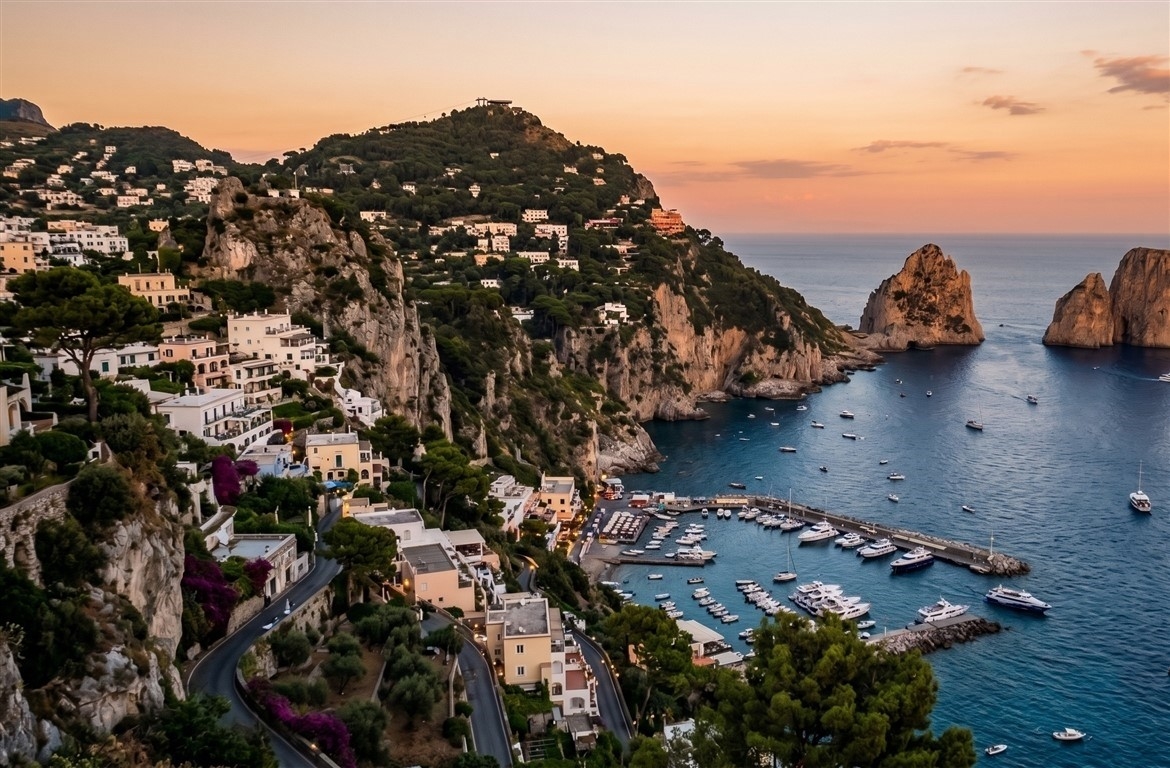
Capri is tiny, undeniably expensive, yet absolutely worth experiencing. The Blue Grotto, the iconic Faraglioni rocks, Marina Grande, Anacapri, Villa Jovis, and that serene chairlift ride up Monte Solaro are all classic stops. Day-trippers tend to flood the lanes by late morning. The early evening, though, brings a softer, more magical feel, after most boats have departed and the cliffs take on a whole new array of colors.
Ischia
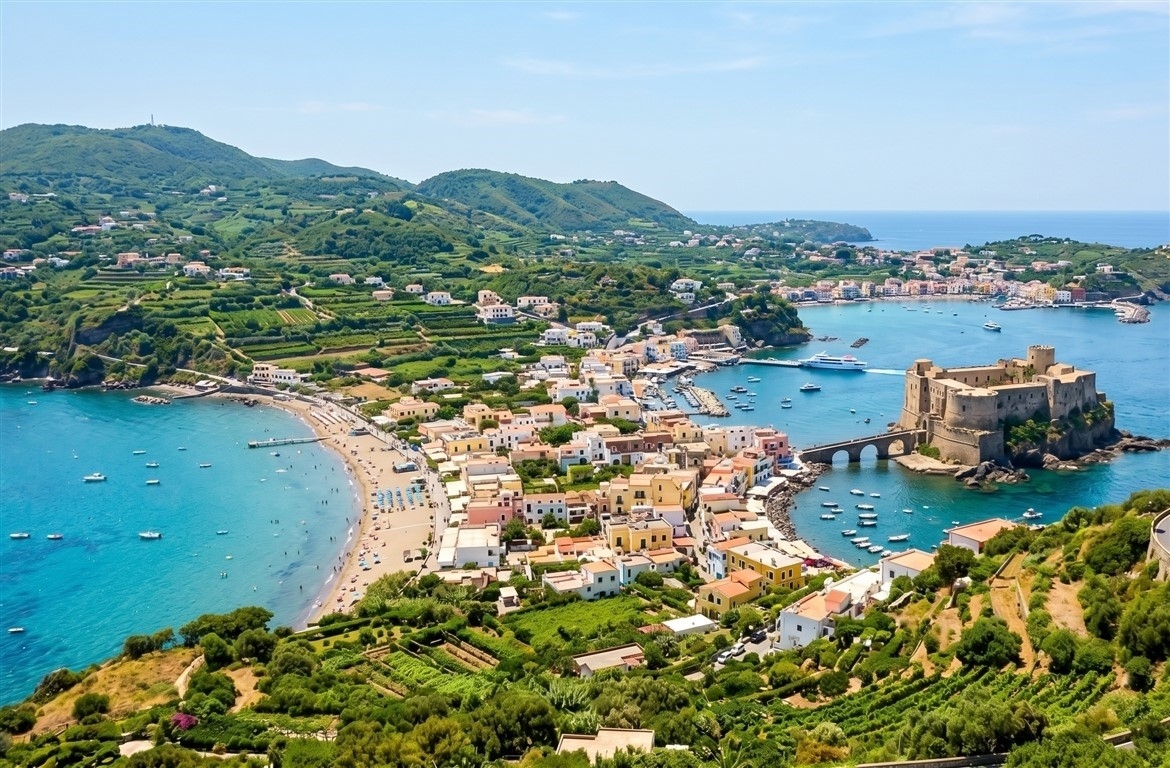
Ischia is larger and feels much more lived-in than Capri. Its thermal springs, beautiful beaches, lush gardens, the formidable Aragonese Castle, and charming small towns make for a richer, more extended stay. It perfectly suits travelers who crave sea air without feeling like they’re stuck inside a postcard. This island also offers delicious local wine, convenient bus routes, and enough hidden corners to truly reward a slow, deliberate week of exploration.
Procida
Procida is wonderfully compact and bursts with color, its pastel houses clustered around Marina Corricella, exuding a working-island vibe that has remarkably survived its newfound fame. It proudly served as Italy’s Capital of Culture in 2022, a title that certainly boosted its presence on travel itineraries. Yet, it manages to remain more intimate than Capri. A day trip is lovely. Staying a night, though, is even better.
Elba
Elba, the largest jewel of the Tuscan Archipelago, masterfully blends beautiful beaches, winding mountain roads, a fascinating mining history, significant Napoleon sites, and perfect family holidays. Ferries regularly shuttle from Piombino to Portoferraio, Rio Marina, and Cavo. It stands out as one of the easiest Italian islands for a longer, self-driving adventure.
Pantelleria
Pantelleria lies uniquely between Sicily and Tunisia, a volcanic, dark, and often windy place, certainly not built for lazy perfection. Its distinctive dammusi houses, fragrant caper fields, natural hot springs, terraced landscapes, and deep, clear swimming spots lend it a raw, severe beauty. People who fall in love with Pantelleria often sound a little bit captivated, almost possessed by its charm.
Lampedusa and Linosa
Lampedusa is rightfully famous for Spiaggia dei Conigli (Rabbit Beach), often cited as one of Europe’s most stunning shorelines. Linosa, its quieter companion, is volcanic and moves at a deliciously slower pace. Together with the tiny, uninhabited Lampione, they form the Pelagie Islands. Their location in the central Mediterranean blesses them with a distinct climate, unique marine life, and a certain political visibility.
Italy’s Main Archipelagos
Archipelagos make island travel wonderfully straightforward, mostly because ferries conveniently link several spots along a single route. They also brilliantly showcase just how incredibly diverse Italy’s islands truly are. Picture volcanic smoke in the Aeolians, Renaissance prison history in the Tuscan Archipelago, the unique lagoon life of Venice, or those tiny Adriatic cliffs in the Tremiti. Not just one mood. So many distinct ones.
| Archipelago | Main Area | Known Islands | Travel Character |
|---|---|---|---|
| Aeolian Islands | North of Sicily | Lipari, Salina, Stromboli | Volcanoes, boat trips, hiking, black sand |
| Aegadian Islands | West of Sicily | Favignana, Levanzo, Marettimo | Clear water, cycling, tuna fishing history |
| Tuscan Archipelago | Between Tuscany and Corsica | Elba, Giglio, Capraia | Beaches, trails, ports, rich history |
| Pontine Islands | Off Lazio | Ponza, Ventotene | Summer escapes from Rome and Naples |
| Tremiti Islands | Adriatic Sea | San Domino, San Nicola | Sea caves, dramatic cliffs, quaint villages |
| Borromean Islands | Lake Maggiore | Isola Bella, Isola Madre | Palaces, stunning gardens, lake views |
Aeolian Islands
The Aeolian Islands are easily among Italy’s most breathtaking and dramatic island groups. Stromboli, of course, is globally famous for its constantly active volcano. Vulcano boasts steaming fumaroles and striking dark beaches. Lipari serves as the bustling transport hub, connecting everything. Salina is incredibly green, elegant, and adored for its capers and exquisite Malvasia wine. Alicudi and Filicudi, even when the ferry schedule suggests otherwise, truly feel like they’re a world away.
Aegadian Islands
Favignana stands out as the easiest Aegadian island to reach from Trapani, offering wonderfully bike-friendly roads and intriguing sea caves. Levanzo is tiny and profoundly tranquil. Marettimo is rugged, mountainous, wonderfully remote, and absolutely perfect for long walks and boat excursions. These islands share a deep heritage rooted in tuna fishing, a history still vividly reflected in their old tonnare (tuna processing plants) and coastal architecture.
Pelagie Islands
The Pelagie Islands lie far to the south of Sicily. Lampedusa attracts the largest number of visitors. Linosa offers a quieter, volcanic, and utterly distinctive charm. Lampione, meanwhile, remains uninhabited. Their unique position makes them feel like Italy’s vibrant frontier, with African winds, incredibly bright waters, and a completely different sense of distance.
Tuscan Archipelago
The Tuscan Archipelago encompasses Elba, Giglio, Capraia, Montecristo, Pianosa, Gorgona, and Giannutri. Some of these islands come with stringent access rules due to their protected status. Elba is the large, readily accessible one. Giglio is smaller and utterly charming. Capraia feels much wilder. And Montecristo? It’s legendary, partly because ordinary access is so incredibly limited.
Pontine Islands
Ponza and Ventotene are the names travelers usually hear first. Ponza dazzles with its pastel harbor houses, inviting swimming coves, and a vibrant summer scene. Ventotene, on the other hand, is smaller, calmer, and incredibly rich in history, featuring Roman remains and a profound political legacy tied to European federalist thought during the Second World War.
Tremiti Islands
The Tremiti Islands are Apulia’s delightful island surprise. San Domino boasts fragrant pine woods and fantastic swimming spots. San Nicola holds the historic heart of the archipelago. Boats depart from ports like Termoli and various seasonal Apulian departure points. The Adriatic here can appear perfectly gentle one moment and surprisingly sharp the next.
Venetian Lagoon Islands
Venice itself is, of course, built on islands, but visitors frequently gaze beyond the main city to explore Murano, Burano, Torcello, San Michele, Sant’Erasmo, Giudecca, and a host of smaller lagoon spots. Glassblowing, lacemaking, gardens, ancient cemeteries, quiet monasteries, working farms, and old canals: the lagoon isn’t just a picturesque backdrop for Venice. It’s a vibrant, breathing geography all its own.
Phlegraean Islands
Capri, Ischia, Procida, and tiny Vivara are often grouped with the Gulf of Naples and the Phlegraean volcanic area. Ischia and Procida sit quite close to each other, while Capri lies further south, near the Sorrentine Peninsula. This cluster is absolutely ideal for travelers based in Naples, offering easy island-hopping opportunities.
Borromean Islands
The Borromean Islands in Lake Maggiore belong firmly to northern Italy’s magnificent great-lake world. Isola Bella is renowned for its stunning palace and intricately terraced gardens. Isola Madre captivates visitors with its botanical gardens. Isola dei Pescatori, meanwhile, wonderfully maintains its fishing-village character, even with bustling visitors moving through its narrow, charming lanes.
Italy’s Lesser-Known Islands
Not every Italian island arrives with international fame. Some are beloved regional favorites. A few sit almost in plain sight, quietly waiting. While some work better for a half-day visit than a full holiday, they all add incredible texture and depth to any trip.
- Palmaria: Near Portovenere in Liguria, Palmaria is part of a UNESCO-listed coastal panorama, alongside Tino and Tinetto. It offers wonderful trails, sweeping sea views, and a decidedly rougher, more natural feel than the polished villages across the water.
- Monte Isola: Rising gracefully from Lake Iseo, Monte Isola ranks as one of Europe’s largest lake islands. Cars are restricted here, making walking a pure joy, and the entire lake scenery feels much more relaxed than the busier Garda or Como.
- Isola del Garda: This is a private island within Lake Garda, celebrated for its stunning villa architecture and magnificent gardens. Visits are typically arranged through tours, rather than casual wandering.
- Isola San Giulio: A tiny, enchanting island in Lake Orta, featuring a beautiful basilica, a serene monastery, and lanes that seem specifically designed for quiet contemplation.
- Cheradi Islands: Located near Taranto in Apulia, these islands are set within a naval and coastal environment, a world away from the typical island-holiday image.
Italian Islands Grouped by Region
Thinking about islands by region really helps when you’re mapping out a route. Sicily and Sardinia are essentially island regions unto themselves. But Tuscany, Campania, Lazio, Apulia, Veneto, Liguria, Calabria, and Piedmont also boast islands that genuinely matter to travelers.
Islands of Sicily
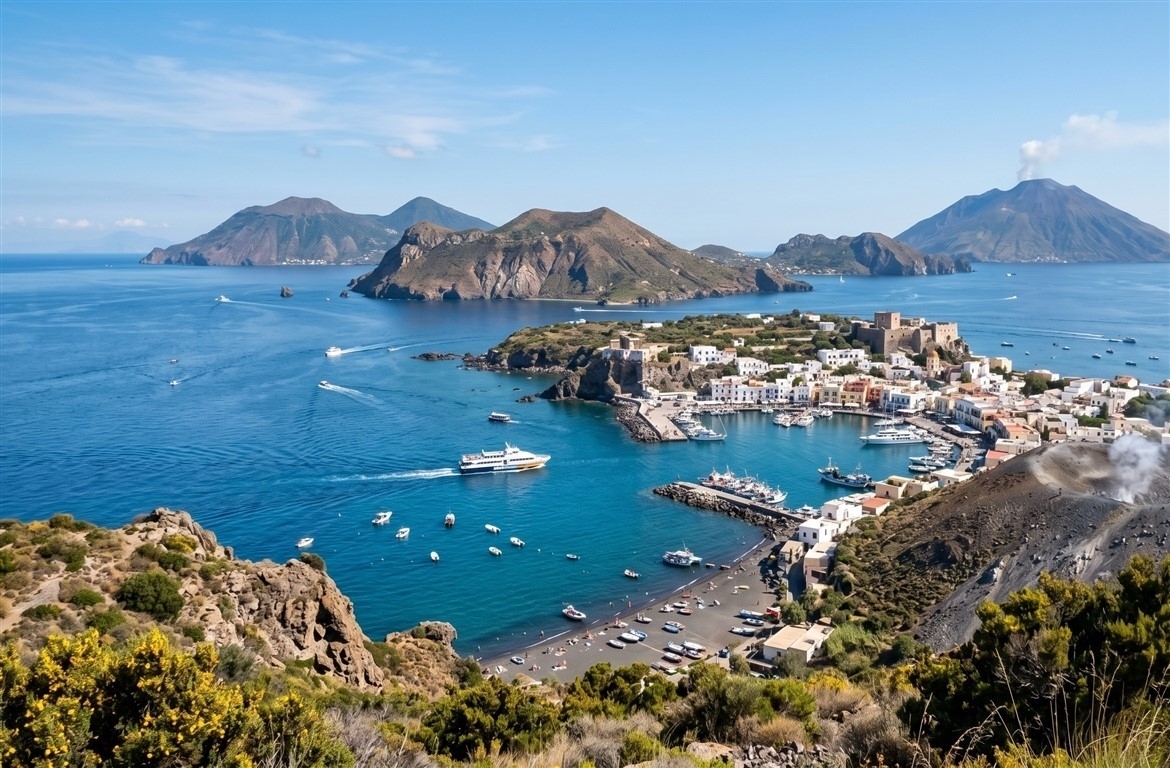
Sicily’s island world is incredibly rich, encompassing the Aeolian, Aegadian, and Pelagie groups, plus the distinct islands of Pantelleria and Ustica. This truly is Italy’s most vibrant island-hopping region for exploring volcanic landscapes, diverse ferry routes, beautiful beaches, and a captivating offshore culture.
Islands of Sardinia
Sardinia offers the stunning La Maddalena Archipelago, Asinara, San Pietro, Sant’Antioco, Tavolara, Molara, and numerous smaller coastal islands. Boat trips, pristine protected waters, and dramatic granite scenery define much of the island experience here.
Islands of Tuscany
Tuscany’s islands include Elba, Giglio, Capraia, Pianosa, Giannutri, Montecristo, and Gorgona. Elba is undoubtedly the most accessible base. Giglio perfectly suits sea lovers. Capraia rewards keen walkers. Several of these islands have conservation limits that carefully shape visitor access.
Islands of Campania
Campania proudly features Capri, Ischia, Procida, and Vivara. Naples serves as the most practical hub for reaching them. Ferries and hydrofoils consistently link these islands with Naples, Pozzuoli, Sorrento, and various seasonal coastal ports.
Islands of Lazio
Lazio’s Pontine Islands include Ponza, Ventotene, Palmarola, Zannone, Santo Stefano, and Gavi. Ponza acts as the dazzling summer magnet. Ventotene, in contrast, is quieter and layered with fascinating history.
Islands of Apulia
Apulia’s most renowned island group is the Tremiti Islands. You’ll also spot coastal islets scattered around the Gargano and Salento areas. For travelers seeking Adriatic swimming and memorable boat trips, the Tremiti are absolutely the star attraction.
Islands of Veneto
Veneto’s islands are intricately tied to the Venetian Lagoon: Venice itself, Murano, Burano, Torcello, San Michele, Sant’Erasmo, Mazzorbo, Giudecca, and countless smaller lagoon lands. They are simultaneously urban, agricultural, deeply historic, and incredibly fragile.
Islands of Liguria
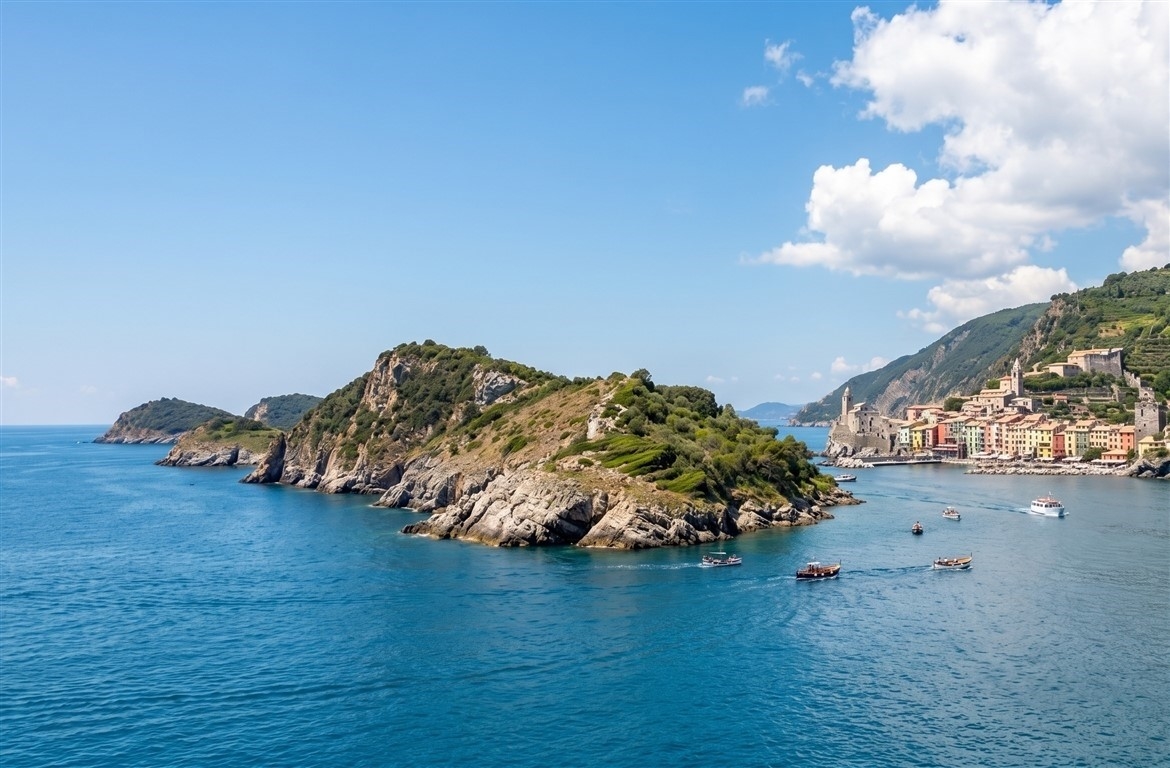
Liguria features Palmaria, Tino, Tinetto, Gallinara, and a scattering of smaller coastal islands. The scenery here is dramatic, maritime, and very close to famous mainland towns, which makes for delightfully easy, short crossings.
Islands of Calabria
Calabria has fewer internationally famous islands compared to Sicily or Sardinia, yet its coastal position directly faces the Aeolian Islands across the Tyrrhenian Sea. Dino Island and Cirella Island are a couple of the coastal names travelers might encounter along its beautiful Tyrrhenian side.
Italian Islands by Sea or Location
The sea itself tells a different, equally compelling story. While Sicily and Sardinia undeniably sit in the vast Mediterranean, many Italian islands are better understood through their specific local waters: the Tyrrhenian, Adriatic, Ionian, Ligurian, or the serene northern lakes.
Islands in the Mediterranean
Italy’s Mediterranean islands include the colossal Sicily and Sardinia, along with Lampedusa, Pantelleria, and a multitude of surrounding island groups. These places directly link Italy to ancient trade routes, crucial migration paths, vital fishing grounds, and impressive volcanic chains.
Islands in the Tyrrhenian Sea
The Tyrrhenian Sea cradles some of Italy’s most iconic islands: Elba, Giglio, Capri, Ischia, Procida, Ponza, Ventotene, the enchanting Aeolians, and the northern Sardinian islands. It truly is the quintessential sea for island-hopping adventures in central and southern Italy.
Islands in the Adriatic Sea
The Adriatic side boasts fewer large Italian islands, but the Tremiti Islands and the Venetian Lagoon lend it a very strong, distinct island identity. The atmosphere here feels different from the Tyrrhenian: a softer light, intricate lagoon channels, dramatic limestone cliffs, and charming old maritime towns.
Islands in Lakes and Rivers
Lake islands bring a wonderfully softer, more tranquil atmosphere. Monte Isola, Isola del Garda, Isola San Giulio, the Borromean Islands, and various islands within Lake Trasimeno all add a delightful inland variety to Italy’s island map. They’re a fantastic choice for travelers who crave beautiful island scenery without the need for sea crossings.
Top Italian Islands: Size and People
The biggest islands aren’t always the most visited, and the most visited aren’t always the most populated. Size dictates things like transport, weather patterns, and how long your trip might last. Population, on the other hand, shapes the availability of services, schools, hospitals, daily local life, and whether an island truly feels alive even in the depths of February.
| Island | Region | Approximate Area | Travel Note |
|---|---|---|---|
| Sicily | Sicily | 25,700 sq km | Largest island in Italy and the Mediterranean Sea |
| Sardinia | Sardinia | 24,100 sq km | Second-largest Italian island |
| Elba | Tuscany | 224 sq km | Largest island of the Tuscan Archipelago |
| Sant’Antioco | Sardinia | 109 sq km | Connected to Sardinia by a road bridge |
| Pantelleria | Sicily | 83 sq km | Volcanic island between Sicily and Tunisia |
| Ischia | Campania | 46 sq km | Famed for thermal waters and beautiful gardens |
Largest Islands in Italy
Sicily and Sardinia absolutely dominate this ranking by a colossal margin. Elba comes in next among the islands travelers frequently visit, though it’s still tiny compared to the two giants. Sant’Antioco, Pantelleria, San Pietro, Asinara, and Ischia also feature prominently among Italy’s larger islands, depending entirely on which list you consult and the measurement methods used.
Most Populated Italian Islands
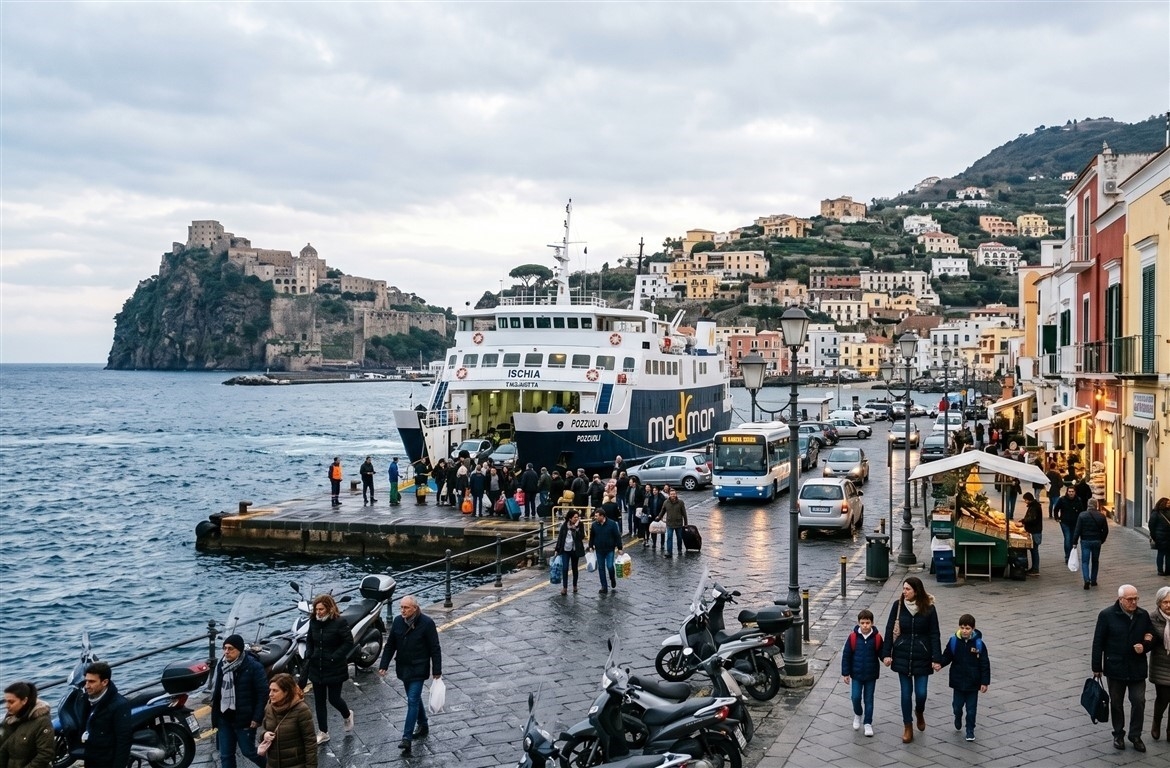
Sicily and Sardinia together host millions of residents, setting them completely apart. Among the smaller islands, Ischia, Elba, Capri, Procida, Sant’Antioco, and several Venetian Lagoon islands boast substantial local populations or robust year-round communities. A populated island feels remarkably different in winter. Shops stay open. Ferries become vital for schools, doctors, and work, not just for catching sunsets.
Which Italian Islands to Visit?
The “best” island truly depends on the kind of trip you’re after. A first-time traveler might gravitate towards Capri, Sicily, Sardinia, or Elba because transport is generally easier and services are more widespread. A seasoned visitor, however, might lean towards Salina, Marettimo, Pantelleria, Capraia, Linosa, or Ventotene. Less noise. More authentic edges.
Best for Beaches
- Sardinia: Choose this for seemingly endless beaches, dramatic granite coves, and some of Italy’s most unbelievably clear water. The northeast coast is famous, but the west and south often feel much more spacious.
- Lampedusa:
0 Comment