


How Far Is Blue Lagoon from Reykjavik?
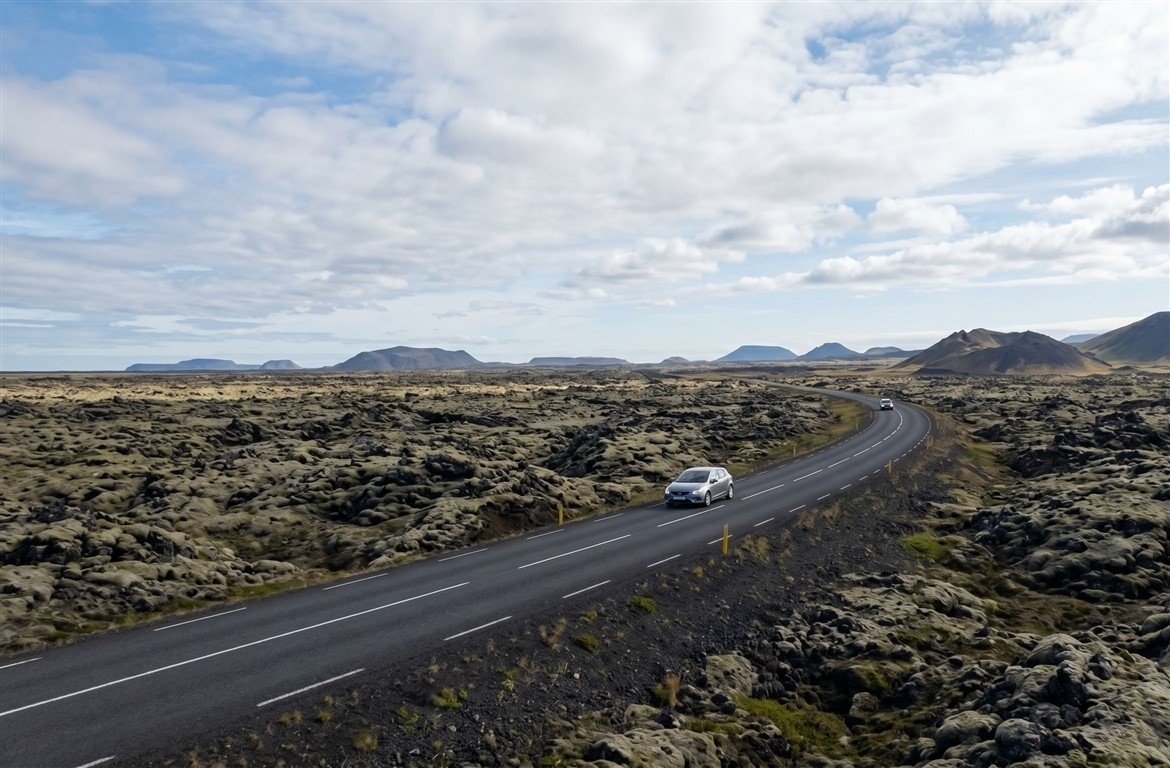
The Blue Lagoon sits about 49 kilometers, or 30 miles, southwest of Reykjavik. Driving there usually takes around 45 to 50 minutes, assuming the roads and weather are behaving themselves. This isn’t some deep wilderness trek or a full-day expedition hidden away in the highlands. No, it’s a straightforward drive across the Reykjanes Peninsula, cutting through those distinct dark lava fields, under an enormous sky, and amidst that slightly eerie, lunar Icelandic emptiness that visitors either instantly fall in love with or never quite grasp.
For anyone planning their Iceland adventure in 2026, knowing this short distance is actually pretty key. The journey from Reykjavik to the Blue Lagoon is totally manageable for a relaxed half-day visit. You could even make it your first glorious soak right after landing, or your last comforting float before jetting back home. But the longer explanation? That’s where the real value lies: figuring out the best route, how to get there, exactly when to go, how to book, and if it makes more sense to start from Reykjavik or Keflavik Airport.
Quick Answer: Distance and Travel Time
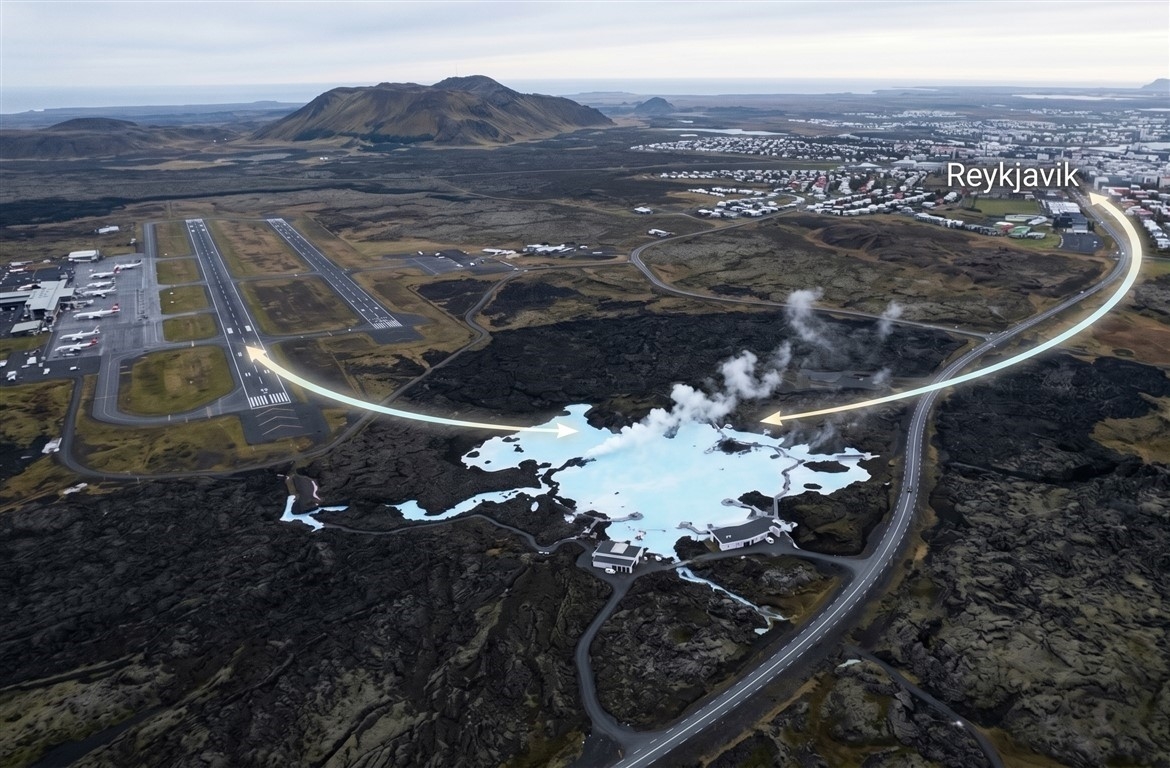
The drive from Reykjavik to the Blue Lagoon spans roughly 49 kilometers. Fun fact: the Blue Lagoon is actually much closer to Keflavik International Airport, only about 23 kilometers away. This is precisely why so many people make it a pit stop right when they arrive or just before their flight departs.
| Starting point | Distance | Typical travel time | Good fit |
|---|---|---|---|
| Reykjavik city center | About 49 km / 30 mi | About 45-50 minutes | Half-day spa visit |
| Keflavik International Airport | About 23 km / 14 mi | About 20-25 minutes | Arrival or departure stop |
| Grindavik area | A short local drive | Usually under 15 minutes | Nearby overnight stays |
| Reykjanes Peninsula sights | Varies by stop | Short regional drives | Lava fields and coast |
| Reykjavik with airport drop-off | Reykjavik to lagoon, then KEF | Plan several hours total | Last day in Iceland |
A simple trip from Reykjavik sounds straightforward enough: leave the city, enjoy your soak, shower off, grab a bite if you’re hungry, then head back. But a smarter approach factors in things like luggage storage, precise airport timing, dropping off a rental car, or perhaps a quick detour to other Reykjanes Peninsula sights. That’s when the question shifts from a simple “how far is it?” to “how can I pull this off without making the day feel utterly chaotic?”
Where the Blue Lagoon Is Located
You’ll find the Blue Lagoon nestled on the Reykjanes Peninsula in southwest Iceland. It’s quite close to the town of Grindavik and not far from Keflavik International Airport. Its unique location is definitely part of its charm. It doesn’t feel like a city spa at all. Imagine this: the milky-blue geothermal water set against a dramatic black lava landscape, with steam gently wafting across the surface and those low, ancient volcanic ridges creating a distant, mystical backdrop.
For many travelers, Reykjanes is their first real glimpse of Iceland. The airport is here. Those iconic lava fields? Also here. Geothermal zones, the rugged Atlantic coastline, charming fishing towns, and landscapes where tectonic plates meet – it’s all packed into this surprisingly compact region. The Blue Lagoon fits this geography perfectly: handy to the main airport, close enough to Reykjavik, yet visually worlds away from both.
Its official address places it in the Grindavik area, not Reykjavik. This distinction is genuinely helpful when you’re sorting out pickup spots, planning rental car routes, hailing taxis, or booking airport transfers. Think of Reykjavik as your main city base, and Keflavik as your airport base. The Blue Lagoon gracefully bridges the travel rhythms between the two.
Reykjavik to Blue Lagoon Distance by Car
Driving from Reykjavik to the Blue Lagoon means covering about 49 kilometers. That’s roughly 30 miles. Most people hop on Route 41 out of the capital, then take a turn onto Route 43, which leads straight to the lagoon. These roads are fully paved, clearly signed, and constantly used by visitors. No need for a mountain road, no river crossings, no rough gravel adventure. Just smooth sailing.
But hold on a second. This drive still deserves your full attention. Iceland isn’t some theme park with perfect lighting. The wind can really push your car around. Winter weather can transform a perfectly clear road into something slow and slick in minutes. Visibility can drop to zero, and suddenly that easy 45-minute drive turns into one of those hushed, tense ten-minute stretches where everyone in the car goes silent. Always check road conditions before you head out, keep your fuel tank reasonably full, and build in some extra time, especially if you have airport connections looming.
Leaving central Reykjavik, the first part of the drive feels pretty suburban and ordinary. Then, the city fades. The landscape dramatically opens up. Lava takes over. The closer you get to the Blue Lagoon, the more the road seems carved directly through ancient black rock. You’ll start seeing steam and industrial geothermal structures long before the spa itself. It’s not the postcard-perfect Iceland of waterfalls and friendly horses. It’s something much stranger. Maybe even better, if you appreciate the raw, wild edges of the world.
How Long the Journey Takes
Budget around 45 to 50 minutes for the car ride or direct transfer from Reykjavik to the Blue Lagoon under normal conditions. If you’re opting for a shared bus, it might take a bit longer. Why? Because of all those extra pickup points, central bus stops, and general transfer logistics. A private transfer, on the other hand, can pretty much match the direct driving time, though it’ll obviously cost you quite a bit more than a bus ticket.
From Keflavik Airport, the travel time shrinks significantly: about 20 to 25 minutes. This quick airport connection is precisely why the Blue Lagoon works so perfectly as a layover spot, an incredible first Iceland experience after a red-eye flight, or a final, warm moment of peace before you dive into that long airport security routine. Picture it: wet hair, suitcase in tow, passport ready, and one last silica mask. Super Icelandic. And potentially a little chaotic if you don’t time it right.
Seriously, don’t try to time this trip down to the very minute. Always add buffer time. Add even more in winter. Pile on even more if you need to return a rental car, grab luggage, catch a specific bus, or make an international flight. Iceland actually rewards a more relaxed approach to planning. Trying to stick to a super-tight schedule? That’s just asking for trouble, thanks to unpredictable weather, slow-moving showers, or that sudden, irresistible urge to just stand outside and stare at the lava like you’ve never seen a rock before.
Best Ways to Get There from Reykjavik
Reaching the Blue Lagoon from Reykjavik is pretty straightforward, but the “best” way really depends on your travel style. A rental car means ultimate freedom. A bus transfer lets someone else do the driving. A taxi is simple, but expensive. A private transfer is great if timing trumps cost. And a guided tour works wonderfully if the Blue Lagoon is just one part of a bigger day out.
By Rental Car
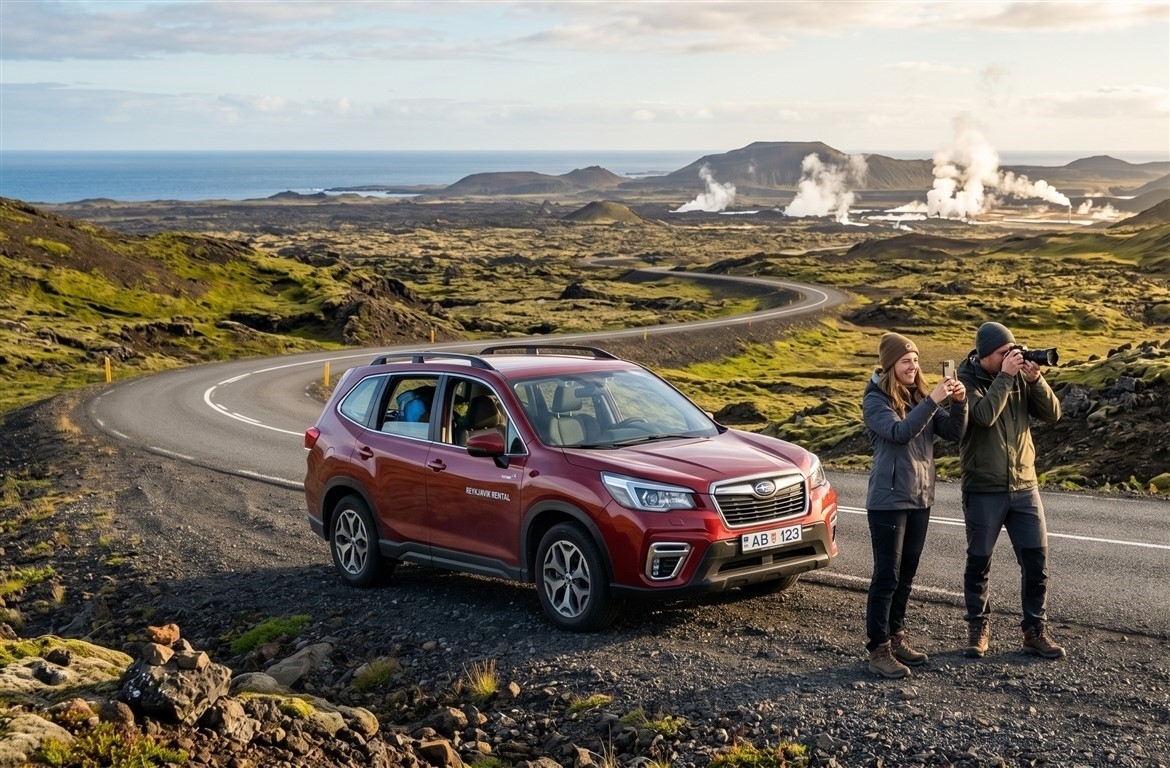
A rental car offers the most flexibility for your trip from Reykjavik to the Blue Lagoon. You decide when to leave. You can stop for photos whenever. You can easily continue on to the airport or explore more of the Reykjanes Peninsula afterward. For anyone already renting a car for, say, Iceland’s south coast or the Golden Circle, adding the Blue Lagoon to the itinerary is a total breeze.
The route itself is paved and direct. Plus, there’s plenty of parking right at the spa. The real things to consider are weather, your driving confidence, and timing. Winter driving in Iceland isn’t always hard, but conditions can change incredibly fast. Strong wind isn’t just a gentle breeze here; it literally tries to rip car doors out of your hands. Hold tight. Always check the road status. And for goodness sake, don’t try to beat the clock.
By Shared Bus Transfer
Shared bus transfers are a super popular option, especially for visitors staying in Reykjavik who aren’t renting a car. These coaches typically link the capital area, the Blue Lagoon, and Keflavik Airport with regular, scheduled services. Lots of travelers pick this route because it takes away all the hassle of rental car logistics and parking. Plus, no one has to worry about driving after soaking in that blissful warm water for a couple of hours.
The trade-off? Timing. You’re on the bus’s schedule, not your own spontaneous mood. City pickups can add time, and Reykjavik’s hotel pickup system often means heading to a nearby bus stop rather than having the coach pull right up to your exact hotel door. So, definitely read those pickup instructions very, very carefully. Boring advice, I know. But it genuinely saves people from standing on the wrong street corner, swimsuit in hand, looking utterly confused.
By Private Transfer
For families, small groups, business travelers, or anyone needing to connect the Blue Lagoon with a flight, a private transfer is the smoothest choice. Your driver handles the entire route. You get to control the timing. Luggage becomes much simpler. The whole vibe is just calmer.
Yes, the cost is higher than a shared bus. But the value really shines when you have several people splitting the fare, or when an airport connection means you absolutely cannot afford any delays. Private transfers are also fantastic for travelers arriving super early, departing very late, or those with specific mobility needs. Not glamorous, perhaps. Just incredibly useful.
By Taxi
Catching a taxi from Reykjavik to the Blue Lagoon is certainly an option, but it’s almost never the most budget-friendly one. Icelandic taxis run on meters, and that distance is long enough to make the fare pretty eye-watering. From Keflavik Airport, the taxi ride is shorter, but still won’t be cheap compared to bus transport.
A taxi might make sense if your plans suddenly change, if you’re a group with a ton of luggage, or if missing a pre-booked transfer would completely ruin your day. For a straightforward, planned trip from Reykjavik, either book a transfer service or drive yourself. Your wallet will definitely thank you.
By Guided Tour
Guided tours often combine a visit to the Blue Lagoon with other cool parts of Iceland. This could be airport transfers, other stops on the Reykjanes Peninsula, or even broader day-tour routes. This option works great if you’re looking for more context and less just pure transportation. A skilled guide can truly transform that drive through the lava fields into something richer: tales of plate boundaries, volcanic eruptions, charming fishing towns, geothermal energy, all that restless land moving right beneath your wheels.
Just be sure to double-check exactly what your tour package includes. Blue Lagoon admission isn’t always bundled into the transport price. And remember, entry requires a specific time slot, so vague plans here are definitely bad plans.
The Route from Reykjavik to the Lagoon
The usual route takes you southwest from Reykjavik, following the main road towards Keflavik before you turn south towards Grindavik and the Blue Lagoon. It looks like a simple drive on a map, and GPS usually handles it perfectly. Still, those road signs matter. Your signal can drop, maps sometimes lag, and Icelandic place names have a way of making tired travelers do a double-take.
Route 41 is the main artery connecting Reykjavik and Keflavik Airport. Route 43 then branches off, leading directly to the Blue Lagoon and the Grindavik area. The landscape transforms dramatically, moving from urban outskirts to wide-open lava plains, framed by low hills and expansive skies. On a crisp, clear day, the drive feels almost too quick. But on a stormy winter afternoon? It can feel far longer than the map ever suggests.
Those lava fields aren’t just static scenery. Reykjanes has been incredibly geologically active in recent years. Access in the region can change in a heartbeat if authorities respond to new eruptions, gas releases, road closures, or safety barriers. Always, always check local travel alerts before you set out. Never wander beyond open roads or clearly marked visitor areas. The land might look peaceful. It often isn’t.
Can You Visit as a Day Trip?
Absolutely. The Blue Lagoon makes for one of the easiest day trips from Reykjavik. Many visitors actually dedicate just a half-day to it, rather than a full one. A typical plan might look something like this:
- Morning visit from Reykjavik: Leave after breakfast, aim to arrive before the busiest part of the day hits, enjoy your soak, shower properly, and then head back to the capital for lunch or a leisurely afternoon. This approach works beautifully for folks who hate feeling rushed and want to experience the lagoon before fatigue sets in.
- Afternoon visit with dinner afterward: Spend your day exploring Reykjavik, then drive southwest for a late soak. The light can be absolutely stunning at this time, and winter darkness gives the steam an even moodier, more magical look. Just pay closer attention to transport schedules here; late returns are less forgiving.
- Airport-linked visit: Go from Reykjavik straight to the Blue Lagoon, then continue directly to Keflavik Airport. This is incredibly popular on departure day. Make sure your swimwear is packed right at the top of your suitcase, protect your dry clothes from any damp items, and give yourself way more time than your optimistic brain thinks necessary.
A day trip to the Blue Lagoon doesn’t need to be complicated. Just book your admission ahead of time, pick transport that fits your schedule, and try not to cram too many other activities around the lagoon visit. Warm water has a way of slowing people down. And honestly, that’s kind of the whole point.
Blue Lagoon from Reykjavik or Keflavik Airport
Starting your trip from Reykjavik gives you that classic city-to-spa day out. Kicking off from Keflavik Airport, however, is all about efficiency. Neither option is wrong. They just cater to different kinds of travel days.
| Choice | Best for | Planning note |
|---|---|---|
| From Reykjavik | Travelers based in the capital | Set aside a half day, more with meals |
| From Keflavik Airport | Arrivals, departures, stopovers | Allow time for luggage and check-in |
| Before a flight | Last-day relaxation | Do not book a tight entry slot |
| After landing | Early arrivals needing a reset | Shower, hydrate, and keep plans light |
If your flight touches down early and your Reykjavik hotel check-in isn’t for hours, that airport-to-Blue-Lagoon strategy can be absolutely brilliant. You get to refresh, float around, and arrive in the capital feeling much less exhausted. If your flight home is late in the day, the reverse plan works just as well. The only truly bad version is the one that completely ignores airport timing altogether.
How to Plan the Visit
Don’t treat the Blue Lagoon like some random roadside hot pot you can just stumble upon. Admission is timed, booking ahead is absolutely crucial, and entry packages can totally sell out during peak travel seasons. Build your visit around a confirmed slot, not just a hopeful wish.
Booking Tickets Ahead
Secure your Blue Lagoon ticket *before* you arrange anything else for that day. The admission time really dictates the entire schedule. Once that’s locked in, then you can match your transport to it. The lagoon uses timed entry, though once you’re actually inside, a standard day-visit isn’t typically rushed like a museum slot. People tend to linger.
Packages usually include the basics: lagoon entry, towel use, locker access, and a silica mask. Higher tiers might throw in some extra perks. Product details do change, so be sure to read the package description thoroughly before handing over your money. Don’t rely on a blog screenshot from three seasons ago. That path leads directly to frustration.
Best Time of Day to Go
Morning visits feel incredibly fresh. The changing rooms are calmer, the drive from Reykjavik is usually quite smooth, and the rest of your day remains wide open. Late afternoon and evening visits, however, can feel much more atmospheric, with the soft, low light, rising steam, and a wonderfully quieter mood once some of the day-trippers have left.
Winter adds another fascinating layer. Darkness arrives early, which can make the lagoon feel utterly dreamy, or make the drive feel a bit heavier. Summer brings endless daylight and easier sightseeing combinations. The water itself stays perfectly warm either way, typically in that wonderfully comfortable geothermal range we associate with the Blue Lagoon. The air temperature, though, is where all the drama happens.
How Long to Stay
Most visitors should plan for at least two hours at the Blue Lagoon, and that’s not even counting the drive from Reykjavik. Three hours feels even more relaxed. Add extra time for checking in, changing clothes, showering properly, snapping photos, grabbing a drink, doing your skincare ritual, rescuing your hair, and that inevitable little delay that happens because nobody ever wants to leave the water.
If you’re heading to a flight afterward, plan your day backward. Start with your airport check-in time. Then factor in rental car return, if needed. Then the drive from the lagoon to Keflavik. Then shower and repacking time. Only then should you slot in your lagoon entry. This order sounds a bit meticulous, but it absolutely prevents your day from becoming a frantic, damp sprint.
What the Journey Feels Like
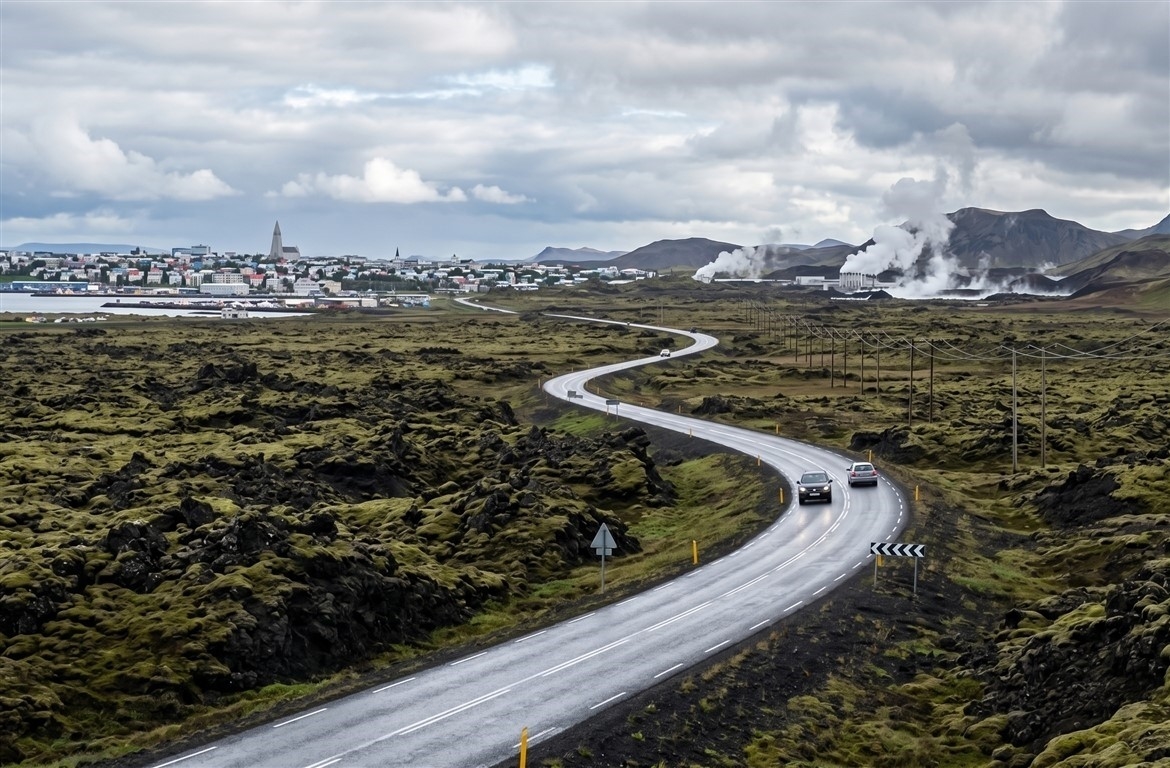
The drive from Reykjavik to the Blue Lagoon is short, but it somehow carries a powerful sense of anticipation and arrival. You leave behind the cozy cafés, bustling harbor, interesting museums, and colorful roofs of the capital. Then, the road simply opens up into a much harsher landscape. Black lava. Patches of moss. Whisps of steam. Low-slung mountains. Utility lines stretching across the horizon. You get this undeniable feeling that the ground beneath you has been busy, shaping itself, long before you ever arrived.
Travelers expecting a lush, manicured spa garden might be genuinely surprised. The beauty here is raw, mineral, almost starkly industrial at its edges. And that contrast? That’s a huge part of the Blue Lagoon’s story. Yes, it’s polished and wonderfully commercial within the visitor experience, but the land all around it still fiercely holds onto its wild Reykjanes character. No palm trees. Absolutely no soft, tropical nonsense. And that’s a very good thing.
The approach road offers tantalizing little previews: walls of ancient lava, fleeting glimpses of pale, milky water, steam rising from places it shouldn’t. Then, the spa complex itself appears, low-slung and modern, cleverly tucked right into the rock. After that unique drive, the very first step into the warm, milky water feels less like “spa time” and more like crossing into an entirely different kind of weather system.
Places Near the Blue Lagoon
The Blue Lagoon is certainly wonderful all on its own, but the surrounding area offers enough to easily fill a more expansive day. Reykjanes truly rewards travelers who appreciate rugged coastal roads, active geothermal ground, and fascinating geological landmarks. Just keep your expectations properly calibrated. This isn’t the Golden Circle. It’s quieter, often darker, definitely windier, and in its own distinct way, far more compelling.
Reykjanes Peninsula
The broader Reykjanes Peninsula is a wild tapestry woven from volcanic systems, steaming geothermal areas, humble fishing settlements, and the dramatic edges of the Atlantic. It’s compact enough to combine with a Blue Lagoon visit, yet so varied that you absolutely shouldn’t treat it as just empty space between Reykjavik and the airport.
A short drive can lead you to bubbling hot springs, towering sea cliffs, historic lighthouses, and stark, beautiful lava fields. Conditions and access can change rapidly, so stick to open roads and marked paths. Lava that looks fresh and tempting is not an invitation to explore. Neither is rising steam.
Bridge Between Continents
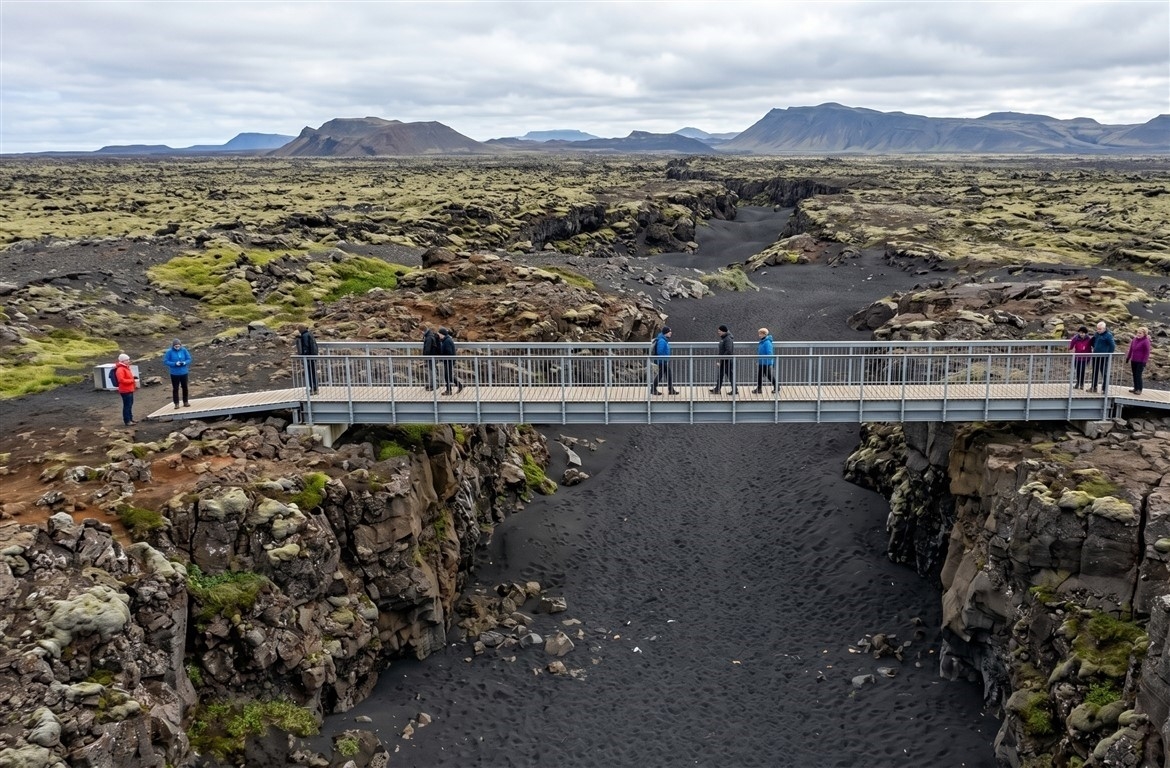
The Bridge Between Continents is a quick, fascinating stop on the Reykjanes Peninsula. It literally spans a fissure between the North American and Eurasian tectonic plates. It’s more symbolic than grand, truly, but travelers absolutely love it because the *idea* behind it is so massive, even if the bridge itself is quite modest.
It pairs really well with the Blue Lagoon if you have a car and a little extra time. Don’t expect a long hike or a major attraction with tons of facilities. It’s a photo opportunity, a quick geology lesson, a place to stretch your legs in the often-fierce wind and just think, “Right, Iceland is absolutely wild.”
Lake Kleifarvatn
Lake Kleifarvatn lies northeast of the Blue Lagoon area, offering a completely different Reykjanes vibe: deep, dark water, stark, bare slopes, and an almost unnerving silence when the wind momentarily drops. The road leading there can be incredibly scenic, though weather can transform the experience in a heartbeat. If conditions are poor, definitely skip the extra loop and keep your day simple.
For serious photographers, the lake can be incredibly striking. For more casual travelers, it’s best integrated into a broader peninsula drive rather than treated as a stand-alone must-see. The Blue Lagoon is the main attraction. Kleifarvatn is its wonderfully brooding side note.
Keflavik
Keflavik often serves as the practical neighbor in many Blue Lagoon plans. The international airport is right there, and the town itself offers plenty of hotels, restaurants, fuel stations, and a much calmer base for late arrivals or early flights. Travelers who’d rather not stay in Reykjavik the night before a morning departure might prefer lodging near Keflavik, then visiting the lagoon to fit their flight schedule.
The town itself isn’t trying to mimic Reykjavik. And that’s perfectly fine. It’s functional, it’s coastal, and it’s incredibly convenient. On a super tight airport day, “useful” beats “charming” by a mile.
Practical Tips Before You Go
A trip to the Blue Lagoon from Reykjavik is a breeze when you handle the small details early. The common mistakes? They’re totally predictable: waiting too long to book, vague pickup arrangements, soggy swimwear crammed badly into luggage, and wildly optimistic airport timing.
- Book admission before transport: Your entry time is the absolute boss of your day. Once that’s locked in, then pick a bus, private transfer, taxi, or rental car schedule that gives you plenty of breathing room. If you’re flying out the same day, plan backward from your flight, not forward from the spa.
- Pack swimwear where you can reach it: This sounds ridiculously simple until your swimsuit is buried under boots, chargers, and an emergency sweater. Bring a waterproof pouch for anything wet afterward. And a good hair conditioner helps a lot, as that mineral-rich water can leave your hair feeling a bit stiff.
- Check road and safety updates: Remember, Reykjanes has active volcanic systems. Plus, Icelandic weather can change the feel of even a short drive in seconds. Always follow official travel and road updates before you head out. If roads or areas are closed, do not try to find a way around the barriers. Seriously.
- Arrive early, but not ridiculously early: Give yourself enough time for parking, checking in, finding your locker, showering, and getting settled. Aim for about 15 to 30 minutes before your entry time; that’s usually a sensible target for most travelers. Add more time if you have luggage, specific mobility needs, children, or a flight scheduled later the same day.
- Keep your post-lagoon schedule light: Warm water makes people wonderfully sleepy. A packed evening after the Blue Lagoon might look efficient on a spreadsheet, but it’s far less fun in real life. Dinner, a short, gentle drive, or simply checking into your hotel pairs much better than a frantic sightseeing marathon.
Frequently Asked Questions
Is the Blue Lagoon closer to Reykjavik or Keflavik?
The Blue Lagoon is definitely closer to Keflavik International Airport. It’s about 23 kilometers from the airport, while Reykjavik is roughly 49 kilometers away. This close airport proximity is exactly why the lagoon works so well as either the beginning or the grand finale of your Iceland trip.
Can you get there without a car?
Absolutely. Shared bus transfers run regularly, connecting Reykjavik, Keflavik Airport, and the Blue Lagoon. Private transfers and taxis are also readily available. For travelers staying in central Reykjavik without a rental car, the shared bus is typically the easiest and most straightforward planned option.
Is there a direct bus from Reykjavik?
Yes, direct transfer services operate between Reykjavik and the Blue Lagoon. These usually have scheduled departures and offer pickup arrangements tied to hotels or specific city bus stops. Make sure to check the current timetable before you book your admission, as your transport and entry times really need to sync up.
How much is a taxi likely to cost?
A taxi from Reykjavik to the Blue Lagoon is generally quite expensive, mainly because the distance is around 49 kilometers. Fares can fluctuate based on the time of day, vehicle type, any waiting time, and specific tariff rules, so it’s always best to get a direct quote from a taxi company rather than just guessing. For planned travel, shared transfers or rental cars usually offer much better value.
Is the drive easy?
The drive is quite easy under good conditions. Roads are paved, and the route is very straightforward. However, weather is the ultimate wild card. Strong wind, snow, ice, and low visibility can significantly slow down the journey, especially during winter months. Always check road conditions before leaving Reykjavik, and always allow extra time if the forecast looks rough.
Can you visit on the way to the airport?
Yes, visiting the Blue Lagoon before your flight is actually one of the most common and popular ways to include it in your itinerary. Remember, the lagoon is much closer to Keflavik Airport than Reykjavik is. Just be sure to allocate plenty of time for showering, drying your hair, repacking any wet swimwear, driving to the airport, and completing all your airline check-in procedures.
How early should you arrive?
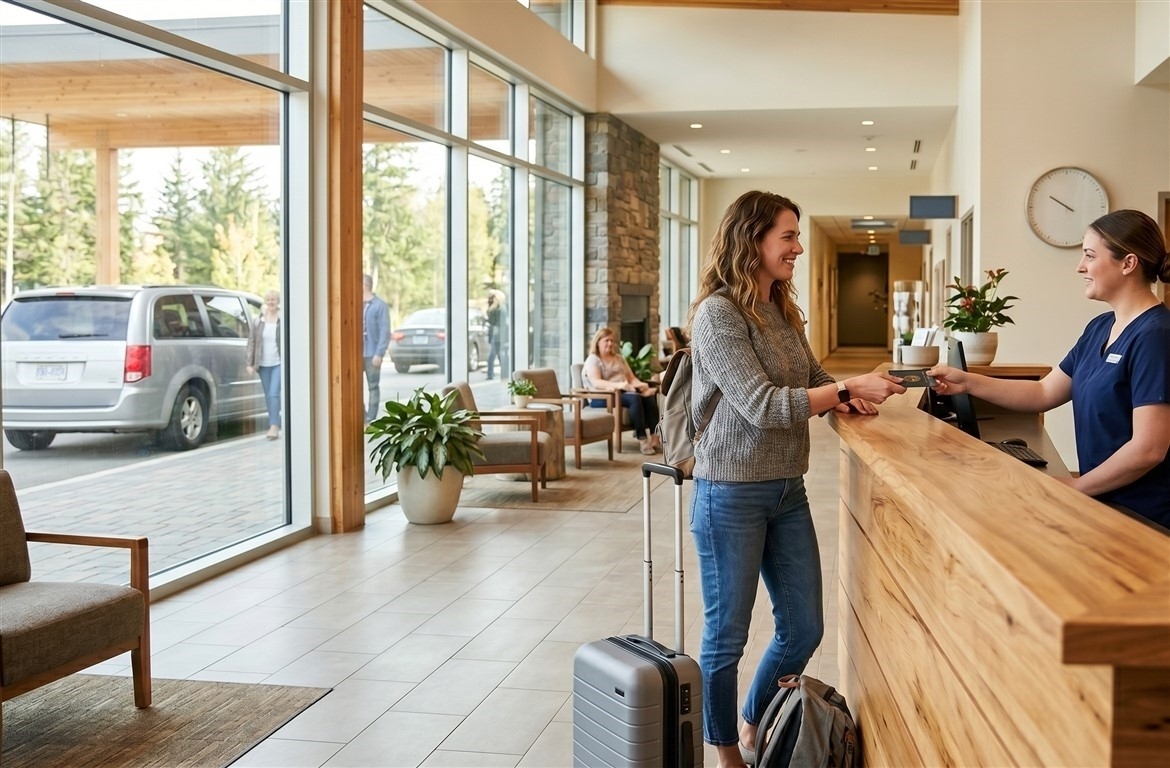
Arrive with enough time to park or meet your transfer drop-off, check in, change, shower, and get completely settled. Aim for about 15 to 30 minutes before your scheduled entry time; that’s a perfectly sensible target for most travelers. Add even more time if you have luggage, specific mobility needs, are traveling with children, or have a flight scheduled later the same day.
A Smart Way to Fit It Into Your Trip
The Blue Lagoon is close enough to Reykjavik for a delightful, easy outing. And it’s also close enough to Keflavik Airport to become a genuinely clever stop on a travel day. That’s its real superpower when you’re planning. Think of it as an integral part of your route, not just a random add-on. From the capital, expect around 45 to 50 minutes on the road.
0 Comment