

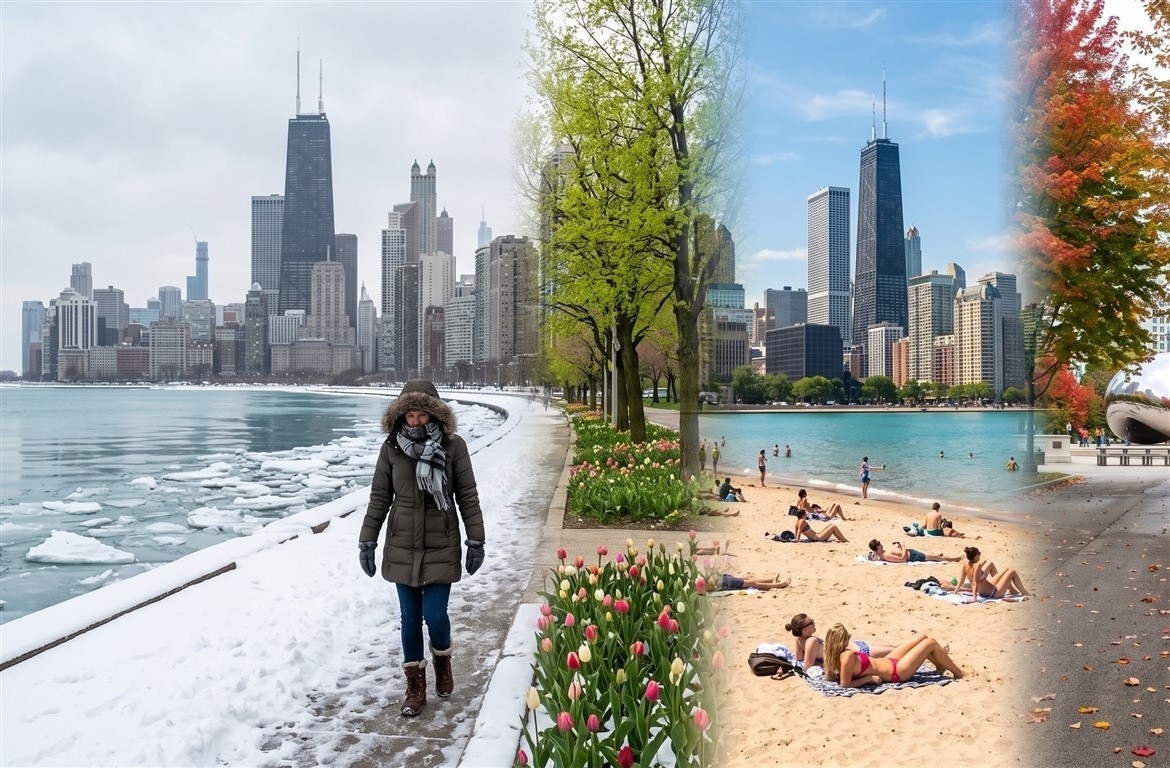

Is Chicago Cold? Seasons & What to Expect
Absolutely, Chicago gets seriously cold in winter. We’re not talking a little brisk. Think frozen sidewalks, a lake wind that just slices through flimsy coats, and those mornings where your bare hands regret everything after a single city block. But here’s the kicker: it’s not cold all year, despite what you might hear. That part often gets blown way out of proportion. Chicago actually boasts sweltering summers, those dreamy, gentle autumn days, muddy, messy spring weeks, and then, yes, winter spells that can feel like something straight out of a dramatic movie.
For visitors, the real scoop is pretty straightforward: Chicago truly is a four-season city, and one of those seasons is a seriously intense winter. From December right through February, expect freezing temperatures. Snow is a regular feature. And wind chill? Oh, that completely transforms the entire vibe of the street. Yet, by July, this very same city can be steamy, brilliantly sunny, buzzing with activity around lakefront beaches, packed rooftop bars, roaring baseball crowds, and people who behave as if February just never even happened. It’s quite the contrast.
Is Chicago Cold All Year?
Nope. Chicago isn’t cold year-round. This city, nestled in the Midwest on the southwestern edge of Lake Michigan, experiences dramatic climate swings with each passing season. Winter, predictably, brings frequent air temperatures well below freezing. Spring, on the other hand, rolls in quite haphazardly. Summers can range from pleasantly warm to downright hot, often featuring muggy afternoons and sudden thunderstorms. Autumn? That’s typically the clearest, most comfortable season for strolls, enjoying meals outdoors, and taking in the lakefront views without needing a mountain of layers.
The whole “Chicago is always cold” myth stems directly from its formidable winter reputation. Honestly, a January visit can leave a lasting impression. You land at O’Hare, step outside, get slapped by a gust of wind, and suddenly, you totally get the nickname. Then, locals might casually mention that July can hit the 80s Fahrenheit and feel incredibly humid. Believe them. Both experiences are completely authentic.
How Chicago’s Cold Compares
Chicago definitely feels colder than New York City during winter, on average. It usually doesn’t reach the brutal lows of Minneapolis, but honestly, it can *feel* harsher than the temperature numbers suggest. Why? The wind, wide-open streets, and constant lakefront exposure make a huge difference. Boston gets its own raw, damp coastal storms. Detroit’s climate is pretty similar. Chicago’s true winter character comes from its unique blend: frigid air, snow, relentless wind, slippery ice, and a dense urban landscape where visitors spend significant time outside, moving between trains, museums, restaurants, hotels, and vibrant neighborhood stops.
Why Chicago’s Weather Gets a Bad Rap
Chicago earned its tough winter reputation through sheer consistency. Cold snaps arrive like clockwork. Snow quickly turns curbs a dirty gray. Wind whips and howls, creating tunnels between the towering downtown buildings. Lake Michigan can even make one neighborhood feel significantly colder than another on the very same afternoon. Here, the weather isn’t just background noise. It dictates your commute, your clothing choices, when you plan your visit, where you book your hotel, the routes you walk, and even how long you’ll happily linger on a bridge for that perfect skyline photo.
Chicago Climate Snapshot
Chicago enjoys a humid continental climate. What does that mean for you? Expect dramatic seasonal contrasts, seriously cold winters, wonderfully warm summers, and precipitation happening pretty much year-round. The city isn’t tucked away behind mountains or warmed by a benevolent ocean current. Arctic air masses can swoop south into Illinois. Likewise, warm, humid air can surge north from the Gulf region. Storm systems constantly track across the central United States, bringing quick, sometimes jarring, weather changes.
Key Climate Factors Shaping Chicago
Latitude, its inland location, common storm tracks, and the undeniable presence of Lake Michigan all play huge roles in shaping Chicago’s weather. Winter temperatures frequently dip below freezing, then might briefly thaw, only to freeze solid again. This freeze-thaw dance seriously impacts sidewalks and roads. Come summer, that very same geography allows warm air to build and settle over the city. Thunderstorms can roll through with impressive speed, leaving the streets steaming in their wake.
The Lake Michigan Factor
Lake Michigan isn’t just pretty scenery; it actively changes the air. In spring, the lake holds onto its winter chill, often keeping shoreline areas notably cooler than neighborhoods further inland. During summer, those lovely lake breezes can give downtown and the North Side lakefront a welcome reprieve from the heat. In the colder months, the lake sometimes fuels specific snow bands, though typically, Chicago sees less lake-effect snow than some parts of Michigan or northern Indiana.
Origin of the “Windy City” Tag
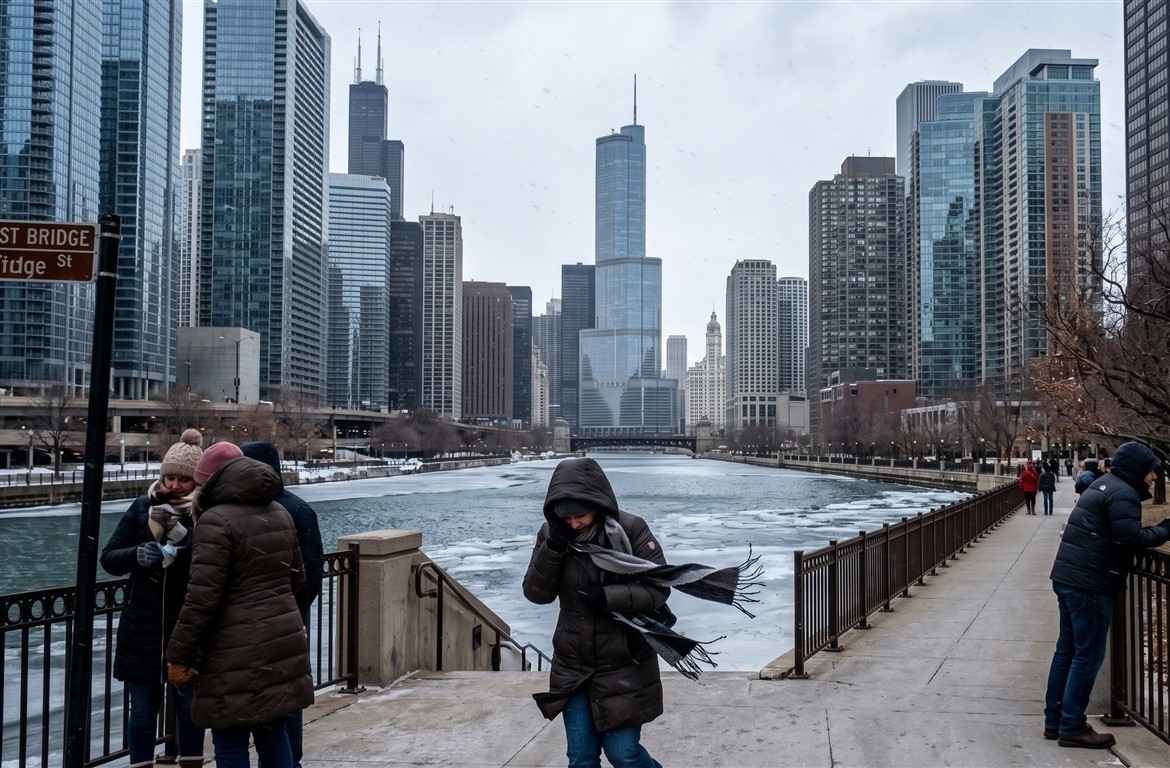
The nickname “Windy City” actually carries a fair bit of political and historical baggage, not just a simple weather explanation. Still, visitors can’t help but notice the wind. Downtown buildings create impressive wind tunnels. Open river crossings and lakefront paths feel exposed. Broad avenues seem to amplify gusts, making them feel almost personal. In winter, this wind becomes far more significant than a mere nickname. A temperature hovering around freezing might feel perfectly manageable in calm air. But add a sharp, cutting gust off the lake, and that same walk suddenly feels much, much nastier.
Winter Chill in Chicago
Chicago’s winter typically stretches from December through February, though chilly weather often spills into late November and March. January consistently ranks as the coldest month based on average temperatures. During winter, typical daytime highs usually hover right around freezing, while nighttime lows plunge well below that. And when strong cold waves hit, temperatures can easily fall below zero Fahrenheit.
Average Winter Temps
In January, Chicago usually sees daytime temperatures in the low 30s Fahrenheit, dropping to the upper teens at night. December definitely brings cold, but it’s rarely the absolute deepest part of winter. February kicks off with a harsh bite, though you can feel the daylight slowly starting to win. March can still be quite nippy. If you’re planning a trip, consider “early March” more like “winter-adjacent” — definitely not spring in that cheerful, brochure-perfect sense.
Snow, Ice, and Wind Chill
Chicago gets measurable snow most winters. The annual snowfall averages around 30 to 40 inches, though total amounts can swing wildly from year to year. Some winters deliver frequent light snowfalls that quickly turn to slush. Others bring massive storms, requiring serious shoveling, and causing frustrating airport delays. Ice, however, is the real sneaky hazard. A thin, glazed sidewalk near a train station can be far more treacherous than a picture-perfect, fluffy snowstorm.
Wind chill absolutely demands your respect. It’s a measure of how cold the air actually feels on your exposed skin because the wind rapidly strips away body heat. A 25°F day can feel dramatically colder with a stiff wind blowing. For visitors, this difference becomes apparent almost instantly: watery eyes, numb fingers, red cheeks, and that stiff-shouldered winter walk that locals know all too well.
Extreme Cold
Chicago’s official record low plummeted to -27°F back in January 1985. Now, that level of cold isn’t your typical travel day, but deep freezes certainly happen. Subzero temperatures are more common during Arctic outbreaks. When these occur, schools, transit agencies, airports, and city services shift into full cold-weather emergency mode. The city has also endured some truly massive winter storms, including historic snow events that completely paralyzed streets, transit, and flights for days.
Hypothermia & Cold Safety
Cold weather can quickly turn dangerous, especially if your skin is exposed, your clothing gets wet, or you stay outside for too long. The risk of hypothermia skyrockets when your body loses heat faster than it can produce it. Frostbite risk also climbs during severe cold and powerful winds. Travelers should never treat Chicago’s cold as a cute inconvenience. It’s totally manageable with the right clothing and smart planning. But it’s definitely not a joke.
Chicago Weather, Season by Season
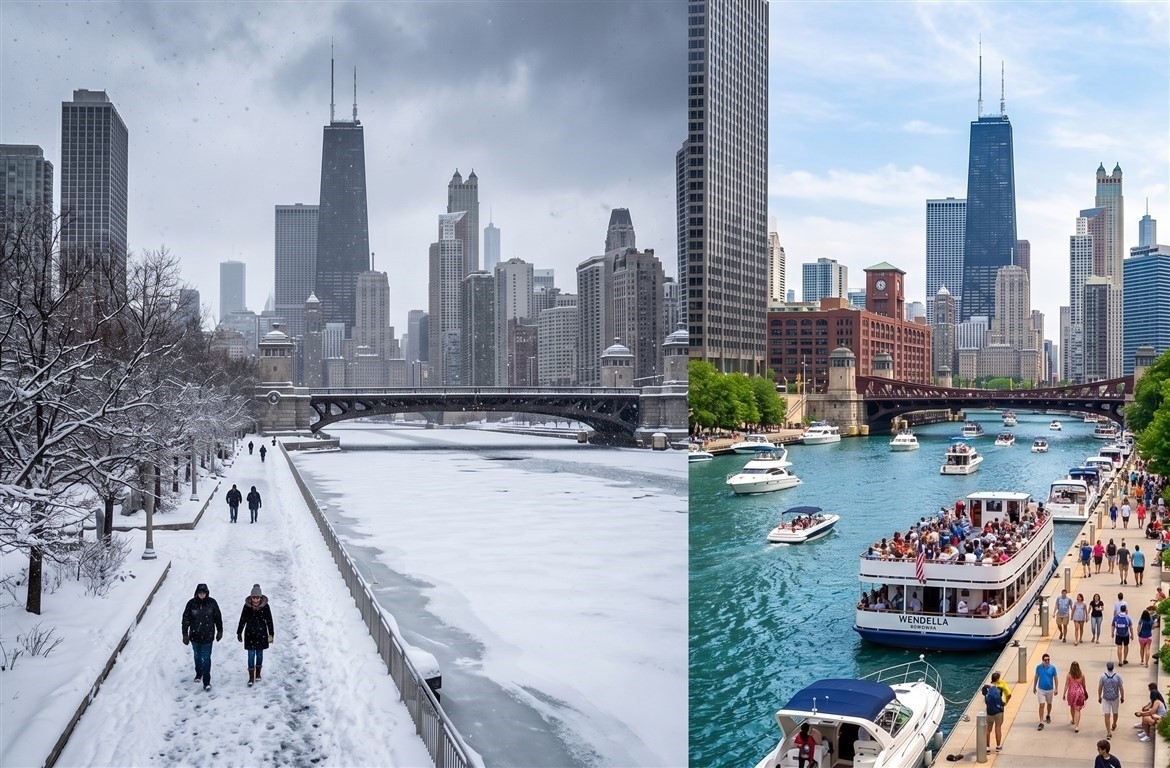
Chicago truly transforms with each season. That same riverwalk that feels icy and deserted in January might be absolutely teeming with boat tours in June. The lakefront trail shifts from wind-battered desolation to sun-drenched pathways. Restaurant patios disappear, then magically reappear. The weather really sets the city’s entire rhythm.
| Season | Typical Feel | Traveler Notes | Packing Focus |
|---|---|---|---|
| Winter | Cold, windy, snowy at times | Plan indoor stops and shorter walks | Insulated coat, hat, gloves, boots |
| Spring | Changeable, cool near the lake | Expect sudden shifts and wet streets | Light layers, rain shell, closed shoes |
| Summer | Warm, humid, sunny | Good for beaches, parks, festivals | Breathable clothes, sunglasses |
| Autumn | Crisp, mild, windy later | Strong season for walking and food trips | Sweater, jacket, comfortable shoes |
| Late Fall | Chilly, gray, early winter hints | Holiday travel begins, nights cool fast | Warm layers, scarf, weatherproof shoes |
Winter
Winter is the reason everyone asks, “Is Chicago cold?” December arrives with festive holiday lights and the first real chances of snow. January quickly becomes the toughest month. February can just feel endless, even when the calendar promises spring is close. But the city keeps going. Trains run. Restaurants fill up. Museums stay busy. People just dress like they mean it.
Spring
Chicago springs are usually a bit of a mess. One day feels wonderfully gentle; the next is raw and biting. Lake Michigan delays the warm-up right near the shore, so downtown can often be noticeably cooler than inland suburbs. April might bring rain, wind, blooming flowers, and even a touch of winter leftovers all in the same week. May generally improves significantly, becoming much livelier, greener, and far less grumpy.
Summer
Summer is warm, and yes, Chicago can get really hot. Highs consistently in the 80s Fahrenheit are completely normal for July. Heat waves can push those temperatures even higher. Humidity often lingers after storms. The lakefront truly becomes the city’s escape valve: offering beaches, parks, bike paths, boat tours, and long, glorious evenings right by the water.
Autumn
Autumn is Chicago’s glorious reward. September often carries a pleasant summer warmth without the oppressive humidity. October brings crisp air, stunning lakefront colors, and those perfect football-weather mornings. November definitely leans colder and darker. By late fall, locals start digging out their heavy coats, sturdy boots, and checking their heating systems. Winter isn’t officially here yet. But you can practically feel it walking up the driveway.
Coldest Months
The coldest period usually stretches from late December through February, with January squarely at its center. Tourists who can’t stand the cold should probably steer clear of mid-January unless they’re after cheaper hotel rates, a genuine winter atmosphere, and relatively empty sidewalks near the lake. Folks who adore cities in rough weather, however, might find it incredibly memorable. A little dramatic? Sure. But unforgettable all the same.
December Weather
December kicks off the deep winter pattern. Highs often hover in the 30s Fahrenheit. Nights consistently drop below freezing. Snow chances increase, though a major accumulation isn’t a given. Downtown feels incredibly festive, with ice skating rinks, dazzling holiday window displays, twinkling lights, bustling markets, and that lovely urban illusion that cold weather is utterly charming. Give it twenty minutes outside, though, and that charm quickly demands a warm café.
January Weather
January is Chicago’s undisputed coldest month. Average temperatures hit their lowest point, Arctic air outbreaks are most probable, and wind chill can easily turn what should be a normal walk into a serious test of your gloves. For travelers, January absolutely requires proper winter clothing. A stylish coat without insulation just won’t cut it. Neither will flimsy sneakers on icy pavement.
February Weather
February stays cold, though the days gradually grow longer. Snow remains a distinct possibility. Ice is still a common sight. By this point, the city can sometimes look a bit tired: salt stains everywhere, dirty snowbanks, perpetually gray skies. Then, out of nowhere, a crystal-clear blue day arrives, the sun hits the river just right, and Chicago snaps back into sharp focus. Cold, yes. But undeniably sharp.
Is Chicago Windy? Does It Intensify the Cold?
Chicago’s wind can make cold weather feel significantly, profoundly worse. While the city might not technically be the windiest place in the United States by every metric, the actual lived experience downtown tells a powerful story. A sudden gust on Michigan Avenue, crossing a river bridge, or waiting on an exposed CTA platform can instantly wipe out any confidence you had in your winter outfit.
Understanding Wind Chill
Wind chill is all about how fast you lose body heat. Moving air strips warmth from exposed skin far more rapidly than still air. That’s precisely why a dry 28°F afternoon might feel perfectly tolerable on a sheltered neighborhood street but downright nasty near the lake. The number you see on your phone’s weather app is only half the story. Always check the “feels like” temperature before embarking on any long walks.
Lake Breeze & Temperature Shifts
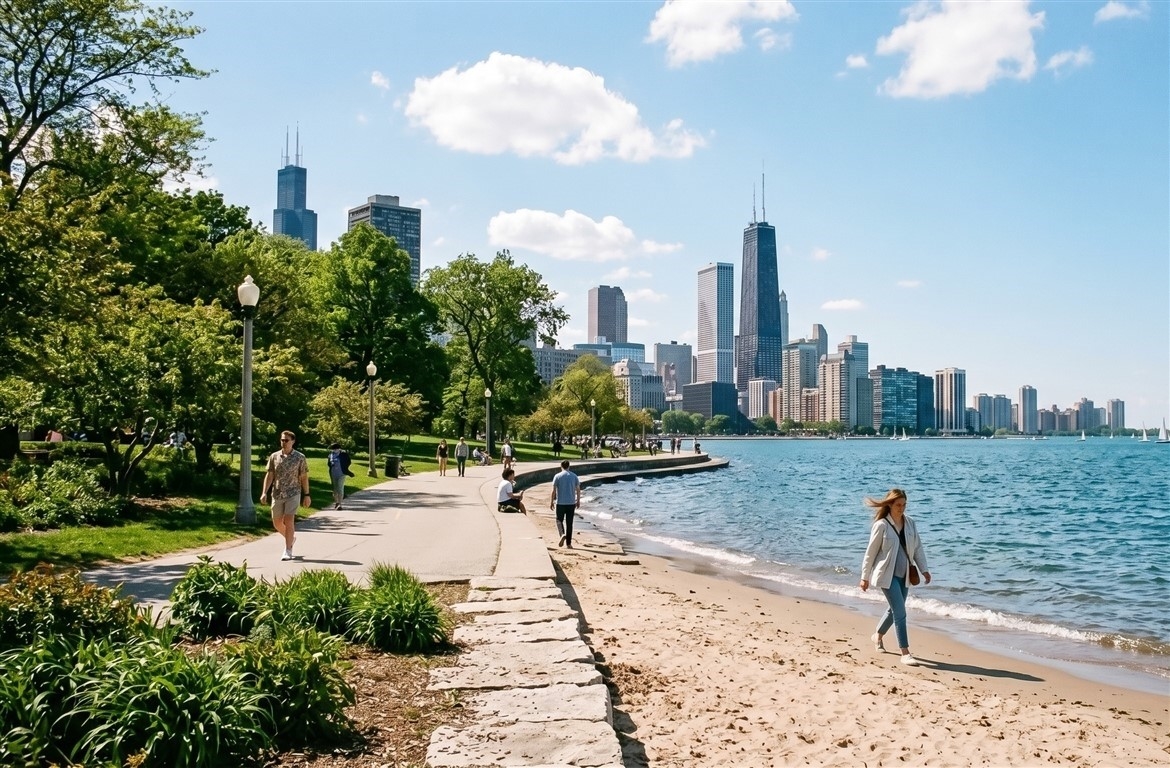
Lake breezes can dramatically cool shoreline neighborhoods, especially during spring and early summer. A visitor might leave a warm inland area and arrive downtown only to find a refreshing, much cooler breeze waiting near the water. In winter, the lakefront can feel incredibly raw because the open water and vast open spaces give the wind plenty of room to really pick up speed. The skyline looks amazing from the shore. Your ears, however, might strongly disagree.
What to Wear in Chicago Cold
When it comes to winter clothing in Chicago, practicality should always trump style. This city truly rewards smart layering. It will, however, punish optimism. A genuinely warm coat, a well-covered head, insulated gloves, and sturdy, decent footwear will transform your trip from a survival march into normal, enjoyable sightseeing.
Essential Winter Clothing
- Insulated outerwear: Pick a coat that covers your torso effectively and does a great job of blocking the wind. Down or synthetic insulation both perform well. A hood is incredibly helpful during snow, freezing rain, and those particularly unpleasant, sideways gusts you get near open intersections.
- Warm accessories: A hat, a scarf or neck gaiter, and gloves are absolutely non-negotiable in January. Mittens often provide more warmth than gloves. Touchscreen gloves are handy, but many are simply too thin for extended outdoor time.
- Footwear with grip: Sidewalks might be wet, heavily salted, slushy, or dangerously icy. Water-resistant boots with good traction will always outperform smooth-soled fashion shoes. Cold toes can quickly ruin even the most expensive museum day, long before lunch.
- Layered clothing: Start with a warm base layer, add a sweater or fleece, then top it off with a wind-blocking coat. Indoor spaces are well-heated, so layers make navigating restaurants, trains, and shops much more comfortable.
Dressing for City Walking
Dress for the chilliest part of your day, not the warmest. Think about it: a walk from your hotel to the train, waiting on an exposed platform, crossing a wide bridge, then standing outside a restaurant—all these little moments add up. Jeans alone can feel surprisingly cold in a strong wind. A thermal layer worn under your pants makes a huge difference during long sightseeing days. Always keep your neck covered; heat escapes rapidly from there, and cold air just seems to sneak in like it owns the place.
Outdoor Warmth Tips
- Integrate indoor breaks into your itinerary. Pair outdoor sights with museums, cozy cafés, unique shops, beautiful conservatories, or bustling food halls. Chicago offers plenty of fantastic places where you can warm up without feeling like you’re wasting valuable time.
- Consider public transit with weather in mind. The CTA is incredibly useful, but remember that elevated platforms can be very exposed. Rideshare services can be a smart choice late at night, during freezing rain, or when the wind chill drops dramatically.
- Pay attention to the ground. Snow is obvious. Ice, however, is not. Those darker, wet-looking patches near curbs, train stairs, and building entrances can be incredibly slick. Walk like a local after an ice storm: shorter steps, less swagger, more caution.
Moving or Visiting Chicago in Winter
Winter travel to Chicago can be absolutely fantastic if you arrive with the right expectations. Hotel prices might even be lower outside the peak holiday periods. Museums feel particularly welcoming. And honestly, deep-dish pizza just makes more sense when the air outside physically hurts. Still, flights can face delays during snowstorms, sidewalks can make hauling luggage a nightmare, and any outdoor plans absolutely need a solid backup.
Winter Moving Advice
Moving during a Chicago winter definitely adds a layer of difficulty. Parking can become incredibly challenging after a snowfall. Alley access might be icy. Loading zones turn into slushy messes. Your precious moving boxes do not appreciate getting wet. Anyone relocating apartments should meticulously protect their floors, wrap fragile items securely against moisture, and allow significantly more time than they would in, say, September. Cold weather has a knack for turning small delays into much bigger headaches.
Prepping for Snow & Freezing Temps
Make sure to check the forecast daily during the week leading up to your trip. Pay close attention to projected snow totals, wind chill values, and airport status updates. For road trips, always keep windshield fluid rated for freezing conditions, a sturdy ice scraper, warm clothing, and a fully charged phone with you. For flights, morning departures are often a safer bet during active weather, as delays tend to accumulate throughout the day.
Staying Active & Safe in the Cold
Chicago absolutely does not shut down for ordinary winter weather. You’ll still see people jogging along the lakefront, ice skating downtown, visiting markets, and walking their dogs in temperatures that would astonish many visitors. The key is pacing yourself. Short bursts of outdoor activity work far better than trying to be a hero and wander around all day. Warm up before your fingers go numb. Eat something hearty. And don’t forget to drink water; cold weather often masks dehydration.
Chicago vs. Harsh Winter Cities
Chicago is undeniably one of America’s major cold cities, but it’s certainly not alone. The upper Midwest and Northeast are home to several cities that experience genuinely serious winters. What truly sets Chicago apart is its sheer scale: a massive urban center, world-renowned architecture, heavy tourism, those exposed lakefront spaces, bustling airports, and weather that can swing from merely tolerable to brutally rough in the blink of an eye.
| City Comparison | Winter Feel for Travelers |
|---|---|
| Chicago vs New York | Chicago is colder on average in winter and usually feels windier in exposed downtown areas. |
| Chicago vs Minneapolis | Minneapolis is colder overall, with deeper winter lows and a more consistently severe season. |
| Chicago vs Boston | Boston has coastal storms and damp cold; Chicago has stronger Midwestern cold snaps. |
| Chicago vs Detroit | The two are fairly close, though Chicago’s lakefront and downtown wind shape visitor perception. |
| Chicago vs Denver | Denver can get heavy snow, but winter sun and dry air often change the feel quickly. |
Factors Making Winters Feel Severe
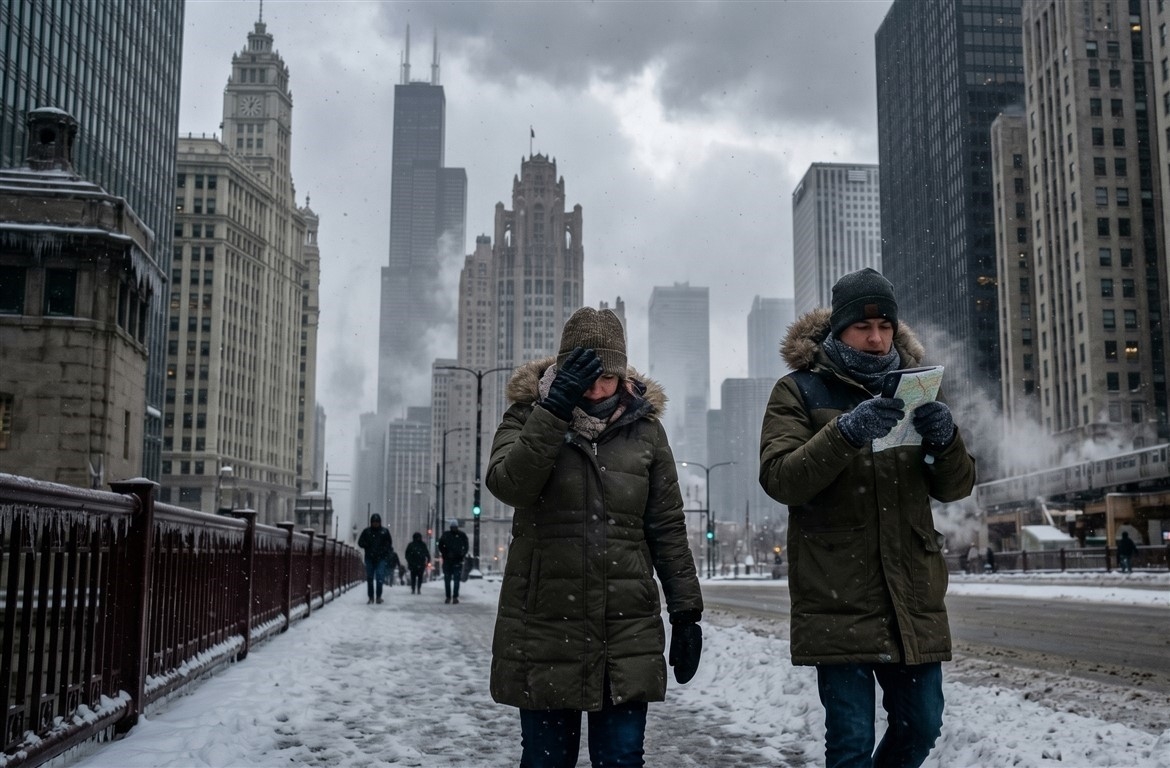
Temperature is genuinely just one piece of the puzzle. Wind speed, humidity levels, cloud cover, snow depth, ice, available daylight, and how much time you actually spend outside—all these elements drastically alter the experience. Chicago visitors walk a lot. They cross bridges, wait for trains, tour campuses, stand in museum lines, snap skyline photos, and hunt for delicious food. The cold simply feels more intense when your entire day is built around constant movement.
One of the Coldest Big Cities?
Among the United States’ large cities, Chicago absolutely belongs in the “cold-winter” club. It’s significantly colder than many coastal and southern cities, yet generally warmer than the most extreme northern cities. And it’s famous enough that its weather stories have traveled far and wide. This reputation isn’t fake. It’s just incomplete, because Chicago also gives you incredible beach days, sticky humid nights, and long, vibrant summer evenings when the lakefront is absolutely teeming with life.
Chicago Temperature Extremes
Weather records truly show the extremes Chicago can reach. The city’s all-time low of -27°F occurred during a brutal Arctic outbreak in January 1985. Major snowstorms have also deeply embedded themselves in local memory, like the infamous 1967 storm that dumped over 20 inches, paralyzing the city for days. These extreme events aren’t everyday conditions, but they definitely define the outer limits of what this city can dish out.
Record Cold Temps
Subzero cold isn’t an annual travel guarantee, yet it shows up often enough that you should plan seriously for winter visits. During severe cold events, exposed skin can be at risk incredibly quickly. Public agencies frequently open warming centers, issue stern cold advisories, and strongly urge residents to check on older adults, neighbors, and anyone without reliable heating.
Record Snow & Winter Storms
Chicago snowstorms can range from picture-postcard pretty to absolutely paralyzing. Just a few inches can make the city look wonderfully photogenic while simultaneously slowing everything down. A major storm, however, can bring airports, highways, buses, trains, and sidewalks to a grinding halt. O’Hare and Midway are well-versed in winter operations, but heavy snow, abysmal visibility, howling high winds, or widespread ice can still completely disrupt schedules. Travelers should always build in extra buffer time for winter trips, because the weather simply doesn’t care about your dinner reservations.
Tips for Chicago Cold Weather
The best strategy for a Chicago winter isn’t complicated at all: dress smartly, check the forecast regularly, embrace the city’s incredible indoor attractions, and keep your plans flexible. The cold becomes far less intimidating when your day is structured around exploring specific neighborhoods rather than embarking on long, exposed walks. Pick a home base, then move around in manageable clusters.
Home & Travel Prep
For visitors, booking a hotel close to public transit or right in the middle of your main activity area significantly cuts down on cold exposure. For new residents, home preparation means thoroughly checking your heating system, sealing up any drafty windows, learning the local snow removal rules, and keeping essential winter gear right by the door. A small shovel, some ice melt, and a thick doormat might seem like boring purchases. But then that first big storm arrives, and suddenly, boring becomes absolutely brilliant.
Checking Weather Updates
Chicago weather can flip on a dime. Rely on hourly forecasts, not just those general daily highs. Keep a sharp eye on wind chill figures, the exact timing of snow, any freezing rain warnings, and those curious lakefront temperature differences. A forecast high of 34°F absolutely doesn’t guarantee a comfortable day if the morning starts off icy and the wind is just whipping through the streets.
When to Seek Shelter/Help
If anyone feels confused, intensely tired, clumsy, or profoundly cold after exposure, they need warmth immediately. Shivering that suddenly stops while still in the cold is a serious warning sign. During severe weather, use any heated public spaces you can find: transit stations (when safe), libraries, museums, stores, hotel lobbies, or officially designated warming locations. Do not hesitate to call emergency services if you suspect someone might have hypothermia or frostbite.
FAQ
Is Chicago Colder Than NYC?
Yes, Chicago is colder than New York City in winter on average. New York definitely experiences cold spells and snow, but Chicago typically has lower winter temperatures and more significant wind chill issues, largely due to its inland Midwestern location and direct exposure near Lake Michigan.
What’s Chicago’s Coldest Month?
January is consistently the coldest month in Chicago. Average daytime temperatures usually hover right around freezing, nights plunge well below, and Arctic outbreaks can push temperatures dramatically lower for brief periods.
Does Chicago Get Much Snow?
Chicago gets regular winter snow, with annual averages generally in the range of 30 to 40 inches. Some winters are lighter, while others bring repeated, heavier storms. Snow isn’t present every single day, but it’s absolutely a normal and expected part of the season.
Why Does Chicago Feel So Cold?
Chicago feels so cold because its winter temperatures combine with significant wind, expansive open lakefront areas, wind-tunneling downtown building corridors, treacherous icy surfaces, and the need for long outdoor movements between transit stops and various attractions. Wind chill dramatically changes the perceived temperature almost instantly.
Is Chicago Cold in Spring?
Spring can certainly be cold, especially in March and early April. Lake Michigan typically keeps shoreline areas cooler, and rapid weather swings are quite common. May usually brings much more comfortable conditions, though cool lake breezes can still catch visitors by surprise.
Is Chicago Cold in Summer?
No, Chicago summers are warm and can often be quite humid. July highs routinely reach the 80s Fahrenheit, and heat waves can push temperatures even higher. The lakefront often provides cooler air on many days, but summer is definitely not a cold season here.
How to Dress for Chicago Winter?
Wear an insulated coat, a warm hat, sturdy gloves or mittens, a scarf or neck gaiter, layered clothing, and water-resistant boots with good traction. Thin sneakers and lightweight jackets are simply terrible choices for January sightseeing.
Is a Winter Visit to Chicago Safe?

0 Comment