

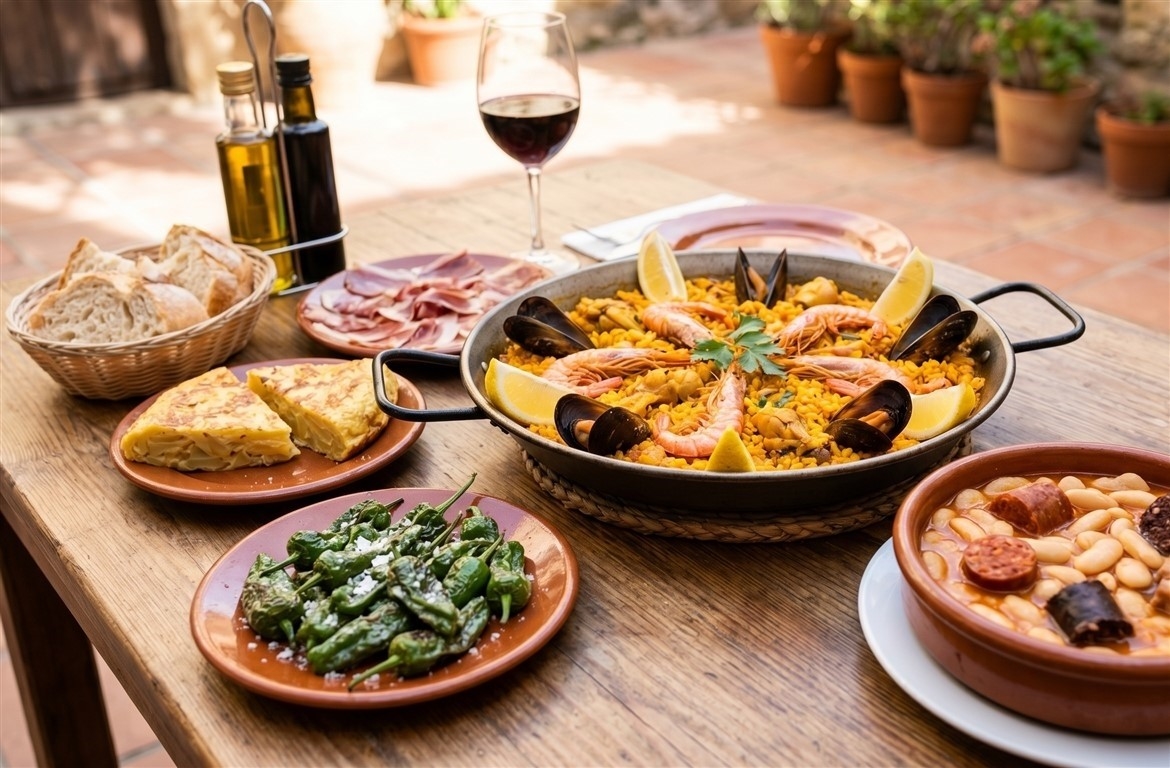

Foods of Spain: Essential Dishes to Savor
Spanish food just refuses to stay put. One moment, your plate smells of saffron and sea breeze, a whisper of the coast. The next, you’re digging into a hearty bean stew from the green north, perfectly built for a rainy day, a cozy wool sweater, and a long, lingering afternoon. Then, out of nowhere, someone hands you a tiny fried pepper, delightfully blistered and salty, and suddenly, the entire meal shifts direction. It’s an adventure on every plate.
For anyone visiting in 2026, eating in Spain remains one of the clearest paths to truly understanding the country. This isn’t about a single “national flavor,” because Spain simply doesn’t eat that way. Valencia has its iconic rice. Galicia boasts incredible octopus and shellfish. Andalusia brings cold soups, rich olive oil, crispy fried fish, and all the customs of sherry country to the table. The Basque Country lines up pintxos like edible art installations. Catalonia, with its stubborn sense of identity, serves up fantastic seafood, sausages, and unique sauces. And that stubbornness? Sometimes, it’s exactly what good food needs.
Exploring Spanish Cuisine
Traditional Spanish cooking really leans on local goodness: think olive oil, fresh bread, rice, pork, legumes, amazing seafood, eggs, seasonal veggies, and plenty of slow-cooked dishes when patience is key. But it also has a quick, bright side. Picture a slice of tortilla at a bustling bar, olives before lunch, anchovies on toast, or prawns sizzling in fragrant garlic oil. Delicious.
Geography literally writes half the menu here. Spain offers Atlantic coastlines, Mediterranean shores, vast dry inland plains, ancient mountain villages, fertile river valleys, charming islands, sprawling vineyards, and historic trading ports. Roman agricultural techniques, Moorish irrigation and exotic spices, subtle Jewish culinary influences, and New World ingredients like tomatoes and potatoes all mixed with centuries of distinct regional cooking. This history shaped the Spanish table. No single story truly fits, which is its charm, and frankly, the pitfall for anyone who tries to boil it all down to just paella and sangria.
Olive oil? It deserves its own quiet round of applause. Spain is the world’s biggest producer, and it shows up everywhere: on morning toast, in warming stews, drizzled over grilled vegetables, starring in fried seafood, dressing fresh salads, even hidden inside a gazpacho. Bread matters too. A simple slice rubbed with tomato in Catalonia, a crusty piece next to a comforting fabada in Asturias, or a quick bocadillo grabbed from a bar in Madrid. It looks so plain, until it absolutely isn’t.
Spanish Dining Habits & Traditions
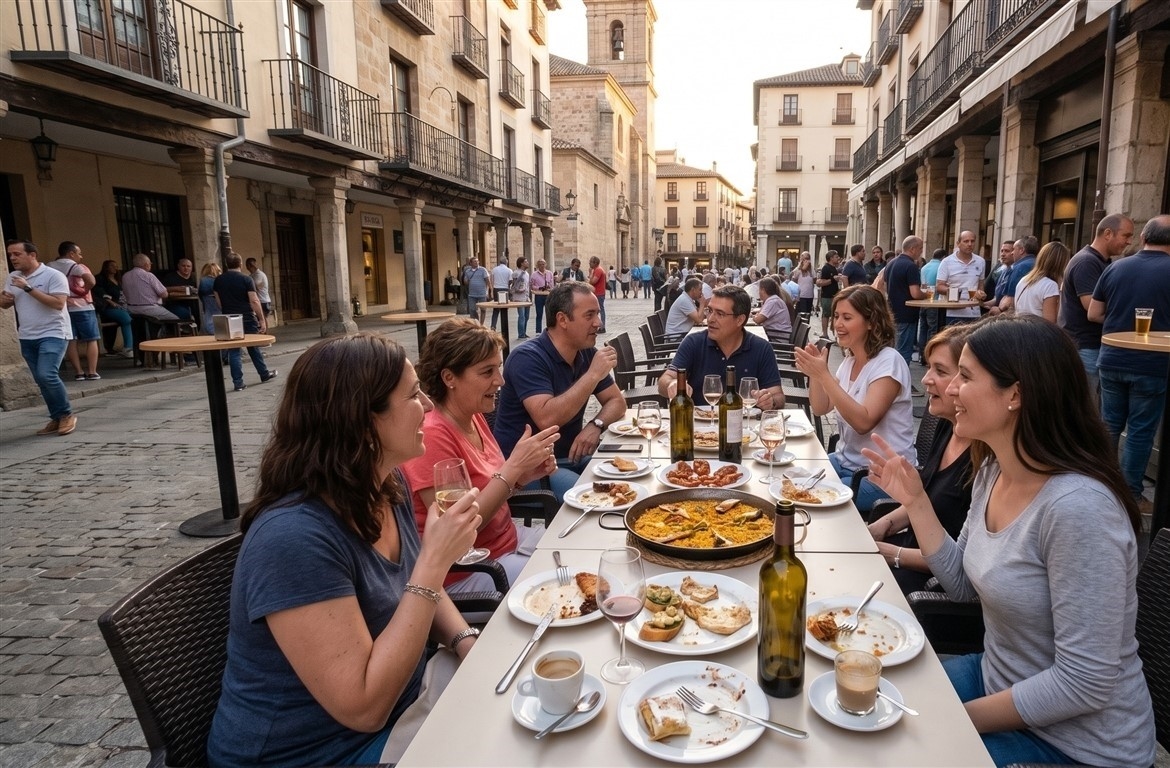
Meal times might just catch first-time visitors off guard. Lunch often serves as the day’s main, heavier meal, and dinner tends to kick off much later than many travelers anticipate. Bars fill up in waves. A quick coffee in the morning, a tiny bite before lunch, a long, leisurely midday meal, then tapas or dinner well after dark. While tourist hotspots might bend this schedule, the local rhythm still holds serious weight.
Tapas culture isn’t just about small plates; it’s about movement. One bar for anchovies. Another for croquetas. Maybe another for patatas bravas, followed by a glass of vermouth or a crisp, cold beer, before someone declares the night is far too young to end. In the Basque Country, pintxos are piled high on counters, adorned with skewers, bread, seafood, peppers, eggs, and cured meats. You just point, order, eat, chat. Then you repeat the process.
Then there’s “sobremesa,” that wonderful time spent lingering at the table after a meal. Coffee appears. Plates stay. No one rushes, as if the table were a busy train platform. A visitor who truly grasps this aspect of Spanish food culture learns so much more than any menu could ever teach.
Popular Spanish Dishes
The very best Spanish dishes aren’t always fancy or ceremonial. Some are wonderfully homely. Some are a bit messy. Some show up in simple clay dishes or on practical wax paper. A few have become global sensations, but experiencing them in their proper region, in season, and at the right pace, completely transforms their story.
Paella
Paella is famously linked to Valencia, a region where rice fields near the Albufera lagoon birthed one of Spain’s most significant food traditions. Now, classic Paella Valenciana isn’t just “rice with seafood.” Its authentic version features short-grain rice, saffron, olive oil, green beans, garrofó beans, rabbit, chicken, and sometimes, even snails. While seafood paella is widely available along the coast and a big hit with tourists, in Valencia itself, locals draw very clear lines about what truly qualifies as proper paella.
This dish works because the rice itself is crucial. It soaks up all that delicious broth, smoky flavors, rich fat, and saffron. That coveted crispy crust at the bottom, called socarrat, is the part everyone secretly vies for. A truly excellent paella is typically cooked wide and shallow, never piled high. If yours arrives looking like a yellow mountain dotted with random seafood, proceed with caution. Or maybe, just keep walking.
Tapas
Tapas are small portions served at bars all across Spain, though their style certainly changes by region. In Andalusia, a tapa might even come free with your drink in certain cities. Madrid’s tapas bars can be loud, fast-paced, and gloriously sticky underfoot. In San Sebastián, pintxos have their own distinct identity, often more elaborate, artfully arranged on bread, or served warm straight from the kitchen.
Common tapas choices include crispy croquetas, briny olives, salty anchovies, a wedge of tortilla, creamy ensaladilla rusa, cured jamón, various cheeses, chorizo cooked in cider, sautéed mushrooms, grilled prawns, and tiny sandwiches. The trick isn’t to order everything all at once. Instead, wander. Try one or two things. Always leave room for the next spot. Spain truly rewards the restless eater.
Tortilla Española
Tortilla Española is essentially a potato and egg omelet, almost always made with olive oil and onion. Though, the “onion or no onion” debate can spark a tiny civil war at any Spanish table. Its texture can range from quite firm to wonderfully soft and runny in the center. Both camps have fiercely loyal defenders.
You’ll spot tortilla at breakfast counters, airport cafés, ancient bars, family tables, and those late-night spots where nobody’s trying to be fancy. A simple wedge of tortilla with bread can feel almost too basic. Then you taste a truly good one—warm, soft, perfectly salty—and suddenly you understand why it’s a constant in the national conversation.
Gazpacho
Gazpacho hails from Andalusia and is absolutely essential for hot weather. Ripe tomatoes, refreshing cucumber, sweet pepper, pungent garlic, a touch of bread, rich olive oil, vinegar, and salt are blended into a chilled soup that feels like a life-saving drink on a scorching July day. You’ll find it served in bowls, glasses, bottles; it’s everywhere from home kitchens to fancy restaurants and even supermarkets.
Its close cousin, salmorejo, strongly linked with Córdoba, is thicker and often garnished with finely chopped egg and jamón. Both dishes beautifully illustrate how Spanish cuisine can be frugal, incredibly clever, and wonderfully refreshing without ever becoming delicate. There’s real strength in that bowl.
Patatas Bravas
Patatas bravas are fried potatoes served with a spicy, tomato-based sauce, aioli, or sometimes both, depending on the city and the bar. Madrid, Barcelona, and many other cities each have their fierce bravas loyalties. The potatoes themselves should be perfectly crisp on the outside and wonderfully soft inside. The sauce should offer a gentle kick, not burn your mouth into silence.
This is classic bar food, but it’s bar food with high standards. A plate of bravas can genuinely tell you if the kitchen truly cares. Cold potatoes, a bland, lazy sauce, and sad garnish? That’s a bad sign. Freshly cooked potatoes with a sauce that boasts real heat, bright acid, and a bit of swagger? Stay for another round.
Pulpo a la Gallega
Pulpo a la Gallega, or pulpo á feira in Galician, features tender octopus dressed simply with olive oil, coarse salt, and paprika, often served over sliced potatoes. It’s deeply associated with Galicia, a region where the Atlantic Ocean bestows true authority upon its seafood.
The best renditions are incredibly tender, never rubbery, with paprika providing a warm depth rather than overwhelming flavor. In Galicia, you might find it at lively fairs, cozy taverns, bustling seafood restaurants, and intimate village gatherings. A rustic wooden plate, a glass of crisp white wine, maybe the sound of rain outside. That combination feels utterly honest.
Gambas al Ajillo
Gambas al ajillo means prawns cooked in generous garlic, bubbling olive oil, and typically a touch of chili. They arrive at your table scorching hot, sizzling, incredibly aromatic, and frankly, a bit dangerous for anyone wearing a white shirt. The flavorful oil is half the joy, so having bread for dipping isn’t optional in any serious sense.
This dish pops up all over Spain, especially in tapas bars. It’s fast food with a huge personality: garlic, fresh seafood, heat, oil, steam. Absolutely nothing shy about it.
Fabada Asturiana
Fabada Asturiana is a rich, satisfying bean stew from Asturias, crafted with large white beans, chorizo, morcilla, and pork. It’s the perfect dish for cool weather and a hearty mountain appetite. Just one bowl can happily derail your sightseeing plans in the most delightful way.
Asturias is also renowned for its crisp cider and sharp blue cheeses, so fabada fits right into that larger northern table: earthy, incredibly filling, and delightfully straightforward. This isn’t beach food. It’s rainy-day food. Deep-armchair food.
Empanada
The Spanish empanada, holding a particularly special spot in Galician cooking, is a baked pastry filled with delicious ingredients like tuna, cod, various meats, peppers, onions, or other seafood. You can cut it into squares for sharing, pack it for a trip, buy it from bakeries, or enjoy it at family gatherings.
The crust should be robust without feeling heavy. The filling, meanwhile, carries all the wonderful flavors of sofrito, oil, fish, meat, and sweet pepper. It’s incredibly practical food, which in Spain often means it has endured for very good reasons.
Pimientos de Padrón
Pimientos de Padrón are small green peppers originating from Galicia, usually quickly fried in olive oil and sprinkled with coarse salt. Most of them are mild. But every now and then, one bites back, and that tiny gamble is part of the fun, even if modern crops are generally less fiery than the old saying suggests.
They make fantastic tapas because they’re quick to prepare, deliciously salty, vibrantly green, and surprisingly addictive. A plate lands on the table, and suddenly, everyone’s reaching for them.
Sweet Treats of Spain
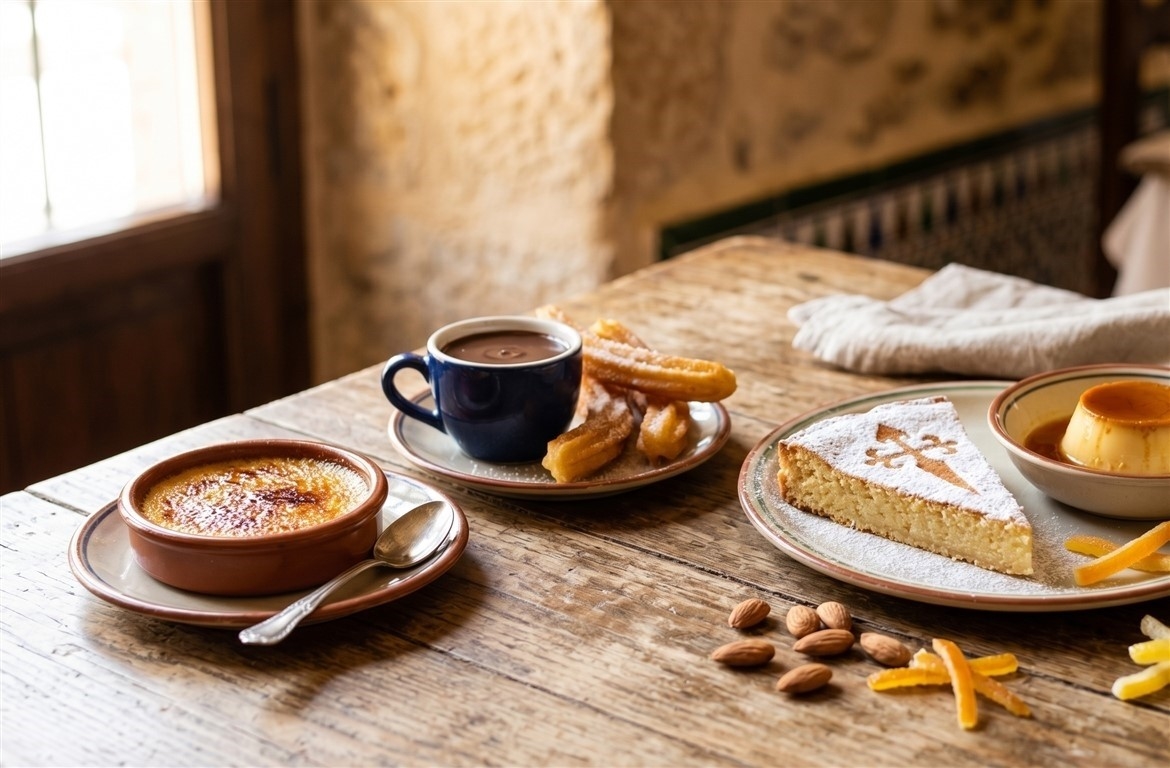
Spanish desserts aren’t always over-the-top sugar bombs. Many rely on eggs, milk, almonds, citrus, cinnamon, delicate pastry, or perfectly fried dough. Some are tied to holidays, ancient convent baking traditions, strong regional pride, or cherished old home recipes that never needed much fuss or decoration.
Churros
Churros are long strips of fried dough, most often enjoyed with a rich, thick hot chocolate. In Madrid, a late-night or early-morning churros stop can truly feel like a small rite of passage. The dough should be wonderfully crisp on the outside, tender inside, and never so greasy that it ruins your good mood.
You’ll find them everywhere: churrerías, cozy cafés, bustling fairs, and breakfast spots. Travelers often assume they’re exclusively a dessert, but in Spain, churros can easily be part of breakfast or that unique hour after a very long night out.
Crema Catalana
Crema Catalana is a classic Catalan custard dessert, crowned with a layer of perfectly caramelized sugar. It’s delicately flavored with cinnamon and citrus, typically lighter than the French crème brûlée that many visitors might compare it to. The satisfying crack of the sugar top is half ceremony, half pure snack instinct.
It holds a strong connection to Catalonia and proudly features on restaurant menus all across Barcelona and beyond. A well-made version tastes clean, incredibly creamy, and wonderfully fragrant rather than just simply sweet.
Arroz con Leche
Arroz con leche is a comforting rice pudding, made with milk, sugar, cinnamon, and often a hint of lemon peel. Asturias boasts a particularly famous version, rich and slowly cooked, though this beloved dessert is enjoyed in many parts of Spain.
This is pure home-style food. Soft, milky, and unassuming in appearance. It’s the kind of dessert that really doesn’t care about photographs and probably wins you over anyway.
Turrón
Turrón, a nougat-like sweet, is deeply associated with Christmas. The most famous styles include the hard Alicante turrón and the soft Jijona turrón, both built on almonds and honey. While tourist shops sell it year-round, its strong holiday identity definitely remains.
Almonds are the very backbone of turrón. Its texture can snap or melt, depending entirely on the style. It travels exceptionally well, which perfectly explains why so many visitors bring it home, then pretend it’s meant for sharing.
Basque Cheesecake
Basque cheesecake, often referred to as “burnt Basque cheesecake” outside of Spain, shot to international fame after capturing attention from San Sebastián’s vibrant dining scene. It features a distinctively dark top, an incredibly creamy center, and no crust at all. The flavor is rich, tangy, and subtly caramelized.
Its global renown hasn’t diminished the sheer joy of eating it right there in the Basque Country. It’s dense but never stiff. Beautifully burnished but not at all bitter. A little wild around the edges, in the best possible way.
Cheeses from Spain
Cheese in Spain ranges widely, from mild island wheels to sharp, pungent blue mountain cheeses. You’ll find it served with quince paste, alongside bread, with wine or cider, with nuts, or simply presented on a plate with nothing at all to prove. Sheep, goat, and cow milk all contribute to strong regional traditions.
Cabrales
Cabrales is a powerful blue cheese from Asturias, produced high in the Picos de Europa area. It’s intense, salty, and wonderfully pungent – the kind of cheese that announces its presence before the plate even reaches your table. It pairs beautifully with Asturian cider and robust bread.
Mahón
Mahón cheese hails from Menorca, one of the Balearic Islands. Made from cow’s milk, its character can vary from mild and youthful to aged and much sharper. The island’s unique climate, salty air, and traditional production methods all shape its distinct personality.
San Simón
San Simón da Costa is a smoked cow’s milk cheese from Galicia, easily recognized by its distinctive teardrop shape and golden rind. The smoke, when properly managed, is subtle and gentle. It works wonderfully with a good piece of bread, fresh fruit, or a crisp glass of white wine from the northwest.
Drinks to Enjoy in Spain
Drinks in Spain naturally follow the place and the season. Picture a cold beer with tapas in Madrid. Cider poured dramatically from a height in Asturias. Bubbly Cava in Catalonia. Refreshing Horchata in Valencia. A glass of vermouth before lunch. And wine? It’s almost everywhere, with regions like Rioja, Ribera del Duero, Rías Baixas, Jerez, Priorat, and many others carrying their own distinguished reputations.
Sangria
Sangria is a wine-based punch mixed with fruit, and it’s much more famous internationally than it is a central part of many local meals. You’ll definitely find it in tourist hot spots, on summer terraces, and in casual restaurants. A freshly made, well-balanced version can be quite enjoyable. But a syrupy pitcher from a plastic-looking bar near a crowded square? That one truly speaks for itself.
Cava
Cava is Spain’s sparkling wine, crafted using the traditional method, with deep roots in Catalonia, especially the Penedès region. It can be wonderfully dry, crisp, and exceptionally food-friendly. It pairs beautifully with fresh seafood, crispy fried snacks, hearty rice dishes, and any festive meal.
Tinto de Verano
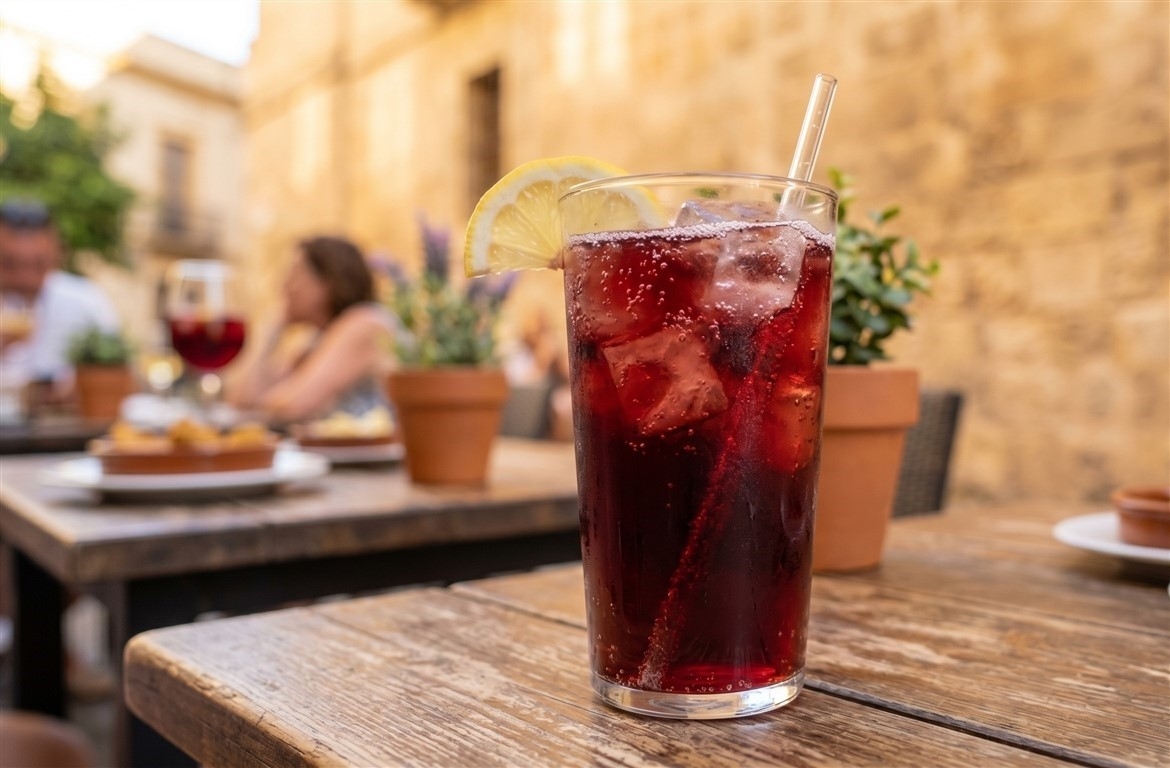
Tinto de verano simply mixes red wine with lemon soda or “gaseosa” and ice. It’s lighter than sangria and incredibly common in warm weather. Many locals order this while visitors are still searching for giant pitchers of sangria. It’s casual, inexpensive, wonderfully cold, and absolutely perfect on a hot afternoon.
Horchata
Horchata de chufa is closely associated with Valencia and made from tiger nuts, water, and sugar. It’s served chilled, often alongside “fartons,” which are long, soft pastries perfect for dipping. The flavor is nutty, sweet, and wonderfully cooling. On a sweltering Valencia day, it just makes perfect sense.
Regional Spanish Dishes
Regional Spanish cuisine truly is the real map. Food shifts with local language, proximity to the coast, climate, market offerings, and ancient habits. A traveler could easily plan an entire trip centered around rice, seafood, pork, pintxos, or sweets, and still barely scratch the surface.
| Region | Signature foods | Dominant ingredients | Best travel setting |
|---|---|---|---|
| Valencia | Paella, horchata | Rice, saffron, beans, tiger nuts | Lunch near the coast or Albufera |
| Andalusia | Gazpacho, fried fish, salmorejo | Tomatoes, olive oil, seafood, sherry | Summer bars and old market streets |
| Basque Country | Pintxos, Basque cheesecake | Seafood, peppers, cod, dairy | Bar hopping in San Sebastián or Bilbao |
| Galicia | Pulpo, empanada, San Simón | Octopus, shellfish, potatoes, cheese | Taverns, fairs, coastal restaurants |
| Asturias | Fabada, Cabrales, cider | Beans, pork, blue cheese, apples | Cool-weather meals in cider houses |
| Catalonia | Crema Catalana, pa amb tomàquet | Bread, tomato, seafood, sausages | Markets, family-run restaurants, wine towns |
Valencian Cuisine
Valencian cuisine is, at its heart, rice country. Paella might grab all the headlines, but dishes like arroz a banda, various baked rice preparations, and countless seafood rice options fill menus throughout the region. The area also produces amazing oranges, a bounty of vegetables, eels from the Albufera lagoon, and horchata shops that transform a simple drink into a cherished local ritual.
Andalusian Cuisine
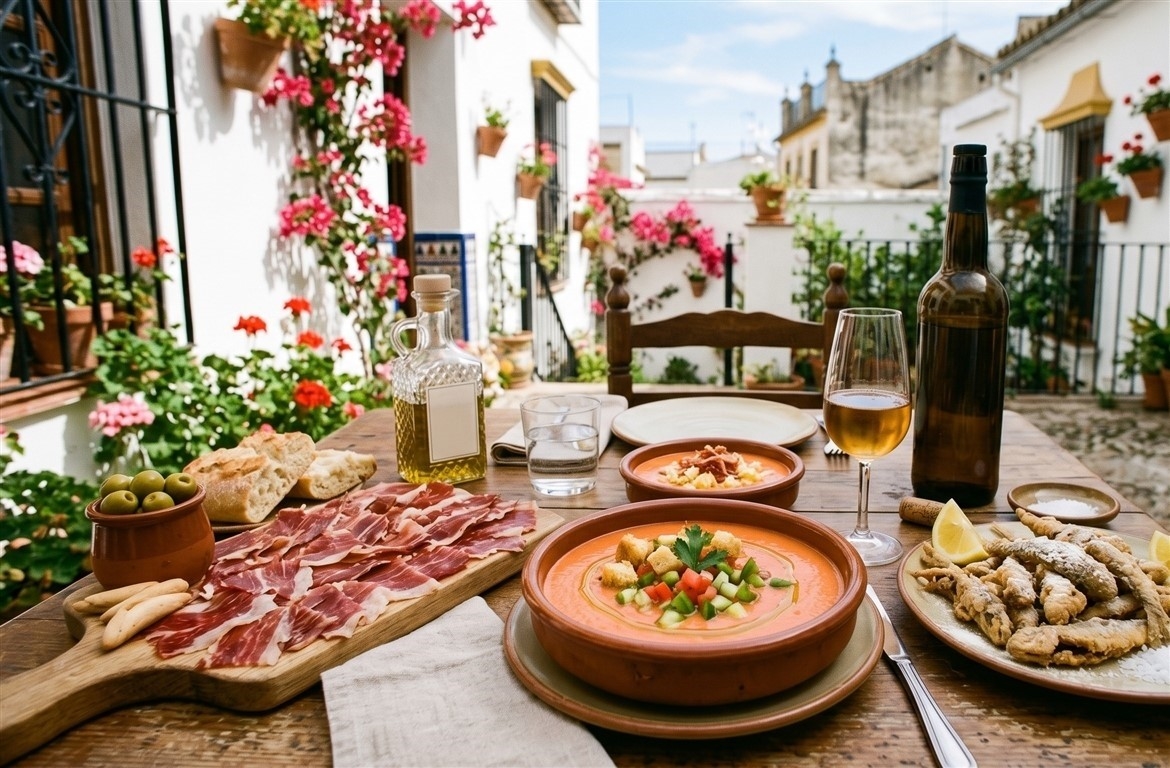
Andalusia truly cooks with the sun and plenty of olive oil. Gazpacho, salmorejo, crispy fried fish, plump olives, rich jamón, and all the distinct dishes from sherry country largely define this region’s food identity. Cities such as Seville, Córdoba, Cádiz, Granada, and Málaga each contribute their own unique pace and vibrant flavors.
Basque Cuisine
Basque cuisine carries a strong reputation for impressive skill, superb local produce, and a fantastic bar culture. Pintxos are simply part of daily life in many towns, while the region’s restaurants span everything from humble, excellent grills to world-famous dining rooms. Cod, hake, sweet peppers, earthy mushrooms, tender beef, crisp cider, and refreshing txakoli wine all belong to this vibrant scene.
Galician Cuisine
Galicia eats straight from the Atlantic. Octopus, mussels, clams, scallops, hake, savory empanadas, comforting potatoes, and either soft or smoked cheeses appear frequently. The food might seem plain at first glance, but then it suddenly reveals an incredible precision. Salt, paprika, oil, boiling water, excellent seafood. Not much to hide behind.
Asturian Cuisine
Asturias brings a delightful mountain richness and the lively energy of its cider houses. While fabada is its most famous dish, the region’s diverse cheeses, abundant seafood, tender veal, hearty beans, and refreshing apple cider give it incredible culinary depth. The iconic cider pouring style, where the bottle is held high and the glass low, is partly theater and partly essential aeration.
Catalan Cuisine
Catalan cuisine brilliantly blends influences from the sea, the mountains, and bustling market cooking. Pa amb tomàquet, escalivada, suquet de peix, botifarra, calçots with romesco sauce, crema Catalana, and sparkling wine all belong to this region’s table. Barcelona offers visitors an easy entry point, but often, smaller towns provide the more truly memorable meals.
Spanish Street Bites & Snacks
Spanish “street food” isn’t always something you eat while walking. A lot of it lives in bustling bars, cozy bakeries, vibrant markets, and lively festival stalls. Think about a bocadillo de calamares right near Madrid’s Plaza Mayor. Or a simple paper cone of perfectly fried seafood in Andalusia. Crispy croquetas at your local neighborhood bar. Those olives that magically appear before you’ve even decided what to order. These are the real street eats.
- Bocadillos: Spanish sandwiches are built on sturdy bread and wonderfully practical fillings: jamón, tortilla, calamari, various cheeses, chorizo, tuna, or grilled pork. The calamari sandwich in Madrid is a classic for tourists, but it carries a rich local history.
- Croquetas: These creamy, fried bites are made with a béchamel base and fillings like ham, chicken, cod, mushrooms, or cheese. A truly proper croqueta boasts a crisp shell and a soft, almost melting center.
- Pintxos: Widely popular in the Basque Country and Navarre, pintxos can be cold counter snacks or hot dishes ordered fresh from the kitchen. They transform ordinary bar counters into miniature, mouth-watering food galleries.
- Jamón and olives: Cured ham and olives aren’t just supporting characters in Spain. They actually shape the entire rhythm of bars, markets, and casual meals, especially when paired with good bread, some cheese, or a glass of vermouth.
Markets are fantastic spots to sample various bites without committing to a full, sit-down meal. Consider Mercado de la Boqueria in Barcelona, Mercado de San Miguel in Madrid, Mercado Central in Valencia, and all the wonderful local municipal markets nationwide. They showcase the raw ingredients that become the dishes on the menu. Sure, some are tourist-heavy now. But they’re still incredibly useful. And they still make you incredibly hungry.
Eating in Spain: First-Timer Guide
A first trip to Spain can quickly become just a checklist: paella, tapas, churros, done. That would be a huge miss. It’s far better to match dishes to the specific place, season, and your appetite. Eat rice in Valencia. Order gazpacho in the south when the heat is intense. Dive into pintxos in San Sebastián. Enjoy octopus in Galicia if your journey takes you there. Let the map guide some of your ordering choices.
- Begin with regional icons. Pick one dish that is strongly tied to the place you are currently visiting. In Valencia, make your lunch all about paella or another fantastic rice dish. In Asturias, definitely try fabada with some local cider. In Galicia, seek out pulpo or other fresh seafood. In Catalonia, start with pa amb tomàquet, then explore fish, sausage, or crema Catalana.
- Utilize tapas bars for variety. A tapas evening allows you to taste several different foods without turning dinner into a single, heavy event. Order bravas, croquetas, anchovies, tortilla, peppers, and prawns across a few different stops, rather than overwhelming one table with too much food.
- Save space for simple sweets. Churros with chocolate, arroz con leche, crema Catalana, turrón, and Basque cheesecake all tell incredibly different stories. Desserts in Spain are often linked to a specific region, a family tradition, or a holiday custom, not just what’s on restaurant menus.
- Mind the meal timing. Many traditional kitchens take lunch very seriously and might close between services. A renowned rice restaurant will likely serve paella at midday, not late at night. A perfect market snack could disappear before the dinner crowds even arrive.
For a quick city break, keep your culinary focus tight: tortilla, jamón, bravas, croquetas, churros, one market visit, and one traditional lunch. For a longer adventure, definitely add those regional anchors. Rice in Valencia. Pintxos in the Basque Country. Incredible seafood in Galicia. Cool soups and fried fish in Andalusia. Delicious cheese and refreshing cider in Asturias. As the plate changes, your entire trip becomes sharper, more vivid.
Spanish Foods FAQ
What is Spain’s national dish?
Spain doesn’t actually have one official national dish that everyone agrees on. Paella is certainly the most globally recognized Spanish dish, and it’s very strongly associated with Valencia. Tortilla Española, jamón, and gazpacho also enjoy widespread national recognition.
Most famous food in Spain?
Paella is probably the best-known Spanish food outside of Spain. Within Spain itself, fame tends to be more regional. Tapas, tortilla, jamón, gazpacho, pulpo, and churros are all broadly recognized and quite easy for travelers to discover.
What do people eat for breakfast?
Spanish breakfast is generally quite light. Common choices include coffee with toast, bread rubbed with tomato, pastries, churros with chocolate, or a small sandwich. While hotel buffets might offer more, everyday breakfast in many cafés stays beautifully simple.
What are traditional Spanish desserts?
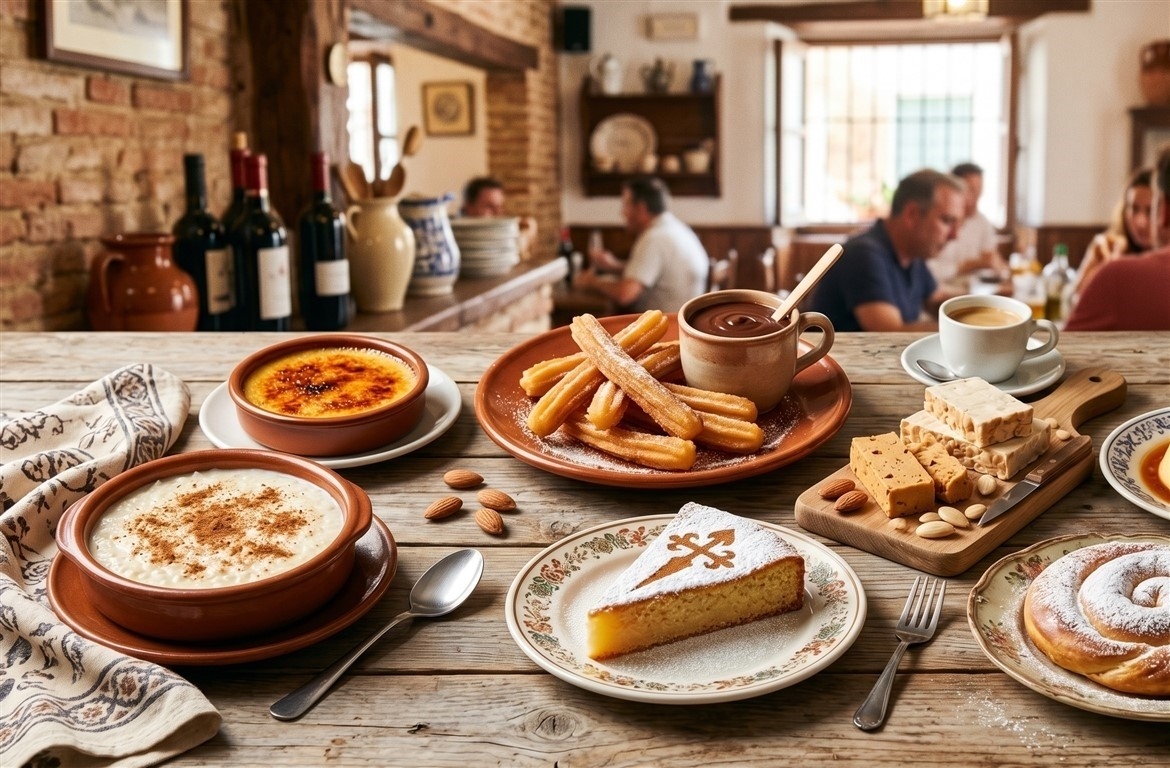
Traditional Spanish desserts include churros, crema Catalana, arroz con leche, turrón, flan, Santiago cake, ensaimada, and various regional convent
0 Comment