


Countries That Honor the Dead
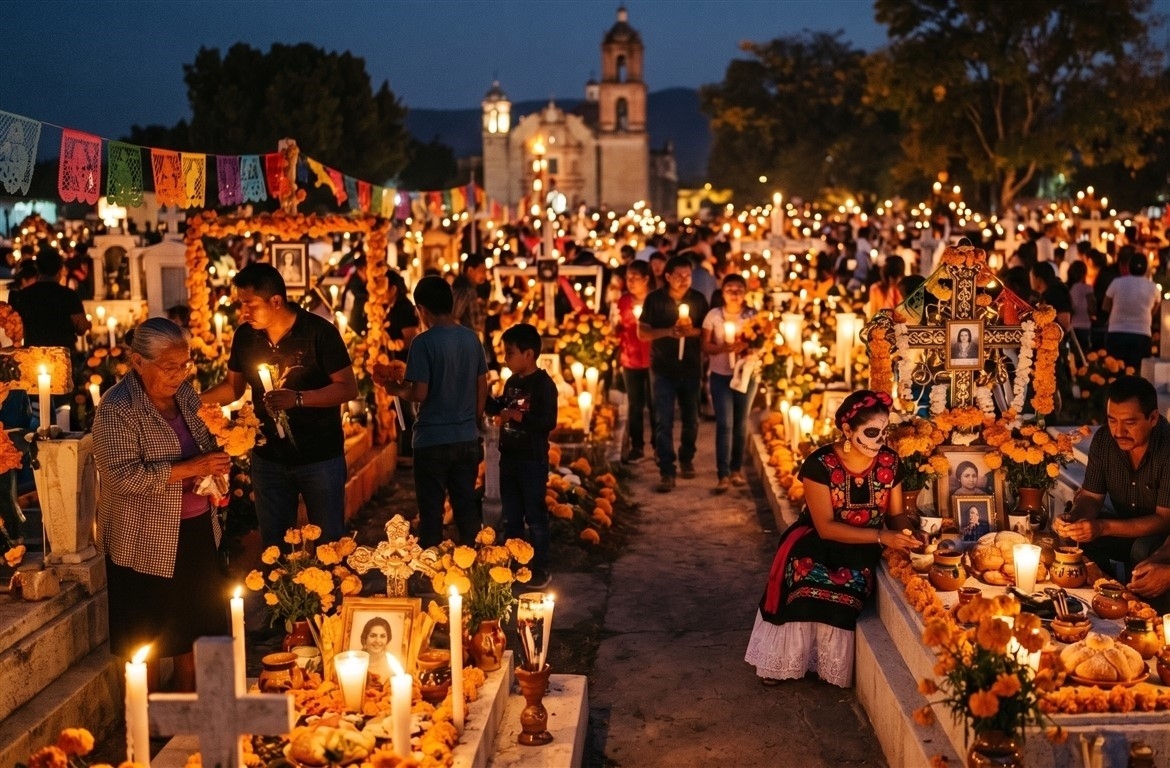
When you think of the Day of the Dead, Mexico probably pops into your head first. And honestly, that’s fair. The marigolds, those painted skulls, candlelit graves, bright paper banners, sweet bread, and the quiet, heartfelt family altars—they all truly speak to a Mexican tradition. It’s got deep roots, blending Indigenous beliefs with Catholic influences. But here’s the thing: Mexico isn’t the only place where people honor their deceased loved ones around the first few days of November. You’ll find families gathering at cemeteries, cooking special meals, meticulously cleaning graves, lighting candles, and sharing stories as if their departed relatives were right there, pulling up a chair at the table. This happens all across Latin America, the Caribbean, parts of Asia, Europe, and within vibrant migrant communities in the United States.
So, the question “countries that celebrate Day of the Dead” needs a thoughtful answer. Some places actually call it Día de los Muertos. Others observe All Saints’ Day, All Souls’ Day, Día de los Difuntos, Undás, or maybe even local festivals woven from much older beliefs. They’re related, sure, but not quite identical. Same time of year. Different ways the heart beats.
What Is Day of the Dead?
Day of the Dead, or Día de los Muertos, is a tradition focused on remembering loved ones who have passed away. It’s most strongly tied to Mexico. You’ll usually find these observances happening around November 1st and 2nd. Families get busy setting up altars, visiting cemeteries, decorating graves, bringing favorite foods, and truly welcoming the memories of those no longer with them.
The atmosphere often surprises outsiders. It’s not gloomy the way you might expect. There’s sadness, absolutely, that’s part of it. But you’ll also hear laughter, music, see vibrant flowers everywhere, kids darting between headstones, and relatives recounting treasured stories they’ve shared countless times before. A grandmother’s perfect mole. A father’s specific brand of cigarettes. A child’s special toy. These small, intimate details really matter. The dead aren’t remembered as abstract symbols; they’re remembered as real people.
November 1st often holds special significance for children who have died. November 2nd typically focuses more on adults. Local customs can shift dramatically from one town to the next, and even between families. This unscripted, deeply personal quality is a huge part of what makes the tradition so strong.
Origins and Meaning
Día de los Muertos is a fascinating mix. It carries deep Indigenous roots alongside the influence of the Catholic calendar. Before the Spanish arrived, Mesoamerican peoples had incredibly complex beliefs about death, ancestors, offerings, and the journey beyond this life. After colonization, these ancient practices began to intertwine with All Saints’ Day and All Souls’ Day, two Catholic observances scheduled for early November.
This wasn’t some neat, simple blend poured into a single bowl. Far from it. It was much messier, more localized, and profoundly human. In Mexico, the tradition blossomed through countless family practices, unique regional customs, public art displays, intimate village rituals, church calendars, specific foodways, and, eventually, a sense of national identity. A painted skull on a souvenir mug just doesn’t capture it. Spending a midnight vigil in a Michoacán cemetery? That gets you much, much closer.
The core message is beautifully direct: love doesn’t just disappear when someone dies. The living actively make space for the dead—through scents, tastes, colors, prayers, and heartfelt memories.
Worldwide Celebrations
Many countries around the globe remember their dead in early November. But let’s be clear, not everyone celebrates Día de los Muertos in the exact Mexican style. Mexico, Guatemala, Ecuador, Haiti, El Salvador, the Philippines, and the United States all have distinct November traditions that connect back to ancestors, cemeteries, special foods, rituals, or public festivities.
Some customs might look familiar at first glance: flowers on graves, lit candles, family visits, food left as offerings. Then, the differences emerge. Guatemala sends enormous kites soaring into the sky. Ecuador serves up comforting colada morada and whimsical guaguas de pan. Haiti’s Gede observances involve Vodou rituals and heartfelt cemetery devotions. In the Philippines, cemetery visits transform into huge family gatherings, sometimes stretching for hours, even overnight.
| Country | Local name or tradition | Common customs | Usual timing |
|---|---|---|---|
| Mexico | Día de los Muertos | Ofrendas, marigolds, cemetery visits, calaveras | November 1–2 |
| Guatemala | Festival de Barriletes Gigantes | Giant kites, grave visits, family meals | November 1 |
| Ecuador | Día de los Difuntos | Colada morada, guaguas de pan, cemeteries | November 2 |
| Haiti | Gede celebrations | Vodou rites, cemetery rituals, offerings | Early November |
| Philippines | Undás | Flowers, candles, grave cleaning, family visits | November 1–2 |
| El Salvador | La Calabiuza | Folkloric parade, costumes, firelit streets | Late October |
Mexico: Día de los Muertos
Mexico really is the country most strongly identified with the Day of the Dead. This holiday shows up everywhere: in homes, cemeteries, bustling markets, bakeries, museums, schools, plazas, and on neighborhood streets. In 2008, UNESCO recognized the Indigenous festivity dedicated to the dead as part of the Intangible Cultural Heritage of Humanity. This certainly helped bring more global attention to practices already deeply alive within Mexican communities.
Travelers often immediately think of places like Oaxaca, Mexico City, Pátzcuaro, Janitzio, Mixquic, and various towns across Michoacán. These spots definitely attract crowds. But remember, the most profound celebrations aren’t always the biggest or loudest ones. Consider a small family altar in a kitchen. A single candle carried to a grave. The pan de muerto bought from the same beloved bakery year after year. These little things carry immense weight.
Altars and Ofrendas
The ofrenda truly sits at the emotional heart of Día de los Muertos. Families carefully construct these altars at home, in schools, in public spaces, and right at the cemeteries. A typical altar might include cherished photographs, flickering candles, bright marigolds, delicate papel picado, water, salt, incense, fresh fruit, pan de muerto, and all the special dishes the deceased loved when they were alive.
Every single object serves a purpose. Water refreshes the returning souls. Candles light their way. Marigolds mark the path with their vibrant color and unmistakable scent. Food quietly tells them: you are still expected here. Not just as a pretty decoration. This is a family affair.
Calaveras, La Catrina, Skulls
Skulls and skeletons pop up everywhere during this season, but don’t mistake them for mere spooky props. Calaveras can take many forms: they might be sugar skulls, playful satirical poems, painted faces, whimsical ceramic figures, or humorous images of death itself, dressed up like the living. They playfully mock vanity. They help soften our fear. They also serve as a powerful reminder to everyone that worldly status simply doesn’t follow us beyond the grave.
La Catrina, that elegant skeletal woman with her magnificent hat, first emerged from Mexican political satire. She later grew into one of the most recognizable figures of Día de los Muertos. She’s graceful, sharp, a touch smug. It’s death, wearing its finest society clothes.
Family Cemetery Visits
Cemetery visits can feel quiet and contemplative or bustling with activity. Families arrive to clean graves, meticulously arrange flowers, light candles, sit together in thoughtful silence or gentle conversation, pray, eat, and simply talk. In some towns, the entire cemetery glows with candlelight through the night. In others, visits happen during the day, without any grand spectacle, almost like a routine family errand—but one that carries centuries of tradition behind it.
For visitors, this is where good manners truly count. Cemeteries are not mere stage sets for tourists. Photography should be respectful and only done when clearly welcomed, never snatched invasively. A grave adorned with candles represents someone’s private grief, even if the whole cemetery looks utterly dazzling.
Mexico’s Regional Customs
Day of the Dead in Mexico shifts quite a bit from region to region. Oaxaca is well-known for its comparsas—elaborate parades—its stunning altars, vibrant market life, and lively neighborhood processions. Michoacán, especially around Lake Pátzcuaro, is famous for those hauntingly beautiful candlelit cemetery vigils and its deep Purépecha traditions. Mixquic, right in Mexico City, draws visitors for its powerful graveside observances and public rituals. And down in the Yucatán, you’ll find Hanal Pixán, a unique Maya tradition whose name often translates to “food for the souls.”
One country, countless ways to connect with the dead.
Guatemala: Giant Kite Festivals
Guatemala marks the season with one of the most breathtaking remembrance traditions in the Americas: the Festival de Barriletes Gigantes. You’ll see it best in towns like Sumpango and Santiago Sacatepéquez. Here, enormous handmade kites, some even wider than a small room, either soar high or stand majestically in open fields. Meanwhile, families quietly visit cemeteries, honoring their departed loved ones.
These kites are crafted from paper, bamboo, vivid colors, incredible patience, and a whole lot of community effort. Their designs might carry spiritual messages, social commentary, or even political statements. Their sheer size is part of the wonder. But so is all the painstaking work that goes into them: weeks of cutting, planning, lively debate, and careful gluing. Then, the wind takes over and decides their fate.
Many Guatemalan families also clean graves, bring fresh flowers, and share meals. The whole atmosphere perfectly balances public festival and private remembrance. That’s exactly why it feels so intensely alive.
Ecuador: Día de los Difuntos
In Ecuador, Día de los Difuntos is strongly linked to family remembrance, cemetery visits, and unique seasonal foods. This tradition isn’t just a copy of Mexico’s Día de los Muertos. It carries its own distinct Andean flavor, has its own ties to the Catholic calendar, and boasts beloved household customs.
Colada Morada & Guaguas de Pan
The two most famous foods of this season are colada morada and guaguas de pan. Colada morada is a rich, thick purple drink, bursting with dark fruits, warm spices, fragrant herbs, and a base of purple corn flour. Guaguas de pan are charming bread figures, shaped like swaddled babies, often decorated with sweet icing.
You’ll find them served in homes, bustling bakeries, lively markets, and at family gatherings around the holiday. For anyone traveling there, tasting these is one of the easiest, most delicious ways to understand that remembrance can truly arrive through a warm cup, a soft loaf of bread, or a comforting scent that evokes childhood memories.
Ecuador’s Cemetery Traditions
Families visit cemeteries, bringing flowers and food. In some Indigenous communities, people even share full meals right near the graves. They speak with the dead through their presence, rather than through a grand performance. The gesture is clear and powerful: the family circle extends far beyond just the living.
Haiti: Gede Celebrations
Haiti’s early November observances are deeply connected to the Gede. These are spirits associated with death, sexuality, humor, ancestors, and the cemetery within Haitian Vodou. The atmosphere during these times can be incredibly intense, playful, raw, and profoundly spiritual all at once. Outsiders often misunderstand this, chasing after the “strange” and completely missing the sacred.
People might visit cemeteries, make specific offerings, pour rum, light candles, and wear colors like purple, black, or white. They honor Baron Samedi and the various Gede spirits. There’s real laughter woven into the ritual, not because death is treated lightly, but because the Gede stand right at the boundary where fear starts to lose some of its grip.
It’s crucial not to reduce Haiti’s practices to some “Halloween-like” spectacle. They belong firmly within Vodou cosmology, ancestral memory, and the vibrant life of the community.
Philippines: Undás
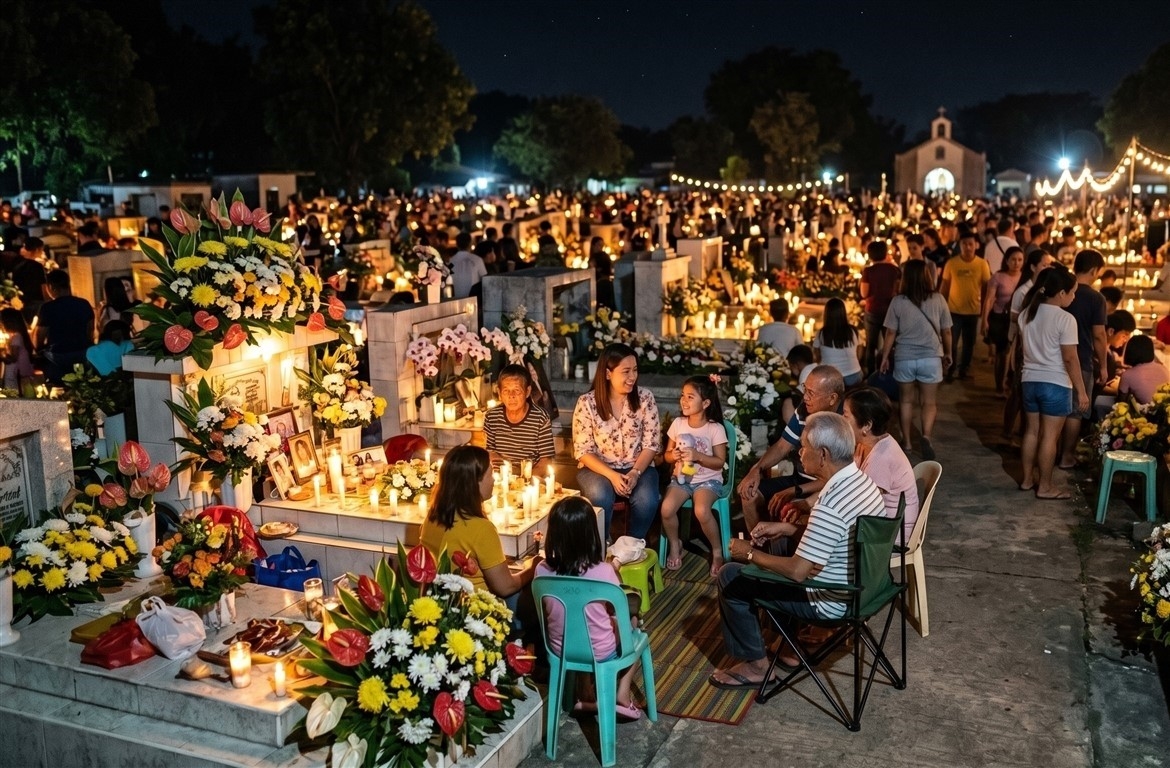
In the Philippines, Undás stands as one of the year’s most significant family observances. Around All Saints’ Day and All Souls’ Day, families journey to cemeteries. They carefully clean tombs, bring fresh flowers, light candles, pray, and gather together with relatives. Some visits stretch out all day long. Others extend into the night, complete with food, lively conversation, folding chairs, tarps for shelter, and children playfully weaving through the crowded cemetery paths.
Cemetery Visits & Family Time
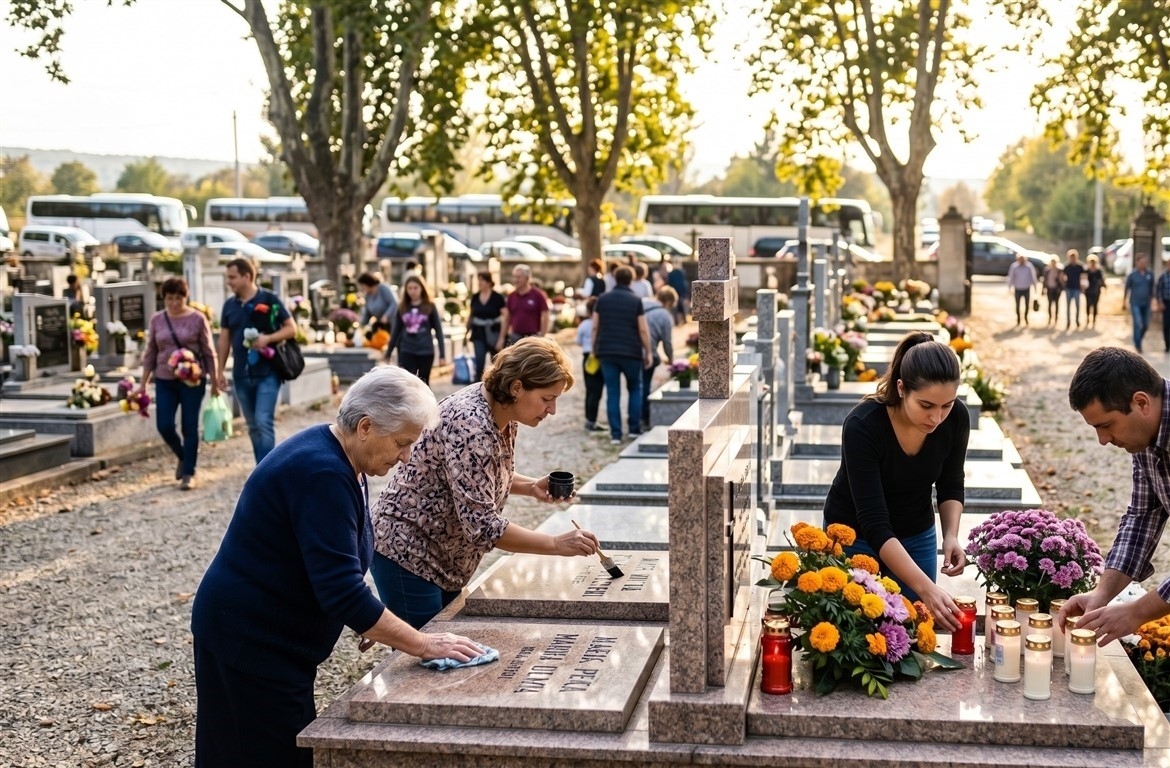
Undás is both practical and deeply emotional. Graves get a good wash. Names are repainted with care. Candles are thoughtfully arranged. Traffic becomes a beast, buses pack full, and people make their way back to their hometowns. It can feel like a reunion, yet one built around a shared absence.
The Philippines doesn’t celebrate Día de los Muertos in the Mexican fashion. However, Undás absolutely shares that November rhythm of remembrance: the living gather, the dead are called by name, and family connections become vividly visible once more.
El Salvador: La Calabiuza
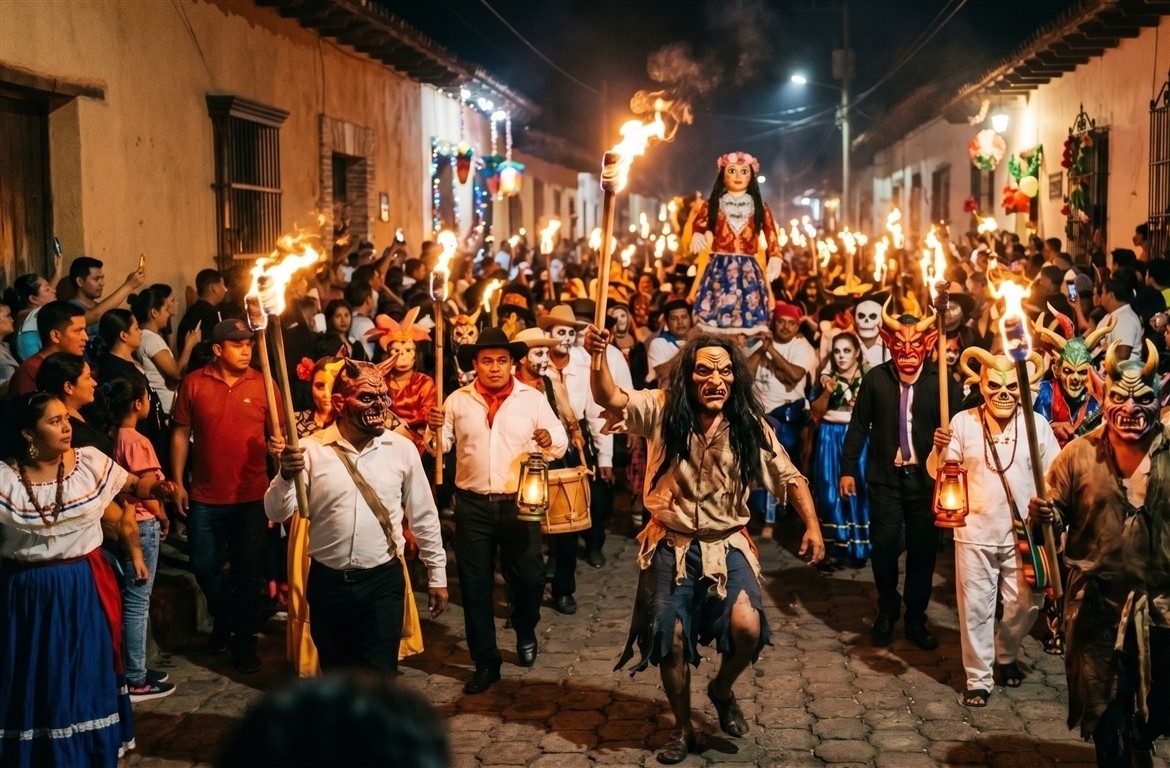
El Salvador’s La Calabiuza is a fiery, folkloric celebration, most closely linked with the town of Tonacatepeque. It kicks off near the end of October. The event features local legends, elaborate costumes, flickering torches, vibrant music, and figures from Salvadoran folklore. The name “Calabiuza” actually hints at *calabaza*, or pumpkin, but this event is so much more than just a local Halloween imitation.
You might spot characters like La Siguanaba, El Cipitío, and other fascinating figures from oral tradition. Streets glow with light. Faces are painted dramatically. The past literally walks among us in costume, a little wild, certainly theatrical. While La Calabiuza differs from Mexico’s intimate family altar tradition, it absolutely deserves a place in this broader discussion. It brilliantly weaves death, memory, folklore, and public celebration into one restless, unforgettable night.
United States: Mexican-American Celebrations
In the United States, Day of the Dead enjoys widespread celebration, particularly within Mexican-American communities. You’ll find it thriving in cities rich with Mexican heritage. Los Angeles, San Antonio, Chicago, Tucson, Albuquerque, San Diego, and countless smaller towns all host altars, vibrant processions, museum installations, school programs, cemetery events, and lively cultural festivals.
The public aspect has grown significantly. Face painting, parades, art markets, and concerts now draw diverse crowds. Yet, the family side remains a bit quieter: home ofrendas, cherished photographs, freshly baked pan de muerto, flickering candles, and names lovingly spoken across generations. For Mexican-American families, Día de los Muertos can deeply embody heritage, process grief, affirm identity, and act as a powerful form of resistance against forgetting.
- Visit community altars with profound respect. Take time to read the names, truly observe the objects, and never treat these deeply personal offerings as mere props for a quick photo.
- Actively support local cultural groups. Many of these public events come to life thanks to dedicated Mexican-American artists, museums, neighborhood associations, and tireless family volunteers.
- Learn to distinguish between a costume and genuine tradition. A beautifully painted skull face can be stunning, but it should never overshadow the true, profound meaning of remembrance.
Other Remembrance Traditions
Many countries honor their dead around late October and early November. This happens through Christian, folk, Indigenous, or purely local customs. To simply label all of them “Day of the Dead” would be reductive. It’s better to say they share a season of heartfelt remembrance.
Ireland
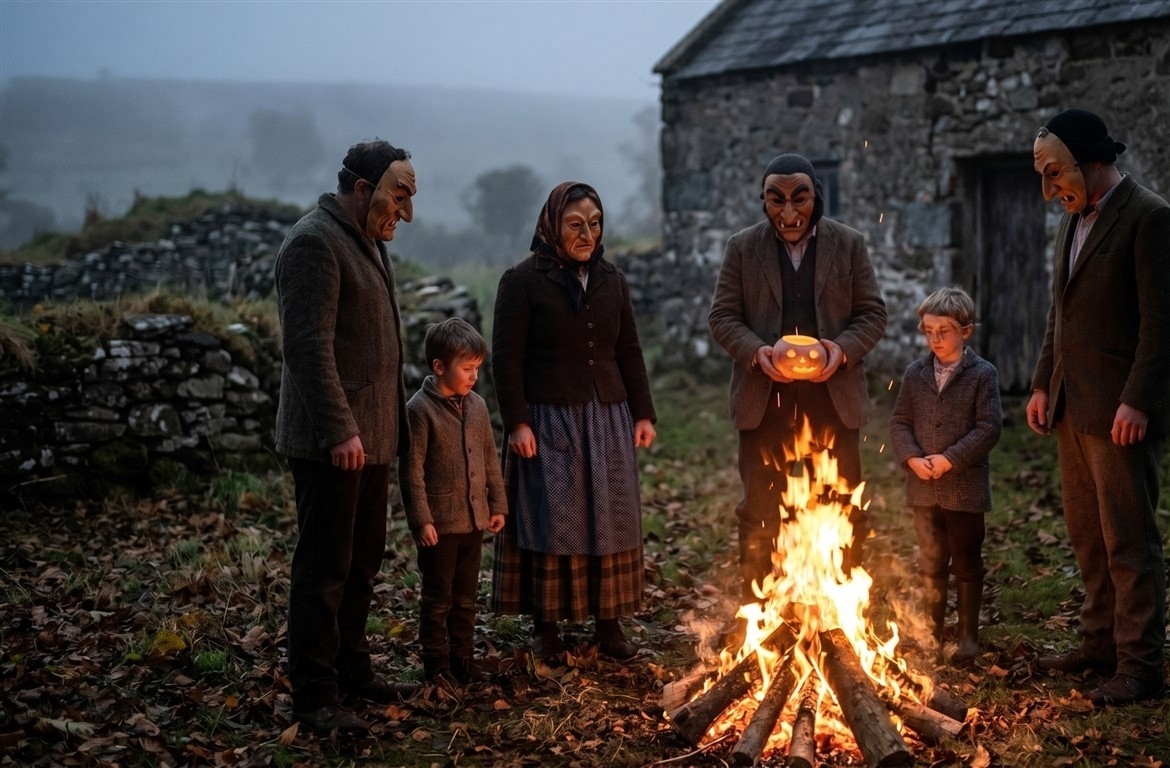
Ireland has deep ties to Samhain, an ancient Gaelic festival. Samhain marked the end of the harvest season and welcomed the darker half of the year. This festival actually helped shape many later Halloween traditions. Modern Irish customs might include bonfires, costumes, games, and visits connected to memory and the supernatural. So, it’s related by season and theme, but it’s definitely not the same as Día de los Muertos.
Romania
Romania observes All Souls’ Day. Many communities have specific cemetery customs, where graves are adorned with flowers and candles. Families remember their dead through a blend of Christian observance and local practices. The visual language might even look familiar to travelers who have seen November cemeteries in Mexico or the Philippines: candlelight, flowers, names, and a profound silence.
India
India holds several ancestral remembrance traditions, which vary by region and religion. In Hindu practice, Pitru Paksha is a significant period entirely dedicated to ancestors. During this time, offerings and specific rituals are performed for departed family members. It doesn’t align with the same calendar dates as Day of the Dead, and its religious structure is quite different, but it beautifully illustrates how widespread ancestor reverence is across diverse cultures.
European All Souls’ Day
Across Catholic regions of Europe, All Souls’ Day is observed with candles, flowers, prayers, and visits to cemeteries. Countries like Poland, Portugal, Spain, Italy, France, Austria, and Hungary all have their own local customs. The general mood is often more subdued than a Mexican Día de los Muertos celebration. However, the central act feels universally familiar: go to the grave, bring light, speak their name.
Day of the Dead vs Halloween
Day of the Dead and Halloween sit quite close on the calendar. Modern celebrations can even overlap in public spaces. But let’s be clear: they are absolutely not the same holiday. Halloween leans into costumes, fright, playful mischief, and general seasonal fun. Día de los Muertos, on the other hand, centers squarely on family remembrance and the spiritual return of beloved ancestors.
| Feature | Day of the Dead | Halloween |
|---|---|---|
| Main focus | Remembering deceased loved ones | Costumes, fright, play, and seasonal fun |
| Typical dates | November 1 and 2 | October 31 |
| Common symbols | Ofrendas, marigolds, candles, calaveras | Pumpkins, costumes, ghosts, trick-or-treating |
| Emotional tone | Affectionate, reflective, festive | Playful, spooky, commercial |
| Family role | Often central | Present, but less tied to ancestors |
The confusion sometimes grows because skull makeup and skeleton imagery appear in both late-October tourism and actual Day of the Dead festivals. The real difference lies deeper, beneath the paint. Día de los Muertos asks *who* is being remembered. Halloween usually asks *who you want to be* for a single night.
Common Symbols & Traditions
Across all Day of the Dead celebrations, certain symbols perform a lot of quiet, important work. They guide, they nourish, they decorate, they tease, and they comfort. Not one of them is random.
Altars
Altars, or ofrendas, serve as a beautiful invitation, welcoming the dead back into the household. They often feature photos, candles, flowers, water, salt, food, religious images, cherished personal belongings, and delicate papel picado. A truly good altar feels deeply personal. It tells you stories: someone loved their coffee black, or lived for baseball, or wore the same trusty hat for forty years.
Marigolds
Marigolds, frequently called cempasúchil in Mexico, are intimately linked with Día de los Muertos. Their vivid orange color and strong, distinctive scent are believed to help guide spirits toward their altar or grave. Fields and markets absolutely overflow with them before the holiday. Just their smell alone can transport people back into cherished memories.
Candles
Candles bring light to graves and altars alike. They mark a path, create a solemn vigil, and transform ordinary spaces into places of focused attention. A single candle feels humble. Hundreds of them, flickering across a cemetery, look like the very ground itself has sprouted stars.
Food and Drinks
Food firmly anchors remembrance in the physical world. Mexico offers pan de muerto, rich mole, savory tamales, fresh fruit, warm chocolate, comforting atole, potent tequila, smooth mezcal, and all those special family dishes. Ecuador has its colada morada and guaguas de pan. The Philippines often sees families bringing full, packed meals to the cemeteries. Food speaks volumes that words sometimes can’t quite manage: you are deeply missed, so we cooked for you.
Skulls and Skeletons
Skulls and skeletons inject a vital sense of humor into the serious room of death. They dance, they grin, they dress up, they flirt, they play instruments, and they wear fancy clothes. The joke isn’t cruel. It’s honest, a simple truth. Everyone, eventually, joins the grand skeleton parade.
Is It Only in Mexico?
No, absolutely not. Day of the Dead isn’t solely celebrated in Mexico. However, Mexico certainly remains the country most strongly associated with Día de los Muertos. Mexican communities truly shaped the tradition’s most iconic symbols: the beautiful ofrendas, vibrant marigolds, sweet pan de muerto, playful calaveras, the elegant La Catrina, those hauntingly beautiful candlelit cemeteries, and the whole family-centered remembrance focus.
Other countries observe related November holidays, each with their own names and customs. Guatemala boasts its magnificent giant kites. Ecuador celebrates Día de los Difuntos. Haiti honors the powerful Gede spirits. The Philippines has its Undás. The United States sees large, vibrant Mexican-American Día de los Muertos celebrations. And across Europe, All Souls’ Day brings its own quiet cemetery traditions. Different roots, same season.
- For the most classic Día de los Muertos experience, head to Mexico. Oaxaca, Michoacán, Mexico City, and countless smaller towns offer incredibly rich public and family observances. Just be aware that famous destinations can get quite crowded.
- If you’re seeking a truly dramatic visual tradition, Guatemala is a standout. Its giant kite festivals brilliantly blend art, memory, and community into one massive outdoor gathering.
- For remembrance centered around delicious food, Ecuador is unforgettable. Colada morada and guaguas de pan make the holiday taste uniquely distinct from other countries.
- For a powerful family cemetery culture, the Philippines is remarkable. Undás transforms grave visits into one of the year’s major family movements.
Frequently Asked Questions
Which countries celebrate Day of the Dead?
Mexico is the primary country linked with Día de los Muertos. You’ll also find related or distinct remembrance traditions in places like Guatemala, Ecuador, Haiti, El Salvador, the Philippines, the United States, and various parts of Europe. Keep in mind, not all these places use the same name or follow identical rituals.
What country is Day of the Dead most associated with?
Mexico, without a doubt. Día de los Muertos is profoundly woven into Mexican culture, its Indigenous heritage, Catholic calendar dates, family altars, solemn cemetery vigils, bright marigolds, playful calaveras, and all the unique regional customs found throughout the country.
Is Day of the Dead the same as Halloween?
No, they are definitely not the same. Halloween primarily focuses on costumes, playful frights, trick-or-treating, and general seasonal fun. Day of the Dead, conversely, centers on lovingly remembering deceased relatives through altars, heartfelt offerings, cemetery visits, candles, flowers, and special foods.
Why do people build altars for Day of the Dead?
Families construct these altars to lovingly welcome and honor their deceased relatives. Things like photos, candles, flowers, food, drinks, and personal objects all help create a special space where memory feels wonderfully present, not distant.
How long does Day of the Dead last?
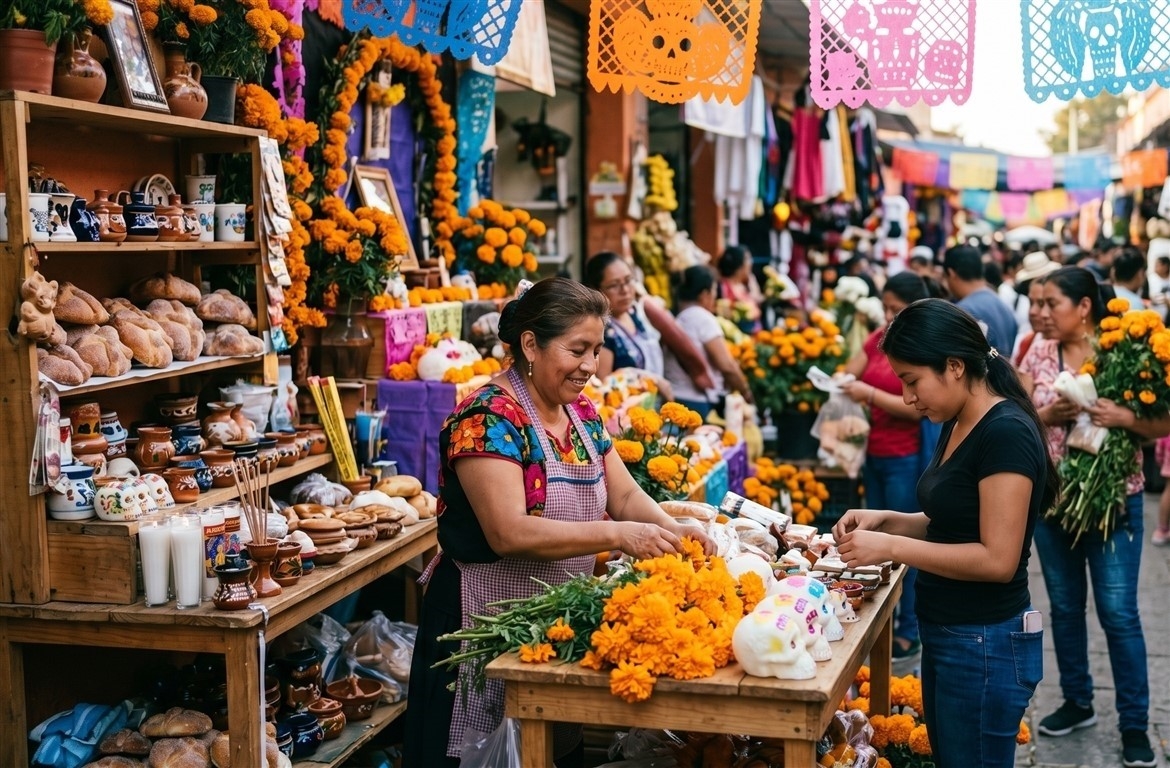
The main dates are November 1st and November 2nd. However, preparations often kick off much earlier. Markets get busy, altars are built, cemeteries cleaned, public events organized, and family cooking begins. All this can easily stretch the entire season across several days.
0 Comment