

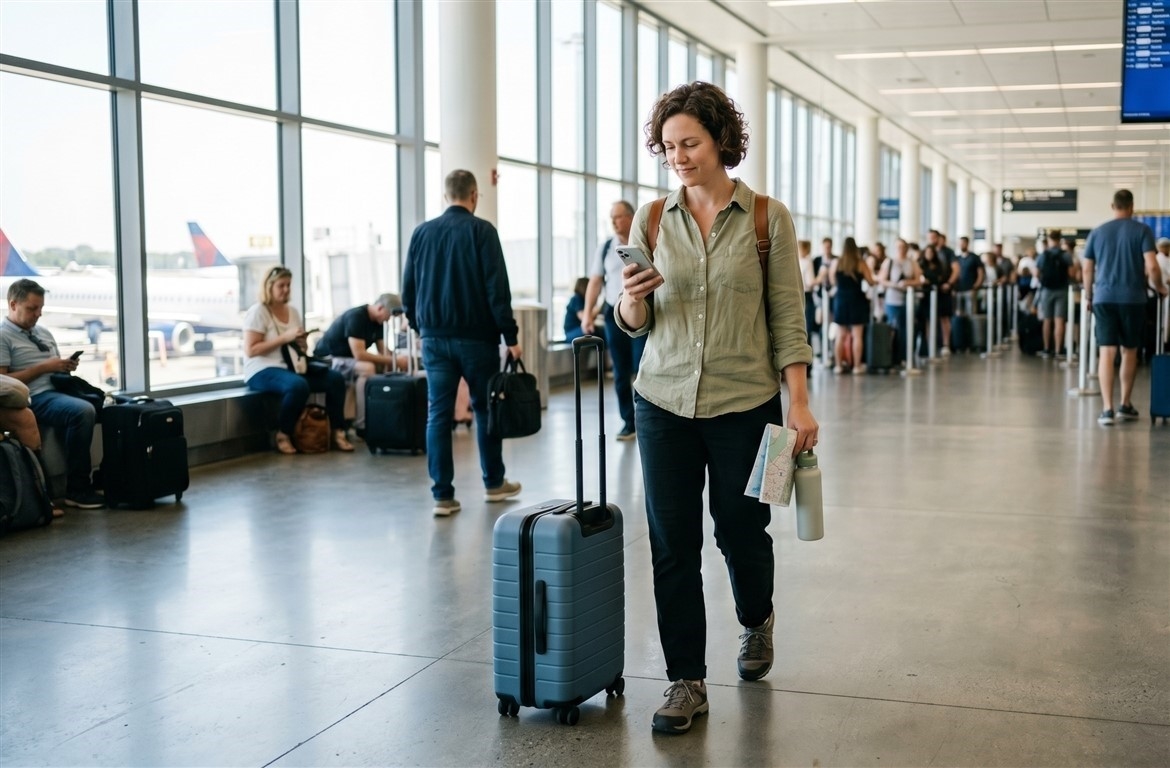

Stress-Free Peak Season Travel
Traveling during peak season can often feel like a true test of your patience, even before you’ve even left home. Think about it: flights vanish quickly, hotel prices shoot up, museum tickets disappear, and those charming restaurants that welcomed walk-ins in March might demand reservations weeks in advance come July. But here’s the good news: managing busy travel dates is totally doable. It just takes a smart plan built around timing, some solid backup choices, and a realistic idea of how you’ll move from one spot to another.
The goal isn’t to magically banish every crowd or sidestep every single delay. Busy seasons are popular for a reason! Destinations buzz with life, the weather often feels amazing, schools are out, and festivals inject a fantastic energy. You can enjoy a much calmer trip simply by knowing where those pressure points usually pop up, and then dealing with them proactively, long before they turn into actual headaches.
Why Busy Travel Needs More Planning
Defining Peak Travel Periods
Peak travel season is that stretch of time when demand skyrockets for pretty much everything: flights, hotels, rental cars, tours, and all those well-known attractions. In Europe, that usually means late June through August, plus the magical Christmas markets and New Year’s celebrations. Over in the United States, Thanksgiving week, Christmas week, spring break, and those long summer weekends typically bring heavy traveler traffic. If you’re heading to Japan, prepare for Golden Week, cherry blossom season, and the stunning autumn foliage periods, which can make hotel occupancy and train demand surge incredibly fast.
Beach getaways typically hit their peak during the warm, dry months. Ski towns get super busy when the snow is perfect and school holidays line up. Cities hosting major happenings, like Paris during fashion weeks or Munich for Oktoberfest, can feel just like peak season even outside the summer. So, the calendar matters, sure, but local events really can flip everything on its head.
Why Prices, Crowds, Availability Shift
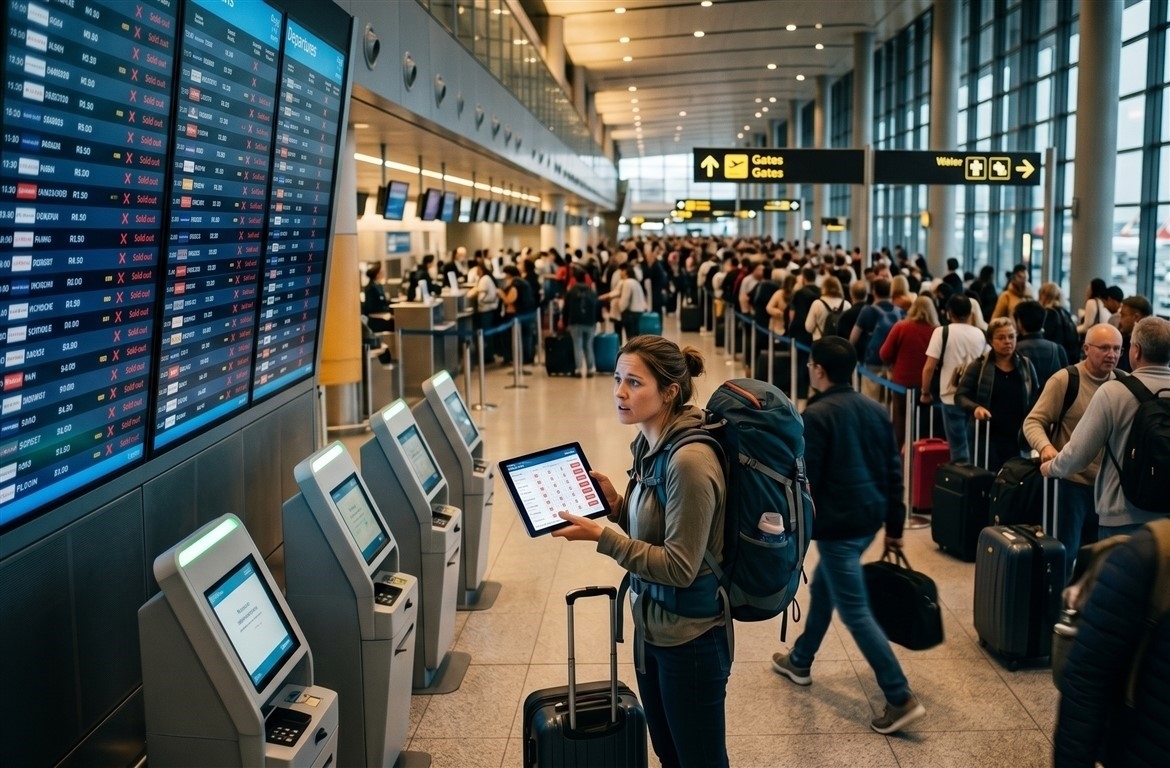
Travel businesses set their prices for rooms, seats, and tours based entirely on demand. When more people hunt for the exact same dates, those cheaper fare categories are the first to go. Hotels quickly sell out their more affordable room types. Tour operators find themselves with fewer last-minute spots because groups are already totally full. If you wait too long, you might still find some options, but typically, the best value choices have already been snapped up.
Crowds also completely change your day’s rhythm. That museum you breezed through in two hours back in February could easily take half a day in August once you factor in security lines, ticket checks, cloakrooms, and packed galleries. Airport transfers might crawl along slower because so many passengers are hitting arrivals all at the same time. Planning for these little delays actually keeps your trip from feeling rushed and frantic.
How Busy Seasons Differ by Locale
The same month can bring wildly different travel experiences across the globe. July in Rome? Expect scorching heat, dense crowds, and endless queues around the Colosseum and Vatican Museums. Contrast that with July in Cape Town, which offers cooler weather and a much quieter vibe than its summer months. December in New York means holiday crowds swarming Midtown, while December in Southeast Asia can be a high-demand, beautiful dry-season window. It’s all about where you are!
| Destination Type | Common Busy Period | Smart Planning Move |
|---|---|---|
| European city breaks | June to August, December holidays | Book timed attractions and stay near transit |
| Beach resorts | Dry season and school holidays | Reserve airport transfers before arrival |
| Ski towns | Christmas, New Year, February breaks | Book gear rental and lessons early |
| Theme parks | Summer, spring break, holiday weeks | Arrive before opening and pre-book passes |
| Festival cities | Event dates and nearby weekends | Stay farther out with strong transport links |
Book Early, But Be Ready to Flex
When to Book Flights & Hotels
For those super busy travel dates, booking early really pays off when your itinerary has some solid anchors. Think a wedding, a school break, a cruise departure, a concert, or a festival. International flights for summer and winter holidays are generally easier to price out when you search many months ahead. Hotels near beaches, charming old towns, national parks, and theme parks also tend to sell their better rooms quickly.
A smart strategy involves securing the parts that would cause the most grief if they sold out. Flights, that first night’s accommodation, high-demand rail routes, and timed-entry attractions should definitely take priority. Meals at smaller spots, spontaneous activities, and neighborhood strolls? Those can totally stay flexible. This approach keeps your trip stable without making every single hour feel rigidly locked down.
Using Price Alerts & Deal Trackers
Price alerts become super handy when your travel dates aren’t set in stone. Tools like Google Flights, Skyscanner, Kayak, Hopper, and even specific airline apps can keep tabs on price shifts across different airlines and nearby airports. For hotels, check out Booking.com, Hotels.com, Expedia, and the direct hotel websites. Many offer refundable rates, letting you rebook if a sweeter deal pops up.
Alerts work best with clear boundaries. Set a realistic budget. Pick two or three date ranges for alerts. Always compare the total trip cost, not just the flight price. A super cheap late-night arrival could turn expensive if public transport has stopped and taxis are your only choice. A hotel slightly outside the city center might cost less per night, but daily transfer fees can quickly gobble up any savings.
Flexible Dates, Airports, & Routes
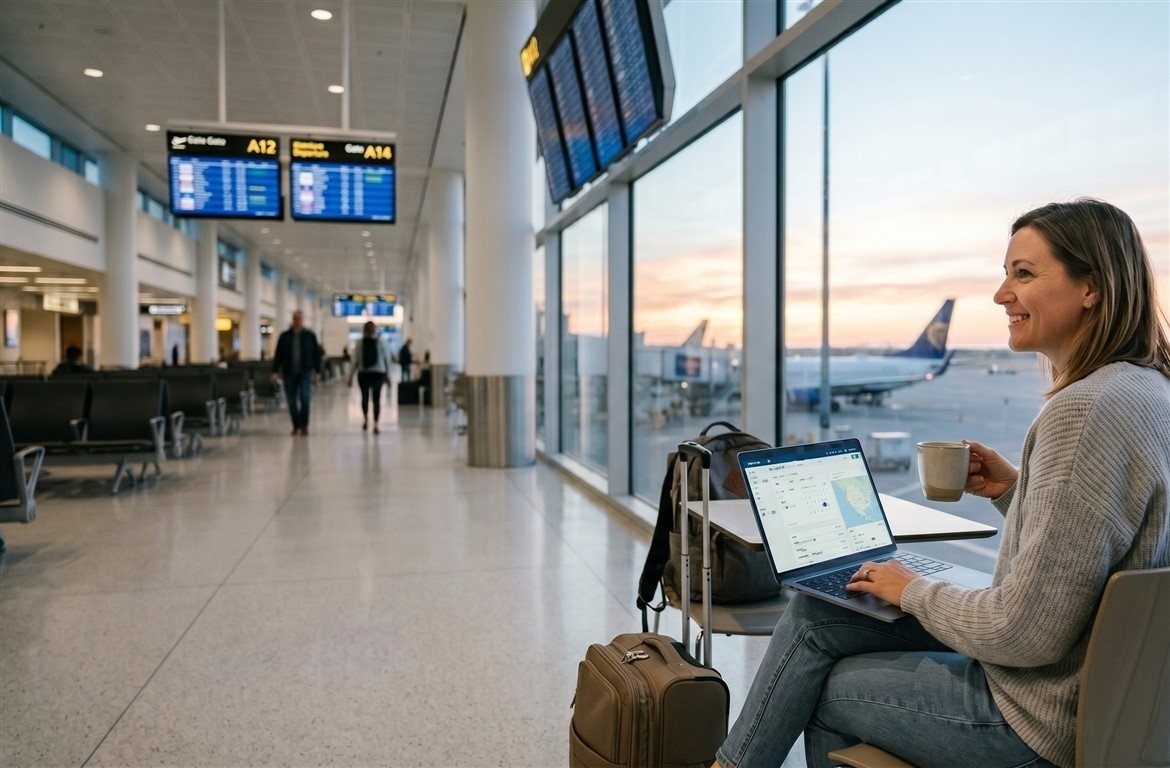
Just small changes to your travel dates can save you money and cut down on stress. Flying on a Tuesday, Wednesday, or Saturday often feels much calmer than fighting the peak Friday and Sunday rush on many popular routes. Morning flights usually bounce back faster from delays, simply because aircraft and crews haven’t yet been hit by a full day of disruptions. For longer journeys, leaving just one day before the main crowd can make airports and roads surprisingly easier to navigate.
Looking at nearby airports can open up better choices. If you’re visiting New York, check prices for JFK, Newark, and LaGuardia. For a London trip, you might consider Heathrow, Gatwick, Stansted, Luton, or London City, depending on your route and where you’re staying. That “cheaper” airport only truly wins if the ground transfer is practical, reasonably priced, and won’t leave you utterly exhausted after a long flight.
Pick Better Times and Places
Travel During Quieter Hours
Peak season crowds don’t just evenly spread out across the day. Airports get swamped around those popular departure times. Historic city centers fill up after breakfast and stay packed right into the late afternoon. Beaches are usually busiest from late morning until mid-afternoon. Shifting your schedule by just a couple of hours can totally change the whole mood of your trip.
Getting an early start works wonders for famous viewpoints, old towns, bustling markets, and outdoor sites. Late visits are fantastic for city walks, waterfronts, observation decks, and those special evening museum openings. The middle of the day? That’s perfect for a leisurely lunch reservation, exploring shaded neighborhoods, enjoying a hotel rest, or just doing something low-key close to where you’re staying.
Embrace Shoulder Season
Shoulder season is that sweet spot nestled between the busiest and quietest times of the year. For many European summer destinations, think May, early June, September, and early October. You’ll often find pleasant weather with far fewer crowds than in July and August. Heading to the Caribbean? Late spring can offer better value before hurricane risks creep up later in the year. For ski trips, January after the holidays usually feels much calmer than the chaos of Christmas week.
Families tied to school breaks might not have complete freedom, but even small tweaks help. Traveling right at the start or end of a holiday window can significantly reduce pressure. A trip from Thursday to Thursday, for example, might be much smoother than a Saturday-to-Saturday plan, since many vacation rentals and package deals still stick to that weekend pattern.
Seek Out Lesser-Known Spots
Peak season doesn’t mean you have to avoid famous places entirely. It simply rewards travelers who cleverly pair them with quieter neighborhoods, charming smaller towns, and genuine local routines. In Rome, you could spend your mornings at the Vatican or Colosseum, then shift your afternoons to Testaccio, Garbatella, or the ancient Appian Way. For Paris, balance a day around the Louvre with a stroll along Canal Saint-Martin, exploring Butte-aux-Cailles, or relaxing in Parc des Buttes-Chaumont.
Local favorites often demand less planning and definitely cost less. Think vibrant food markets, sprawling public parks, commuter ferries, university districts, and cozy neighborhood bakeries. These spots give you a much better feel for daily life than just standing in another ticket line. Ask hotel staff or your apartment hosts where *they* eat on their day off, not where the tourists typically flock.
Saving Money During Busy Dates
Compare All Transport Options
During peak travel dates, the cheapest option isn’t always the one with the lowest ticket price. A budget airline might hit you with charges for carry-on bags, picking your seat, airport transfers, and even schedule changes. A train could cost more upfront but often drops you right in the city center, saving time and expensive taxi fares. A rental car might be super useful in rural areas, but it gets costly in cities with hefty parking fees and restricted zones.
Always compare the full door-to-door cost before you book anything. Add up baggage fees, seat selection, fuel, tolls, parking, the time spent transferring, and the potential cost of arriving late. For groups of three or four, a private transfer can actually offer better value than buying several train tickets after a long flight. But for solo travelers, public transit often comes out on top.
- Check whether your arrival airport offers direct train, metro, bus, or shuttle service to your hotel area.
- Always price out baggage costs *before* choosing a budget airline fare.
- Compare rail passes with individual tickets, especially for shorter city-to-city routes.
- Look into parking rules *before* renting a car in old towns or beach resorts.
- Book long-distance trains early, particularly when seats are reserved and demand is high.
Use Public Transit, Walk, or Share Rides
Public transit can be your absolute easiest way to navigate a crowded destination. In London, the Elizabeth line, Underground, and buses often zip you across busy zones much faster than a taxi. In Paris, the RER B connects Charles de Gaulle Airport directly with central stations, and the metro handles most of your city movement with ease. Barcelona’s Aerobús and metro link the airport to key central areas, and honestly, many main sights are just way easier to reach without a car.
Walking also wonderfully protects your day from traffic snarls. Booking a hotel near a reliable metro station or within walking distance of your first morning attraction can literally save you hours over a week. For beach resorts or islands, shared transfers from companies like airport shuttle operators or hotel-arranged vans can seriously cut down on waiting time after you arrive, especially when taxis are scarce.
Discover Free & Affordable Activities
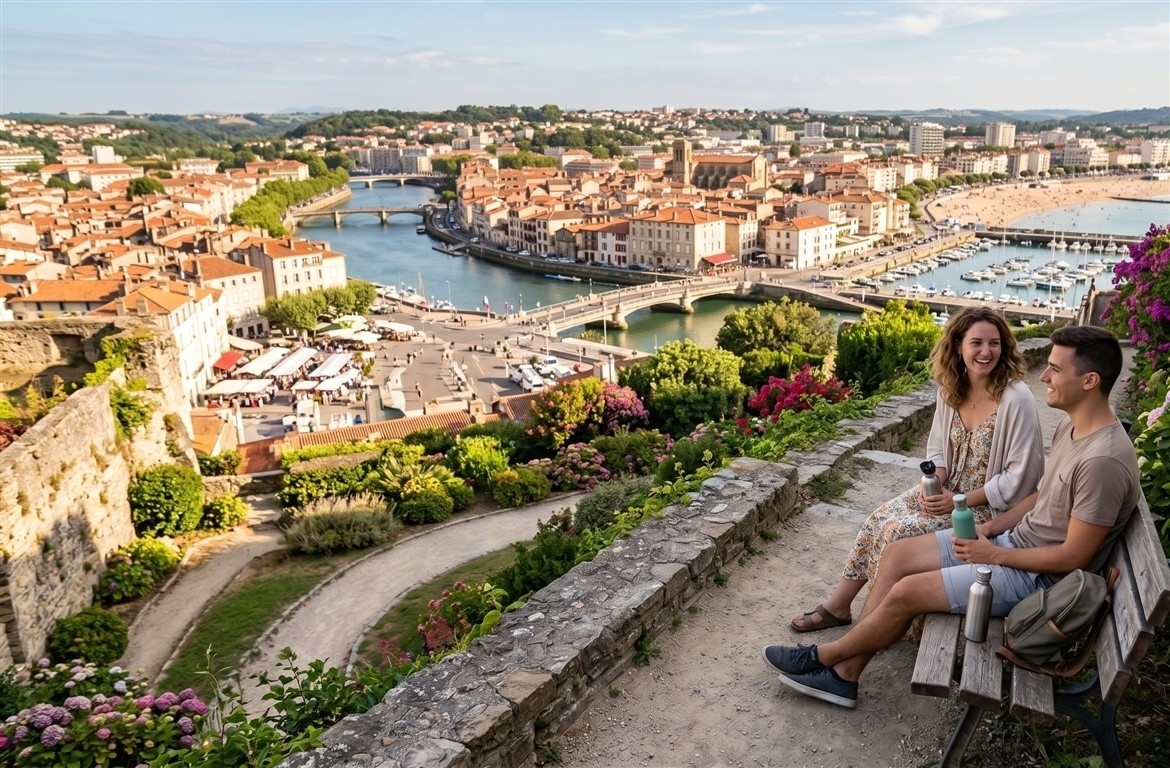
Free activities aren’t just for saving money. They often become the most relaxed, memorable parts of a peak season trip because they don’t demand fixed time slots. Think breathtaking city viewpoints, serene public gardens, lively local beaches, bustling street markets, free museum hours, scenic walking routes, and vibrant seasonal festivals. These add so much variety without requiring another booking or reservation.
Cleverly weave these activities around your busy, paid attractions. After a timed museum visit, plan to explore a nearby park or food market instead of rushing across the city for yet another reservation. This cuts down on transit stress and helps keep your energy levels steady. A slower second half of the day also leaves welcome room for unexpected delays, sudden weather changes, or just stumbling upon something wonderful.
Book Tours & Attractions Thoughtfully
Timed-entry tickets are absolutely essential for major attractions during peak season. Places like the Vatican Museums, the Colosseum, the Louvre, the Eiffel Tower, Alhambra, Sagrada Família, and popular theme parks can sell out completely or generate incredibly long queues. Booking directly through official websites is usually the smoothest path. Reputable platforms such as GetYourGuide, Viator, Tiqets, and Klook can come in handy when official tickets are gone, but always double-check their cancellation policies and meeting points with great care.
Try to avoid stacking several paid bookings on the same day. One major timed visit in the morning and one flexible activity later is usually plenty. If a tour starts across town, allow way more transit time than the map might suggest. Crowds, heat, security bag checks, and platform changes all conspire to slow your day down.
Outsmarting Crowds
Reserve Before You Arrive
Restaurants, beach clubs, ferries, rental cars, and guided tours can fill up much faster than you’d expect during busy times. For dinner in popular areas, make reservations at least a few nights ahead. If you’re eyeing Michelin-starred restaurants, waterfront tables, rooftop bars, or resort dining, start even earlier. Families and larger groups need even more lead time, as those big tables are always the first to disappear.
Reservations matter for transport, too. Ferries to islands, scenic train routes, national park shuttles, and airport transfers can easily sell out or operate on limited schedules. Save all your booking confirmations offline. Keep screenshots of QR codes handy, just in case your mobile data decides to quit at the gate.
Hit Popular Spots Early or Late
The very first entry slot of the day is often the calmest for famous indoor attractions. Staff are fresh, lines haven’t piled up yet, and those big tour groups might not have even arrived. Outdoor landmarks often look their best near sunrise or later in the evening, when the light is softer and temperatures drop.
Late visits really shine in cities blessed with long summer evenings. A grand cathedral square, a leisurely riverside walk, a lively night market, or a stunning old-town viewpoint can feel completely different after the day-trip crowds have packed up and left. Just remember to carefully check closing times, as the last entry might be much earlier than the official closing hour.
Craft a Flexible Daily Plan
A truly solid peak season plan has anchors, not a minute-by-minute script. Use fixed times for your transport, paid tickets, and reservations. But keep the space between them loose. This gives your day ample breathing room for slow service, full trains, necessary heat breaks, and the simple, urgent need to stop for water.
Group your activities by area. If your morning involves a museum district, then your lunch and afternoon stroll should ideally be nearby. Crossing a city three times in one day just wastes energy and significantly ups your chances of missing a booking. A map-based plan almost always beats a checklist-based plan.
Leverage Local Timing Wisdom
Local timing insights can completely trump generic advice. In beach towns, for instance, locals might swim early, retreat during the hottest hours, and return near sunset. In Spain and parts of Italy, late dinners are the norm, so a 7 p.m. table might feel quieter than a 9 p.m. slot in tourist hotspots. At markets, the freshest produce often appears early, but those prepared-food stalls usually get livelier closer to lunchtime.
Ask specific questions. “When is this street usually quiet?” works far better than “What should I see?” Your hotel reception, friendly café staff, museum guards, taxi drivers, and shop owners often know which entrances are faster, which bus stop is less crowded, or which side street helps you completely bypass the main flow.
Smart Travel App Use
Track Flights, Gates & Delays
Airline apps become absolute lifesavers during busy periods, as gate changes and delay notices often pop up there before they even hit the airport screens. Apps like Flighty, FlightAware, and Flightradar24 also help you keep an eye on inbound aircraft and potential delays. If you have connections, this real-time info gives you crucial time to move faster, chat with staff, or tweak your plans before the rest of the crowd even reacts.
Turn on notifications just for your travel days, then switch them off later. Too many alerts can quickly make a relaxing trip feel like actual work. The best setup is pretty simple: your airline app, accommodation app, maps, a transit app, your bank card app, and one shared folder for all your tickets and IDs.
Offline Maps, Tickets & Docs
Offline access becomes absolutely critical when airports, stadiums, cruise terminals, and even historic old towns overload mobile networks. Make sure to download Google Maps or Apple Maps areas before you leave. Save your boarding passes, hotel addresses, attraction tickets, insurance details, and passport scans in a secure folder. For trips involving visas, cruises, remote areas, or multiple border crossings, always keep paper copies of your key documents.
Write down your hotel address in the local language when visiting countries where taxi drivers might not read Latin script. For Japan, South Korea, China, Thailand, and parts of the Middle East, having a saved local-language address can truly prevent confusion after a long flight.
Apps for Bookings & Live Updates
Transit apps can save you so much time in crowded cities. Citymapper works brilliantly in many major urban areas, Google Maps handles broad route planning effectively, and local apps often show service changes much faster. For rail trips, always use the operator’s own app if you can—think SNCF Connect in France, Trenitalia in Italy, Deutsche Bahn in Germany, or Amtrak in the United States.
Restaurant apps vary by country. OpenTable, Resy, TheFork, Tabelog, Quandoo, and various local booking pages can help you snag tables. But honestly, a direct phone call still works wonders for smaller, more charming places. Try to keep one evening unplanned every few days; it lets the trip breathe.
Packing for an Easier Trip
Pack Smart & Lightly
Peak season truly rewards light packing. Smaller luggage just moves faster through train stations, ferry ramps, hotel staircases, crowded sidewalks, and airport security lines. A carry-on also wonderfully cuts down the risk of baggage delays on tight connections. For longer trips, embrace laundry over hauling extra outfits.
Use packing cubes or simple pouches to neatly separate your clothing, chargers, medications, documents, and toiletries. If you’re checking a bag, stash one fresh outfit and basic toiletries in your personal item. For families, try splitting clothing across suitcases; that way, one delayed bag doesn’t leave one person completely without anything.
- Pack clothes that can be mixed and matched into several outfits.
- Bring a refillable water bottle if the tap water is safe to drink.
- Keep medication in its original packaging for smoother border checks.
- Carry a power bank for those long airport and train days.
- Use a small day bag with secure zippers in crowded areas.
Airport Security & Checkpoints Prep
Airport stress often kicks in when you’re frantically digging through bags under pressure. Before you even head out the door, place liquids, electronics, your passport, boarding passes, and jackets where they’re super easy to grab. Wear shoes you can slip off quickly if your airport still requires that. Keep children’s snacks, baby items, and medical supplies separate from the rest of your luggage.
Trusted traveler programs can save a ton of time where available. TSA PreCheck and Global Entry help eligible travelers in the United States. CLEAR operates at selected airports and venues. In Europe and other regions, you might find fast-track security offered by airports or included with certain ticket classes. Just make sure the lane fits your specific departure airport before you pay for it.
Keep Daily Items Handy
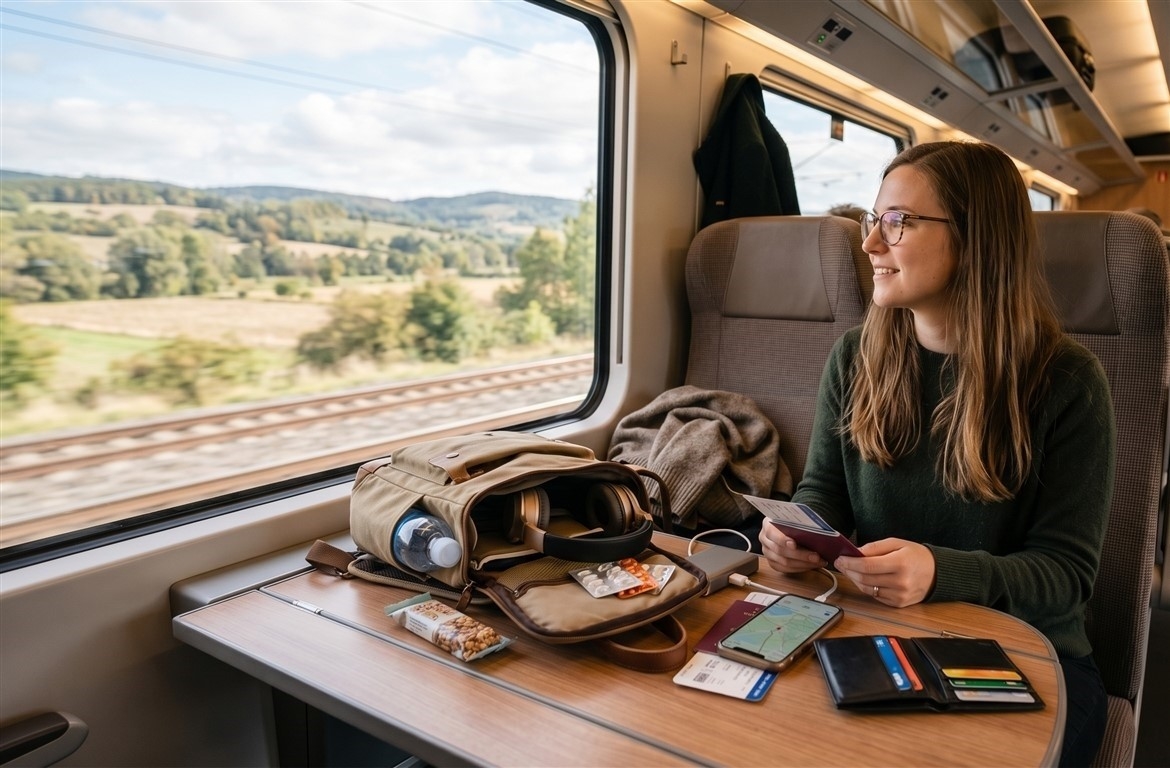
A truly smooth travel day really hinges on what you can easily reach. Keep your passport, phone, wallet, charger, medication, glasses, snacks, water, headphones, and one warm layer right there in your personal item. On trains and buses, keep valuables on you, not stashed in overhead racks or luggage holds.
For families, every child old enough can carry a small bag with their own snacks, a water bottle, a sweater, and some entertainment. This distributes the load and cuts down on constant unpacking. Older travelers might find a compact seat cushion, compression socks, and a printed itinerary make long travel days much, much easier.
Protecting Your Trip
Check Cancellation Policies
Flexible bookings are incredibly valuable during busy travel windows. A nonrefundable hotel might look cheaper initially, but just one flight change can make it incredibly expensive. Always read the policy for each booking before paying, especially for apartments, resorts, tours, ferries, and rental cars. Pay close attention to cut-off times, too, as they’re usually based on local time at the destination.
Keep every policy in one dedicated folder. If a delay forces a change, you’ll need booking references, phone numbers, app logins, and cancellation windows right away. Screenshots are your friend when websites load slowly or your mobile data decides to be uncooperative.
When Travel Insurance Pays Off
Travel insurance generally makes the most sense when your prepaid costs are high, if medical care abroad could be expensive, or when your itinerary involves several moving parts. Families, cruise passengers, older travelers, and anyone booking nonrefundable tours should carefully read policy details before buying. Pay close attention to trip cancellation, trip interruption, medical coverage, baggage delay, and missed connection terms.
Certain credit cards sometimes include travel protections when you pay for the trip with that card. The coverage can be limited, though, so read the benefits guide instead of just assuming everything’s covered. For adventure travel, skiing, diving, remote hiking, or cruises, double-check those exclusions with extra vigilance.
Backup Plans for Delays & Sold-Outs
Having solid backup plans keeps a busy trip from completely falling apart. Always save a second restaurant choice near each dinner booking. Mark some indoor activities for rainy days and outdoor options for clear mornings. Build in one flexible afternoon after a long transfer, especially when you’re traveling with kids or older relatives.
For flights, know your next workable route *before* you actually need it. If a connection fails, airline staff might be swamped with many passengers all asking for help at once. Knowing nearby airports, later train options, or even an extra hotel night choice can make that conversation much faster and calmer.
0 Comment