

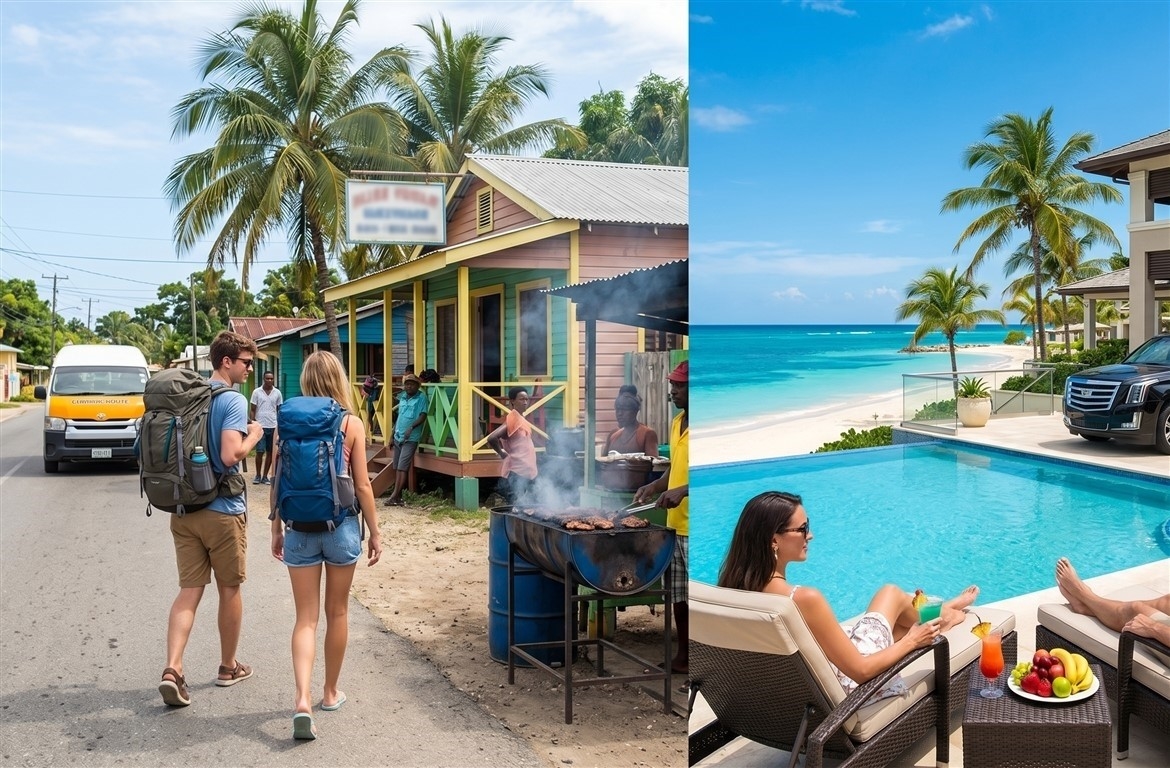

Jamaica Trip Costs: Your Affordability Guide
Jamaica can be surprisingly affordable or quite a splurge, it just depends on how you plan your days. If you’re staying in guesthouses, grabbing jerk chicken from local cookshops, and hopping on route taxis, your spending stays pretty close to a modest island budget. But if you’re sleeping at a fancy beachfront all-inclusive, booking private drivers for every move, and adding paid tours daily, expect to spend several times more. This island absolutely rewards careful planning. That same gorgeous beach day? It could cost you next to nothing or turn into a hefty resort bill.
This guide is perfect for anyone chasing warm water, amazing music, delicious food, stunning waterfalls, and a genuine peek into island life without blowing through their cash on every little convenience. Let’s be real, Jamaica isn’t the absolute cheapest Caribbean island once you factor in flights, resort taxes, transfers, and all those fun tours. Still, it’s totally doable on a tighter budget. Especially places like Negril, Kingston, Port Antonio, Treasure Beach, and those smaller towns far from the big resort areas.
How Much Does a Jamaica Trip Truly Cost?
Your Daily Budget, By Travel Vibe
Your daily expenses mostly hinge on where you crash, then how you get around and what tours you pick. Food can stay super reasonable when your meals come from patty shops, jerk stands, humble beach shacks, and family-run eateries. The biggest budget surprises usually pop up with airport transfers, private taxis, imported drinks, and attraction packages sold right inside your hotel.
| Travel style | Daily cost per person | What it covers |
|---|---|---|
| Budget | $60–$90 | Guesthouse, local meals, route taxis, beaches |
| Comfort | $130–$200 | Mid-range hotel, restaurants, shared tours |
| Resort | $220–$450 | All-inclusive stay, airport transfer, extras |
| Luxury | $500+ | Five-star resort, private driver, premium tours |
A Sample 7-Day Budget
A realistic week-long budget needs to separate flights from the actual island costs. Flight prices swing wildly depending on your departure city, school holidays, luggage choices, and how far in advance you book. Once you’re on the ground, a savvy traveler might spend around $550–$850 before airfare. A more comfortable trip often lands somewhere around $1,100–$1,700. A week at a resort with plenty of paid extras could easily pass $2,000 per person, and that’s still before flights.
- Guesthouse or simple hotel: $280–$700 for seven nights.
- Local food and casual meals: $175–$350 per week.
- Transport around the island: $80–$300, depending on taxis.
- Waterfalls, rafting, tours, nightlife: $100–$450.
- Tips, cash fees, beach chairs, SIM card: $60–$180.
What Makes Jamaica Cheap or Pricey?
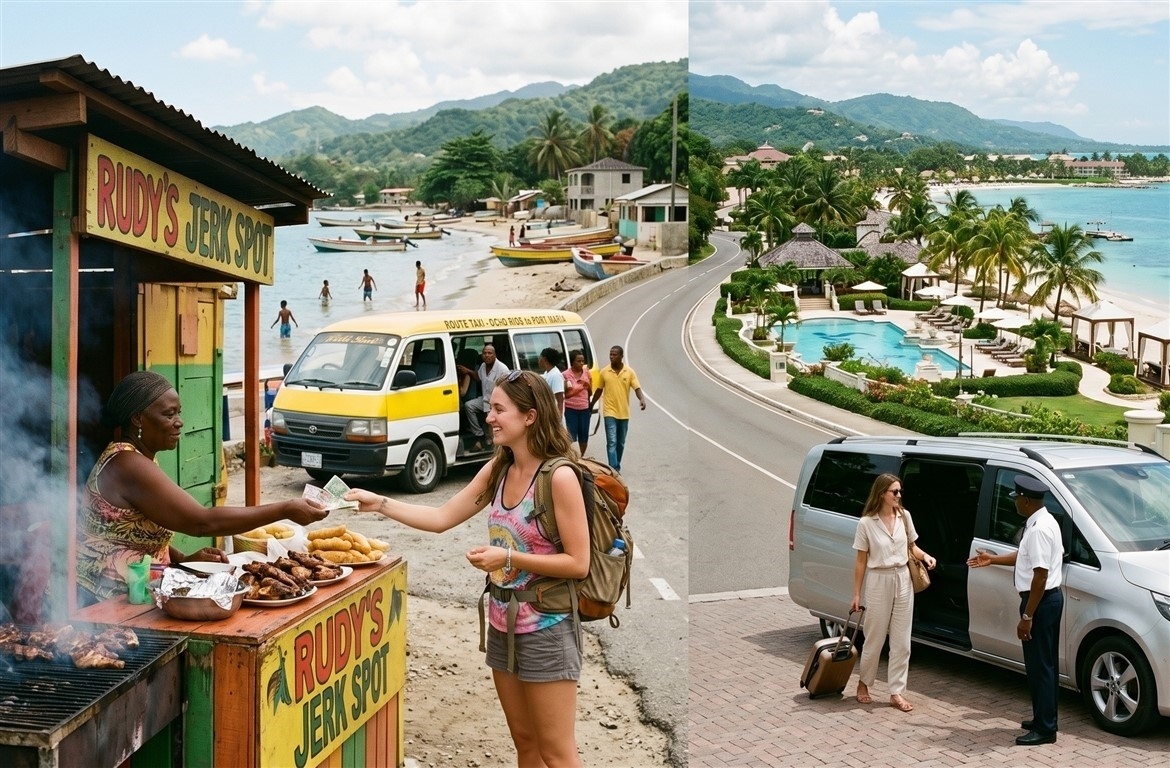
Jamaica really becomes affordable when you embrace local customs. Think cash for small meals, shared transport, free public beaches, and fewer long cross-island road trips. It gets expensive fast when every single movement is private, and every activity comes packaged as a pricey tour. The island is quite long, so getting from Montego Bay to Negril, Ocho Rios, Kingston, or Port Antonio isn’t just a quick hop. Picking one home base, or two at most, saves both your time and your money.
Best Times to Visit for Lower Prices
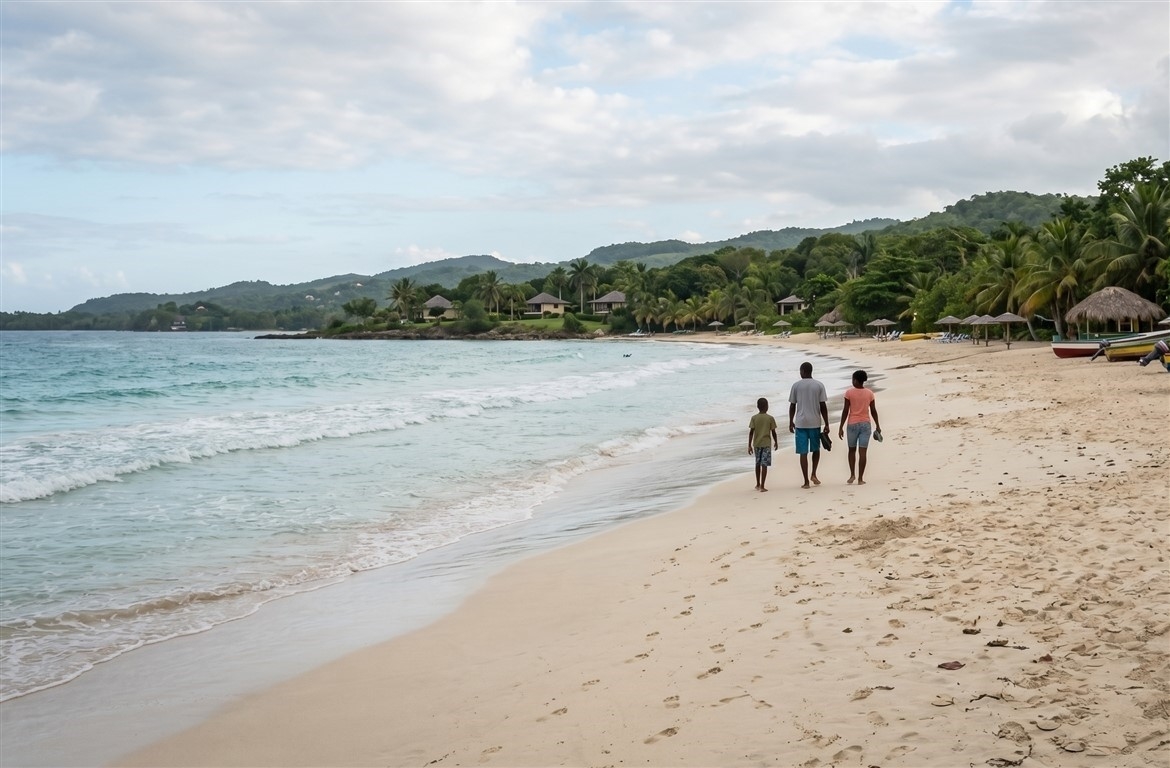
Cheapest Months to Travel
You’ll usually find lower prices in May, June, September, October, and early November. September and October often bring the absolute softest hotel rates, but travelers should definitely keep an eye on weather forecasts and grab some travel insurance. Late January through March sees a huge surge in demand from North America and Europe, so hotels and packages naturally get pricier. Christmas, New Year’s, spring break, and any major school-holiday weeks are the toughest times to snag a bargain.
Peak, Shoulder, and Off-Season Travel
The peak season runs from mid-December to mid-April, bringing drier weather and much higher room prices. Shoulder periods, mainly late April through June and November to early December, offer a nice balance of good weather and calmer rates. The off-season, from July through October, can be cheaper, but you’ll need to account for heat, more rain, and the risk of storms in your plans. Budget travelers often do wonderfully in May or early June. The island still feels lively, but without that intense peak-season pressure.
When to Book Your Flights and Stays
If you’re planning a winter trip, start tracking airfares three to six months out. Book your lodging as soon as a decent, refundable rate pops up. For trips in May, June, September, or October, hotel deals might appear closer to your travel dates. Still, the best small guesthouses in popular beach towns often sell out regardless. Package deals can work really well for resort-focused travelers, since airfare, transfers, food, and drinks are all bundled. Independent travelers should always compare that package price against a guesthouse plus meals before just assuming the resort option is cheaper.
Jamaica Travel Costs, By Category
Flights to Jamaica
Most visitors fly into Sangster International Airport in Montego Bay. This airport is ideal for Negril, Montego Bay itself, Ocho Rios, and the entire north coast. Norman Manley International Airport in Kingston works best for Kingston, the Blue Mountains, Port Antonio, and the southeastern parts of the island. Landing a cheaper fare into the “wrong” airport can completely wipe out any savings once you factor in a long, expensive transfer. For Negril, Montego Bay usually wins the convenience battle. For Kingston’s vibrant culture or those Blue Mountain coffee estates, Kingston cuts down on road time significantly.
Accommodation
Budget Guesthouses & Hostels
Budget beds can kick off around $15–$30 in hostels, or $40–$90 for simple private rooms. Explore Negril’s West End, look for guesthouses in Kingston near New Kingston or Liguanea, check out cottages in Port Antonio, and scout rooms in Treasure Beach. A super low nightly price quickly loses its appeal if the property is miles from food or transport. Always map out walking distances before you book. And definitely double-check for air conditioning, hot water, and beach access line by line.
Mid-Range Hotels
Mid-range hotels typically hover around $90–$180 per night, outside of peak dates. These rooms suit couples and families seeking private bathrooms, better security, prime locations, and staff who can help arrange licensed transport. In Montego Bay and Ocho Rios, always confirm if breakfast, beach access, and local taxes are included. A $130 room with breakfast and a walk to the beach can absolutely beat a $95 room that forces you into taxi rides twice a day.
All-Inclusive Resorts
All-inclusive resorts generally make sense for travelers who plan to stick mostly to the property, enjoy cocktails, eat three meals a day, and use the beach or pool as their main activity. The upfront rate might look steep, but remember all your food and drinks are already covered. The weak point? Local access. The moment you want to explore Blue Hole, Dunn’s River Falls, hit local nightlife, find authentic restaurants, or browse craft markets, those extra bills pile up fast.
Food and Drinks
Local Restaurants & Street Eats
Local food is truly one of Jamaica’s best budget secrets. Patties, coco bread, jerk chicken, stew peas, curry goat, escovitch fish, rice and peas, and steaming soups keep meal costs low while giving you a much more authentic taste of the island than any resort buffet. A casual lunch might run you around $5–$12. A meal at a beachside restaurant could be $12–$25. Seafood generally costs more, especially lobster in the more touristy towns or during high-demand months.
Resort and Tourist Dining
Restaurants located on resort strips charge extra for their prime location, those stunning sea views, imported ingredients, and sheer convenience. In Negril, a beachfront dinner on Seven Mile Beach will definitely cost more than a roadside meal on the West End. Over in Montego Bay, the Hip Strip and hotel zones are pricier than local cookshops. Travelers who mix one nicer dinner with two local meals daily usually get great variety without seeing their food budget spiral out of control.
Transportation Around Jamaica
Route Taxis & Public Transport
Route taxis and minibuses offer the cheapest way to zip between nearby towns. They operate on fixed routes, pick up multiple passengers, and leave when they’re full, not on some strict tourist timetable. In Kingston, public buses are super useful for getting around the city. Keep an eye out for official public vehicles – they use red license plates. Always have small Jamaican-dollar notes ready. Confirm the route before you hop in, and absolutely avoid unlicensed cars.
A practical road map: To get from Montego Bay to Negril, consider the Knutsford Express if its schedule fits. Otherwise, try a route taxi, changing vehicles through Lucea and Savanna-la-Mar if you’re comfortable with that. From Montego Bay to Ocho Rios, a coach or shared shuttle is much simpler than piecing together several local rides, especially with luggage. If you’re heading from Kingston to the Blue Mountains, budget travelers often combine a local taxi to Papine with pre-arranged mountain transport. Those mountain roads get pretty narrow and steep!
Private Transfers & Rental Cars
Private transfers are incredibly convenient after a long flight, particularly at night or when traveling with kids. A Montego Bay to Negril private car will typically cost a lot more than a shared coach, but it saves you waiting time and doorstep confusion. Rental cars are really only for confident drivers. Jamaica drives on the left, rural roads can be rough, and mountain routes demand serious patience. First-time visitors looking for just one or two day trips often save money by hiring a licensed driver. It beats the cost of a rental, fuel, parking, and all the associated stress.
Activities, Tours, & Attractions
Beach days are usually free, but waterfalls and guided excursions add up super fast. Dunn’s River Falls charges a separate admission fee, and many tours conveniently bundle transport, guide time, and an extra stop. Blue Hole, river rafting, catamaran cruises, ATV rides, horseback riding, and coffee tours vary hugely depending on your pickup point. Booking one major paid activity every two or three days keeps your trip feeling full without turning every morning into a checkout screen.
Affordable & Pricey Places to Stay
Budget-Friendly Areas
Negril can be quite affordable if you stay away from the super polished beachfront resorts. Look especially at the West End and in smaller, family-run hotels. Kingston often delivers better room value than the resort towns. It’s perfect for travelers keen on music, food, museums, street art, and Blue Mountain day trips. Port Antonio and Treasure Beach draw a slower crowd, people who want nature, quiet beaches, and guesthouses. These spots work best for folks who don’t need an all-inclusive gate around their entire vacation.
Higher-Cost Resort Areas
Montego Bay’s Rose Hall corridor, the premium Negril beachfront resorts, and many Ocho Rios resort properties definitely sit at the higher end of the price spectrum. That higher rate often covers private beach space, pools, multiple restaurants, security, and easier transfers. Families might find great value there, especially if kids’ clubs, meals, snacks, and beach gear get used daily. Solo travelers and couples who plan to explore a lot often end up paying for amenities they barely touch.
Best Areas for First-Time Budget Visitors
Negril is easily the top choice for a first-time budget traveler wanting beach time, epic sunsets, casual restaurants, and a totally unhurried schedule. Kingston suits confident travelers seeking culture and better food value, though it does require careful planning around neighborhoods and late-night transport. Port Antonio is stunning and less commercialized, with Frenchman’s Cove, Boston Bay, Reach Falls, and Blue Lagoon all nearby. Treasure Beach is quiet, friendly, and ideal for travelers who prefer slow, relaxed days over a packed nightlife scene.
Smart Ways to Spend Less
Stay Outside Major Resort Zones
Sleeping just one or two roads back from the sand can seriously slash your room bill. Before you book, check if the nearest public beach, supermarket, cookshop, and taxi route are all within safe walking distance during daylight. A cheaper inland room with zero transport access can actually end up costing more after daily taxi rides. The sweet spot? A simple guesthouse close to food, transit, and a safe walking path to the beach.
Eat Where Locals Eat
Local restaurants save you money and infuse your trip with genuine character. Seek out busy lunch counters, jerk pans with a steady stream of customers, bakeries selling warm patties, and small restaurants featuring daily specials. Always ask the price before ordering seafood by weight. Carry cash. Smaller food spots might not accept cards, and card machines can sometimes fail during rain or power cuts.
Use Local Transportation Wisely
Use route taxis for quick hops, coaches for intercity journeys, and save private transfers only for times they truly offer significant help. Knutsford Express is a fantastic coach option for travelers who want air-conditioned long-distance transport; their Montego Bay listing is at 1310 Providence Drive, Ironshore, Montego Bay, St. James. Local route taxis are cheaper but often less comfortable with luggage. After dark, always pay a little more for licensed, pre-arranged transport instead of chasing the absolute lowest fare.
Pick Low-Cost Beaches & Sites
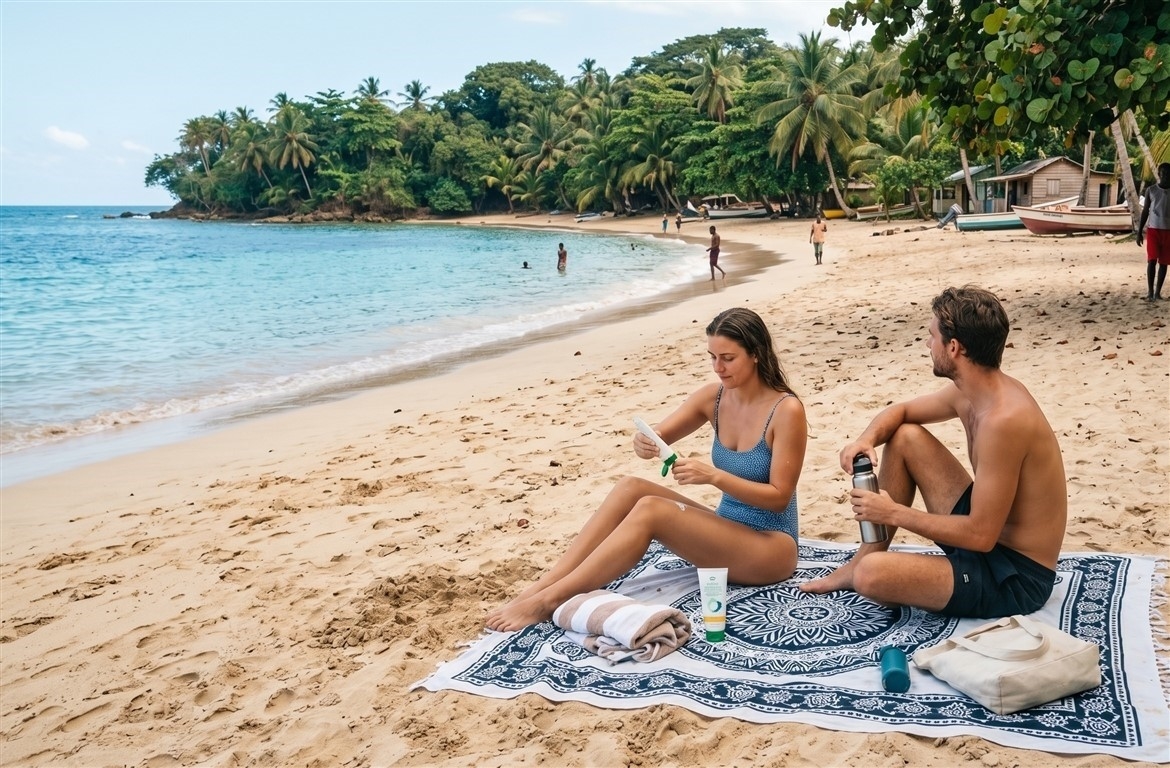
Jamaica offers so many free or super low-cost days. Seven Mile Beach in Negril, Boston Bay near Port Antonio, Winnifred Beach near Fairy Hill, Emancipation Park in Kingston, and bustling local markets can easily fill your day without needing a tour van. Paid waterfalls can definitely be worth it, but avoid stacking two expensive nature tours back-to-back. Bring your swimwear, a towel, reef-safe sunscreen, and water. This way, those small rentals don’t chip away at your budget.
Book Tours Strategically
Tours become less expensive when the pickup distance is short. Stay in Ocho Rios if Dunn’s River Falls and Blue Hole are your main goals, not Negril. Base yourself in Kingston for the Bob Marley Museum, Devon House, Trench Town cultural stops, and easy Blue Mountain access. Stay in Port Antonio for river rafting, Reach Falls, and Boston Bay. Matching your home base to your planned activities drastically cuts down on road time and driver fees.
Budget-Friendly Things to Do
Beaches & Swimming Spots
Beach time is the easiest way to soak up Jamaica without overspending. Negril boasts long stretches of sand and lively sunset bars. Port Antonio offers greener, more lush scenery. Treasure Beach gives you a quieter, south-coast vibe. Public access points vary, so always ask locals and avoid trespassing on private property. Consider buying drinks or lunch from a friendly beach vendor when using chairs or shade linked to a small business.
Markets & Local Culture
Markets are fantastic for experiencing local color, finding delicious food, and observing daily life. Don’t go expecting polished souvenirs everywhere. Coronation Market in Kingston is vibrant but best visited with local guidance and only during daytime hours. Craft markets in Montego Bay, Ocho Rios, and Negril are easier for first-timers, but require some friendly bargaining. Decide on a price in your head before touching items. Keep small bills handy. Try to buy from stalls where the seller takes time to explain their craft rather than just pushing a quick sale.
Hiking & Nature Experiences
Nature activities are less costly when the trail is close to your base. Blue Mountain hikes, for example, aren’t cheap from distant resort towns because transport often needs to start before sunrise. Shorter walks, river swims, and local beaches can easily fill the gap between bigger, paid excursion days. During rainy months, always ask about river levels before booking waterfalls or rafting; conditions can change in a flash.
Music, Food, & Nightlife
Jamaica’s nightlife definitely doesn’t demand a VIP table. Beach bars, outdoor sound-system nights, small live-music venues, and street food spots create incredibly memorable evenings at a much lower cost. Kingston buzzes with the richest music culture. Negril, on the other hand, is much easier for casual beach nightlife. Always use pre-arranged transport after dark, carry only the cash you need for the night, and keep your phone charged.
Hidden Costs to Plan For
Airport Transfers
Transfers can absolutely shock travelers who only budgeted for flights and hotels. Montego Bay to Negril, Ocho Rios, or Runaway Bay costs significantly more by private car than a short city taxi ride. Shared shuttles and coaches cut down the price, but schedules and luggage rules are important. For late arrivals, a pre-booked licensed driver is almost always worth the money.
Tips & Service Charges
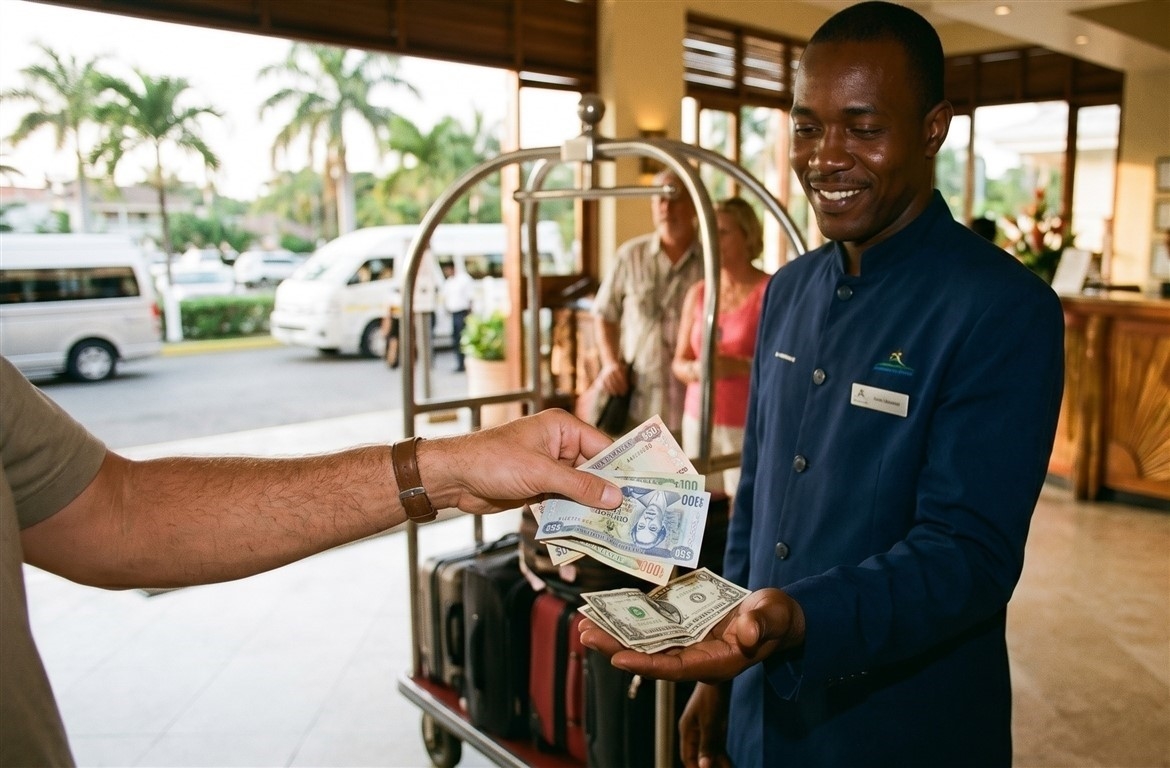
Tips should be an integral part of your budget, not an afterthought. Drivers, guides, hotel staff, boat crews, and restaurant servers often rely heavily on them. Some restaurants and resorts automatically add service charges, so always read your bill carefully before tipping twice. Keep small Jamaican-dollar and U.S.-dollar notes handy for porters, short rides, and your guides.
Currency Exchange & Cash Needs
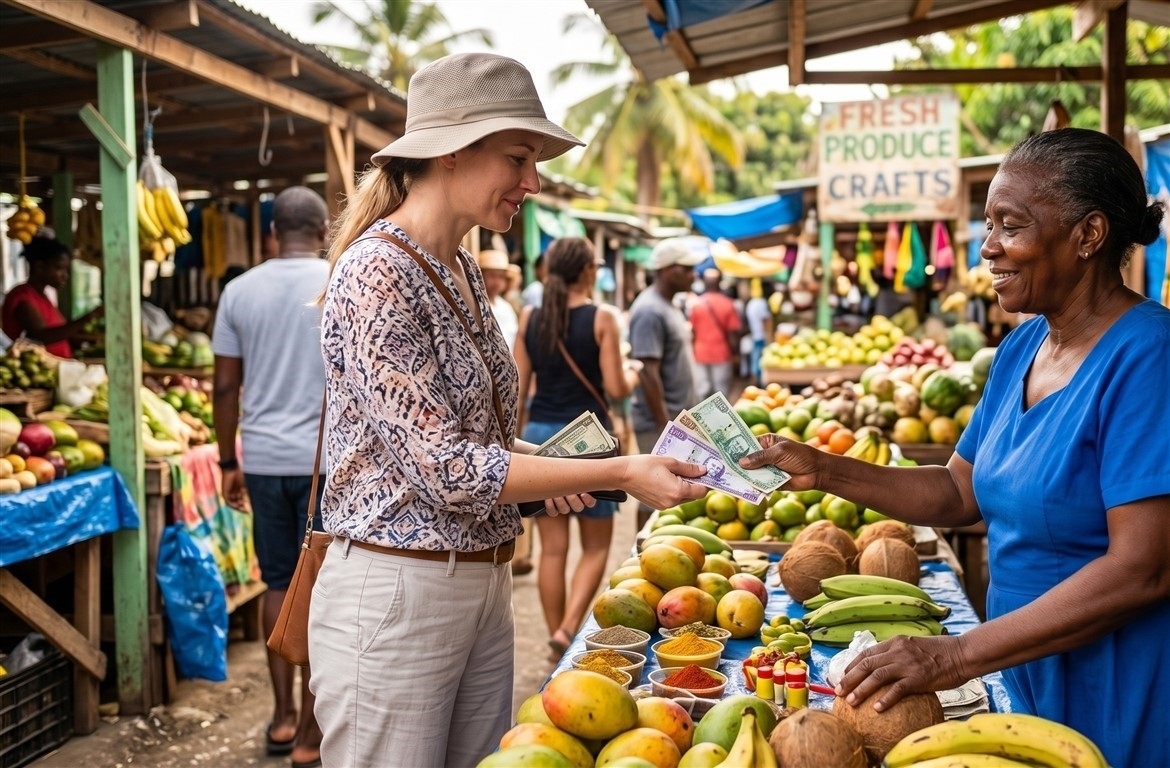
U.S. dollars are widely accepted in tourist zones, but Jamaican dollars usually get you clearer pricing for local buses, route taxis, markets, and cookshops. ATMs in towns often offer better rates than hotel exchange desks, though bank fees will apply. When a machine or card terminal asks if you want to be charged in your home currency, always decline dynamic currency conversion. Carry cash in small amounts; don’t walk around with your entire trip budget.
Safety, Insurance, & Extra Costs
Travel insurance is definitely worth factoring into your trip, especially during storm season or when booking non-refundable rooms. Always use licensed transport. Avoid isolated beaches after dark. Keep valuables out of sight in cars and on the sand. A phone plan or eSIM also deserves a line in your budget. Maps, calling drivers, and booking confirmations are crucial. A small emergency buffer of $150–$300 can prevent a missed shuttle or an unexpected medical visit from ruining your week.
Is an All-Inclusive Jamaica Trip Worth It?
When All-Inclusive Saves Money
An all-inclusive package can definitely save money for families, honeymooners, and travelers who prioritize a beach resort experience over extensive island roaming. The value skyrockets when the rate covers meals, drinks, airport transfer, beach chairs, non-motorized water sports, kids’ activities, and evening shows. It also dramatically cuts down on daily decision fatigue. The best deal is a resort that perfectly aligns with how you actually spend your time, not just the one with the longest list of amenities.
When Independent Travel Is Cheaper
Independent travel clearly wins when you crave local meals, charming small hotels, public beaches, markets, live music, hiking, and a completely flexible pace. It also works much better for repeat visitors who already understand the local transport and neighborhoods. The savings come with extra planning, of course. You’ll be managing rides, cash, food choices, and safety habits all by yourself. For truly curious travelers, that trade-off is often a big part of the reward.
Final Verdict: Can You Afford Jamaica?
Jamaica is absolutely affordable for travelers who carefully pick their location, embrace local food, limit private transfers, and resist turning every single day into a pre-packaged excursion. It gets expensive for those expecting resort-level comfort, private transport everywhere, imported food, and guided tours originating from distant bases. A good target for a careful independent traveler is $80–$120 per day. For a comfortable trip, aim for $150–$250. Resort-first travel will cost much more. The smartest money move is simple: choose the right home base, pay for the experiences you truly desire, and always leave plenty of space for slow beach days, great music, and delicious meals that don’t need a reservation.
Jamaica Travel Affordability FAQs
How much cash should I bring to Jamaica?
Bring enough cash for small rides, food stalls, tips, beach chairs, and market purchases. Use cards for hotels and larger tours. For one week, many independent travelers carry $250–$500 in mixed small bills and then withdraw more as needed. Resort travelers might need less daily cash but should still have money for tips and any off-property outings.
Is Jamaica cheaper than other Caribbean islands?
Jamaica is often cheaper than islands primarily built around luxury resorts, but it’s not uniformly inexpensive everywhere. Local food, route taxis, guesthouses, and public beaches help immensely. However, premium beachfront resorts, private transfers, and imported dining push costs closer to the higher end of Caribbean destinations.
Can I visit Jamaica on a tight budget?
Yes, a tight-budget trip works best in guesthouses, hostels, and simple private rooms located away from the major resort gates. Pick one main base, use local transport during daylight hours, eat at cookshops, and prioritize beaches over daily tours. Negril, Kingston, Port Antonio, and Treasure Beach are all stronger choices than expensive resort corridors.
What’s the cheapest way to get around Jamaica?
Route taxis and public buses are the most budget-friendly options for short and medium distances. Coaches are better for longer intercity rides, especially with luggage. Save private taxis for airport arrivals, late nights, visiting rural attractions, or days when comfort and time matter more than snagging the lowest fare.
Are all-inclusive resorts cheaper overall?
They can be cheaper if you plan to stay on the property, eat every meal there, drink frequently, and use all the included activities. However, they are usually not cheaper if you intend to leave the resort most days. Always compare the full week’s cost, including transfers, tips, tours, outside lunches, and any resort fees, before making your booking decision.
0 Comment