


Dubai Unpacked: Navigating Local Laws, Customs, and Travel Smarts for 2026 Visitors
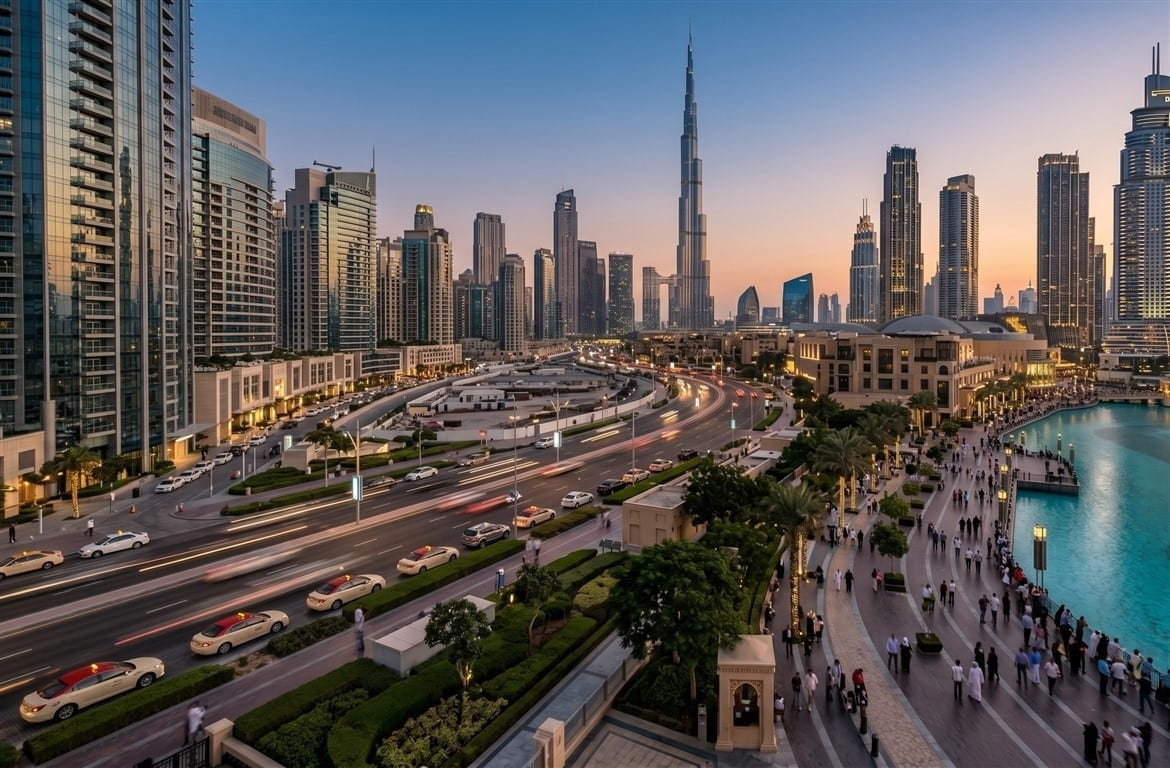
That first glimpse of Dubai from your plane window? Pure magic. Glass towers reaching for the clouds, the city bathed in a warm, inviting glow, beaches looking almost too perfect, taxis lined up neatly. And the hotels? They run with an almost theatrical polish. But then, the city starts to whisper its real deal: enjoy yourself, absolutely, but don’t act like you never left your comfort zone back home.
Heading to Dubai in 2026? You’ll find it’s still one of the most impeccably organized and welcoming spots in the Gulf. Just remember, it’s also part of the United Arab Emirates. Here, things like how you behave publicly, personal privacy, religion, alcohol, medications, and even what you say online are taken way more seriously than many first-timers anticipate. It’s this tricky little gap between “luxury holiday paradise” and “quite a strict legal environment” that sometimes trips people up. Not every single day, not around every corner in a dramatic way. But enough to matter.
Nobody wants to spend their vacation looking over their shoulder. That’s just no fun. Instead, the trick to a great trip here is simply knowing where those invisible lines are. Once you get that, you can totally relax and dive into everything amazing Dubai offers: those famous brunches, wandering through vibrant souks, serene desert evenings, sparkling rooftop pools, charming abra rides across the creek, fascinating museum visits, grabbing late-night shawarma, and, of course, that jaw-dropping moment the Burj Khalifa pops into view between buildings, looking less like a building and more like a weather phenomenon.
Heads Up, Travelers: What to Know Before Your Dubai Adventure
Why Dubai’s Local Customs are a Big Deal for Tourists
Dubai’s hospitality often feels so smooth, so effortless, that visitors sometimes miss the subtle cues. It welcomes millions of people from all over the world, sure, but that warm welcome doesn’t just erase local laws. That swanky hotel bar? The chill beach club? The mall packed with all your favorite international brands? They’re all still very much inside the UAE. Those laws? They tag along with you from the moment you land, into your taxi, at dinner, and even when you’re crafting that perfect Instagram caption.
Most tourists who find themselves in a bit of hot water usually do so because of totally avoidable blunders: snapping photos of strangers without asking, yelling during an argument, drinking way too much, carrying certain meds without the right paperwork, swearing at someone after a minor traffic tussle, airing grievances online, or treating Ramadan like just another party week. Nothing exotic. Just common travel slip-ups, but magnified by a more stringent setting.
Dubai really shines when visitors stick to one simple rule of thumb: keep private matters private, act respectfully in public, and show extra care in official places.
How Local Regulations Mirror UAE Culture and Core Beliefs
The UAE is a unique mix: deep tribal heritage, Islamic principles, boundless commercial ambition, and a huge population of expats. Dubai? It’s incredibly cosmopolitan, no doubt about it. English is spoken everywhere, you’ll find every cuisine imaginable, and the city is practically built for visitors. Yet, core values like modesty, family privacy, religious reverence, and maintaining public order remain central to daily life.
That’s why something completely innocuous in London, Sydney, Berlin, or Miami can cause quite a stir in Dubai. A quick kiss on the street. A casual joke about religion. A photo of a family sitting at the next table. A loud, drunken spat outside a club. A rude hand gesture from your car window. Small moments, potentially big headaches.
Key Local Regulations You Must Know in Dubai
Alcohol Rules: Where You Can (and Can’t) Drink
Yes, you can absolutely get alcohol in Dubai. But here’s the kicker: it’s strictly for licensed spots. Think hotels, bars, restaurants, nightclubs, and approved liquor stores. You need to be 21 to drink. Expect staff to ask for ID, so always carry a copy of your passport or another recognized ID when you’re out for drinks.
Drinking in public? Big no-no. So is stumbling around obviously drunk, loud, or causing a scene after you’ve had a few. You can have a lovely, polished dinner with wine at a restaurant, totally above board, then find yourself in legal trouble ten minutes later just by shouting in the lobby, insulting a taxi driver, or getting into a street argument. Dubai’s nightlife is vibrant. Its tolerance for public disorder? Not so much.
Any alcohol you pick up at duty-free or from licensed shops is meant for private use. Your hotel room, a private residence — those are the places. Beaches, parks, public streets, transport stations, and family areas? Absolutely not the place for open bottles. That “just one beer outside” habit you might have from other holidays? Seriously, leave it packed away.
Drug Laws, Prescription Medications, and Vaping Guidelines
The UAE takes drug laws incredibly seriously. Recreational drugs are completely illegal. Possession, use, trafficking, or even just residue can land you with severe penalties. Cannabis products, THC oils, edibles, anything drug-related – these are NOT travel essentials here, even if they’re legal where you bought them.
Medication? Pack carefully. Some everyday medicines in your home country are actually controlled substances in the UAE. Always bring your prescriptions. Keep your meds in their original packaging. Only carry a reasonable personal quantity. And please, please check the controlled-drug list *before* you fly. Common items like certain painkillers, sleeping tablets, anti-anxiety meds, ADHD medication, and strong cough syrups often need a second, proper look. Don’t just glance, really check.
Vaping is legal in specific, regulated areas, but it’s not a free-for-all. Airports, shopping malls, public transport, government buildings, taxis, and many indoor spaces have strict rules against smoking and vaping. Pay attention to posted signs. Always ask hotel staff before vaping on balconies or in your room; hotel policies can vary, and fines for breaking these rules can be hefty.
Public Behavior: Keeping it Respectful and Orderly
Dubai is definitely not the stage for dramatic public confrontations. Swearing, aggressive gestures, insults, spitting, fighting, harassment, or just general disorderly conduct can quickly spiral from “bad manners” into a police matter. Giving someone the middle finger, engaging in road rage, yelling at staff, or using offensive language out in the open? All seriously risky.
Family areas come with an even higher expectation of decorum. Malls, promenades, restaurants, public beaches, and parks are shared spaces for residents, kids, workers, tourists, and people observing their faith. Keep your voice down. Wait your turn in lines. Don’t film someone else’s mistake just for online content. And definitely don’t make fun of clothing, accents, prayer, or local customs. Dubai has eyes everywhere: cameras, staff, other people. The city sees everything.
Photography, Privacy, and Social Media: What You Need to Know
Privacy is a big deal in the UAE. Snapping photos or videos of people without their explicit permission can land you in legal hot water, and posting those images online just makes it worse. This rule applies even to people in public spaces. Think about it: a family on the beach, a woman in a mall, kids playing near a fountain, a worker during a dispute, the scene of a car accident, a police officer, a security checkpoint. Don’t turn them into your content.
Landmarks are generally fine to photograph in typical tourist settings. But stay alert around government buildings, airports, military sites, ports, palaces, and private property. When in doubt, just don’t take the picture. That sounds blunt, and it’s meant to be.
What you post online carries its own set of risks. Content that insults the UAE, its government, companies, individuals, religion, or local culture can be considered illegal. The same goes for nasty reviews, angry videos, private messages containing threats or insults, or posts about incidents within the country. A holiday rant could end up lasting much longer than your actual holiday.
Driving, Traffic, and Public Transport: Essential Rules
Dubai’s roads are smooth, fast-paced, and heavily monitored. Speed cameras are everywhere. Seat belts are mandatory. Using your mobile phone while driving gets you a fine. And drinking and driving? Zero tolerance. If you’re renting a car as a tourist, you’ll need a valid license recognized in the UAE; many visitors also bring an International Driving Permit.
Public transport has its own clear set of rules. On the Dubai Metro, trams, buses, and marine transport, make sure you’re using the correct Nol card, respect Gold Class and Women and Children cabins, and absolutely avoid eating, drinking, chewing gum, littering, smoking, or putting your feet on the seats. Inspectors are vigilant. These rules aren’t just for show.
| Common public transport issue | Typical fine in Dubai | What visitors should do instead |
|---|---|---|
| Eating, drinking, or chewing gum in restricted areas | AED 100 | Finish food and drinks before boarding |
| Sitting in a cabin or seat category not covered by the ticket | AED 100 | Check signs for Gold Class and family sections |
| Smoking inside public transport areas | AED 200 | Use designated smoking areas only |
| Sleeping in prohibited passenger areas | AED 300 | Rest at the hotel, airport lounge, or approved seating area |
| Using public transport without a valid ticket or Nol card balance | AED 200 | Tap in and out, and check balance before the trip |
Dubai’s Dress Code: Navigating Modesty Guidelines
What to Wear When You’re Out and About
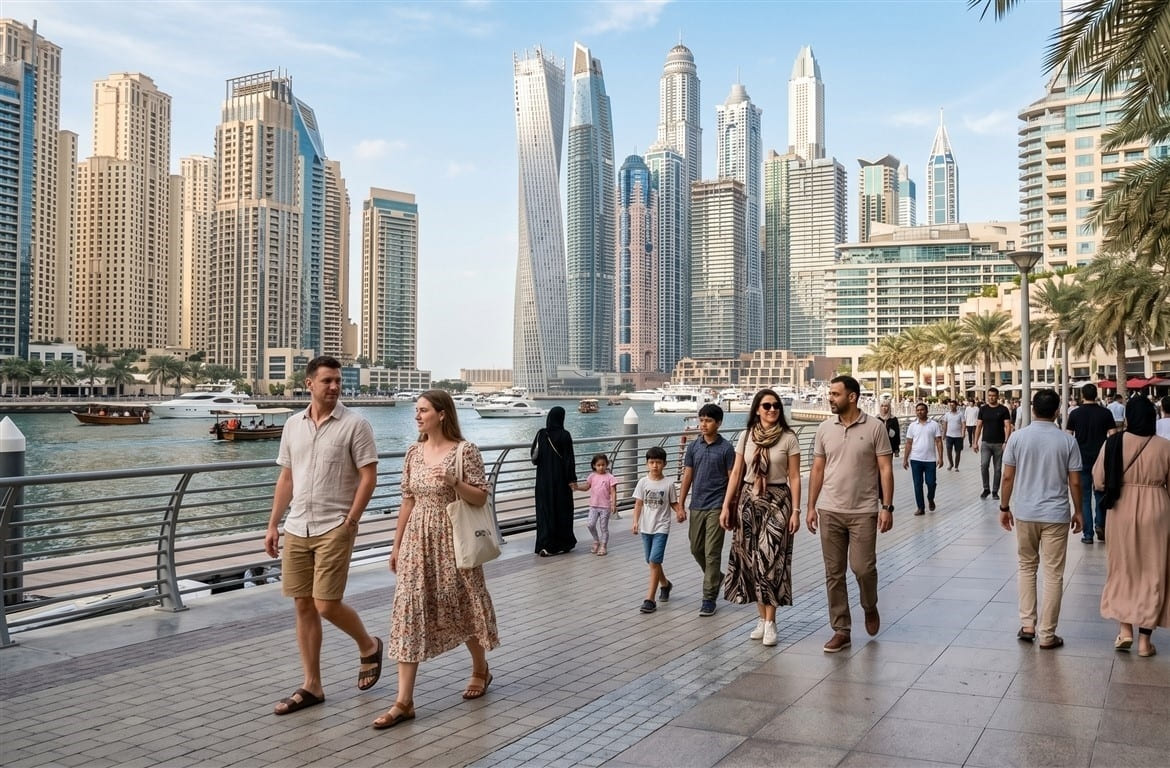
Nobody expects every visitor to Dubai to suddenly dress like a local. Shorts, breezy summer dresses, T-shirts, linen shirts, sandals, and casual resort wear are totally normal in many places. The real trick? It’s all about location. A beach club has one vibe. A government office? Completely different. A mosque? That’s a whole other level of etiquette.
When you’re exploring malls, souks, restaurants, museums, and public streets, opting for neat, modest clothing is always your safest bet. Covering your shoulders and knees works wonderfully for both men and women, especially when you venture into more traditional or official areas. As for clothing with offensive slogans, religious insults, nudity, or aggressive political messages – that’s just a bad idea, everywhere.
The Dubai heat can be intense, practically begging you to wear as little as possible. Fair enough, that noon sun feels personal. Still, swimwear is strictly for pools, beaches, spas, and waterparks. Strolling through a mall in just a bikini top or bare-chested isn’t the breezy travel flex some people imagine it is.
Specific Dress Rules for Malls, Beaches, Hotels, and Religious Sites
Malls are these amazing, air-conditioned bubbles of shopping, dining, movies, and family fun. Dress casually there, but maybe not like you’re already stretched out on a sun lounger. Beachwear is perfectly fine on the sand and by the pool. Just remember to cover up when you’re moving through hotel lobbies, shops, taxis, or restaurants once you leave that immediate beach zone.
Religious sites demand extra consideration. If you’re visiting a mosque open to the public, both men and women should wear loose, modest clothing. Women are typically asked to cover their hair, arms, and legs. Guys should steer clear of sleeveless tops and super-short shorts. Shoes come off in prayer areas. Keep your voice low. Your phone? Put it away.
| Place | Better clothing choice |
|---|---|
| Shopping malls and souks | Casual clothing with shoulders and knees covered, especially in older districts |
| Public beaches and hotel pools | Swimwear on the beach or pool deck; cover-up when leaving the area |
| Fine dining restaurants | Smart casual or venue dress code; beachwear rarely works after sunset |
| Mosques and religious sites | Loose, modest clothing; head covering for women where required |
Relationships and Public Displays of Affection: What’s Okay?
Rules for Couples in Public Spaces
Dubai is, believe it or not, more laid-back than many folks expect. But public displays of affection definitely have their limits. Holding hands? Totally fine for couples, widely tolerated. Kissing, intense hugging, any overtly sexual behavior, or intimate touching out in the open can lead to complaints and even legal trouble. Keep the romance behind closed doors. This isn’t prudish advice; it’s simply smart travel hygiene.
Hotels in Dubai are completely accustomed to international couples. The city has also updated some of its personal-status and social laws recently, making things a bit more modern. Still, public decency rules are serious. A complaint from a bystander or hotel staff member can easily turn a minor scene into a formal problem.
Being Respectful in Family-Oriented Areas
Dubai caters just as much to families as it does to luxury tourism. Restaurants, beaches, festivals, malls, and those lovely evening promenades are often packed with children late into the night. Loud sexual jokes, drunken flirting, super-skimpy clothing far from resort zones, and filming strangers simply won’t be received well.
Couples who keep their affection low-key, avoid public arguments, and respect everyone’s personal space have absolutely nothing to worry about. The city is full of honeymooners, after all! It’s just not the kind of place where you should turn the sidewalk into a club corner at 2 AM.
Embracing Local Culture and Customs: A Traveler’s Guide
Greeting Etiquette and Social Niceties
Greetings in Dubai are typically polite and often a bit formal. A simple “hello,” “good morning,” or “as-salaam alaykum” really goes a long way. If you’re meeting someone of the opposite sex, hold back on offering a handshake until they initiate it. Not everyone is comfortable with physical contact. Many people will happily shake your hand; others might just place a hand over their heart instead. Just follow their lead.
Try to use your right hand when you’re giving or receiving items. Don’t deliberately point the sole of your shoe at people. And please, don’t snap your fingers at servers. Remember, the people working in Dubai aren’t invisible. The city thrives on service, and those folks pouring your coffee at midnight or meticulously cleaning hotel corridors at dawn deserve your decent manners. That’s not legal advice; it’s just basic human decency.
Respecting Religion and Mosque Protocol
Islam absolutely shapes public life in the UAE. Prayer times, the rhythm of Ramadan, mosque etiquette, halal dining guidelines, modest dress, and general public behavior all fall within this framework. You don’t need to become an expert on every custom before you arrive. But mockery or simply being careless? That’s a really bad look and a much worse legal gamble.
During calls to prayer, keep your noise respectful, especially near mosques. If you’re in a prayer area, avoid walking directly in front of worshippers, filming people while they pray, touching religious texts without permission, or treating your visit like it’s just a photo shoot. Some mosques are incredibly welcoming to visitors, offering tours and cultural explanations. Approach gently. Listen more than you perform.
Navigating Rules During Ramadan
Ramadan completely shifts the city’s pace. The dates move around each year according to the Islamic lunar calendar, so if you’re traveling in 2026, definitely double-check the exact timing before you book. Daylight hours are quieter, more subdued. But oh, after sunset? Dubai absolutely bursts to life with iftar meals, buzzing night markets, gorgeous hotel tents, family gatherings, and a warmth that feels incredibly genuine.
As a visitor, you’re not expected to fast, but public respect is crucial. Eating, drinking, smoking, or chewing gum openly in public during fasting hours has traditionally been seen as unacceptable. Many hotels and licensed venues usually provide discreet or designated dining areas for guests who aren’t fasting. While rules and enforcement have become a bit more flexible in hospitality settings, maintaining restraint in streets, taxis, malls, offices, and other public areas is still the smartest move. Your clothing should also lean a little more modest during Ramadan. Loud music or boisterous behavior during the day can feel out of place. Alcohol service hours might change depending on the venue. And iftar reservations? Book them early; the best tables disappear fast.
Things to Absolutely Steer Clear Of in Dubai
Common Missteps That Can Lead to Legal Hassles
-
Carrying restricted medication without proper paperwork.
Just having a neat little pouch for your meds isn’t enough. For controlled medicines, you absolutely need prescriptions, original packaging, and letters from your doctor. Check *before* you depart, not at the airport counter as your stomach drops.
-
Taking photos of people without asking first.
Dubai is super photogenic, yes. But people are not props. Always ask before clearly photographing or filming anyone. Never, ever post identifiable images of strangers online without their consent.
-
Getting publicly drunk after leaving a licensed spot.
Drinking responsibly at an approved venue doesn’t give you a pass for bad behavior afterward. Grab a taxi, head back to your hotel, drink some water, and get some sleep. It sounds boring. It’s excellent advice.
-
Swearing during any kind of disagreement.
A squabble over a taxi fare, an argument in a queue, a hotel complaint, or a road incident can all escalate dramatically with just one insult. Even when you’re annoyed, keep your language clean.
-
Ignoring public transport zones and rules.
The Gold Class, Women and Children cabins, tapping your Nol card, and food restrictions are all enforced. Read those signs *before* you board.
Offensive Language, Gestures, and What You Post Online
Offensive speech isn’t just about shouting at someone face-to-face. It extends to messages, online reviews, social media posts, comments, and even videos. Insulting an individual, a business, an official body, a religion, or the UAE itself online can quickly lead to legal complaints. And deleting a post after it’s already gone viral? That won’t magically erase the problem.
Travelers also need to be super careful with content related to accidents, emergencies, police activities, or private disputes. Filming a car crash or a shouting match just for clicks isn’t harmless. It’s an invasion of privacy, and it can actually interfere with authorities doing their job. Put your phone away. Help if it’s safe. Move on if it’s not.
Restricted Items and Activities That Are a No-Go
Pack for the UAE specifically, not just thinking about airline weight limits. Absolutely avoid recreational drugs, cannabis products (in any form), poppy seeds (even in food items), pornography, gambling materials, counterfeit goods, weapons, or anything that even looks like a weapon. Drones? You need permission. Satellite phones, professional filming gear, and certain radio or security devices can also raise questions at the border.
Pork products and alcohol are handled through controlled channels. They aren’t treated like your everyday picnic items. If customs officers ask you about something, answer clearly and honestly. Jokes at border control checkpoints? They tend to go really, really badly, very quickly.
What If You Run Into Trouble in Dubai?
When to Reach Out to Local Authorities
For genuine emergencies, use the UAE’s dedicated numbers: police 999, ambulance 998, fire 997, coast guard 996. For non-emergencies, tourists can also speak with hotel security, mall security, visit a tourist police desk, or head to the nearest police station. Dubai Police services are very digitized, but if you’re stressed, just ask hotel staff or your tour operator to help you find the right contact channel.
If you find yourself detained, questioned, or caught up in a formal complaint, stay calm. Ask for a translator if you need one. Do not sign any documents you don’t fully understand. And never, ever argue aggressively with officers. Keep copies of your passport, visa or entry stamp, hotel booking, travel insurance, and flight details handy and accessible.
How Your Embassy or Consulate Can Actually Help
Your embassy or consulate can absolutely be a lifeline. They can reach out to your family, provide lists of local lawyers, explain local legal processes, and help you replace lost or stolen travel documents. What they *cannot* do is cancel local laws, demand your release from detention, pay your fines, or force a hotel, airline, hospital, or police department to operate outside of UAE procedures.
That distinction often surprises travelers. Consular help is incredibly valuable, but it’s not a magic pass. Your best defense, honestly, remains pretty boring and old-school: know the rules, carry your documents, keep your cool, and avoid taking unnecessary risks.
Crucial Emergency Contacts for Travelers
-
Police: 999.
Dial this for crimes, serious threats, accidents requiring police, or any urgent safety concern.
-
Ambulance: 998.
Call for medical emergencies. Hotels and malls can also quickly summon emergency services.
-
Fire: 997.
Use this for fires, smoke, or rescue situations involving buildings, vehicles, or public areas.
-
Coast guard: 996.
This is your number for marine emergencies, like boat incidents or distress at sea.
-
Your embassy or consulate.
Save this number *before* you travel. Keep it written down somewhere too, because phones have a knack for dying at the absolute worst moment.
Smart Tips for a Safe and Respectful Trip to Dubai
Practical Etiquette Pointers for First-Timers
Let’s just start with the basics, okay? Dress a *little* more modestly when you’re not at the beach. Always ask before snapping photos of people. Drink alcohol only in licensed places. Keep your romantic gestures private. Use clean language, even if you’re arguing. Double-check medication rules before your flight. Be mindful during Ramadan. Pay attention to transport signs. Carry an ID or passport copy. And save those emergency numbers. Seriously, none of this makes Dubai hard. It just makes your trip so much smoother.
A few small habits will actually help more than reading a giant rulebook:
-
Plan your nights out with a clear exit strategy.
Book a taxi or ride-hailing car *before* your group gets tired and loud. Don’t wander around debating where to go next when half your party is already tipsy.
-
Keep the hotel staff on your good side.
Ask reception about dress codes, Ramadan meal times, beach rules, alcohol service, and transport options. Good concierges in Dubai are wizards at solving little problems before they become expensive ones.
-
Treat Old Dubai differently than a resort.
Areas like Deira, Bur Dubai, the creek markets, mosques, and traditional neighborhoods really do deserve calmer clothing and more subdued manners than a boisterous pool brunch on Palm Jumeirah.
-
Reserve private spaces for private behavior.
Things like romance, arguments, heavy drinking, edgy jokes, and sensitive conversations belong behind closed doors. Public scenes really don’t play well here.
How to Absolutely Love Dubai While Playing By the Rules
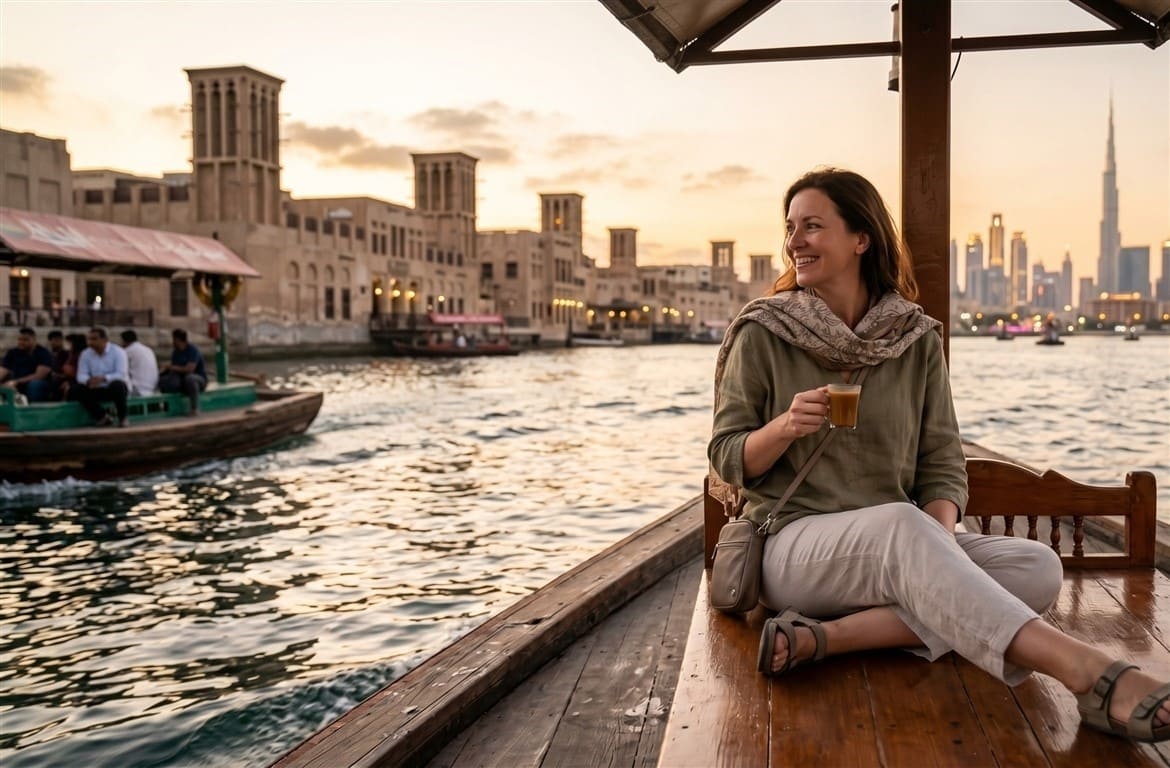
Dubai genuinely rewards travelers who arrive with a little bit of common sense and awareness. You can eat incredibly well, swim every single day, shop till your feet ache, explore cutting-edge galleries in Alserkal Avenue, enjoy charming abra rides across the historic creek, watch magnificent falcons soar in the desert, treat your kids to amazing theme parks, and just relax over coffee at midnight while the city glows, as if it’s forgotten how to sleep.
These rules don’t actually cancel out the fun. They just define its boundaries. A respectful visitor still gets the full, grand Dubai experience: that iconic skyline, the impeccable service, the sparkling sea, the intoxicating scent of oud in hotel corridors, the wonderful chaos of the spice souk, the perfectly clean metro, and that sudden, profound silence of the desert after the sun dips below the horizon. Maybe, just maybe, that’s actually the better version of Dubai anyway.
Dubai Rules for Tourists: Your Top Questions Answered
Can tourists drink alcohol in Dubai?
Absolutely! If you’re 21 or older, you can enjoy alcohol in licensed venues like hotels, bars, clubs, and restaurants. Just remember: public drinking and public intoxication are definitely not allowed.
Is there a dress code in Dubai?
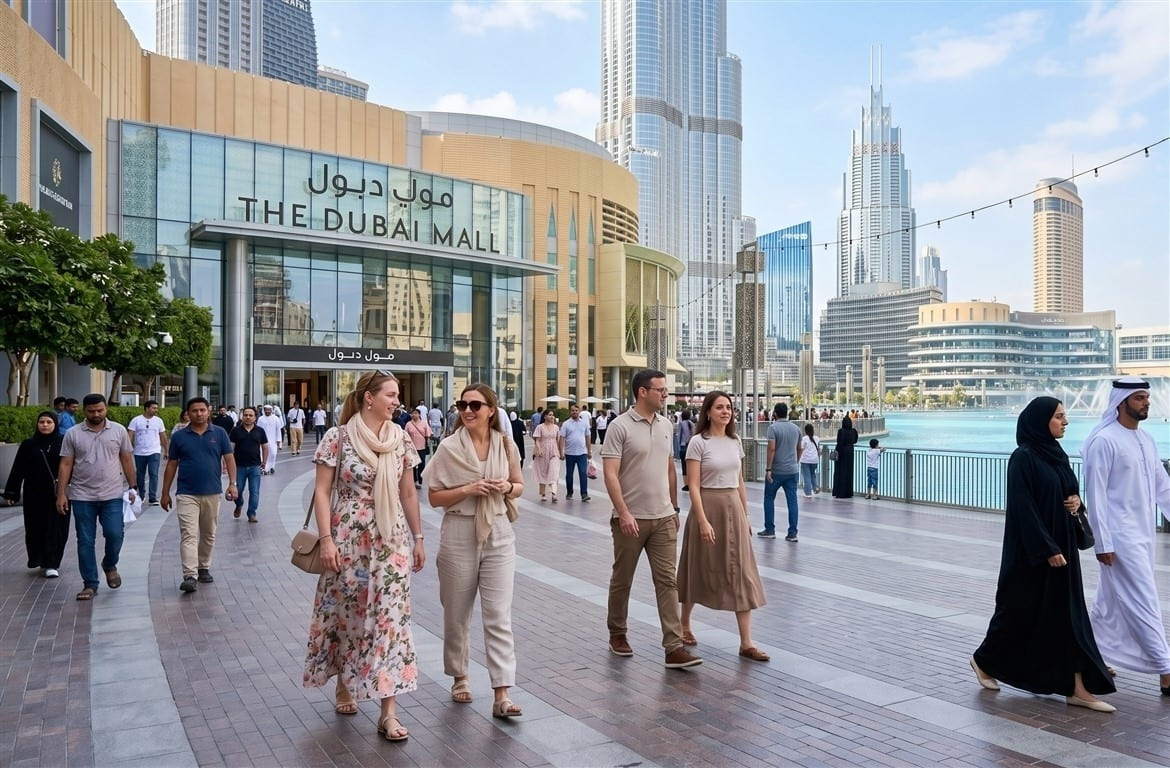
There’s no single uniform for tourists, but modest clothing is generally expected in places like malls, government buildings, traditional areas, and religious sites. Swimwear is perfectly fine, but only at beaches, pools, spas, and waterparks.
Can couples hold hands in Dubai?
Holding hands for couples is widely accepted. However, public kissing, intense hugging, and other sexual behavior can lead to legal issues, so keep those private.
Can I take photos in Dubai?
Taking pictures of landmarks in tourist zones is totally normal. Just avoid photographing or filming people without their consent, and stay clear of government, military, airport, police, and private security sites.
Are prescription medicines allowed in Dubai?
Many prescription medicines are fine if you carry them correctly. However, controlled medicines require specific documentation. Always keep your medication in its original packaging, bring your prescription, and check the UAE’s specific rules before your trip.
What should visitors know about Ramadan in Dubai?
During Ramadan, show extra consideration during fasting hours. Use designated dining areas, dress a bit more modestly, avoid loud behavior during the day, and be aware that restaurant and alcohol service hours might change.
Is Dubai strict about social media posts?
Yes, very much so. Posts that insult individuals, companies, religion, authorities, or the UAE can lead to complaints and legal action. Posting photos or videos of strangers, accidents, or private disputes is also risky.
What are the main emergency numbers in Dubai?
Here are the key ones: Police: 999. Ambulance: 998. Fire: 997. Coast guard: 996. And don’t forget to save your own embassy or consulate number before you even leave home.
0 Comment