

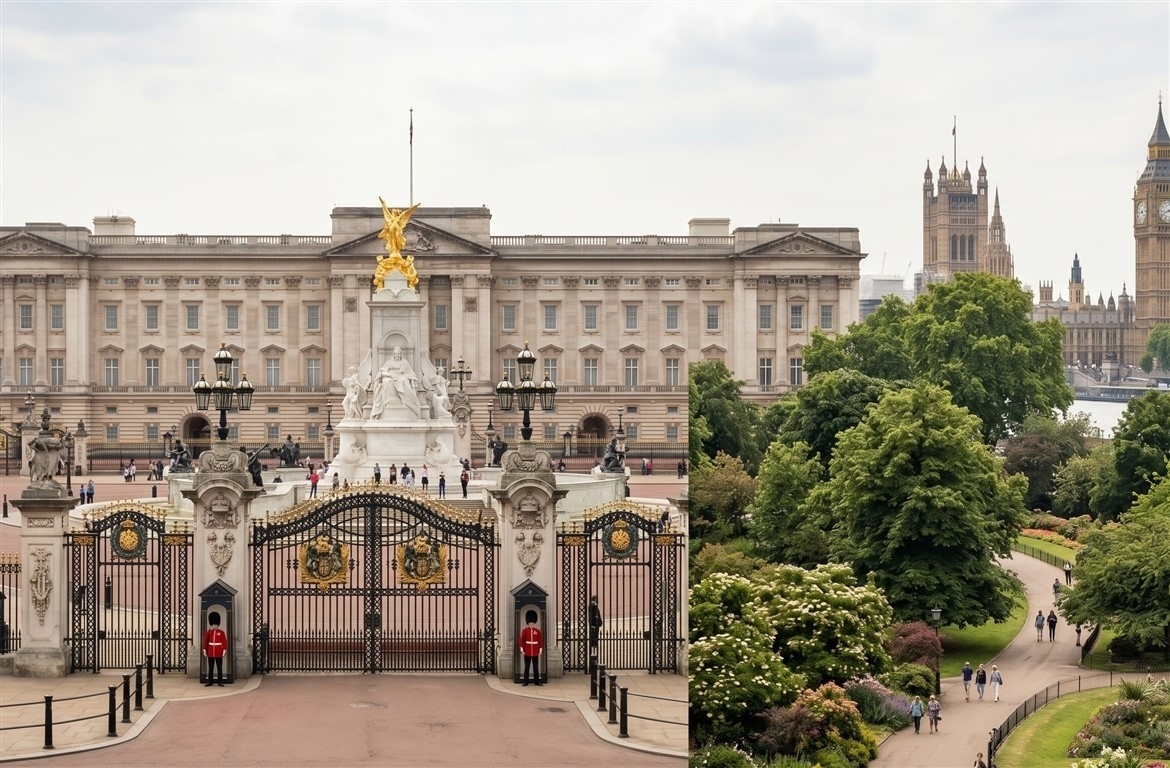

London’s Royal Residences: A Visitor’s Guide
London’s palaces aren’t all grouped together in some neat royal zone. They pop up everywhere: behind fancy gates, right next to lush parks, hugging the Thames, tucked inside botanical gardens, or even under the looming shadow of Parliament’s clock tower. Some still serve the reigning monarch. Others feel much more like museums. A few have almost vanished entirely, leaving just a fragment of a wall, a quiet chapel, a hint of a painted ceiling, or simply a name on a street sign.
For anyone planning a trip in 2026, the real trick isn’t finding the single “best” palace. It’s about picking one that perfectly matches your mood. Buckingham Palace delivers pure pomp and circumstance. Kensington Palace offers intimate human stories. Hampton Court Palace dives deep into Tudor drama. Kew Palace whispers secrets. And then there’s the Tower of London – gritty, glittering, and absolutely refusing to be just another royal home.
Top London Palaces to Explore
Your ultimate London palace adventure often kicks off with a little geography. Buckingham Palace, St James’s Palace, Clarence House, Whitehall, and the Palace of Westminster are all packed close enough to create a fantastic walk through royal and political London. Kensington Palace belongs to the city’s western parklands. Hampton Court Palace and Kew Palace, on the other hand, demand a bit more space, with their sprawling gardens doing half the talking.
| Palace Name | Known For | Public Entry | Typical Duration |
|---|---|---|---|
| Buckingham Palace | Royal ceremonies and grand State Rooms | Seasonal ticketed access | Half a day |
| Kensington Palace | Royal life stories and rotating exhibitions | Ticketed visitor route | Two to three hours |
| Hampton Court Palace | Tudor history and magnificent gardens | Ticketed entry | Half or a full day |
| Kew Palace | Intimate royal history | Included with Kew Gardens access | Part of your Kew visit |
| Tower of London | Crown Jewels and fortress history | Ticketed entry | Three to four hours |
| Fulham Palace | Gardens and local heritage | Free areas and special events | One to two hours |
Buckingham Palace
Palace History
Buckingham Palace started life as Buckingham House, a lavish private townhouse built for the Duke of Buckingham way back in the early 18th century. George III bought it in 1761 for Queen Charlotte. Later monarchs kept expanding it, shaping it into the grand palace we know today. Queen Victoria became the first sovereign to declare it her official London residence after she ascended to the throne in 1837.
This building now carries the weight of countless state visits, those famous balcony appearances, important investitures, lovely garden parties, and the sheer daily operations of the monarchy. Its pale facade stares directly at the Victoria Memorial, a spot where tourists gather even when nothing official is happening. Cameras are always poised, necks craned toward that iconic balcony.
Who Built It?
The original house was constructed for John Sheffield, the Duke of Buckingham. Subsequent architects then transformed it for royal use. John Nash largely shaped the palace’s grander 19th-century look under George IV. Edward Blore and, later, Sir Aston Webb also left their architectural signatures, particularly on the palace’s public-facing side.
Who Lives There?
Buckingham Palace remains a bustling royal headquarters and the official London residence for the monarch. Royal offices, ceremonial halls, staff quarters, and event spaces all function within this same sprawling complex. Details about private residences can shift with different reigns and household setups, so visitors shouldn’t think of it as a typical occupied mansion. It’s more of a finely tuned machine than a simple house, albeit an incredibly polished one.
How Big Is It?
The palace boasts 775 rooms. This includes State Rooms, bedrooms for royals and guests, offices, bathrooms, and even staff bedrooms. This isn’t just a random fact. It explains why visitors only see a specific, carefully chosen route, while most of the building quietly hums along behind velvet ropes and closed doors, out of public view.
What to See Inside
The State Rooms are the absolute star attraction. Prepare for gilded ceilings, sparkling chandeliers, historic portraits, silk-lined walls, intricately carved furniture, and rooms designed for grand receptions, not cozy domestic living. Visitors walk through spaces actively used for official entertaining; these aren’t just empty stage sets. The sheer scale takes a moment to sink in. One room impresses, but three rooms later, the true weight of the place really settles on you.
The State Rooms
The State Rooms open up during specific periods, with the summer opening being the most famous. Past routes have featured rooms like the Throne Room, the Ballroom, the White Drawing Room, and the Picture Gallery. Exhibitions can change year by year, so always give the ticket descriptions a good, thorough read before you commit to booking.
The East Wing
The East Wing faces The Mall and features that famous central balcony. Guided access here, when available, has become one of Buckingham Palace’s most sought-after experiences. It truly sharpens your understanding of how public monarchy functions, because the balcony isn’t merely architecture; it’s pure theater, a news image, a family portrait, and a national ritual all crammed into one stone-framed view.
The Palace Garden
The garden stretches across about 39 acres. It’s a private, lush green haven right in the heart of central London, complete with sweeping lawns, mature trees, a serene lake, and beautiful seasonal plantings. Garden-focused tours, if offered, feel quite different from the State Rooms. Softer. Less formal. More birdsong, definitely fewer chandeliers.
State Banquets & Events
Buckingham Palace regularly hosts state banquets, diplomatic receptions, investitures, and countless other royal gatherings. Of course, visitors don’t see the palace during these actual moments. But understanding that the rooms are working spaces for ceremony makes them much more comprehensible. The Ballroom isn’t just big; it has a very specific job to do.
Can You Go Inside?
Yes, absolutely. But not every single day, and not every part of it. Public openings are seasonal, and special tours have their own distinct dates and booking rules. Anyone planning their trip around Buckingham Palace should definitely check the official booking page *before* creating their daily itinerary. London has a frustrating habit of selling out those exact time slots everyone wants.
Tickets & Tours
Tickets vary depending on the route: standard admission, optional garden add-ons, guided experiences, or special exhibitions might pop up throughout the year. Always book directly through official channels whenever you can. While third-party tours can be great for broader city walks, actual palace entry is best managed using the venue’s most current information.
Opening Hours
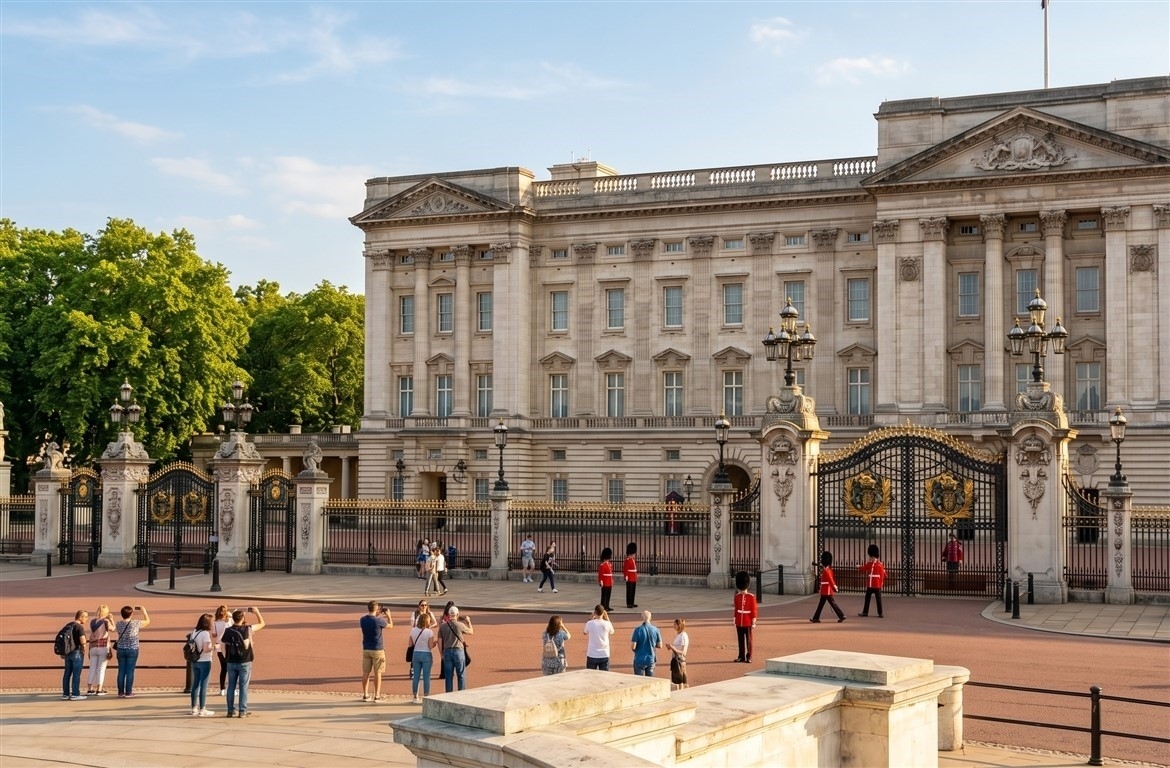
Opening hours shift based on the season and the royal event calendar. Remember, the palace is an active royal site, not a museum with a fixed routine. Morning slots often suit travelers who want to avoid delays later in the day; late slots can pair beautifully with a leisurely stroll through St James’s Park afterward.
Families at the Palace
Families should look specifically for child-friendly trails, dedicated activity rooms, and seasonal programs. While the rooms are undeniably ornate, the full route can feel quite long for younger children. A quick snack before you enter really helps. So does a firm promise of St James’s Park afterward, where pelicans and squirrels often do more for kid morale than another painted ceiling ever could.
Shopping & Dining
Palace shops offer a range of royal-themed gifts, books, china, decorative ornaments, and items related to current exhibitions. Food options change with the season and your ticket type. The surrounding area has plenty of cafés near Victoria, Green Park, and St James’s Park, though prices close to major landmarks can certainly bite.
Accessibility Details
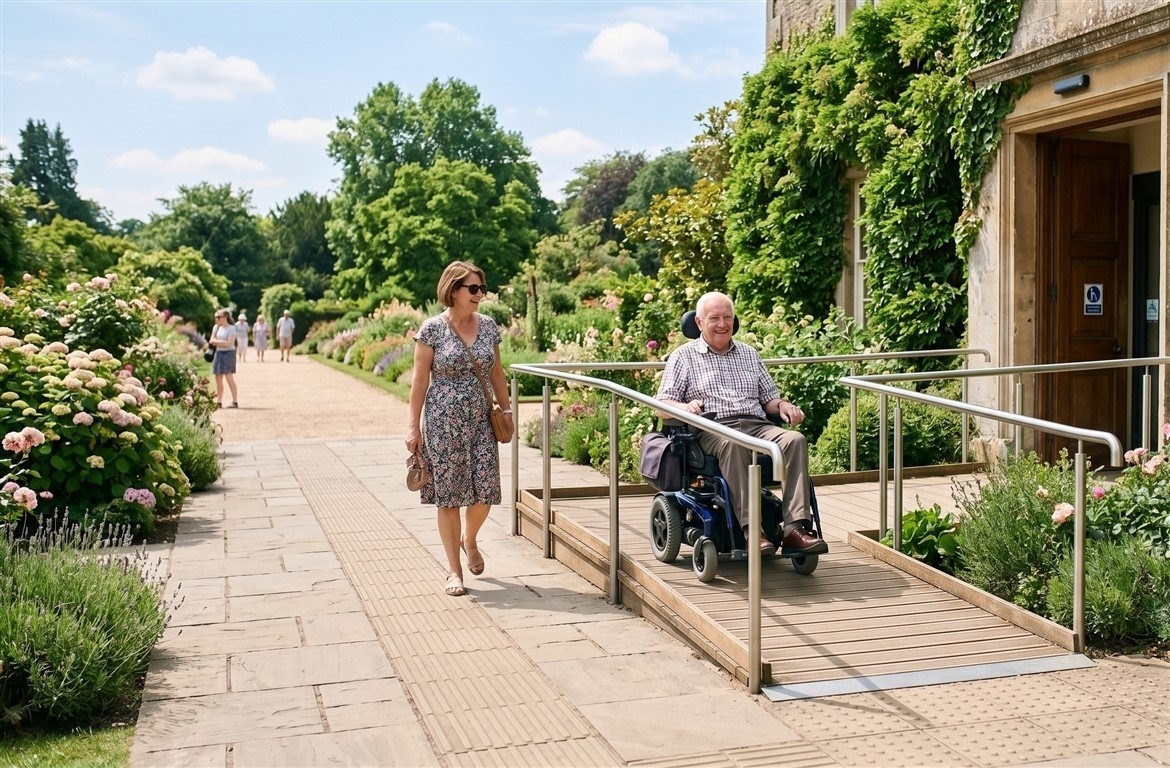
Accessibility arrangements can include step-free routes and support for visitors with mobility needs. However, booking procedures and specific entry points might differ from standard admission. Make sure to check the current access notes thoroughly before buying any tickets, especially if you’re planning a guided route or a garden visit.
St James’s Palace
Palace History
Henry VIII had St James’s Palace built in the 1530s, right on the site of a former leper hospital. Its striking red-brick Tudor gatehouse still faces St James’s Street with a stern, understated confidence. While it lacks Buckingham Palace’s flashy visitor appeal, it certainly carries a profound ceremonial authority.
Key Facts
For a huge chunk of royal history, St James’s Palace was the absolute heart of court life. Ambassadors are still accredited “to the Court of St James’s,” a phrase that sounds truly ancient because it is. The palace also houses the Chapel Royal, which has hosted many significant royal services and family events.
Can You Visit?
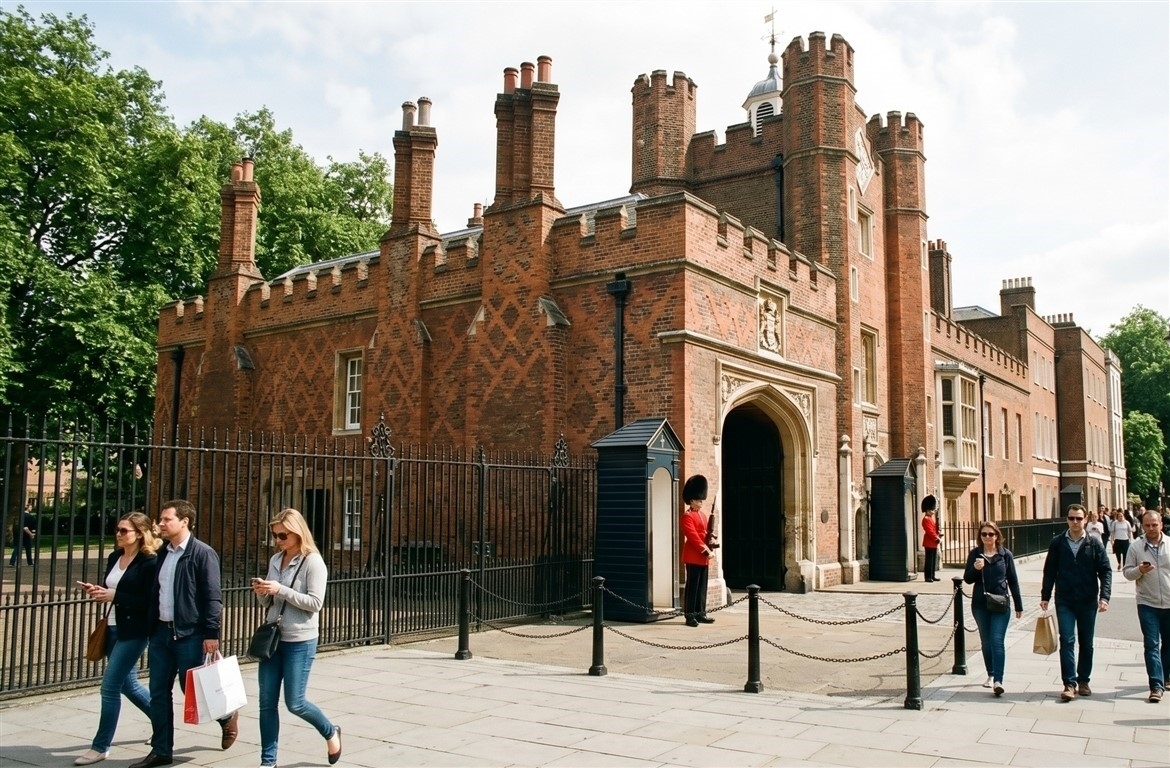
Public access is extremely limited. Most visitors simply admire the exterior while walking between Buckingham Palace, Clarence House, and Piccadilly. That might sound a bit anticlimactic, but the street view actually delivers a real punch: those Tudor bricks, the guards, the imposing gates, and that undeniable feeling that London’s royal past hasn’t quite retreated entirely indoors.
Access & Mobility
Since St James’s Palace isn’t a typical public attraction, specific access information depends entirely on the event or invitation involved. For general sightseeing, the pavements around the palace can get quite crowded, featuring curbs, security barriers, and throngs of people near the guard routes.
Kensington Palace
Palace History
Kensington Palace transformed from a modest country house into a proper royal residence after William III and Mary II bought it in the late 17th century. The atmosphere here feels less formal than at Buckingham Palace. Gardens soften its edges beautifully. The rooms themselves speak of family life, private struggles, childhoods, ambitions, and even public grief.
Royal Residents
Queen Victoria herself was born at Kensington Palace in 1819 and spent her early years there. The palace has also become synonymous with Princess Diana and, more recently, with other members of the Royal Family. This blend of Georgian rooms, Victorian memories, and modern royal connections gives Kensington a truly layered appeal.
What to See
Visitor routes have often included the King’s State Apartments, the Queen’s State Apartments, various exhibitions, and displays showcasing royal clothing or personal history. The Sunken Garden and the wider Kensington Gardens nearby turn your visit into much more than just an indoor tour. On a gloomy day, the palace feels incredibly intimate. On a bright, sunny day, people just naturally drift from the galleries straight onto the gravel paths and lawns.
Tickets & Hours
Kensington Palace operates with ticketed entry, and both timings and exhibitions can change throughout the year. It pairs wonderfully with Hyde Park, the Serpentine, the Albert Memorial, and the museums of South Kensington. Just try not to cram all of that into a single afternoon unless you genuinely enjoy sprinting in comfortable shoes.
Hampton Court Palace
Palace History
Hampton Court Palace sits southwest of central London, right on the banks of the Thames. Cardinal Wolsey started developing it in the early 16th century, but then Henry VIII famously took it for himself. Later, William III and Mary II commissioned a grand Baroque redesign. This left the palace with two very distinct architectural personalities: Tudor swagger on one side, formal grandeur on the other.
Henry VIII’s Legacy
Henry VIII’s presence still absolutely dominates this palace. The Great Hall, the massive Tudor kitchens, various courtyards, and the chapel spaces really pull visitors into a vivid world of noisy feasting, intense politics, multiple marriages, and ever-present fear. Few palaces in the London area give such a physical, tangible sense of Tudor power. You can practically hear boots clanking on the flagstones. Perhaps it’s a bit theatrical. But it certainly works.
Gardens, Maze & More
The gardens alone are a compelling reason to make the journey out here. The famous maze, meticulously formal gardens, elegant fountains, long, sweeping avenues, beautiful seasonal plantings, and even the Great Vine make Hampton Court far more than just a building tour. Families get ample space to unwind. History buffs find rooms practically overflowing with stories. And garden lovers? They’ll happily disappear for an hour and return feeling utterly serene.
Visiting from Central London
Many visitors opt for the train to Hampton Court station, then enjoy a short walk across the bridge to the palace. Be sure to allow yourself plenty of time. A rushed Hampton Court visit feels like a minor crime against your own ticket. Half a day works fine; a full day feels even better if gardens, lunch, and tackling the maze are part of your plan.
Kew Palace
Palace History
Kew Palace is a small, charming red-brick building, easy to overlook if the vast Kew Gardens captivate you first. This structure is closely linked to George III and Queen Charlotte, and its domestic scale gives it a unique feel, unlike London’s grander royal sites. There’s no roaring approach here. No parade ground. Just rooms that feel incredibly close to the people who once inhabited them.
What to See
Displays at Kew Palace primarily focus on royal family life, Georgian interiors, and the deep emotional strain surrounding George III’s illness. The nearby Queen’s Garden adds a quiet, formal touch. The visit isn’t long, and that’s precisely part of its charm.
Visiting Kew Palace & Gardens
Kew Palace sits entirely within the Royal Botanic Gardens, Kew, so your access is tied to the garden’s visitor arrangements and seasonal opening patterns. Plan to incorporate it as part of a much larger Kew day, complete with glasshouses, treetop walks, galleries, and expansive lawns. The palace by itself isn’t the whole meal; it’s that sharp, intriguing little course right in the middle.
Fulham Palace
Palace History
Fulham Palace isn’t strictly a royal palace, but it often pops up in searches for historic London palaces due to its name, age, and sheer size. For centuries, it served as the official residence for the Bishops of London. Its rich story delves into church power, sprawling estate life, beautiful gardens, archaeological finds, and deep local history.
Home of London’s Bishops
The bishops used Fulham Palace as a peaceful country retreat long before west London became completely absorbed by the bustling city. The site boasts medieval origins, later modifications, and a wonderfully calm courtyard atmosphere. It’s less about crowns and coronets, and much more about mitres and garden walls.
Gardens & Museum
The museum delves into the palace’s extensive history, while the gardens offer a gentler, more relaxed visit than the capital’s grander, often pricier, attractions. Walled garden spaces, open lawns, and ancient trees make Fulham Palace an excellent choice for anyone who loves history but prefers it without the usual crowds.
Café, Events & Tours
A welcoming café, guided walks, family-friendly activities, and seasonal events truly bring the site to life. Local residents visit as much as tourists do, which gives the place a wonderfully lived-in feel. That’s important. Some heritage sites feel sealed in amber; Fulham Palace certainly doesn’t.
Opening Hours
Opening hours can vary across the house, museum, garden, café, and the events calendar. Always check before traveling across town. The good news? Your visit can be light, flexible, and often much more budget-friendly compared to London’s heavy hitters.
FAQs
Visitors frequently ask if Fulham Palace is royal. It isn’t. It’s a historic palace in both name and function, connected to bishops rather than monarchs. That very difference is precisely what makes it such a valuable addition to a London itinerary often overflowing with tales of crowns.
The Palace of Westminster
Its Significance
The Palace of Westminster is many things: a palace, a parliament, a towering landmark, and one of the world’s most instantly recognizable silhouettes. Westminster Hall, the House of Commons, the House of Lords, the iconic Elizabeth Tower, and that stunning riverside Gothic Revival facade all combine to form a colossal political stage, far more than a simple royal home.
Palace History
A true royal palace stood at Westminster from the medieval period onwards. A devastating fire in 1834 destroyed much of the old complex, though the magnificent Westminster Hall miraculously survived. The current palace was rebuilt throughout the 19th century, with Charles Barry and Augustus Welby Pugin shaping its dramatic, distinctive Gothic character.
Visiting Parliament
Public tours are available on specific dates, with arrangements closely tied to the parliamentary calendar. UK residents might find additional routes through their Member of Parliament, while international visitors can book general public tours when they are offered. Security checks are an integral part of the experience, so plan to arrive with a good dose of patience.
The Tower of London
Is It a Palace?
Yes, the Tower of London absolutely served as a royal palace, though calling it *only* a palace feels far too simplistic. It has also functioned as a formidable fortress, a chilling prison, a treasury, an armory, a royal menagerie, and a somber execution site. The White Tower, which William the Conqueror began, anchors the entire complex with its sheer Norman might.
Royal History
Medieval kings once lived here. Countless royal prisoners passed through its gates. Coronation processions sometimes even began from the Tower. The place has witnessed both extreme splendor and profound dread pressed together, which is precisely why visitors still lean in so intently when a Yeoman Warder begins spinning stories.
Crown Jewels & Other Gems
The Crown Jewels are, without a doubt, the headline attraction, beautifully displayed in their dedicated exhibition. The White Tower, various medieval palace rooms, the famous ravens, the sturdy battlements, the chapel spaces, and the sweeping riverside views all add incredible depth. Head straight for the jewels early if avoiding long queues matters to you. And trust me, they matter.
Visiting the Tower
The Tower is perfect for travelers who crave history with a bit of an edge. It’s also an excellent choice for families, as the site offers so much dynamic movement: walls to explore, towers to climb, courtyards to cross, stairs to ascend, guards to observe, birds to spot, armor to admire, and captivating river views. Wear comfortable shoes that can handle stone paths, uneven steps, and the inevitable slow-moving crowds.
Clarence House
Palace History
Clarence House was designed by John Nash and finished in the 1820s for the Duke of Clarence, who later became William IV. It sits right next to St James’s Palace and has long been closely associated with senior members of the Royal Family.
Royal Residents
Queen Elizabeth The Queen Mother lived at Clarence House for many, many years. The building later became particularly linked with King Charles III before his accession. As with any active royal residence, always confirm current use and public access details through official information sources, rather than relying on rumors or outdated travel blogs.
Can You Visit?
Clarence House has offered limited public summer openings in previous years, but access is simply not comparable to places like Kensington Palace or Hampton Court Palace. Many visitors simply enjoy the exterior views of the area while walking between The Mall and St James’s Street.
Whitehall Palace
Palace History
Whitehall Palace was, at one point, one of the largest royal palaces anywhere in Europe. It expanded dramatically after Henry VIII took over York Place from Cardinal Wolsey, transforming the entire area into a massive royal complex filled with lodgings, grand galleries, courts, chapels, and numerous entertainment spaces.
What Remains?
Fire unfortunately destroyed most of Whitehall Palace in 1698. The area today is dominated by government streets, office buildings, Horse Guards, and mere fragments of its former glory. Visitors strolling from Trafalgar Square toward Westminster are passing directly through land once entirely encompassed by the palace, though the old complex certainly doesn’t present clearly from the pavement anymore.
Banqueting House
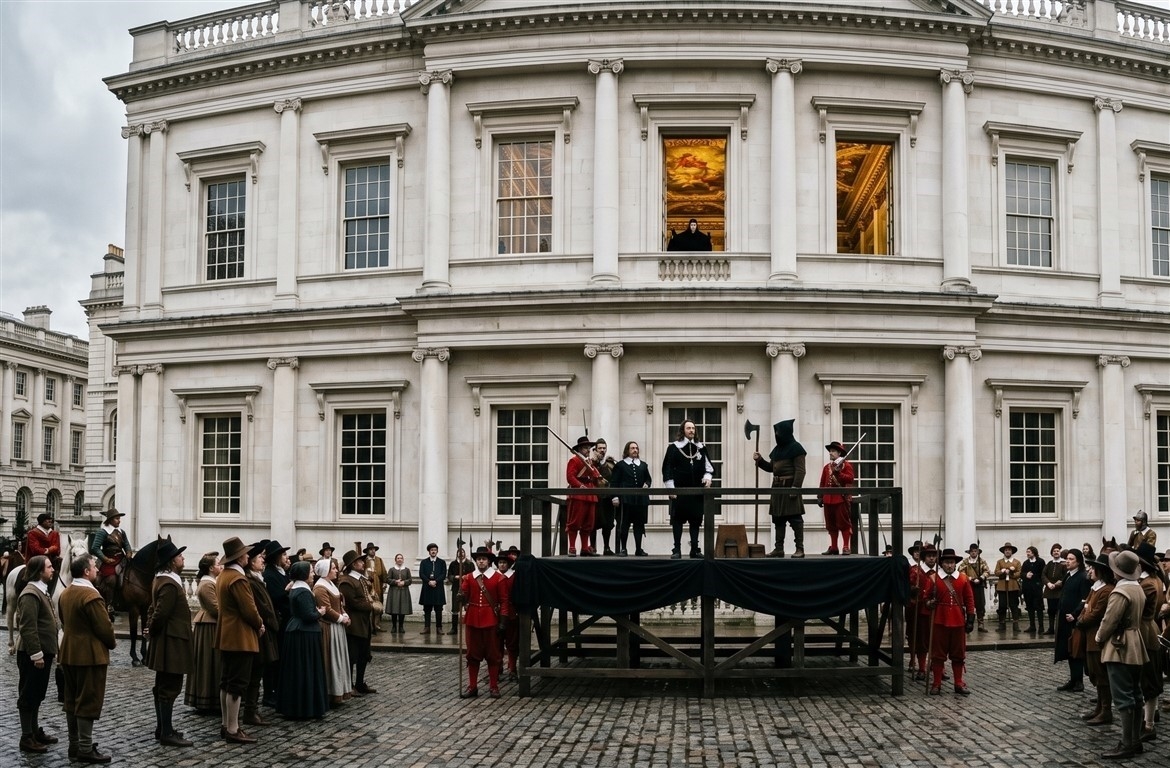
Banqueting House stands as the remarkable sole survivor. Designed by Inigo Jones, it’s famous for its magnificent ceiling painted by Peter Paul Rubens. Charles I was executed right outside its walls in 1649, indelibly linking the building to one of the starkest, most pivotal moments in British royal history.
Lost & Ruined Royal Palaces
Whitehall Palace
Whitehall is the vanished giant. Very little remains above ground, yet its original footprint profoundly shaped central London’s ceremonial and government district. The name itself still strongly evokes power.
Bridewell Palace
Bridewell Palace once stood near the Fleet River and became closely associated with Henry VIII. Later, it served as both a hospital and a prison. Today’s visitor sees almost no palace fabric, but the name persists within London’s rich, layered civic history.
Savoy Palace
The Savoy Palace once graced the Strand but was tragically destroyed during the Peasants’ Revolt of 1381. The Savoy name remains widely recognized through the famous theater, hotel, chapel, and surrounding streets, though the medieval palace itself is long gone.
Nonsuch Palace
Nonsuch Palace was built by Henry VIII in Surrey, well outside central London’s core. It was celebrated for its ambitious design and opulent ornamentation, then simply disappeared. Nothing substantial survives on the original site, which gives its name an almost teasing quality: *no such palace*, indeed.
Which London Palace is Best?
- For a first royal experience: Pick Buckingham Palace if the State Rooms are open during your visit. The ceremony, the iconic setting, and its worldwide recognition make it the quintessential London palace experience, even if public access only covers specific areas.
- For deep Tudor history: Hampton Court Palace is the undisputed champion. Its authentic kitchens, the vast Great Hall, the chapel, the atmospheric courtyards, and the extensive gardens offer a truly full day out, with enough variety to keep both adults and children engaged.
- For a more intimate royal story: Kensington Palace works beautifully. It features royal apartments, engaging exhibitions, lovely gardens, and a much more personal tone compared
0 Comment