

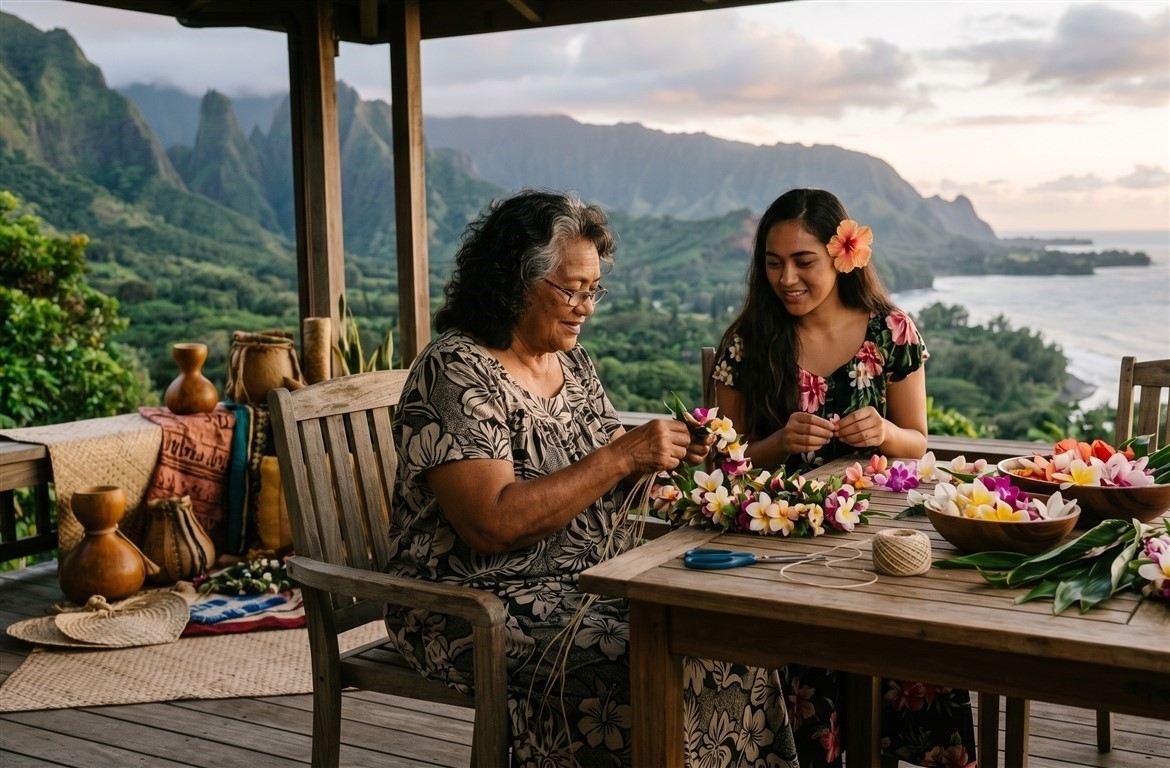

Maui Cultural Heritage
Maui isn’t just a postcard backdrop. This island holds deep memory within its valleys, churchyards, and family names. You feel it in how a hula dancer anchors their focus to the earth rather than the room. Sure, visitors arrive chasing sunsets and beaches. But the real heartbeat of the trip often sneaks up on you: a song carried on the dusk air, a lei woven with slow precision, or a quiet museum where old maps shift your perspective on the island’s scale.
The most meaningful Maui cultural experiences for 2026 aren’t just spectacles for a camera lens. They range from lūʻau and hula workshops to Hawaiian language lessons, craft sessions, neighborhood strolls, and land restoration projects. Some require a quick hour of your time. Others ask for patience. A few demand total silence.
Why Culture Matters in Maui
Maui serves as a crossroads for ancient Hawaiian history, the plantation era, missionary arrival, paniolo ranching traditions, and a thriving modern arts scene. Central Maui preserves the legacies of nobility and historic conflicts. Upcountry offers a distinct look at ranch life and artisan shops, while East Maui provides the soul of Hāna—where the destination actually matters more than the road.
West Maui requires a gentle touch and mindful engagement. Lāhainā served as the seat of the Hawaiian Kingdom and later as a central hub for whaling and sugar. The 2023 wildfire fundamentally reshaped the community, and it is vital that travelers avoid turning this loss into a sightseeing spectacle. Instead, practice mindful travel: seek out local guidance, support businesses on the path to recovery, and prioritize empathy over curiosity.
Best Cultural Sites for Guests
A successful cultural day shouldn’t feel like a chore. Pick one workshop, one historic site, and one meal from a local kitchen. That is infinitely better than racing through a frantic list of tourist traps.
Authentic Lūʻau Experiences
Many visitors book a lūʻau as their first step into the culture. A well-managed event serves as a fantastic window into music, dance, and food traditions. Seek out programs that explain the context of what you are witnessing rather than just performing short, disconnected acts. The imu ceremony highlights the traditional underground oven, while authentic hula connects the audience to genealogy and storytelling. Remember: this is not just “dancing.”
Families appreciate the structured format of a lūʻau—dinner, music, and performance in one spot. If you care about depth, check the program description first. A flashy, high-energy revue is a different beast entirely from a traditional cultural evening, and choosing the right one matters.
Engaging With Hula
Introductory hula classes are available at various resorts and local centers. A skilled instructor will break down the mechanics: posture, hand movements, and the meaning behind the song. It might seem basic, but your brain and body will quickly realize the complexity involved. It’s a rhythmic, focused dialogue.
Hula takes many forms, ranging from the sacred to the social. You don’t need to be a master to participate, but come with a humble mindset. Laughing at your own clumsy steps is perfectly fine; mocking the tradition is not.
The Story of the ʻUkulele
The ʻukulele found its home in Hawaiʻi thanks to Portuguese musicians in the 1800s, and it has since become an inseparable part of the local sound. Introductory lessons usually cover a few basic chords and a classic song. It is highly approachable and rewarding. One simple chord change can light up the entire room.
This is a great activity for families because the instrument offers instant gratification. No one expects a professional performance. The goal is to connect with the island’s rhythmic pulse through the strings.
Crafting Lei and Jewelry
Lei making is arguably the most approachable hands-on activity. You might work with vibrant flowers, delicate shells, or kukui nuts, depending on the class. The best teachers go beyond the mechanics, explaining the cultural significance of gifting and receiving a lei—and why these items should never be tossed away.
Workshops for bracelets or shell art are easy to fit into a beach vacation. Look for instructors who take their time; you want to walk away with a memory, not a mass-produced souvenir.
Hala and Lauhala Weaving
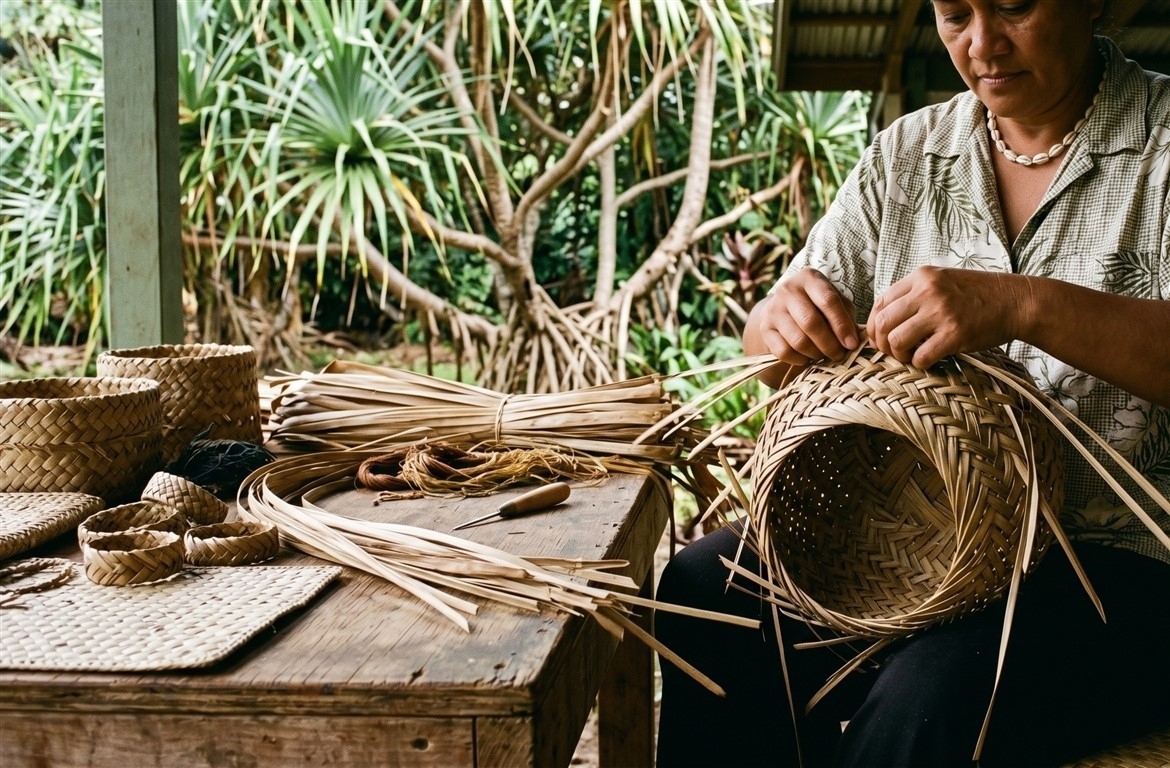
Lauhala weaving utilizes the leaves of the hala tree. It is an intricate, time-honored practice. A quick session might result in a simple bracelet or mat, but the full tradition requires immense discipline and skill. This is a perfect activity for travelers who appreciate the tactile nature of slow, intentional work.
Keep in mind that these aren’t just “crafts.” They are functional arts rooted in history, lineage, and necessity.
Hawaiian Language Basics
Taking even a brief language class transforms the island. Place names like ʻĪao, Hāna, Kīhei, and Haleakalā become more than just vowels on a map—they become names that deserve respectful pronunciation. It is a simple gesture of gratitude to the land.
Learn the basics, such as greetings, then dive into words connected to the land and duty. Words like ‘āina (land) and kuleana (responsibility/privilege) carry significant weight here. They describe how people live and interact with the world.
Local Art and Galleries
Maui’s art scene is broad, encompassing traditional practitioners, painters, woodworkers, and contemporary artists. Wander through galleries in Makawao, Wailuku, or Pāʻia. Take your time. Don’t be afraid to ask about the artist’s background and the inspiration behind their work.
Choosing to buy from local artists directly supports the community and keeps the spirit of the island alive. That piece of art on your wall will hold a memory of the hands that created it.
Guided Cultural Tours
A good guide changes everything. A valley is no longer just a backdrop; it is a historic site. A fishpond becomes a feat of ancient engineering. A plant is revealed as medicine or food. Avoid theatrical performances and stick with guides who clearly state their sources and respect the land.
Museums and Heritage Centers
Maui isn’t filled with massive, impersonal museums. The smaller, local institutions are where the real charm lies. You can learn about everything from missionary life to the history of plantation sugar production. It is a fantastic way to cool down and reflect on the island’s narrative.
Always verify operating hours, especially for smaller locations. Some sites in West Maui have adjusted their schedules following recent recovery efforts.
Walking Historic Districts
Wailuku, Makawao, Pāʻia, and Hāna all harbor distinct stories. A historic walk is most effective when it’s not squeezed into a hectic schedule. Take time to read plaques, notice the architecture of old churches, and think about the people who built these lives.
Ancient Hawaiian Sites
Maui holds sacred heiau, petroglyphs, and historic trails that mark ancient settlement. Kahanu Garden features the massive Piʻilanihale Heiau, a testament to early engineering. The Olowalu Petroglyphs are another essential site to view with care.
Treat these places with sanctity. Never climb on a heiau, move rocks, or leave trash behind. This is a place of history, not a playground.
Land Stewardship Opportunities
Some organizations invite visitors to help with native planting, trail maintenance, or fishpond restoration. These aren’t photo opportunities; they are real chances to contribute. You will get your hands dirty and learn why these specific patches of land are vital to the island’s health.
- Understand the mission. A quality program will teach you about the land and the history of the work you are doing.
- Follow instructions strictly. Protocols exist for a reason. Respecting the directions of the staff ensures the work actually helps rather than hinders.
- Practice patience. Stewardship is gritty, real work. It serves as a reminder that Maui is a place to be nurtured, not just a commodity to consume.
Museums and History Centers
Museums provide a much-needed mental break from the road. They allow you to step out of the current moment and into the past, offering context that makes the rest of your trip feel significantly more grounded.
Hale Hōʻikeʻike (Bailey House)
Located in Wailuku, this museum is a cornerstone of Maui history. It preserves artifacts from the missionary era and the kingdom period, offering a clear look at life in Central Maui. Its proximity to the ‘Īao Valley adds a layer of depth to your visit.
Hāna Cultural Center
This center focuses on the distinct history of East Maui. Hāna is more than just a destination for a long drive; it is a community with a strong, independent spirit. This center helps visitors appreciate that depth.
Alexander & Baldwin Sugar Museum
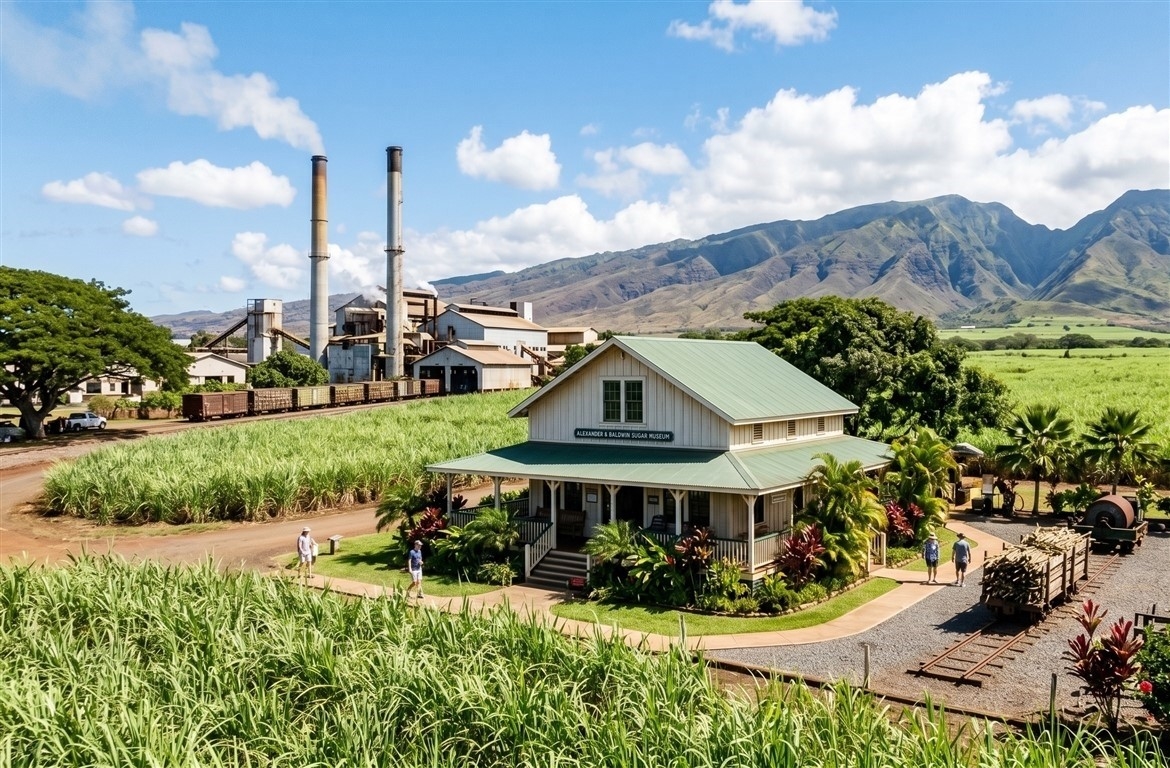
The plantation era defined modern Maui, shaping its water rights, immigration patterns, and foodways. This museum explores the diverse communities—Japanese, Filipino, Chinese, Korean, and more—who built the infrastructure of the island.
Makawao History Museum
A small but vital institution, this museum captures the paniolo (cowboy) culture of Upcountry. It highlights the unique identity of Makawao, a town that balances its ranching roots with a burgeoning arts scene.
Baldwin Home Museum
Historically associated with missionary life in Lāhainā, this site remains a point of interest. Travelers should check with local channels for the most current access information regarding Lāhainā.
Wo Hing Museum
This site tells the story of the Chinese community’s influence on plantation-era commerce and social life in Lāhainā. As with other historic sites in the area, please prioritize local guidance regarding access.
Wonderful World of Aloha
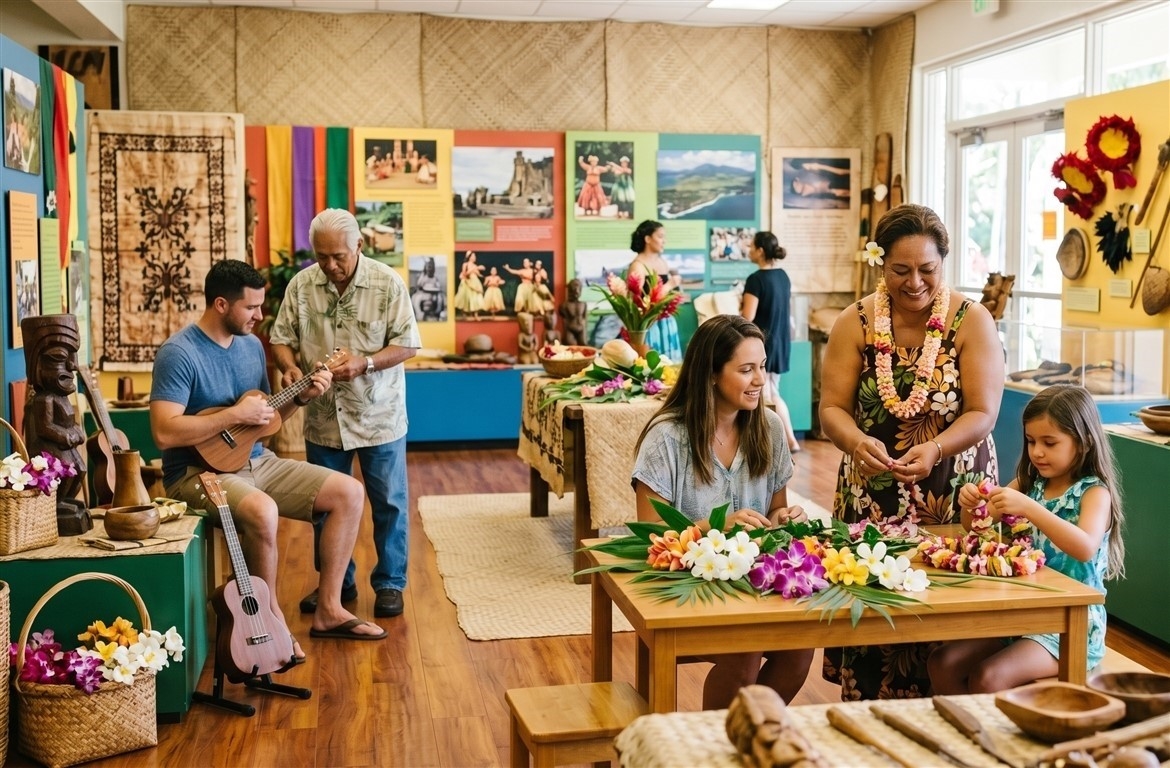
This center functions as a bridge between educational activities and community engagement. It is a useful resource for those looking for structured, hands-on learning outside of the resort environment.
Historic and Sacred Landscapes
Not every historic site is marked with a sign or a visitor center. Some are quiet, some are sacred, and some are tucked right beside the highway. Approach them with awareness.
| Site or Activity | Best For | Region | Time Needed |
|---|---|---|---|
| ʻĪao Valley | History and walks | Central Maui | 1–2 hours |
| Hale Hōʻikeʻike | Artifacts/History | Wailuku | 1–2 hours |
| Kahanu Garden | Plants and Heiau | Hāna | 2+ hours |
| Lūʻau | Food and Music | Resort areas | Evening |
| Lauhala weaving | Craft and Tradition | Various | 45–90 min |
| Historic walks | Architecture | Islandwide | 1–3 hours |
ʻĪao Valley
This valley is stunning, but it is also the site of the 1790 Battle of Kepaniwai. It is a place of major historical gravity. While many go just for the view of the iconic needle, it is worth pausing to consider the weight of the history that occurred there.
Lāhainā Historic District
Lāhainā’s past as a capital city and port is profound. In the wake of recent challenges, cultural travel here demands restraint. Support local recovery-minded businesses and respect the quiet zones of the community.
Kahanu Garden
Home to the massive Piʻilanihale Heiau, this is one of the most important cultural sites in the state. Keep your voice low and your respect high. This is a place of deep heritage.
Olowalu Petroglyphs
These ancient carvings represent history left by generations past. View them from a distance. Never touch or attempt to trace these fragile markers.
Puʻu Kekaʻa (Black Rock)
While often seen as a place for cliff jumping and snorkeling, this location holds great significance in Hawaiian tradition as a point of spiritual transition. It is much more than a recreational spot.
Resort-Based Cultural Programs
Resorts often provide convenient access to cultural classes, including hula, weaving, and language. The quality of these programs depends on the expertise of the staff. Seek out instructors who are genuinely connected to the practices they share.
Classroom Experiences
Daily sessions are an easy way to start your journey. Whether it’s a quick lesson on the ʻukulele or a morning lei workshop, these classes offer a low-stakes way to engage with the culture.
Cultural Walks and Art Tours
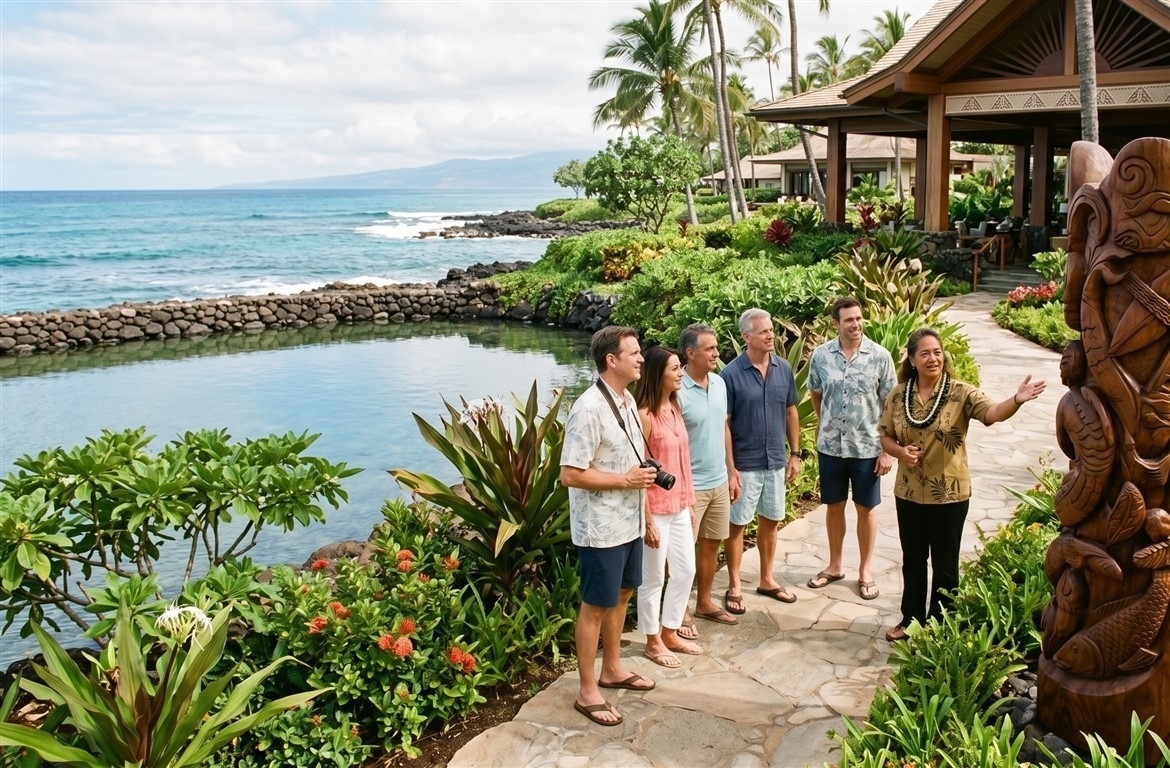
Many resorts curate art tours that explain the design motifs and native plants found on their property. These walks can be surprisingly insightful, connecting modern landscaping to traditional ecological wisdom.
Sunrise Ceremonies
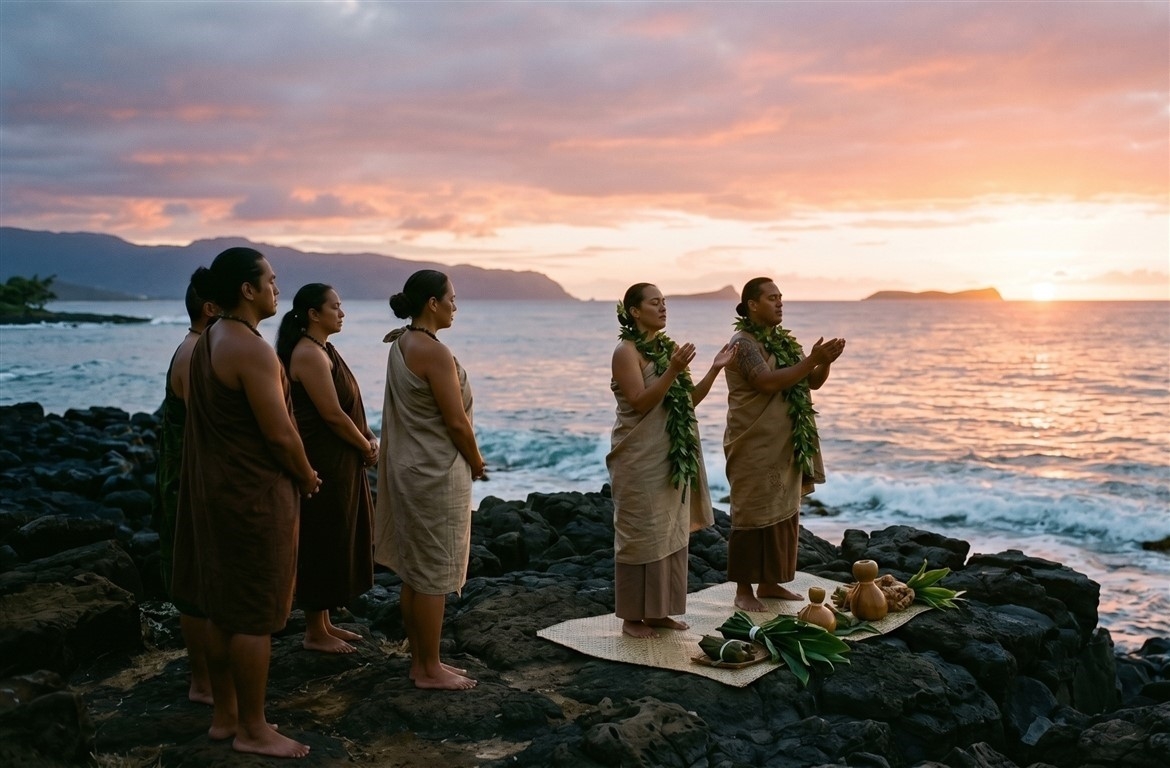
When you are invited to a sunrise chant, treat it as a sacred moment. Keep your camera away, be present, and acknowledge the privilege of being included.
Local Events and Festivals
Keep an eye on community boards, local arts pages, and town calendars. Maui’s cultural pulse is found in its live music performances, festivals, and farmers’ markets.
Finding Authentic Events
Look for flyers in local cafés or check the websites of smaller arts centers. Often, the best cultural events are the ones that aren’t aggressively marketed to tourists.
Community Music and Theater
Attend a local slack key guitar show or a community performance. Sitting in a room with residents is a great way to feel the actual temperature of the island’s social life.
Seasonal Festivals
From agriculture-themed gatherings to hula competitions, seasonal festivals offer a glimpse into the diverse interests of the island’s population. Dates change frequently, so plan ahead.
Engaging with Kids
Children learn best by doing. Whether they are struggling with a drumbeat at a lūʻau or weaving their first leaf, these hands-on moments usually result in the best vacation memories.
Youth-Friendly Crafts
Lei making and shell bracelet workshops are perfect for younger children. They enjoy the tactile results, and it keeps them engaged with the culture in a meaningful, playful way.
Museums for Families
Keep it simple. One room or one specific story is plenty for kids. Avoid the temptation to do too much; end the museum visit while they are still interested, not when they are exhausted.
Free Cultural Options
Deep engagement with culture does not have to cost money. It costs time and manners.
- Explore historic streets. Walk through Wailuku or Makawao with intention. Read the plaques and appreciate the local pace.
- Check out farmers’ markets. These are living centers of community. Buy fruit, talk to makers, and listen to the local vibe.
- Attend community performances. Keep an eye out for free hula or music sessions hosted by libraries or community centers.
- Learn the language. Mastering the pronunciation of local place names shows you care about the land you are visiting.
Public Performances
Libraries and civic centers occasionally host demonstrations. These are quiet, respectful affairs—be sure to arrive on time and honor the space.
Self-Guided Historic Walks
Create your own path through the historic districts. It allows you to move at a pace that honors the history rather than the clock.
Community Markets
Markets represent the day-to-day culture. They are where the real, vibrant life of the island happens—support it by buying directly from the people who live here.
Respecting Hawaiian Tradition
Respect is defined by your actions. Keep to the trails, honor the quiet, and never treat sacred sites as background scenery. Learn the language, support local businesses, and prioritize listening over speaking.
Language and Protocol
Small phonetic markers like the ʻokina and kahakō carry big meanings. Using them correctly is a sign of respect. Treat the land (‘āina) and your role in it (kuleana) with gravity.
Sacred Sites
Stay on marked paths. Never stack rocks or leave offerings unless explicitly invited to do so. A quiet, observant presence is the best way to visit.
Support Local
Direct your spending toward Native Hawaiian-led tours and local artisans. It is a tangible way to participate ethically in the local economy.
Avoid Stereotypes
The “aloha spirit” is not a marketing catchphrase—it is a way of life. Avoid the plastic tropes and seek the real stories of the island. They are far more compelling.
A Balanced Plan
Don’t try to cram too much in. If you rush, the island becomes a blur. Give every region its own time.
The One-Day Itinerary
Begin in Wailuku with the Bailey House, then check access to ʻĪao Valley. Eat a local lunch, spend your afternoon in the galleries of Makawao, and wrap up with an evening of music.
The Three-Day Itinerary
Day one: Central Maui history. Day two: Upcountry art and farms. Day three: East Maui’s heritage and the slow pace of Hāna.
Quick Regional Guide
| Area | Focus | Pairing |
|---|---|---|
| Central | History/Museums | Wailuku shops |
| West | Lāhainā/Tradition | Mindful engagement |
| South | Resort/Coastal | Cultural performance |
| Upcountry | Paniolo/Art | Gallery walk |
| East | Hāna/Plants | Quiet exploration |
Frequently Asked Questions
What are the top cultural activities?
Look for lūʻau, hula and ʻukulele lessons, lei workshops, and guided tours of historic sites. Focus on quality and depth rather than volume.
Where can I study the history?
The Bailey House in Wailuku, the Sugar Museum in Puʻunēnē, and the Hāna Cultural Center are excellent starting points for understanding the island’s past.
Are lūʻau shows worthwhile?
Yes, provided you choose one that emphasizes storytelling and cultural context over pure spectacle. Do your research before buying tickets.
What works for families?
Lei making, simple art workshops, and museum visits are ideal. Keep sessions short to ensure kids stay curious.
Are sacred sites open to the public?
Only if they are marked for visitor access. Even then, you must follow all posted rules and stay off structures.
What can I do for free?
Historic walks, public performances, and community markets offer fantastic, low-cost ways to experience the culture.
How can I be a respectful guest?
Learn the basics of the language, stay on marked paths, support local business, and recognize that you are a guest in a living community.
The most enduring memories on Maui are usually the quiet ones. It’s the fumbled weave of a lei, the resonance of a chant, or the realization that the land beneath your feet has a long, storied memory. Treat the island as more than just a vacation destination—let it be the complex, meaningful place it really is.
0 Comment