


Mythical Creatures: Types, Origins, & Examples
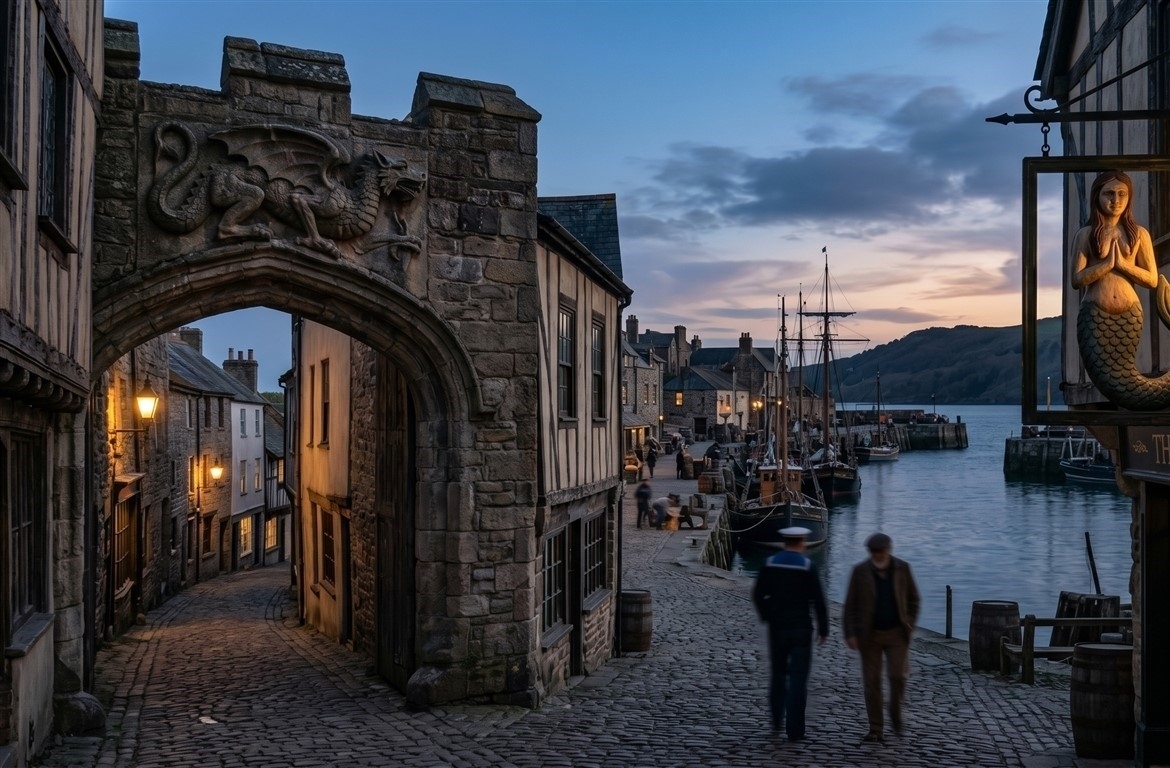
Imagine strolling through an ancient harbor as twilight settles in, and you’ll find stories greeting you even before the first streetlights flicker on. Maybe it’s a dragon carved above a temple entrance. Perhaps a mermaid gracing an old sailor’s tavern sign. Or perhaps you’re on a mountain trail, where locals still hush their voices when whispering about giants, spirits, or those elusive white animals that only appear at the snowline. Mythical creatures aren’t just random monsters thrown into old stories. Not at all. They’re intricate maps, charting human fear, the wildness of weather, deep-seated faith, the routes of trade, shared memories, and unspoken desires.
Humans conjured these beings, felt dread towards them, etched them into art, invoked them in prayers, and eventually, yes, even sold miniature versions in museum gift shops. Sounds complicated, right? Well, folklore often is. A single creature might fiercely guard treasure in one land, then bring vital rain in another. That serpent could be a force of destruction in one narrative, a benevolent creator in the next. Those familiar wings, those sharp claws, those distinct horns, those piercing, shining eyes? They’re always migrating, crossing cultural boundaries.
Defining Mythical Creatures
Mythical creatures are beings sprung from myths, legends, folklore, religious beliefs, epic poems, oral traditions, and, more recently, fantasy literature. They might appear as animals, humans, spirits, divine servants, terrifying monsters, or a strange, captivating mix of all these things. Think dragons, unicorns, mermaids, griffins, centaurs, phoenixes, krakens, kitsune, thunderbirds, and banshees – they all gather under this expansive umbrella.
The label “mythical” doesn’t mean childish or fake in a shallow way. Instead, it points to narratives that carried profound meaning. A village situated near a vast forest needed ways to discuss predatory wolves, raging storms, people who vanished, illnesses, hunger, and temptation. A town by the sea required monsters grand enough to match the terrifying expanse of the open water. A royal court yearned for symbols representing power, purity, victory, or divine blessing. So, these creatures grew, rooted in genuine anxieties and specific landscapes.
Some legendary beings might have originated from misidentified bones, rare animal sightings, traveler’s accounts from faraway lands, or even religious art. Others were born in ritual chants and ancient songs. A unicorn from medieval Europe is absolutely not the same cultural icon as a qilin from East Asia, even if today’s readers might group them together as “gentle horned creatures.” The specifics really matter. Those horns matter. Those wings matter. Even where a creature makes its home matters immensely.
Main Types of Mythical Creatures
No single, neat classification system can ever perfectly categorize every single creature. But these broad categories can help anyone navigate the dense thicket of folklore without getting completely lost.
Creatures That Look Like Us
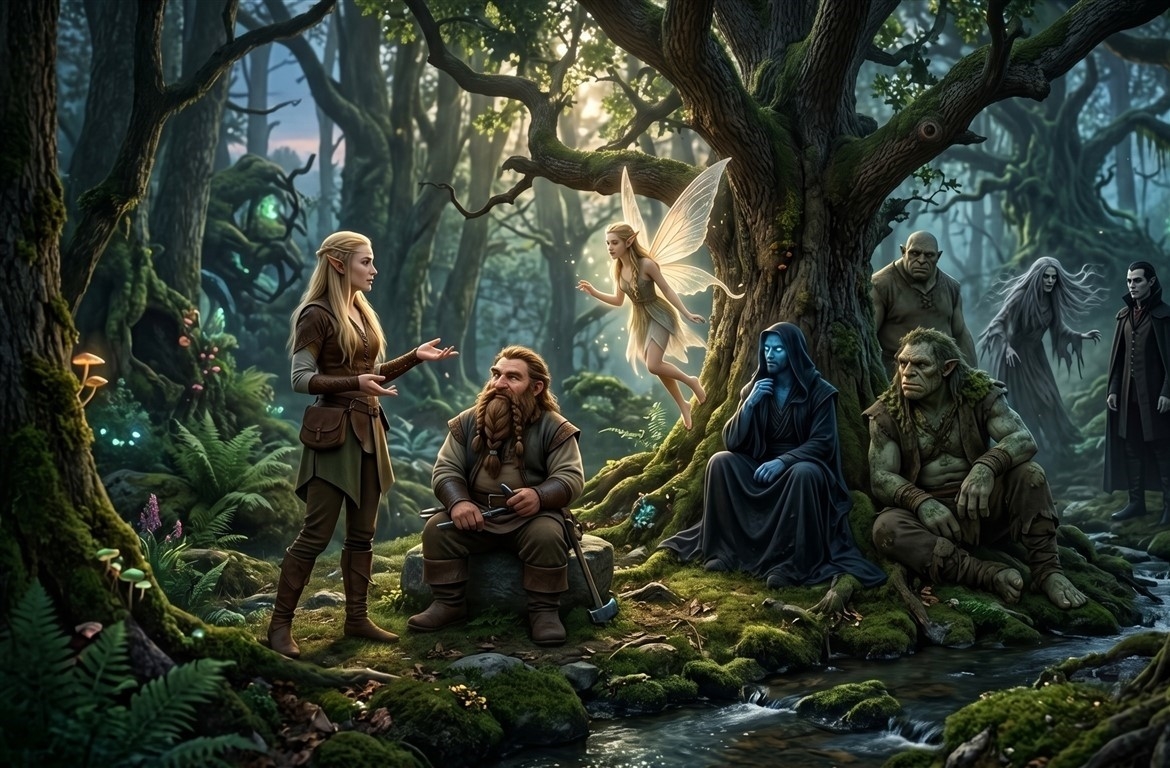
Humanoid creatures look a lot like people, but they exist just beyond the edge of everyday human experience. Elves, dwarves, fairies, jinn, trolls, ogres, banshees, vampires, and many nature spirits all belong in this category. Their human-like form often makes them deeply unsettling. They chat, make deals, try to seduce, curse, heal, snatch children, guard hidden mines, or show up right as someone is dying. They’re simply too close for comfort.
Many humanoid beings dwell at boundaries: doorways, old wells, graveyards, deep forests, crossroads, dark caves. Folklore absolutely loves a good threshold. Travelers do too, although they might not admit it while checking into a bright, modern hotel right next to some ancient wall.
Part Human, Part Animal Beings
Hybrid creatures fascinatingly merge the human body with animal strength, primal instinct, or profound mystery. Centaurs have human torsos joined to horse bodies. Mermaids and mermen pair human upper bodies with fish tails. The minotaur famously sports a bull’s head on a man’s physique. Harpies are a terrifying mix of women and birds. Satyrs possess human features but come with goat-like legs and horns.
These figures vividly express a divided nature. Reason versus raw appetite. Civilization clashing with the untamed wilderness. Beauty entwined with danger. A mermaid singing from the rocks isn’t just a pretty picture, you know. She embodies sea-fueled desire, with sharp teeth cleverly hidden behind her enchanting music.
Fantastic Beasts
Fantastic beasts generally look more like animals than people, yet they completely defy the rules of our natural world. Think unicorns, griffins, phoenixes, qilin, pegasi, basilisks, and many types of dragons – they fit right in here. Their very bodies carry immense symbolic weight: the griffin’s combination of eagle and lion connects the sky with royal authority; the phoenix burns brilliantly only to rise again; the basilisk, in medieval bestiaries, could kill with just a glance.
These creatures frequently appear in heraldry, decorating temples, illuminating manuscripts, gracing family crests, and even popping up in modern logos. A beast that once guarded sacred grounds now helps sell sports teams, hotels, video games, and even tattoo designs. Folklore sure travels in some strange packages.
Creatures of the Deep Ocean
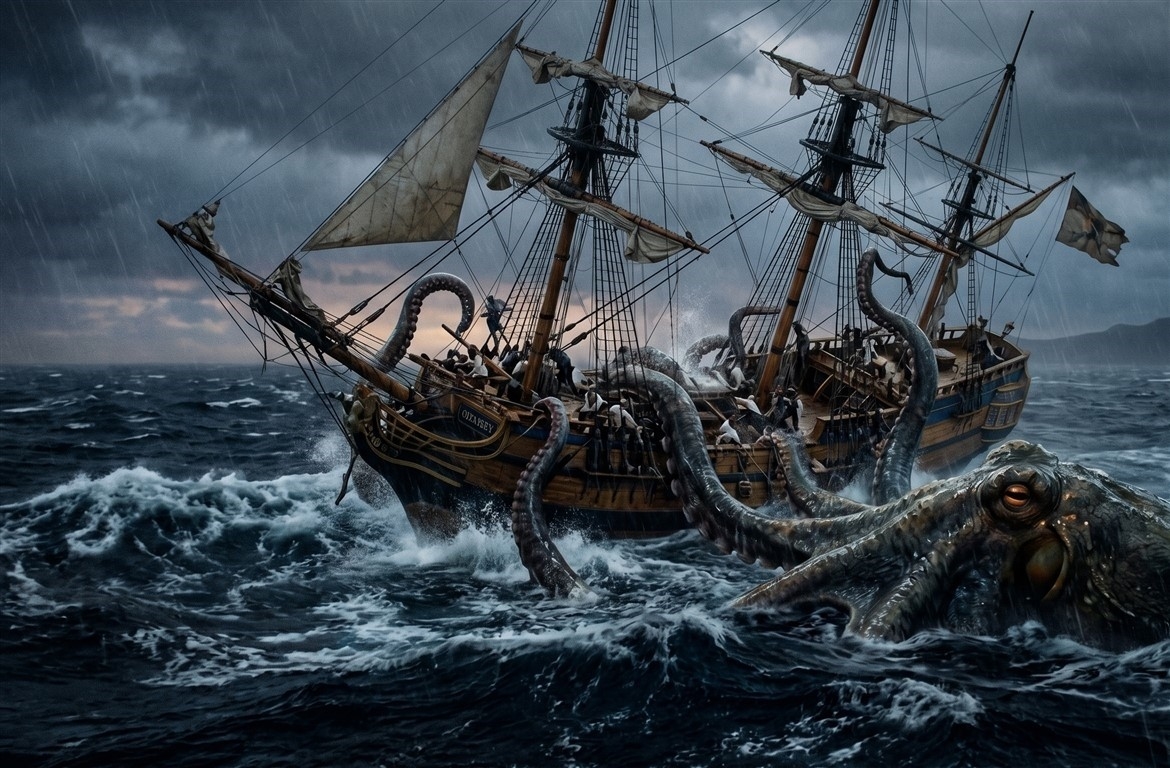
The ocean, in its refusal to be tamed, naturally churns out colossal stories. Kraken tales grew from the sheer terror of the deep water and the awe-inspiring sight of truly massive marine animals. Mermaids show up in European, African, Asian, and Caribbean traditions, sporting different names and carrying unique meanings. Sea serpents coil through maritime lore from the icy north of Scandinavia all the way down to the warm Americas.
Old sailors had perfectly practical reasons for imagining danger. Hidden reefs could wreck ships in an instant. Whales would surface like unexpected, moving islands. Squids and octopuses simply looked alien. Fog made judging distance utterly unreliable. So, a monster out there wasn’t silly. It was a tangible shape given to sheer panic.
Creatures with Wings
Winged creatures inherently belong to the sky, carrying divine messages, bringing storms, marking death, or offering escape. Griffins, pegasi, harpies, rocs, thunderbirds, and many dragon traditions all feature wings. Wings lift a creature far above ordinary travel. They also, rather terrifyingly, make it much harder to run away from.
The thunderbird, in Indigenous North American traditions, is closely linked to the raw power of storms in various cultural contexts. The roc, famous from Middle Eastern and South Asian storytelling, is a gigantic bird capable of snatching up enormous prey. Pegasus, from Greek myth, emerges from a violent birth and quickly becomes associated with heroic journeys and poetic inspiration. Is it all neat and tidy? Not really. Unforgettable? Absolutely.
Shape-Shifters & Spirits
Shape-shifters completely disrupt trust. A cunning fox might transform into a beautiful woman. A person could become a ferocious wolf. A spirit might wear the face of someone long dead. Think of the Kitsune in Japanese folklore, werewolves in European tales, skin-walker stories within Navajo cultural contexts, and countless regional spirits – transformation is their primary power.
These stories often serve as warnings against deceit, arrogance, trespass, or heedless desire. More profoundly, they pose a sharp, unsettling question: how truly well do you know what’s standing right in front of you?
Giants, Ogres, and Scary Monsters
Giants, ogres, cyclopes, trolls, and many creatures from the underworld give human fear a massive physical form. They block paths, devour people, demand tribute, guard caves, or challenge both gods and heroes. Their sheer size makes entire landscapes feel alive. A giant boulder becomes a stone dropped by a titan. A long mountain ridge transforms into a sleeping body.
Travelers still encounter these ancient shapes in place names today. Northern Ireland’s Giant’s Causeway is forever tied to the legends of Finn McCool. Greek islands still whisper tales of cyclopes near their caves and cliffs. In Scandinavia, troll stories cling to rocky outcrops and frosty roads like a stubborn chill.
Mythical Beings Worldwide
Folklore is deeply local before it ever becomes global. While modern fantasy freely mixes and matches creatures, older stories typically emerged from a specific landscape, language, religion, and the daily risks of a particular community.
| Region | Well-Known Creatures | Common Themes |
|---|---|---|
| Europe | Dragons, unicorns, banshees, trolls, griffins | Royal power, death omens, forest danger, sacred purity |
| Asia | Long dragons, kitsune, qilin, tengu, nāga | Water, wisdom, transformation, imperial symbols, spirits |
| Africa | Anansi, Mami Wata, sphinx-like figures, serpent beings | Trickery, water power, ancestral force, moral teaching |
| Americas | Thunderbird, Wendigo, Chupacabra, horned serpents | Storms, hunger, taboo, wilderness, modern fear |
| Oceania and Polynesia | Taniwha, moʻo, ancestral spirits, giant beings | Waterways, guardianship, genealogy, sacred landscapes |
Europe’s Mythic Beings
European folklore is incredibly packed: dragons lurking in caves, fairies beneath hills, trolls guarding bridges, banshees weeping before death, unicorns in medieval Christian symbolism, griffins protecting treasure, and werewolves haunting rural fears. Greek mythology gifted us centaurs, minotaurs, hydras, harpies, sirens, Cerberus, and the enduring phoenix tradition, as known through classical and later sources.
Medieval Europe also absolutely adored bestiaries—those fascinating books that blended real animals, moral lessons, biblical references, and utterly marvelous creatures. A lion could become a symbol of Christ himself. A unicorn might represent purity. A dragon could stand for chaos, greed, or the vanquished pagan past, though dragon meanings, to be fair, never stayed locked in just one interpretation.
Asia’s Legendary Creatures
Asian traditions boast some of the world’s most vibrant and rich creature lore. Chinese dragons are powerfully connected to water, rainfall, authority, and imperial imagery. Japanese kitsune are fox spirits, revered for their intelligence, transformation abilities, and their link to Inari worship. Tengu manifest in Japanese mountain traditions, associated with bird-like features and martial prowess. Qilin, known throughout Chinese tradition and related East Asian cultures, are auspicious beings, bringing virtue and good governance.
South Asian nāga traditions describe powerful serpent beings, often linked to water, fertility, and sacred spaces. In Buddhist and Hindu art, these serpent forms frequently guard, shelter, or signify supernatural power. These creatures aren’t merely “monsters.” Many are simultaneously respected, feared, and deeply honored.
Africa’s Mythic Figures
African folklore encompasses trickster spiders, powerful water spirits, various serpent beings, mysterious forest entities, and fascinating hybrid forms, all shaped by local religion and rich oral tradition. Anansi, widely celebrated in Akan storytelling and across the African diaspora, is a spider figure synonymous with wit, the art of storytelling, and clever trickery. Mami Wata traditions, found in parts of Africa and the diaspora, beautifully intertwine water, beauty, wealth, danger, and profound spiritual devotion.
North Africa also shares in the ancient Mediterranean’s creature worlds. The sphinx, with its human head and lion body, features prominently in Egyptian monumental art and later Greek myth. Same form, but a totally different vibe. One watches over the desert. The other, famously, poses riddles on the road to Thebes.
Creatures of the Americas
The Americas are home to a vast tapestry of creature traditions, spanning Indigenous nations, colonial folklore, and even modern urban legends. The thunderbird appears in several Indigenous North American traditions as a mighty storm being. Wendigo stories, deeply rooted in Algonquian-speaking cultures, are tied to harsh winters, hunger, insatiable greed, and taboo. Horned serpents appear in multiple Indigenous traditions, often linked to water and the underworld.
More recently, modern Latin American and Caribbean folklore gave global pop culture the Chupacabra, first widely reported in Puerto Rico in the 1990s. Its image evolved rapidly: from a reptilian creature, to an alien-like attacker, to a hairless canine. A brand new monster for our fast-paced media age.
Oceania & Polynesia: Mythic Tales
Throughout Oceania and Polynesia, mythic beings frequently connect intimately with genealogy, bodies of water, unique landforms, and sacred authority. Māori traditions speak of taniwha, powerful beings linked with rivers, caves, seas, and guardianship, though their tales vary significantly by iwi (tribe) and specific place. Hawaiian moʻo are lizard or dragon-like beings associated with water, chiefly power, and sacred sites.
These stories aren’t just decorative travel trivia. They are woven into living cultures, named places, and the very fabric of community memory. Treat them with respect. That creature on a souvenir mug might belong to a far deeper story than the gift shop shelf lets on.
Well-Known Mythical Creatures & Their Meanings
Some creatures became world-famous because their images travel so incredibly well. A dragon’s silhouette is instantly recognizable. A unicorn’s horn needs absolutely no caption. A mermaid’s tail can transform an ordinary harbor wall into a legend.
Dragons
Dragons appear across Europe, East Asia, the Middle East, and other regions, each with unique forms and diverse meanings. European dragons often guard vast treasures, breathe searing fire, and challenge saints or heroic figures. Chinese dragons, however, are more strongly associated with water, rain, rulership, and cosmic order. A dragon can embody greed, profound wisdom, disaster, blessing, or even royal authority. This creature, quite simply, refuses to be confined to a single role.
Unicorns
Unicorns are horned creatures linked with purity in medieval European symbolism, though earlier descriptions of one-horned animals came from ancient natural histories and traveler accounts. In contemporary culture, they’ve become soft, sparkly, highly commercial, and surprisingly stubborn. A medieval unicorn could be quite fierce, you know. Not cuddly. And certainly not pastel by default.
Griffins
Griffins flawlessly combine the eagle and the lion, two animals long celebrated for their dominance in the sky and on land. Ancient Near Eastern, Greek, and medieval traditions utilized griffin-like forms as guardians and powerful emblems of strength. In art, they just look perfectly suited for gates, thrones, and treasure rooms.
Mermaids
Mermaids connect beauty, danger, water, deep longing, and vast distance. European siren and mermaid traditions often blend in the popular imagination, even though classical sirens were originally bird-women before later art shifted them towards fish-tailed forms. Similar water-woman figures appear across countless cultures, each carrying unique local meaning.
Centaurs
Centaurs originate from Greek myth, famously half human and half horse. They frequently symbolize wildness, primal appetite, and life on the fringes, though Chiron stands as a significant exception: a wise teacher, skilled healer, and mentor to many heroes. A single creature type, it seems, can contain both chaotic impulsiveness and profound learning. Folklore truly embraces contradiction.
Minotaurs
The Minotaur is central to the Greek myth of Crete, the Labyrinth, King Minos, Daedalus, Ariadne, and Theseus. With its bull head and human body, it embodies themes of punishment, profound secrecy, royal shame, and ritual violence. Tourists visiting Crete still encounter its lingering shadow in ancient ruins, museums, and, of course, gift shops.
Phoenixes
The phoenix is celebrated for its remarkable death and rebirth through fire. Ancient sources describe a sacred bird linked with cosmic cycles, the sun, and profound renewal. Later traditions transformed it into an incredibly potent symbol of survival. Burned, gone, and then back again. Few images communicate such clarity.
Krakens
The kraken comes from Scandinavian sea lore, often imagined as a gigantic cephalopod capable of sinking entire ships. Modern science confirms the existence of giant squid and colossal squid, but the legendary kraken belongs squarely in the realm of storytelling, not zoology. That old fear still resonates because the deep ocean still feels utterly unfinished.
Kitsune
Kitsune are fox spirits in Japanese folklore. They can be incredibly clever, dangerous, fiercely loyal, alluringly seductive, deeply sacred, or delightfully mischievous. Many tales connect these foxes with transformation and intricate illusion. Some kitsune serve Inari, a deity associated with rice, prosperity, and acting as fox messengers within Shinto contexts.
The Wendigo
The Wendigo is deeply rooted in Algonquian-speaking traditions and is often linked to the harshness of winter hunger, cannibalism, insatiable greed, and spiritual corruption. Modern horror has somewhat simplified it into just a monster design, but the older cultural meaning carries a far heavier weight. Cold, starvation, and moral collapse truly stand behind this chilling figure.
The Thunderbird
The thunderbird appears in several Indigenous North American traditions as a being deeply connected with thunder, lightning, and immense sky power. It’s important not to treat it as one universal creature with a single, fixed story. Its meanings genuinely differ by nation, language, and specific ceremonial setting.
Chupacabra
The Chupacabra is a modern legendary creature, associated with attacks on livestock, and was widely reported from Puerto Rico in the 1990s, later spreading across the Americas. Its name literally means “goat-sucker” in Spanish. Media reports, rampant rumors, misidentified animals, and regional fear all contributed to its remarkably rapid spread.
The Yeti

The Yeti, often dubbed the Abominable Snowman in Western media, belongs to Himalayan lore and the adventurous imagination of travelers. Sherpa and Tibetan cultural contexts are far, far richer than that tourist nickname suggests. Expedition reports, mysterious footprints, and the sheer enigma of the mountains turned the Yeti into a truly global cryptid.
Banshees
The banshee comes from Irish tradition and is known as a female spirit whose piercing cry or mournful wail foretells an impending death. This figure embodies grief, family lineage, and the eerie intimacy of sound itself. Not some monster leaping from a closet. Rather, a chilling voice in the deepest dark.
The Hydra
The Hydra is a terrifying, many-headed serpent from Greek myth, famously slain by Heracles as one of his challenging labors. Chop off one head, and, in many tellings, more grow back in its place. This powerful image endures in politics, medicine, games, and everyday speech because persistent, recurring trouble always seems to demand a monster to explain it.
Cerberus
Cerberus is the fearsome, multi-headed hound faithfully guarding the Greek underworld. His role isn’t about random cruelty. No, he ensures the dead stay in and the living stay out. Ancient myth understood that thresholds absolutely require guardians, and the ultimate border between life and death demanded the fiercest one available.
Creatures by Element & Home
A creature’s habitat profoundly shapes its personality. Fire creatures tend to burn, purify, or utterly destroy. Water creatures often lure, drown, guard, or bless. Forest beings are masters of concealment. Sky beings deliver announcements. Underworld creatures strictly enforce boundaries.
- Fire creatures: Dragons, phoenixes, salamanders from medieval lore, and fire spirits all carry intense heat, destruction, renewal, and sacred danger. Fire is rarely gentle for very long. It cooks, it cleanses, it illuminates, and it absolutely devastates.
- Water creatures: Mermaids, krakens, nāga, taniwha, kelpies, and sea serpents belong to rivers, wells, lakes, and all along the coasts. They speak to drowning, fertility, travel, fierce storms, and the strange, ancient bargain between humans and water.
- Air creatures: Griffins, rocs, thunderbirds, pegasi, harpies, and winged dragons live in the realms of height, speed, weather patterns, and divine reach. Their stories often begin the moment humans look up and feel incredibly small.
- Earth and forest creatures: Trolls, dwarves, elves, fauns, dryads, ogres, and giants make their homes in caves, within ancient roots, among stones, in deep mines, and throughout old-growth woods. They either guard what lies hidden or punish people who enter their domains without due respect.
- Underworld creatures: Cerberus, chthonic serpents, shadowy shades, demons, and various death omens stand near graves, dark caves, the rivers of the dead, and forbidden doors. They make the unseen world feel organized and purposeful, not merely empty.
Dragons vs. Serpents
| Dragons | Serpents |
|---|---|
| Often feature legs, wings, claws, horns, or a blend of animal traits. | Typically maintain a snake-like body, though their size and powers vary greatly. |
| Commonly linked to treasure, rulership, fire, water, or severe storms. | Often tied to earth, rivers, fertility, healing, danger, or profound wisdom. |
| European tales frequently portray them as adversaries of heroes and saints. | Many traditions regard serpents as sacred, feared, or even protective figures. |
| East Asian dragons usually carry auspicious and cosmic meanings, symbolizing good fortune. | Serpent beings in South Asian traditions can guard waters and vital sacred sites. |
Why We Have Mythical Creatures
Explaining Nature & Mysteries
Before satellites and weather apps, storms absolutely needed voices. The booming thunder became a bird’s mighty wingbeat. A terrifying whirlpool transformed into a sea monster’s gaping mouth. A volcanic eruption turned into a dragon’s furious anger or a giant’s deeply buried rage. Myth provided understandable patterns for events that felt sudden, overwhelming, and brutal.
Moral Lessons from Legends
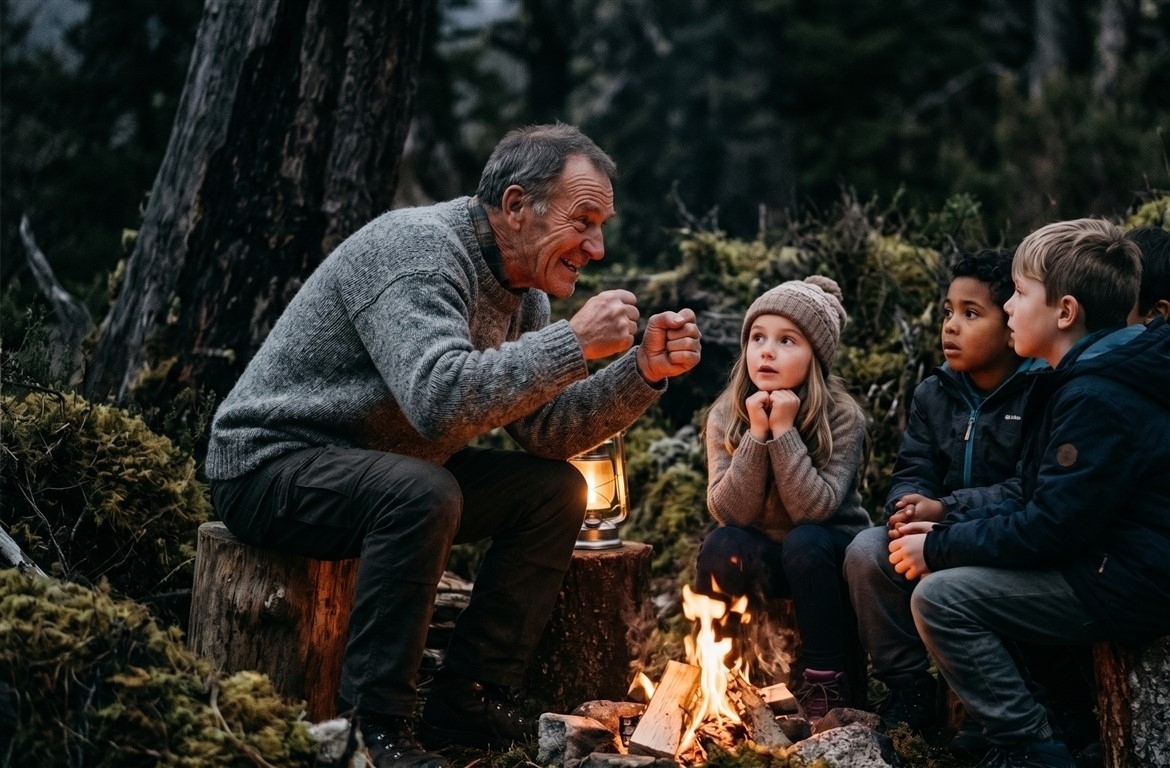
Creatures teach by making danger unforgettable. A child told not to wander too close to the water might forget the strict rule, but they’ll vividly remember the kelpie. A greedy king might shrug off good advice, yet fear a dragon curled possessively around his stolen gold. Stories simply stick better when they come with sharp claws.
Fear, Power, and Protection in Lore
Not every creature exists to attack, you know. Many actually guard. Griffins protect treasure. Sphinxes stand watch over crucial thresholds. Dragons defend palaces in East Asian art. Taniwha can act as powerful guardians in Māori traditions, intrinsically linked to specific places. Fear and protection are, in folklore, very close relatives, often sharing the very same doorway.
Connecting with Gods & Spirits
Mythical creatures often act as intermediaries between humans and the sacred. They carry gods, deliver vital omens, protect ancient temples, mark holy springs, or punish those who break sacred taboos. Their often strange and otherworldly bodies make perfect sense in this context. A being that exists between worlds should, by ordinary standards, look a bit unfinished.
Modern Takes on Mythic Creatures
Literature & Fantasy Worlds
Modern fantasy owes an immense debt to ancient and medieval creature lore. Dragons became utterly central to epic fantasy. Elves and dwarves evolved, shifting forms through Norse tradition, Germanic folklore, medieval romance, and eventually, modern novels. Unicorns moved fluidly between religious allegory, enchanting children’s literature, and the glittering world of pop culture.
Readers still crave creatures because they truly expand the perceived world. A castle feels grander with a griffin perched on its roof. A forest darkens, becoming more mysterious, when elves might be
0 Comment