


Seeing the Pope in Rome (2026 Guide)
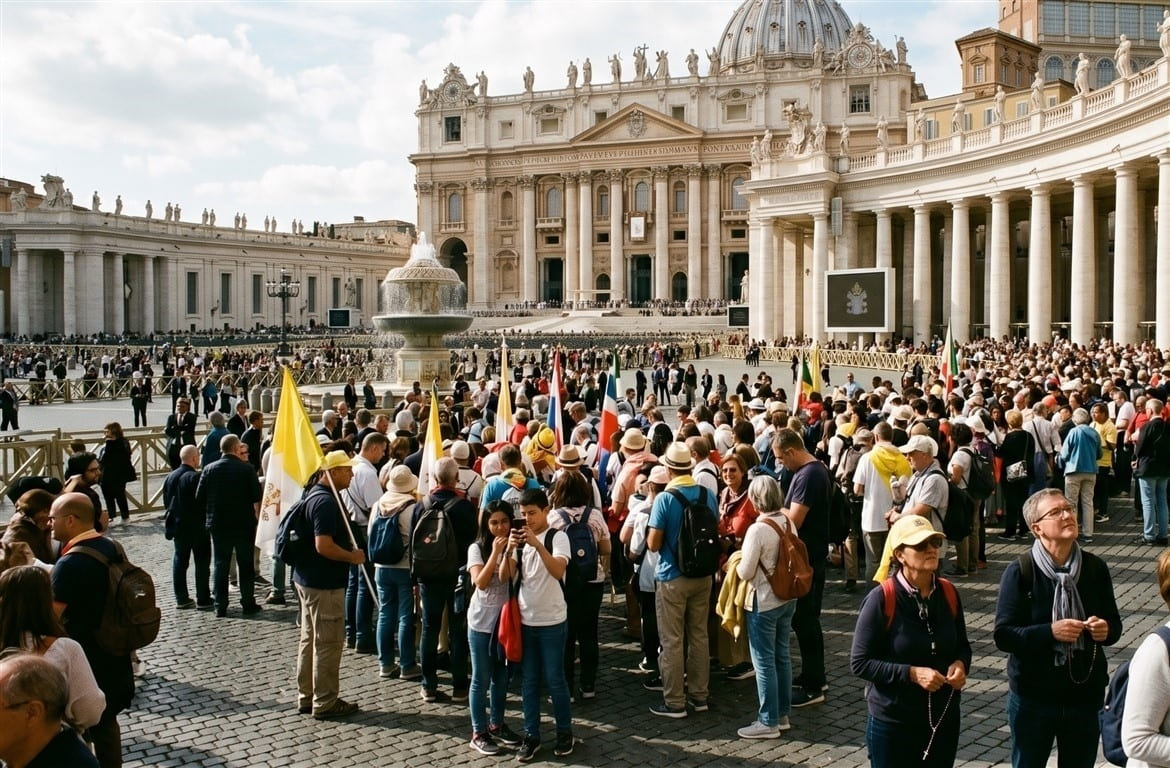
Rome always adds a touch of drama, even to the simplest morning. Hear the bells, the scooters zipping by, coffee cups clattering on marble counters. Then, feel that gentle pull toward Vatican City, where some folks seem perfectly calm while others keep glancing at their watches every few seconds. Catching a glimpse of the Pope in Rome during 2026 isn’t just for organized pilgrimage groups with their matching scarves. Any traveler can attend public papal events. You might join the Wednesday Papal Audience, if it’s on the schedule, or stand in St. Peter’s Square for the Sunday Angelus. Alternatively, you could request seats for a Papal Mass on significant holy days.
Some visits flow wonderfully smoothly. Others turn into a bit of a chaotic scene. Free tickets, security lines, the weather, street closures, and the Vatican’s official calendar all play a role in how your day unfolds. Someone arriving with just a loose plan can still experience a beautiful moment. However, a traveler who double-checks dates, asks for tickets early, and gets to the square before the crowds thicken usually has an even better experience.
Top Ways to See the Pope
Most visitors usually look for three public events: the Papal Audience, the Sunday Angelus, and Papal Mass. These aren’t the same type of experience at all. Mixing them up leads to plenty of travel headaches. The Papal Audience is generally what most visitors recognize: people gather to hear a teaching (catechesis), greetings in various languages, prayers, and the Apostolic blessing. The Angelus is much shorter, typically held around midday on Sundays when the Pope is in Rome and his calendar allows it. Papal Mass is a more solemn occasion, connected to liturgical celebrations, specific feast days, canonizations, and other large Vatican gatherings.
The Pope’s public schedule can absolutely change. His health, travel plans, other Vatican ceremonies, the weather, and security arrangements all play a part. Smart planners always check the official Vatican calendar before booking a hotel around just one event. That sounds obvious, doesn’t it? Yet, people skip this step, only to find themselves staring at an empty window on a Sunday morning, a gelato melting uselessly in their hand.
Audience Tickets (2026)
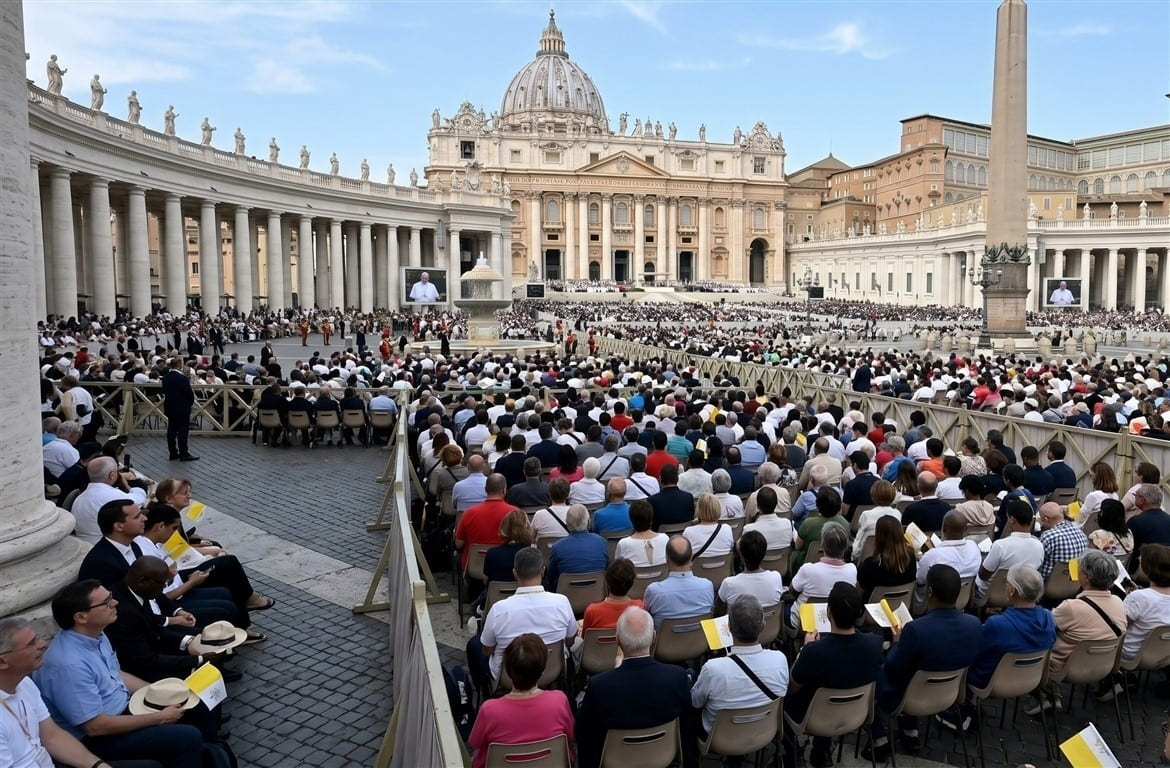
The Vatican Papal Audience usually costs nothing, but a free event isn’t the same as just walking in off the street. You generally need tickets for the Wednesday audience. They’re given out at no charge through official Vatican channels. For many visitors, the easiest approach involves requesting tickets before you even arrive in Rome, then picking them up following the instructions provided by the Vatican office handling your request.
Tickets don’t promise a front-row view. They simply get you into the controlled area where the audience happens, provided security allows entry. Seating isn’t assigned like in a theater. Getting there early still matters a lot. Families with kids, older visitors, church groups, solo travelers, and tour groups all funnel through the same checkpoints. It gets loud, it’s cheerful, a little bit chaotic, and very Roman around the edges.
The audience might take place in St. Peter’s Square if the weather is nice, or in the Paul VI Audience Hall when conditions or planning require an indoor spot. During the busiest religious seasons, the crowds can feel absolutely enormous. Quieter weeks offer a calmer experience, though Vatican events rarely feel truly empty. Rome just doesn’t do “empty” very well.
Sunday Angelus at St. Peter’s
The Sunday Angelus is the simplest option for many who want to see the Pope without dealing with Papal Audience tickets. When the Pope is in Rome and scheduled to appear, visitors gather in St. Peter’s Square before midday. The Pope speaks from a window in the Apostolic Palace, leads a prayer, offers a blessing, and often adds some brief thoughts related to current Church life or global events.
It’s quick. That’s part of its charm, honestly. No long morning spent in a seat, no tickets to pick up, no thick packet of instructions. Still, the square fills up. Security checks might be active. And the best view? You definitely won’t get it by showing up at the last second. Pack your patience. Bring water if it’s a warm month. And grab a hat that won’t blow away when a breeze sweeps through the colonnade and everyone looks up at once.
Papal Mass and Big Vatican Events
Papal Mass offers the most ceremonial way to see the Pope in Rome. It can happen inside St. Peter’s Basilica, right in St. Peter’s Square, or at some other significant venue linked to a Church celebration. Christmas, Easter, canonizations, Holy Week, and huge pilgrim gatherings create massive demand. Tickets for major liturgies are usually free when issued, but access is much more tightly managed than a regular Sunday appearance.
Travelers really should treat Papal Mass planning with extra care. Dates might be set on the liturgical calendar, but details for access, ticket collection, entry gates, and security timing are often finalized closer to the event. A normal Rome sightseeing day can totally fall apart if someone tries to visit the Vatican Museums, climb the dome, attend Mass, and then make a dinner reservation clear across town. That’s just too much. Rome punishes overconfidence with aching blisters.
Which Papal Event Suits Your Trip?
| Event | Ticket Need | Typical Feel | Best For |
|---|---|---|---|
| Papal Audience | Usually free ticket required | Public, multilingual, busy, often festive | Travelers wanting a longer Vatican experience |
| Sunday Angelus | Usually no ticket for the square | Short, outdoor, devotional, crowded near noon | Visitors with limited time in Rome |
| Papal Mass | Often free ticket required for major events | Solemn, ceremonial, high demand | Pilgrims and travelers planning around holy days |
| Special Vatican ceremonies | Varies by event | Formal and security-heavy | Groups, clergy, and dedicated Catholic travelers |
| Public blessings abroad or in Rome | Depends on venue | Less predictable for tourists | Visitors already following the papal calendar |
Planning Your Vatican Morning
The Vatican looks tiny on a map, but it feels enormous once crowds start moving. St. Peter’s Square can swallow thousands of people, yet somehow still feel utterly packed at the security barriers. The nearest metro stop, Ottaviano, works well for many visitors, though the walk can feel quite long when the sun is blazing. Taxis might get slowed down by street closures around big events. Buses are useful, then useless, then suddenly perfect again. Rome loves to keep a little mystery.
- Always check the official calendar before shaping your day. Public papal events depend on the Pope’s schedule, Vatican ceremonies, his travel, and seasonal arrangements. Do not build a once-in-a-lifetime morning around a blog date copied from last year.
- Request Papal Audience or Mass tickets well in advance if you need them. Tickets for standard audiences and major liturgies are free when issued through official Vatican channels. Demand skyrockets around Easter, Christmas, canonizations, school holidays, and peak pilgrimage seasons.
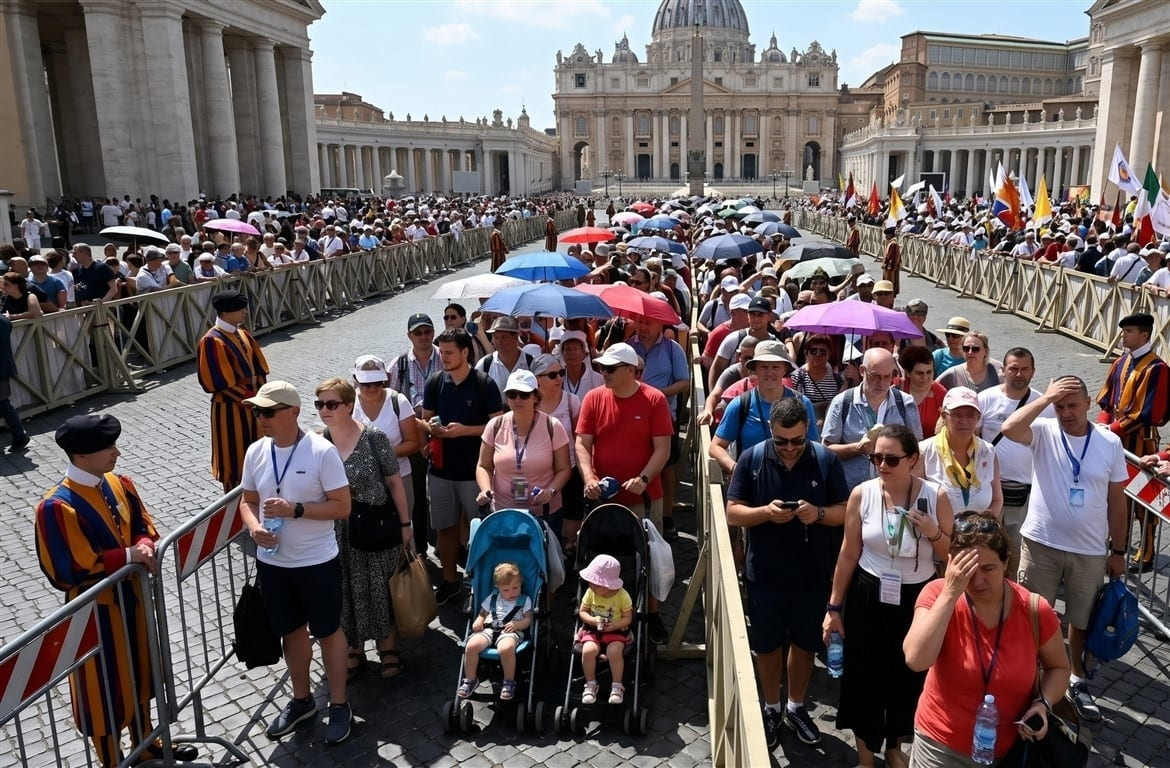
- Arrive much earlier than you think is reasonable. Security checks, group arrivals, open seating, and slow movement through the square gobble up time. A quiet cappuccino nearby sounds lovely, but it’s not lovely if it makes you miss the entrance window.
- Pack as if you’ll be standing outdoors for hours. St. Peter’s Square offers grandeur, but not much shade in the middle. Water, sun protection, a small bag, and comfortable shoes are essential. Large luggage and bulky backpacks are a terrible idea anywhere near Vatican security.
- Keep the rest of your day flexible. Vatican Museums tickets, basilica visits, lunch in Borgo, and a dome climb all require breathing room. A papal event can easily run longer than expected once you factor in waiting, exit crowds, and street closures.
Timing, Crowds, and Your Effort
| Visit Type | Arrival Style | Crowd Pressure |
|---|---|---|
| Wednesday Papal Audience | Early morning arrival is smart, even with tickets | High during spring, holidays, and pilgrimage weeks |
| Sunday Angelus | Arrive well before noon for a better view | Moderate to high, with fast crowd build-up |
| Papal Mass | Follow event instructions and expect long waits | Very high for major feast days |
| St Peter’s Basilica after an event | Allow extra time due to closures or queues | Unpredictable, often slow |
| Vatican Museums on the same day | Use timed tickets and avoid tight scheduling | High across much of the year |
What Happens at a Papal Audience?
A Papal Audience isn’t a private chat. Visitors don’t line up to shake hands with the Pope, and most people will see him from a distance. The audience typically includes readings, a teaching, greetings to various groups, prayers, and a blessing. Large screens might help people follow from further back when the event is outdoors. Pilgrim groups sometimes erupt in cheers when their country, parish, school, or association gets a mention. It can feel incredibly formal one minute and exactly like a stadium the next.
The blessing holds deep meaning for many Catholics. It extends to everyone present and to religious items they bring with devotion, like rosaries, medals, and small icons. Security rules still apply, though. A suitcase packed with framed gifts won’t magically become easier to carry just because the items are religious.
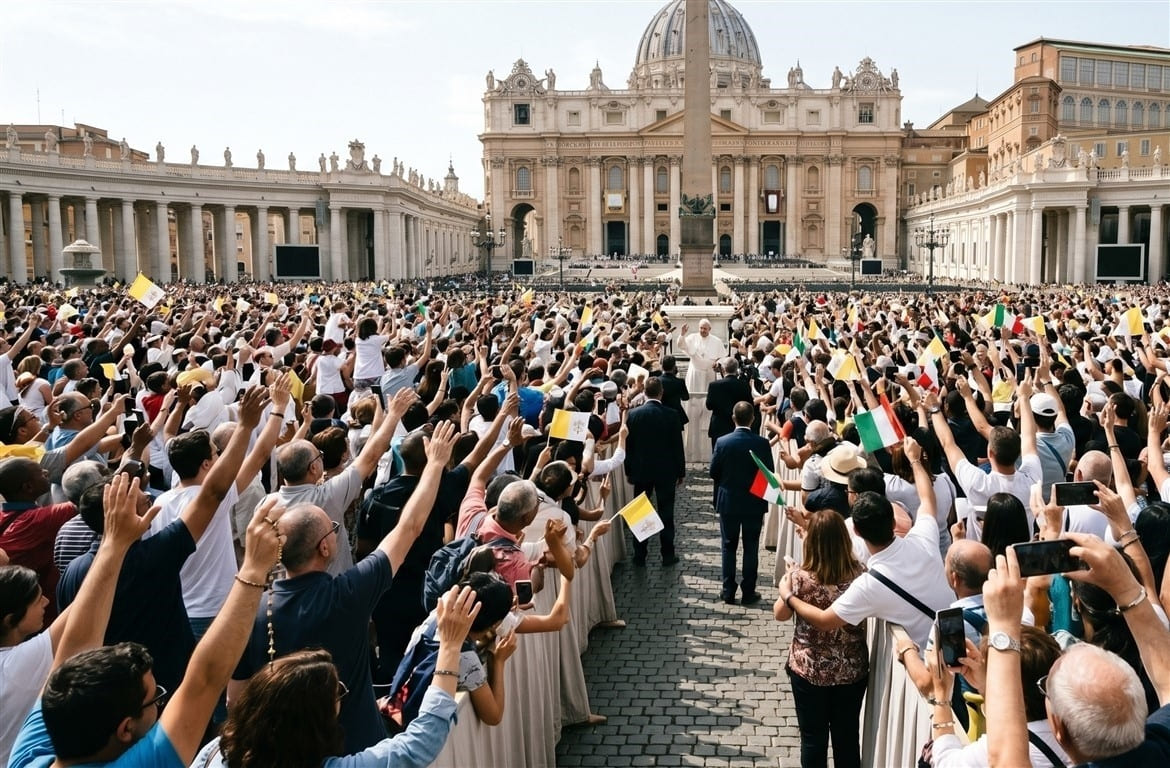
Photography is usually a big part of the scene. Phones rise like a field of black rectangles when the Pope moves through the square or appears on screen. Be respectful with it. A photo is fine. But blocking a child or jabbing someone’s shoulder for ten minutes straight is just rude behavior, and everyone around you knows it.
Dress Code and Vatican Rules
Vatican dress standards are all about showing respect for sacred spaces. Shoulders and knees need to be covered for churches and formal Vatican areas. Light scarves, breathable shirts, linen trousers, longer skirts, and simple dresses work perfectly well in hot weather. Beachwear, tiny shorts, and bare shoulders can definitely cause issues, especially when you’re trying to enter basilicas or controlled indoor spaces.
For outdoor events in St. Peter’s Square, the mood might seem relaxed, but it’s still a religious setting. Speak quietly during prayers. Sit where staff direct you. Don’t push toward barriers. Absolutely do not climb on fountains, chairs, railings, or anything clearly not built for a tourist trying to snag an Instagram shot. Rome has seen every trick in the book. The guards have too.
Can You See the Pope For Free?
Yes, public papal events can indeed be free. The Wednesday Papal Audience typically uses free tickets. The Sunday Angelus is generally free to attend from St. Peter’s Square when it’s scheduled. Papal Mass tickets, when made available for public participation, are also usually free. Paid tours might offer help with logistics, commentary, hotel pickup, or ticket-request assistance, but the papal ticket itself should never be treated as a commercial attraction.
That distinction really matters. A paid Vatican tour can be super helpful for travelers who want context, logistical support, or a combined morning around the basilica area. But don’t confuse it with buying access to the Pope. Be very wary of any sales pitch that makes a free Vatican ticket sound like some scarce, luxury product. Rome sells plenty of real things. It also sells fog in a velvet bag.
Where to Stand or Sit
At a Papal Audience in St. Peter’s Square, early birds often aim for aisle positions. The Pope sometimes moves through sections of the crowd if the event format allows it. But honestly, nothing is guaranteed. Barriers, security decisions, crowd flow, and the specific event plan all dictate movement. Inside the Paul VI Audience Hall, visitors simply follow the indoor seating arrangements and staff directions.
For the Angelus, your sightlines will point toward the Apostolic Palace window. Being closer to the front of the square helps, though the atmosphere and energy spread far beyond the very best viewing spots. Many travelers actually find the sound, the bells, the flags, and the shared sense of attention more memorable than the visual detail. The Pope might look small from the back. The moment itself certainly won’t.
Weather, Seasons, and Rome’s Reality
Rome in spring can be absolutely glorious, then suddenly wet. Summer often feels like standing inside a giant hair dryer next to pale stone. Autumn is gentle, until it isn’t. Winter brings cooler mornings and softer light, plus larger crowds around Christmas events. Outdoor papal events demand common sense for travelers: cover your head, carry water, wear shoes made for stone pavement, and seriously think twice before bringing a heavy daypack.
Umbrellas are a pain in dense crowds. Rain ponchos look silly but they work. A small bottle of water can feel like pure gold by late morning. During hot months, people often underestimate the square because the setting is so beautiful. Marble, sun, and waiting don’t care about anyone’s itinerary.
Combine Papal Event & Vatican Sights
The Vatican Museums, Sistine Chapel, St. Peter’s Basilica, the dome climb, and a papal event can all fit into a Rome trip. But you absolutely shouldn’t cram them into the same tight block of time. The museums require timed entry and are separate from the basilica’s security flow. St. Peter’s Basilica access can change due to major liturgies or crowd control. The dome climb has its own queue and its own test of your knees.
A smarter plan involves dedicating the papal event its own morning, then picking just one nearby activity afterward. Lunch in Borgo Pio, a slower visit to St. Peter’s Basilica (if it’s open), or a stroll toward Castel Sant’Angelo all make perfect sense. The Vatican Museums often work much better on a different day, unless your timed slot falls comfortably later and everyone in your group has the stamina for it.
Common Visitor Blunders
- They treat the Pope’s schedule like museum hours. Museums publish fixed visitor hours. Papal events follow a dynamic, living institutional calendar. Ignoring that difference can totally wreck your plans.
- They arrive with the wrong ticket expectations. A free Papal Audience ticket grants access to the audience area, not a guaranteed front-row seat or a personal greeting. That misunderstanding always leads to disappointment.
- They dress for a beach day next to a sacred site. Rome is hot, yes. But Vatican areas still expect modest clothing, and basilica entry rules are much stricter than the vibe in nearby street cafes.
- They book too much for after the event. Crowds leaving St. Peter’s Square move incredibly slowly. Security barriers, closed routes, and tired feet turn a neat schedule into a sweaty argument.
Kids, Older Travelers, Accessibility
Children are absolutely welcome at public papal events; many families attend. The hardest part is often the waiting. Snacks, water, a smart shade strategy, and a realistic exit plan help far more than heroic discipline. Strollers might be awkward in thick crowds, though families still bring them. For older travelers, seating, bathroom access, heat, and walking distance deserve some honest consideration before the morning even begins.
Visitors with mobility needs should definitely check current Vatican access instructions for their specific event. St. Peter’s Square is wide and paved, but crowd density changes everything. Indoor events might be easier in some ways and harder in others. Staff directions are important, and arriving early always allows more room for calm decisions.
Security and What to Carry
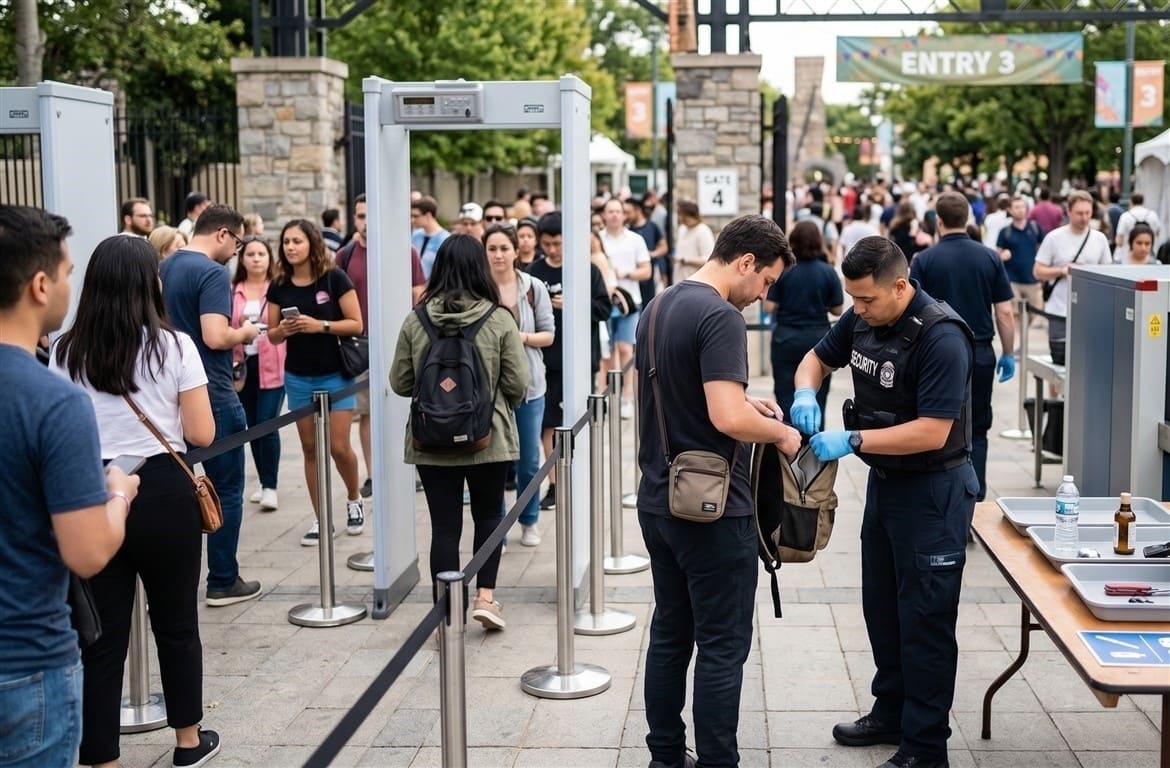
Expect airport-style thinking, though not always airport-level equipment at every single point. Bags will probably be checked. Sharp objects, bulky luggage, glass containers, and anything that creates security concerns can slow or even block your entry. Small is better. Simple is better. A phone, ID, water, sun protection, your ticket papers (if needed), and a light layer will cover most needs.
Do not bring luggage straight from a hotel checkout, hoping the Vatican will somehow be relaxed about it. They won’t. Use luggage storage elsewhere before you even head to the square. Your morning will feel lighter in every possible way.
How Early to Arrive?
For a Papal Audience, many travelers show up well before the event officially kicks off, because entry, seating, and security all demand time. For the Angelus, arriving before noon is the absolute basic move, with an even earlier arrival giving you a much better shot at a clearer view. For Papal Mass, just follow the specific ticket or event instructions and assume the wait will stretch out longer than your optimistic brain wants it to.
Rome really rewards the person who arrives early, then simply relaxes. Grab coffee before you enter the densest part of the crowd. Use the restroom before the square turns into a human river. Keep your group together, because phone signals and noise can transform a simple “meet by the obelisk” into a small domestic crisis.
Best Fit for Travelers
| Traveler | Better Choice |
|---|---|
| First-time Rome visitor with limited time | Sunday Angelus, because it is shorter and usually easier to add to a Vatican-area walk |
| Pilgrim group or parish visit | Papal Audience, because the shared prayers, greetings, and blessing create a fuller public experience |
| Traveler visiting during Easter or Christmas | Papal Mass, if tickets and timing are arranged early and the trip is built around the celebration |
| Family with young children | Angelus for a lighter plan, or Papal Audience only when the children can handle a long wait |
| Traveler focused on photography | Papal Audience can offer more atmosphere, though close views are never guaranteed |
Nearby Spots to Add Without Rushing
After an Angelus or audience, your easiest nearby choices include St. Peter’s Basilica, Borgo Pio, Castel Sant’Angelo, and a walk along the Tiber. The basilica is the grand prize, if access is open and the line isn’t too brutal. Borgo Pio offers restaurants, souvenir shops, gelato, and that lovely post-event buzz where everyone’s comparing photos and pretending their feet don’t actually hurt.
Castel Sant’Angelo works beautifully for travelers who crave history without immediately diving into another religious site. The bridge views back toward St. Peter’s dome are absolutely excellent, mostly because Rome just knows how to arrange a skyline. The Vatican Museums truly deserve more time and a timed ticket. Treat them as a completely separate commitment unless your schedule genuinely has space.
Small Details for a Better Morning
Print or save your ticket information offline. Mobile data can get quite moody in a dense crowd. Carry a light scarf if your outfit is right on the edge of the dress-code line. Wear shoes that can comfortably handle uneven stone. Decide exactly where your group will meet if you get separated, and pick a spot outside the densest part of the square, not smack in the central crush.
Listen to staff and security. They aren’t there to debate your travel plans. They’re moving people because crowd safety utterly depends on boring instructions being followed quickly. The faster everyone accepts that, the sooner the mood returns to anticipation instead of grumpy shuffling.
Before You Go: Final Checks
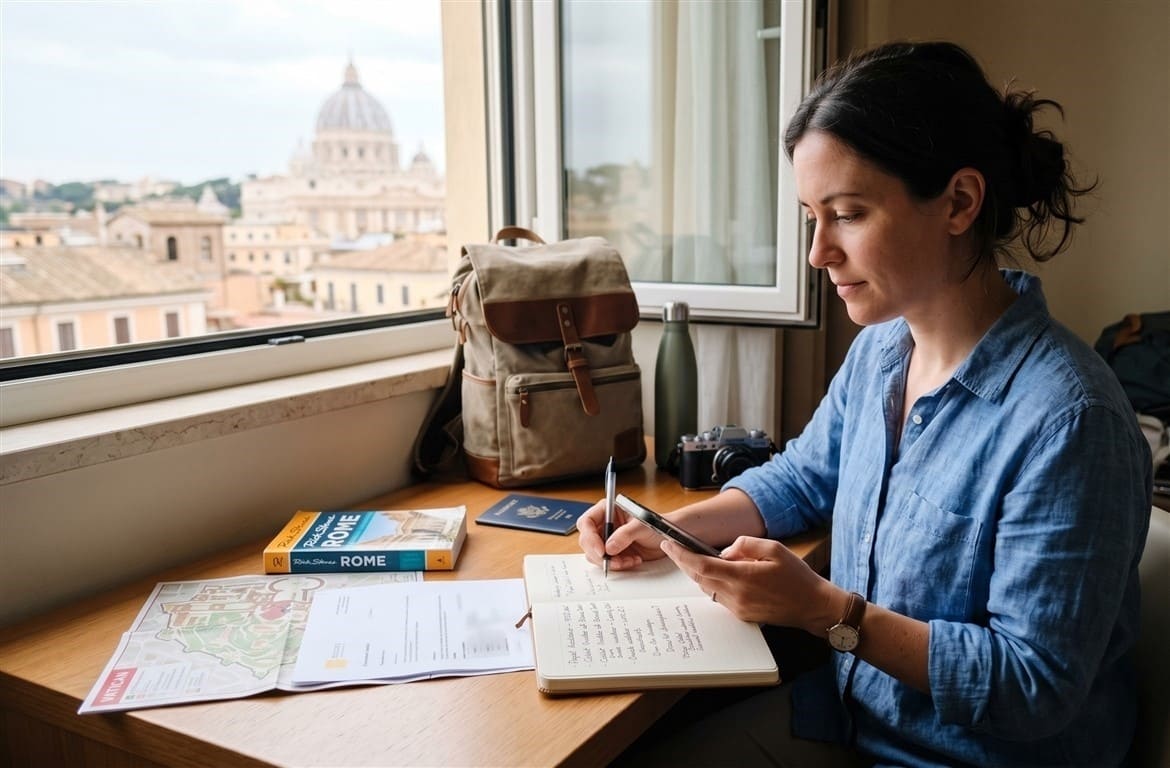
Before you even head out for the Vatican, double-check the current papal calendar, the exact event location, any ticket collection rules (if tickets are needed), the weather forecast, potential transport disruptions, and any specific notes tied to special liturgies. Public events can shift indoors, change access patterns, or suddenly become much busier when a large group or celebration is scheduled. Facts beat wishful thinking every single time.
Seeing the Pope in Rome is partly about planning, and partly about letting go. You sort out all the practical, boring bits, then just let the morning unfold. The bells ring out, the crowd lifts its eyes, the basilica glows behind the square, and for a few minutes, the whole noisy city seems to face the same direction. That’s the part people genuinely remember.
0 Comment