


Shiraz: Your Perfect Travel Season
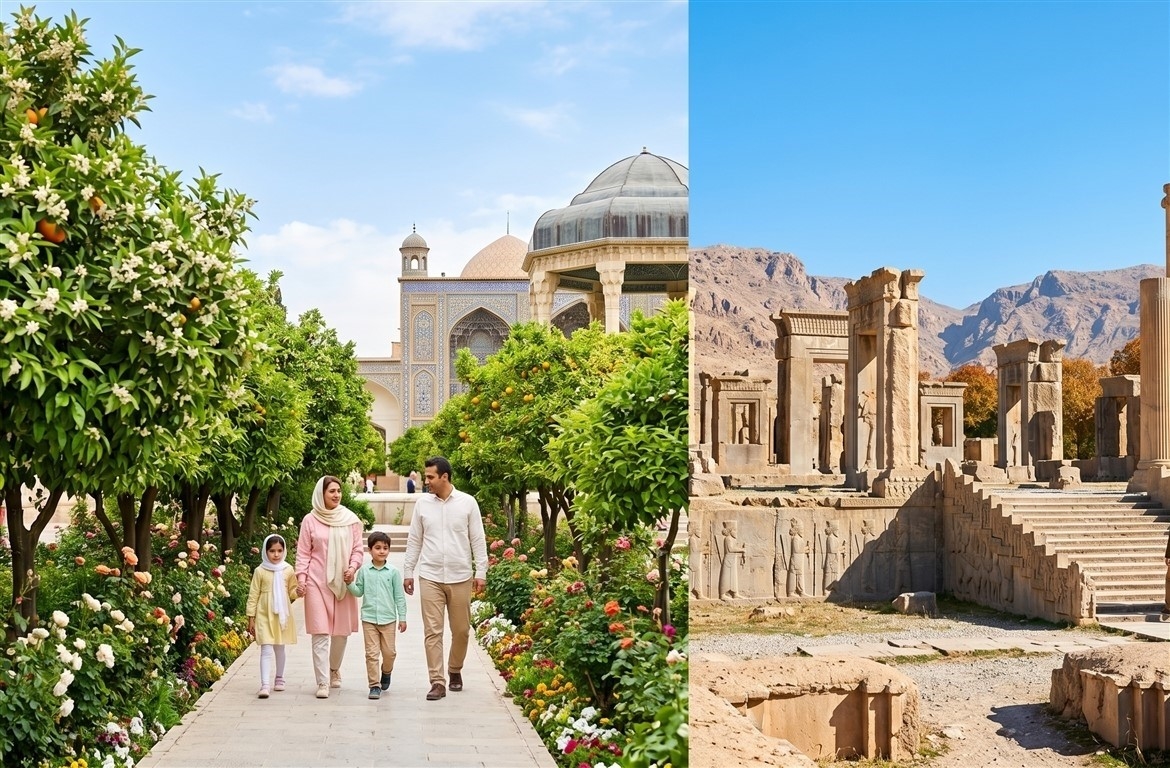
Planning a trip to Shiraz? Aim for late March through mid-May or October to early November. These stretches offer the perfect blend of gentle weather, vibrant garden hues, ample daylight for exploration, and super pleasant strolls through the historic parts of town. April really shines, bursting with flowers, fragrant orange blossoms, and that quintessential spring feel. For those chasing clear skies, fewer crowds, and refreshing afternoons at Persepolis, October is simply unbeatable.
Shiraz truly shines when you visit in the right season. It’s so much more than just a gateway to Persepolis! This city boasts stunning gardens, rich poetry, beautiful mosques, bustling bazaars, charming old homes, delicious local food, and a pace that feels much more relaxed than Tehran or Isfahan. Summer’s intense heat can quickly zap your energy. Winter, though calm and budget-friendly, loses some of that vibrant color. Time your visit well, and Shiraz will feel welcoming, perfect for walking, wonderfully fragrant, and incredibly easy to love.
Discover Shiraz: Why Go?
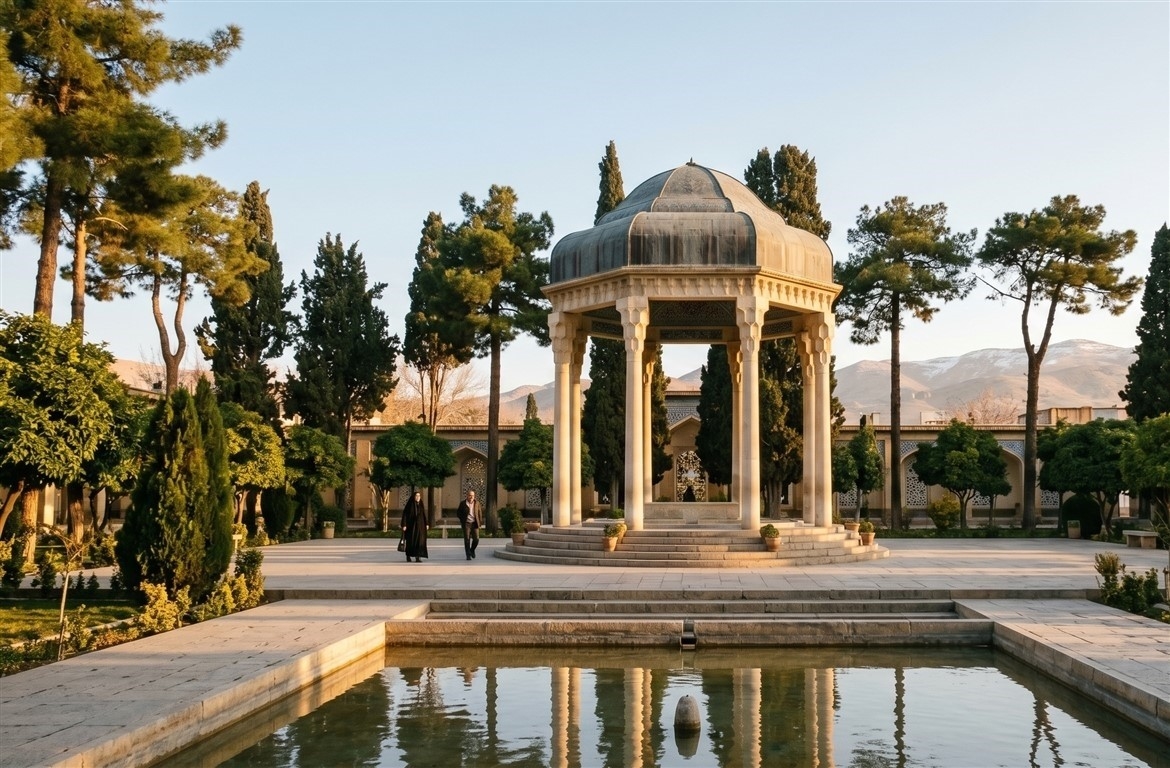
Many travelers consider Shiraz the cultural heartbeat of southern Iran. It’s deeply connected to poetry, magnificent gardens, a rich wine history, incredible Zand-era architecture, and the nearby ancient Achaemenid world. Places like the Tomb of Hafez, the Tomb of Saadi, Vakil Bazaar, Nasir al-Mulk Mosque, Shah Cheragh, and its gorgeous old residential gardens give the city a deeply layered character, making it ideal for a leisurely visit.
The city also has a fantastic perk for first-timers: its main attractions are diverse but not spread out. You could easily spend your morning soaking in a pink-tiled mosque, grab some Kalam Polo Shirazi for lunch, wander through Vakil Bazaar in the afternoon, and cap off your day at Hafezieh among local families and poetry lovers. Few Iranian cities blend history, natural beauty, delicious food, and such a relaxed evening atmosphere so seamlessly.
Shiraz’s Location
Shiraz calls Fars Province home, tucked away in southwest Iran, roughly 900 km south of Tehran if you’re traveling by road. The city rests in a valley, about 1,500 meters above sea level. This elevation brings cooler nights compared to many other lowland cities in the region. It also explains the dramatic seasonal changes: spring and autumn feel absolutely lovely, summer turns incredibly hot and dry, and winter evenings definitely require warm layers.
For travelers, Shiraz serves as an excellent southern anchor on any Iran itinerary. It connects smoothly with Tehran, Isfahan, Yazd, Kerman, and Persian Gulf cities via air, train, bus, or private car. Persepolis, Naqsh-e Rostam, and Pasargadae stand as the primary historical day-trip destinations, located just north and northeast of the city.
Best Times for a Shiraz Trip
Late March through May offers the perfect season for gardens and springtime vibrancy, while October and early November are superb for comfortable sightseeing. Daytime temperatures in April often hover in a pleasantly warm range, and May starts beautifully before the summer heat really kicks in. October might have less blossom color than spring, but it delivers fantastic walking weather and makes planning cultural visits much smoother.
If you’re visiting during Nowruz, the Persian New Year holiday around late March and early April, be sure to book everything well in advance. Expect bustling streets, fully booked hotels, and lively public spaces. For those who prefer lower prices and quieter attractions, consider late April after the holiday rush, late October, November, or even winter weekdays. The choice is pretty straightforward: spring means beauty and energy; autumn offers comfort and more breathing room.
| Travel Goal | Top Season | Why It’s Great |
|---|---|---|
| General journey | April, October | Gentle weather, good light, easy exploration |
| Gardens & blossoms | Late March to early May | Flowers, lush greenery, orange blossom scent |
| Persepolis visit | March to May, Oct to Nov | Less intense heat on exposed stone terraces |
| Budget-friendly | Winter, summer weekdays | Fewer casual tourists, softer hotel demand |
| Quiet museums | January, February, Nov | Cooler days, lighter visitor traffic |
Top Months for a Visit
April and October are generally the safest bets for most travelers. April brings spring flowers, mild evenings, and the most unforgettable garden strolls. October, on the other hand, offers consistently good weather, comfortable afternoons, and ideal conditions for walking through sprawling archaeological sites without scrambling for shade.
Great Weather for Walking
March, April, October, and early November are perfect for travelers planning lots of walking. Shiraz can still have chilly mornings in March and November, so bringing a light jacket is a smart move. May remains attractive, but by late May, midday often feels quite hot, especially around exposed attractions.
Gardens and Blossoms Guide
Late March, April, and early May are prime months for experiencing Eram Garden, Narenjestan Qavam Garden, and Afif-Abad Garden. Spring means greener paths, fuller flowerbeds, and the intoxicating scent of orange blossoms drifting through old garden districts. Photographers should aim for early mornings or late afternoons to capture softer light and fewer harsh shadows.
Ideal Sightseeing Period
Autumn is fantastic for travelers more interested in museums, mosques, bazaars, and day trips than in flowers. October weather keeps long walks enjoyable, and the sun feels much less brutal at Persepolis. November brings cooler and quieter days, though evenings can turn quite crisp after sunset.
Shiraz: Budget Travel
Winter and peak summer usually offer the best hotel prices. January and February mean cooler weather and fewer tourists, while July and August are quiet because the intense heat tends to discourage extensive daytime sightseeing. Summer can still work for budget-conscious travelers willing to start early, relax indoors after lunch, and plan their walks for the cooler evenings.
Least Comfortable Time to Visit
July and August are definitely the least comfortable months for a first-time visit. Average highs can easily climb into the upper 90s Fahrenheit, and stone courtyards, open squares, and Persepolis feel significantly hotter under the direct sun. If you must visit in summer, be sure to book accommodation with reliable air conditioning and schedule outdoor activities for sunrise or late afternoon.
Shiraz Weather: Season by Season
Shiraz experiences a semi-arid climate, meaning most of its rain falls from late autumn through early spring. The period from late spring through early autumn is typically very dry. The hot season generally runs from late May to September, with July usually being the warmest month. January is the coldest, bringing chilly nights and mild to cool afternoons.
Seasonal planning is crucial because many of the best Shiraz experiences happen outdoors. Gardens, bazaars, mosque courtyards, cemetery paths, and Persepolis all feel distinctly different when the sun is gentle versus when it’s scorching. Timing your trip well reduces your reliance on taxis and gives you more freedom to simply walk between nearby attractions.
| Season | Typical Mood | Travel Notes |
|---|---|---|
| Spring | Mild to warm | Best for gardens, blossoms, and first trips |
| Summer | Very hot and dry | Plan early mornings, taxis, indoor breaks |
| Autumn | Warm, then cool | Ideal for Persepolis and long city strolls |
| Winter | Cool days, cold nights | Good for lower prices, quiet museums |
Spring in Shiraz
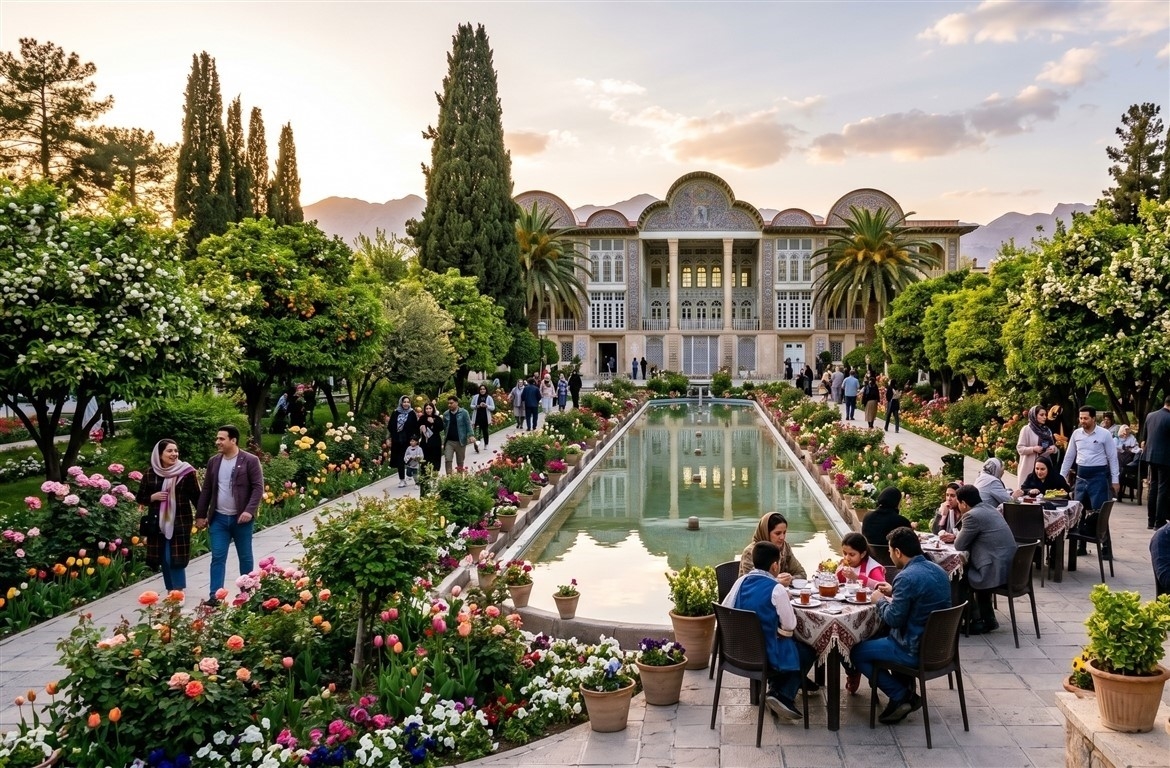
Spring truly is Shiraz’s signature season. March can swing between cool and mild, April usually feels wonderfully comfortable, and May just gets warmer week by week. Gardens look their absolute best, Nowruz adds a vibrant public energy, and outdoor cafés and evening walks feel completely natural and inviting.
Summer in Shiraz
Summer means dry, bright, and demanding days. The city still buzzes with life after sunset, but daytime sightseeing requires some real discipline. Nasir al-Mulk Mosque, indoor museums, shaded bazaars, and quick taxi rides become far more sensible options than long walks across open, sun-baked streets.
Autumn in Shiraz
Autumn offers the most balanced season for practical travel. September can still feel warm, October is simply excellent, and November brings noticeably cooler evenings. Travelers primarily focused on architecture, history, and Persepolis often prefer autumn over spring, finding the crowds much easier to manage.
Winter in Shiraz
Winter is surprisingly quiet, budget-friendly, and often much better than travelers expect. Days can be perfectly fine for sightseeing, but mornings and nights definitely call for a good coat. Gardens might have less color, yet the mosques, bazaars, tombs, and museums remain incredibly rewarding experiences.
Shiraz: Monthly Travel Insights
A month-by-month breakdown helps you match the city’s vibe to your travel style. Shiraz isn’t a place where every month feels the same. The exact same itinerary that feels leisurely in April could feel utterly exhausting in July, while a winter trip demands warmer clothes and more indoor stops.
Use this table as a quick guide before locking in flights or hotels. The best months aren’t just about temperature; they also factor in daylight, holiday timing, garden conditions, and how much time you actually want to spend outside.
| Month | Trip Quality | Ideal Use |
|---|---|---|
| January | Cool & tranquil | Museums, bazaars, cheaper hotel rates |
| March | Fresh & lively | Nowruz, early blossoms, cooler walks |
| April | Outstanding | Gardens, poetry sites, full city plan |
| May | Warm & bright | Early starts, gardens, evening food stops |
| July | Hot | Budget trips, indoor sights, night walks |
| October | Excellent | Persepolis, walking routes, photography |
| December | Cool | Calm cultural trip with warm layers |
Garden Visits in Shiraz: Best Time
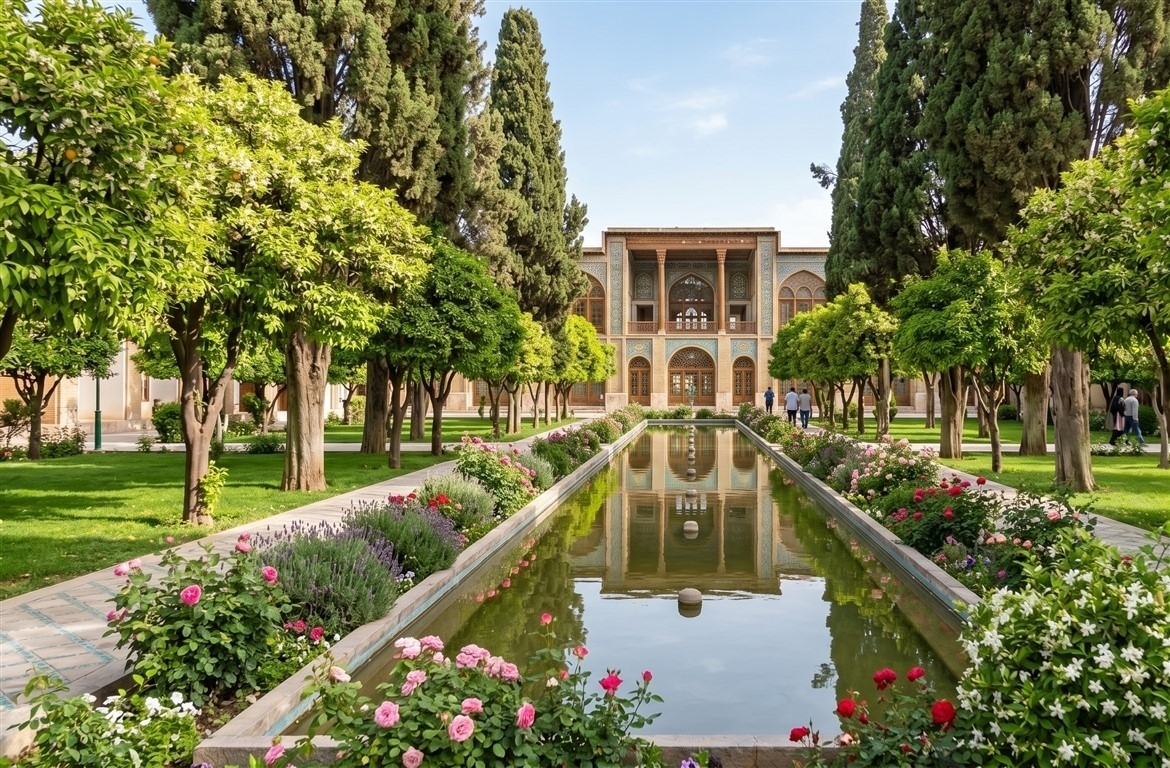
Spring truly is Shiraz’s garden season. The city’s historic gardens were brilliantly designed for shade, refreshing water features, delightful fragrances, and perfectly framed views. They feel most vibrant when the air is mild and the plants are at their freshest. Late March through April offers the safest window, with early May still being wonderfully rewarding before the intense heat arrives.
Eram Garden is arguably the most famous garden spot, perfect for travelers seeking classic Persian garden design with its towering cypress trees and an elegant Qajar-era pavilion. Narenjestan Qavam, while smaller, feels much more intimate, boasting intricate mirror work, fragrant orange trees, and a refined historic-house ambiance. Afif-Abad Garden works well for a slower, more expansive visit, as its grounds are quite broad and the mansion setting feels less confined.
Eram Garden Visits
Head to Eram Garden in April if flowers and lush greenery are your top priorities. Mornings bring cooler air and more tranquil paths. Late afternoon is often better for capturing stunning photos of the pavilion, especially as the light softens beautifully across the trees.
Narenjestan Qavam Garden
Narenjestan Qavam truly shines in spring, when the orange trees define the courtyard’s entire mood. This garden sits right in the old city, making it a perfect pairing with Nasir al-Mulk Mosque and a delightful stroll towards traditional homes. Arrive early if photography is on your agenda.
Afif-Abad Garden Insights
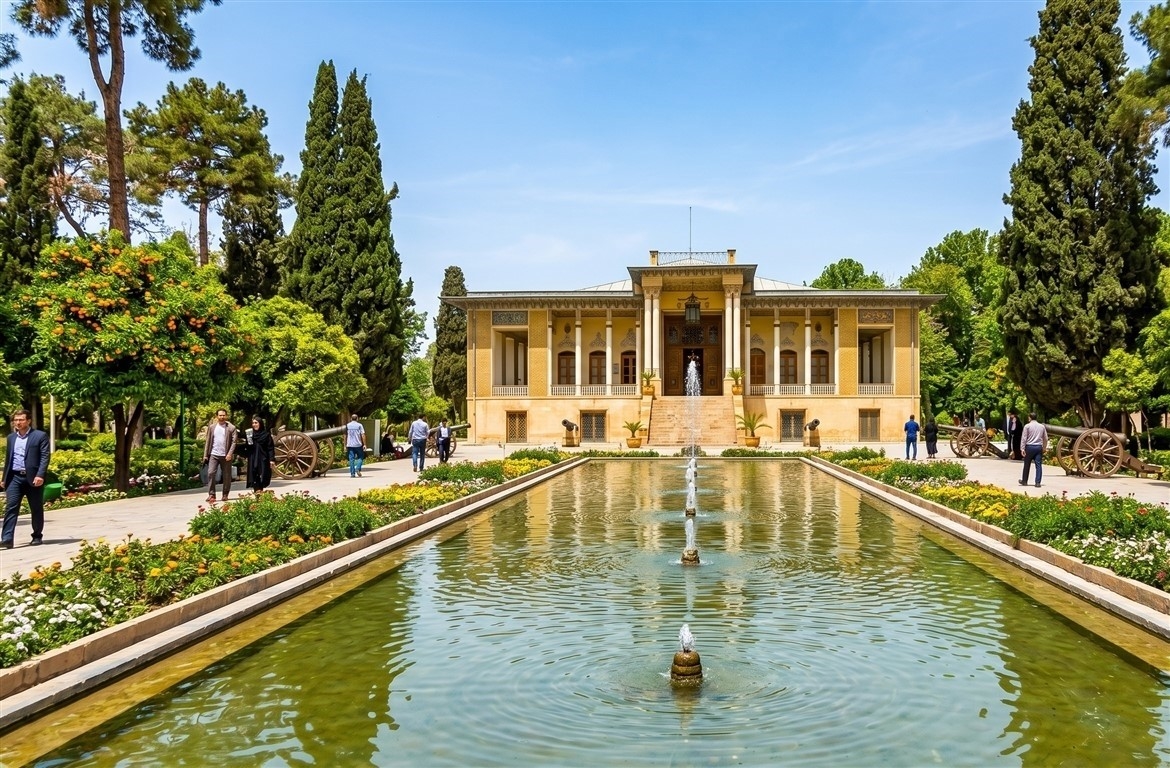
Afif-Abad Garden is a fantastic choice in April, May, and October. Its expansive grounds make it more forgiving than smaller courtyards, though summer still gets quite hot by midday. Travelers interested in military history can easily combine their garden stroll with a visit to the museum housed within the complex.
Persepolis Day Trip from Shiraz
Persepolis lies about 60 km from Shiraz by road. The drive usually takes somewhere between 50 to 70 minutes by car or taxi, depending on traffic and your exact starting point. The site is largely open, featuring vast stone stairways, intricate reliefs, grand platforms, and very little shade. March to May and October to November are the prime periods to visit, as the sun is far easier to handle and walking feels much less rushed.
The smartest day-trip plan involves leaving Shiraz early, arriving at Persepolis right around opening time, then continuing to Naqsh-e Rostam before heading back to the city. A private taxi or a pre-arranged driver is usually the simplest option for most foreign travelers, as public transport doesn’t always conveniently drop visitors at every archaeological stop. Travelers continuing onward to Yazd can also visit Persepolis en route north to avoid any backtracking.
Shiraz: Festivals & Local Happenings
Spring definitely brings the busiest event calendar. Nowruz fills homes, parks, streets, and historic sites with a buzzing energy from domestic travelers. Hotels can sell out incredibly fast, and intercity transport becomes much busier, but the overall mood is wonderfully festive and creates truly memorable experiences for those who plan ahead.
Shiraz Day falls on the 15th day of Ordibehesht in the Iranian calendar, typically around May 4 or May 5. Cultural programs, public events, and a strong sense of city pride gather around this date. Spring rosewater traditions are more closely associated with nearby rose-growing regions like Meymand and other parts of Fars Province, making late spring a good time for travelers keen on experiencing local seasonal customs.
Nowruz Celebrations in Shiraz
Nowruz is beautiful, but incredibly busy. Book your accommodation and transport far in advance, pack some patience for famous sights, and aim for morning visits before local crowds really swell. Families fill gardens and tombs, creating a wonderfully warm and social atmosphere throughout the city.
Shiraz Day Festivities
Shiraz Day is perfect for travelers who enjoy local culture beyond just sightseeing. This date proudly celebrates the city’s unique identity, its poetry, gardens, and rich historic character. Since the exact Gregorian date can shift slightly, always double-check the local calendar before finalizing your plans.
Rosewater & Spring Customs
Late spring brings delightful rosewater traditions to various parts of Fars Province. Travelers with a driver can inquire about seasonal trips outside Shiraz, especially if they appreciate rural landscapes and local food culture. This works best as a charming add-on, not as a replacement for the city’s main attractions.
How Many Days for Shiraz?
Three days is honestly the most comfortable duration for a first-time trip to Shiraz. One day can perfectly cover the old-city highlights. Two days let you add Persepolis. And three days? That allows for gardens, food exploration, and wonderfully relaxed evenings at Hafezieh or Saadieh. Travelers who really dislike rushing should absolutely avoid treating Shiraz as just a quick one-night stop.
A truly good Shiraz itinerary has a natural rhythm. Start your mornings with places that benefit from soft light or cooler air, use midday for exploring bazaars or indoor spaces, and save the poetry tombs or gardens for the late afternoon and evening. The city becomes far more enjoyable when you don’t treat it like a rigid checklist.
One-Day Shiraz Plan
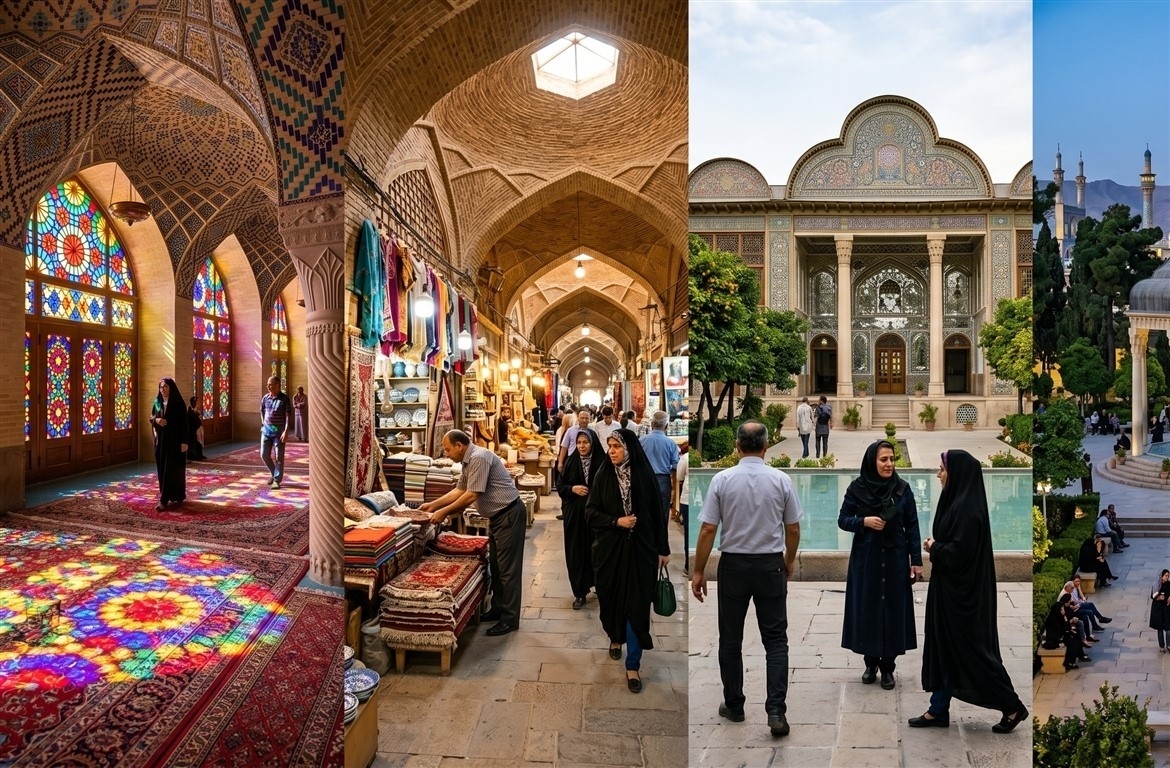
Kick off your day at Nasir al-Mulk Mosque early to catch that stunning colored light, then walk or grab a taxi to Narenjestan Qavam. Continue on to Vakil Bazaar, Vakil Mosque, and the Vakil Bath area. Finish your day at the Tomb of Hafez after sunset, when local life really feels its most vibrant.
Two-Day Shiraz Plan
Dedicate your first day to exploring old Shiraz and the second to Persepolis, Naqsh-e Rostam, followed by a relaxed evening meal back in the city. This plan suits travelers who are moving through Iran at a quicker pace. Just keep your Persepolis day free from late-night commitments; the sun and walking can be quite tiring!
Three-Day Shiraz Plan
With three days, you can comfortably add Eram Garden, Afif-Abad Garden, the Tomb of Saadi, Shah Cheragh, and allot much more time to the bazaar. Three days also allows for proper, leisurely meals instead of just grabbing snacks between sights. Travelers interested in photography, poetry, or food will truly feel the benefit of this extra time.
What to Pack for Shiraz
Packing for Shiraz needs to consider both the weather and local dress expectations. Iran has public dress rules, so visitors should dress modestly in streets, religious sites, and public buildings. Women absolutely need a headscarf in public spaces, along with loose clothing that covers arms and hips; men should avoid sleeveless tops and very short shorts in public areas.
Comfort matters just as much as clothing rules. Shiraz rewards walking, and many streets around bazaars, mosques, and gardens are far more pleasant on foot than by car. Bring shoes that can handle stone floors, uneven sidewalks, and long days exploring museums.
- Spring & Autumn: light jacket, breathable shirts, sunglasses, comfy walking shoes, and a scarf for those cooler evenings.
- Summer: loose long sleeves, high-SPF sunscreen, a wide-brimmed hat, a refillable water bottle, and sandals or light walking shoes.
- Winter: a warm coat, a cozy sweater, closed shoes, and plenty of layers for chilly mornings and mild afternoons.
- Persepolis Day: definitely pack sun protection, lots of water, some snacks, and shoes with good grip for all those stone steps.
Shiraz Travel Essentials
Your Shiraz trip will be much smoother if you sort out the practical details before you arrive. International bank cards typically don’t work in Iran, so travelers absolutely need cash or a local travel card arranged through a trusted provider. Internet access can also be restricted, so many visitors prepare a working VPN before entering the country, as installing one after arrival can be a real headache.
Getting around the city itself is quite manageable. Taxis and ride-hailing apps are widely available, and the metro can be handy for certain routes, including access towards Shahid Dastgheyb airport via Line 1. The old city center, however, often works best with a mix of walking and short rides, because traffic and parking around the bazaars can really slow cars down.
- Dress mindfully: always have a light outer layer ready for mosques and public buildings.
- Carry cash: bring enough foreign currency to exchange through official local channels.
- Plan early starts: visit Nasir al-Mulk Mosque and Persepolis early for better light and cooler air.
- Use taxis wisely: always agree on the fare upfront or use a ride-hailing app if available.
- Respect sacred sites: follow all entrance rules at Shah Cheragh and always ask permission before taking photos of people.
Reaching Shiraz
Shiraz Shahid Dastgheyb International Airport sits about 11 km southeast of the city center and serves as the easiest arrival point for most travelers. Domestic flights connect Shiraz with Tehran and other major Iranian cities, while regional international routes might shift depending on the season and airline. From the airport, taxis are the most straightforward option, though the metro can assist travelers heading towards areas linked to Line 1.
Train and bus routes are perfect for travelers making their way through Iran overland. Shiraz Train Station is located outside the central city near the Sadra side, so budget extra time for the taxi ride to your hotel. Long-distance buses connect Shiraz with Isfahan, Yazd, Tehran, Kerman, and Bushehr, and they often suit budget travelers better than flights during busy holiday periods.
By Air Travel
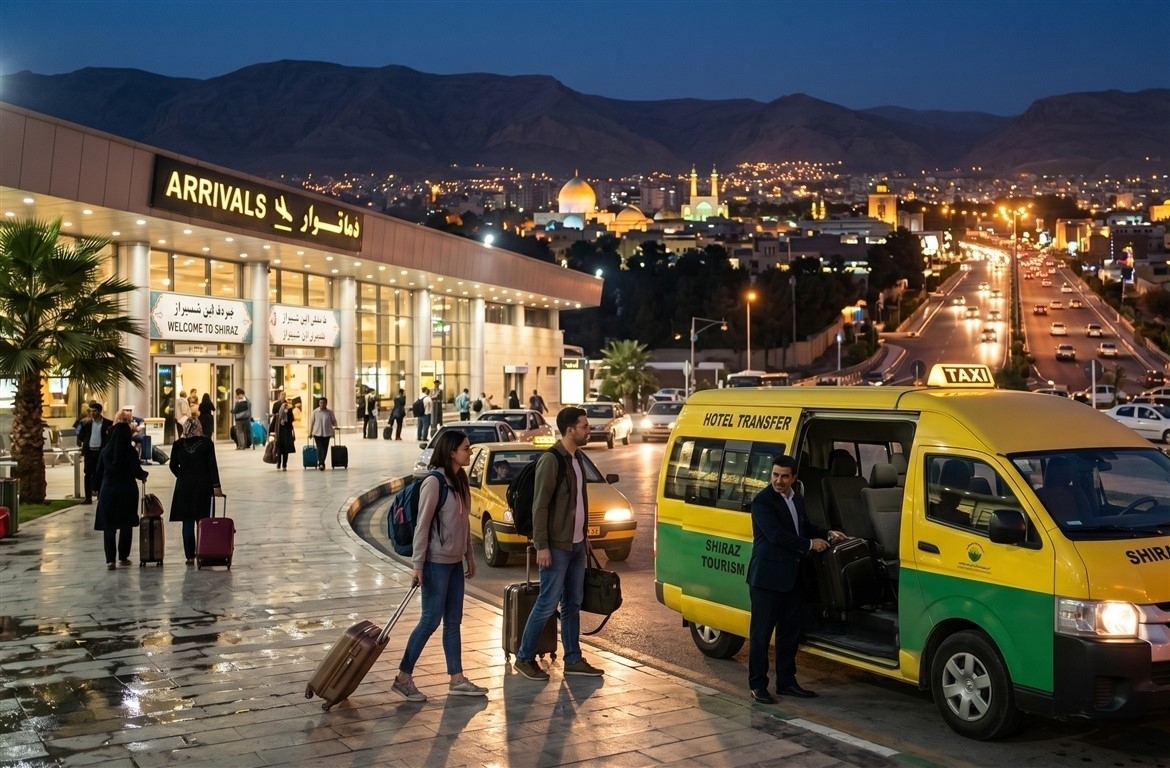
Flying is your best bet if you’re short on time. Choose a hotel transfer or an airport taxi for a super smooth first arrival, especially if it’s at night. If you’re staying near Zand Avenue or the old center, the ride is usually pretty direct outside of peak traffic times.
By Train Travel
The train offers a slower but very comfortable option for travelers who love overland journeys. It works best when tickets are booked well in advance, especially around Nowruz and other holiday periods. Since the station isn’t central, remember to factor in the taxi ride to your schedule.
By Bus or Private Car
Buses are frequent and incredibly practical for regional travel. A private car with a driver costs a bit more but allows for wonderful stops at Persepolis or Pasargadae when you’re moving between Shiraz, Yazd, and Isfahan. This often proves to be the most efficient choice for travelers who value historic stops over pure transport speed.
Where to Stay in Shiraz
First-time visitors should definitely aim to stay near Zand Avenue, the old city center, or areas with easy taxi access to Vakil Bazaar, Nasir al-Mulk Mosque, and the poetry tombs. This keeps your daily travel simple and cuts down on time spent crisscrossing the city. If you prefer quieter evenings, you can opt for accommodation slightly away from the bustling bazaar streets, while still being just a short ride from the main attractions.
Budget travelers should compare guesthouses and traditional-style hotels near the historic center. Always check recent reviews for cleanliness, heating, cooling, and English-speaking staff. In summer, good air conditioning is far more important than fancy decor. In winter, reliable heating and hot water matter more than charming courtyard aesthetics.
| Area Type | Best For | Travel Benefit |
|---|---|---|
| Old center | First-time explorers | Near bazaar, mosques, old homes |
| Zand Avenue | Easy transportation | Good taxi access, central spot |
| Near Hafezieh | Evening strolls | Good for poetry sites, calm nights |
| Budget guesthouses | Lower expenses | Simple stays near daily amenities |
Things to Do in Peak Season
Spring and autumn truly allow for the fullest Shiraz itinerary, simply because you can comfortably stay outside for longer. The best plan skillfully blends one early-morning visual highlight, one shaded cultural stop, a fantastic meal, and a relaxed evening spot. This keeps your trip rich and fulfilling without turning your day into a frantic race.
Nasir al-Mulk Mosque is at its absolute best early in the morning, when the colored glass casts its famous patterned light across the prayer hall. Vakil Bazaar works wonderfully late morning or afternoon; it’s shaded and brimming with everyday details. Hafezieh and Saadieh are most atmospheric later in the day, as the air cools and local visitors begin to arrive.
- Visit Nasir al-Mulk Mosque: go early for that famous stained-glass light and quieter rooms.
- Explore Vakil Bazaar: look for spices, copperware, beautiful carpets, sweets, and vibrant local trade.
- See Hafez and Saadi: visit near sunset for the most powerful atmosphere.
- Take a day trip to Persepolis: leave early and include Naqsh-e Rostam on the same route.
- Relax in Shiraz gardens: choose Eram in spring and Afif-Abad for a more leisurely walk.
Shiraz Culinary Delights
Food is hands down one of the easiest ways to truly understand Shiraz, beyond just its monuments. Kalam Polo Shirazi, a delightful dish made with rice, cabbage, herbs, and small meatballs, is an absolute must-try for most travelers. Ash-e Sabzi, a hearty herb and legume soup often enjoyed in the morning, offers a deeply local start to your day.
Faloodeh Shirazi is the city’s iconic cold dessert, crafted with thin starch noodles, sweet syrup, a squeeze of lime, and sometimes sour cherry syrup. It’s especially refreshing in warmer months after a long walk through the bazaar. Herbal drinks, fresh juices, authentic Persian ice cream, and seasonal sweets round out the city’s wonderful casual food scene.
Classic Shirazi Dishes
Make sure to order Kalam Polo Shirazi when a restaurant features a local menu, rather than just kebabs. Try Ash-e Sabzi early in the day if your hotel breakfast feels a bit bland. For a more complete meal, pair a local dish with salad Shirazi, some yogurt, fresh herbs, and warm bread.
Local Drinks and Sweets
Faloodeh Shirazi is the quintessential warm-weather treat. In spring and summer, juice shops and dessert counters along busy commercial streets offer perfect little breaks between sights. Don’t hesitate toask for extra lime if you find the dessert a bit too sugary for your taste.
Essential Tips for a Smoother Shiraz Visit
The secret to a great time in Shiraz is working with the rhythm of the light, the heat, and local life. Tackle the exposed sites in the early hours, keep the bazaars or indoor galleries for the peak sun, and save those breezy garden moments or poetry tombs for the late afternoon. This simple strategy works like a charm regardless of the season and makes navigating the city feel much more intuitive.
For most of you, April is the dream month, while October is the practical favorite. Pick April if you are craving those stunning blossoms, the intoxicating garden scents, and that infectious spring vitality. Choose October for easy walking, a more relaxed schedule, and a much more comfortable day out at Persepolis. Try your best to avoid July and August for a first trip unless getting a bargain is significantly more important to you than comfort.
0 Comment