


Space Needle Seattle: Your Ultimate Visitor Plan for 2026
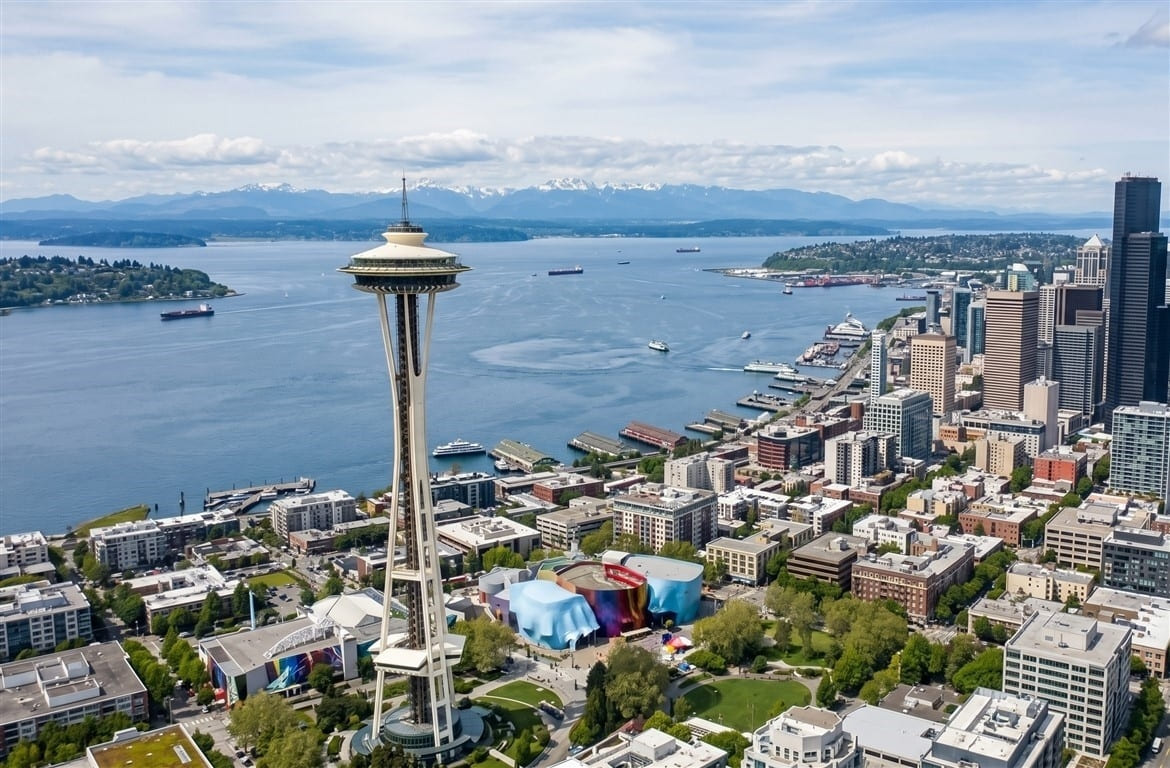
Before your plane even dips over Seattle, everyone’s already scanning for *that* landmark. You know it: the slender waist, the iconic saucer top, that sharp needle point cutting through low clouds. You’ll find it right there at 400 Broad Street within Seattle Center. It stands a proud 605 feet tall, built for the 1962 World’s Fair, and honestly? It’s still nailing its original mission: giving you one incredible, unobstructed panorama of the whole city.
For anyone mapping out a Seattle trip in 2026, the Space Needle works perfectly as both a grand opening act and a memorable last glance. Go early in the morning, and the city feels newly awakened. Venture up near sunset, and the entire landscape shifts, glowing copper, then turning soft gray, deep blue, finally settling into black, with ferries tracing shimmering white paths across Elliott Bay. Your visit won’t be complicated, but some particulars really do matter: think timed tickets, those bag rules, the ever-changing weather, the thrilling glass floors, cool museums just steps away, parking hassles, the trusty monorail, and that simple truth about Seattle clouds – they either totally hide the mountains or, sometimes, make the skyline look even more moody and beautiful.
So, What Exactly Is the Space Needle?
Why It’s Seattle’s Undeniable Icon
The Space Needle? It’s an observation tower, plain and simple. Not an office building. Not even a broadcast tower. Its whole reason for being is purely visual. From its saucer-shaped top house, sitting 520 feet up, visitors soak in a full 360-degree spectacle. You’ll find both indoor and outdoor viewing spots perfectly angled toward downtown Seattle, Elliott Bay, Puget Sound, Lake Union, the majestic Olympic Mountains, the Cascade Range, and, on good days, Mount Rainier itself. When the weather cooperates, that is.
Its distinct shape totally screams “Space Age optimism,” a vibe born from the late 1950s and early 1960s. That’s why it feels so different from those older American monuments. This isn’t heavy stone. This is light, a bit cheeky, almost like it belongs on a stage. Seattle built it to dazzle World’s Fair crowds, and honestly, the trick still works. People definitely come for the views, sure, but they also come for *that* silhouette. The saucer? That’s the postcard.
Key Facts and a Quick Rundown
| Feature | Current Detail | Visitor Use |
|---|---|---|
| Height | 605 feet | Offers incredible elevated views across Seattle Center, downtown, the water, and mountains |
| Observation level | About 520 feet above ground | The primary viewing deck, giving you both indoor and outdoor perspectives |
| Opening year | 1962 | Built specifically for the Century 21 Exposition, better known as the Seattle World’s Fair |
| Address | 400 Broad Street, Seattle, WA 98109 | Right inside Seattle Center, perfectly situated near museums, theaters, and Climate Pledge Arena |
| Signature feature | The Loupe rotating glass floor | Lets you gaze straight down through glass while the floor slowly, subtly rotates |
| Standard adult ticket seen in 2026 listings | $49 general admission, with pricing subject to date and time | Always best to double-check before booking; seasonal pricing and ticket categories frequently change |
The Space Needle’s Story: A Glimpse into its History
How It Started: The 1962 World’s Fair Connection
The Space Needle first sparked as an idea from Edward E. Carlson, a hotel executive deeply involved in getting the 1962 World’s Fair off the ground. After checking out a tower with a restaurant in Stuttgart, Germany, he scribbled down a vision for a towering central structure for Seattle. A doodle on a napkin, then debates, engineers, money, steel, concrete, tight deadlines. That’s the wonderfully messy journey from a simple thought to a true icon.
The World’s Fair theme was all about “The Age of Space,” so the tower absolutely *had* to feel futuristic. That saucer top wasn’t some afterthought; it embodied the whole mood. Seattle wanted to project confidence. Imagine: a city on the very edge of the continent, known for being wet and practical, suddenly pointing straight toward orbit.
Finding the perfect spot wasn’t a cakewalk. Fair planners needed land right inside the grounds, and a small plot linked to an old fire station ended up being the perfect solution. Construction moved at lightning speed. The Space Needle finally opened its doors on April 21, 1962, the very first day of the World’s Fair, welcoming millions of excited fairgoers throughout that exposition season.
Building It: The Architecture and Design
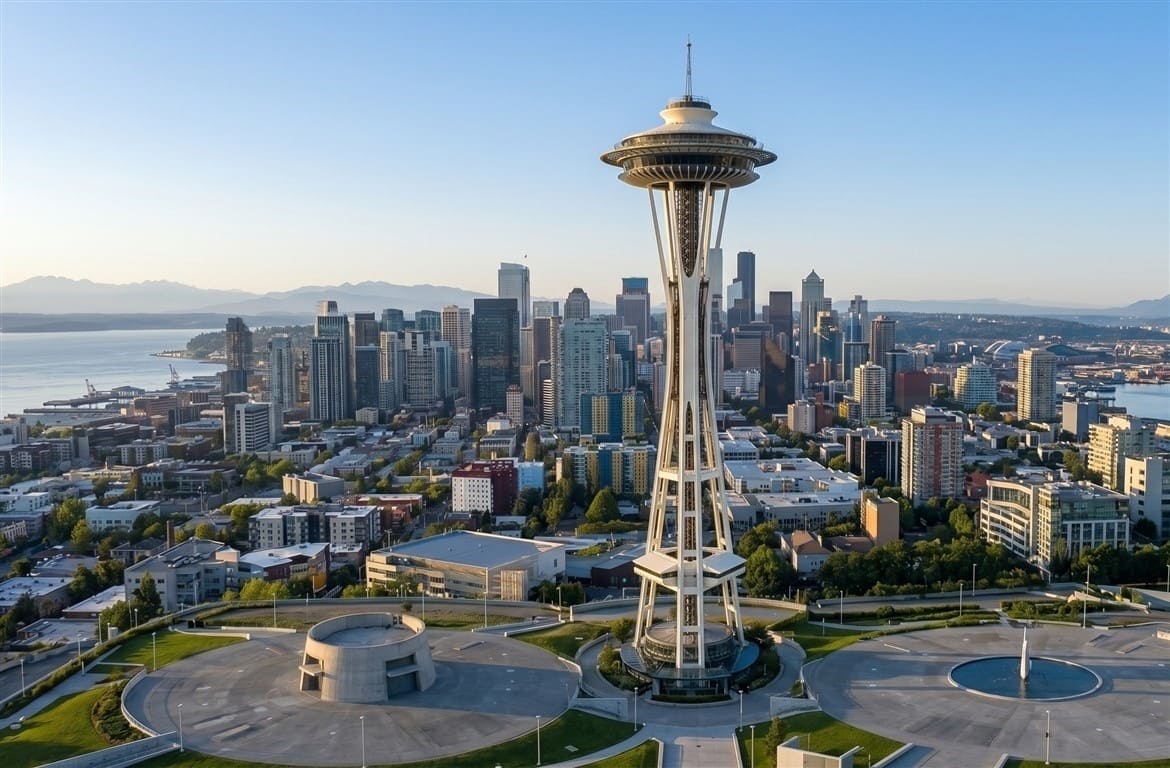
John Graham & Company designed the tower, with Victor Steinbrueck often credited for the structure’s final, distinctive look. It went up in a hurry, yet the completed tower looked so utterly purposeful: those tripod legs, a slim center, a wide top, and that needle-like mast. This structure, weighing thousands of tons, was engineered to withstand powerful winds and serious seismic activity. Don’t forget, Seattle sits in earthquake country, and the Space Needle was always meant to be more than just a pretty face.
Its original color scheme boasted names right out of a comic book rocket: Astronaut White, Orbital Olive, Re-entry Red, and Galaxy Gold. Subtle? Nope. Good. The entire building was, in a way, a piece of grand civic theater.
Big Changes: Renovations and Today’s Upgrades
The Space Needle has actually evolved quite a bit, probably more than most casual visitors realize. A huge renovation project, dubbed the Century Project, kicked off in 2017. It completely transformed the visitor experience, adding tons more glass, clearer sightlines, and new, exhilarating ways to truly *feel* the height. Those old wire barriers on the observation deck vanished, replaced by sleek, floor-to-ceiling glass panels. The upper level even gained open-air glass walls and these amazing Skyriser glass benches that let you lean right out over the city. Crazy, right?
The most dramatic change sits one level below: The Loupe. They call it the world’s first and only rotating glass floor. It’s wild. You can see the intricate steelwork, the tower’s base, Seattle Center spreading out below, and all those tiny people way down there. The floor moves slowly, so slowly, in fact, that some folks only notice the view shifting *under their shoes*. A little eerie, sure. But so much fun.
Elevator modernizations began in 2023, with brand-new cab designs gradually rolling out as part of the ongoing work. Then, in 2025, the Space Needle unveiled Skyliner 1. The attraction describes it as North America’s first all-glass, double-deck, outdoor elevator on a tower, and the very first of its kind. So, for 2026 visitors, remember, elevator upgrades are still part of the bigger modernization story. Giving their operating notes a quick check before you arrive is a smart move, not a picky one.
Must-See, Must-Do Activities
The Jaw-Dropping Observation Deck Views
The observation deck – that’s why you’re here. On a crisp, clear day, the vista can feel almost overwhelmingly generous. Downtown towers stack up neatly to the south. Puget Sound sprawls wide to the west. Ferries, cranes, stadiums, islands, the Olympic Mountains… it’s all there. Spin north, and Lake Union appears, bustling with boats, seaplanes, bridges, and neighborhoods climbing around its shores. Gaze southeast, and Mount Rainier might just be sitting there, looking like a painted backdrop. Other days? It’s completely gone. Seattle loves to play that game.
Don’t let cloudy weather deter you; it doesn’t make the visit pointless. Low clouds actually soften the city’s edges, rain deepens every color, and those sleek glass panels keep the view completely open. In fact, the skyline often looks even more photogenic right after a shower, when the streets gleam and the bay catches every stray bit of light.
The Loupe: That Glass Floor!
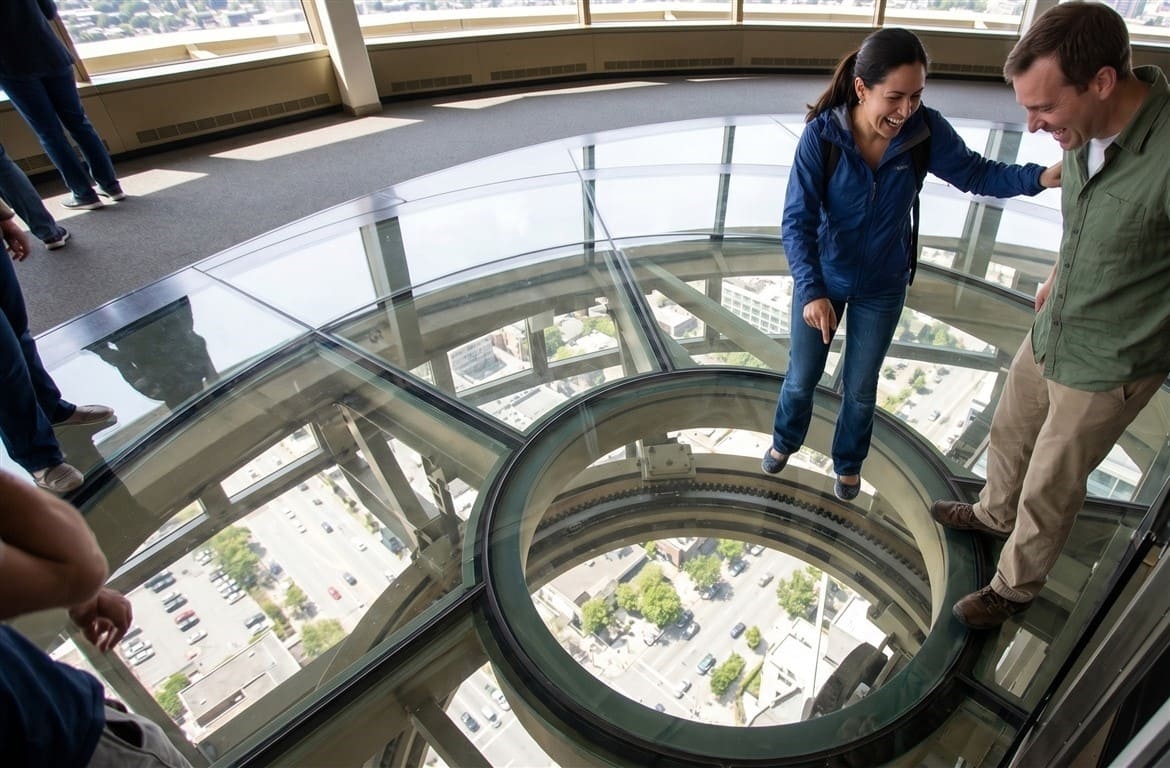
The Loupe. Ah, this is the part that sparks those nervous giggles. It’s that rotating glass floor, set just below the main observation level, letting you stare straight down through layers of glass. Peeking at the structural view is half the thrill: all those beams, the mechanics, the ground far, far below, and the floor’s gentle, circular motion. It’s mesmerizing.
Folks who are a bit jittery with heights usually test it out with one foot first. Then the other. *Then* they snap the photo. Look, the glass is built tough for visitor traffic and gets inspected constantly as part of regular operations. Still, that feeling is deliciously, delightfully wrong. And that, my friends, is absolutely the point.
Glass Benches and Open-Air Fun
Those Skyriser glass benches? They’re angled glass seats lining the upper viewing area. Settle in, lean back, and watch the city seemingly drop away beneath you. They’re definitely photo magnets, but they’re not just a gimmick. They completely change how you relate to the view. Instead of standing behind a sturdy barrier, you feel suspended right on the edge. It’s exhilarating.
The open-air sections invite in the wind, the faint hum of city noise, and that quick, bracing chill that often rolls off Puget Sound. Seriously, even in summer, a light jacket can totally rescue your visit. Seattle evenings can turn brisk without even asking permission.
Best Photo Ops and Skyline Shots
The best photos aren’t always the most obvious ones. That classic skyline shot? It works beautifully from the south-facing windows, especially when downtown towers rise behind the glass. For striking water and ferry pictures, turn your camera west. Craving a softer Seattle image? Aim toward Queen Anne, Lake Union, or the Olympic range on those crystal-clear days.
- For the ultimate city-frame photo: Use the downtown-facing side just before sunset. That’s when the buildings catch gorgeous side light, and their windows stop throwing harsh reflections.
- Your best shot at a mountain view: Pick a clear morning, ideally the day *after* rain. That washed air often delivers sharper, more defined views of Rainier and the Cascades.
- The “I was REALLY there” shot: Absolutely use the glass benches or The Loupe. Those features are completely unique to the modern Space Needle experience.
Tickets and How to Get In
Timed Entry Tickets
Heads up: Space Needle admission operates on a timed entry system. You’ll get an arrival window, usually in 15-minute increments, and then you’re assigned a short entry slot within that window. This whole system helps manage the elevator flow beautifully. It also means showing up ridiculously early won’t always fast-track you.
General admission pricing, based on 2026 visitor listings, kicks off at $49 for the Space Needle. Prices, however, can fluctuate depending on the season, time of day, and ticket category. Good news: youth, senior, military, King County resident, and tribal rates are available, but you’ll usually need to access them through specific purchase channels. Little ones, age 4 and under, get in free.
Discounts and Special Deals
Always, always check for discounts before you pay full price! Youth tickets cover ages 5 to 12. Seniors, age 65 and up, have their own rate. Some local or service-related discounts might even require showing ID at the admissions office, rather than just clicking through an online checkout. Group rates and school rates? Those are handled entirely separately.
And here’s a tip: don’t take third-party ticket sites as the absolute final word. Use them for comparison, sure, but then *verify* the exact date, entry time, refund policies, and what your ticket actually covers directly with the Space Needle. Seattle’s busiest travel weeks—think cruise days, holiday weekends, major concerts at Climate Pledge Arena, or peak summer evenings—can definitely tighten availability.
Combo Tickets: Double the Fun
For many visitors, the most useful combo deal pairs the Space Needle with Chihuly Garden and Glass, that incredible glass-art museum right next door. In 2026 listings, this combo ticket often pops up around $69, offering clear savings compared to buying both attractions separately. Remember, the Space Needle still needs a selected arrival time, but you can visit Chihuly anytime on the same day under the combo rules. Easy peasy.
| Ticket Type | Good For | Best Fit |
|---|---|---|
| General admission | Observation deck, amazing glass features, your standard visit | Perfect for first-time Seattle travelers, or quick city escapes |
| Space Needle + Chihuly | Two major Seattle Center attractions bundled on one ticket | Couples, families, art lovers, or anyone planning for a potentially rainy day |
| Season pass | Unlimited repeat visits during its valid period | Ideal for local residents, frequent visitors, or serious photographers |
| CityPASS | Access to multiple Seattle attractions with one convenient pass | Smart for travelers staying several days and planning to hit museums or the aquarium |
VIP and Lounge Experiences
The Loupe Lounge, along with any related upscale dining or bar experiences, tends to change with the seasons. Looking at 2026, the Loupe Experience reservation page currently indicates it’s closed for the season, with an anticipated reopening sometime in mid-to-late September 2026. Fear not, though! Walk-up food and drink spots are still very much part of the building experience, including bars and cafes right inside the tower. But for those special reservations and premium formats, a quick, fresh check before your trip is definitely in order.
When to Go: Hours and Best Times
Standard Opening Hours
Good news: the Space Needle is open all year. But here’s the catch: hours shift. They depend on the date, the season, private events, and whatever operational needs pop up. A current 2026 weekly listing might show openings as early as 8:00 AM on some days, with evening closures around 9:30 PM or 10:30 PM. That’s helpful for planning, but it’s not a rock-solid, permanent schedule. Seriously, always check the exact date you want before building your whole day around it.
Prime Time for Views
Morning, my friends. It’s cleaner, calmer. Fewer people, crisper air, and your best shot at seeing those mountains after a rain. Midday brings bright water views and solid visibility when the sky clears. But sunset? Ah, sunset is the ultimate crowd-puller, because you essentially get two visits for the price of one: daylight Seattle, then watching the entire city sparkle to life. Magical.
For photographers, if you can snag that ticket slot, aim to arrive 45 to 60 minutes before sunset. That gives you plenty of time for security, to check out the exhibits, ride the elevators, and wander a bit before the sky truly starts its transformation. On those super busy evenings, the prime glass spots fill up fast. People will pretend they’re just browsing. They’re not.
Seasonal Advice
Winter brings fewer crowds and those wonderfully moody skies. Spring is a wild card: rain one hour, stunning mountain views the next. Summer, predictably, means the longest evenings and the biggest surge of visitors. Fall, however, can be absolutely spectacular, especially after the first cool weather clears all that smoke and haze from the region.
- Figure out which view truly matters to you. Chasing Mount Rainier? Aim for a clear morning or the day after a good rain. Dreaming of city lights? Pick dusk. Want fewer people? Choose a weekday, well outside of school holidays.
- Build some buffer time into your schedule. Timed tickets control when you *enter*, not every single minute after that. Security lines, elevator waits, snapping photos, grabbing a coffee, browsing the gift shop – all of this can easily stretch your visit beyond that neat little block people often imagine.
- Group nearby stops by how walkable they are. Chihuly Garden and Glass, MoPOP, Pacific Science Center, Seattle Children’s Theatre, and the Armory are all so close that trying to hail a taxi between them just makes no sense. Stroll!
Grub and Drinks at the Space Needle
Cafes and Bars on Site
Just a heads-up: the Space Needle no longer operates with that old, full-service rotating restaurant model many visitors might remember from decades past. Today’s experience leans more toward bars, cozy cafes, quick snacks, delightful desserts, and those relaxed lounge-style setups.
The Revolving Bar, located on The Loupe level, is your spot for cocktails, local beers, wine, and, of course, incredible views from that rotating glass-floor area. Upstairs, on the main observation level, you’ll find The Sunset Bar offering drinks and lighter bites. Need something sweet? TipTop Cafe serves up pies and soft-serve ice cream. And for a quick coffee, pie, or non-alcoholic drink before or after your entry, hit up the Piestream near the north plaza.
The Loupe Lounge Experience
The Loupe Lounge, my friends, is the premium version of the Space Needle’s food-and-view concept. Reservations are seasonal, and they aren’t always available. Since the 2026 reservation system currently lists the Loupe Experience as closed until an anticipated mid-to-late September reopening, anyone planning a truly special night needs to avoid just *assuming* it will be open during their visit dates.
For birthdays, those big proposals, or anniversary trips, a much safer bet is to simply book your general admission for your desired view time, then arrange dinner at a great spot nearby. Places like Chihuly’s bar, excellent restaurants in Queen Anne, the dining rooms in South Lake Union, or countless downtown options will give you much more control over your timing and experience.
Dining Spots Just Around the Corner
Seattle Center itself has plenty of casual food options inside the Armory, plus event-night choices sprinkled around Climate Pledge Arena. Take a short stroll north into Queen Anne, and you’ll discover even more charming neighborhood restaurants, cafes, and bars. South Lake Union is a bit further – a longer walk or a quick ride – brimming with modern dining rooms. And downtown? Just a monorail trip away.
Your food strategy becomes extra important on concert nights, though. When Climate Pledge Arena hosts a big event, nearby restaurants get packed, monorail lines stretch out, and the whole Seattle Center campus just buzzes with more energy. Not bad, just much, much busier.
Getting There: Your Travel Guide
Address and Exact Location
The Space Needle lives at 400 Broad Street, Seattle, WA 98109. You’ll find it right in the heart of Seattle Center, just north of downtown. It’s practically neighbors with Chihuly Garden and Glass, the Museum of Pop Culture (MoPOP), Pacific Science Center, the Seattle Center Armory, and Climate Pledge Arena. Super central.
Ride the Seattle Monorail
The Seattle Center Monorail is, hands down, the easiest way to get there from downtown. It zips between Westlake Center and Seattle Center on about a mile of elevated track, a service that’s been running strong since the 1962 World’s Fair! Standard hours for 2026 generally run daily, with Monday through Thursday service often listed from 7:30 AM to 9:00 PM, Fridays extending to 11:00 PM, Saturdays from 8:30 AM to 11:00 PM, and Sundays from 8:30 AM to 9:00 PM. Remember, summer and event hours often mean it runs even later on many dates.
From Westlake Center, you’re perfectly connected to downtown hotels, the light rail, city buses, and all sorts of shopping. For those flying into Seattle-Tacoma International Airport, the smart public transit move is usually the Link light rail straight to downtown, then hop on the monorail from Westlake. Simple!
Parking, Valet, and Drop-Off Spots
Parking around Seattle Center? It’s tight, and prices definitely jump when there are arena events scheduled. The Space Needle generally points drivers toward the various Seattle Center parking facilities nearby. Valet service is available right at the base, but it’s limited, usually prioritized for Loupe Lounge guests. Current 2026 valet rates are listed at $20 per hour Monday through Thursday, and $25 per hour Friday through Sunday. Ouch.
The turnaround loop works great for quick passenger loading and unloading. For rideshare drop-offs, your life will be much easier if your driver avoids trying to stop right at the most congested corner. A quick half-block walk can save you a surprising amount of honking and stress.
Public Transit and Walking Routes
Walking from downtown is totally doable, but how long it takes really depends on your starting point and, let’s be real, the weather. From Pike Place Market, expect a longer urban trek with some noticeable inclines. If you’re coming from South Lake Union, the approach is generally shorter and flatter in spots. City buses also serve the Queen Anne and Seattle Center area, but the monorail remains the most straightforward tourist route because it drops you right onto the campus. No fuss.
Planning Your Visit Like a Pro
Building Entry and Bag Rules
Okay, listen up: every single guest, every bag, and every parcel goes through security screening. Weapons are a big no-no, unless you’re on-duty law enforcement. Service animals? Absolutely welcome. Pets? Sorry, not allowed. Large bags can’t come inside; the attraction’s guidelines say anything bigger than a standard airline carry-on or under-seat item is out. Small backpacks and purses are fine, though. Bonus: complimentary lockers near the entrance can hold some medium-sized items, and bag check is free for a limited time. Super handy.
Plastic or metal water bottles get the green light. Glass containers, however, do not. Strollers need to be parked before you enter, due to elevator capacity and space limitations at the very top. Car seats are permitted, thankfully.
Accessibility Info
Wheelchairs are absolutely welcome here. Guests using wheelchairs can use a courtesy entrance on the ground floor, right through the gift shop, at their ticketed arrival time. Staff are always on hand to help with elevator access between levels once you’re at the top. And yes, Seattle Center parking does include accessible options, but keep in mind that on event days, planning your arrival becomes a bit more delicate.
How Long Should You Stay?
Aim for 60 to 90 minutes for a truly relaxed, standard visit. The attraction itself mentions that just getting from the entrance to the very top can take about 30 minutes, once you factor in security, the history exhibit, and elevator flow. Add more time if you’re catching sunset, lingering over drinks, snapping endless photos, browsing the gift shop, or having a nervous negotiation with that glass floor.
Sure, you *could* do a rushed visit in 45 minutes after you get in. But honestly? That feels like buying a fantastic coffee and drinking it inside an elevator. Not exactly ideal.
Itineraries for Families, Couples, and Quick Trips
For Families: Grab a morning or early afternoon ticket. Hit the observation deck first, then, before anyone’s attention span totally melts, move down to The Loupe. Pair your visit with the Pacific Science Center or let the kids burn off some energy at the Artists at Play playground. Keep snacks realistic. Kids, let’s be honest, care way less about skyline symbolism than adults think.
For Couples: Choose sunset or early evening. Afterwards, take a romantic stroll to Chihuly Garden and Glass or book a lovely dinner in Queen Anne. The glass benches are the obvious photo spot, but those quieter corners looking toward the Olympics can feel surprisingly private and sweet.
For a Quick Seattle Stop: Hop on the monorail from Westlake, shoot up the Space Needle, take a quick walk through Seattle Center, then zip back downtown for Pike Place Market or the waterfront. Is it touristy? Absolutely. Does it make perfect sense? Yep.
Cool Attractions Nearby
Exploring Seattle Center
Seattle Center isn’t just the patch of land beneath the tower. Oh no, it’s a vibrant cultural campus! We’re talking theaters, fascinating public art, wide-open lawns, lively festivals, bustling food halls, world-class museums, roaring sports crowds, and families happily killing time between their ticket slots. The Armory is a fantastic spot for casual food. And that International Fountain? Perfect for a pause. On warm days, kids absolutely *love* running through it while adults hover, phones at the ready, inevitably getting their shoes a little wet.
Chihuly Garden and Glass
Chihuly Garden and Glass sits practically right next to the Space Needle, making it the easiest and most natural pairing. It’s a breathtaking showcase of glass art by Dale Chihuly, spread across indoor galleries, a stunning glasshouse, and an outdoor garden installation where vibrant color, lush plants, and delicate glass all vie for your attention. The combo ticket exists for a reason: these two attractions just fit perfectly together, both in pace and location. Don’t miss it.
Museum of Pop Culture (MoPOP)
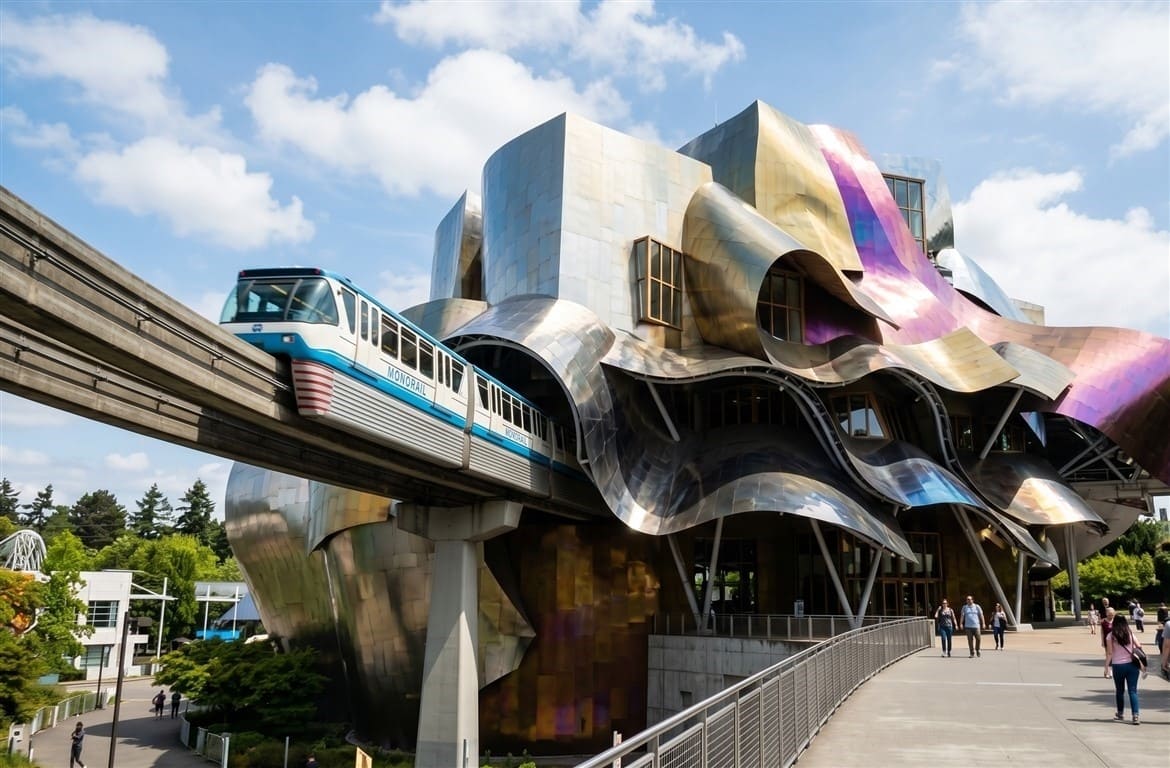
MoPOP, that shiny, wonderfully warped building designed by Frank Gehry, sits right near the monorail track. Step inside, and you’ll find an explosion of exhibitions dedicated to music, film, games, science fiction, fantasy, horror, and just about every corner of pop culture. It makes for a fantastic follow-up to the Space Needle because it totally changes the tempo. Less skyline, more guitars, iconic costumes, dazzling screens, and wonderfully weird shapes. It’s a blast.
Pacific Science Center
The Pacific Science Center is always a solid choice for families, offering engaging science exhibits, exciting theaters, and tons of hands-on learning spaces. It’s close enough that families can easily bounce between the tower and the museum without completely derailing their day. On those famously rainy Seattle afternoons, that convenience truly makes a difference.
Burning Questions: Your FAQs
Is the Space Needle Actually Worth It?
Absolutely, yes! Especially for first-time visitors to Seattle, anyone who loves a killer skyline, serious photographers, families, and anyone who wants the city’s layout explained in one magnificent glance. Now, the ticket isn’t exactly cheap, so travelers who genuinely dislike heights or just want a free viewpoint might prefer Kerry Park. Still, the Space Needle delivers a complete, immersive attraction experience, not just a simple lookout point. It’s an adventure.
Can I Just Show Up Without Booking Tickets Ahead?
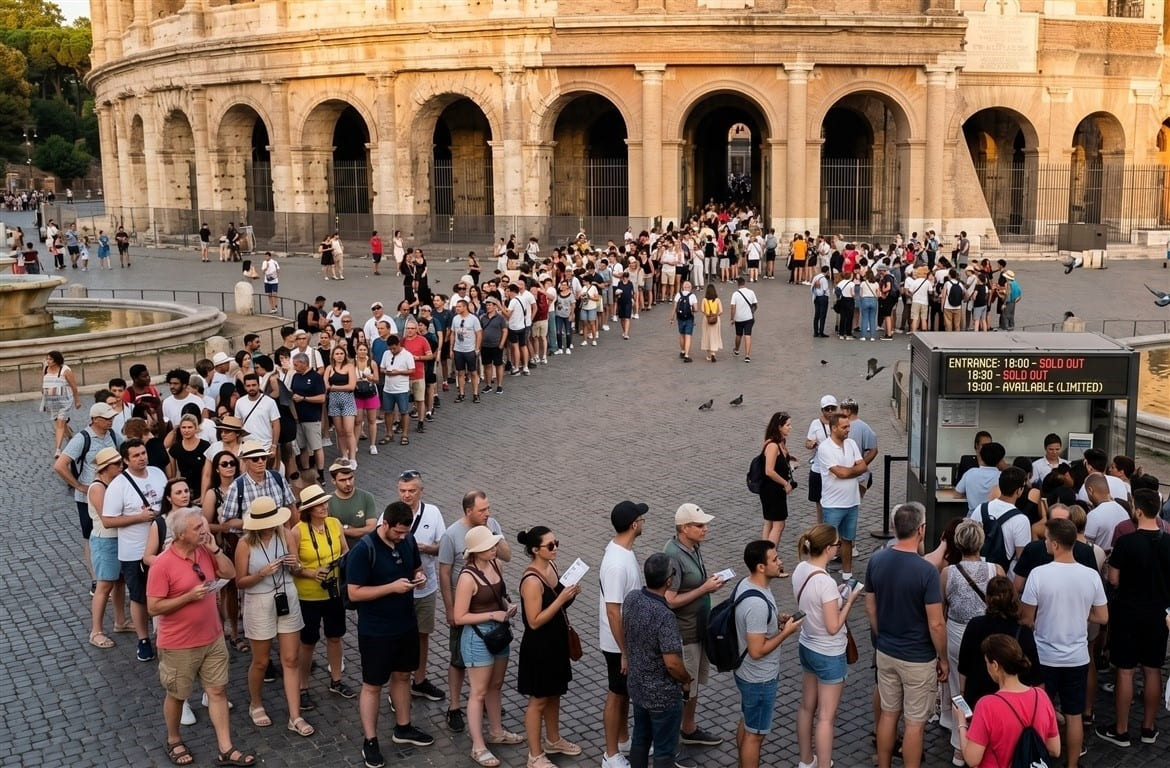
Sometimes, same-day tickets *are* available. But let’s be real, booking in advance is simply a much safer bet, especially for sunset slots, weekends, holidays, peak summer travel, and during cruise season. Remember, with timed entry, the best windows can easily sell out or get pushed to much later slots. Don’t risk it.
How Long Does a Visit Usually Take?
Most folks should plan for a good 60 to 90 minutes. You’ll want to add extra time if you’re grabbing food and drinks, taking loads of photos, waiting for sunset, or exploring nearby attractions. Just the process of getting from the entrance to the very top can take around 30 minutes, security checks and elevator waits included.
What Can I See from the Very Top?
On one of those glorious clear days: downtown Seattle, the expanse of Elliott Bay, Puget Sound dotted with ferries, Lake Union, Queen Anne hill, the majestic Olympic Mountains, the stunning Cascade Range, Mount Baker, and, of course, Mount Rainier. If it’s a cloudy day: the city itself, the water, neighboring areas, and whatever the weather deigns to reveal. Remember, Seattle isn’t exactly handing out Rainier views on demand!
Is That Glass Floor Really Safe?
The Loupe glass floor? It’s purpose-built as a visitor attraction and operated with rigorous safety checks, believe me. It’s designed to feel a little unnerving, yes, but certainly not unsafe. That visible top layer might show some wear from all those footsteps, kind of like how a phone screen protector picks up scratches while the stronger layers sit protected underneath. But don’t worry, people still freeze on that first step. Totally normal. It’s part of the fun!
0 Comment