



St. Lucia: Picking Your Perfect Visit Time
Want the driest weather, calmest beaches, and super easy first-time planning for St. Lucia? Aim for December through April. This island, nestled in the eastern Caribbean, boasts wonderfully consistent warm temperatures all year, usually hanging out in the upper 70s to upper 80s Fahrenheit. What really shifts, though, is how much rain falls, how many people are around, hotel prices, and the whole vibe of each resort area.
Travelers looking for a smart sweet spot between sunshine and good value should seriously consider May and June. These months tuck in nicely between the busy winter rush and the wetter late-summer stretch. You’ll get warm ocean waters, lush green scenery, and a lot more room to breathe on the beaches, at restaurants, and on tour boats. Sure, July to November can work out for folks with flexible schedules, but you’ll definitely need to factor in rain, humidity, and keeping an eye on storm forecasts.
Your Best St. Lucia Visit Time
St. Lucia truly shines for different visitors at different moments. A couple planning a romantic honeymoon at a luxury resort in Soufrière won’t necessarily pick the same month as a family hunting for a better-priced stay near Rodney Bay. Even hikers, divers, sailors, and festival enthusiasts each have their own ideal windows.
Here’s the quick rundown: January through April brings the most dependable vacation weather. May and June? They nail the best mix of price and comfort. October is typically best left to those who don’t mind a bit of spontaneity with their plans. If your trip is all about outdoor adventures, build in some extra time, especially if you’re traveling outside the driest months.
| Travel Goal | Best Months | Why It Works |
|---|---|---|
| Beach weather | January to April | Drier skies, strong resort services, calmer planning |
| Lower prices | May, June, September | Fewer visitors and better resort offers |
| Honeymoons | February to June | Romantic weather, good dining, easier photo days |
| Hiking | December to May | Less mud on trails and cooler mornings |
| Festivals | May, July, October | Jazz, Carnival, and Creole culture fill the calendar |
| Quiet resorts | May to early July | Warm weather with fewer peak-season crowds |
Top Months for Great Weather
January, February, March, and April consistently deliver the most sunshine. You’ll still get those quick, refreshing tropical showers, but full-day washouts are far less common than later in the year. These months are perfect for anyone dreaming of Reduit Beach, Sugar Beach, Anse Chastanet, Pigeon Island, or Marigot Bay being the heart of their vacation.
March often feels especially fantastic for that quintessential St. Lucia escape. The weather is delightfully warm, but not oppressively humid. The sea is usually perfect for snorkeling and boat trips. Plus, the Christmas crowds have already vanished. Resort prices do stay high, so make sure to book early if you have your heart set on a particular room category, especially at places like Jade Mountain, Ladera Resort, Sugar Beach, Sandals Grande St. Lucian, or Cap Maison.
Saving on Prices, Avoiding Crowds
May and June typically offer the best value for many travelers. Hotels often become a lot more flexible after the winter rush, beaches feel wonderfully uncrowded, and snagging a table at restaurants in Rodney Bay and Soufrière becomes much simpler. The weather stays warm, though showers become a little more likely as June progresses.
September can definitely be cheaper, but it calls for a different kind of traveler. Resorts might roll out some tempting offers, flights can cost less than those winter departures, and the island looks incredibly lush and green. Keep in mind, though, that storm risk is higher. Travel insurance, flexible flights, and refundable hotel terms really matter more than just chasing the absolute lowest price tag.
Festivals & Local Culture
May kicks off with the Saint Lucia Jazz and Arts Festival, an awesome choice for travelers wanting concerts, delicious food events, art displays, and vibrant nights out with a more local flavor. July brings the Saint Lucia Carnival, bursting with incredible costumes, pumping soca music, lively street parties, and a bustling atmosphere around Castries and Gros Islet. October focuses on Creole Heritage Month, where food, music, language, and community gatherings provide a richer, deeper look into island life.
Planning a festival trip requires a bit more foresight than a simple beach getaway. Opt for Castries, Rodney Bay, or Gros Islet if you want easy access to nightlife and events. Soufrière offers breathtaking Piton views and serene resort vibes, but late-night returns from events might mean longer taxi rides.
St. Lucia Travel Seasons
St. Lucia experiences a dry season and a rainy season, but travel pricing doesn’t perfectly mirror this pattern. The high season typically runs through the drier winter and early spring months. Shoulder season follows in late spring and early summer. Then, low season covers the wettest part of the year, when storm awareness is highest.
Understanding these seasons helps you steer clear of two common travel blunders: paying top dollar when your plans are flexible, or booking during the wettest months without any backup activities. The island is stunning year-round, but each season changes how much you should pre-book, where you might want to stay, and how much wiggle room your itinerary truly needs.
High Season: Dec-April
High season is absolutely the easiest period for visitors craving a polished resort experience with minimal weather worries. The trade-off? Price. Flights from the United States, Canada, and the United Kingdom are usually in higher demand, and those sought-after all-inclusive resorts can sell out specific room types months ahead.
Beaches & First-Time Visits
This season is perfect for honeymoons, celebrating big birthdays, escaping winter with the family, or for anyone whose first St. Lucia trip needs to feel utterly seamless. Definitely book airport transfers from Hewanorra International Airport in advance, especially if you’re headed to Rodney Bay, Gros Islet, Castries, or Cap Estate. That drive from the island’s south to the north can easily take 90 minutes or more, factoring in traffic and winding roads.
- Pick January to March for your best shot at dry-season beach days.
- Schedule Piton hikes for early morning to beat the intense heat.
- Reserve popular restaurants and sunset cruises long before you arrive.
- Expect higher resort rates during the Christmas, New Year, and Easter holidays.
Shoulder Season: May-June
May and June give many travelers the very best of St. Lucia without the heaviest crowds. The island still basks in plenty of sunshine, the sea is wonderfully warm, and the foliage looks even more vibrant after gentle seasonal showers. Resorts often feel much calmer, which can make service, pool time, spa bookings, and finding beach chairs a breeze.
Great Value & Fewer Crowds
This period works beautifully for couples seeking romance without those peak winter prices. It also suits families traveling before the major summer rush kicks in. If you’re dreaming of a guided Gros Piton hike, a Soufrière mud bath, a catamaran cruise, and a relaxing beach day near Anse Chastanet, May offers a fantastic blend of comfort and value.
Low Season: July-Nov
Low season means the lowest demand, the most incredibly lush scenery, and the greatest need for flexible plans. Rain becomes more frequent, humidity climbs, and you’ll definitely want to keep an eye on tropical weather systems. Beach days still happen, but your schedule will work better if you don’t pack every single hour with paid tours.
Budget Trips & Green Scenery
Travelers choosing the low season should absolutely look for refundable hotels, solid travel insurance, and properties with excellent on-site dining and plenty of covered spaces. Soufrière looks incredibly dramatic and green after a rain shower, while Rodney Bay offers easier access to restaurants, shops, and nightlife if rain interrupts your beach plans. September and October are typically the riskiest months for trips where weather is a critical factor.
St. Lucia Weather Overview
St. Lucia’s weather is tropical, consistently warm, and beautifully shaped by trade winds. Coastal areas can feel delightfully breezy, but the rainforest and mountain zones near Soufrière and the Pitons might see more rain. It’s totally possible to have a sunny morning in Rodney Bay, experience a quick shower in the island’s interior, and then have it clear up completely before dinner.
Pack for warmth, sun, and sudden downpours, not for cold. Light clothing, reef-safe sunscreen, swimwear, sandals, a light rain jacket, and sturdy walking shoes will cover most trips. Hikers should definitely add traction-friendly shoes, as volcanic trails and rainforest paths can get pretty slick after a shower.
Dry Season Fun
The dry season generally runs from December to May, with its driest stretch from January through April. This is your safest bet if you’re prioritizing beach time, snorkeling, sailing, and outdoor tours with minimal weather interruptions. The sea can still get a bit lively on exposed coasts, so sheltered spots like Reduit Beach, Sugar Beach, and Anse Cochon are fantastic choices for super relaxed swimming.
Rainy Season Looks
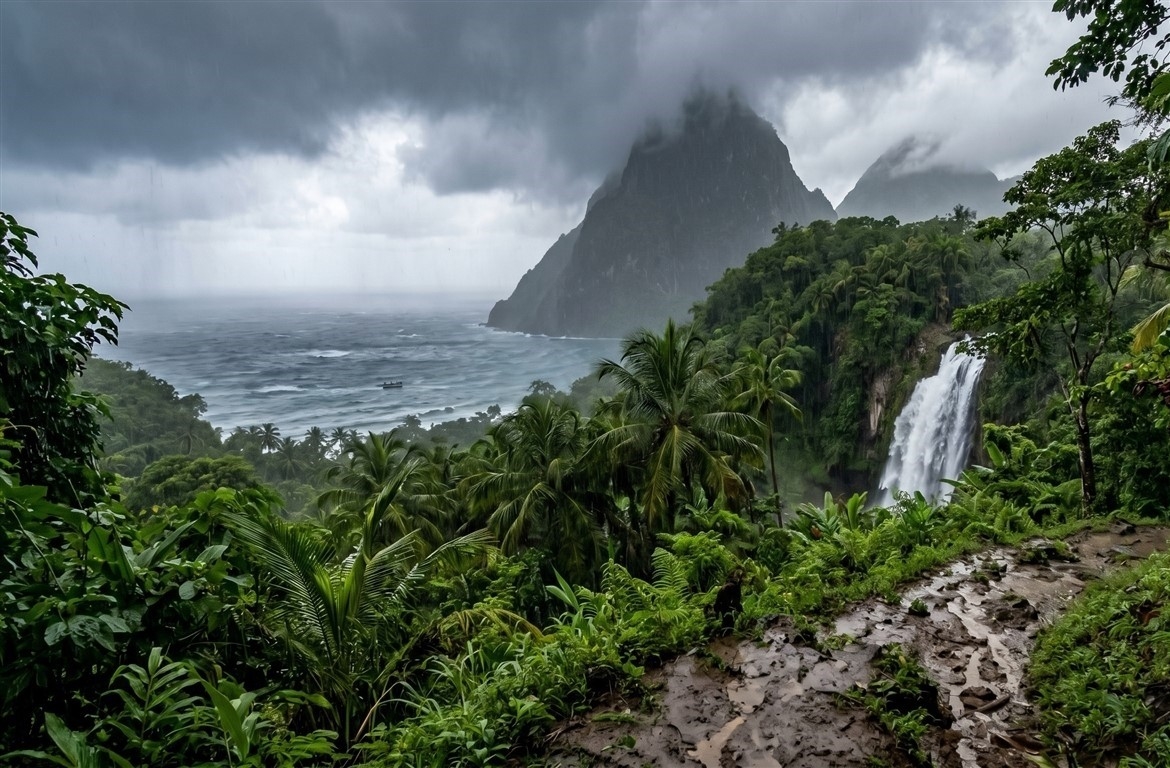
The rainy season typically spans from June to November. Rain often arrives as heavy, quick showers rather than all-day gray skies, but the chance of disruption does rise. Waterfalls, rainforest scenery, and gardens look their absolute best, although muddy trails and choppier seas can sometimes affect hiking, diving, and boat excursions.
Hurricane Season Risks
The Atlantic hurricane season runs from June through November, with the most critical period usually from August through October. St. Lucia sits further south than many other Caribbean islands, but tropical storms can still impact flights, ferries, sea conditions, and resort operations. Travelers visiting during this time should absolutely purchase insurance that covers weather disruption and keep their first or last day light, rather than cramming it with prepaid tours.
St. Lucia Climate: Month by Month
A month-by-month breakdown helps align your expectations with what real travel days might feel like. Two trips can feel wildly different, even if the temperature numbers look similar on paper. Sunshine, humidity, sea conditions, and crowd levels matter just as much as that single number on a weather app.
Use this guide as a handy planning tool, then check current forecasts closer to your departure. Caribbean weather changes fast, so a rain icon for the day doesn’t automatically mean the whole day is a washout. Morning plans and flexible afternoons usually work out beautifully.
| Period | Travel Feel | Good Match |
|---|---|---|
| December to February | Drier, busy, festive, expensive | Winter sun, honeymoons, first visits |
| March to May | Sunny, warm, slightly calmer after spring | Beaches, hiking, snorkeling, couples |
| June to August | Hotter, greener, wetter, more humid | Value trips, festivals, flexible families |
| September to November | Quietest, wettest, most storm-aware | Budget stays with flexible bookings |
December to February
December kicks off the peak travel season, especially around the holidays. January and February are better for those who want that same dry-season feel but with fewer festive crowds. You absolutely need to book hotels near Rodney Bay, Cap Estate, Soufrière, and Marigot Bay well in advance, especially if you’re eyeing rooms with Piton views or direct beach access.
March to May
March and April are easily among the best months for outdoor adventures. Gros Piton hikes, the Tet Paul Nature Trail, Sulphur Springs, snorkeling at Anse Chastanet, and catamaran cruises all fit perfectly into this window. May then eases the price pressure while still offering most of that fantastic weather, making it one of the smartest months for a balanced trip.
June to August
June starts to feel a bit wetter, though it can still be an incredibly rewarding month. July brings all that exciting Carnival energy and a more vibrant social calendar. August is hot and humid; you’ll have even stronger reasons to book resorts with great pools, plenty of shaded restaurants, and easy access to fun rainy-day options.
September to November
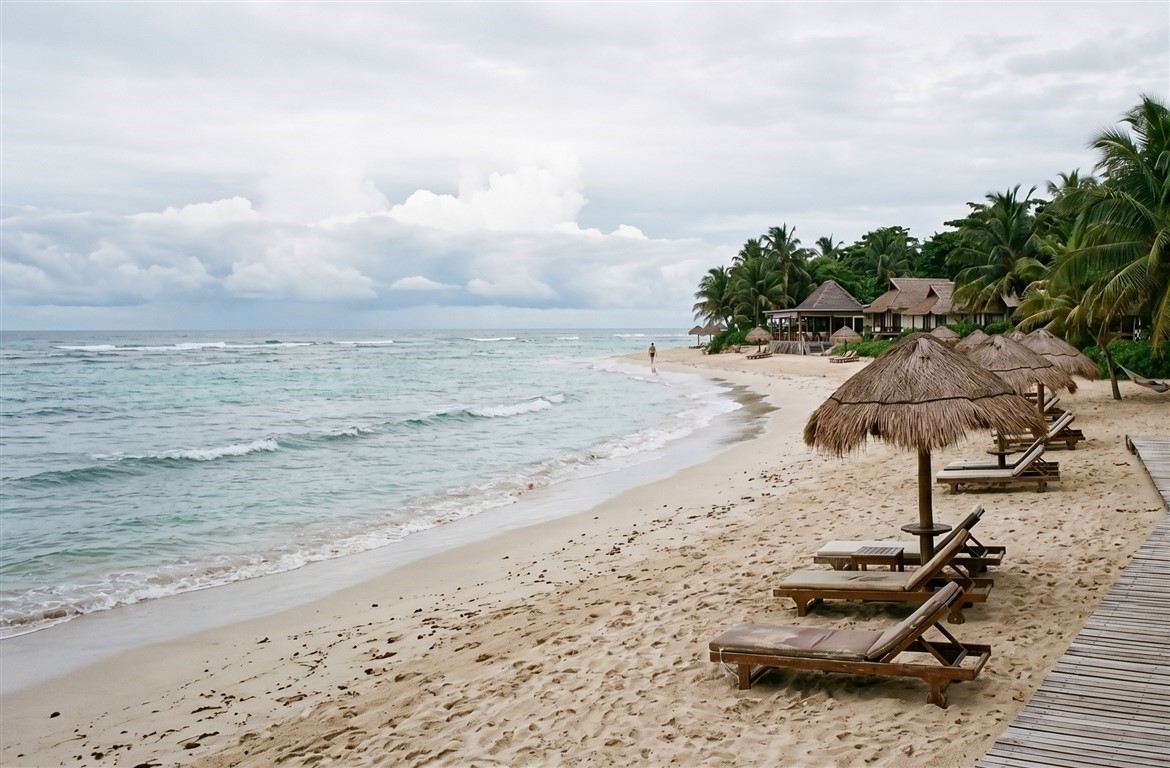
September and October are typically the quietest and most weather-sensitive months. November can be a lovely transition month as the island gears up for the high season’s return, though quick showers will still be part of the scene. Travelers looking for lower rates and fewer crowds can truly enjoy this period, as long as they avoid super rigid plans.
Best Time for Your Travel Style
The right month changes entirely once your trip has a clear purpose. St. Lucia isn’t just a beach destination; it’s a volcanic island boasting rainforest trails, incredible reef sites, charming fishing villages, luxurious resorts, and a lively cultural calendar. Someone keen on hiking Gros Piton should think differently than someone dreaming of five lazy days by the pool.
Match the season to your primary activity before you even think about booking flights. Secondary plans can adapt to the weather, but the main reason for your trip absolutely deserves the best possible month. That single decision usually makes the entire vacation feel much better thought out.
Beaches & Snorkeling Bliss
January through May is the prime window for beach-focused travel. Reduit Beach is super convenient for families and resort guests in Rodney Bay. Sugar Beach is a perennial favorite for its dramatic setting right between the Pitons. Anse Chastanet and Anse Cochon are excellent choices for snorkeling, offering much better visibility on calmer days.
Pitons & Nature Exploration
December through May offers the most comfortable conditions for hiking. Start your adventures early, pack way more water than you think you’ll need, and definitely use licensed guides for Gros Piton. The Tet Paul Nature Trail is a gentler option with breathtaking views, while Diamond Falls Botanical Gardens and Toraille Waterfall are perfect when you crave nature without a strenuous climb.
Sailing & Diving Dreams
The driest months are definitely strongest for sailing, as sea days are much easier to plan. Divers and snorkelers should favor January to May for better chances of clearer water and calmer conditions. Operators around Soufrière, Anse Chastanet, Rodney Bay, and Marigot Bay are expert at adjusting sites based on wind and swell, so always leave some room in your schedule for flexibility.
Couples & Honeymoon Heaven
February through June is absolutely fantastic for couples. February and March feel wonderfully classic and polished, while May and June often provide better value at those romantic properties. Soufrière reigns supreme for Piton views, private plunge pools, and intimate dinners; Rodney Bay works better for couples who love nightlife, buzzing bars, and a wider array of restaurant choices.
Family Vacations
Families typically thrive from March to June. The weather is perfect for beach time, school breaks might line up, and the island is generally easier to navigate before the very wettest months arrive. Rodney Bay is incredibly convenient because Reduit Beach is calm, restaurants are close by, and day trips can be planned without feeling isolated.
Top Places: Best Visit Times

St. Lucia feels compact, but travel times can surprise first-time visitors. The roads are wonderfully scenic yet winding, especially between Hewanorra International Airport in Vieux Fort and the northern resort areas. Staying near the right town can genuinely save you hours during a shorter trip.
Hewanorra International Airport handles many international flights and is located in the south near Vieux Fort. George F. L. Charles Airport is closer to Castries and serves regional flights. Taxis are usually the easiest option for most visitors, while local minibuses are super inexpensive but less convenient if you’re lugging luggage or have fixed tour times.
Castries
Castries is best for cruise visitors, exploring local markets, enjoying harbor views, and accessing island events. The best months are January through May for ideal weather, and July for that electric Carnival energy. From Castries, you can easily reach Rodney Bay by taxi or minibus, though trips to Soufrière take longer and are best planned as guided day tours.
Soufrière & The Pitons
Soufrière serves as the island’s most stunning base, with the iconic Pitons, Sulphur Springs, mud baths, waterfalls, and some of St. Lucia’s most memorable resorts all nearby. December through June is the prime period for views, hiking, and outdoor dining. If you decide to stay here during rainy months, pick a property where the room, pool, and restaurant still feel incredibly special even during a shower.
Rodney Bay
Rodney Bay makes for the easiest base if you’re looking for restaurants, nightlife, marina trips, shopping, and family-friendly beach days. January through June is the strongest stretch, with May and June offering better value than the deep winter months. Reduit Beach is the main attraction, and Pigeon Island National Landmark is close enough for a fantastic half-day outing.
Vieux Fort
Vieux Fort suits travelers who prefer to stay close to Hewanorra International Airport or want to explore the island’s south. It’s a bit less polished than the northern resort belt, but it provides easier access to quieter beaches, kitesurfing areas, and stunning southern scenery. Travelers with early flights might really appreciate spending their final night nearby instead of driving down from Rodney Bay before sunrise.
St. Lucia’s Events & Festivals
Events can transform a simple beach trip into a much richer cultural immersion. They can also impact hotel demand, traffic, and how easy it is to snag a table at restaurants. If a festival is central to your trip, make sure you book on the right side of the island and keep your transport plans simple.
Many events happen around Castries, Gros Islet, Pigeon Island, and other public spaces. Staying in Rodney Bay, Gros Islet, or Castries makes those late returns much easier. Soufrière remains a beautiful base, but it’s better for travelers who prefer quiet nights after their daytime excursions.
- Saint Lucia Jazz and Arts Festival: Typically held in late April or May, it features concerts, art, food, and cultural events all over the island.
- Saint Lucia Carnival: Happening in July, expect dazzling costumes, parades, soca music, wild parties, and an incredibly high-energy crowd.
- Roots and Soul Festival: This music-focused event celebrates reggae, Afrobeat, R&B, and other incredible Caribbean sounds.
- Creole Heritage Month: October brings vibrant celebrations of food, music, language, dress, and community, all tied to Saint Lucian identity.
Cheapest St. Lucia Travel Times
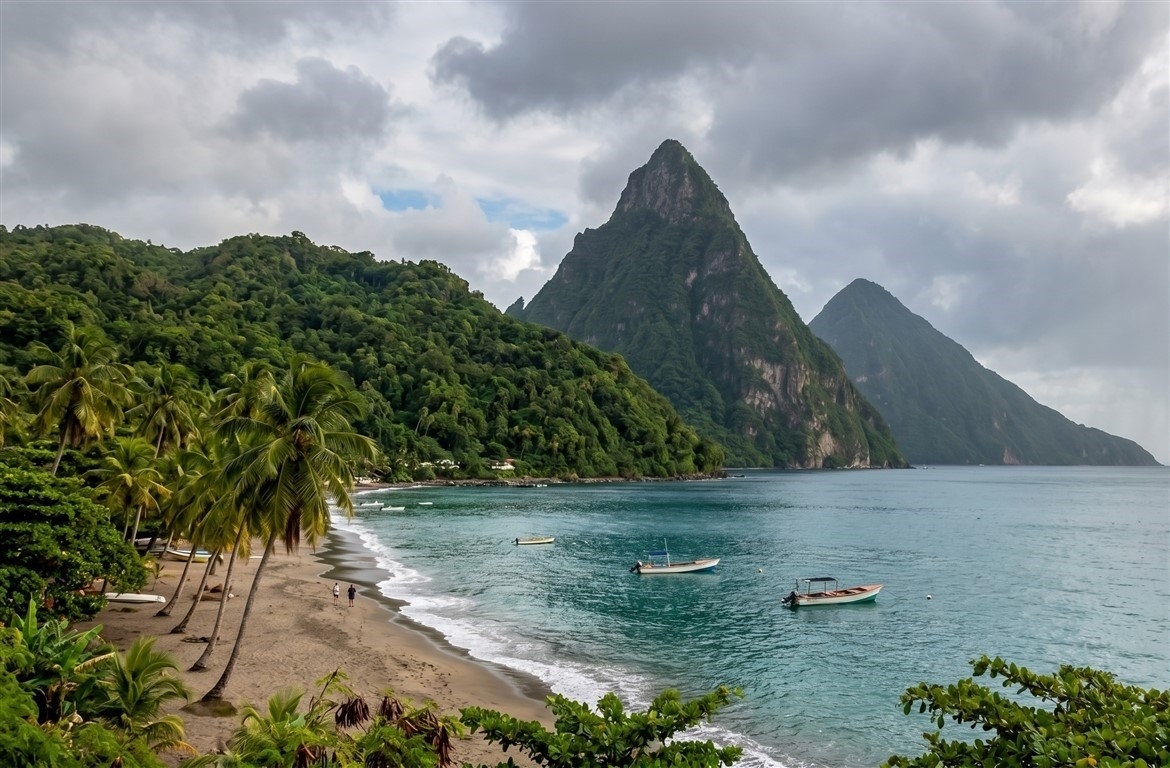
The least expensive time to visit St. Lucia usually falls outside that busy, dry winter peak. May, June, September, and October often bring better hotel deals, and late August through October can see some of the lowest demand. The trade-off, of course, is weather risk, so the cheapest trip isn’t always the best-value trip overall.
For many, May is truly the sweet spot. It can cost less than February or March while still offering fantastic beach weather and great conditions for tours. September might be cheaper still, but it suits flexible travelers far more than those planning a once-in-a-lifetime honeymoon.
When Flights are Cheapest
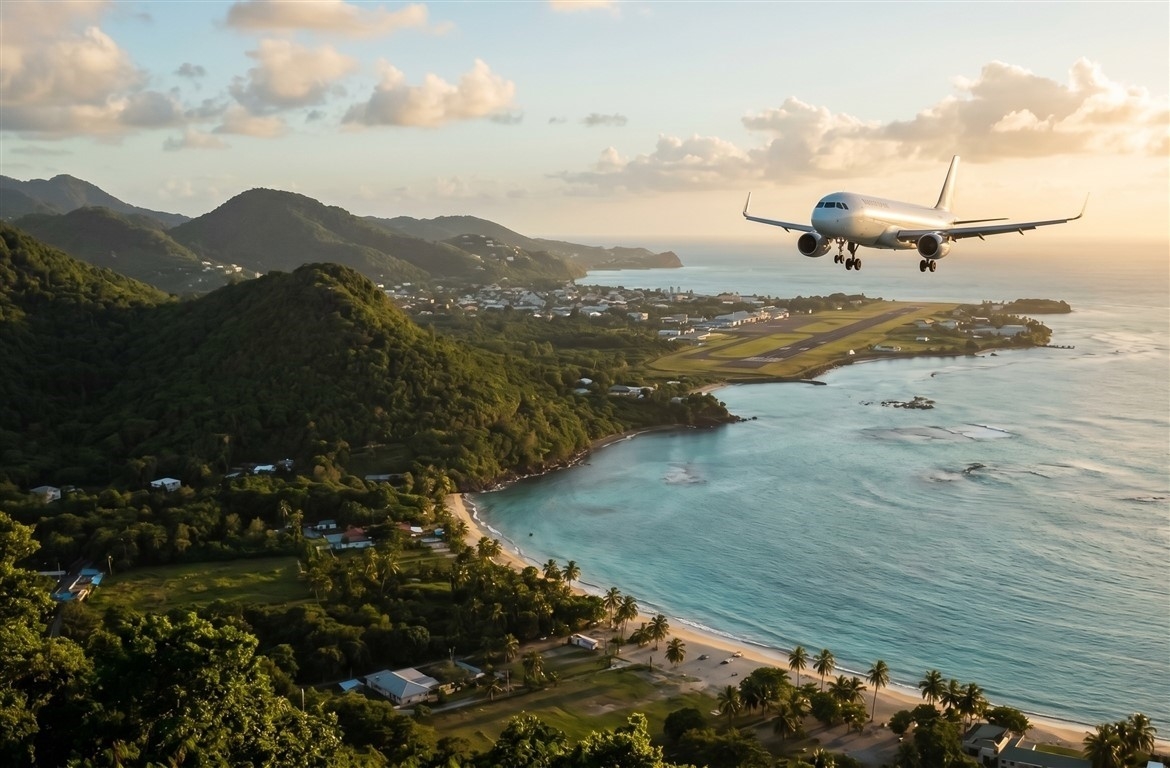
Flight prices constantly shift based on your departure city, school holidays, airline schedules, and how far in advance you book. Routes into Hewanorra International Airport from major hubs tend to cost more around Christmas, New Year, spring break, and Easter. Better fares often pop up in late spring and early fall, especially for midweek departures.
Better Hotel Deals
Resorts and villas are generally most expensive from late December through April. May and June can bring lower rates without the full weather compromises of the peak rainy season. September and October might offer the steepest discounts, though some properties use this quieter period for maintenance, so definitely double-check restaurant, spa, and activity schedules before you book.
Booking Ahead
Book six to nine months out for Christmas, New Year, Easter, and those highly coveted high-end rooms with Piton views. For May and June, three to six months can be plenty of time for most travelers. If you’re chasing low-season deals, last-minute offers can appear, but rising airfares might actually cancel out any savings.
When to Avoid St. Lucia
No month is completely off-limits, but some periods definitely demand more careful planning. If your dream trip hinges on endless cloudless beach days, smooth boat rides, and a jam-packed outdoor itinerary, you might want to avoid the wettest stretch. However, if you’re after lower rates and don’t mind a few changes to your plans, that same period can still work wonderfully.
Consider the potential cost of disappointment, not just the booking price. A flexible solo trip can handle rain much better than a wedding, honeymoon, or a family vacation with very limited dates. Your reason for traveling should ultimately dictate how much weather risk feels acceptable.
Rainiest Times
September and October are typically the toughest months for travelers who crave consistent sun. Rain can be quite heavy, humidity runs high, and sea conditions can shift unexpectedly. If these months are your only option, choose a resort with strong indoor dining, a lovely spa, and flexible cancellation terms.
Peak Holiday Crowds
Christmas, New Year, spring break, and Easter bring the absolute highest demand. The weather is undeniably gorgeous, but prices, airport transfers, restaurant reservations, excursions, and resort availability all get much tighter. Travelers visiting during these dates should book flights, hotels, transfers, Piton hikes, boat tours, and any special dinners well in advance.
Hurricane Season Dangers
June through November marks the official hurricane season. While direct hits aren’t an everyday occurrence, tropical systems can still disrupt flights, bring heavy rainfall, affect sea conditions, interrupt ferry service, and alter excursion plans. Always opt for refundable bookings, stay updated on airline policies, and avoid scheduling major prepaid tours on your arrival or departure day.
Smart Planning Tips Before You Book
A smooth St. Lucia trip starts with picking the right home base. Soufrière absolutely wins for dramatic views, romance, nature immersion, and luxurious stays right near the Pitons. Rodney Bay is generally easier for families, finding restaurants, enjoying nightlife, marina trips, and for travelers who want more services close by.
Transport needs more thought than many visitors expect. The airport-to-resort drive can be lengthy. Taxis are much simpler than public minibuses when you have luggage. Plus, boat transfers can cut down road time while adding incredible scenery. If you plan to explore widely, try to group nearby sights together instead of crisscrossing the island every single day.
- Choose Soufrière for Piton views, mud baths, waterfalls, and quiet romance.
- Opt for Rodney Bay for Reduit Beach, restaurants, nightlife, and family convenience.
- Use licensed taxis or pre-booked transfers after those long international flights.
- Combine Gros Piton, Sulphur Springs, and waterfalls on the same south-island day trip.
- Always pack a light rain jacket, even if you’re visiting during the dry season.
- Leave one day completely open if you’re traveling from June through November.
- Check specific festival dates before you pick your hotel’s location.
St. Lucia FAQs
Which is the best month for St. Lucia?
March often stands out as one of the best months for St. Lucia because it brings dry-season weather, warm seas, and fantastic conditions for beaches, hiking, snorkeling, and boat trips. However, May is a smarter choice for travelers who want great weather with less of that peak-season pressure on prices.
What’s St. Lucia’s rainy season?
The rainy season typically runs from June through November. Showers often arrive quickly and then clear, but September and October carry the highest risk of heavier rain and more significant tropical weather disruption. Rainforest areas inland and around Soufrière can be wetter than some of the coastal resort zones.
What’s the cheapest month to visit St. Lucia?
September and October are often among the cheapest months for hotels and package deals because they fall within the quietest part of the travel year. May and June are generally better choices for many travelers, as they still offer good value while keeping the weather risk lower than early fall.
Is hurricane season safe in St. Lucia?
Many travelers visit during hurricane season without any problems, but the risk of disruption is definitely higher from June through November. August through October requires the most caution. Always use travel insurance, opt for flexible bookings, and plan a relaxed itinerary with plenty of room to shift tours if the weather changes.
How many days are enough for St. Lucia?
Five to seven days is a good length for most St. Lucia vacations. This gives you enough time for beach days, exploring Soufrière and the Pitons, enjoying a boat trip, visiting Sulphur Springs, trying local dining, and simply relaxing. Ten days works even better if you want to split your time between Soufrière and Rodney Bay without feeling rushed.
0 Comment