

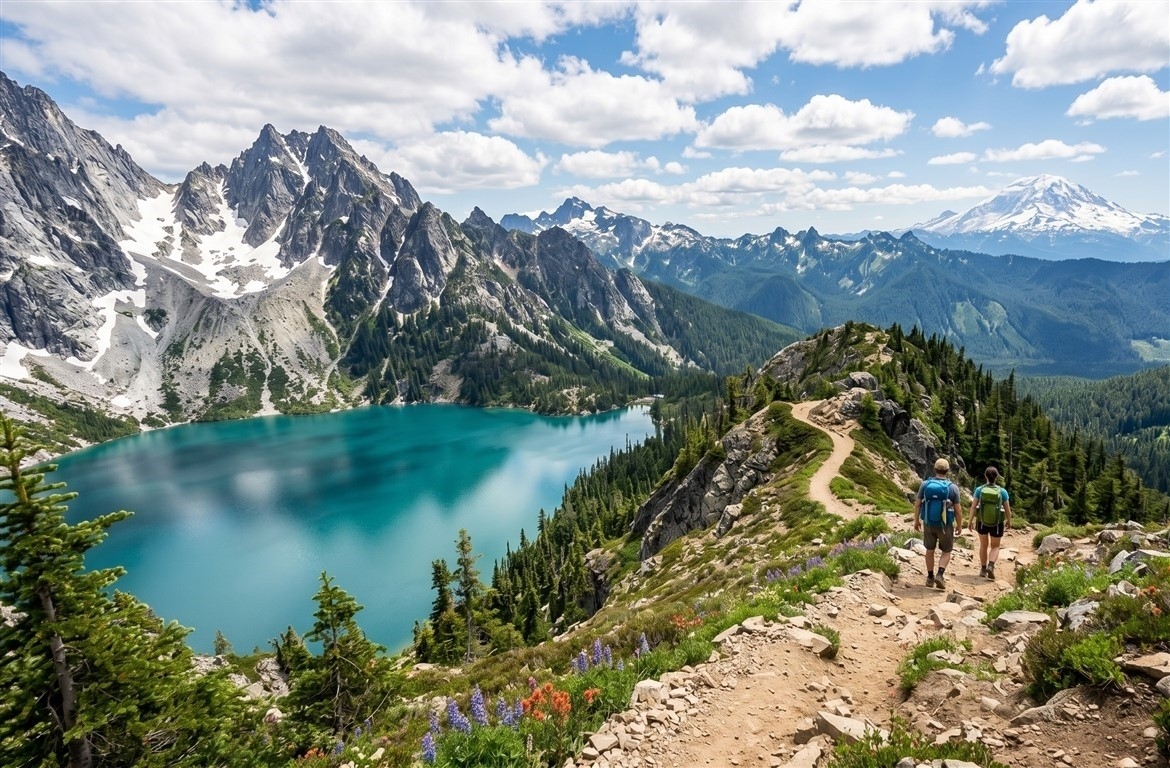

Top Scenic Hikes Near Seattle
Seattle genuinely spoils its hikers; it’s almost unfair. Imagine starting your morning with a great coffee near Pike Place Market, then finishing the day by a sparkling alpine lake tucked beneath massive granite walls. Or maybe you’re up on a bluff overlooking Puget Sound, watching ferries glide like little toys across the water. The incredible scenic hikes around Seattle aren’t just one type of trail. Nope, they include everything: soft, mossy forest paths, dramatic waterfall walks, routes to snow-fed lakes, challenging rocky summits, old fire lookouts, and peaceful shoreline loops where herons simply stand still in the tide flats.
The real trick here is picking the perfect one for *your* day. A sunny, bright July Saturday won’t feel anything like a drizzly, gray February morning. Taking the family for a walk in Discovery Park is a completely different beast than tackling Mailbox Peak. Same general region. Totally different vibe. Definitely different demands on your legs.
Seattle Hikes: A Quick Look
If you’re after a quick, beautiful outing right within the city, Discovery Park Loop and Seward Park Loop are absolute no-brainers. For those chasing waterfalls, Franklin Falls, Twin Falls, Wallace Falls, and Bridal Veil Falls all bring that classic western Washington drama: huge trees, dark, misty ravines, spray in the air, slick rocks, and plenty of happy dogs (where they’re allowed). Lake enthusiasts usually find themselves drawn to Snow Lake, Lake 22, Lake Serene, Barclay Lake, and Gold Creek Pond. And for hikers hungry for massive mountain views, Rattlesnake Ledge, Mount Si, Heybrook Lookout, Mount Pilchuck, Naches Peak Loop, Mount Fremont Fire Lookout, and Heather-Maple Pass Loop are the go-to choices.
You’ll find many of these trails spread along major routes: I-90, Highway 2, the Mountain Loop Highway, or within the stunning Mount Rainier and North Cascades areas. Fair warning, drive times can really swell on weekends. Trailhead parking spots vanish fast. And the weather? Oh, it changes on a whim out here. That’s just how it goes.
How to Select Your Seattle Hike
Based on Distance
When time’s tight, those closer-in hikes are your best bet. Discovery Park, Seward Park, Coal Creek Falls, and Tradition Lake Loop can easily fit into a half-day adventure, even if you get a late start. Rattlesnake Ledge, Twin Falls, and Mount Si sit a bit further east but still feel like perfectly normal Seattle day trips. Places like Snow Lake, Lake Serene, Mount Pilchuck, Naches Peak Loop, and Mount Fremont, though? They demand more driving, more planning, and a much clearer window of good weather.
Based on Difficulty
Easy doesn’t mean boring around Seattle, not by a long shot. Gold Creek Pond delivers gorgeous mountain reflections with hardly any effort. Barclay Lake offers a fantastic deep forest-and-lake reward without any brutal climbs. Moderate trails, think Lake 22, Wallace Falls, or Snow Lake, feel more like a workout but are totally fine for hikers who take their time. The hard routes are truly honest. Mailbox Peak, Granite Mountain, Mount Si, and Lake Serene chew through elevation in a way that makes anyone wearing casual sneakers deeply regret their life choices.
Based on Season
Lower trails really shine during winter and early spring. That means Discovery Park, Seward Park, Coal Creek Falls, Twin Falls, Ebey’s Landing, and a bunch of waterfall hikes. Alpine and subalpine routes, on the other hand, often stay buried in snow until late spring or even early summer. Summer is when the grander scenery finally opens up: Snow Lake, Mount Pilchuck, Mount Fremont, Heather-Maple Pass, and Naches Peak. Fall brings sharper light, fewer bugs, and hillsides ablaze with red huckleberry. Just remember, the days get much shorter then. Don’t play games with sunset.
Based on Scenery Type
Pick your view first. If you’re yearning for waterfalls, head to Franklin Falls, Twin Falls, Wallace Falls, Bridal Veil Falls, Teneriffe Falls, or Coal Creek Falls. For pristine lakes, set your sights on Snow Lake, Lake 22, Lake Serene, Barclay Lake, Annette Lake, Talapus Lake, and Gold Creek Pond. Epic mountain views are waiting at Rattlesnake Ledge, Mount Si, Mount Pilchuck, Mount Fremont Fire Lookout, Heybrook Lookout, and Heather-Maple Pass Loop. And when you crave salty air and wide-open skies, make tracks to Discovery Park, Ebey’s Landing, Bowman Bay, Maury Island Marine Park, or the Billy Frank Jr. Nisqually National Wildlife Refuge.
Scenic Hikes Compared
| Trail | Scenery | Difficulty | Best Season |
|---|---|---|---|
| Discovery Park Loop | Puget Sound, forest, beach | Easy | Year-round |
| Rattlesnake Ledge | Lake and Cascade views | Moderate | Spring to fall |
| Franklin Falls | Forest waterfall | Easy to moderate | Spring to fall |
| Snow Lake | Alpine lake and peaks | Moderate | Summer to early fall |
| Mount Si | Valley and mountain views | Challenging | Spring to fall |
| Ebey’s Landing Bluff Trail | Coastal bluff and prairie | Moderate | Year-round |
Great Easy Scenic Hikes
Discovery Park Loop
Discovery Park is the quintessential city hike that still feels like a true escape hatch. This loop winds you through meadows, deep forest, along bluffs, and down to the beach. On a clear day, you’ll get sweeping views across Puget Sound toward the Olympic Mountains. It’s a smart choice for visitors without a car, families, or any local who wants a beautiful walk without committing to a mountain drive.
Seward Park Loop
Seward Park wraps gracefully around a wooded peninsula on Lake Washington. The paved loop itself is gentle, super reliable, and holds up well in almost any weather. You’ll find pockets of old-growth forest right alongside expansive lake views, and on a crisp day, Mount Rainier can pop into view over the water with that almost theatrical Seattle timing.
Coal Creek Falls
Coal Creek Falls offers a mellow forest walk just outside Bellevue. It’s particularly handy when the mountains are drenched, snowed in, or just too far away. The waterfall truly puts on a show during the wetter months. This trail feels more like a charming neighborhood forest than remote wilderness, and honestly, that’s its whole appeal. Low stress. Green absolutely everywhere.
Tradition Lake Loop
The Tradition Lake Loop, nestled within the Issaquah Alps, provides easy access to lovely forest, peaceful lake edges, and quiet side paths. It’s perfect for beginners who want a proper trail surface without the steep climb. The area actually boasts a whole network of routes, so a short stroll can easily blossom into a longer ramble if your day decides to cooperate.
Gold Creek Pond
Gold Creek Pond is almost suspiciously scenic for how little effort it asks. The path gently circles a crystal-clear pond, perfectly framed by the towering peaks of Snoqualmie Pass. It’s incredibly popular with families, photographers, and anyone looking for stunning mountain scenery without the uphill slog. Winter snow can affect access, so always check road and trail conditions before you head out.
Franklin Falls
Franklin Falls truly stands out as one of Seattle’s classic waterfall hikes. The walk through the forest is short, the falls are incredibly dramatic, and the trail itself feels much grander than its actual mileage suggests. Watch out, rocks near the base get incredibly slick. In colder months, ice can transform the entire scene into something both gorgeous and treacherous all at once.
Barclay Lake
Barclay Lake sits just off Highway 2, nestled right beneath the formidable face of Baring Mountain. The hike is quite gentle by Cascade standards, with a soft, forested path leading you directly to a calm, inviting lake basin. It’s an excellent first lake hike for folks who crave that deep-mountain feeling but aren’t quite ready to tackle Snow Lake or Lake Serene yet.
Top Moderate Scenic Hikes
Rattlesnake Ledge
Rattlesnake Ledge is famous for a reason, and it’s simple: that sweeping ledge view over Rattlesnake Lake and the surrounding ridges hits you fast. The trail climbs steadily through the forest, then suddenly breaks open to a dramatic rocky viewpoint. Be warned, it gets crowded. Seriously crowded. Starting early helps a lot, and going on a weekday feels like a whole different universe.
Twin Falls
Twin Falls traces the South Fork Snoqualmie River, weaving through lush forest and crossing charming bridges to various waterfall viewpoints. It’s easily one of the most satisfying moderate hikes near Seattle because the scenery just keeps unfolding. River, moss, stairs, waterfalls, more river. Expect mud after a good rain; in western Washington, that’s hardly headline news.
Denny Creek
Denny Creek is a playful hike, especially delightful in summer when its smooth rock slabs become a favorite spot for splashing around. The trail does continue onward into higher country for hikers wanting more distance, but many visitors are perfectly happy just enjoying the creek, the forest, and that wonderful natural waterslide area. Snow, surprisingly, tends to hang around here longer than you’d think.
Wallace Falls
Wallace Falls State Park boasts a magnificent tiered waterfall system, reached by a steady climb through dense forest. The middle falls viewpoint is usually the big crowd-pleaser, though pushing on to the upper sections definitely adds a tougher workout. It’s a perfectly reliable choice for those misty, damp days when waterfalls truly come alive and distant mountain views might otherwise be swallowed by gray soup.
Heybrook Lookout
Heybrook Lookout is a short climb, but it’s steep enough to really get your calves burning. The fantastic reward awaits: a historic fire lookout tower offering incredible views toward Mount Index, Baring Mountain, and the whole Skykomish Valley. The stairs to the very top add a little extra thrill. The wind up there feels quite personal.
Lake 22
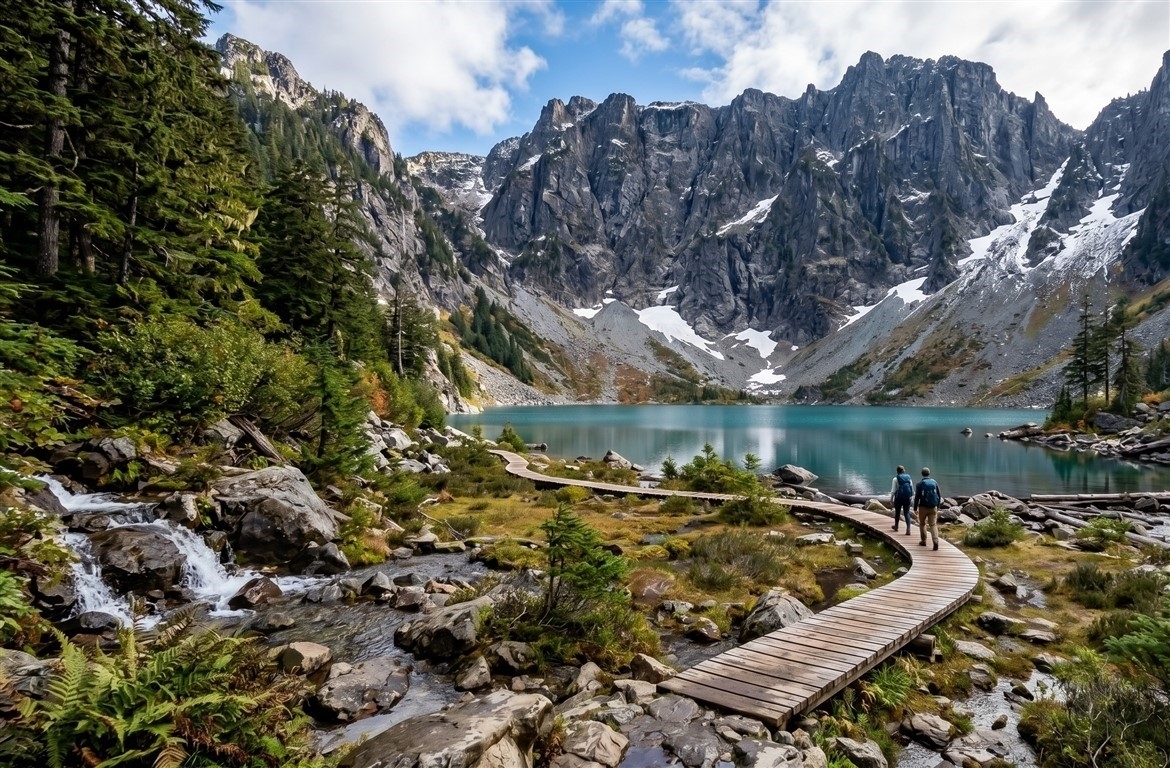
Lake 22 beautifully blends old-growth forest, charming creek crossings, rugged rocky terrain, and a stunning cirque lake nestled beneath towering cliffs on the Mountain Loop Highway. This route is popular and often quite wet, with sections that feel significantly rougher than the mileage might suggest. The lake basin can hold snow surprisingly late, and those boardwalk sections near the water truly make the final approach unforgettable.
Snow Lake
Snow Lake stands as one of the very best and most beloved lake hikes near Seattle, particularly around Snoqualmie Pass. The trail climbs steadily through forest and over talus fields to a high divide, then dips down toward brilliant blue water framed by dramatic peaks. That glorious descent to the lake? Oh, that means you have to climb back *out* later. People always seem to forget that part. Their knees, however, always remember.
Ebey’s Landing Bluff Trail
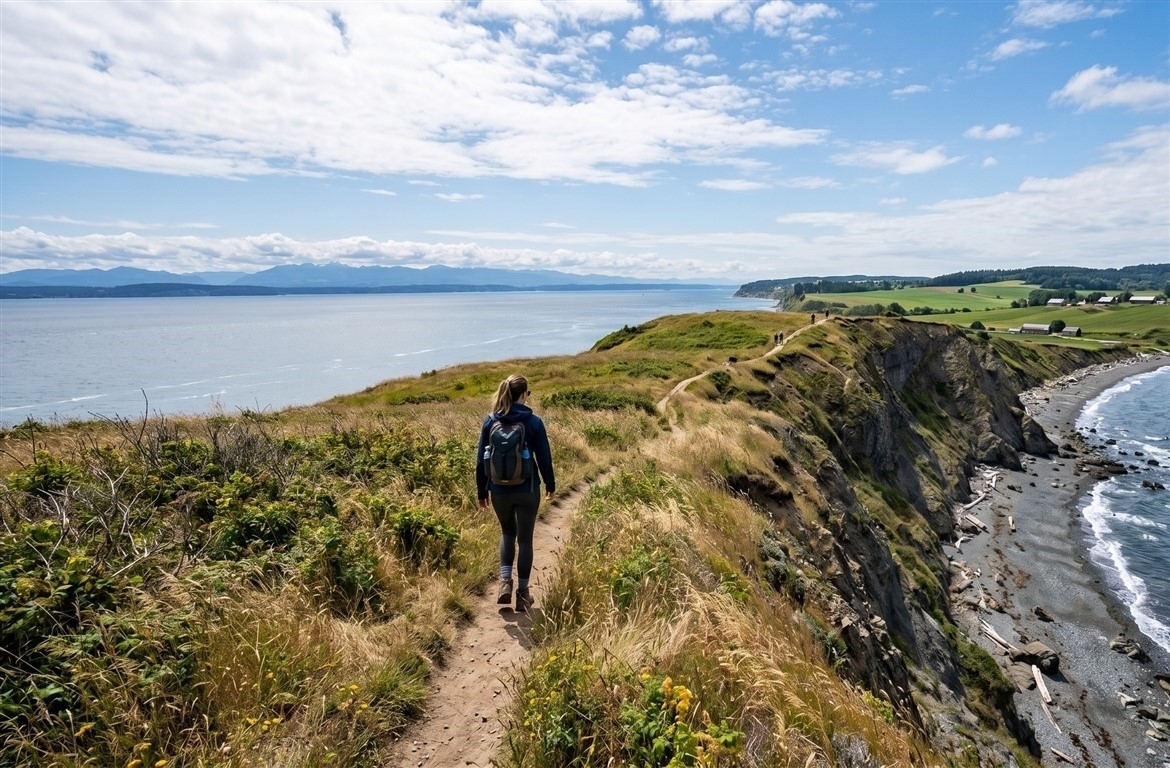
Ebey’s Landing on Whidbey Island swaps dense evergreen walls for expansive prairie, a dramatic bluff, a peaceful beach, and vast saltwater views. On a clear day, the horizon feels absolutely enormous. This loop offers wind-swept landscapes, abundant birds, charming farmland, and a shoreline return that can be a bit tricky on loose stones. It’s truly one of the finest coastal hikes accessible from Seattle.
Naches Peak Loop
Naches Peak Loop, located near Mount Rainier, is a huge favorite for summer and fall, renowned for its dazzling wildflowers, serene tarns, and breathtaking mountain views. Hiking it clockwise is a popular choice, mainly because the views of Mount Rainier unfold so beautifully along that path. Snow really dictates the season here. When it finally opens up, it feels like someone just flipped a giant light switch.
Best Challenging Scenic Hikes
Mount Si
Mount Si? That’s Seattle’s unofficial fitness test, hiding in plain sight. The trail climbs relentlessly through the forest to a rocky summit area, rewarding you with expansive views over the Snoqualmie Valley. It’s busy, direct, and doesn’t hold back. Many hikers use it as serious training for bigger objectives deeper in the Cascades, but it absolutely holds its own as a powerful, scenic day hike.
Mailbox Peak
Mailbox Peak has quite a reputation, and it’s thoroughly earned. The old trail is infamously steep; the newer trail, while longer and a bit more gradual, is still seriously demanding. The summit offers incredibly broad views when the weather decides to cooperate. Just remember, snow, ice, and poor visibility can make this hike far, far more serious than its popularity might suggest.
Lake Serene & Bridal Veil Falls
Lake Serene delivers a punishing climb alongside two enormous rewards: the thundering Bridal Veil Falls and a dramatic lake basin beneath the imposing Mount Index. Those stairs are no joke. But the lake, when the clouds finally part, is pure Cascade theater. Be sure to bring strong legs, plenty of water, and a good tolerance for sharing the trail on sunny weekends.
Mount Pilchuck
Mount Pilchuck offers a classic fire lookout hike, featuring a mix of rock, forest, open slopes, and a final lookout perch that feels like it’s floating in the sky. On clear days, views stretch across Puget Sound, the Cascades, and all the surrounding peaks. The access road can be pretty rough, and snow tends to linger high up. Good footwear is non-negotiable here.
Granite Mountain
Granite Mountain towers above the I-90 corridor, demanding a big climb but rewarding you with a wide, expansive summit feel. Summer brings open slopes and far-reaching vistas; the snow season, however, brings serious avalanche terrain concerns. Let’s be clear: this is *not* a casual winter stroll. Hikers who catch it under good conditions get one of the most powerful mountain-view experiences close to Seattle.
Mount Fremont Fire Lookout
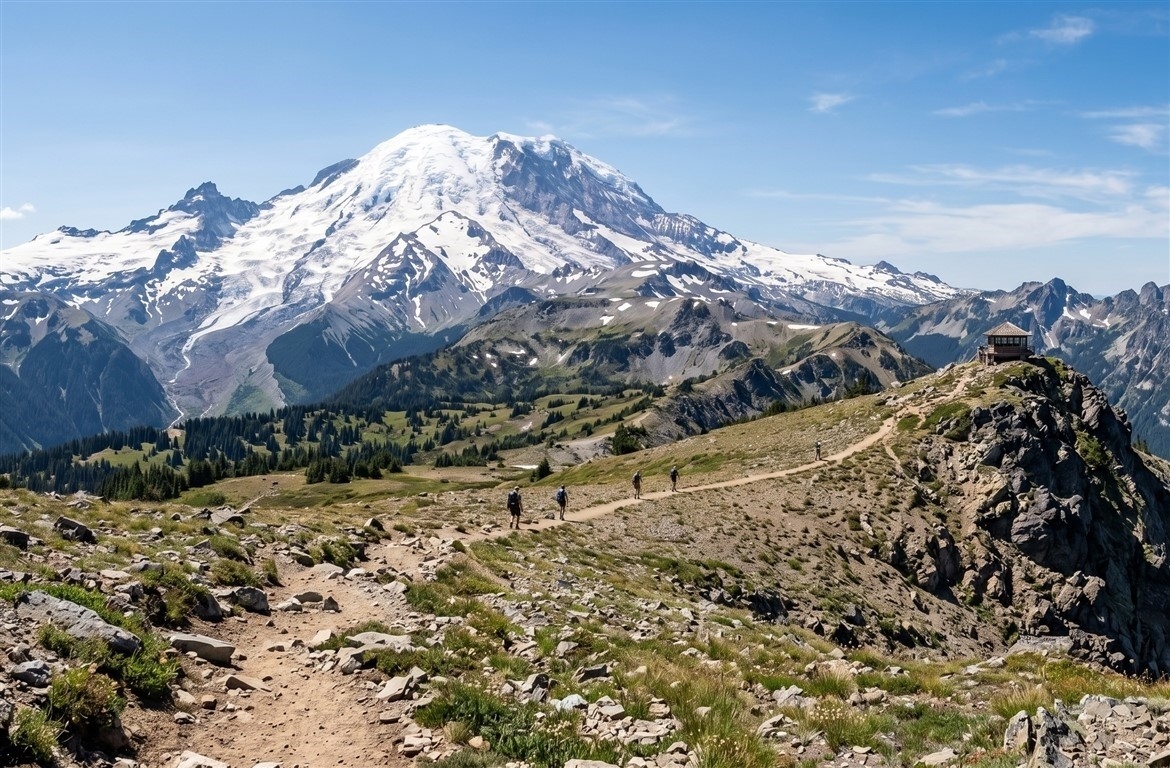
Mount Fremont Fire Lookout in Mount Rainier National Park provides a long, open, high-country view that doesn’t feel quite as brutal as some other Cascade climbs. The trail kicks off from the Sunrise area, then traverses stunning alpine terrain toward a lookout where Mount Rainier utterly dominates the entire scene. Its hiking season is short and completely dictated by snow.
Heather-Maple Pass Loop
Heather-Maple Pass Loop might be further from Seattle, but it absolutely earns its spot on any serious list of Washington’s scenic hikes. This loop brilliantly packs in shimmering lakes, vibrant larch colors, dramatic ridges, towering North Cascades peaks, and a feeling of immense space. Fall here can be utterly spectacular. It can also be so busy that the trailhead feels more like a small, lively festival, just with lots of hiking boots.
Best Waterfall Hikes
- Franklin Falls: A compact forest hike culminating in a powerful waterfall. It’s perfect for visitors and families during snow-free months, but watch out: icy conditions can escalate the risk quickly.
- Twin Falls: A delightful river walk, complete with bridges and multiple impressive waterfall views. The trail includes enough climbing to feel active without turning into a full-on mountain epic.
- Wallace Falls: A true state park classic, featuring multiple viewpoints and a distinct, vibrant personality on rainy days. The middle falls viewpoint offers the absolute best balance of effort versus spectacular reward.
- Bridal Veil Falls: Often paired with Lake Serene, this side trip delivers roaring water and a steep, engaging forest approach. It feels wild, wet, and gloriously loud in all the best ways.
- Teneriffe Falls: A North Bend local favorite, requiring a more strenuous approach than most easy waterfall walks. The spring flow here can be truly astounding.
- Coal Creek Falls: A wonderfully mellow option very close to Seattle’s Eastside, it’s at its strongest after rain and incredibly useful when mountain driving just sounds like too much hassle.
Best Lake Hikes
Snow Lake often grabs the spotlight as Seattle’s premier alpine lake hike, boasting bright blue water, dramatic talus slopes, and quintessential Snoqualmie Pass scenery. Lake 22, by contrast, possesses a darker, wetter, more secluded beauty, tucked away beneath cliffs on the Mountain Loop Highway. Lake Serene ups the ante; it’s harder, sharper, and utterly more dramatic. Barclay Lake, however, offers a gentler, shaded experience, wonderfully friendly to hikers who crave that lake reward without facing an enormous climb.
Talapus Lake and Annette Lake are both solid summer choices along the I-90 corridor. Gold Creek Pond, while less of a wilderness trek, provides super easy mountain-and-water scenery and works perfectly for mixed groups. Lakes near Seattle consistently draw crowds because they satisfy something fundamentally human: water, peaks, lunch on a warm rock, and then about nine seconds of silence until someone inevitably crinkles a snack bag.
Great Mountain View Hikes
Rattlesnake Ledge offers one of the quickest and most rewarding big-view payoffs close to the city. Mount Si is a tougher, more expansive option, with a summit area that looks out across the entire Snoqualmie Valley. Heybrook Lookout adds an actual tower to your view, which somehow makes the whole experience feel a little more cinematic. And Mount Pilchuck brings that classic fire lookout drama, plus a much wider sweep across all of western Washington.
Naches Peak Loop and Mount Fremont Fire Lookout are your top picks within Mount Rainier National Park. Both absolutely depend on high-elevation access, meaning they’re best reserved for the warmer months and early fall. Heather-Maple Pass Loop stands as the North Cascades showpiece for any hiker willing to drive a bit farther. It’s definitely not “close” in the casual sense. But it’s certainly close enough for an ambitious day, and the sheer scenery more than pays back that driving debt.
Best Coastal & Island Hikes
Not every truly scenic hike near Seattle requires bagging a summit. Discovery Park offers bluffs, beaches, iconic lighthouse views, and unbeatable city convenience. Ebey’s Landing Bluff Trail on Whidbey Island opens up to rolling prairie and fresh saltwater air, with breathtaking Olympic Mountain views on clear days. Bowman Bay Loop near Deception Pass treats you to stunning shoreline cliffs, lush forest, and that specific shade of water color that makes people suddenly stop talking mid-sentence.
Maury Island Marine Park provides a quieter experience, with lovely beach access and expansive Puget Sound views from Vashon Island. Billy Frank Jr. Nisqually National Wildlife Refuge, however, offers a unique blend of boardwalks, wetlands, incredible birdwatching, and tidal flats, rather than a traditional mountain trail. Definitely bring binoculars there. Or don’t, then spend the rest of your trip regretting it when everything interesting is just a tiny bit beyond your normal eyesight.
Seasonal Hike Recommendations
Spring Hikes
Spring, without a doubt, is prime waterfall season. Franklin Falls, Twin Falls, Wallace Falls, Coal Creek Falls, and Teneriffe Falls all benefit immensely from the increased rain and snowmelt. Lower coastal hikes, like Ebey’s Landing and Discovery Park, are also excellent choices when higher elevation trails are still stubbornly buried under snow.
Summer Hikes
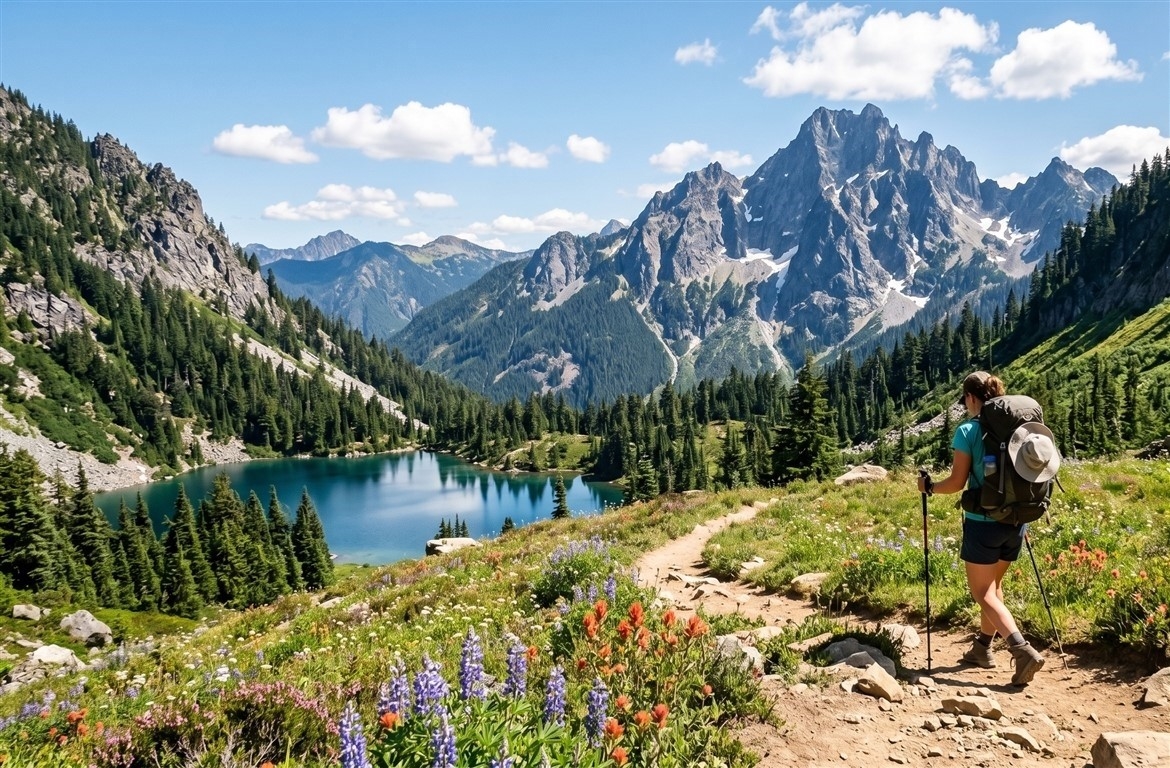
Summer is when the entire alpine menu finally opens up. Snow Lake, Lake 22, Lake Serene, Mount Pilchuck, Naches Peak Loop, Mount Fremont Fire Lookout, and Heather-Maple Pass Loop all become much more realistic options as the snow truly melts away. Just a heads up: mosquitoes near the lakes can be pretty aggressive. Pack good repellent and a healthy dose of patience.
Fall Hikes
Fall delivers crisp, invigorating air, fields of golden grasses, hillsides aflame with red huckleberry leaves, and much clearer, long-distance views once the summer haze finally dissipates. Naches Peak Loop, Heather-Maple Pass Loop, Mount Fremont, Snow Lake, and Ebey’s Landing can all be utterly outstanding during this season. Just remember, daylight hours shrink surprisingly quickly, so those late starts become far less forgiving.
Winter Hikes
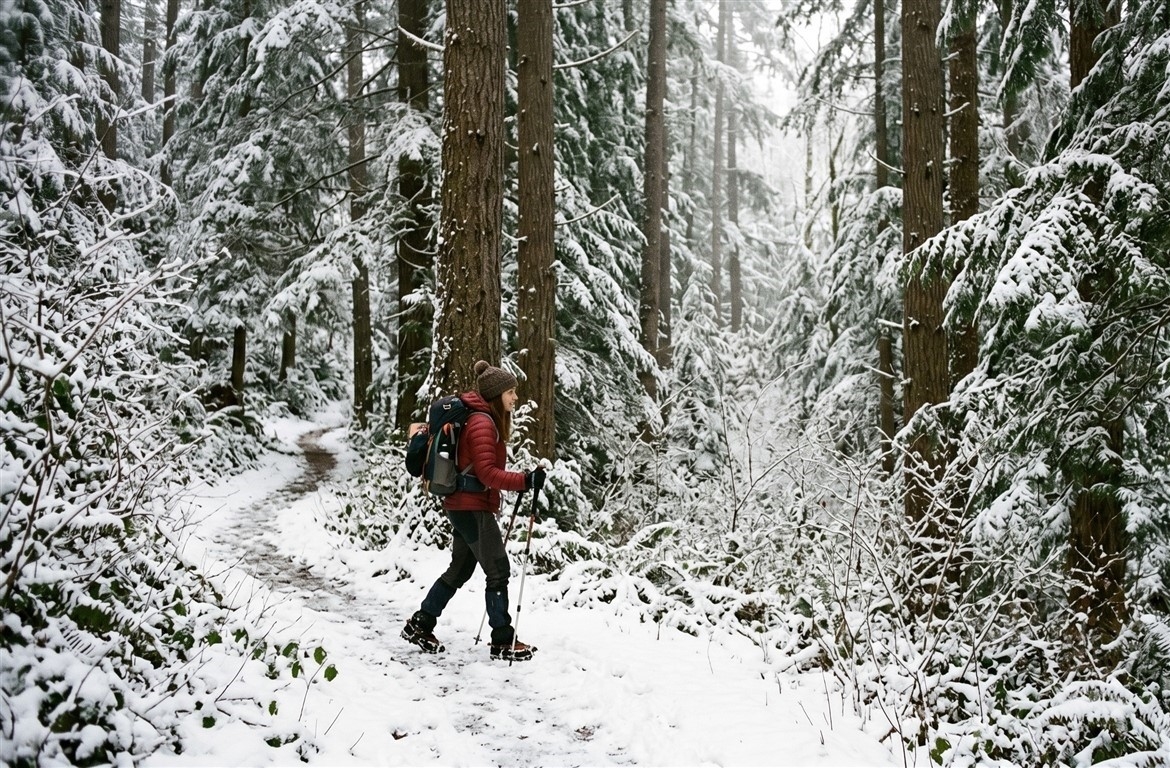
Winter truly belongs to the lowland forests, quiet beaches, and carefully selected waterfall walks. Discovery Park, Seward Park, Coal Creek Falls, Twin Falls, and Ebey’s Landing typically make far more sense than attempting high mountain routes. If you do go for snow hikes, be sure to have proper traction, solid navigation skills, avalanche awareness (where the terrain demands it), and always, always be ready to turn around if conditions warrant.
Before You Hit the Trail
Trail Passes & Parking
Many trailheads around Seattle require a specific pass. Washington state parks and state-managed lands typically use the Discover Pass. National forest trailheads might ask for a Northwest Forest Pass or a federal recreation pass. Mount Rainier National Park, of course, has its own unique entrance rules. Always double-check with the land manager before you leave, because a pretty trailhead ticket is still a ticket.
Weather & Road Conditions
Seattle weather and mountain weather are like cousins, not twins. A perfectly dry morning in the city can easily transform into sleet up near Snoqualmie Pass. Mountain Loop Highway and various forest roads can be riddled with potholes, experience washouts, face seasonal closures, or be completely covered in snow. Make sure to read current trip reports, road notices, and the latest forecasts before you commit to any long drive.
Snow, Ice, & Avalanche Savvy
High elevation trails near Seattle can hold snow surprisingly deep into the hiking season. Snow Lake, Granite Mountain, Mount Pilchuck, Mount Fremont, and Heather-Maple Pass all deserve extra caution whenever snow is present. Microspikes are incredibly helpful on icy trails, but they are absolutely no substitute for actual avalanche knowledge. If your chosen route crosses avalanche terrain, always check the current forecast and pick a different trail if the risk is elevated.
Crowds & Parking
Popular hikes are popular for a reason: they’re fantastic. Places like Rattlesnake Ledge, Mount Si, Snow Lake, Wallace Falls, Lake 22, and Lake Serene can fill up incredibly fast on nice-weather weekends. Your best bet? Start at dawn, go midweek, or simply choose some of the less famous routes. Oh, and please, don’t invent parking spaces. Blocking gates or road shoulders can result in towed cars and, critically, blocked emergency access.
Leave No Trace
Always stay on the designated trail, pack out absolutely all of your trash, give wildlife plenty of space, and leave lakeshores even cleaner than you found them. If you bring dogs, they need to be controlled and only allowed where rules specifically permit. Alpine meadows are incredibly fragile; one shortcut across delicate flowers might seem tiny, but imagine a thousand boots repeating it.
What to Pack for Your Hike
- Clothing layers: Bring a reliable rain shell, a warm mid-layer, and a good breathable base layer. Cotton feels nice until it gets wet, then it becomes a really bad decision with sleeves.
- Footwear and traction: Trail shoes or boots with decent grip are fine for most summer hikes. But for icy shoulder-season routes and packed snow trails, add microspikes to your gear.
- Water and food: Seriously, carry more than just a tiny bottle. Steep hikes like Mount Si, Lake Serene, Mailbox Peak, and Granite Mountain demand real energy.
- Navigation: Always use a map, a downloaded route, or a reliable GPS app with offline access. Batteries die faster in cold weather, so a small backup battery pack is super useful.
- Safety basics: A headlamp, a basic first-aid kit, a whistle, an emergency blanket, and a fire starter weigh next to nothing. But they can make a world of difference if a late return turns messy.
- Weather extras: Sunglasses, sunscreen, gloves, and a hat can all realistically belong in the very same pack on the very same day. The Cascades truly enjoy their contradictions.
Planning Your Hike Adventure
First, think about the drive. A hike that looks simple enough on a map can easily morph into a long, drawn-out day when you factor in traffic, ferry timing, road conditions, or the nightmare of trailhead parking. For a truly relaxed outing, keep the drive short and stick to places like Discovery Park, Seward Park, Coal Creek Falls, Tradition Lake Loop, Twin Falls, or Rattlesnake Ledge. If you’re yearning for a fuller mountain day, then consider Snow Lake, Lake 22, Lake Serene, Mount Pilchuck, Mount Si, or Wallace Falls.
Crucially, match the trail to your group’s ability, not just the most ambitious person in the car. What feels like a moderate hike for one person can be an absolute sufferfest for another. Really look at the mileage, the elevation gain, the trail surface, any exposure, and the current season. Lake hikes often involve roots, rocks, mud, and lingering snow. Fire lookout hikes can feel quite exposed and airy near the top. Waterfall trails might be slick and treacherous near viewpoints.
Always check conditions the night before, then again first thing in the morning, especially if the weather looks at all unstable. Pack for the actual trail you *might* encounter, not just the sunny photo you scrolled past online. Get an early start when you’re heading to those really famous routes. Eat before hunger turns into dramatic hangry-ness. And honestly, turn around before your day becomes one of those stories people tell with nervous laughter.
Frequently Asked Questions
Which Seattle Hike is Most Scenic?
Snow Lake often takes the crown as one of Seattle’s strongest all-around scenic hikes. It perfectly blends alpine water, dramatic mountain walls, beautiful forest, and convenient Snoqualmie Pass access. For an easier city-based option, Discovery Park offers truly impressive Puget Sound scenery without a long drive.
What’s the Best Easy Hike?
Discovery Park Loop stands out as the best easy scenic hike right within Seattle. For a top easy mountain-view choice, Gold Creek Pond is fantastic when access and weather cooperate. Barclay Lake also provides a great easy-to-moderate lake hike, giving you a deeper Cascade feel.
Which Hikes Offer Mountain Views?
Rattlesnake Ledge, Mount Si, Heybrook Lookout, Mount Pilchuck, Naches Peak Loop, Mount Fremont Fire Lookout, and Heather-Maple Pass Loop are all fantastic choices for mountain views. Just remember, clear weather is key. Clouds can completely erase a summit view in minutes.
Top Waterfall Hikes near Seattle?
Franklin Falls, Twin Falls, Wallace Falls, Bridal Veil Falls, Teneriffe Falls, and Coal Creek Falls are among the best waterfall hikes around Seattle. Spring and any wet periods usually bring the most powerful flow, while icy conditions can definitely add significant risk in winter.
0 Comment