

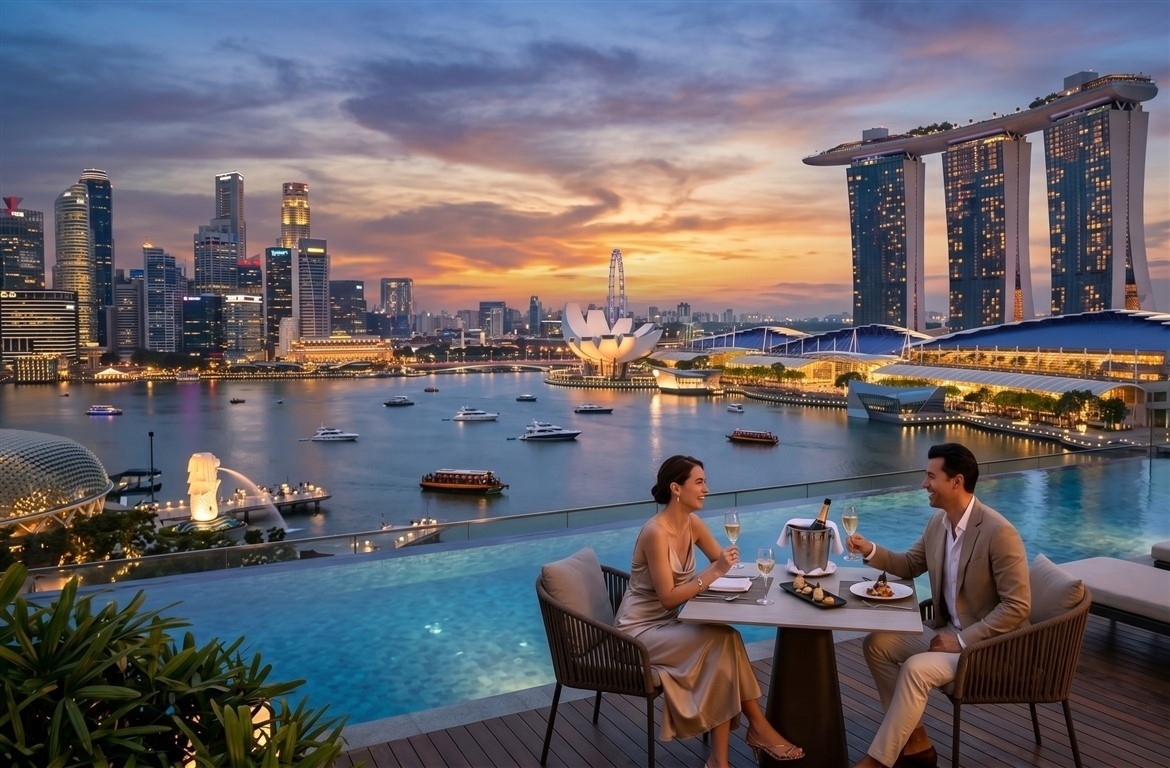

Top-Tier Global Travel Destinations
The most exclusive travel spots share a common DNA: limited space, immense popularity, complex logistics, impeccable service, and a clientele that prioritizes seclusion. An average seaside getaway shifts into a premium experience once you factor in private boat transfers, dedicated villa staff, and hard-to-book sunset dining. Urban escapes also climb the price ladder when luxury rooms overlook financial hubs, elite casinos, or major international festivals.
High price tags aren’t a guarantee of a perfect vacation. The real value lies in what your budget secures: breathtaking vistas, pristine coastal retreats, direct ski slope access, personalized tours, rare seasonal events, or the convenience of reaching remote areas without the usual headaches. Successful planning for these destinations requires precise budgeting, timing your visit carefully, and knowing exactly when to splurge.
Understanding Price Drivers
Costs spike in areas where demand consistently outpaces available supply. Tiny islands have a finite number of villas, mountain towns face brief high seasons, and historic city centers have no room to build modern hotels without ruining their charm. Furthermore, remote spots must absorb significant extra costs for logistics—fuel, food, staff lodging, and essential infrastructure.
High-end travelers are buying more than just a place to sleep. They are paying for frictionless movement, exclusive entry, privacy, and peace of mind. Whether it’s a dedicated arrival lounge, a ski concierge, or a personal chef on standby, these comforts add up in the final invoice.
Luxury stays and private villas
Accommodations typically represent the largest chunk of the budget in spots like Monaco, St. Barts, the Maldives, Courchevel 1850, and the Amalfi Coast. During peak windows—like yacht shows, major holidays, or prime ski weeks—standard hotel rates can skyrocket. Private villas add further depth to this cost structure when you include a full complement of services like pool maintenance, security, private chauffeurs, and household staff.
Transit and regional logistics
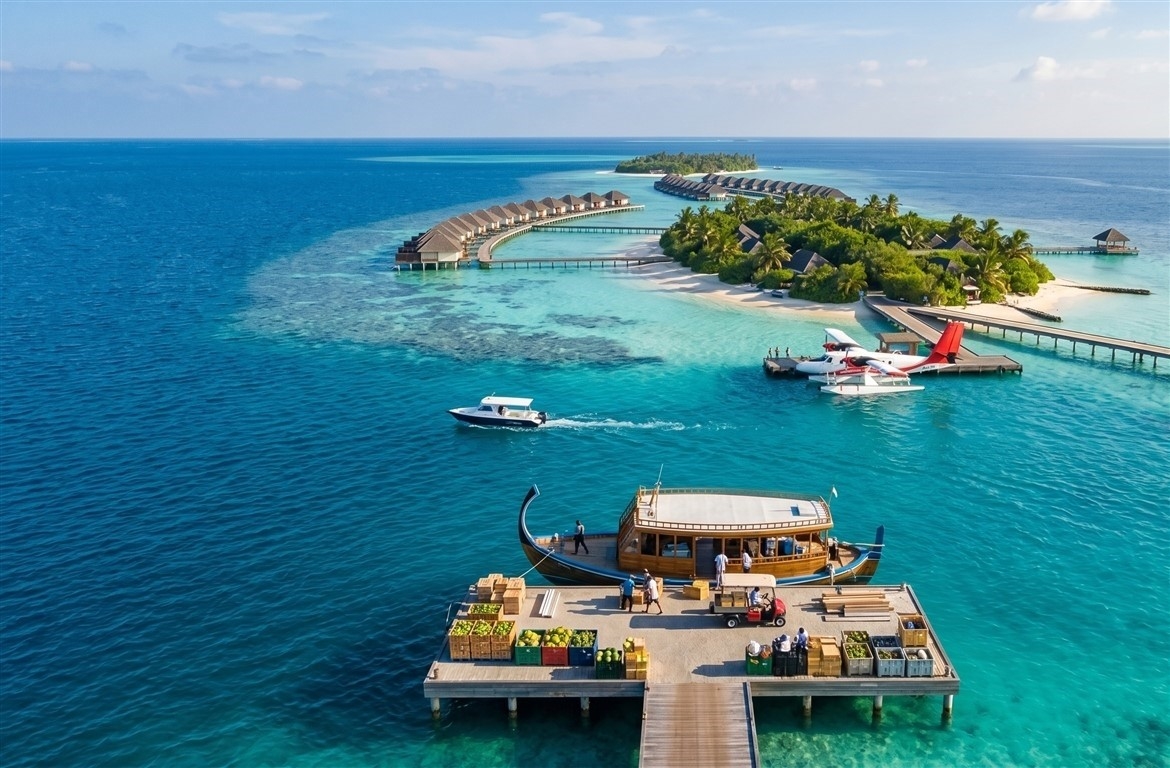
Reaching isolated or elite destinations is often an expensive ordeal before you even check in. Getting to a private island in the Maldives requires an additional seaplane or speedboat ride after your main flight. Reaching St. Barts usually involves landing at Sint Maarten followed by a secondary flight. Similarly, accessing Courchevel 1850 requires a transit from regional hubs like Lyon or Geneva, usually via private car service.
Fine dining and rare adventures
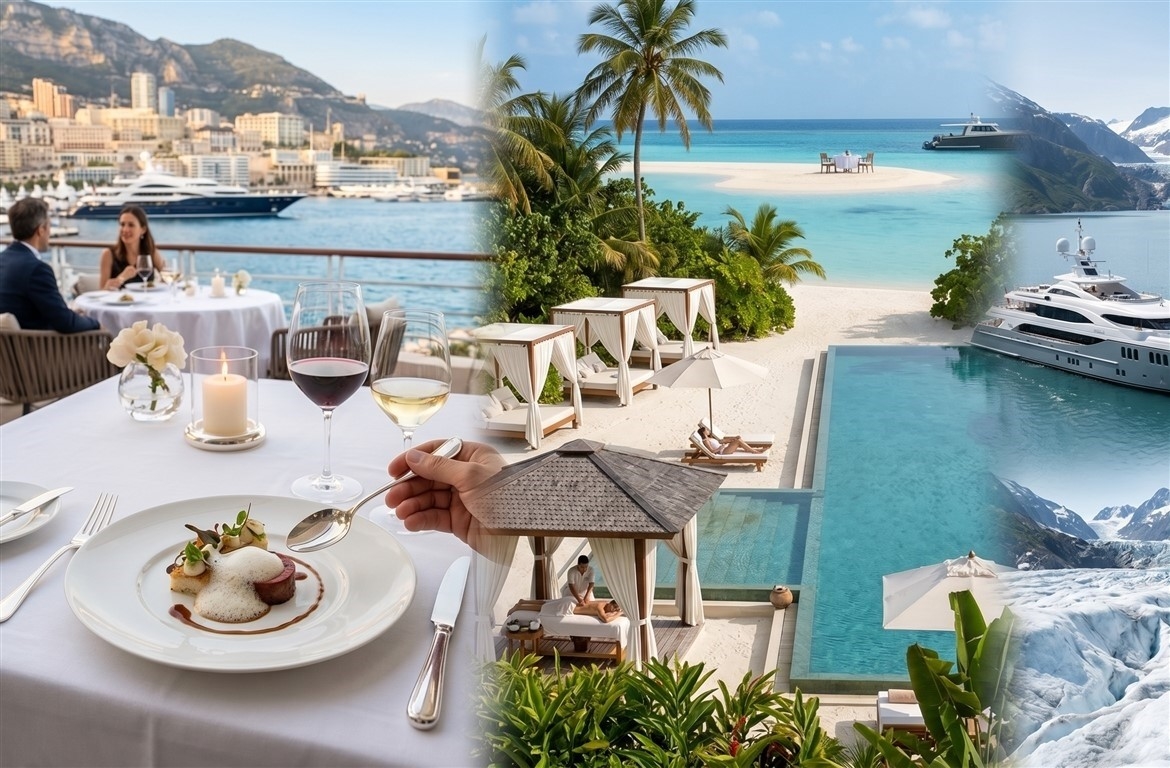
Gourmet menus shift your budget rapidly. In cities like Dubai, Singapore, or the French Riviera, costs for wine pairings, beach club cabanas, private yacht hire, and guided tours can easily rival your nightly room rate. The priciest experiences are defined by exclusive access: a day on a private boat, a remote sandbank dinner, a helicopter ride over glaciers, or a private hike in Iceland.
Exchange rates and timing
Currency fluctuations weigh heavily in places like Switzerland, Singapore, and parts of the Eurozone. Beyond the advertised rates, local taxes, resort fees, and mandatory service charges can push your total significantly higher. Timing is everything. The Monaco Grand Prix, Cannes Film Festival, or Christmas in the Alps can turn standard luxury pricing into an entirely different market bracket.
High-Cost Global Destinations
The following spots are cemented as leaders in price due to their scarcity, setting, and intense popularity. Some are pricey because of their physical size, while others are built specifically to cater to high-net-worth visitors and global prestige events.
| Destination | Why it costs more | Best splurge |
|---|---|---|
| Monaco | Tiny land area, luxury hotels, yacht culture | Grand Prix weekend stay |
| St. Barts | Small island, villa market, limited flights | Beachfront villa in St. Jean |
| Maldives | Private islands, seaplanes, imported goods | Overwater villa with pool |
| Switzerland | Strong currency, high wages, alpine resorts | Lake Geneva palace hotel |
| Dubai | Ultra-luxury hotels and private services | Burj Al Arab suite stay |
| Courchevel 1850 | Elite ski access and short winter season | Ski-in chalet with chef |
| Amalfi Coast | Cliffside hotels, small roads, summer demand | Boat day from Positano |
| Singapore | Luxury hotels, dining, and urban scarcity | Suite near Marina Bay |
Monaco
Cost structure details
Monaco covers less than one square mile, making every hotel room and parking spot incredibly valuable. High-end stays are concentrated near Monte Carlo, the marina, and the beach district. Staying at a historic hotel near the main casino puts you right in the heart of the principality’s elite social sphere.
The premium experience
Visiting during the Grand Prix is the ultimate splurge, when room rates reach their peak. For a complete experience, charter a yacht from the harbor, dine at a top-tier restaurant, and book a spa treatment. Most visitors fly into Nice and take a quick helicopter or train ride to reach the principality.
St. Barts
Cost structure details
The island combines a small footprint with an intense demand for private villas and high-end services. Because most resources must be imported, your daily spending on food, drinks, and activities carries a significant premium compared to mainland destinations.
The premium experience
A beachfront villa, a rental car for island exploration, and days spent at private beach clubs define the St. Barts lifestyle. The island is known for its exclusive hotels that offer privacy above all else. Most travelers arrive by small aircraft from nearby airports, which adds a sense of seclusion to the trip.
Maldives
Cost structure details
Geography is the key to luxury here. Since most resorts occupy entire islands, every supply—from food to mattresses—requires long-range logistics. The mandatory seaplane or boat transfer from the main airport ensures that you reach your destination with ease, albeit at a high price.
The premium experience
The gold standard is an overwater villa with a private pool and direct lagoon access. Resorts that cater to extreme privacy are popular here. Sandbank picnics, private snorkeling excursions with mantas, and over-water spa sessions make the investment feel unique to the environment.
Switzerland
Cost structure details
Switzerland is naturally expensive due to high operational wages and the logistical challenges of maintaining high-end mountain resorts. Whether you are in a major city like Zurich or a resort town like St. Moritz, the baseline for food, transport, and lodging is among the highest on the planet.
The premium experience
The country excels in providing a curated luxury experience. Boarding the Glacier Express or taking the railway to view the Matterhorn are essential experiences. Combining a stay in a lakeside palace hotel with high-end designer shopping and alpine dining offers the perfect balance of culture and luxury.
Dubai
Cost structure details
Dubai is a tale of two markets. While accessible options exist, the top-tier luxury sector is world-class. From the iconic Burj Al Arab to ultra-exclusive beach clubs, the city offers some of the most expensive hotel suites globally, supported by a infrastructure of chauffeurs and private services.
The premium experience
Opt for a suite with panoramic city views, a private desert dinner experience, or a yacht cruise through the marina. The city is incredibly easy to navigate via luxury car services or the clean, modern metro system, making it simple to combine skyscraper sightseeing with desert serenity.
Seychelles
Cost structure details
Its remote location and commitment to protecting the local environment drive up costs. Traveling between islands requires secondary flights or boat charters, and dining on private islands is exclusively managed by the resort, reflecting the scarcity of the region.
The premium experience
Luxury here is about granite-lined beaches and absolute isolation. Whether staying on a private island or a high-end resort on Mahé, the goal is to enjoy the calm waters and the unique scenery. Use domestic air links or ferries to hop between islands for a varied, high-end vacation.
French Riviera
Cost structure details
This region has been a luxury stronghold for decades. Cannes, Saint-Tropez, and Cap-Ferrat attract massive wealth during the short summer window. Prices peak when film festivals or yacht shows fill every available room, making high-end villas and beach club access a commodity for the elite.
The premium experience
Arrival via Nice airport followed by a private car is the standard path. Once there, the focus shifts to yacht life, beach club dining in Saint-Tropez, and staying at legendary historic properties that offer an unmatched atmosphere along the Mediterranean coast.
Courchevel 1850
Cost structure details
As the most prestigious part of the Three Valleys ski area, this resort is built for elite mountain living. Everything—from lift access to the heated ski rooms—is optimized for comfort. Chalets often include live-in staff, which contributes to the higher end of the price spectrum.
The premium experience
The best way to arrive is via mountain transfer from Geneva or Lyon. A fully staffed chalet with a private chef and a personal ski guide allows you to focus purely on the skiing. After a day on the slopes, the spa facilities are the perfect way to spend the evening.
Amalfi Coast
Cost structure details
Demand frequently exceeds the capacity of cliffside towns like Positano and Ravello. With narrow roads and steep landscapes, getting around often requires private drivers or sea transfers, adding layers of expense to your daily routine during the busy summer months.
The premium experience
Taking a ferry from Naples is often more scenic and relaxing than navigating coastal roads. Renting a private boat for a day trip to Capri is a must. Staying in a hotel with a terrace overlooking the sea is the definitive experience for this region.
Singapore
Cost structure details
Singapore’s cost is driven by urban density and a world-class dining scene. From historic landmark hotels to modern architectural marvels near the bay, the luxury sector is highly competitive. Raffles and Marina Bay Sands serve as benchmarks for the high-end visitor.
The premium experience
Everything in Singapore is efficient, including travel from Changi airport. A well-planned trip involves balancing high-end heritage hotels with exploration of the city’s diverse cultural districts. The city is expensive but offers immense value through its cleanliness, safety, and culinary variety.
Iceland
Cost structure details
The island’s remote location makes everything from food to building materials costly. During the peak summer and northern lights seasons, hotels fill up quickly. Guided tours in remote areas require heavy investments in specialized vehicles and safety personnel.
The premium experience
Luxury in Iceland is defined by access to nature. Using a private super jeep to explore glaciers or staying at an isolated hotel near the Blue Lagoon provides a level of comfort that is hard to find in the wild. A private guide is vital for navigating changing weather and maximizing your time.
New Zealand
Cost structure details
The distance to reach the country and the internal travel required to visit remote lodges contribute to the cost. Queenstown and Fiordland are major hubs where fuel, guide services, and high-end lodge stays create a significant daily expenditure.
The premium experience
Focus your budget on scenic helicopter flights, vineyard tours in Otago, and staying at boutique lodges that offer views you cannot get anywhere else. Planning long transit legs is necessary, so investing in comfort during these travels is recommended.
Premium U.S. Travel Spots
The U.S. has a unique set of high-end destinations. From ski havens to coastal retreats, the cost of living the luxury life here can easily match international favorites when you factor in resort fees and local premium pricing.
Aspen, Colorado
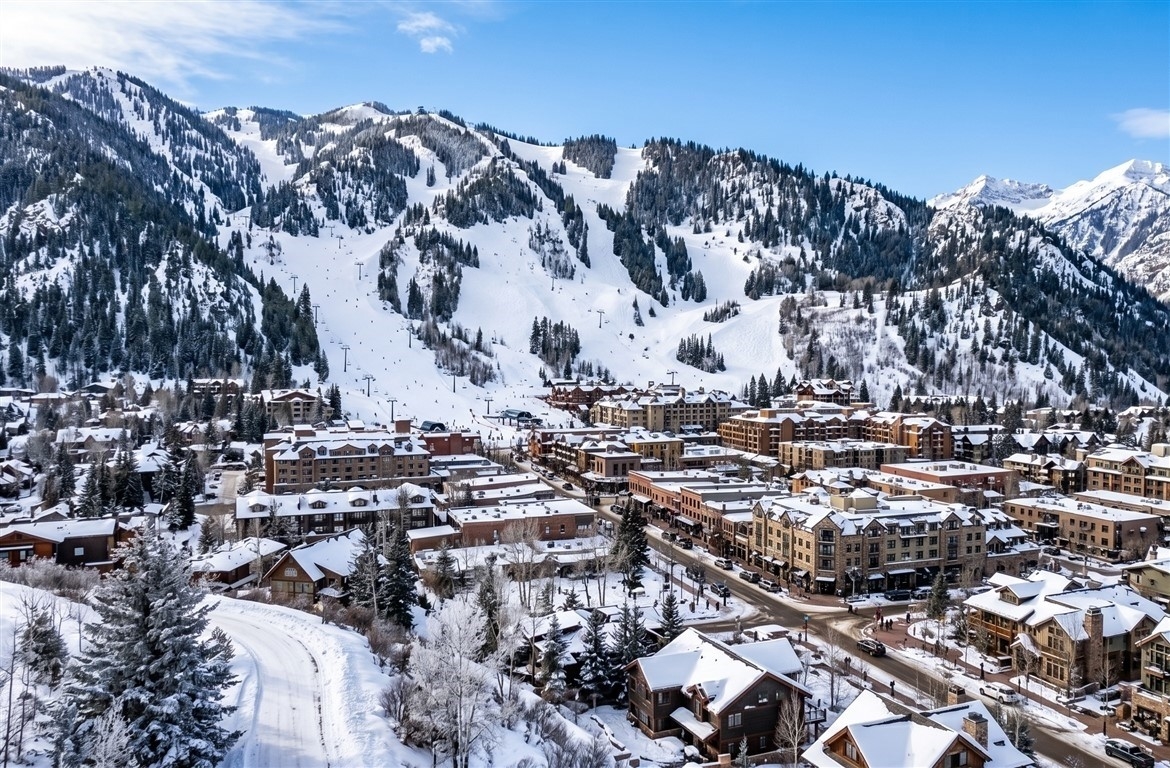
Aspen thrives on limited inventory. Between elite mountain resorts and private vacation homes, the town is always in high demand. Whether you fly directly to the local airport or take a scenic transfer from Denver, expect premium pricing during the winter ski months and peak festival dates.
New York City, New York
The cost in New York is largely driven by its status as a global hub. From high-end dining in SoHo to luxury suites overlooking Central Park, the price is reflective of the city’s immense popularity. Use the subway for quick transit, but budget for premium car services when attending evening events or theater performances.
Honolulu, Hawaii
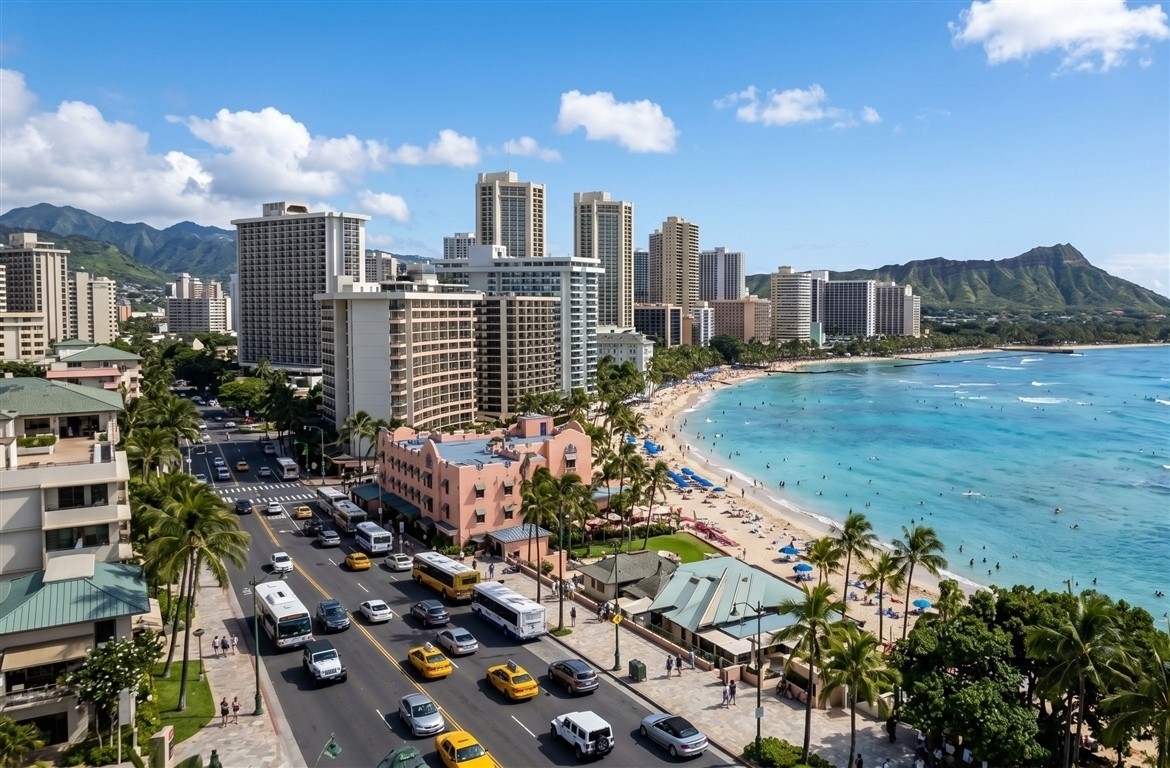
Logistics rule the costs in Hawaii. Oceanfront properties in Waikiki and quiet luxury retreats in Kahala are highly sought after. While the airport is convenient, island-wide transportation costs and the premium price of imported goods keep daily expenditures high.
Santa Barbara, California
Often called the American Riviera, this coastal gem maintains high prices due to its proximity to Los Angeles and its own exclusive wine country. Stays in Montecito or near the beachfront command premium rates, especially on weekends throughout the summer.
Park City, Utah
Park City is a hotspot for winter sports and film industry events. The Deer Valley area is particularly known for its luxury lodges and ski-in homes. Because it is so close to Salt Lake City, it is a convenient, albeit expensive, destination for those seeking high-quality mountain luxury.
Planning Your Budget
Luxury travel isn’t a fixed price point. The difference between a city hotel break and a multi-bedroom villa retreat with full staff is significant. Don’t forget that flights and transfers can be the hidden cost that tips your budget from manageable to extravagant.
Daily totals should incorporate everything from your room to daily tips, spa appointments, and local transit. In destinations like the Maldives or remote ski resorts, failing to include dining and transfer costs is a common mistake that surprises travelers once they arrive.
| Trip style | Typical daily spend | What it covers |
|---|---|---|
| Upscale city trip | $700-$1,500 per couple | Good hotel, meals, taxis, tickets |
| Luxury resort stay | $1,500-$4,000 per couple | Five-star room, dining, spa, transfers |
| Private island trip | $3,000-$8,000+ per couple | Villa, seaplane, resort dining, activities |
| Staffed villa stay | $5,000-$20,000+ per group | Villa, staff, chef, car, groceries |
| Elite ski vacation | $2,500-$10,000+ per day | Chalet, passes, rentals, dining, guide |
Daily luxury spending averages
For most luxury travelers, $1,000 per day is a starting point, but the sky is the limit in private-island resorts or chalet-style mountain holidays. Families can often find value in villas where sharing costs across a large group makes high-end service more affordable per person.
Accommodation price ranges
City rooms generally fall in the $500 to $1,500 range, while unique suites and peak dates can reach much higher. Villas in places like St. Barts or the French Riviera are often booked on a weekly basis, with prices varying wildly based on service levels rather than just size.
Other primary expenses
Don’t ignore the impact of high-end dining and transport. A single night of wine-paired dining or a full-day yacht charter can effectively double your budget for that day. Researching these costs in advance is the key to maintaining control over your financial planning.
Peak Demand Windows
Peak pricing is driven by predictable patterns—weather, school holidays, and international events. Those who understand these cycles can either embrace the excitement of a crowded, high-energy week or wait for a quieter, more cost-effective window.
Shoulder season benefits
The Maldives and St. Barts are busiest in the northern winter, while Mediterranean coastal spots peak in summer. Courchevel’s prices hinge on snow coverage and school holidays. Choosing to travel during the transition months often yields better value without sacrificing the quality of your experience.
Major events and price spikes
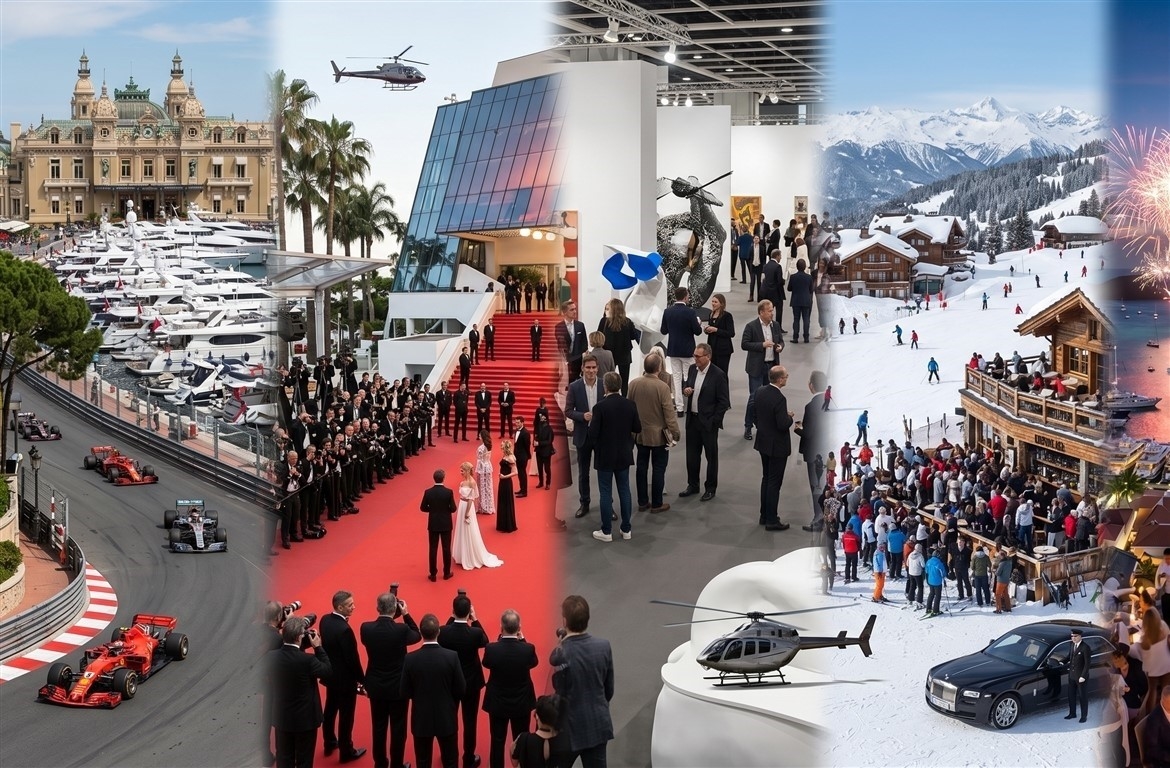
Events like the Monaco Grand Prix, Art Basel, or Sundance create localized supply shortages. When hotels sell out and private transfer services become scarce, prices move rapidly. If you plan to attend, treat your accommodation and logistical support as a single, combined booking effort.
Strategies for better value
Spring and autumn often provide a sweet spot for the Amalfi Coast and French Riviera, balancing good weather with lower demand. Dubai is best enjoyed outside the intense summer heat, while cities like Singapore provide a more stable pricing environment, where holidays matter more than the weather forecast.
Managing Expenses Wisely
Reducing costs shouldn’t ruin your trip. The goal is to strip away the unnecessary while protecting the core reason for your visit. Keep the luxury hotel if that’s what makes the trip special, but perhaps skip the private town car in favor of local transit where appropriate.
Precision planning is essential because logistical errors in expensive destinations are hard to recover from. A hotel that is poorly located can result in massive daily transport costs, while choosing a villa without staff might force you into unexpected work during your vacation.
- Book early for small markets: In places like St. Barts or Aspen, top-tier inventory is very limited.
- Use points for big hotel bills: Loyalty programs are excellent for city hotels in expensive capitals like New York or Singapore.
- Be flexible with your dates: Shifting your travel by just two days can result in significantly lower flight and hotel pricing.
- Pay for proximity: Sometimes a central hotel is worth the price premium because it eliminates the need for expensive transfers.
- Focus your splurge: Allocate your budget toward one or two “hero” experiences rather than spreading it thin on minor upgrades.
Packages and loyalty benefits
Look for packages that include extras you would have purchased regardless, such as breakfast or airport transfers. Avoid generic packages that add unnecessary services you won’t use. Hotel status can be a significant money-saver, providing free breakfasts and room upgrades that would otherwise be costly.
Using loyalty perks
Points are best used for international flights and hotels in expensive major cities. By using miles for a business-class flight, you remove a major expense that can be redirected toward your local island or resort experience.
Villa considerations
Villas work best for groups but require careful vetting of location and service. If a villa is too far from the action, you will spend your entire budget on taxi rides and parking, which undermines the point of the trip.
Selecting high-impact splurges
The best investments solve travel challenges. A private guide helps you navigate Icelandic weather, while a pre-booked boat ensures you get to experience the Amalfi Coast without stress. Focus your funds where it truly improves your experience.
Final Traveler Advice
High prices are not a metric of how good your vacation will be. Some of the world’s most expensive spots can feel crowded or restrictive. The true winner is the person who selects a destination matching their specific personal goals rather than just chasing an expensive hotel room.
A few final tips: verify transfer times for remote resorts, understand the food situation at island properties, and always confirm your proximity to slopes in mountain towns before finalizing your deposit.
- Match season to goal: Go to the Maldives for sunshine, the Alps for winter sports, and the Mediterranean for shoulder-season calm.
- Price the total route: Don’t look at the hotel rate alone; calculate the seaplanes, trains, and cars needed to get there.
- Secure your dinner plans: In global hotspots, restaurants often book out weeks before the high season begins.
- Review cancellation policies: High-end villa bookings and festive-season resort stays often have very rigid deposit and cancellation terms.
- Spend on the unique: If you are in Iceland, pay for the best guide. If you are in the Maldives, pay for the best villa location.
Frequent Questions
What is the ultimate luxury destination?
Monaco, St. Barts, the Maldives, and elite Swiss or French ski resorts are consistently at the top. The “most expensive” designation is always subjective to the specific timing and the type of accommodation you choose.
Which country hits the wallet hardest?
Switzerland is generally considered the most expensive for the average visitor due to the high cost of all local goods and services. Iceland and Singapore also demand high budgets once you factor in the cost of high-end experiences and daily necessities.
What is the priciest island group?
The Maldives and St. Barts are the standard-bearers for island luxury costs. The Maldives relies on private-island resort models, while St. Barts focuses on villas and high-end restaurant culture.
Are these high prices justified?
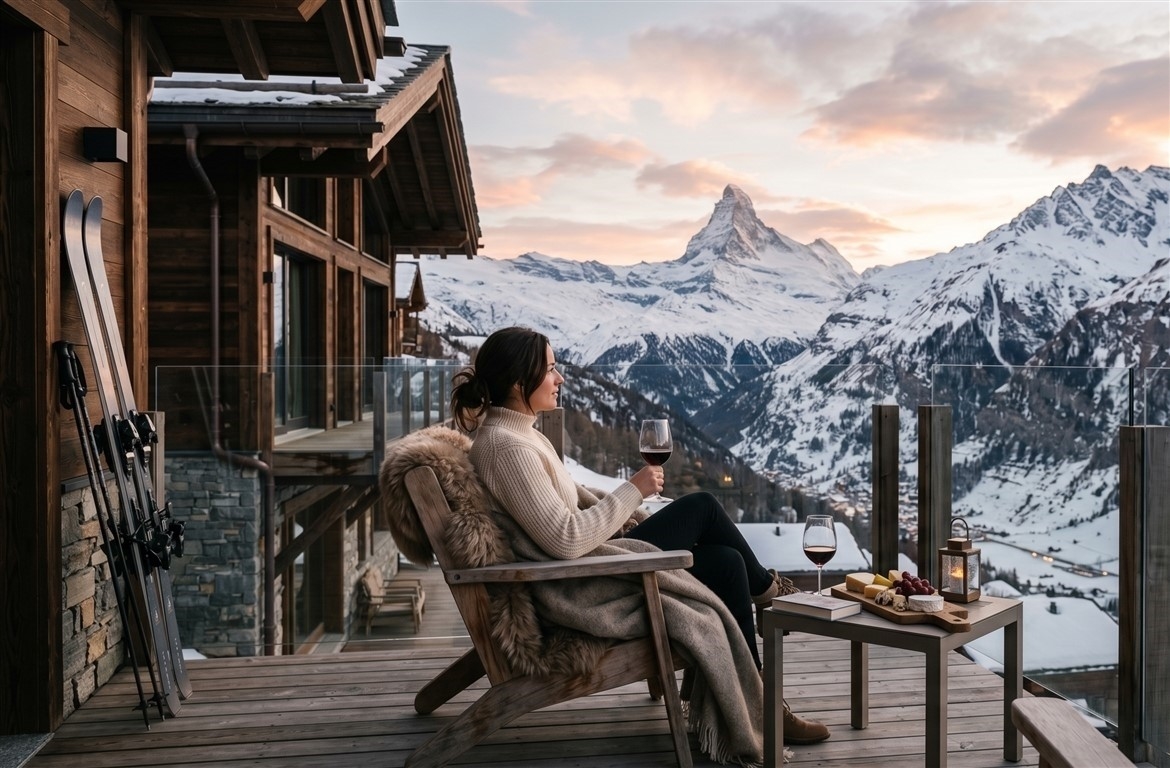
They are justified only when they provide something truly meaningful to the traveler. If you value privacy, specific sports, or rare access, the cost is often irrelevant. If you are going purely for the name, you are likely to feel disappointed by the value.
Ways to trim luxury costs?
Avoid major festival weeks, book well in advance, and utilize loyalty programs for flights or hotels. Don’t be afraid to mix short stays in high-end resorts with more balanced activities. A smart, focused approach to spending allows you to experience luxury without the excessive overhead.
0 Comment