

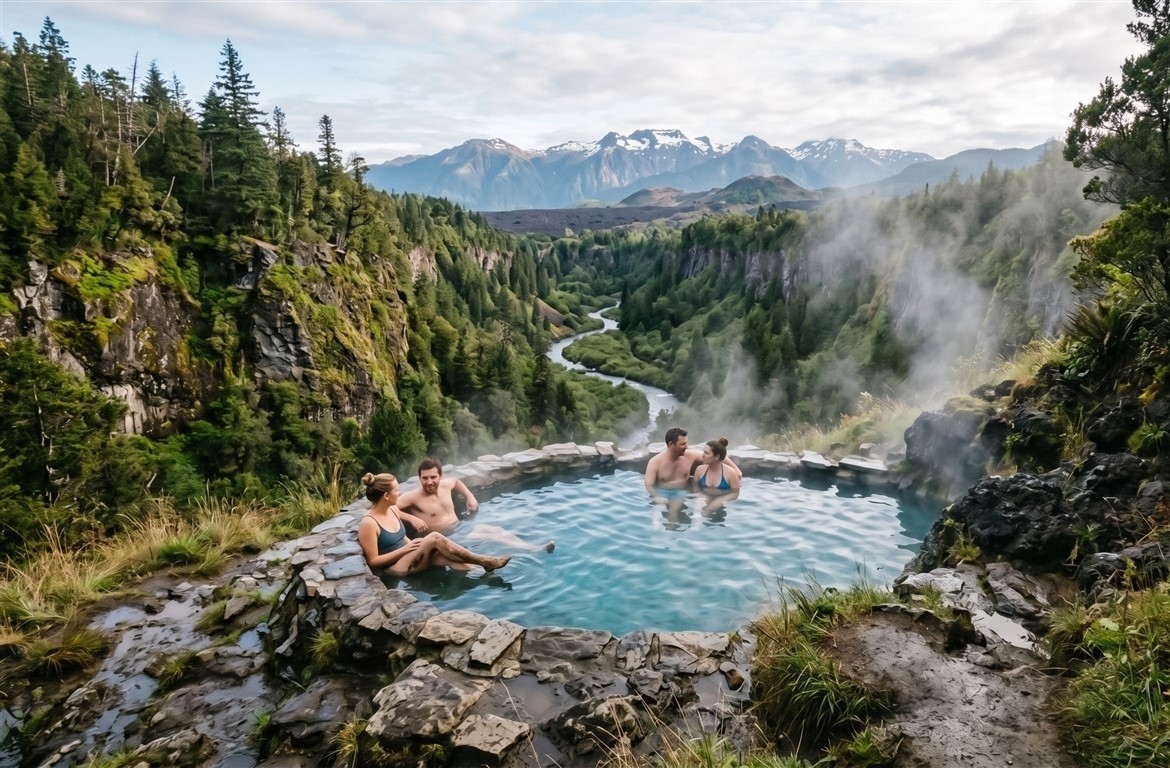

Amazing Hot Spring Destinations Worldwide
Picture this: steam curling up from brilliant blue water in a stark black lava field. Maybe it’s a warm river winding its way through a dense rainforest. Or perhaps a rugged stone pool, perched high above an Oregon canyon, reached after a trek with muddy calves and chilly fingers. The truth is, the very best hot springs offer so many different kinds of adventures. They might be sleek, polished spa retreats, or simple roadside dips. Some are grand old bathing towns, others are completely wild, natural pools, or just a small, inviting circle of warm water under a sky so vast you almost feel silly talking.
Travelers gravitate to hot springs for some pretty straightforward reasons: that wonderfully warm geothermal water, mineral-packed pools, breathtaking scenery, and the sheer delight of unwinding without anyone telling you to “find your inner peace.” As we head into 2026, a smart trip isn’t just about finding the prettiest spot. Access rules, delicate landscapes, reservation systems, local clothing customs, and seasonal closures all shape your experience just as much as the water itself.
What Makes a Great Hot Spring?
A truly unforgettable hot spring usually hits three key notes: easy, clean access, a location that oozes character, and water that’s managed with safety in mind. Sure, everyone talks about the mineral content—silica, sulfur, calcium, and all those other elements definitely influence the water’s color, scent, and how it feels. But honestly, the surroundings often do the heavy lifting. A bland pool right next to a busy road? That rarely sticks with you like a steamy onsen nestled deep in a snowy valley.
Good hot springs also respect their boundaries. Some require bookings far in advance. Some strictly forbid soap, shampoo, alcohol, glass bottles, or drones. Certain spots insist on swimsuits. Others follow local bathing traditions, where clothing rules might be completely different. This isn’t just a minor detail. Showing up with the wrong ideas can turn a potentially dreamy soak into a really awkward five minutes near a changing room.
| Destination or Region | Typical Setting | Access Style | Best Season |
|---|---|---|---|
| Iceland | Lava fields and geothermal lagoons | Mostly booked facilities | Year-round |
| Japan | Mountain valleys and traditional inns | Onsen resorts and public baths | Autumn to spring |
| Western United States | Desert, forest, canyon, alpine land | Mix of resorts and primitive pools | Spring and fall |
| New Zealand | Volcanic terrain and warm streams | Public areas and spa towns | Year-round |
| Turkey | White travertine terraces | Protected heritage site access | Spring and fall |
| Chile | Forest canyons and volcanic zones | Designed thermal complexes | Late spring to early fall |
Top Hot Springs Across the Globe
Blue Lagoon, Iceland
Ah, the Blue Lagoon. It’s the super famous one, the spot people either fall in love with instantly or grumble about because, well, it’s just *so* famous. This milky-blue geothermal seawater sits right in a lava field on the Reykjanes Peninsula. It’s conveniently close to Keflavík Airport, making it perfect for your first or last stop in Iceland. The incredible color comes from silica and algae in the mineral-rich water. And the whole operation feels much more like a sleek spa resort than some wild, untamed spring.
Come here for the sheer ease, the stunning design, and that classic Icelandic contrast: crisp, cold air on your face, wonderfully warm water wrapping around your shoulders, and black volcanic rock everywhere you look. Book your visit way in advance. Mornings and evenings often feel much calmer than the busy midday slots.
Pamukkale Pools, Turkey
From a distance, Pamukkale looks completely surreal, like a blanket of snow mysteriously dropped onto a sun-drenched Turkish hillside. Those striking white terraces? They’re travertine, sculpted by calcium-rich thermal water cascading down the slope, right above the ancient ruins of Hierapolis. Visitors walk barefoot in designated protected zones. Following the rules is crucial, because these formations are incredibly fragile.
The real draw here isn’t just the chance to bathe. It’s the whole package: ancient ruins, those pale mineral shelves, and warm water flowing through a landscape people have been drawn to for centuries. The midday sun can be pretty intense. Aim for earlier or later hours; they’re much more forgiving.
Takaragawa Onsen, Japan
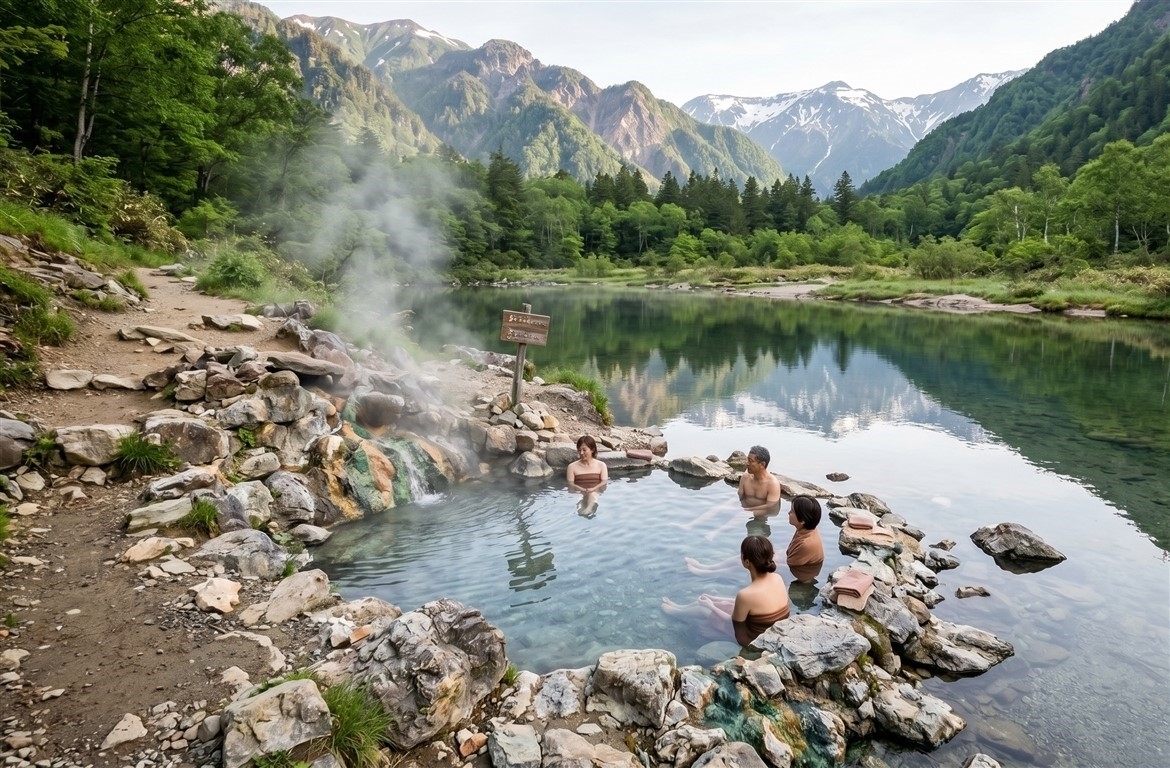
Takaragawa Onsen, located in Gunma Prefecture, provides one of Japan’s most iconic river-valley bathing experiences. Expansive open-air baths are situated right by the Takaragawa River, embraced by lush forest and refreshing mountain air. In winter, steam gracefully rises through the snow. Come autumn, the maple trees put on their brilliant, fiery display.
Japanese onsen culture has its own specific etiquette. Always wash thoroughly before you enter the bath. Keep your towel out of the water. Make sure to check the tattoo policies before you arrive, as rules can vary a lot from one property to another. It’s not complicated, just different. And that difference, actually, is a big part of the charm.
Termas Geométricas, Chile
Termas Geométricas, nestled in Chile’s Villarrica National Park area, feels thoughtfully designed yet still completely at one with the forest. Striking red wooden walkways cut through a vibrant, lush canyon, guiding you to a series of thermal pools fed by pure natural hot water. Think ferns, gentle rain, rising steam, rustic timber, and solid stone. The atmosphere is dramatic, but in a very genuine, not over-the-top way.
Travelers seeking a hot spring experience with clear structure, spotless facilities, and a strong sense of place usually leave feeling incredibly happy. This isn’t just a quick roadside dip. Plan your entire day around it, and keep an eye on the weather; southern Chile is known for its sudden mood swings.
Kerosene Creek, New Zealand
Kerosene Creek, just outside Rotorua, is more a warm stream than a polished spa. The water meanders through native bush, forming small, inviting bathing spots, including a lovely warm cascade. It’s free to visit, which sounds amazing—and it is! But free places often ask a bit more from their visitors. Don’t leave valuables in your car. No soaps. And definitely no late-night shenanigans.
Rotorua’s wider geothermal region features bubbling mud pools, powerful geysers, that distinct sulfur smell, and deep Māori cultural roots. Kerosene Creek works beautifully as one unique piece of that larger geothermal adventure.
Banjar Hot Springs, Indonesia
Banjar Hot Springs in North Bali features warm sulfur water flowing through beautifully carved stone spouts into terraced pools. The setting feels wonderfully tropical, not icy or dramatically volcanic. Think swaying palms, humid air, temple-like stonework, and a wonderfully relaxed local vibe that just oozes charm.
It’s super easy to combine a visit here with exploring North Bali’s quieter coastline, visiting Buddhist monasteries, or stopping at a waterfall. Dress in modest swimwear, keep your voice down, and expect a public bathing atmosphere rather than some exclusive luxury spa bubble.
Cascate del Mulino, Italy
Cascate del Mulino, near Saturnia in Tuscany, truly stands as one of Europe’s most picture-perfect free hot springs. Thermal water tumbles gracefully through natural limestone pools below an ancient mill, creating these incredible natural tubs that stay warm all year round. It can be absolutely stunning. It can also be completely swamped with people.
The secret is timing. Sunrise offers your best shot at finding some space. Bring water shoes because those rocks can get really slick. And don’t expect changing rooms or quiet spa behavior during peak hours. This is a wild, public spot with a famous face.
Uunartoq Hot Springs, Greenland
Uunartoq sits on a small island in South Greenland, where bathers actually soak in warm water while icebergs calmly drift by in the distance. That sentence sounds like pure fiction, but this place is absolutely real. Access requires a boat, usually from nearby settlements in the area. And the weather dictates every single plan you make.
This isn’t a casual add-on to your itinerary. It’s for travelers already deeply exploring South Greenland, who have flexible schedules and a deep respect for remote conditions. The payoff is stark: warm water, biting cold air, and a silence that you can almost physically feel.
Yangpachen Hot Springs, Tibet
Yangpachen is renowned for its geothermal activity north of Lhasa. These hot springs are set against the breathtaking, high-altitude Tibetan landscapes. This experience has long drawn travelers captivated by the dramatic contrast of warm thermal water and expansive plateau vistas. Altitude is a serious consideration here. Move slowly, hydrate constantly, and never treat a hot soak as a quick fix for feeling unwell at elevation.
Access and travel regulations in Tibet demand careful planning through official channels. Always check the most current entry requirements before you start building a trip around this destination.
Grand Resort Bad Ragaz, Switzerland
Bad Ragaz offers an old-world spa experience, a sharp contrast to muddy boots and untamed pools. This Swiss town built its impressive reputation on thermal water sourced from the Tamina Gorge. The Grand Resort Bad Ragaz transforms that heritage into a refined wellness escape, complete with luxurious thermal baths, top-tier medical wellness facilities, elegant rooms, and easy access to the mountains nearby.
Choose this place for ultimate comfort, not for rugged adventure. After days filled with train journeys, invigorating alpine walks, and that crisp Swiss order, a dip in warm mineral water just feels incredibly sensible. Almost suspiciously sensible, in fact.
Top Hot Springs in the United States
Chena Hot Springs, Alaska
Chena Hot Springs, located north of Fairbanks, is a true cold-weather legend. The outdoor rock lake billows with steam under dark winter skies, and the area is often a prime spot for northern lights viewing trips. The resort setting here makes all the logistics much simpler than at many other Alaskan thermal spots.
Winter is definitely the most dramatic season, even though daylight hours are short and the roads demand respect. Summer brings easier driving and a gentler landscape, though without that same exhilarating icy edge.
Ojo Caliente Springs, New Mexico
Ojo Caliente is tucked away in northern New Mexico. Here, the desert light, soft adobe tones, and diverse mineral pools create a wonderfully slow-paced kind of trip. The resort has a long history, celebrated for its distinct mineral pools, including lithia, iron, soda, and even arsenic waters, all with their own traditions. No outlandish cure claims are necessary. People simply come because the place feels genuinely restorative and incredibly peaceful.
Santa Fe and Taos make excellent companions to a stay here. Make sure to book your lodging and spa services well in advance, as New Mexico’s quieter gems aren’t such a secret anymore.
Castle Hot Springs, Arizona
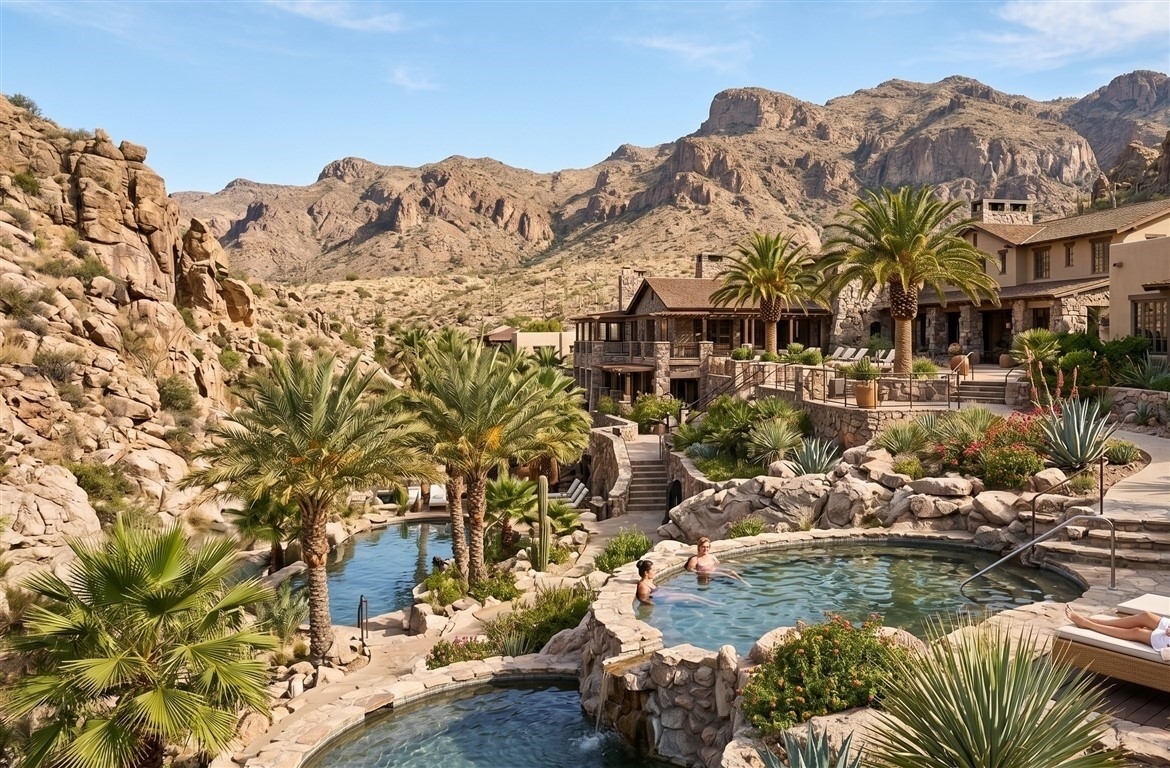
Castle Hot Springs in Arizona is a luxury desert resort with a truly fascinating past. Nestled deep within the Bradshaw Mountains, it channels warm mineral water into a sophisticated retreat. Picture palms, rugged rock formations, and dry desert air all around you. This is definitely not a budget soak. Not even close.
Travelers pick this spot for the privacy, the exquisite lodging, the gourmet food, the expertly guided activities, and the sheer pleasure of not wrestling with muddy trailheads. Desert evenings after a long soak? They can be ridiculously perfect.
Yellowstone Hot Springs, Montana
Yellowstone Hot Springs is located just north of Yellowstone National Park, near Gardiner, Montana. It’s important to remember it’s *not* inside the national park itself, where soaking in thermal features is incredibly dangerous and often illegal. That distinction truly matters. These developed pools offer travelers a safe, relaxing place to bathe after exploring the park’s geysers, wildlife-filled roads, and stunning mountain valleys.
Consider it a gentle landing after intense days of park exploration. The surrounding landscape still feels vast and distinctly western, but the water here is carefully managed for swimming.
The Springs Resort, Colorado
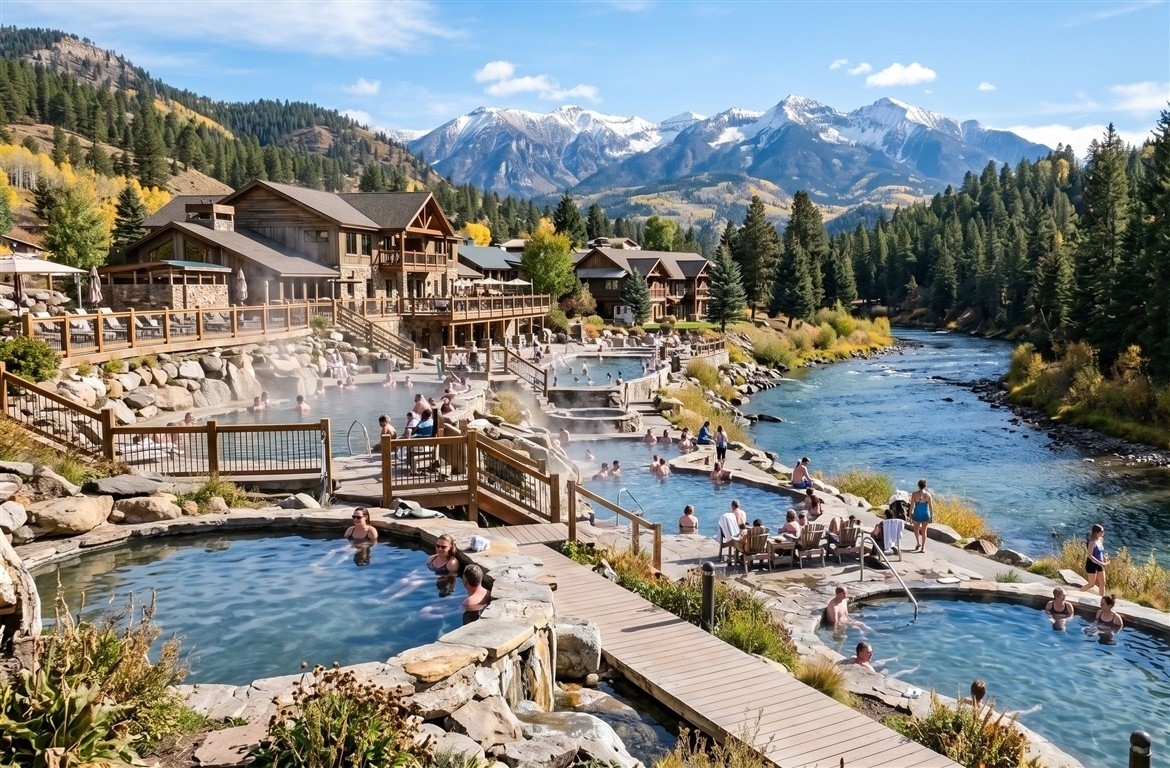
The Springs Resort in Pagosa Springs centers around the geothermal water from the area’s renowned hot spring system. Numerous pools sit right beside the San Juan River, offering various temperatures and a complete resort experience. Pagosa is perfect for travelers who crave Colorado mountain air but aren’t willing to give up clean towels and pre-planned dinner reservations.
It fits perfectly with winter ski trips, fall color drives, and summer hiking adventures. The resort model simply keeps things easy, which is definitely part of its charm.
Hot Springs National Park, Arkansas
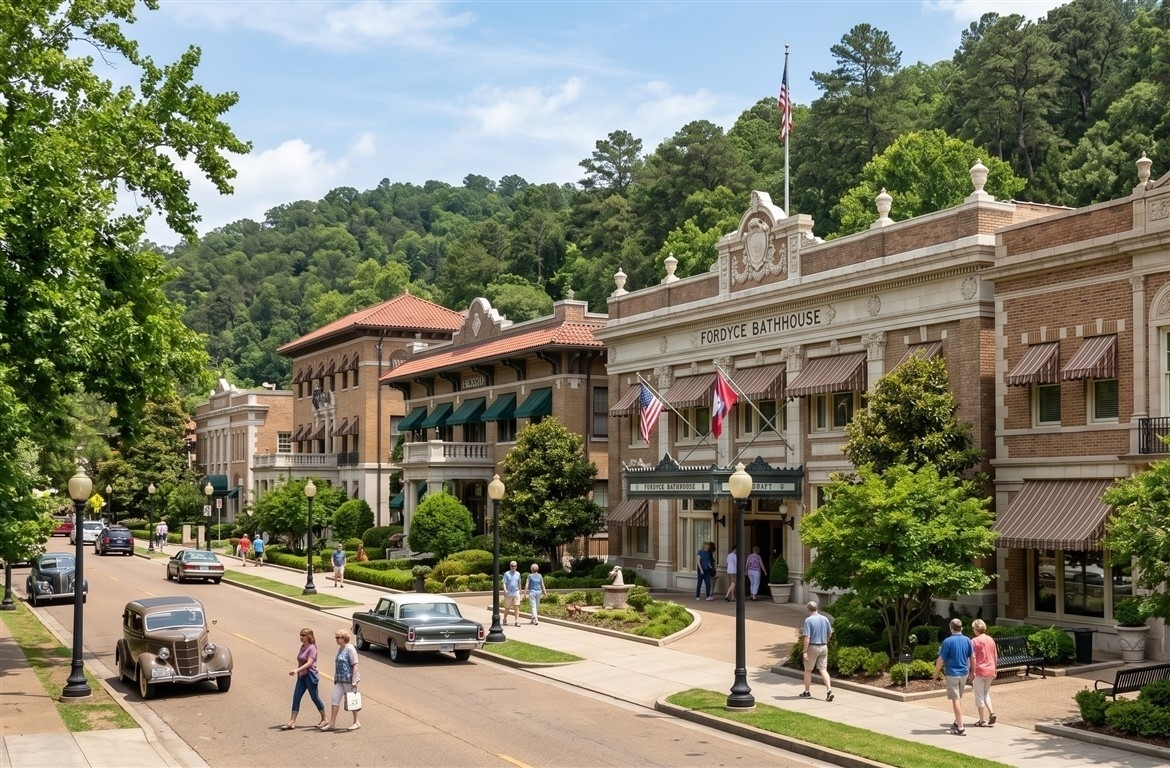
Hot Springs National Park is quite unique because its thermal water story is so deeply woven into a historic town. Bathhouse Row stands as a testament to grand bathing architecture from a bygone era, when mineral water travel was a serious American ritual. The park actually protects the thermal springs, while bathing takes place in approved bathhouse facilities, not in open natural pools.
Come here for the rich history, stunning architecture, and a charming, walkable town. It’s less about a “secret wilderness pool” and more about American spa heritage, complete with brick, marble, and nostalgic old signs.
Umpqua Hot Springs, Oregon
Umpqua Hot Springs in Oregon perches above the North Umpqua River within a beautiful forested setting. You reach the pools via a short, but quite steep, trail. The whole area feels much more primitive than any resort. Weather, road conditions, crowd levels, and even visitor behavior all heavily impact your experience.
Bring a towel you don’t mind getting a bit roughed up. Pack out all your trash, always. If the spot feels too busy, just come back later. The forest deserves better than chaos.
Travertine Hot Springs, California
Travertine Hot Springs near Bridgeport offers small mineral pools with expansive views stretching towards the Sierra Nevada. The setting is open, dry, and simply stunning in that classic high-desert California way. Access is usually straightforward when conditions are good, though those dirt roads can certainly change with the weather.
The pools themselves aren’t huge. Maintaining a peaceful atmosphere really depends on people taking turns and not acting like they’ve rented the entire sky.
Mystic Hot Springs, Utah
Mystic Hot Springs in Monroe, Utah, boasts a wonderfully quirky personality: mineral water, vintage bathtubs, stark desert light, and a distinctly artsy campground vibe. It’s developed, yes, but definitely not polished in some corporate way. That charming, rough edge is precisely its brand.
Travelers using central Utah as a road-trip corridor can find a perfect break from long drives right here. Just be sure to check soaking times and lodging options before you arrive.
Gold Strike Canyon Hot Springs, Nevada
Gold Strike Canyon Hot Springs, close to the Colorado River, is an adventure soak, absolutely not a casual spa stop. The route involves a strenuous canyon hike with some serious scrambling. Seasonal closures are common, especially during extreme heat. The pools rely entirely on natural conditions, and being aware of flash flood risks is simply part of the deal.
Do not go unprepared. Start early, carry plenty of water, know your route inside and out, and skip it entirely when heat or closures warn you off. The canyon, trust me, is not impressed by optimism.
Hot Springs by Region: A Quick Guide
North America
North America truly boasts one of the most diverse ranges of hot springs: think Alaskan winter resorts, New Mexico’s soothing mineral springs, Oregon’s secluded forest pools, Colorado’s vibrant resort towns, Nevada’s adventurous canyon soaks, and Canada’s majestic mountain baths. The western United States offers the densest blend of primitive pools and highly developed resorts, while Arkansas adds a fascinating layer of historic bathhouse culture.
Europe
Europe often leans into its ancient and picturesque side. Iceland offers travelers dramatic geothermal lagoons and rugged volcanic scenery. Italy gives us those gorgeous free-flowing Tuscan pools at Saturnia. Switzerland provides polished thermal spa towns, like the elegant Bad Ragaz. Turkey’s Pamukkale truly stands out with its incredible travertine terraces and ancient, timeless setting.
Asia
Asia’s hot spring traditions run deep, are incredibly varied, and are profoundly shaped by local customs. Japan’s onsen culture is undoubtedly the most famous example, with its strict etiquette and a powerful connection between bathing, traditional inns, food, and seasonal travel. Indonesia adds its own flavor with tropical public springs, while Tibet’s geothermal areas introduce high altitude and stunning plateau landscapes into the picture.
South America
South America’s hot springs frequently follow volcanic corridors. Chile’s Termas Geométricas perfectly illustrates how thoughtful design can highlight nature without ever diminishing it. The towering Andes, lush forests, and vast distances create journeys that feel more exploratory than heavily resort-focused, though you can certainly find comfort-centric thermal complexes throughout the region.
Oceania
New Zealand shines as the undisputed star for geothermal bathing in Oceania. Rotorua, Taupō, and the surrounding volcanic areas provide travelers with bubbling mud pools, natural hot streams, modern spa facilities, and rich Māori cultural experiences. Kerosene Creek represents the wilder, leafier side of that world. Other places are cleaner, a bit pricier, and generally calmer.
Natural Springs vs. Hot Spring Resorts
Natural hot springs and resorts aren’t in competition; they simply cater to different preferences. One asks for patience, an understanding of the weather, and a willingness to get a little dirty. The other offers structure, clean showers, precise temperature control, and a front desk that always knows where the towels are.
| Type | Best For | Watch For |
|---|---|---|
| Primitive pools | Travelers who want wild scenery, quiet mornings, and a low-cost soak. | No facilities, changing privacy, trash issues, rough access, unsafe water temperatures. |
| Backcountry springs | Hikers with route skills, weather awareness, and flexible timing. | Trail closures, flash floods, snow, river crossings, limited rescue access. |
| Developed resorts | Couples, families, first-timers, and travelers who want showers and food nearby. | Higher prices, reservations, busier pools, less solitude. |
| Historic bathhouses | Travelers drawn to architecture, spa heritage, and town-based trips. | Set bathing rules, timed sessions, fewer natural views. |
| Luxury thermal stays | Slow travel, wellness weekends, honeymoons, and comfort-led itineraries. | Premium rates, dress codes, advance booking, quieter social atmosphere. |
How to Pick Your Perfect Hot Spring
Start by considering the trip you’re already planning. A remote, wild pool might sound incredibly romantic, but it could easily eat up half a day from a tightly packed itinerary. A resort sounds wonderfully easy until the final bill makes your jaw drop. The trick is to match the spring to your route, the current weather, the people you’re traveling with, and your personal tolerance for a bit of discomfort.
- Double-check access before falling for photos. That amazing hot spring might require a reservation, a special permit, a high-clearance vehicle, a boat transfer, or even a steep hike. Always search for recent local updates before driving hours towards a locked gate or a washed-out trail.
- Read up on temperatures and safety rules. Geothermal water can cause burns incredibly fast. Natural pools can also change dramatically after storms or earthquakes. Always use posted guidance, test the water very carefully, and keep children close, especially near hot inflow points.
- Think about crowds, not just the view. Famous free springs can feel absolutely magical at sunrise but turn miserable by noon. Resorts manage entry better, but popular time slots still fill up quickly on weekends and holidays.
- Look into nearby lodging options. An evening soak is much more enjoyable when a room, cabin, campground, or town is conveniently close by. Long night drives after warm water and cold air aren’t charming; they’re just plain exhausting.
- Respect local bathing customs. Japan, Iceland, Turkey, Italy, Indonesia, and the United States do not share a universal bathing code. Rules about showering, swimsuits, tattoos, and noise expectations all vary significantly from one place to another.
What to Pack for Your Hot Springs Adventure
Packing largely depends on whether you’re heading to a resort or a more rustic pool, but a few key items will save your day, every time. Keep it light. Wet gear gets annoying incredibly fast.
- Swimsuit or approved bathing clothing: Always check local rules before you arrive. Some traditional baths have very specific customs, while public springs usually require standard swimwear.
- Quick-dry towel: Resort towels aren’t always provided, and wild pools certainly won’t hand one over. A compact towel also prevents your bag from turning into a damp, musty cave.
- Water shoes: Slick rocks, loose gravel, algae, and uneven steps are super common around thermal pools. Barefoot confidence vanishes quickly on sharp mineral crusts.
- Reusable water bottle: Hot water dehydrates people much faster than they realize. Drink water before and after soaking, not just when your head starts to feel a bit light.
- Dry bag: Invaluable for keeping phones, keys, wallets, and warm layers safe near splashy pools or on rainy trailheads.
- Warm layer: The exit is often the biggest shock. Cold air after a hot soak can feel absolutely brutal in places like Iceland, Alaska, the Rockies, Japan, and high desert regions.
- Cash or payment card: Some smaller springs, parking areas, lockers, and rural facilities might still have limited payment options.
Hot Springs Safety and Etiquette Essentials
Always Test Water Temperature First
Never, ever jump into geothermal water you don’t know. Test it slowly. Stay clear of intensely hot inflow points. And keep children away from any pools that lack clear temperature control. In national parks and other protected geothermal zones, stick strictly to marked paths. That thin crust around thermal features can easily break, leading to severe burns.
Follow Local Rules and Clothing Requirements
Rules aren’t just for show. They’re there to protect people, maintain water quality, respect sacred spaces, and preserve fragile mineral formations. In onsen settings, washing thoroughly before entering is a fundamental part of the bathing culture. In natural areas, soap and shampoo have no place in the water, not even the so-called biodegradable types.
Stay Hydrated and Limit Soak Time
Soaking for too long can leave you dizzy, flushed, or feeling weak. Step out when your body tells you to. Drink plenty of water. Absolutely avoid mixing alcohol with hot bathing, especially in remote pools where a small misstep can quickly escalate into something much bigger.
Protect Fragile Natural Areas
Delicate travertine shelves, vibrant algae mats, mineral edges, sensitive desert soils, and stream banks can all be damaged by careless footsteps. Stick to established paths. Pack out every single piece of trash. If a place looks like it’s being loved to death, give it some space and come back another time.
Avoid Unsafe or Closed Pools
Closed means closed. A pool might be shut because of extreme heat, contamination, wildlife activity, unstable ground, flooding, private land disputes, or crucial restoration work. Sneaking in isn’t adventurous; it’s simply selfish, no matter how beautiful the scenery.
Common Questions About Hot Springs
What are the world’s finest hot springs?
Some true standouts include Iceland’s Blue Lagoon, Turkey’s Pamukkale, Takaragawa Onsen in Japan, Termas Geométricas in Chile, Kerosene Creek in New Zealand, Italy’s Cascate del Mulino, Uunartoq in Greenland, and Switzerland’s Grand Resort Bad Ragaz. Each one genuinely appeals to a different kind of traveler.
Which country excels in hot springs?
Japan absolutely leads the way for traditional bathing culture. Iceland offers unparalleled geothermal scenery. New Zealand boasts incredible volcanic variety. And the United States shines for its sheer range across deserts, forests, mountains, and historic spa towns.
What are the top hot springs in the U.S.?
Chena Hot Springs in Alaska, Ojo Caliente in New Mexico, Castle Hot Springs in Arizona, The Springs Resort in Colorado, Hot Springs National Park in Arkansas, Umpqua in Oregon, Travertine in California, Mystic in Utah, and Gold Strike Canyon in Nevada all deserve a spot on any serious U.S. list.
Are natural hot springs safe?
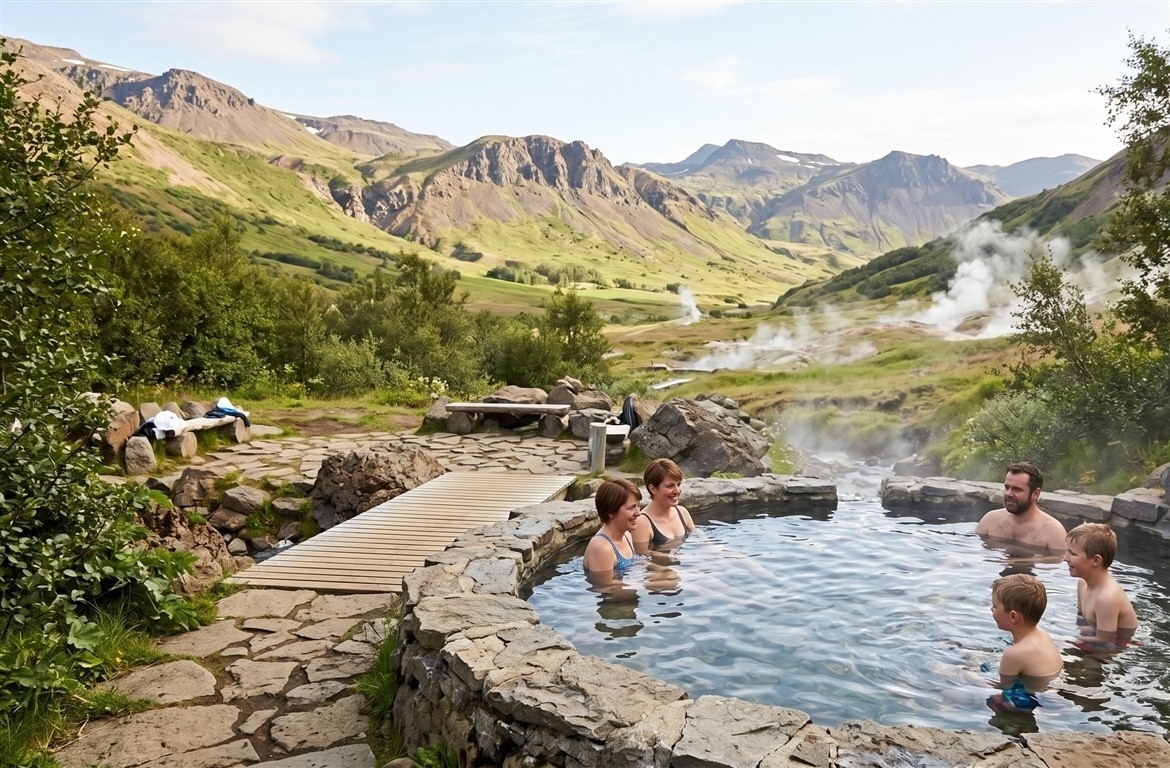
Some are perfectly safe for bathing; others definitely are not. Water temperature, potential contamination, unstable ground, access conditions, and local rules all play a crucial role. Opt for managed pools when you’re traveling with children or when reliable local safety information is scarce.
What should I bring to a hot spring?
Pack swimwear if required, a quick-dry towel, water shoes, drinking water, a dry bag, warm clothing for after your soak, and payment for entry or parking. For wild pools, also add a headlamp, basic first-aid supplies, and a plan for changing discreetly.
Can hot springs be visited year-round?
Many developed hot springs operate all year, including major resorts in Iceland, Japan, Switzerland, Alaska, and Colorado. Primitive springs, however, are often more seasonal. Snow, heat closures, floods, fires, road damage, and land management rules can all block access with very little notice.
The perfect hot spring is rarely just the most famous one. It’s the one that truly aligns with the journey you’re already on, the time of year you’re traveling, and the level of comfort you desire when you step out, dripping, into the air. Choose wisely, tread lightly, and always leave the pool even cleaner than you found it.
0 Comment