


Portugal: Your Solo Travel Guide
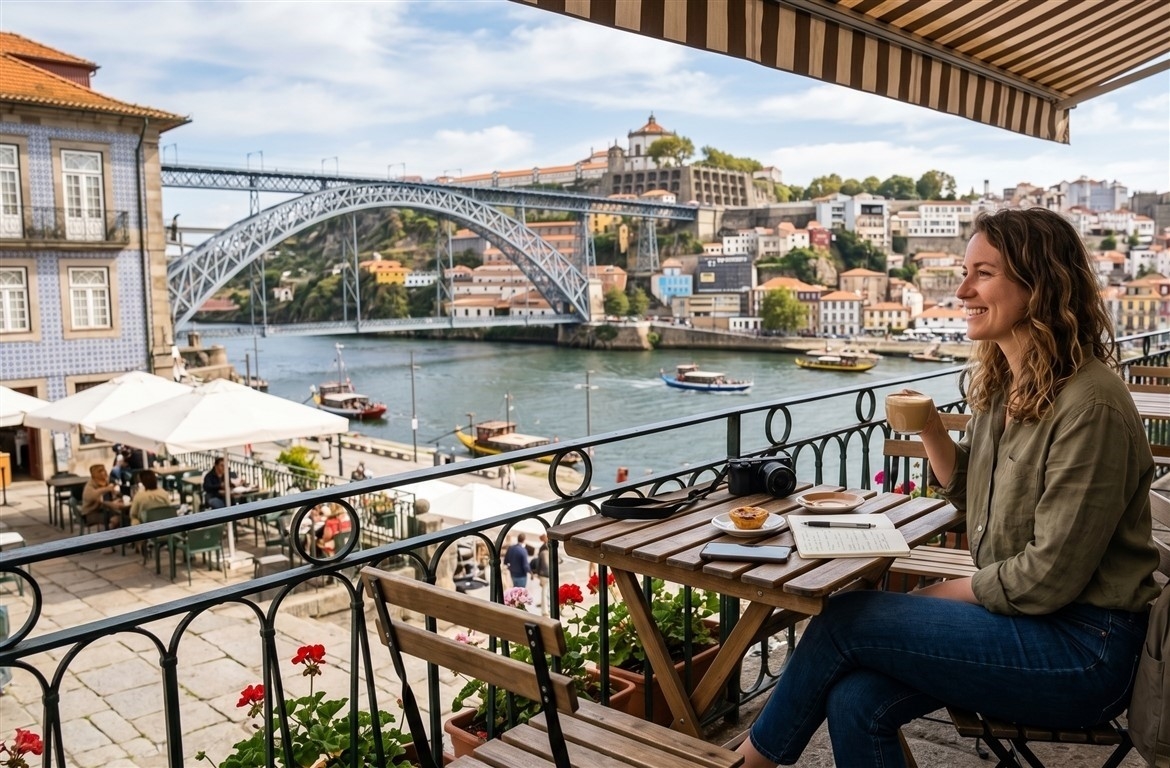
Portugal truly shines as a solo travel destination in Europe. It’s compact, absolutely stunning, incredibly friendly, and boasts fantastic connections with trains, buses, metro lines, and rideshare apps. A solo adventure here can be as chill or as social as you like. You’re not locked into one way of traveling, whether you prefer the coast or city life, budget-friendly options or boutique luxury. Cities like Lisbon and Porto welcome you with easy-to-explore neighborhoods, charming cafés, incredible viewpoints, museums, wine bars, and easy day trips. Head to the Algarve, Madeira, or the Azores for stunning beaches, dramatic cliffs, fantastic hiking, and invigorating ocean air.
Most solo journeys kick off in Lisbon or Porto. From there, you can easily add Sintra, Coimbra, Lagos, Évora, Madeira, or the Azores, depending on how much time you’ve got. A solid week gives you plenty of time for Lisbon, Sintra, and Porto. Got ten days? You could toss in Coimbra or the Algarve. Two weeks really opens up space for a leisurely mainland exploration plus an exciting island hop.
Why Solo Trips Thrive in Portugal
Solo explorers find Portugal super manageable. Distances are short, and getting around is a breeze. The Alfa Pendular train whisks you from Lisbon to Porto in about three hours, perfectly linking the two best city bases for a first trip. Faro offers an easy air gateway to the Algarve, while Lisbon and Porto airports link right up to their city centers via metro. Couldn’t be simpler!
Daily life here just fits a solo rhythm. Grab a coffee and a pastel de nata by yourself; no one bats an eye. You can snack at market stalls, jump on a small-group food tour, or just lose yourself for an entire afternoon, wandering tiled streets and riverside paths. English is common in tourist spots, but a few Portuguese words really warm up those little chats.
Reasons to Choose Portugal Alone
A solo trip needs more than just postcard-perfect photos. A good spot makes getting around, staying safe, eating well, and planning feel so easy that your energy goes into *enjoying* the trip, not wrestling with logistics. Portugal nails this combo. It’s a real winner if you love walking, relaxed meals, history, gorgeous coastlines, and solid public transport.
- Easy Routes: Lisbon, Porto, Coimbra, Aveiro, Sintra, and Évora connect seamlessly by train or bus.
- Budget Friendly: From hostels and guesthouses to apartments and boutique hotels, plus markets and local cafés, there’s a price point for everyone.
- Solo-Friendly Vibe: Walking tours, surf lessons, wine tastings, hostel dinners, and day trips make meeting people a breeze.
- Diverse Views: See ancient city quarters, Atlantic beaches, vineyards, grand palaces, islands, volcanic lakes, and mountain trails—all in one trip.
- Smooth Arrivals: Lisbon Airport has its own metro, Porto Airport connects via Metro Line E, and Faro is a perfect entry point for the Algarve.
Quick Planning Essentials
Lisbon is your most practical starting point if you’re craving variety. It brings together easy airport access, great public transport, vibrant nightlife, museums, stunning viewpoints, and plenty of day trip options. Porto feels smaller, a bit moodier, and you can really settle into its rhythm quickly. The Algarve is ideal for travelers dreaming of cliffs, beaches, kayaking, and chill evenings. Meanwhile, Madeira and the Azores are a dream for hikers who prefer wild nature over busy city schedules.
| Trip Style | Best Home Base | Good Length |
|---|---|---|
| First Solo Jaunt | Lisbon and Porto | 7 days |
| Culture & Foodie Focus | Lisbon, Porto, Coimbra | 8-10 days |
| Beach & Cliff Adventures | Lagos or Faro | 4-6 days |
| Wine & Historical Charm | Porto, Douro, Évora | 7-9 days |
| Hiking & Nature Escape | Madeira or São Miguel | 5-7 days |
| Leisurely Exploration | Lisbon, Porto, Algarve | 14-15 days |
A realistic mid-range solo budget often hovers around €80-€160 per day outside the peak summer rush, though it really depends on where you stay. Hostel travelers can definitely spend less by opting for dorms, hitting up supermarkets and bakeries, enjoying free viewpoints, and snagging early bird train fares. Expect higher nightly costs in Lisbon, Porto, and the Algarve from June through September if you’re aiming for boutique hotels.
Is Portugal Safe for Solo Travelers?
Portugal generally feels very comfortable for solo travel, and that includes women exploring on their own. The main hassles in tourist areas usually involve small-time petty theft, sometimes inflated tourist menus, late-night overconfidence, or just making tired decisions after long travel days. Violent crime isn’t typically a concern for visitors who stay aware, pick sensible locations, and keep an eye on their valuables.
Just use the same street smarts you would in any busy European city. Keep your phone off the edge of café tables, hold your bags zipped and close on trams, steer clear of empty side streets after midnight, and don’t hesitate to use Bolt or Uber if a walk suddenly feels longer or darker than you expected. Remember, the emergency number in Portugal for police, fire, or medical help is 112.
Smart Safety Habits
Solo travel safety isn’t about fear; it’s about building repeatable, simple routines. Weave a few small habits into each day, and soon you won’t even think about them. The best routines protect your phone, your route, your documents, and your evening transport without making the trip feel restricted.
- Save your hotel address offline. Pin it in Google Maps or Apple Maps.
- Always keep one card and a bit of cash completely separate from your main wallet.
- Use a rideshare at night after late dinners, especially in Bairro Alto, Cais do Sodré, Ribeira, or lively beach towns.
- Avoid carrying your passport all day unless you genuinely need it for something official. Use hotel storage when available.
- On Tram 28, at São Bento Station, Rossio, Belém, Ribeira, and other crowded viewpoints, keep your bags right in front of you.
- Tell one trusted person where you’re staying and share your live location during hikes or if you’re arriving somewhere late.
Top Spots for Solo Explorers
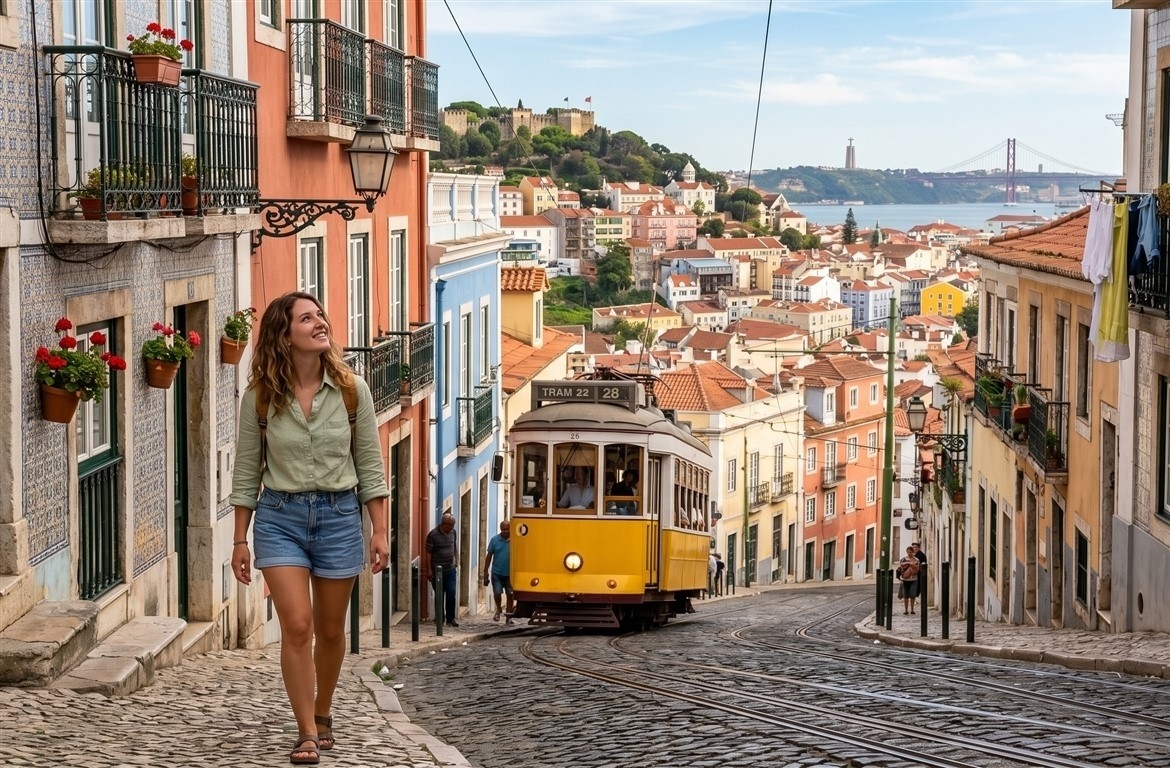
Lisbon makes the best starting point if you’re seeking variety. Baixa and Chiado are super central and practical. Alfama is atmospheric but hilly, while Príncipe Real feels stylish and relaxed. Avenida da Liberdade is polished and convenient, and Cais do Sodré suits anyone who wants nightlife close by. For day trips, you can catch a train to Sintra from Rossio, to Cascais from Cais do Sodré, and reach Belém by tram, train, or bus.
Porto feels smaller and more intimate. Ribeira is beautiful but tends to be busy. Vitória gives you easy access to sights, and Cedofeita boasts great cafés and cool shops. Bolhão works well for food and transport, while Bonfim is quieter and often a better deal. Vila Nova de Gaia places you right near all the port wine cellars, just across the Douro. Solo evenings here are a breeze: stroll the riverfront, book a tasting, grab an early dinner at a casual tasca, or join a food tour.
Sintra is the classic Lisbon day trip, but it really shines with an early train and a focused plan. Pick two major sights instead of trying to rush through every palace. Pena Palace, the Moorish Castle, Quinta da Regaleira, and the historic center can easily fill a whole day, and buses or rideshares are a big help with those steep hills.
Lagos is the Algarve base that suits many solo travelers perfectly. The old town, hostels, beaches, boat tours, and cliff walks are all conveniently close. Ponta da Piedade, Praia do Camilo, and Praia Dona Ana are the big coastal draws. Faro is better for airport access and a calmer town vibe, while Tavira suits slower travelers who want charm without the lively Lagos party scene.
Coimbra is great for a one-night stop between Lisbon and Porto. The university area, old lanes, the Mondego riverfront, and its compact center are wonderful for slow walking. Aveiro is lighter and flatter, with canals, Art Nouveau details, and easy beach access near Costa Nova. Évora gives you Roman ruins, whitewashed streets, delicious Alentejo food, and a much quieter rhythm.
Madeira and the Azores aren’t just add-ons; they can truly shape your entire trip. Madeira is perfect for hikers who crave levada walks, stunning viewpoints, Funchal markets, natural pools, and dramatic roads. São Miguel in the Azores will wow travelers looking for volcanic lakes, hot springs, whale-watching, tea plantations, and lush green landscapes. A rental car helps a lot on both island groups, though guided day tours work perfectly for solo travelers who’d rather not drive.
Where to Stay When Traveling Alone
Your accommodation’s location matters even more when you’re traveling solo because it really dictates how easy your evenings feel. A super cheap room far from public transit can actually cost you more in rideshares and stress than a slightly pricier, better-located guesthouse. For a first visit, pick a spot near the metro, train, restaurants, and well-lit streets rather than just chasing the absolute lowest nightly rate.
In Lisbon, Baixa, Chiado, Príncipe Real, and Avenida da Liberdade are the easiest areas for a first solo stay. Alfama is beautiful but steep, so pack light or double-check taxi access. Bairro Alto is fun but noisy—great for nightlife, maybe not so much for sleep. In Porto, Vitória, Cedofeita, Bolhão, and Bonfim strike a good balance of location, food, and value.
Before You Book: Key Checks
Photos rarely tell the full story. Always read recent reviews from solo travelers. Filter for comments about noise, stairs, late check-in procedures, air conditioning, street lighting, and how responsive the staff are. In older, historic buildings, don’t assume there’s an elevator; steep staircases can be brutal after a long day pounding cobblestones.
- Check the distance to the metro, train station, or a reliable bus stop.
- Look for recent reviews mentioning safety, cleanliness, noise, and check-in experience.
- Confirm air conditioning for summer and heating for winter.
- Ask about locker size in hostels and private storage options in guesthouses.
- Consider street noise if staying near bars in Cais do Sodré, Bairro Alto, or Ribeira.
- Check for elevator access if you’re carrying a suitcase through hilly areas.
Getting to Portugal
Lisbon Airport is the busiest arrival point and usually works best for first-time visitors. The airport metro connects to Saldanha in about 20 minutes, with easy transfers to central areas like Baixa-Chiado, Rossio, and Cais do Sodré. A rideshare can be handy if you have heavy luggage, arrive late, or are staying on one of those steep, winding lanes.
Porto Airport is super straightforward for solo travelers because Metro Line E links the airport directly with the city’s network. The ride is easy, inexpensive, and generally far less stressful than haggling with taxis after a flight. Faro Airport is the main gateway for the Algarve. From there, travelers typically use buses, trains from Faro station, airport transfers, or rental cars, depending on which beach town they’re headed to.
Getting Around Portugal
Trains are the cleanest and most comfortable choice for major north-south routes. CP operates Alfa Pendular and Intercidades services between big cities, connecting Lisbon, Porto, Coimbra, Aveiro, Faro, Braga, and other key hubs. Book your tickets earlier for better fares, especially around weekends, holidays, and during summer beach travel.
Buses are a strong option where trains are slower or simply not available. Rede Expressos and FlixBus cover many city-to-city routes, often offering good prices if you book ahead. For Algarve towns, Alentejo villages, and cross-country links, buses can sometimes save you time compared to juggling train transfers.
Inside Lisbon, hop on the metro for longer distances, use trams for specific routes, buses for those famous hills, and trains for trips to Belém, Cascais, and Sintra. In Porto, the metro, buses, walking, and the occasional rideshare will cover most of your needs. Bolt and Uber are fantastic when hills, luggage, heat, rain, or late nights make public transport less appealing.
When a Rental Car is Handy
You absolutely don’t need a car for a Lisbon-Porto-Sintra-Coimbra trip. It really becomes useful in the Alentejo wine country, for reaching remote Algarve beaches, exploring Madeira’s viewpoints, seeing São Miguel in the Azores, and for multi-stop countryside adventures. Solo drivers should factor in tolls, fuel, parking, navigating narrow streets, and insurance costs, not just compare daily rental rates.
- Skip a car for Lisbon, Porto, Sintra, Coimbra, and Aveiro.
- Rent one for Alentejo villages, hidden beaches, Madeira, and Azores road trips.
- Choose accommodation with parking before booking if you’re staying in old towns.
- Avoid driving into central Lisbon or Porto unless your hotel explicitly confirms access and parking.
- Consider guided day tours on islands if mountain roads or finding parking feel stressful.
Best Season for a Solo Trip
Spring and fall offer the most comfortable seasons for solo travel in Portugal. April, May, September, and October usually bring easier walking weather, fewer crowds, and better value than the peak summer months. These times are especially perfect for Lisbon’s viewpoints, Porto’s riverside walks, Sintra’s forests, and the Algarve’s stunning cliff trails.
Summer is best if beaches are your primary goal, but Lisbon, Sintra, and Porto can feel quite crowded, and Algarve prices shoot up dramatically. Winter is quieter and cheaper, with mild city weather compared to much of Europe, though you’re more likely to encounter rain in the north. Madeira stays appealing year-round, while the Azores are lush and dramatic but more sensitive to changing weather.
Solo Travel Routes in Portugal
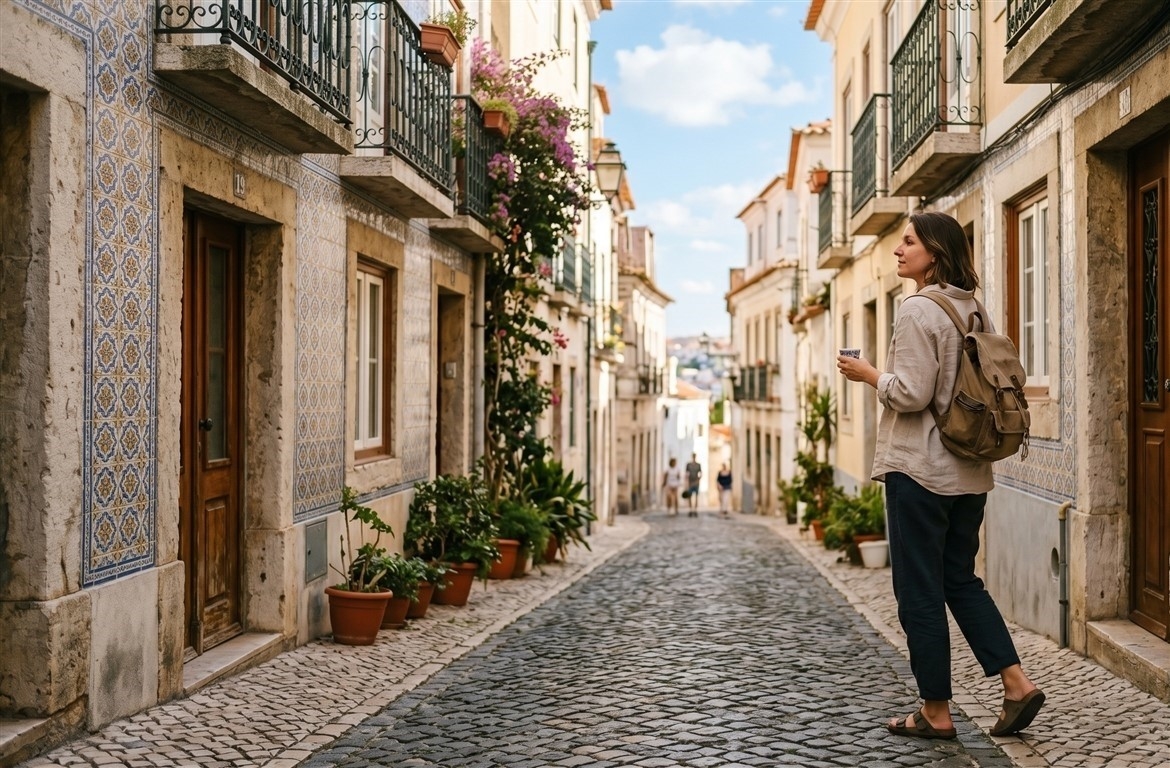
A smart solo itinerary always leaves room for wandering. Portugal rewards those unplanned coffee stops, tiled side streets, bustling markets, breathtaking sunsets, and leisurely meals. So, avoid packing every single hour. Use trains for the main backbone of your journey, then sprinkle in day trips where they make the most sense.
5 Days: Lisbon, Sintra, & Coast
Spend three nights in Lisbon and two flexible days exploring Sintra and Cascais. Stay in Baixa, Chiado, Príncipe Real, or Avenida da Liberdade for simple transport. Wander Alfama and Graça, visit Belém, take the Rossio train to Sintra, and catch the Cais do Sodré train for Cascais if you’re craving some sea air.
7 Days: Lisbon, Porto, & Sintra
Plan four nights in Lisbon and three in Porto, or flip the order if flights are cheaper. Lisbon offers Sintra, Belém, Alfama, Bairro Alto, and countless viewpoints. Porto gives you São Bento Station, the Livraria Lello area, Ribeira, Gaia’s wine cellars, Cedofeita cafés, and an optional Douro day trip.
10 Days: Lisbon, Porto, Coimbra, Algarve
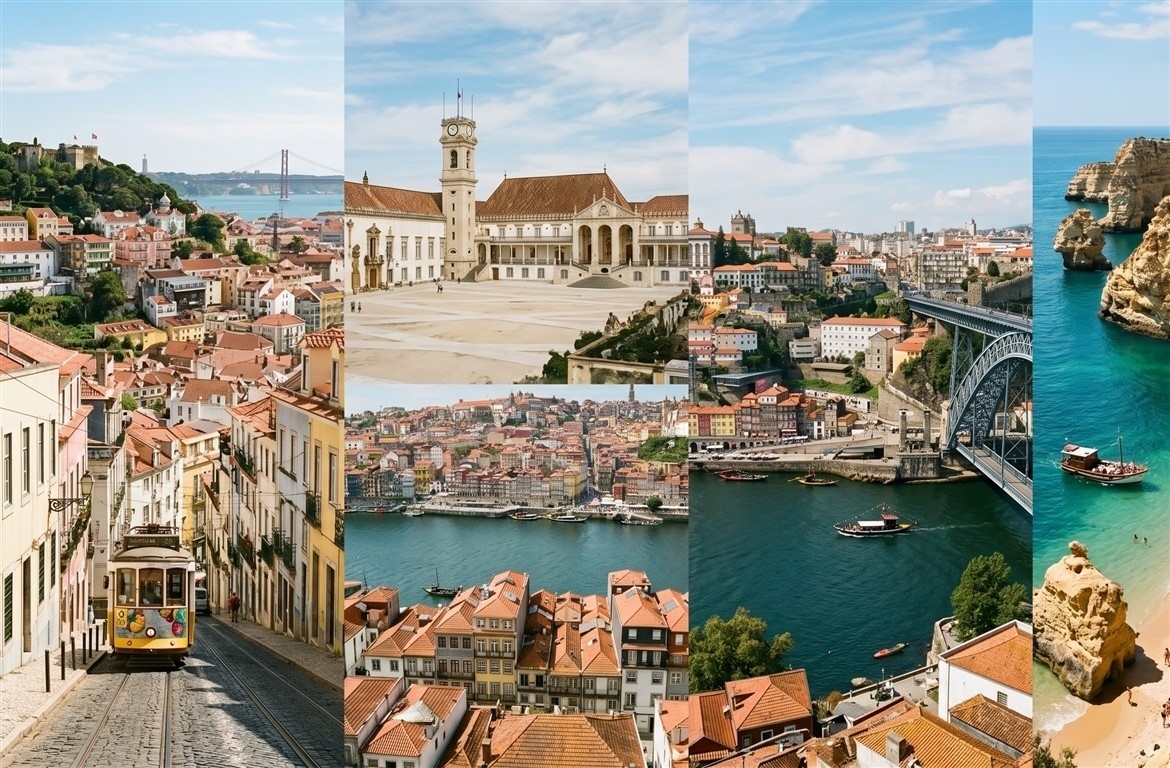
Begin in Lisbon, continue to Coimbra for a night, then move on to Porto, and finally head south to Lagos or Faro if beach time is a must. This route works best if you’re okay with one slightly longer travel day. If you really dislike moving hotels often, just skip Coimbra and split your time between Lisbon, Porto, and the Algarve.
14-15 Days: Mainland & Islands
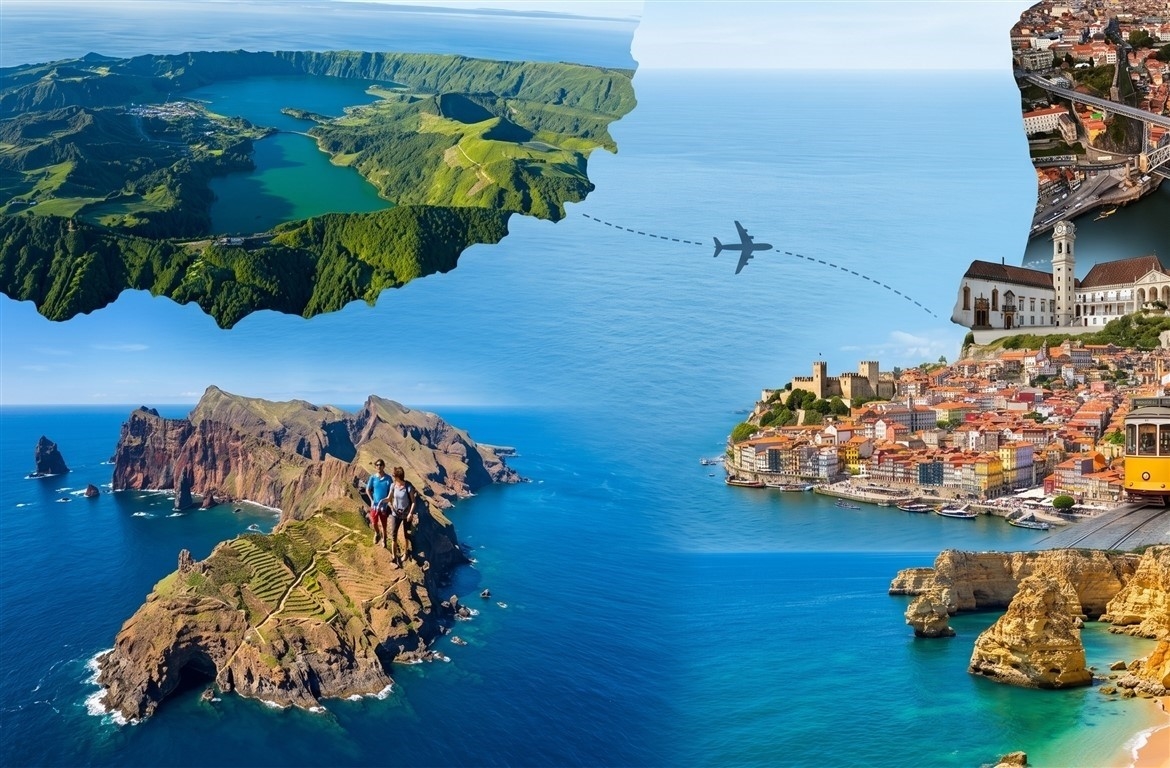
Hit Lisbon, Porto, Coimbra or Aveiro, and the Algarve or Évora, then fly to Madeira or São Miguel. This plan gives your trip a full spectrum: city buzz, coastal serenity, amazing food, deep history, and wild nature. Keep island days a bit less packed because the weather can change fast, especially in the Azores.
Things to Enjoy Alone
Portugal is incredibly easy to enjoy without a companion because many of its best activities are naturally solo-friendly. Wandering historic districts, reading in a café, browsing markets, photographing intricate tiles, joining a tasting, or taking a boat trip—none of these require a group. When you do want company, structured activities take away all the awkwardness of starting conversations from scratch.
Food tours in Lisbon or Porto are super helpful, especially early in your trip. They teach you about local dishes, neighborhoods, and dining customs in just a few hours. Surf lessons in Ericeira, Peniche, Lagos, or Sagres are social without needing nightlife. Wine tastings in Porto or the Douro work perfectly for solo travelers who prefer guided settings.
- Stroll through Alfama, Mouraria, Graça, Ribeira, Cedofeita, and Coimbra’s ancient lanes.
- Visit Pena Palace, Quinta da Regaleira, Jerónimos Monastery, MAAT, Serralves, and the Livraria Lello area.
- Book a port wine tasting in Vila Nova de Gaia.
- Take a small-group food tour in Lisbon or Porto within your first two days.
- Try kayaking or a boat trip around Ponta da Piedade in Lagos.
- Hike Madeira’s levadas or join an Azores crater-lake tour.
- Shop at Mercado da Ribeira, Mercado do Bolhão, local ceramics shops, and cork stores.
Food & Drink for Solo Explorers
Eating alone in Portugal is a breeze if you pick the right spots. Bakeries, cafés, market halls, seafood counters, wine bars, and casual tascas all work perfectly for one person. Lunch menus often offer better value than dinner, and standing counters or small tables make solo meals feel totally natural.
Order bacalhau in one of its many delicious forms, pastéis de nata with your coffee, grilled sardines when they’re in season, octopus rice, seafood rice, a bifana, caldo verde, and, in Porto, definitely try a francesinha if you’re looking for something hearty and local. In the Algarve, focus on fresh fish, clams, cataplana, and simple grilled seafood. In Madeira, make sure to try espetada, bolo do caco, limpets, passion fruit desserts, and a poncha (in moderation, of course!).
Beat Food Fatigue
Portuguese food is rich, salty, and incredibly satisfying, but eating heavy dishes every single day can eventually wear you down. Mix traditional meals with fresh market finds, fruit, light soups, grilled fish, salads, and international cafés. This keeps your meals enjoyable throughout a longer solo trip.
- Use bakeries for breakfast, but not for every meal.
- Balance francesinha, pastries, and fried snacks with soups and grilled fish.
- Book one food tour, then revisit the places or neighborhoods you particularly liked.
- Eat early at popular restaurants if you’d rather not wait alone.
- Choose bar seating or market counters when a full table feels a bit too formal.
Solo Travel Budgeting
Portugal can offer good value, but prices have definitely climbed, especially in Lisbon, Porto, and the Algarve. Accommodation impacts your budget more than food or transport. A dorm bed, a local lunch, coffee, metro rides, and free viewpoints can keep costs low. However, a central hotel, daily tours, and summer beach stays will quickly push that total higher.
For one week, a budget traveler relying on hostels and public transport might plan for around €500-€800 before flights. A mid-range traveler, opting for private rooms, paid sights, intercity trains, and several restaurant meals, should likely budget closer to €900-€1,500. Summer in the Algarve, boutique hotels, island car rentals, and last-minute bookings will definitely push that number even higher.
What to Pack for Portugal
Portugal asks more from your shoes than your wardrobe! Lisbon, Porto, Coimbra, and Sintra are all about hills, stairs, slippery polished stone, and uneven cobblestones. A stylish outfit won’t save your day if your shoes slide on wet calçada or punish your feet after 20,000 steps.
Pack layers, even during warm months, because the Atlantic wind can surprise you in Porto, Sintra, Cabo da Roca, Madeira viewpoints, and on ferry or boat trips. Summer absolutely requires sunscreen, sunglasses, and breathable clothes. Winter calls for a rain jacket, a light sweater, and shoes that can handle wet streets.
- Comfortable walking shoes with good grip.
- A light jacket or sweater for evenings and coastal winds.
- Swimwear, sandals, sunscreen, and a compact beach towel for the Algarve or islands.
- A Type C/F plug
0 Comment