


About Hanukkah
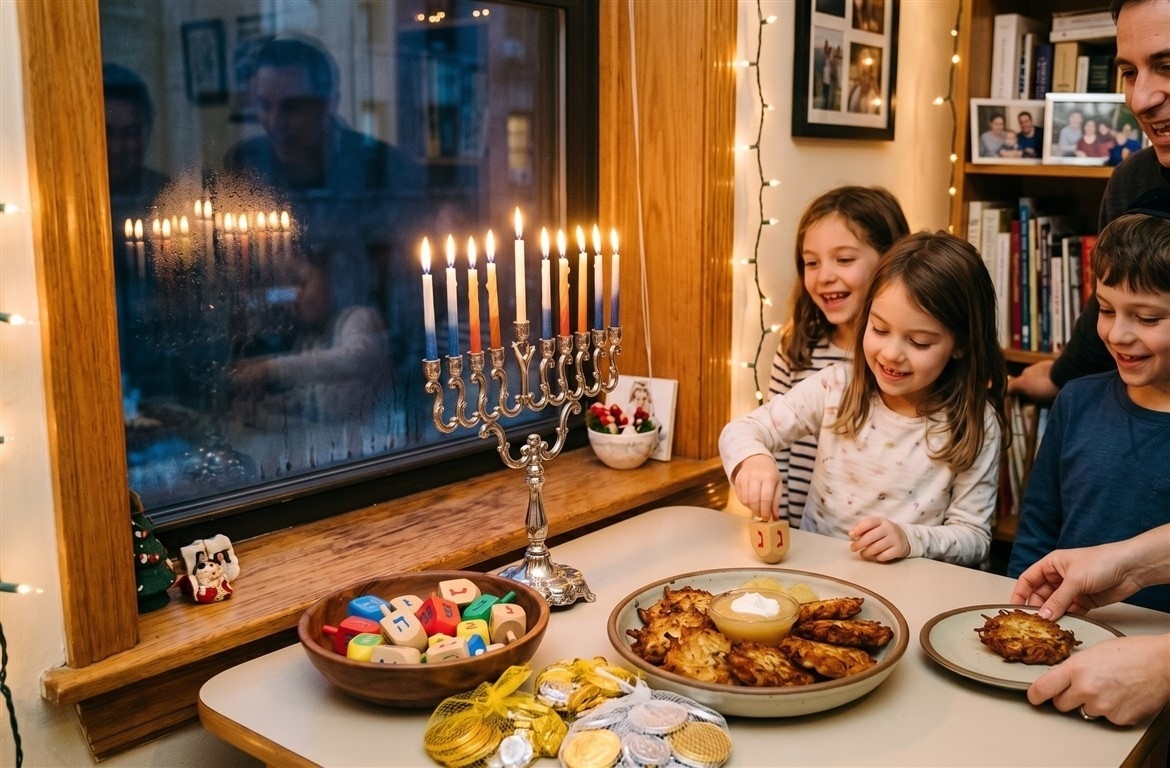
Hanukkah is a Jewish celebration spanning eight nights. It’s all about light, remembering, home traditions, and a really persistent kind of hope. You probably know it from those glowing candles in windows, crispy potato latkes, spinning dreidels, chocolate coins, and family get-togethers. Those gatherings can be loud, cheerful, sweet, and a bit messy all at once. But underneath all that familiar fun lies a much older tale: the rededication of the Second Temple in Jerusalem, happening after a time of religious pressure, open rebellion, and eventually, restoration.
Some folks call it the Festival of Lights. That name isn’t just pretty. Every single night, another flame joins the Hanukkah menorah, growing from a tiny flicker into a full line of bright light by the eighth evening. For Jewish families, this ritual feels incredibly personal. Meanwhile, if you’re strolling through cities with vibrant Jewish communities, public menorah lightings bring this exact same feeling right out onto the streets, into town squares, parks, and busy winter markets.
What Hanukkah Means
The word Hanukkah itself means “dedication” in Hebrew. It points directly to that moment when the Second Temple was reclaimed and purified for Jewish worship. You’ll see the spelling change a lot because the word comes from Hebrew—a language with sounds that don’t always slot perfectly into English letters. So, Hanukkah, Chanukah, Hanukah, and Chanuka? They all mean the same holiday.
At its very core, Hanukkah is a celebration of religious resilience. The holiday doesn’t demand you become an ancient history expert before you can even light up with interest. Still, knowing the backstory truly deepens the experience. Those candles aren’t just decorations, not in the usual way. They hold stories. They carry memory.
When Hanukkah Is Celebrated
Hanukkah kicks off on the 25th day of Kislev. That’s a month on the Hebrew calendar. Since the Hebrew calendar uses a lunisolar system, the holiday shifts around on the civil calendar most of the world uses. Typically, it lands sometime in November or December.
The first candle gets lit right after sunset on the very first night. Then, the holiday keeps going for eight nights and eight days. Families might gather every single evening, or they might just come together for one big meal during the week. In homes with kids, those evenings can turn into their own special season: candles, songs, gelt, fried food, crumbs everywhere. Real life, basically.
Why Hanukkah Dates Vary
People often find the shifting date a bit confusing, especially if they’re used to holidays that stay put. Here’s the thing: Hanukkah doesn’t actually move on the Hebrew calendar. Nope. It always starts on 25 Kislev. The movement only pops up when you look at it through the Gregorian calendar, where lunar and solar months just don’t quite line up.
That explains exactly why Hanukkah might start closer to late November one year, then arrive near the end of December another. The holiday’s natural rhythm belongs to Jewish timekeeping, not the everyday commercial winter calendar swirling around it.
The Story of Hanukkah
The Hanukkah story goes way back to the second century BCE. Back then, Judea was under Seleucid rule. Jewish religious life faced really tough restrictions, and Jerusalem’s Temple got desecrated. But a Jewish priestly family, later known as the Maccabees, fought back. This story has been passed down for generations in homes, synagogues, schools, and books, mixing history and tradition into one rich narrative.
The Maccabean Revolt
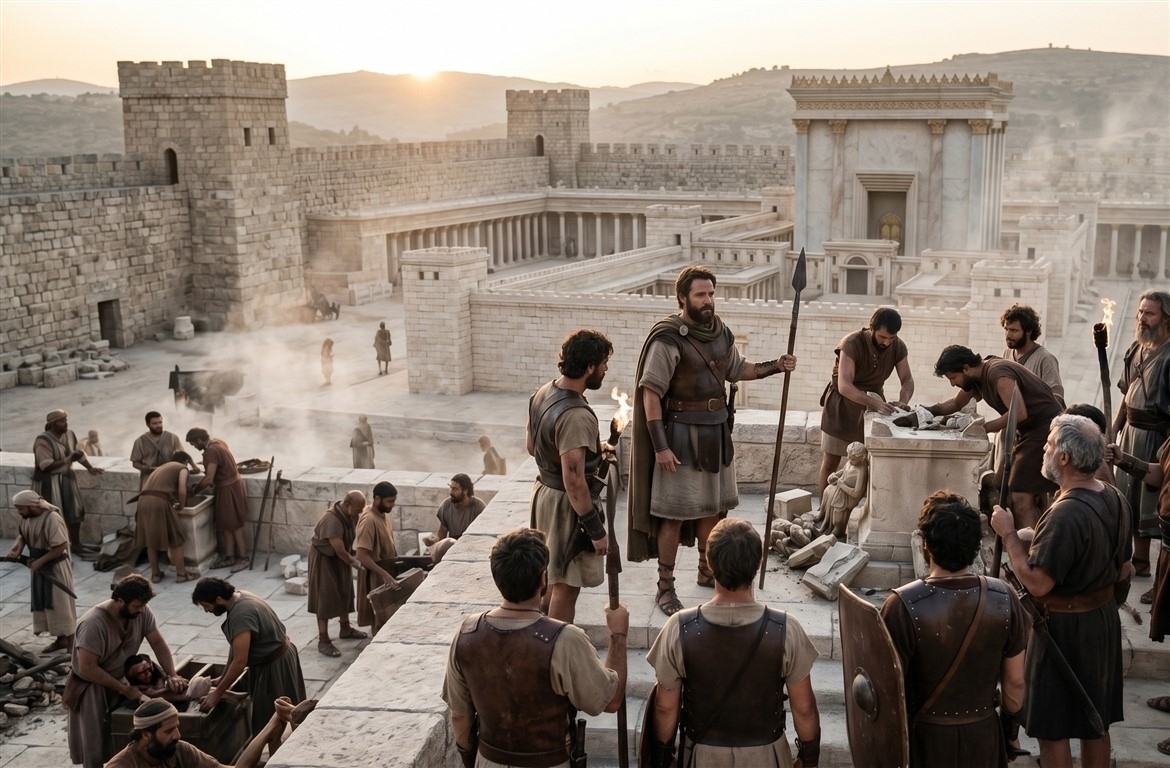
The Maccabean Revolt started as a pushback against religious oppression and foreign rule. Judah Maccabee emerged as the most famous leader linked to this rebellion. His forces, though smaller, managed to fight off a much stronger imperial power and eventually took back control of Jerusalem.
We don’t just remember this revolt as a military battle, though. For many Jewish communities, it speaks volumes about survival: holding onto identity under immense pressure, protecting worship, refusing to be erased. It’s a powerful story. Not neat. Not gentle. That’s a big part of why it has endured.
Temple Rededication
Once the Temple was recovered, it needed cleansing and rededicating for Jewish worship. This rededication is actually how Hanukkah got its name. The Temple was the very heart of Jewish religious life at that time, so restoring it meant much more than just fixing a holy building. It signaled the return of public Jewish practice in a place where that practice had been seriously threatened.
The Oil Miracle
Jewish tradition tells us that when the Temple was rededicated, only a tiny bit of pure oil remained for the Temple menorah. It should have lasted just one day. But instead, it burned for eight full days. That was just enough time to prepare new, pure oil.
That incredible oil miracle is why Hanukkah lasts for eight nights in the traditional telling. This story gives the holiday its unique glow: a small supply stretching far beyond expectations, a flame that simply refuses to go out.
Why It’s Called Festival of Lights
Hanukkah gets its “Festival of Lights” name because lighting candles is absolutely central to the holiday. This act feels public in spirit, even when you do it inside a quiet home. Many families actually set their hanukkiah near a window so the light can be seen from outside.
Light here carries so many layers of meaning. It reminds us of the Temple menorah, the oil miracle, and the whole idea of bringing brightness into those long, dark winter evenings. In a lot of cities, this symbolism really shines during public menorah ceremonies, where folks walking by stop, listen to blessings, snap some photos, or just simply watch the flames dance against the cold night air.
How Hanukkah Is Celebrated
Hanukkah celebrations vary quite a bit. It depends on the family, the community, the country, and how religiously observant people are. Some homes keep the ritual quick and simple. Others sing, host big meals, exchange gifts, retell the story yet again, fry enough food to make the whole hallway smell amazing, and invite all their neighbors over.
Lighting the Menorah
The Hanukkah menorah, which is more precisely called a hanukkiah, has nine branches. Eight of these branches hold the candles for the eight nights. The ninth branch holds the shamash, that’s the helper candle, used to light all the others.
- Place candles right to left. On the first night, you put one candle at the far right. Each following evening, you add a new candle to the left of the one from the night before.
- Light left to right. Always light the newest candle first. Then, move the flame across to the others. This gives the fresh light of that particular night a small moment of honor.
- Use the shamash. This helper candle lights all the rest. Afterward, you put it back in its own holder, keeping it distinct from the eight main holiday lights.
- Let candles burn. Many families just pause near the flames. They might sing, chat, or simply watch. Remember, these candles aren’t for reading by or lighting up a room; they’re for remembering.
Blessings, Music, Stories
Before lighting the candles, blessings are recited. On the very first night, people traditionally add an extra blessing of gratitude for reaching this special season. Songs often follow; “Maoz Tzur” is one of the most recognized in many communities.
Families might also retell the Hanukkah story. Some keep it short, especially for little kids. Others really dig into the history, the miracle, and ponder what religious freedom truly means when it’s not just an abstract idea, but something lived and fought for.
Giving Charity
Giving charity just feels right with Hanukkah’s message of light. Some families put money aside for people who need it, donate food, or let their children pick a cause to support. This gesture keeps the holiday from shrinking down to only candles and presents.
Menorah or Hanukkiah?
People often use “menorah” and “hanukkiah” interchangeably, but they aren’t exactly the same. A menorah is generally a lampstand. The ancient Temple menorah, for example, had seven branches. A hanukkiah, on the other hand, is that specific nine-branched lamp used only for Hanukkah.
| Item | Branches | Use |
|---|---|---|
| Temple menorah | Seven | For ancient Jewish worship in the Temple |
| Hanukkiah | Nine | Used for lighting Hanukkah candles eight nights |
| Shamash | One holder | The helper candle that lights all the others |
| Public menorah | Nine | For community celebrations in public places |
Hanukkah Customs
Hanukkah customs are a mix of ritual, family traditions, and local culture. What happens in a home in New York might look quite different from one in Paris, Jerusalem, London, Buenos Aires, or Melbourne. Still, those candles are always the anchor. Around them, traditions bloom.
Playing Dreidel
Dreidel is that classic spinning-top game linked to Hanukkah. The four Hebrew letters on the dreidel spell out “a great miracle happened there,” or if you’re in Israel, “a great miracle happened here.” Kids usually play with coins, nuts, candies, or chocolate gelt.
It’s a simple game, and that’s exactly why it’s charming. You spin it. You wait. You might laugh if it wobbles ridiculously. You argue over the pile. Then, you start all over again.
Hanukkah Gelt
Gelt means money in Yiddish. Hanukkah gelt traditionally started as actual coins, and later, it became famously linked with chocolate coins wrapped in shiny gold or silver foil. Grandparents and parents might still give real money to kids, sometimes adding a little reminder to share a portion with charity.
Giving Gifts
Giving gifts is pretty common in many Jewish households, especially in places where Hanukkah happens around Christmastime. It’s not the oldest part of the holiday, and it doesn’t carry the same deep ritual weight as lighting candles. Nevertheless, for many families, gifts have definitely become a cherished part of their home celebration.
Public Menorah Events
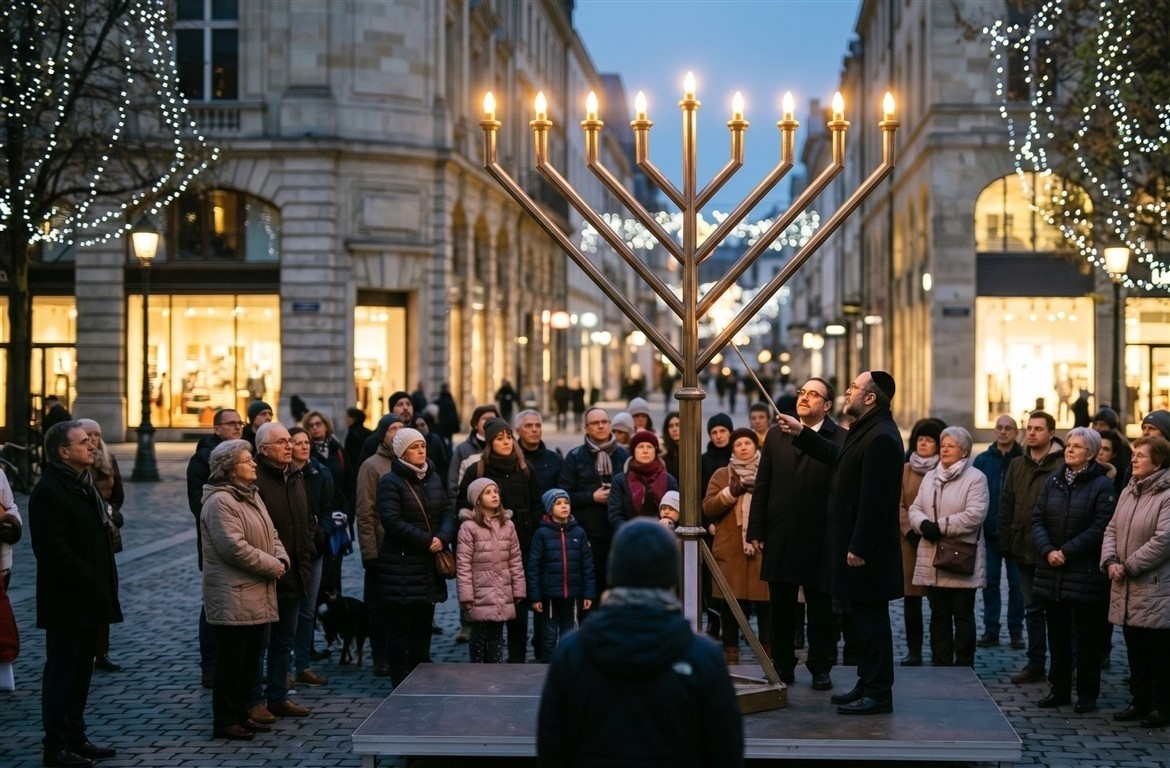
Public menorah lightings have become really visible in countless cities. They bring Hanukkah right into public spaces, from bustling plazas and train stations to shopping districts and town squares. For travelers, these gatherings can offer a truly respectful glimpse into Jewish public life, assuming you keep a respectful rather than purely touristy tone. Watch, listen, and give people their space.
Traditional Hanukkah Foods
Oil is the golden thread running through all Hanukkah food. Fried dishes are a delicious way to remember the oil miracle, though recipes vary hugely by region. Ashkenazi tables often feature latkes. Sephardic and Mizrahi communities might bring other amazing fried pastries, fritters, or savory dishes to the celebration.
Latkes
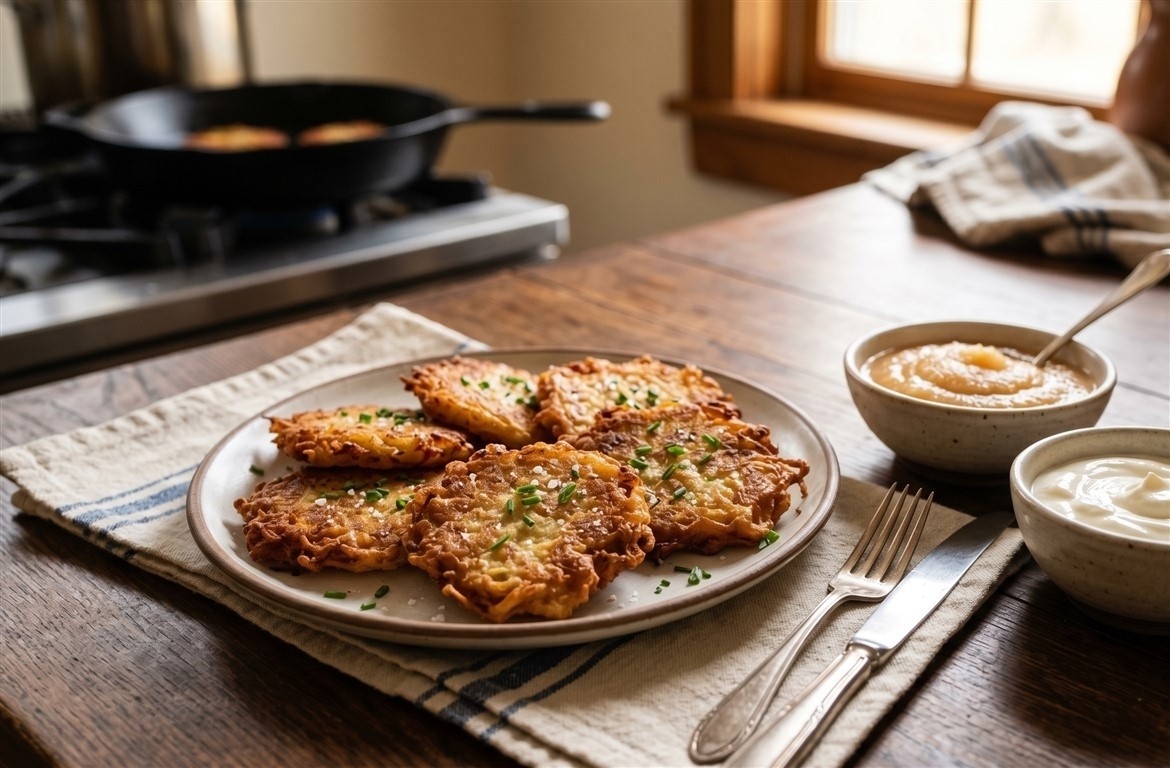
Latkes are those glorious potato pancakes, fried until they’re perfectly crisp on the outside and wonderfully soft inside. People usually serve them with applesauce, sour cream, or both, depending on how loyal their family is to one topping. Believe me, people have very strong feelings about this. Really strong.
Modern takes might use sweet potato, zucchini, parsnip, cheese, or herbs, but the classic potato latke still reigns supreme. You can smell the holiday even before it hits the plate.
Sufganiyot
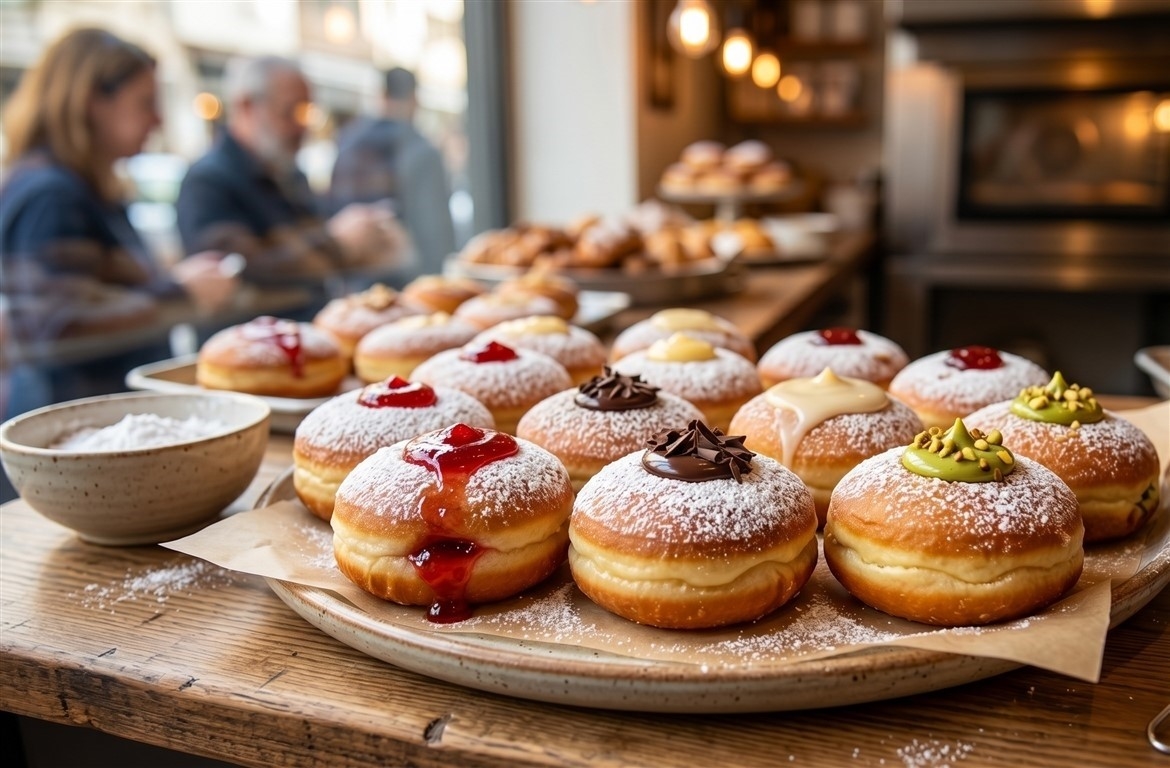
Sufganiyot are jelly-filled doughnuts. They’re super popular in Israel and are becoming more familiar elsewhere too. They’re fried, sweet, and often finished with a dusting of powdered sugar. Nowadays, bakeries sell all sorts of versions filled with custard, chocolate, pistachio cream, fruit jam, and other rich, delightful fillings.
Other Oil-Based Dishes
Across different Jewish communities, Hanukkah food can include fried fish, cheese pastries, fritters, bimuelos, keftes, and all sorts of other local dishes. The key idea here is the oil, not one specific recipe. That makes the holiday table wonderfully diverse and exciting.
| Food | Common Region | Holiday Link |
|---|---|---|
| Latkes | Ashkenazi communities | Fried in oil |
| Sufganiyot | Israel and beyond | Fried dough recalls oil |
| Bimuelos | Sephardic communities | Sweet fried fritters |
| Cheese dishes | Various traditions | Linked to Judith traditions |
| Fried fish | Regional Jewish tables | Oil-based holiday meal |
Hanukkah Symbols
Hanukkah’s main symbols are easy to spot but far richer than they first appear. The hanukkiah points directly to that eight-night miracle. The shamash suggests service, as it brings light to all the other candles. The dreidel carries memory, but in the fun form of play. Gelt ties the celebration to giving, learning, and pure childhood delight.
- Light: This is the absolute central image of Hanukkah. It’s connected to the Temple menorah, the oil tradition, and the public sharing of hope.
- Oil: You’ll find it in the miracle story and right there on the holiday table, from latkes to doughnuts and all those amazing regional fried foods.
- Eight nights: This ritual structure transforms one evening into a growing, beautiful sequence of memory and celebration.
- The window: Many families deliberately place their hanukkiah where people outside can see it, turning a private observance into a visible message for the world.
Hanukkah in Modern Jewish Life
Hanukkah is truly beloved. Still, it isn’t one of Judaism’s major biblical holidays. Passover, Rosh Hashanah, Yom Kippur, Sukkot, and Shavuot all carry different, often heavier, religious weight. Hanukkah’s public profile has grown significantly in modern times, especially in countries where it falls close to Christmas on the calendar.
That visibility can be helpful, sure, but it sometimes flattens the holiday into just blue-and-silver decorations. The deeper observance is often quieter: blessings, remembering, family, resilience, and the simple, profound discipline of adding light, night after night after night.
Hanukkah Around the Globe
Hanukkah travels so well! That’s because its core ritual fits easily into a suitcase, a home kitchen, a hotel room (where candles are allowed), a synagogue hall, or even a city square. Jewish communities everywhere add their own local flavors to the holiday. Food shifts. Music shifts. The language spoken around the table shifts. But those candles still manage to bring people together.
In Israel, bakeries start selling sufganiyot long before the holiday even begins, and schools celebrate the season with songs and stories. In North America, Hanukkah often has a bigger public presence because it’s positioned so close to Christmas. Over in Europe, public lightings can feel both festive and a little watchful, shaped by local Jewish history. In places with smaller Jewish communities, the holiday might feel more private, held closely within homes and community centers.
Hanukkah & Christmas
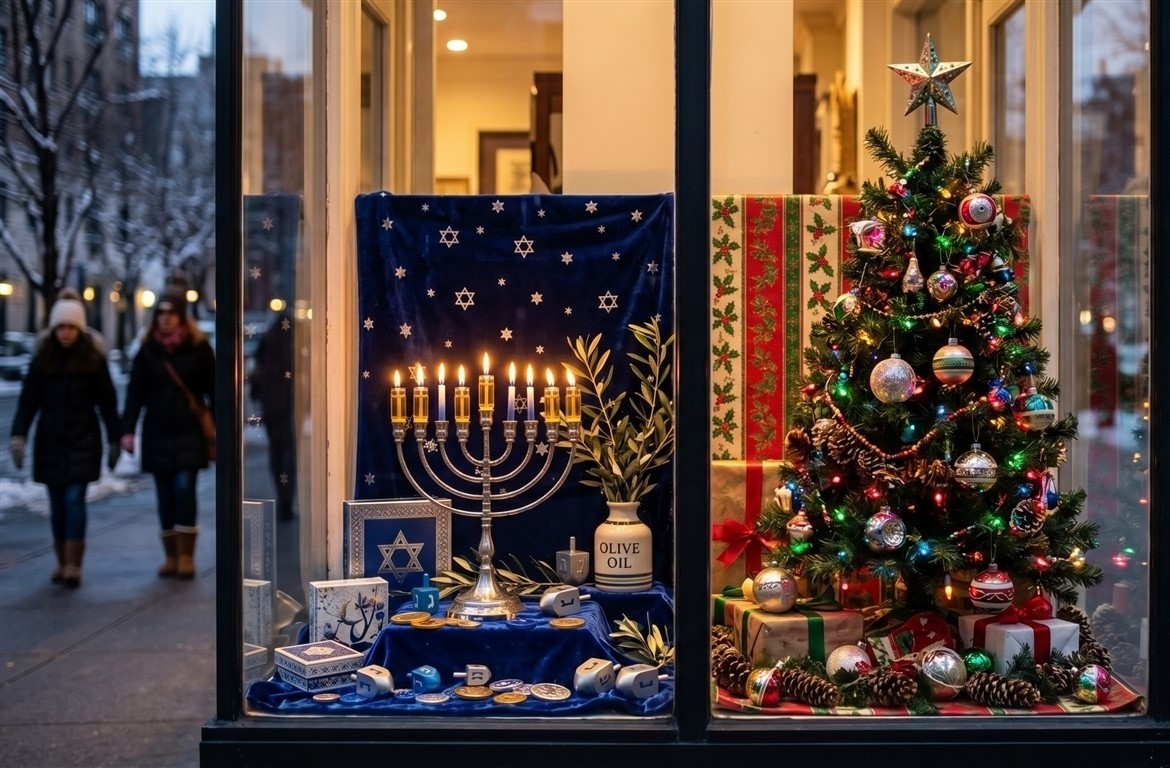
Hanukkah and Christmas often share the same season, but definitely not the same theology. Christmas is a central Christian holiday, celebrating Jesus’ birth. Hanukkah is a Jewish holiday, commemorating the rededication of the Second Temple and the oil miracle. They might appear side-by-side in shop windows and on school calendars, but they come from entirely different religious worlds.
| Hanukkah | Christmas |
|---|---|
| Jewish holiday lasting eight nights | Christian holiday celebrated on a fixed date |
| Centers on candles, rededication, and oil | Centers on the birth of Jesus |
| Begins on 25 Kislev | Observed on December 25 in many churches |
| Uses a nine-branched hanukkiah | Uses varied symbols such as trees and nativity scenes |
For families with mixed faiths, schools, and even travelers, choosing your words carefully really matters. Hanukkah is not “Jewish Christmas.” It’s a unique holiday, with its very own story, rituals, foods, songs, and emotional landscape.
Common Hanukkah Questions
How Long Is Hanukkah?
Hanukkah lasts for eight nights and eight days. This eight-night structure comes from the traditional tale of the oil that burned much, much longer than anyone expected during the Second Temple’s rededication.
Candle Count?
A full Hanukkah candle set uses 44 candles. You light one candle on the first night, two on the second, and so on, all the way through the eighth night. The shamash serves as the helper candle every single night, bringing that total to 44.
Lighting the Menorah
You place the candles from right to left, adding one new candle each night. Then, you light them from left to right, starting with the newest candle. The shamash lights all the holiday candles, then returns to its own special spot.
Is Hanukkah a Major Holiday?
Hanukkah is widely recognized and joyfully celebrated, but it doesn’t rank among the major biblical festivals. Its modern public profile is actually much larger than its formal religious standing. That contrast often surprises people, but Jewish calendars simply have their own specific hierarchy.
How Do You Spell It?
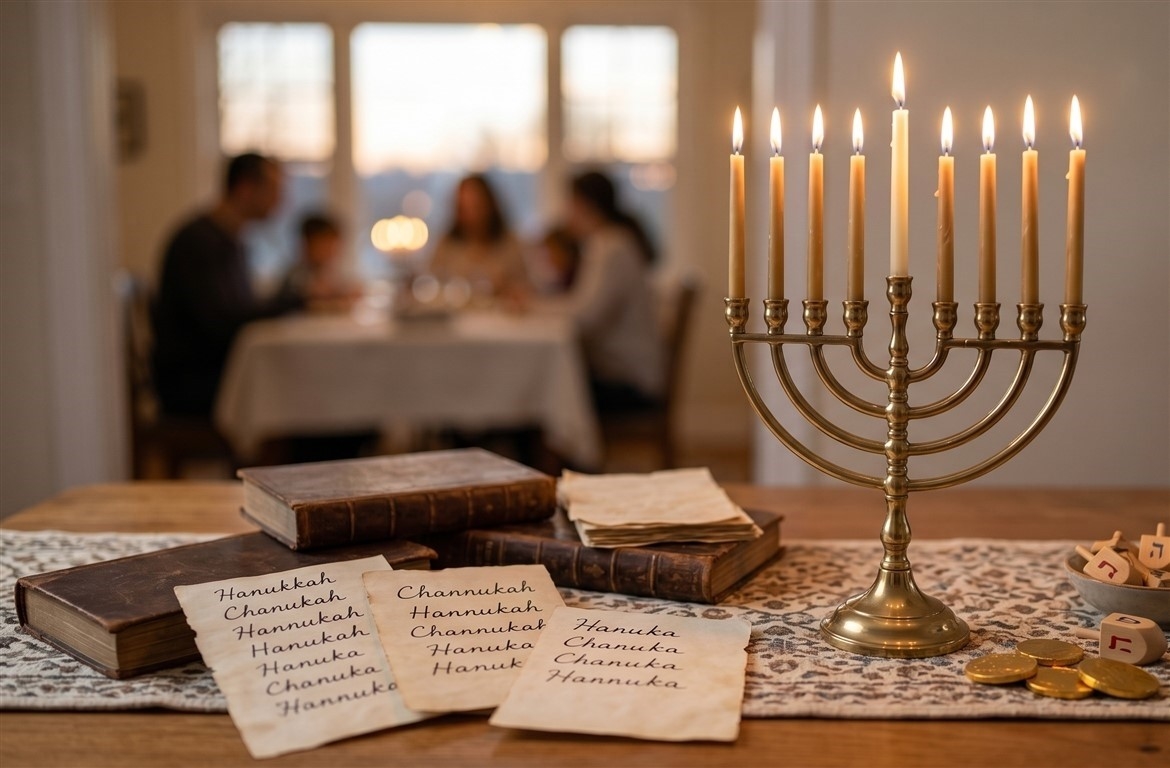
Hanukkah shows up with several different English spellings because we’re transliterating it from Hebrew. Hanukkah and Chanukah are both incredibly common. The spelling might change, but the holiday itself stays exactly the same.
Quick Facts on Hanukkah
| Question | Answer | Detail |
|---|---|---|
| Length | Eight nights | The celebration also spans eight days |
| Calendar date | 25 Kislev | The Gregorian date changes each year |
| Main ritual | Candle lighting | One new light is added nightly |
| Main object | Hanukkiah | Nine branches including the shamash |
| Known name | Festival of Lights | The name reflects the candle ritual |
| Common foods | Latkes and sufganiyot | Fried foods recall the oil tradition |
Hanukkah always comes back to one humble act: light a candle, then another. The story behind it is ancient, yes, but the scene looks stunningly fresh when you peek through a winter window. A tiny flame. A family gathered close. A street outside, cold and bustling. The candles just keep burning, no matter what.
0 Comment