


Parrilla Explained: Argentina’s Grill & Asado Culture
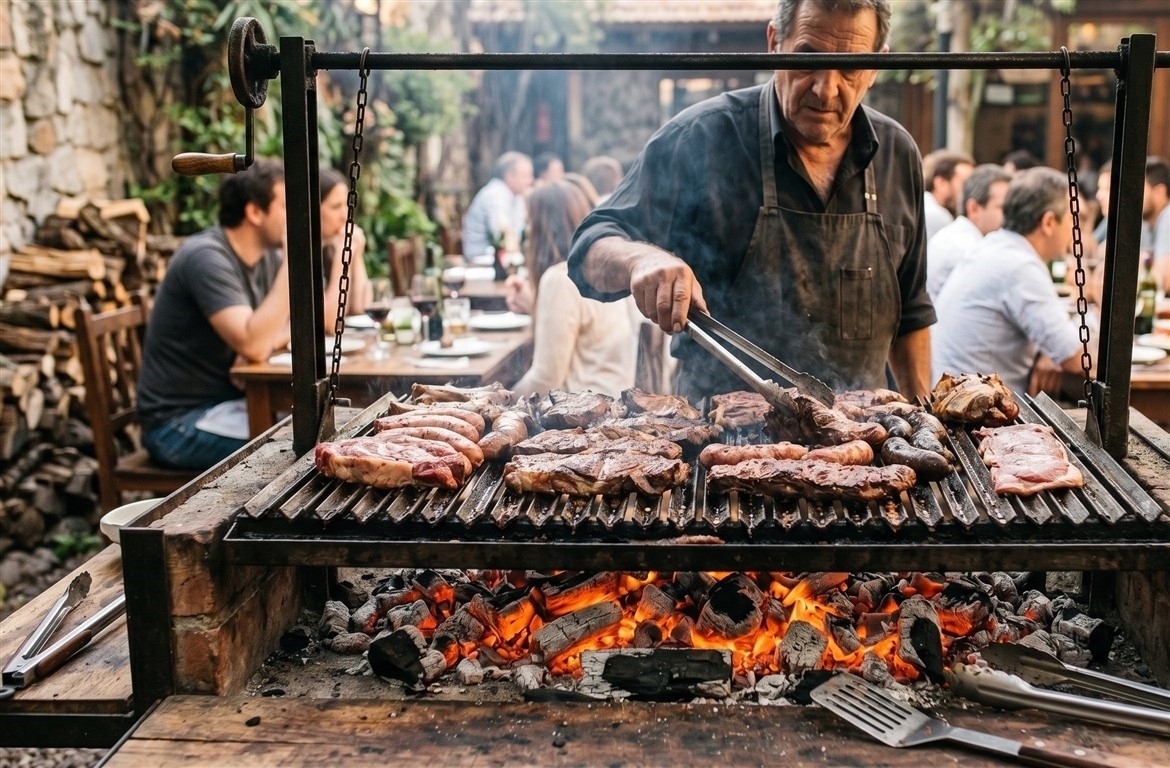
A parrilla isn’t just a grill; it’s practically a gateway to Argentina’s whole food scene. Mention the word in Buenos Aires, and you might be pointing to that metal grate sizzling over glowing coals, or perhaps the neighborhood steakhouse around the corner, or maybe even that whole smoky, leisurely vibe of a lunch that stretches well into the late afternoon. This isn’t just “barbecue” with a Spanish accent. Argentine grilling takes its time. It’s quieter, less about heavy sauces, and totally built around that deep, steady heat that comes from embers, not roaring flames.
For visitors, hitting a parrilla often marks their very first real taste of how Argentines eat. Think thick-cut beef, bread just tossed onto the table, a little bowl of chimichurri, quick-moving waiters, and a grill master who watches the fire like it might just decide to misbehave. The food looks simple, sure. But don’t mistake that for careless.
What a Parrilla Really Is
The Word “Parrilla”
In Spanish, “parrilla” simply means grill, grate, or gridiron. But here in Argentina, its everyday meaning has really expanded. It can refer to the actual metal cooking surface, the entire setup of fire and grate, or even a restaurant that specializes in cooking meats on that very grill. You’ll see “a la parrilla” on a menu, which just means “grilled.”
Sure, “grill” in English is accurate enough, but it feels a bit thin. “Parrilla” carries a sense of process. Wood or charcoal burns down. It turns into embers. The meat goes on, sitting above a consistent heat. The cook waits. That waiting? It’s a huge part of the flavor.
Parrilla as a Grill Setup
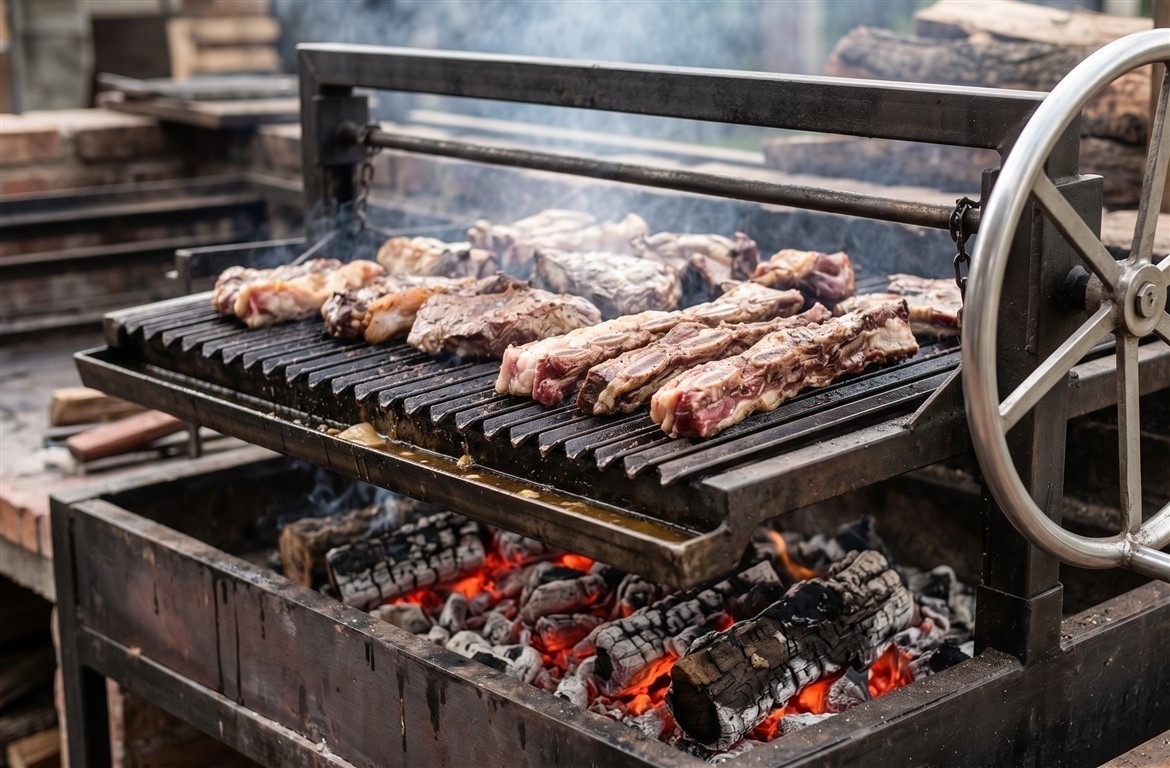
The physical parrilla usually means a robust metal grate, positioned right over a firebox. Lots of Argentine grills feature adjustable grates, which you can crank up or down with a wheel. This smart design lets the cook really control the heat without rushing the meat or drowning it in sauce. Fat drips, smoke curls upwards, salt pulls out moisture, edges crisp up. The best parrillas let you see every bit of that magic happen.
Parrilla as a Restaurant
A parrilla restaurant – sometimes called a parrillada-style grillhouse – is where visitors truly experience this tradition without needing a family invitation to an asado. Some places are super polished, complete with white tablecloths and extensive wine lists. Others are loud, tiled, and wonderfully unassuming. You might even find the grill right near the entrance, loaded with chorizo, ribs, steak, sweetbreads, peppers, and those glorious slabs of provoleta cheese, turning perfectly golden at the edges.
Parrilla vs. Asado: What’s the Difference?
Grill & Social Ritual
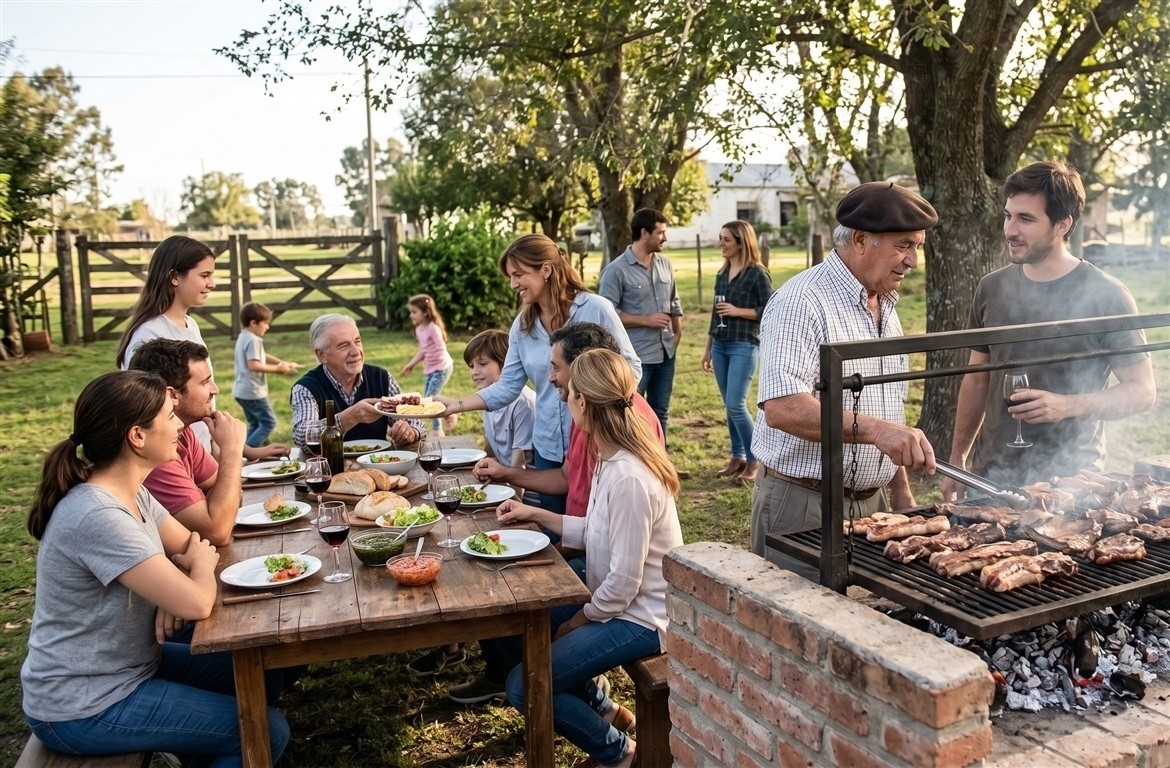
Parrilla and asado are definitely intertwined, but they’re not the same thing. The parrilla is the actual grill, or the restaurant. Asado? That’s the entire meal, the gathering, the whole fireside ritual. A family asado can easily stretch for hours. People arrive early, grab some snacks, chat, gravitate towards the embers, wander off, then come right back. Nobody seems in any rush, unless, of course, the chorizo is finally ready.
So, you could say the parrilla is the tool. And the asado? That’s the whole occasion. One is metal, heat, and pure technique. The other is pure appetite, time, and great company.
Parrilla’s Role in Asado Culture
The parrilla gives the asado its solid center. You don’t just dump meat onto a super-hot grill and forget about it. Cuts are carefully arranged based on their thickness and fat content. Sausages often make an early appearance. Ribs and tougher cuts? They need more time. A seasoned parrillero keeps feeding embers under the grate, shifting pieces as the heat changes, never trimming anything unless it’s absolutely necessary. There’s a deep patience involved here, and definitely a touch of stubborn pride.
Origins of the Parrilla Tradition
Gaucho Roots & Open Fires
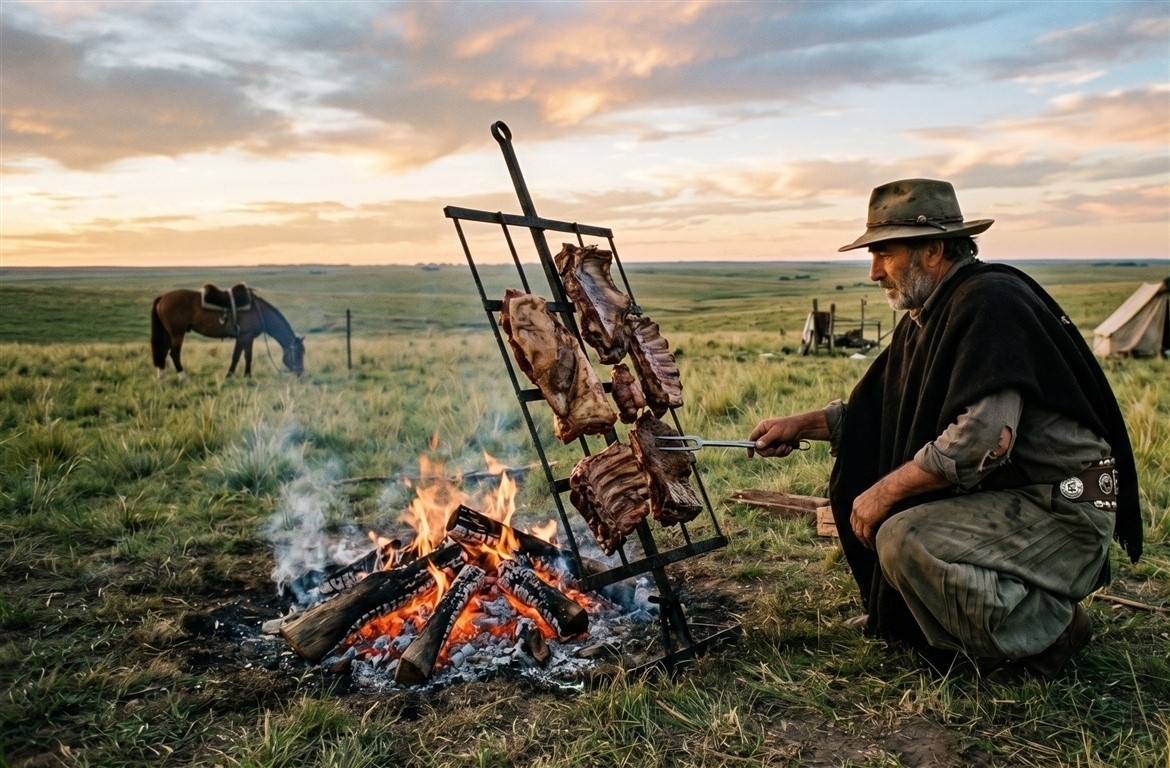
This whole story winds back to the gauchos, those iconic cowboys of the Pampas – Argentina’s vast cattle country. It started with open-fire cooking on the plains. Meat was abundant, fire was practical, and the initial cooking methods were straightforward: beef roasted near coals, sometimes on simple supports or iron crosses. This style was born outdoors, hand-in-hand with hard work, weather, horses, and the wide-open land.
Over time, that rustic cooking transformed into a shared national language. The tools evolved. Cities grew. Restaurants brought the tradition indoors. Yet, that deep love for embers, that never faded.
How It Joined Argentine Food
Argentina’s rich beef culture blossomed through extensive cattle ranching, waves of immigration, bustling urban dining scenes, and those cherished weekend family get-togethers. Italian and Spanish influences also shaped the dinner table: fresh bread, crisp salads, good wine, flavorful cheeses, and those long, unhurried meals that truly take their time. The parrilla absorbed all these elements, yet never became overly fussy.
Modern Parrilla Customs
Today, parrilla culture thrives in homes, at roadside eateries, in city steakhouses, and across various food markets. In Buenos Aires, a parrilla meal can be a special destination or just a quick, familiar stop in the neighborhood. Down in Patagonia, lamb might steal the show. In other countries, you’ll find Argentine-style grillhouses borrowing the name, the cuts, the chimichurri, and that captivating theater of the fire. Some really nail it. Others just hang a cowhide on the wall and cross their fingers that nobody notices.
Understanding How a Parrilla Grill Works
Fire, Embers, & Heat
A parrilla’s magic begins long before the meat even touches the metal. Wood or charcoal burns down until the flames settle and only glowing embers remain. That steady heat then gets pushed under the grill in carefully managed stages. The cook aims for consistent radiant heat, not aggressive flare-ups. Flames can easily scorch fat and leave a bitter taste. Embers are cleaner, slower, far more obedient.
Salt is usually the main seasoning, often coarse salt. Beef, heat, time. It sounds almost too simple. Then that first slice arrives, boasting a beautiful browned crust and warm juices spilling onto the plate.
Adjustable Grates & Slow Cooking
The adjustable grate is truly one of the parrilla’s brilliant features. A thick cut can sit higher over the coals, allowing it to warm through gently. A sausage can be brought closer for a quick burst of heat to crisp it up. If fat starts dripping too fast, the grate just moves up. If the fire starts to dwindle, more embers slide in from the side.
Why Skill Matters
Argentine grilling often looks so relaxed because good parrilleros don’t fuss or fidget. They actually read the fire, not just a clock. They instinctively know which cut forgives a little delay and which one turns tough after just two careless minutes. They understand the importance of resting meat, slicing it against the grain, and serving food precisely when it’s ready, not when some timer chirps.
What Goes on a Parrilla?
Classic Beef Options
Beef is definitely the star here. You’ll frequently see asado de tira, bife de chorizo, ojo de bife, entraña, vacío, and lomo on parrilla menus. The names can sometimes confuse visitors because butchery varies from country to country. Just trust your waiter, ask straightforward questions, and don’t try to pretend you know every cut. That’s a game nobody wins.
Sausages & Offal
Chorizo usually kicks off the meal. It might come on its own or tucked into bread as a choripán. Morcilla, a soft blood sausage, is richer and tends to divide opinions. Mollejas, or sweetbreads, are a highly sought-after order when they’re perfectly crisped: creamy on the inside, crackling on the outside, with a squeeze of lemon to cut through the richness.
Provoleta & Starters
Provoleta is simply grilled provolone cheese, cooked until it’s beautifully blistered and soft. It often arrives sprinkled with oregano, chili flakes, or a drizzle of olive oil. Eat it quickly while it’s hot! Wait too long, and that molten delight turns into a slightly rubbery lesson.
Vegetables & Sides
Vegetables are not just for decoration. Peppers, onions, eggplant, squash, potatoes, and corn all take on that lovely smoky flavor beautifully. Salads help keep the table from becoming an overwhelming wall of meat. And bread? That’s important too, because all those delicious sauces, juices, and melted cheese should absolutely not be left behind.
Favorite Parrilla Cuts & Dishes
| Cut or Dish | What It Is | Typical Character |
|---|---|---|
| Asado de tira | Cross-cut beef ribs | Rich, bony, deeply beefy |
| Bife de chorizo | Sirloin or strip-style steak | Firm, juicy, steakhouse-friendly |
| Ojo de bife | Ribeye | Marbled, tender, generous |
| Entraña | Skirt steak | Thin, intense, quick-cooking |
| Vacío | Flank-style cut | Textured, flavorful, great for sharing |
| Lomo | Tenderloin | Soft, lean, mild |
Asado
On a menu, “asado” often refers to ribs, usually specifically asado de tira. These are cross-cut ribs, complete with bone, fat, and a chewiness that truly rewards patient cooking. They’re not meant to be delicate. That’s actually the whole point.
Bife de Chorizo
Bife de chorizo is a solid, safe choice for first-time visitors trying steak. It’s thick, comforting, and really satisfying without being overly timid. The name has absolutely nothing to do with sausage; it just refers to this particular cut of beef.
Ojo de Bife
Ojo de bife, or ribeye, delivers fantastic marbling and tenderness. It’s perfect for diners who love a richer steak, featuring a lush, juicy center and beautifully browned fat along its edge.
Entraña
Entraña, or skirt steak, is prized for its intense flavor. It can be thin and cooks quickly, developing wonderfully crisp edges when handled just right. Always, always slice it across the grain.
Vacío
Vacío offers more chew and a distinct character. It’s the cut for those who appreciate texture as much as tenderness. Good vacío tastes like fire and patience had a spirited debate, and both sides emerged victorious.
Lomo
Lomo is the tenderloin. It’s lean, exceptionally soft, and mild in flavor. It really pleases diners who prioritize tenderness above all else, though some devoted parrilla regulars actually prefer cuts with a bit more fat and personality.
Chorizo & Morcilla
Chorizo is savory, robustly textured, and universally approachable. Morcilla is darker, softer, and possesses an earthier taste. If your table is feeling adventurous, order both. One bite will immediately tell you exactly where you stand.
Parrillada Mixta
A Parrillada mixta is a mixed grill, typically served on a hot metal platter with a variety of cuts and sausages. It’s super practical for groups and, in the best possible way, a little bit chaotic. Everyone reaches, negotiates, and inevitably tries to snag the last crispy bit.
Sauces, Sides, & the Little Details
Chimichurri
Chimichurri is pretty much the sauce every visitor expects: parsley, garlic, vinegar, oil, oregano, chili, and salt all mixed into a bright, loose concoction. It’s not meant to smother the meat. Just a spoonful is usually plenty. Maybe two if the bread’s warm and nobody’s looking.
Salsa Criolla
Salsa criolla offers a fresher, chunkier profile, made with onion, pepper, tomato, vinegar, and oil. It really cuts through the richness of fat and perks up sausages, ribs, and grilled vegetables beautifully.
Bread, Salads, & Potatoes
Bread is used without any fuss. Salads can be as simple as just lettuce, tomato, and onion. Potatoes arrive in all sorts of forms: fried, roasted, mashed, or sometimes folded into ensalada rusa with mayonnaise and other vegetables. The sides don’t compete with the grill; they simply keep the meal flowing smoothly.
Parrilla vs. American BBQ
| Parrilla | American BBQ |
|---|---|
| Often uses embers under an open grate, with heat adjusted by distance and coal placement. | Often uses smoking, covered pits, or indirect heat for long cooking, though styles differ by region. |
| Seasoning is usually restrained, with coarse salt doing much of the work. | Rubs, marinades, smoke profiles, and regional sauces can shape the whole dish. |
| Beef cuts, sausages, offal, cheese, and vegetables are common on the same grill. | Brisket, ribs, pork shoulder, chicken, and sausages often define the table. |
| Service leans toward shared platters, steak orders, and long table conversation. | Service ranges from backyard cookouts to tray-style restaurants and competition barbecue. |
Honestly, neither style needs to “win” against the other. Parrilla is all about thoughtful restraint and masterful fire management. American BBQ, on the other hand, often celebrates deep smoke, crispy bark, rich sauces, and strong regional identities. Both, done right, can be absolutely magnificent. And both can be utterly ruined by impatience.
The Parrillero: Master of the Fire
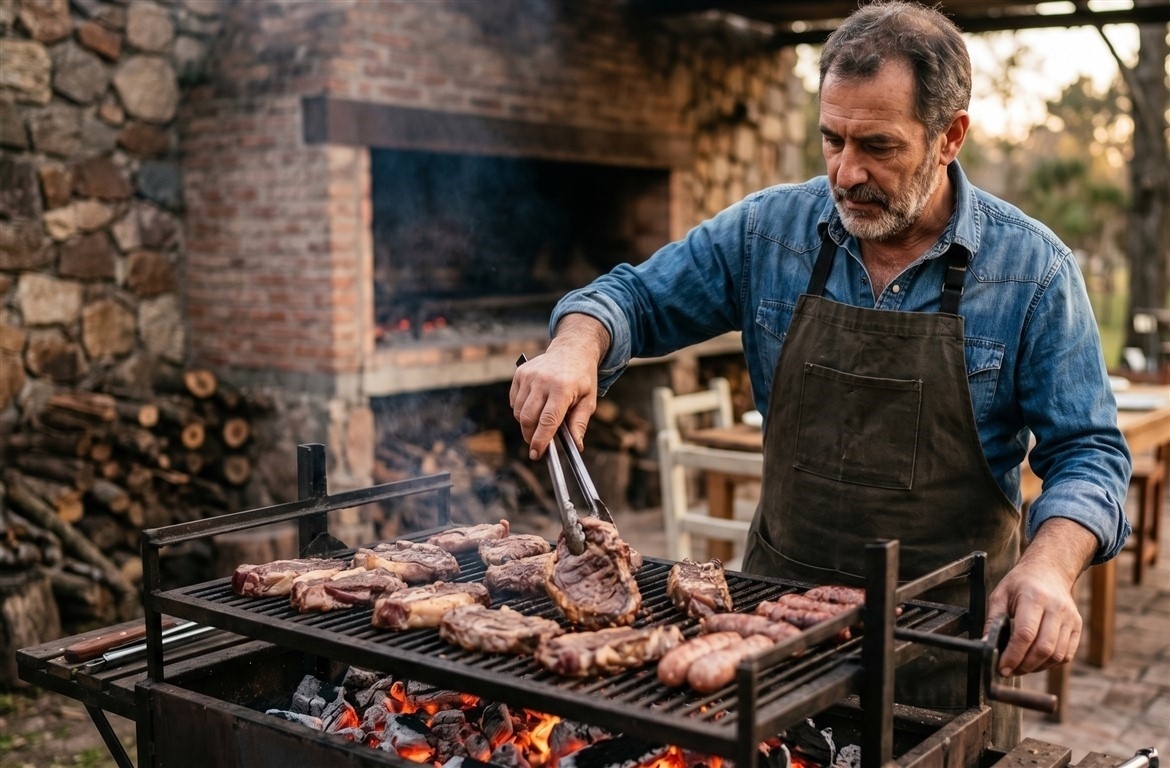
What a Parrillero Does
The parrillero is the person expertly managing the grill. At home, this role might fall to a parent, an uncle, a friend, or that one person who always volunteers to be the self-appointed fire commander. In restaurants, it’s a genuine professional craft. The parrillero builds the embers, arranges the cuts, precisely controls the heat, judges doneness, and carefully paces the entire meal.
Timing, Fire, & Hosting
A truly great parrillero is part chef, part host, and a little bit like a human weather system. Too much heat and the meat gets tough. Too little, and the whole table starts getting restless. Sausages demand attention. Provoleta requires a certain bravery. Ribs need lots of time. Guests need little bites to nibble on while the bigger cuts finish cooking. The fire sets the basic rhythm, but the parrillero is the one conducting the whole delicious symphony.
How to Dine at a Parrilla Restaurant
What to Order First
Start with something small from the grill. Chorizo, provoleta, or mollejas if your table is feeling adventurous. Then, pick one or two main cuts instead of trying to order every famous name all at once. Portions can be quite generous, and the meat arrives with a confident presence.
- For a first visit: Definitely order chorizo, provoleta, bife de chorizo, a simple salad, and some potatoes. This gives you a clear, delicious picture of the parrilla experience without turning lunch into a wrestling match.
- For a group: Opt for a parrillada mixta and maybe add one premium steak. This way, everyone gets to taste sausages, ribs, and various textures while keeping the order nice and straightforward.
- For curious eaters: Add mollejas or morcilla. These aren’t tourist traps; they’re classic Argentine offerings and really showcase the broad range of the grill.
Parrillada Serving Style
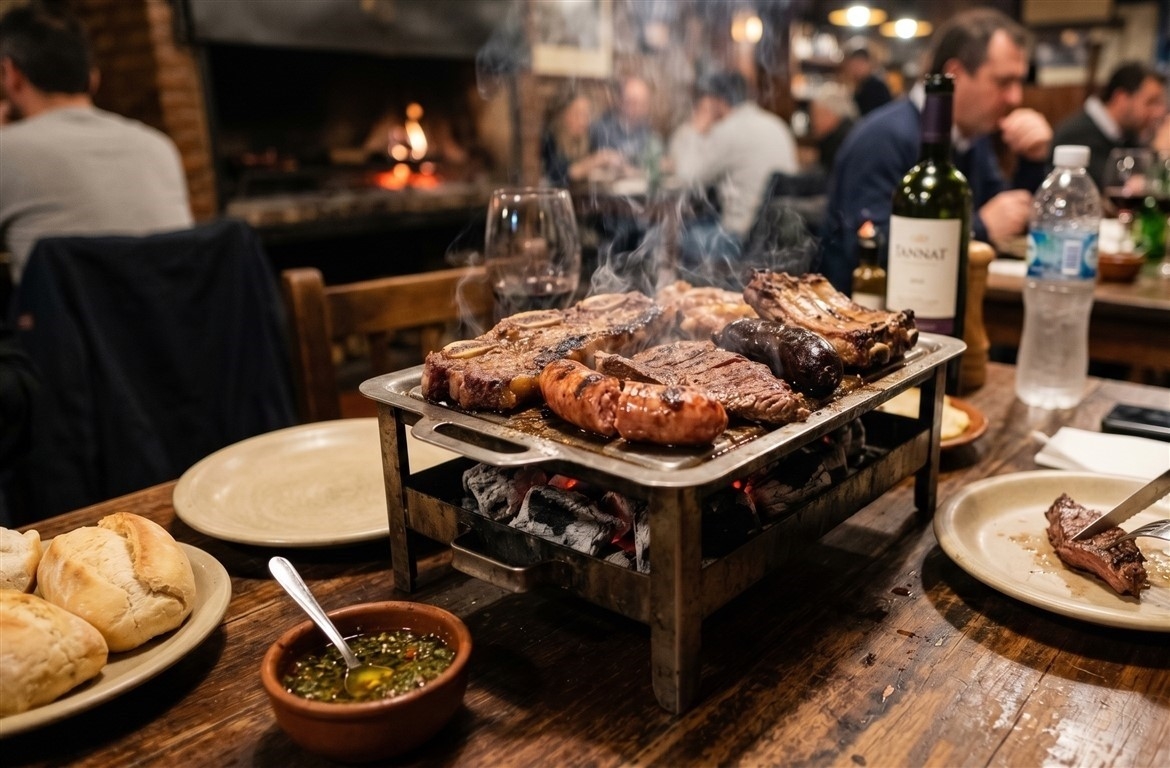
Parrillada usually comes served on a hot metal tray or a small tabletop brazier. The first pieces might be ready to eat even before the last ones reach your table. Don’t wait around; eat the meat while it’s hot. Trying to get that perfect group photo can quickly turn a glorious bite into lukewarm regret.
Perfect Drink Pairings
Malbec is the go-to choice, and it pairs absolutely beautifully with charred beef. Bonarda, Cabernet Sauvignon, a cold beer, sparkling water, or soft drinks are also common choices. There’s no need to put on a show of sophistication. Just order what makes the meal enjoyable for you.
Can You Make Parrilla at Home?
Basic Gear Needed
You absolutely can get pretty close to true parrilla-style cooking right at home. All you need is a sturdy charcoal grill, a heavy-duty grate, and a good dose of patience. A proper Argentine parrilla with an adjustable height is fantastic, but it’s not strictly necessary for your first attempt. What truly matters is cooking over consistent embers, not wild, unruly flames.
Wood, Charcoal, & Embers
Hardwood charcoal delivers wonderfully steady heat. Clean hardwood can also work really well, provided it’s burned down properly. Whatever you do, steer clear of treated wood, that awful lighter-fluid flavor, and any fire that just smells off. The meat will definitely remember.
First Steps to Home Parrilla
- Get the fire going early: Let your wood or charcoal burn until the heat settles into a bed of glowing embers. Flames look dramatic, but embers actually cook with far more finesse.
- Salt the meat simply: Use coarse salt and give thicker cuts ample time to absorb it. Heavy marinades tend to mask the incredible flavor that parrilla cooking aims to bring out.
- Control the heat distance: Move food to cooler zones or raise the grate if your setup allows. Fat should render gently, not explode into bitter smoke.
- Rest meat before slicing: A few quiet minutes really help the juices redistribute. For textured cuts like entraña and vacío, always slice them against the grain.
Why Parrilla Endures
Food, Family, & Tradition
The parrilla isn’t just surviving; it’s thriving because it does so much more than just cook food. It brings people together. It forces a meal to slow down. It gives someone a perfect excuse to stand near the fire, and another person a great reason to pour some wine. In a constantly restless dining world, full of complex concepts, foams, and menus that demand a translator, the parrilla feels almost stubbornly direct. And that’s its charm.
Parrilla Beyond Argentina
Argentine parrilla has traveled extensively, far beyond Argentina’s borders. It’s been carried by passionate chefs, migrating families, curious travelers, and a global love for grilled beef. The very best versions keep the core essence intact: fantastic meat, live fire, steady embers, and minimal fuss. Add some good bread, a splash of chimichurri, friends gathered around the table, and that wonderful smoky pause right before the first cut is served. Suddenly, the whole room leans in, completely captivated.
FAQs
What does “Parrilla” mean?
Parrilla generally translates to grill or grate in English. It can also refer to a grillhouse or a restaurant specializing in grilled dishes.
Is Parrilla the same as BBQ?
Parrilla is a specific style of grilling, but it’s not exactly identical to barbecue as understood in every country. Argentine parrilla focuses heavily on ember cooking, minimal seasoning, and grilled cuts served without heavy sauces.
Parrilla vs. Asado: What’s the difference?
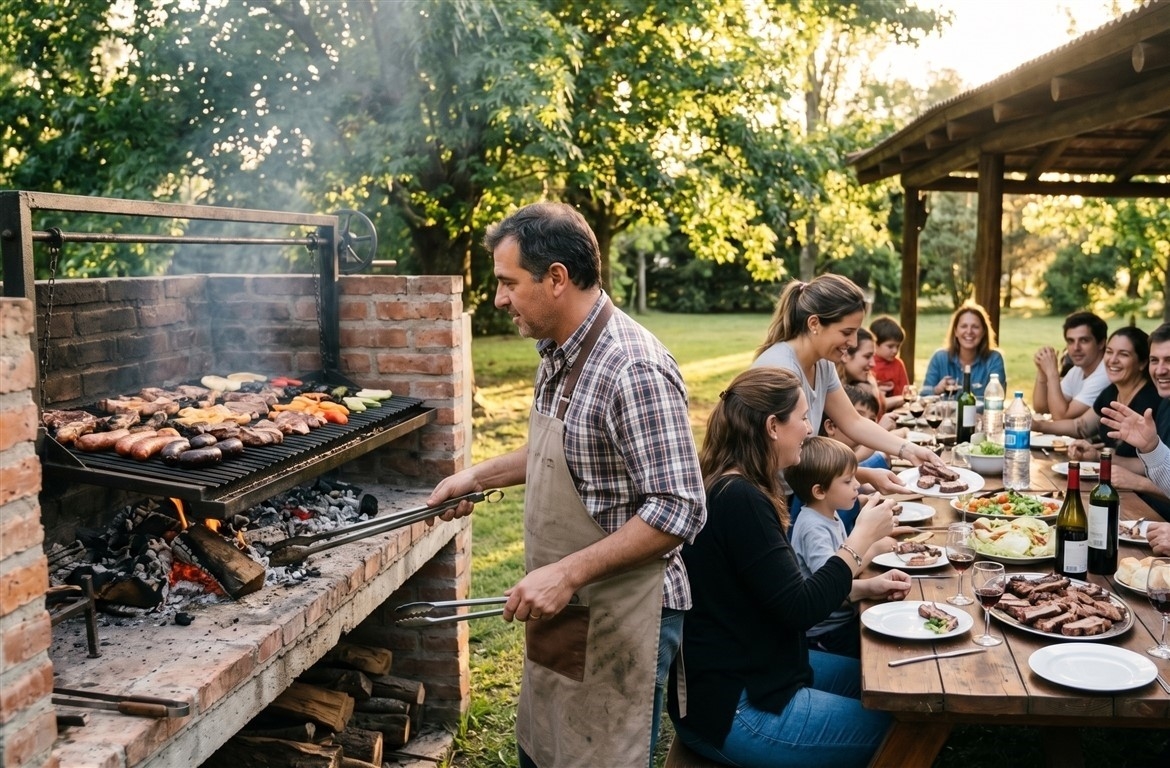
Parrilla is the actual grill, the cooking setup, or the restaurant itself. Asado is the communal meal and the rich social tradition that revolves around grilled meat and fire.
Best meat for Parrilla?
Popular choices include bife de chorizo, ojo de bife, asado de tira, entraña, vacío, and lomo. Sausages and mollejas are also standard offerings at a classic parrilla table.
What to drink with Parrilla?
Malbec is a classic pairing for Argentine beef. Beer, Bonarda, Cabernet Sauvignon, sparkling water, and soft drinks are also perfectly normal choices.
Are vegetables part of Parrilla?
Absolutely, yes. Peppers, onions, potatoes, eggplant, squash, and corn all cook wonderfully over embers. Many parrilla restaurants feature grilled vegetable plates.
What makes Argentine Parrilla unique?
Its distinctiveness comes from its emphasis on ember cooking, simple seasoning, beef-centric menus, a shared serving style, and the integral cultural rhythm of the asado. It’s more than just food; it’s about time spent around heat, smoke, and good company.
0 Comment