


Best Places to Travel in Brazil
Why Brazil Needs to Be on Your List
Brazil is way too big for just one trip. Imagine a whole continent packed with diverse landscapes: deep rainforest rivers, stunning white-sand islands, charming old colonial towns, cities throbbing with music, wildlife-filled wetlands, and national parks that genuinely look unreal when the light shifts. To really nail a trip to Brazil, you’ve got to pick the right regions, not try to cram everything in. Distances are massive here. Flying from Rio de Janeiro to Manaus takes roughly four hours, and São Paulo to Foz do Iguaçu is about two hours by air – much, much longer if you go by road.
For first-timers, the best plan usually balances a major city, an iconic natural landmark, and then a more relaxed coastal spot or a wildlife experience. Think about it: Rio de Janeiro, Iguaçu Falls, Salvador, the Pantanal, the Amazon, and Lençóis Maranhenses all offer wildly different tastes of Brazil. Your perfect choice really boils down to your personal travel style, the time of year, your budget, and frankly, how much you enjoy long transfers. Brazil truly rewards careful planning, but it also loves when you leave a little room for spontaneous beach days, live music sessions, delicious market lunches, and, you know, whatever the weather decides to do.
Top Destinations in Brazil
Rio de Janeiro
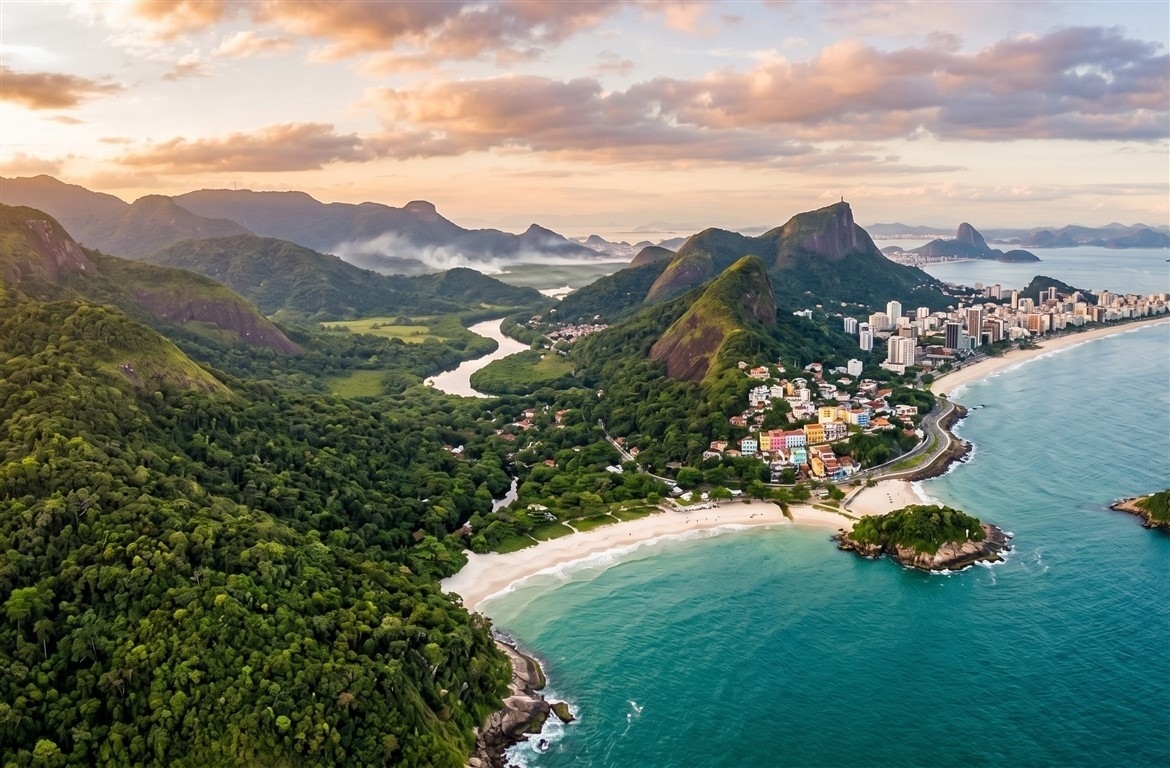
Rio de Janeiro is the place where Brazil’s incredible energy hits you instantly. This city just sits there, nestled between towering mountains, vibrant beaches, lush forest, and bustling neighborhoods. You could easily start your day with a sunrise swim at Ipanema, then take a cable car up Sugarloaf Mountain, and finish with dinner in Botafogo. Christ the Redeemer? He’s standing tall right inside Tijuca National Park, one of the biggest urban forests anywhere. One look at that view, and you’ll understand exactly why Rio keeps popping up on everyone’s travel wish lists. If it’s your first time, staying in Ipanema, Leblon, Copacabana, or Botafogo puts you close to the beach, great food, and easy transportation.
Best Things to Do in Rio
Hop on the metro for quick trips between Ipanema, Copacabana, Botafogo, Flamengo, and the city center. For those scenic viewpoints or late-night returns, grab a registered taxi or use a rideshare app. Santos Dumont Airport is handiest for downtown and domestic flights, while Galeão International Airport handles most long-haul arrivals. Catch Christ the Redeemer either super early in the morning or later in the afternoon. Sugarloaf is absolutely magical at sunset. Santa Teresa is perfect for cute cafés, exploring old streets, and seeing the Selarón Steps, while Jardim Botânico and Parque Lage are just right for slower, relaxed mornings. Three to four nights here really gives you enough time without feeling rushed.
Iguaçu Falls
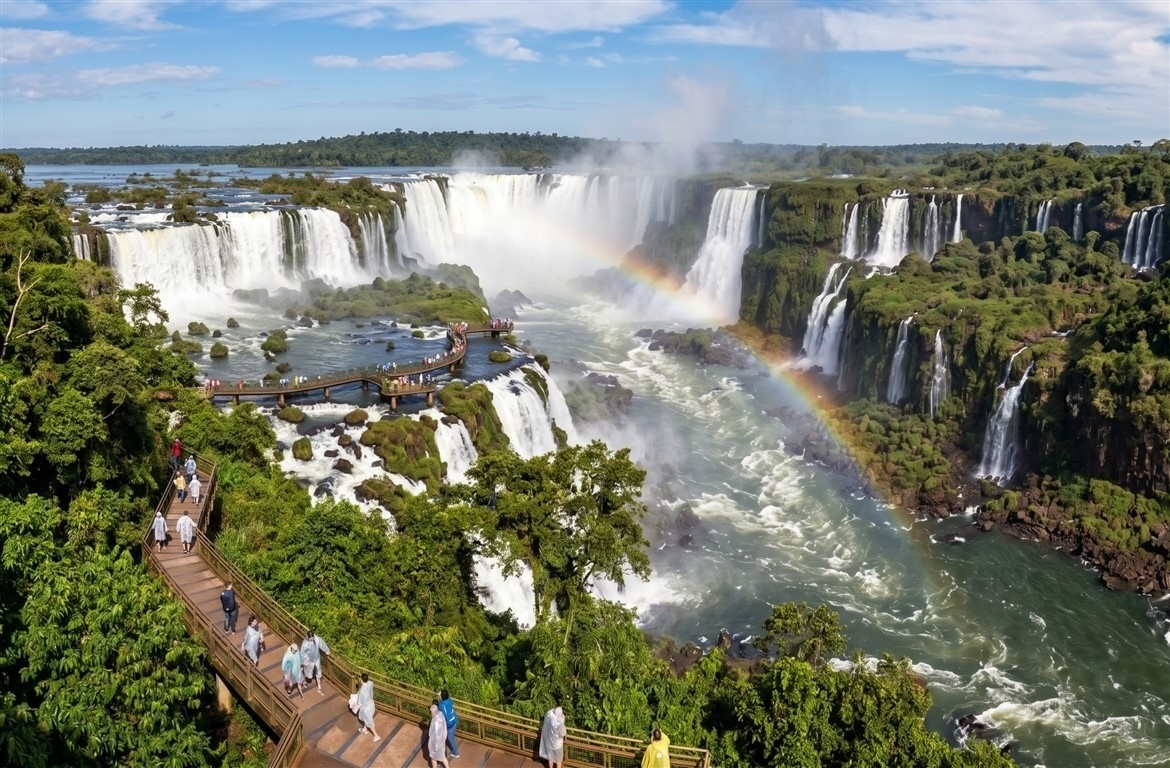
Iguaçu Falls is honestly one of South America’s most jaw-dropping natural wonders. The Brazilian side offers these sweeping, panoramic vistas, while the Argentine side lets you get up close and personal on walkways right over and next to the cascades. Foz do Iguaçu is your home base city, with flights coming into Foz do Iguaçu International Airport. The main entrance on the Brazilian side is inside Iguaçu National Park, just a quick drive from the airport and usually 30–40 minutes from most central hotels.
Viewpoints and Nearby Fun
If you want to see both sides of the falls, plan for at least two nights. You can totally do the Brazilian side in half a day, though adding Parque das Aves, right across from the park entrance, makes for a much fuller day. The Argentine side needs more time because its trails wind through different angles and offer various walkways. Boat rides, like the Macuco Safari, get you super close to the spray, so quick-dry clothes and a waterproof phone pouch are definitely smart. Don’t forget your passport for the border crossing, and always double-check visa or entry rules before booking that Argentina day trip.
Amazon Rainforest
The Brazilian Amazon is pure gold for travelers dreaming of expansive river landscapes, the distinct sounds of the rainforest, canoe adventures, incredible birdlife, and that wonderful feeling of being truly remote. Manaus is the main entry point, with flights from São Paulo, Brasília, Rio de Janeiro, and other Brazilian cities. Lots of lodges are tucked away along the Rio Negro or deeper tributaries; you usually reach them by boat and road transfers that the lodge arranges. A three or four-night stay gives you plenty of time for canoe trips, jungle walks, piranha fishing demos, night wildlife hunts, and those unforgettable sunrise river excursions.
Wildlife, Cruises, and Jungle Lodges
The Amazon isn’t a zoo, so spotting wildlife takes a bit of patience. Visitors often glimpse pink river dolphins, various monkeys, vibrant macaws, lurking caimans, slow-moving sloths, and tons of bird species. But remember, the dense forest is really good at hiding bigger animals. The wet season brings flooded forests and canoe routes right through the tree canopies, while the drier months reveal sandy beaches and walking trails. Pick lodges that work with local guides, manage their waste responsibly, and always keep wildlife viewing respectful. River cruises are great if you love constantly changing scenery, while fixed lodges provide a more stable base and generally more predictable costs.
Pantanal
The Pantanal stands out as Brazil’s premier wildlife destination for many adventurers. Why? The wide-open wetlands make spotting animals so much easier than in the Amazon. Jaguars, capybaras, giant anteaters, caimans, vibrant hyacinth macaws, stately jabiru storks, and various deer all call this massive wetland home. Cuiabá in Mato Grosso is the northern gateway, while Campo Grande serves the southern Pantanal in Mato Grosso do Sul. Lodges typically include meals, guides, boat trips, night drives, and transfers, since you’re pretty limited once you leave the cities and try to move around independently.
Brazil’s Top Wildlife Spot
The dry season, roughly from May to October, is prime time for wildlife viewing. Jaguar trips around Porto Jofre are especially popular from June through October. The Transpantaneira road, stretching from Poconé toward Porto Jofre, is legendary for roadside wildlife, though road conditions can change with the weather. Lodges in the Southern Pantanal near Miranda, Aquidauana, or Corumbá often make for easier, classic ranch-style stays. Three nights is the absolute minimum; four or five nights dramatically boost your chances for those rare sightings and cuts down on wasted transfer time.
Lençóis Maranhenses Park
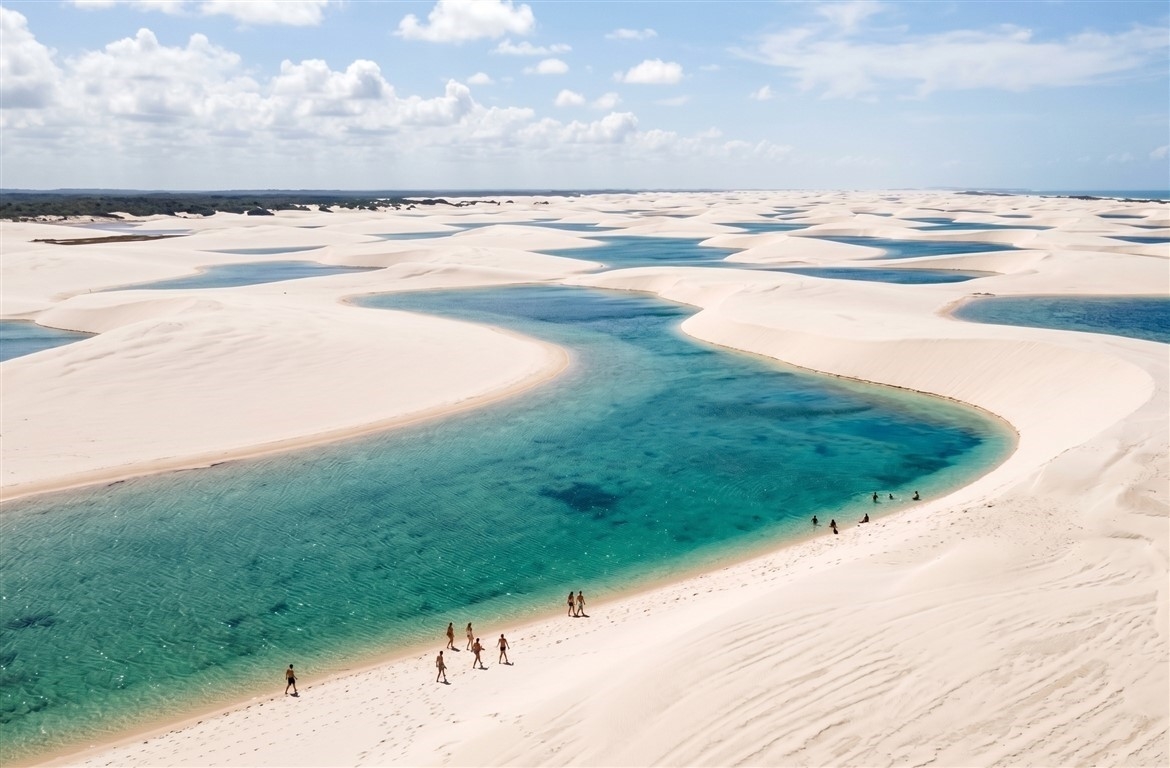
Lençóis Maranhenses looks like a desert from afar, then completely blows your mind with shimmering rainwater lagoons nestled right between brilliant white dunes. Your main access point is São Luís, the capital of Maranhão, followed by a road transfer to Barreirinhas, Santo Amaro, or Atins. Barreirinhas offers the most hotel options and tour setups. Santo Amaro is closer to some of the most stunning lagoons, while Atins has a wonderfully sandy, remote vibe, sitting right on the park’s edge and near the Preguiças River.
Dunes, Lagoons, and Ideal Timing
The lagoons are usually at their absolute best right after the rainy season, especially from June through September. Tours here always use authorized 4×4 vehicles because private cars simply can’t freely navigate the park routes. Lagoa Bonita and Lagoa Azul are classic choices if you’re coming from Barreirinhas, but Santo Amaro gives you access to even larger, quieter lagoon areas. If you want to see more than just dunes, add a Preguiças River trip to check out Vassouras, Mandacaru, and Caburé. Two to four nights works beautifully, depending on how much travel time you’re okay with.
Fernando de Noronha
Fernando de Noronha is Brazil’s ultimate island fantasy. Think crystal-clear water, playful sea turtles, graceful dolphins, dramatic cliffs, and carefully managed visitor numbers. Flights typically arrive from Recife or Natal. Be aware, the island charges environmental fees, and popular beaches or trails might require special park access or advance booking. Prices here are higher than on mainland Brazil, so it’s rarely the budget-friendly beach option. But the incredible water quality and diverse marine life truly make it one of the country’s most unforgettable stops.
Beaches, Snorkeling, & Ocean Life
Baía do Sancho is the famous postcard-perfect beach. You reach it by navigating ladders and cliff access, depending on conditions. Praia do Leão, Baía dos Porcos, and Praia do Sueste all cater to different moods and sea states. Snorkeling can bring you face-to-face with turtles, rays, vibrant reef fish, and even spinner dolphins just offshore, while licensed diving operators explore deeper sites. Book your lodging early; the charming small pousadas fill up fast. Four nights gives you enough time to rotate through beaches, enjoy a boat tour, catch a sunset viewpoint, and provides a buffer for any weather surprises.
Salvador
Salvador pulses with Brazil’s incredible cultural heartbeat. It’s all about Afro-Brazilian food, music, religion, dance, and stunning architecture. Pelourinho is the historic core, famous for its colorful colonial buildings, ornate churches, powerful drumming groups, and capoeira performances. The city also boasts beautiful beaches, bustling markets, and a food scene built around mouth-watering dishes like acarajé, moqueca, vatapá, and cocada. Salvador International Airport is located north of the city center and serves as a convenient gateway to places like Praia do Forte, Morro de São Paulo, and Chapada Diamantina.
Afro-Brazilian Culture & Old Streets
Stay right in or near Pelourinho for that rich historic vibe, head to Rio Vermelho for amazing food and nightlife, or choose Barra for easy beach access and a generally safer walking experience in the evenings. Always use taxis or rideshare services at night, especially when moving between neighborhoods. The Igreja de São Francisco, Elevador Lacerda, Mercado Modelo, and Farol da Barra are all easy to combine over a couple of days. If the timing works out, definitely add a live music night – Salvador’s rhythm isn’t just background noise; it’s the very soul of the city.
Paraty
Paraty sits right on the Costa Verde, nestled perfectly between Rio de Janeiro and São Paulo. Its cobbled stone streets, gleaming white colonial houses, dramatic mountain backdrop, and a bay dotted with islands make it one of Brazil’s most charming small towns. The historic center is mostly pedestrian-only, which keeps the pace wonderfully slow and incredibly photogenic. Paraty is ideal for travelers craving boat trips, refreshing waterfalls, visits to cachaça distilleries, cozy boutique pousadas, and a welcome break from the big-city hustle.
Colonial Charm, Islands, Coast
You usually get here by road: it’s about four to five hours from Rio, depending on traffic, and roughly five to six hours from São Paulo. Shared transfers are often easier than public buses, especially if you have luggage. Schooner trips depart from the pier, taking you to idyllic island beaches and prime swimming spots, while Trindade offers wilder beaches just a short drive away. The town does flood a little during certain high tides, so sandals with good grip are a much better choice than fancy polished shoes. Two or three nights here usually hits the sweet spot for most itineraries.
São Paulo
São Paulo is Brazil’s biggest city, period. It’s also arguably the best place for incredible restaurants, world-class museums, cutting-edge design, buzzing nightlife, stunning street art, and a vibrant urban culture. Travelers solely focused on beaches might skip it, but anyone into food? You absolutely can’t miss São Paulo. Avenida Paulista, MASP, Ibirapuera Park, Pinacoteca, Vila Madalena, Liberdade, and the Municipal Market offer a fantastic initial glimpse. The city’s metro system is incredibly handy, particularly around the Paulista, Consolação, Paraíso, Luz, and Liberdade stations.
Museums, Food, Nightlife, City Life
Guarulhos International Airport handles most international flights, while Congonhas is super convenient for domestic routes. For easier movement, stay in areas like Jardins, Pinheiros, Itaim Bibi, Vila Madalena, or right near Paulista. São Paulo really rewards those who make reservations, especially for its renowned restaurants and tasting menus. Spending time admiring the street art around Beco do Batman, indulging in Japanese-Brazilian food in Liberdade, and soaking up culture at MASP can easily fill two full days before you jet off to Iguaçu, Salvador, or the Amazon.
Florianópolis
Florianópolis, often affectionately called Floripa, is an island city in southern Brazil absolutely packed with beaches. It’s a cool mix of surf breaks, tranquil lagoons, amazing seafood restaurants, scenic hiking trails, and wonderfully laid-back neighborhoods. Lagoa da Conceição makes a great base, offering plenty of restaurants and easy access to both sides of the island. Campeche, Joaquina, Mole, Lagoinha do Leste, and Santo Antônio de Lisboa each offer a completely different vibe for your day.
Island Beaches & Outdoor Fun
Hercílio Luz International Airport connects Florianópolis with São Paulo, Rio, Brasília, and other major cities. Renting a car really helps since the beaches are spread out, though summer traffic can get slow. Joaquina and Praia Mole are perfect if you’re looking for surf action, while Campeche boasts long stretches of sand and, weather permitting, island tours. Lagoinha do Leste requires either a hike or boat access, making it a bit more of an adventure. Three nights works for a quick beach getaway; five nights gives you plenty of room for variable weather and exploring different coastlines.
Chapada Diamantina
Chapada Diamantina is truly the hiking paradise of Bahia. It’s full of incredible waterfalls, mysterious caves, vast plateaus, refreshing swimming holes, and breathtaking viewpoints. Lençóis is the main base town, typically reached by bus, private transfer, or sometimes limited regional flights depending on the season and route. Morro do Pai Inácio is the legendary sunset viewpoint, while Cachoeira da Fumaça, Poço Azul, Poço Encantado, and Ribeirão do Meio are all popular day trips. This region is perfect for travelers who love early starts and dusty shoes way more than beach chairs.
Hiking, Falls, Caves, & Views
Guides are a really strong recommendation for any longer trails or remote areas here. Vale do Pati is the iconic multi-day trek, usually involving stays in local homes or simple lodges along the way. From Salvador, road travel to Lençóis can take about six to seven hours, so this region definitely deserves at least three nights. Pack trail shoes, swimwear, some cash for smaller stops, and a light jacket for those cooler evenings. The dry months are better for hiking, though waterfall flow naturally changes throughout the year.
Bonito
Bonito stands out as one of Brazil’s best-organized eco-tourism towns. It’s famous for its impossibly clear rivers, fantastic snorkeling, captivating caves, stunning waterfalls, and very strict visitor controls. The town is located in Mato Grosso do Sul, with access typically through Campo Grande via road transfer or regional flights when available. All activities absolutely must be booked through local agencies because visitor numbers are carefully managed and tours stick to set time slots. This structure really helps protect the fragile rivers while still giving travelers incredibly reliable experiences.
Rivers, Snorkeling, Caves, Eco-Fun
Rio da Prata, Rio Sucuri, and Aquário Natural are legendary for floating in pristine clear water with fish swimming all around you. Gruta do Lago Azul is that iconic cave with its mesmerizing blue water, and Estância Mimosa or Boca da Onça are perfect for waterfall-filled days. Bonito isn’t a place for spontaneous trips during holidays, as tours will definitely sell out. Three or four nights lets you comfortably combine floating, caves, and waterfalls without overstuffing your schedule. Water shoes, dry bags, and quick-dry clothing will make your days much smoother.
Brazil Destinations for Every Traveler
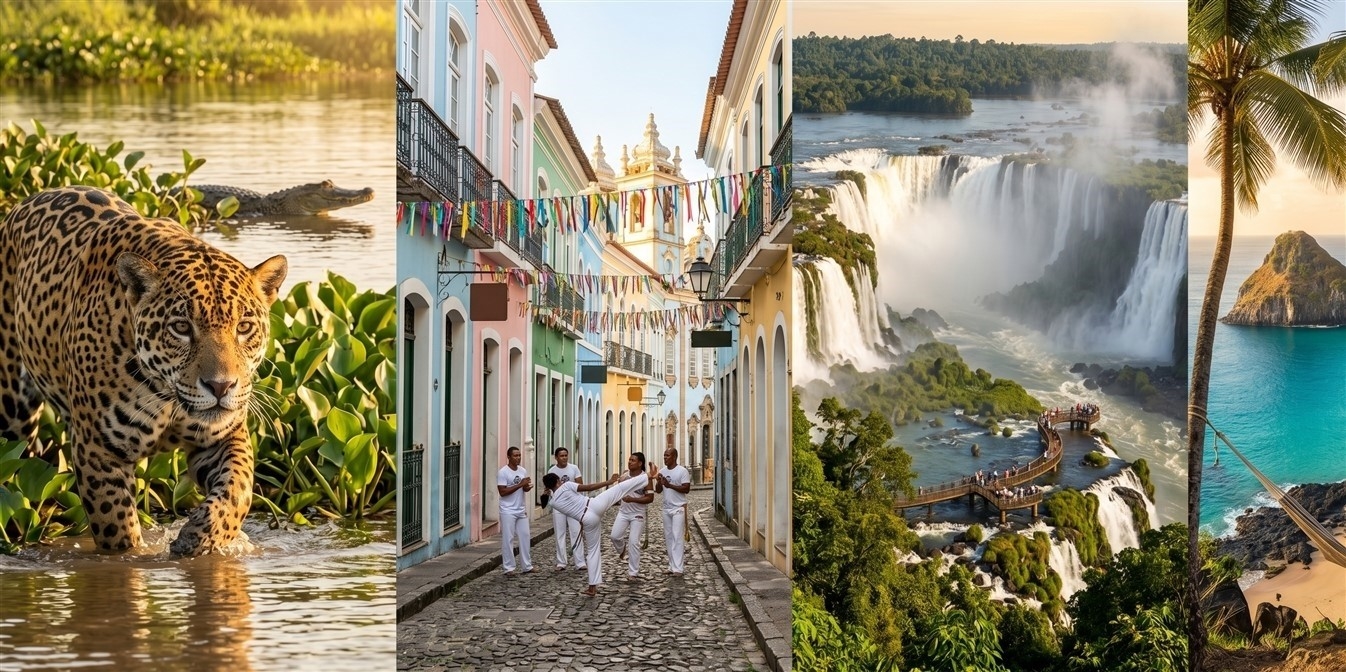
Planning your Brazil adventure gets way simpler when you group destinations by the kind of trip they offer. Someone chasing perfect beaches needs a totally different route than an individual hoping to spot jaguars or explore charming colonial streets. Trying to cram too many different travel styles into a ten-day trip usually just means spending half your time at airports and doing transfers. It’s often best to pick one main reason for your visit, then maybe add one contrasting stop if the whole route still feels relaxed enough.
The table below keeps things super practical. It’s not about ranking places by “beauty”—Brazil just doesn’t work that way. Instead, it matches locations to genuine travel goals, from routes for first-timers to serious wildlife expeditions or even quick food-focused weekends.
| Travel style | Best places | Why they fit |
|---|---|---|
| Beach trip | Fernando de Noronha, Florianópolis, Paraty | Clear waters, stunning island scenery, boat days, and amazing coastal stays |
| Nature and wildlife | Pantanal, Amazon, Iguaçu Falls | Vast wetlands, rainforest rivers, incredible rare animals, and massive landscapes |
| Culture | Salvador, São Paulo, Rio de Janeiro | Music, museums, delicious food, unique neighborhoods, architecture, and lively nightlife |
| Adventure | Chapada Diamantina, Bonito, Lençóis Maranhenses | Hiking, mysterious caves, snorkeling fun, stunning dunes, beautiful lagoons, and guided outdoor trips |
| First-time Brazil | Rio, Iguaçu Falls, Salvador | Iconic views, straightforward logistics, and a fantastic blend of city buzz and natural wonder |
Brazil’s Top Beaches
Fernando de Noronha is absolutely the ultimate pick for marine life and dramatic scenery, but just know it’s pricey and needs more planning. Florianópolis offers much more variety on a tighter budget, especially great for surfers, hikers, and anyone who enjoys renting a car. Paraty works better for boat trips and its unique colonial charm, rather than your typical resort-style beach days. If you’re looking for that warm northeastern beach culture beyond these spots, many travelers love adding Praia do Forte, Jericoacoara, Pipa, or Trancoso.
Top Nature & Wildlife Spots
The Pantanal is hands down the best bet for wildlife sightings, especially if you’re keen on jaguars and birds during the dry season. The Amazon delivers a much deeper rainforest and river experience, offering more atmosphere than guaranteed animal sightings. Iguaçu Falls is the easiest grand nature stop to access; flights and hotels are pretty straightforward. And for a landscape that just doesn’t look like anywhere else in the country, Lençóis Maranhenses is the clear winner.
Best Culture Destinations
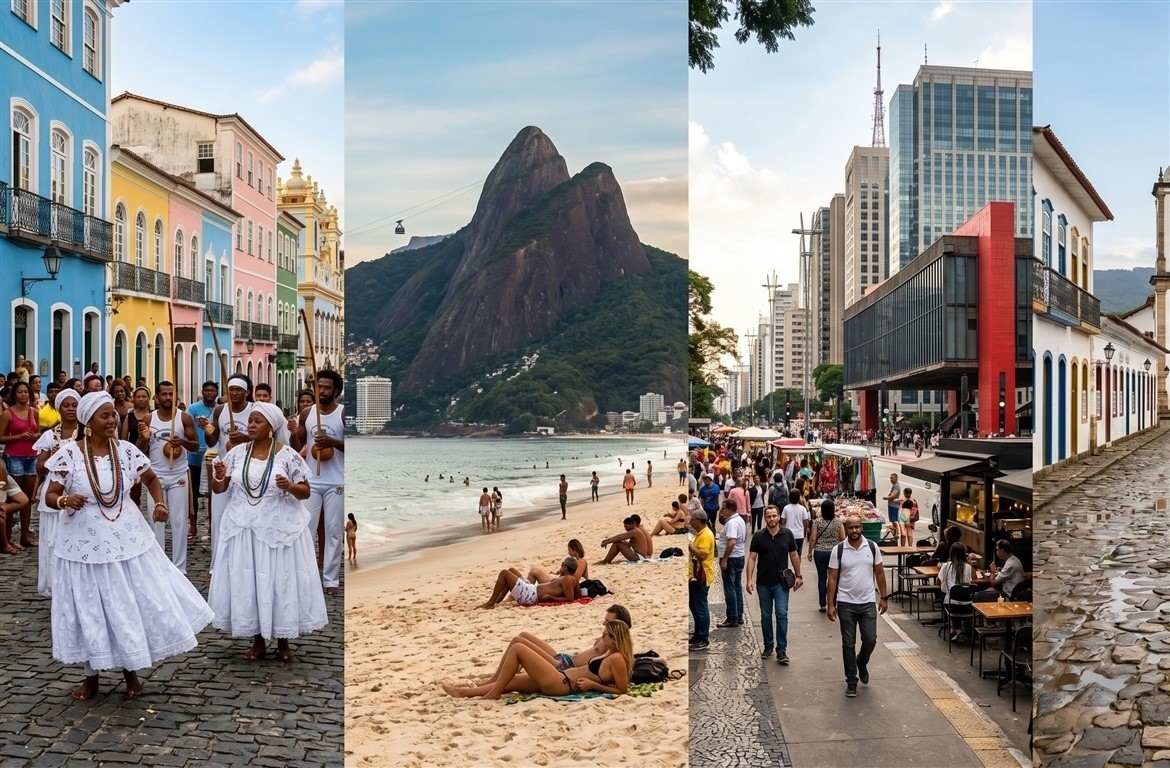
Salvador is truly unmatched when it comes to Afro-Brazilian culture, historic streets, amazing food, pulsating music, and vibrant dance. Rio brings together beach culture, samba, iconic viewpoints, and lively neighborhood life all in one place. São Paulo reigns supreme as the best city for art galleries, world-class restaurants, striking architecture, live concerts, and endless late-night variety. Paraty adds a quieter, historic layer, especially appealing to travelers who adore small towns with a strong visual character.
Adventure Travel Hubs
Chapada Diamantina is perfect for hikers who love spending full days on trails and soaking in huge viewpoints. Bonito is physically easier but much more structured, with floating tours, caves, and waterfalls all booked by specific time slots. Lençóis Maranhenses brilliantly combines 4×4 routes, dune walks, refreshing lagoon swims, and unique remote village stays. Florianópolis throws in surfing, sandboarding, and coastal hikes, all without ever leaving a city environment.
First-Time Visitor Picks
Rio de Janeiro, Iguaçu Falls, and Salvador together create one of the strongest initial Brazil routes you can imagine. Rio provides that iconic arrival experience, Iguaçu adds a world-class natural wonder, and Salvador immerses you in a culture completely different from the southeast. If you have more time, consider adding the Pantanal for amazing wildlife or Paraty for a slower, charming coastal pause. Trust me, a two-week trip feels infinitely better than trying to rush through in seven days.
Brazil Itinerary Ideas for First-Timers
A smart first-time Brazil itinerary always respects flight distances. Driving can be lovely on short coastal routes, but domestic flights will save you entire days when you’re crossing regions. Whatever you do, don’t build a route that jumps from Rio to the Amazon, then to Salvador, then to the Pantanal, unless you have enough nights to absorb all that airport time. Brazil shines brightest when each stop has a clear, compelling purpose.
The route below gives you a really balanced first trip, featuring big views, incredible wildlife, and stunning rainforest. It’s ideal for travelers with 14 to 18 days. If you only have 10 days, you’ll need to cut either the Pantanal or the Amazon. With three weeks, you can comfortably add Salvador, Paraty, or Lençóis Maranhenses, depending on the season.
Rio, Iguaçu, Pantanal, & Amazon
- Days 1–4: Rio de Janeiro, soak up Christ the Redeemer, Sugarloaf, Ipanema, Santa Teresa, Tijuca Forest, and plenty of beach time.
- Days 5–6: Foz do Iguaçu, for the Brazilian falls, Argentine falls, Parque das Aves, and maybe a boat ride if water levels are good.
- Days 7–10: Pantanal, via Cuiabá or Campo Grande, for fantastic lodge-based wildlife trips, thrilling night drives, boat outings, and serious birdwatching.
- Days 11–15: Amazon, via Manaus, for a jungle lodge or river cruise complete with canoe trips, forest walks, and unforgettable river sunsets.
- Day 16: Fly back through São Paulo, Brasília, Rio, or another major hub for your international connection home.
How Long to Stay in Brazil
Seven days is totally fine for Rio plus Iguaçu Falls, or Salvador plus Chapada Diamantina, as long as your flights and transfers line up perfectly. Ten days lets you squeeze in Paraty, São Paulo, or a quick beach stop. Two weeks? That’s the first truly comfortable length for hitting three major regions. And if you have three weeks, it really opens the door to a richer route, letting you mix a city, waterfalls, wildlife, rainforest, and coast.
| Trip length | Best route idea | Good for |
|---|---|---|
| 7 days | Rio and Iguaçu Falls | First visit with limited vacation time |
| 10 days | Rio, Paraty, and Iguaçu Falls | City views, a charming coast, and one major landmark |
| 14 days | Rio, Iguaçu, Pantanal, Salvador | A fantastic mix of nature, wildlife, and vibrant culture |
| 18 days | Rio, Iguaçu, Pantanal, Amazon | Travelers truly focused on seeing wildlife |
| 21 days | Rio, Paraty, Iguaçu, Pantanal, Salvador | A comprehensive first Brazilian adventure |
Key Brazil Travel Advice
Best Times to Visit Brazil
Brazil’s ideal season really depends on which region you’re targeting. Rio is buzzing all year, with super hot beach weather from December to March and milder days from May to September. The Pantanal absolutely shines in the dry season, roughly May to October, when animals gather closer to the shrinking water sources. Lençóis Maranhenses looks its most stunning from June to September, after the rains have filled those incredible lagoons. The Amazon has both high-water and low-water seasons, each offering unique and rewarding experiences.
Getting Around Brazil
Domestic flights are, by far, the cleanest way to link up distant regions. LATAM, Gol, and Azul cover tons of major routes. São Paulo, Rio, Brasília, Recife, Salvador, Belo Horizonte, and Manaus all serve as common hubs. Long-distance buses work well for shorter regional trips, say from Rio to Paraty or Salvador to Lençóis, but they aren’t always worth the time for cross-country travel. In big cities, use the metro whenever it’s convenient, then grab a rideshare or registered taxi for late-night returns, heading to viewpoints, or when you’re loaded down with luggage.
Smart route planning saves both money and your precious energy. Book “open-jaw” international flights if the price makes sense – maybe fly into Rio and out of São Paulo or Salvador, instead of backtracking. For remote nature stays, always ask lodges if transfers are included before you start comparing prices. A seemingly cheap room can quickly get expensive if airport pickup, park access, boat rides, or 4×4 transfers aren’t part of the package.
Staying Safe While Traveling
Brazil is an incredibly rewarding country, but casual street awareness is key. Keep your phone out of sight on busy sidewalks, never hang out on empty beaches at night, use hotel safes for your passport, and always carry a backup card separately. In Rio, stick to the well-trafficked areas around the beaches, metro stations, and major attractions, and definitely use rideshare after dark. In Salvador, move between Pelourinho, Barra, and Rio Vermelho by taxi or rideshare at night. In São Paulo, stay alert around crowded transit points and downtown areas once business hours are over.
What to Pack for Brazil
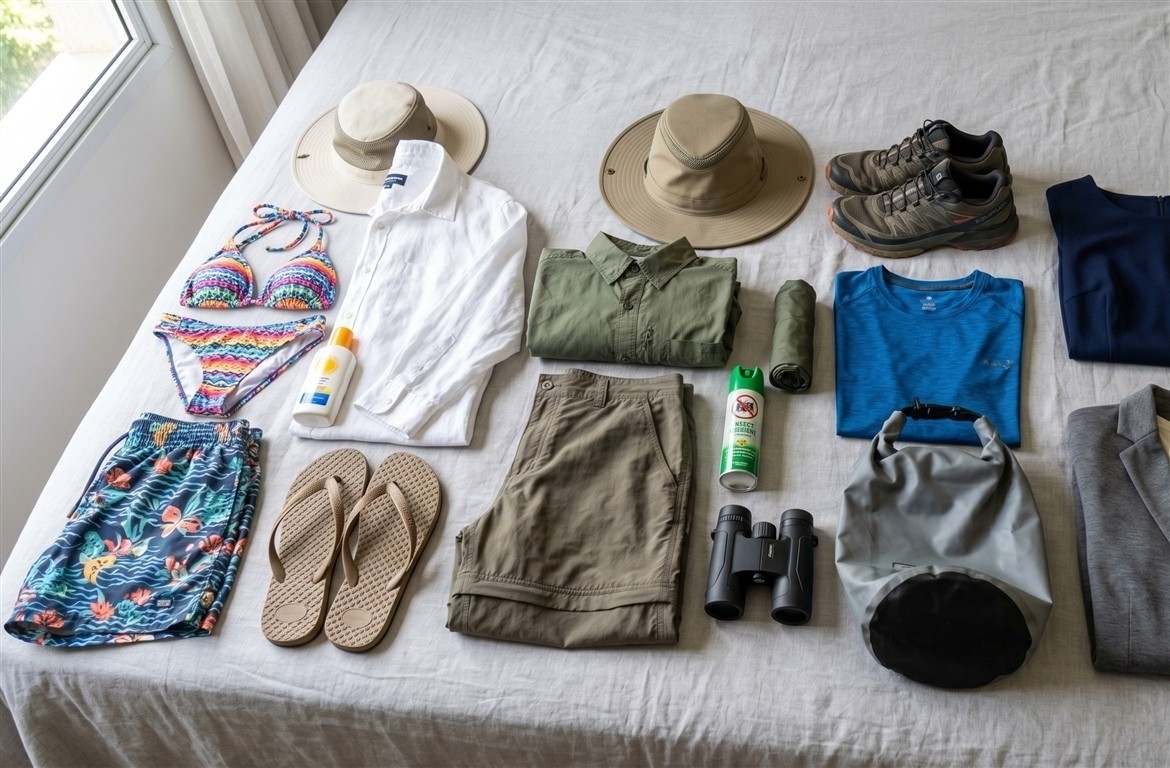
What you pack really shifts by region, not just by season. For Rio, Salvador, Fernando de Noronha, and Florianópolis, you’ll need swimwear, light clothing, sunscreen, and sandals with good grip. The Pantanal and Amazon demand long sleeves, plenty of insect repellent, a hat, binoculars if you love wildlife spotting, and clothes you don’t mind getting muddy. Chapada Diamantina and Bonito call for sturdy trail shoes, quick-dry clothing, swimwear, and a dry bag. If you plan on hitting up city restaurants in São Paulo or Rio, toss in one slightly dressier casual outfit so you feel comfortable at dinner.
Smart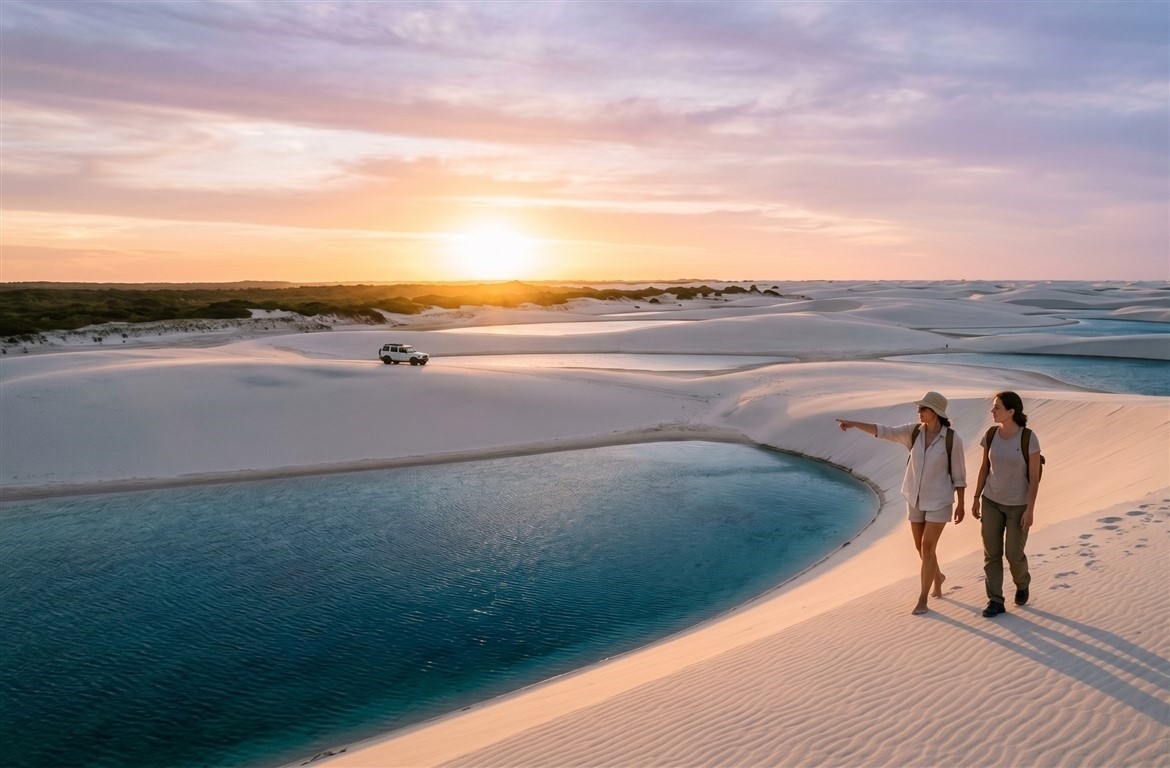
Planning your Brazil journey gets way simpler if you focus on geography instead of just ticking off a wish list. The biggest misstep? Trying to cram too many must-see spots into one short trip. Seriously, every extra region you add means more airport transfers, more weather uncertainty, more hauling luggage around, and a whole lot more arrival exhaustion. A more focused route often feels so much richer because you actually spend more time truly experiencing the incredible places you traveled so far to discover.
To make your travels even smoother, get those remote lodges, island stays, and any flights during holiday periods booked well in advance. Things like Carnival, New Year’s, July school breaks, and those long weekends can send prices skyrocketing super fast in beach towns and big cities. Always keep a digital copy of your passport, travel insurance, flight info, and accommodation addresses handy. Try to pick up a few basic Portuguese phrases for greetings, ordering food, and when getting picked up for rides. You’ll find English pretty common in lots of hotels and on tours, but it’s much less reliable with taxi drivers, at bus stations, or in smaller communities.
Picking Your Perfect Brazil Adventure
Your best Brazil trip isn’t about hitting the longest list of spots. It’s truly about crafting a journey that aligns with your main reason for going. Head to Rio for that iconic grand entrance. Experience Iguaçu Falls for sheer, raw natural power. Choose the Pantanal for incredible wildlife encounters, or the Amazon for that unforgettable rainforest atmosphere. Dive into Salvador for its vibrant culture, explore Lençóis Maranhenses for its utterly surreal landscapes, or treat yourself to Fernando de Noronha for a truly special island splurge. You can always add Paraty, São Paulo, Florianópolis, Chapada Diamantina, or Bonito when the timing and your route just make perfect sense.
Brazil seriously offers enough diversity for countless return trips. Your first visit might easily be Rio, Iguaçu, and Salvador. A second adventure could focus on the Pantanal and Bonito. A third? Maybe you’ll chase those incredible dunes in Maranhão, discover new beaches in Bahia, or embark on a culinary quest in São Paulo. This country is just too vast to rush through, too rich and layered to ever be captured in a single image. And that’s exactly why it tends to linger in travelers’ hearts long, long after they’ve flown back home.
0 Comment