

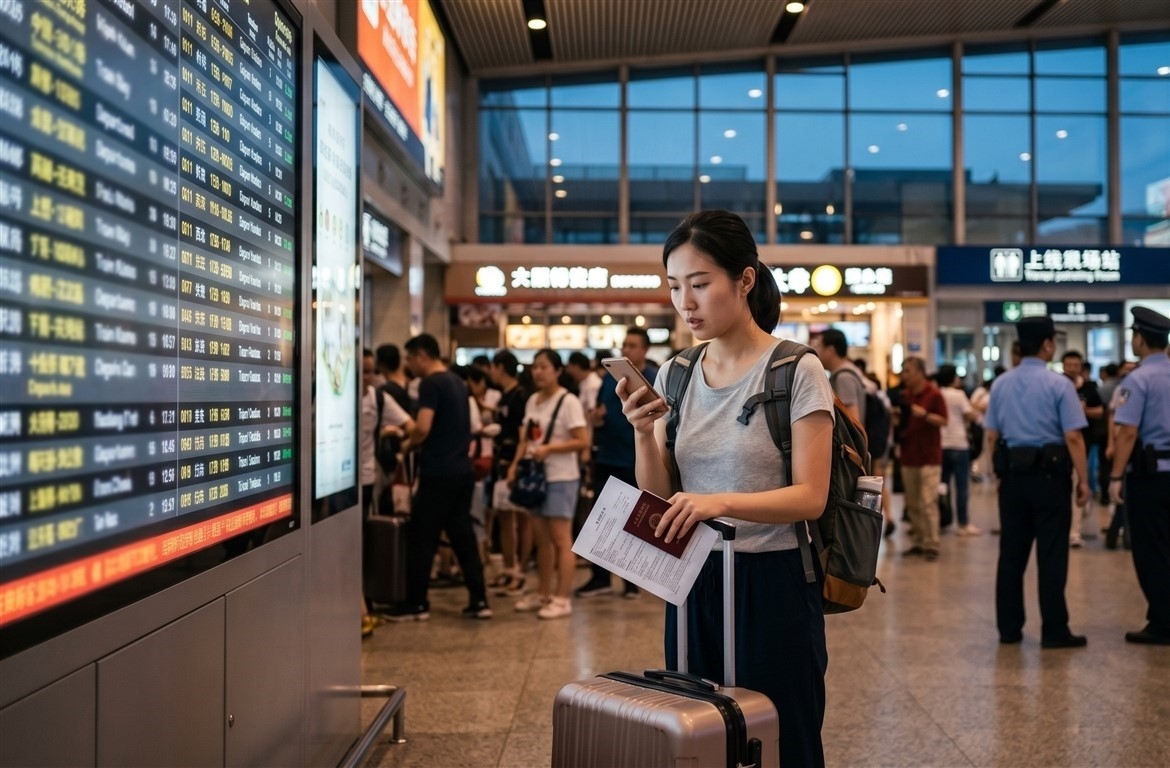

Getting the Right Travel Insurance for China
Sure, travel insurance for China needs to do more than just cover a lost suitcase. A really solid policy actually shields you from those eye-watering private medical bills, those unexpected hospital payment demands, annoying flight delays, missed connections, lost documents, and that supremely awkward feeling of trying to sort out an emergency in a country where English might not be readily available at the clinic, the police station, the train counter, or even the taxi stand. It’s about real peace of mind.
Picking the perfect plan hinges on a bunch of things: your passport’s origin, how much your trip costs, your own health history, your travel route, and your personal style of exploring. A quick city getaway to Shanghai will call for something totally different than a three-week epic through Beijing, Xi’an, Chengdu, Zhangjiajie, and Guilin. Families, for instance, definitely need higher medical limits and robust delay coverage. Business travelers? They’ll want solid missed connection support. And if you’re a bit older, you absolutely must scrutinize the fine print on pre-existing conditions and emergency evacuation rules.
Is China Travel Insurance Necessary?
Is Travel Insurance Required for China?
Here’s the thing: China doesn’t demand every single tourist flash a travel insurance certificate at the border. Entry protocols usually focus more on your passport’s validity, your visa status, whether you qualify for transit, your arrival documents, and, of course, the whole purpose of your visit. Travelers coming in on a standard tourist visa, a business visa, a student visa, or under an eligible visa-free arrangement typically won’t get asked for insurance papers during routine immigration checks. Easy peasy, right?
But that doesn’t mean insurance is truly optional. Not in any practical sense. Imagine this: a visitor falls ill, misses a crucial long-haul flight, loses their checked bags, or suddenly needs a private hospital in Beijing or Shanghai. They’ll be paying out of pocket first, unless their insurer can set up direct billing. Hospitals often ask for a deposit before starting treatment. That’s where travel insurance really shines, offering you a 24/7 assistance team that speaks English and can connect with the clinic on your behalf. Super helpful.
Why You Really Should Get Insurance
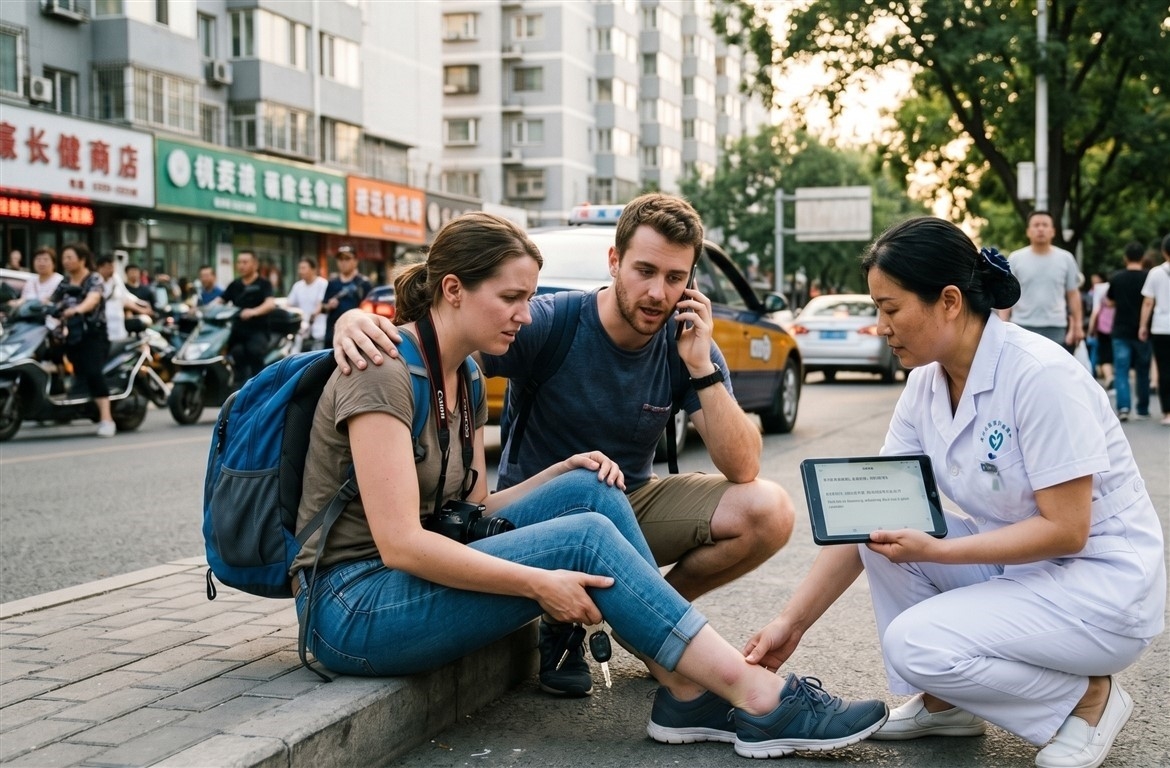
China is incredibly modern, wonderfully efficient, and seriously well-connected. Still, travel hiccups can get expensive, fast, especially when you’re thousands of miles from home. A simple fever from some delicious street food, a minor scooter accident near your hotel, or even just a tumble on the Great Wall could quickly lead to a hospital visit. Then you’re dealing with potential translation issues and immediate upfront payments. Travel insurance provides that crucial financial safety net. It also gives you someone to call, someone who can guide you before you pick a hospital or give the green light for treatment.
The vast distances involved also significantly boost the value of good coverage. Flights from North America, Europe, Australia, and the Middle East often involve pretty tight connections. Missing a connection in Doha, Dubai, Istanbul, Seoul, Tokyo, Hong Kong, or Beijing could throw your entire prepaid itinerary into chaos: hotels, tours, domestic trains, onward flights, you name it. A comprehensive plan can reimburse those covered losses, provided the delay reason matches the policy details. It’s a big deal.
Will Your Home Health Plan Cover China?

Most domestic health insurance plans offer very limited assistance once you step outside your home country. Some might reimburse emergency care after you slog through mountains of paperwork, but many simply don’t arrange direct payments with hospitals in China. For instance, Medicare from the United States generally won’t cover your routine medical care abroad. And a lot of national health systems just aren’t set up to pay private bills overseas. It’s a common misconception.
Now, credit card coverage can be a lifesaver for things like trip delays, lost baggage, rental car damage, or cancellations. But the medical portion? Often it’s really low or just plain missing. Before you lean on your card, grab that certificate of insurance. Read it. Check if China is actually covered, if you had to pay for the *entire* trip with that specific card, and, critically, if medical evacuation is included. Medical evacuation is the one coverage travelers kick themselves for skipping when a serious injury means they need transport to another city or even back home. Don’t skip it.
What Should Your China Policy Include?
Emergency Medical Care
Emergency medical coverage steps in to pay for covered illnesses and injuries during your trip. For China, a robust plan should absolutely include hospital care, doctor visits, urgent treatment, prescriptions, diagnostic tests, and emergency dental care for sudden pain or injury. For a quick vacation, lots of travelers aim for at least $100,000 in emergency medical coverage. Older travelers, families, and those on longer stays often pick even higher limits. It’s smart.
Private hospitals in big cities like Shanghai, Beijing, Guangzhou, and Shenzhen might boast international departments, English-speaking staff, and quicker service. But watch out: those bills can skyrocket in a flash. Public hospitals are generally cheaper, but the payment process, the queues, the language barrier, and all that paperwork can be seriously stressful. A policy with a top-notch assistance service can tell you exactly where to go and whether direct billing is an option. That’s golden.
Medical Evacuation and Repatriation
Medical evacuation coverage pays for your transport when local care just isn’t adequate for your injury or illness. This could mean moving you from a smaller city to Shanghai or Beijing, arranging a special medically staffed flight, or even transporting you back to your home country once doctors give the all-clear. Repatriation, on the other hand, covers getting remains back home if, sadly, a traveler passes away abroad. It’s a somber but necessary consideration.
This coverage is particularly important in China because the country is huge. Tourist routes often include vast rural areas, breathtaking mountain parks, charming river towns, and long high-speed rail journeys between provinces. Imagine breaking a leg in Zhangjiajie or falling seriously ill in western China – you might absolutely need transport to a better-equipped hospital. Aim for medical evacuation limits of at least $250,000. For longer trips, senior travelers, remote adventures, or any adventure activities, $500,000 or more is definitely preferred. Think big picture.
Trip Cancellation and Interruption
Trip cancellation coverage reimburses your prepaid, nonrefundable costs if a covered reason forces you to cancel before you even leave. Trip interruption coverage kicks in after your journey has actually begun. Common covered reasons often include serious illness, an injury, the death of a close family member, severe weather, jury duty, job loss under specific policy terms, or a covered issue with your travel supplier. It covers a lot of ground.
China trips frequently involve expensive international flights, hotels, domestic flights, high-speed trains, guided tours, attraction tickets, and visa fees. If your itinerary is packed with multiple prepaid elements, comprehensive travel insurance makes far more sense than just medical-only coverage. And a pro tip: hold onto all your invoices, booking confirmations, medical notes, airline notices, and cancellation emails. Claims get paid based on solid documentation, not just a verbal story. Proof matters.
Baggage Loss, Theft, and Delays
Baggage coverage can reimburse you for covered loss, theft, or damage to your luggage and personal items. Baggage delay coverage helps you pay for basic replacement items when your checked luggage shows up late. On a trip to China, delayed luggage can be way more than just a minor annoyance. Imagine landing in Beijing in the dead of winter without your coat, or arriving in humid Guangzhou with no suitable clothing, or rushing straight to a domestic train connection with no time to shop. It’s a real headache.
Policy limits are crucial here. A plan might have one overall baggage limit and then smaller, specific per-item limits for things like electronics, cameras, jewelry, or sports gear. Always keep receipts for your higher-value items, snap a photo of your packed suitcase, and for goodness sake, avoid putting passports, cash, medicine, laptops, or camera bodies in checked luggage. When you’re in bustling markets, busy metro stations, and crowded tourist spots, wear a crossbody bag or a zipped daypack securely in front of you. Stay vigilant.
Travel Delays and Missed Connections
Travel delay coverage helps out with meals, hotels, and transport when a covered delay drags on longer than the waiting period specified in your policy. Missed connection coverage can be a lifesaver if a delay causes you to miss a cruise, a tour, or an onward flight. China itineraries often have lots of moving parts, so delay coverage is useful even for travelers who feel perfectly healthy and pack super light. You never know.
Domestic weather can really mess with flights, especially during typhoon season in southern and eastern coastal areas. Heavy rain, winter weather, air traffic control restrictions, and holiday crowds can all throw a wrench in your plans. Make sure to keep *all* delay notices from airlines or rail operators. Insurers almost always ask for written proof that clearly states the reason and duration of the delay. Documentation is key.
Cancel for Any Reason Coverage
Cancel for Any Reason coverage, often abbreviated to CFAR, is generally an optional upgrade on some comprehensive plans. It’s pretty special because it allows you to cancel your trip for a reason *not* listed in the standard policy and still get back a portion of your prepaid, nonrefundable costs. Many CFAR upgrades typically reimburse 50% to 75% of eligible trip costs, so remember, it’s usually not the full amount. Still, it’s something.
CFAR comes with strict timing rules. You usually need to purchase it very soon after your first trip payment, insure the *entire* prepaid trip cost, and then cancel at least 48 hours before your departure. It will cost more than a standard plan, but it can be incredibly useful for travelers who are worried about unexpected work schedule changes, evolving family needs, visa uncertainties, or just feeling uncomfortable with a developing travel situation that a standard cancellation policy wouldn’t cover. It offers a lot of flexibility.
Understanding China Travel Risks
Healthcare Access and Medical Costs
China boasts excellent hospitals in its major cities, though facilities can be more limited in smaller destinations. Shanghai, Beijing, Guangzhou, Shenzhen, and Chengdu all have hospitals with international departments. However, rural areas might have fewer English-speaking staff and less familiar administrative systems. Travelers might need cash, a card, their passport details, and an insurance letter before getting non-urgent treatment. Be prepared for that.
Medical bills vary wildly depending on the city, hospital type, treatment, and even room category. A quick clinic visit might be manageable without insurance, but imaging, emergency treatment, surgery, admission, or medical transport can quickly become incredibly expensive. A good policy gives you both reimbursement rights *and* a support team that can contact hospitals, arrange translation, and keep your family members informed about what’s happening. That kind of support is invaluable.
Food and Waterborne Illness
Food, without a doubt, is one of the very best reasons to travel through China. From the delectable dumplings in Xi’an to the fiery hot pot in Chengdu and the countless noodle shops in Beijing, it’s a culinary adventure. Yet, digestive problems can still crop up when your body encounters new spices, oils, water, and bacteria. Travel insurance won’t magically stop a stomach bug, but medical coverage can definitely pay for treatment if dehydration, fever, or severe symptoms mean you need to see a doctor. Good to know.
Always drink sealed bottled water or water that’s been properly boiled. Double-check that any hot food is served piping hot, and be cautious with raw items from stalls where turnover looks slow. Pack oral rehydration salts, any stomach medicine your doctor approves, and all prescription medicines in their original packaging. For travelers with allergies, carrying a translated allergy card is an absolute must, especially for peanuts, shellfish, sesame, dairy, gluten, or severe spice sensitivities. Be safe, not sorry.
Scams, Theft, and Personal Safety
Overall, China is quite safe for visitors, often more so than many other major tourist destinations. Still, petty theft and the occasional tourist scam do exist. Busy train stations, night markets, bustling shopping streets, bars, and crowded attractions all demand your usual city awareness. The most common issues for tourists tend to be overcharging, fake tea house invitations, unofficial taxis, counterfeit goods, and, yes, pickpocketing in crowded spots. Standard stuff, really.
Stick to official taxi queues. Use trusted ride-hailing apps when they’re available. Carry hotel cards with the address written in Chinese. Keep your passport stashed in a super secure place, and carry a copy for routine situations. If your passport *does* get stolen, report it to the local police immediately and then contact your embassy or consulate. Your insurance might reimburse replacement costs and any extra travel expenses if your policy includes document loss coverage. That’s a relief.
Natural Disruptions and Travel Delays
China’s sheer size means varied travel risks depending on the region and season. Southern and eastern coastal areas can get hit with typhoons and heavy rains. Northern cities can experience brutally cold winters. Mountain parks might close trails during storms. And major national holidays? Expect crowded airports, jam-packed trains, completely sold-out hotels, and much slower transfers. Plan accordingly.
Always build in extra time for itineraries that involve separate tickets. If you buy a domestic flight and an international flight on separate bookings, the airline probably won’t protect you if the first flight gets delayed. Travel insurance can only help if the delay reason is covered and you meet the waiting period, so smart scheduling still really matters. Don’t leave it to chance.
Language Barriers During Emergencies
English is pretty common in international hotels, big airports, and some private clinics. However, its reliability drops significantly at public hospitals, police stations, pharmacies, taxi stands, and smaller train stations. During a medical emergency, that language gap can seriously slow down registration, payment, diagnosis, and all the discharge paperwork. That’s precisely why a 24/7 assistance team is one of the strongest features of any travel insurance policy for China. It’s absolutely vital.
Before you fly, save your insurer’s emergency number offline and jot down your policy number. Keep hotel names and addresses in Chinese characters on your phone and on a piece of paper. In an emergency, dial 120 for an ambulance, 110 for police, and 119 for fire. If you’re near your accommodation, just ask your hotel front desk to help call emergency services. They’re usually happy to assist.
How Much Does China Travel Insurance Run?
Medical-Only Plans
Medical-only travel insurance is usually the most budget-friendly option for China. Basic emergency medical plans can start from just a few dollars a day for younger travelers. Of course, your age, trip length, deductible, coverage limit, and home country can all push that price higher. These plans work well for travelers with really cheap flights, flexible hotel bookings, or trips where any cancellation losses would be minimal. Keep it simple, right?
The tradeoff is pretty straightforward: medical-only plans generally skip trip cancellation, interruption, baggage, and travel delay coverage. That might be fine for a budget backpacker with refundable lodging, but it’s a big risk for someone with a $2,000 long-haul flight, prepaid tours, domestic trains, and nonrefundable hotels. Only pick this type of plan after you’ve really thought through how much money you’d lose if you suddenly had to cancel. Be honest with yourself.
Comprehensive Travel Insurance Plans
Comprehensive plans definitely cost more, and that’s because they cover both medical problems *and* trip costs. A common price range is roughly 4% to 10% of your prepaid, nonrefundable trip expenses. Prices will climb for older travelers, very expensive trips, broader cancellation coverage, and those CFAR upgrades. A $4,000 China trip could generate wildly different quotes for a 28-year-old solo traveler versus a 68-year-old traveler with pre-existing condition needs. It’s all very personalized.
Comprehensive coverage is best suited for travelers who’ve booked expensive international flights, guided tours, river cruises, luxury hotels, or those complex multi-city itineraries. It’s also a smart choice for families, because one illness before departure could affect multiple tickets and hotel rooms. That extra cost buys you more than just reimbursement; it gives you a clear, structured path for filing claims when several bookings are impacted all at once. It’s worth the investment.
Factors That Affect the Price
Travel insurance pricing is a very personal thing. The exact same China policy can look super cheap for one traveler and incredibly expensive for another. That’s because insurers calculate risk based on age, trip cost, trip length, coverage limits, and any optional upgrades you choose. Destination plays a role, sure, but the traveler’s profile usually influences the quote far more than the destination name itself. It’s all about *you*.
Use this handy table to compare the main plan types before you decide on a policy:
| Plan type | Best for | Main tradeoff |
|---|---|---|
| Medical-only | Low-cost trips with flexible bookings | Little or no trip cancellation cover |
| Comprehensive | Prepaid flights, hotels, tours, and trains | Higher price than medical-only plans |
| Annual multi-trip | Frequent travelers visiting China and other countries | Per-trip length limits may apply |
| Student travel | Study abroad, language programs, internships | May require school or visa-specific benefits |
| Senior travel | Older travelers needing higher medical limits | Pre-existing condition rules need close reading |
| Adventure add-on | Hiking, cycling, skiing, or remote routes | Activities must be named as covered |
Picking the Right China Travel Insurance
Compare Coverage Limits
Always start by looking at those medical and evacuation limits first. Then, review the cancellation, interruption, baggage, and delay amounts. A really cheap plan with skimpy medical coverage might look tempting until you actually compare the numbers. For China, many travelers choose at least $100,000 in emergency medical coverage and a minimum of $250,000 in medical evacuation coverage. Go even higher for older travelers or those planning remote itineraries. Better safe than sorry.
Don’t forget to check the deductible too. A low monthly or daily price might come with a deductible so high that small claims become pointless. Also, confirm whether the medical limit is per person, per trip, or per policy. Families, especially, need to ensure that *each* traveler has enough coverage, rather than just assuming one total amount somehow protects everyone equally. Read the fine print!
Check Policy Exclusions
Exclusions are the ultimate decider of whether a claim actually gets paid. Common ones include alcohol-related injuries, reckless behavior, ignoring government warnings, untreated pre-existing conditions, high-risk sports, routine checkups, elective procedures, and losses without proper documentation. Medical tourism, for example, is generally not covered under standard travel insurance, as the whole purpose of the trip is planned treatment. It’s not an emergency.
Make sure you read the exclusions *before* you buy, not after you file a claim. If you’re planning to ski near Harbin, hike in western provinces, ride a motorcycle, join a cycling tour, or visit high-altitude areas, search the policy for those exact activities. If your chosen activity isn’t covered, ask the insurer about an add-on or simply pick a different plan altogether. No surprises.
Consider Your Trip Length and Activities
A seven-day city itinerary has much simpler insurance needs than a month-long journey across several provinces. Beijing, Shanghai, Xi’an, and Chengdu generally offer easier medical access than those remote, incredibly scenic areas. If your itinerary includes places like Zhangjiajie, Yunnan, Tibet Autonomous Region travel, high-altitude regions, long-distance trains, or rural homestays, then stronger medical evacuation coverage becomes exponentially more valuable. Think about where you’re actually going.
Activity wording is one of the easiest places to trip up. Hiking on marked trails might be covered by one plan, but totally excluded by another once altitude, specific equipment, or guided requirements get involved. Motorcycle and scooter use often demands a valid license, a helmet, and a legal rental arrangement. Keep all your booking records for organized tours, just in case a claim later needs proof. Always keep good records.
Review Pre-Existing Condition Coverage
Pre-existing condition rules are super important for travelers dealing with heart conditions, diabetes, asthma, a history of cancer, recent surgery, pregnancy complications, or any medication changes. Some comprehensive plans offer a special waiver if the policy is purchased very soon after your first trip payment *and* you’re medically fit to travel on the purchase date. That timing window can be pretty short, so act fast.
Don’t rely on casual wording from a booking page. Read the *actual* definition of a pre-existing condition, understand the look-back period, and know all the waiver requirements. Bring enough prescription medicine for your entire trip, plus a few extra days, keep it in its original packaging, and carry a doctor’s letter, especially for controlled or injectable medication. Play it safe.
Choose 24/7 Emergency Assistance
For China, the assistance service can genuinely matter as much as the reimbursement amount itself. A really good assistance team helps you locate a suitable hospital, opens a case file, communicates with medical staff, contacts your family, arranges guarantees of payment when possible, and coordinates any necessary evacuation. This is practical, hands-on help precisely when you might be tired, sick, jet-lagged, or simply unable to communicate clearly. It’s a game-changer.
Before you depart, save that hotline number in your phone contacts, print out your policy card, and store the policy PDF offline. Give a copy to a travel companion or a family member back home. If your treatment isn’t immediately life-threatening, call your insurer *before* you choose a hospital. That way, they can guide you to a facility that works within your policy’s process. Smart move.
China Entry Rules & Travel Must-Haves
Passport and Visa Requirements
Your passport absolutely needs to be valid for the period required by Chinese authorities and your airline, and make sure it has blank visa pages if you actually need a visa. Many travelers still require a visa before arrival, while eligible passport holders might qualify for visa-free entry or transit under very specific rules. China’s 240-hour visa-free transit policy allows eligible travelers from approved countries to transit through selected ports for up to 10 days, provided they’re traveling onward to a third country or region with confirmed tickets. It’s a precise system.
Visa-free transit is *not* the same as just waltzing into China for any route you fancy. The specific airport or port, your nationality, your onward destination, your permitted stay area, and the sequence of your tickets all matter. Before you even buy your flights, double-check with the nearest Chinese embassy, consulate, or visa application center for your specific nationality. Airlines might actually deny you boarding if your documents don’t align with the entry rules. Don’t risk it.
Vaccines and Health Recommendations

Travelers really should be up-to-date on all their routine vaccines before heading to China. Travel clinics typically review MMR, tetanus, influenza, COVID-19, hepatitis A, hepatitis B, typhoid, Japanese encephalitis, rabies, and other vaccines. This advice is tailored based on your age, your route, the season, your health history, and your planned activities. Think about it: rural stays, animal contact, long trips, and extensive outdoor travel can all change what’s recommended. Get expert advice.
Pack a small medical kit: fever medicine, stomach medicine, rehydration salts, motion sickness tablets, adhesive bandages, hand sanitizer, and all your prescription meds. Pharmacies are common in cities, but brand names and active ingredients might differ from what you use at home. For those with chronic conditions, a translated medical summary can seriously save you time during a hospital visit. Be prepared for anything.
Currency, Payments, and Connectivity
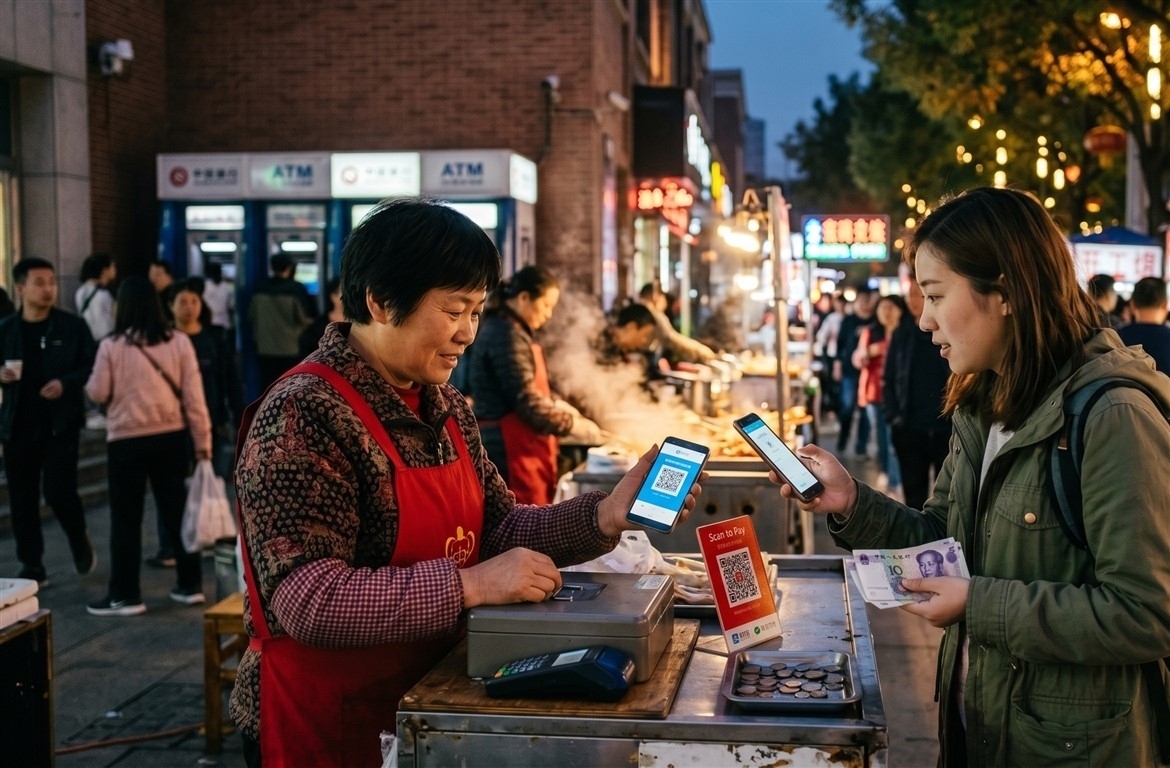
China uses the yuan, which you’ll also hear called renminbi. Mobile payment through Alipay and WeChat Pay is absolutely everywhere, and many travelers can actually link an international card after doing identity checks within the apps. Cash still comes in handy for small shops, as a backup, for rural stops, and those times when a foreign card just won’t work. ATMs are available in big cities, but remember, not every machine accepts every foreign card. It’s a cashless society, but a little cash is good.
Connectivity definitely needs some planning because some familiar apps and websites simply won’t work the same way in mainland China. Snag an eSIM, a roaming package, or a local SIM option before you even arrive if your phone supports it. And download offline maps, hotel addresses in Chinese, translation tools, airline apps, train booking details, and all your insurance documents *before* you leave home. Pre-trip prep is key.
Power Adapters and Local Emergency Contacts
China commonly uses 220V electricity and plug types A, C, and I. Most modern chargers can handle 100V to 240V, but always double-check the label on your laptops, camera chargers, hair tools, and medical devices. A universal adapter with USB-C ports is super useful for multi-city trips, especially when older hotel rooms might have limited outlets. Always be ready to plug in.
Crucially, save those local emergency numbers *before* you fly. Police are at 110, ambulance at 120, and fire services at 119. If you’re staying in a hotel, the front desk can usually help call emergency services, write addresses in Chinese, and direct taxis. Also, keep your embassy or consulate contact details handy for passport loss, an arrest, serious injury, or, tragically, the death of a traveler. These contacts are non-negotiable.
Travel Safety Tips for China

Before You Travel
Preparation makes traveling in China so much smoother. The country is incredibly organized and efficient, but travelers who arrive with working payment apps, offline documents, and a clear insurance plan generally handle problems much faster. A few small steps before you even leave can save you hours of stress after you land. It really does make a difference.
Use this handy pre-trip checklist before you head out:
- Buy travel insurance right after you make your first major trip payment.
- Check your visa or visa-free eligibility for your specific passport and route.
- Print your insurance card and save the policy PDF offline.
- Register your trip with your embassy if your country offers that service.
- Link a payment card to Alipay or WeChat Pay before you depart.
- Download hotel addresses in Chinese characters.
- Pack prescription medicine in original packaging with a doctor’s note.
- Photograph your passport, visa, luggage, and all valuable items.
While You Are in China
Daily travel in China becomes much smoother when you’ve got backups. Carry some cash, a fully charged power bank, hotel address cards, and copies of your passport. Use official transport when you arrive late at night, especially from airports and rail stations. High-speed trains are wonderfully reliable, but those massive stations can be incredibly busy, and walking distances inside terminals might be longer than you expect. Pace yourself.
For city transport, metros are typically the easiest option in Beijing, Shanghai, Guangzhou, Shenzhen, Chengdu, Hangzhou, Nanjing, Xi’an, and Chongqing. Airport rail links are super useful in major cities: Shanghai has metro connections and the Maglev from Pudong towards Longyang Road, Beijing offers excellent airport express services, and Guangzhou connects Baiyun Airport directly with the metro. Always allow extra time for security checks at both metro and rail stations. They can take a while.
What to Do in a Medical Emergency
<
A medical emergency abroad can feel chaotic, so keep a clear order of operations. If life or limb is in immediate danger, dial 120 or ask hotel staff, restaurant employees, or a nearby local to call for you. For care that isn’t quite as urgent, reach out to your insurer’s assistance line first. They can suggest a hospital and get the assistance process rolling.
Follow these specific steps when you need medical help in China:
- Dial local emergency numbers or head to the closest suitable medical center.
- Connect with your insurer’s 24/7 help line as soon as it is safe to do so.
- Provide your policy number, current location, symptoms, and the facility name.
- Check if they can arrange direct billing or a guarantee of payment.
- Save every single receipt, diagnosis note, prescription, and test result.
- Ask for English paperwork if possible, or snap photos of any Chinese documents.
- Don’t greenlight expensive, non-urgent care without consulting your insurer first.
Essential Facts for Modern Travelers
China travel has become much simpler for many visitors as new visa-free and transit paths have opened, but the rules remain highly specific. A traveler flying New York to Beijing and back to New York doesn’t use transit rules, while someone flying New York to Beijing to Seoul might qualify if their nationality, port, timing, and documents align with the policy. The detail that really counts isn’t just where you land, but where you head next.
Mobile payments are another significant shift. A traveler who visited years ago might remember cash as the standard, but today, restaurants, taxis, shops, vending machines, and attractions often expect mobile payment. Carrying cash is still wise, but getting Alipay or WeChat Pay set up before you land will make your day-to-day much easier.
Frequently Asked Questions
Is China Safe to Visit?
China is generally safe for tourists who use standard city awareness. Violent crime against visitors is very rare, while petty theft, scams, traffic incidents, food illness, and travel disruptions are more realistic concerns. Travelers should use official transport, keep valuables secure, avoid unofficial guides who approach you too aggressively, and keep hotel details written in Chinese handy.
Is Healthcare Free for Tourists in China?
Healthcare is definitely not free for tourists. Visitors should expect to pay for doctor visits, hospital stays, prescriptions, tests, and ambulance rides unless an insurer has arranged payment directly. Always keep your receipts and medical documents safe because your insurer will need that proof before reimbursing any claims.
Does Travel Insurance Cover COVID-19 in China?
Many contemporary travel insurance plans cover COVID-19 just like other covered illnesses, but the exact language varies by insurer. Check whether the plan covers medical treatment, quarantine costs, trip cancellation following a positive test, and interruption expenses. Some plans might exclude fear of travel or government-mandated restrictions unless specific coverage language is present.
Can I Buy Travel Insurance After Arriving in China?
Some insurers allow for purchase after you’ve already departed, but your options will be much narrower and waiting periods often apply. Coverage generally will not pay for issues that already occurred before the policy began. Buying before your trip is much better, as it can protect your cancellation costs, pre-trip illness, and early travel delays.
Is Travel Insurance Worth It for China?
Travel insurance is worth it for most China trips involving nonrefundable flights, prepaid hotels, tours, health concerns, long routes, or multiple tight connections. A low-cost medical plan might suffice for a flexible budget trip, while a comprehensive plan is better for expensive itineraries and family travel. The best policy is the one that directly matches your specific risks: medical care, evacuation, cancellation, baggage, delay, and support for when English is hard to find.
0 Comment