

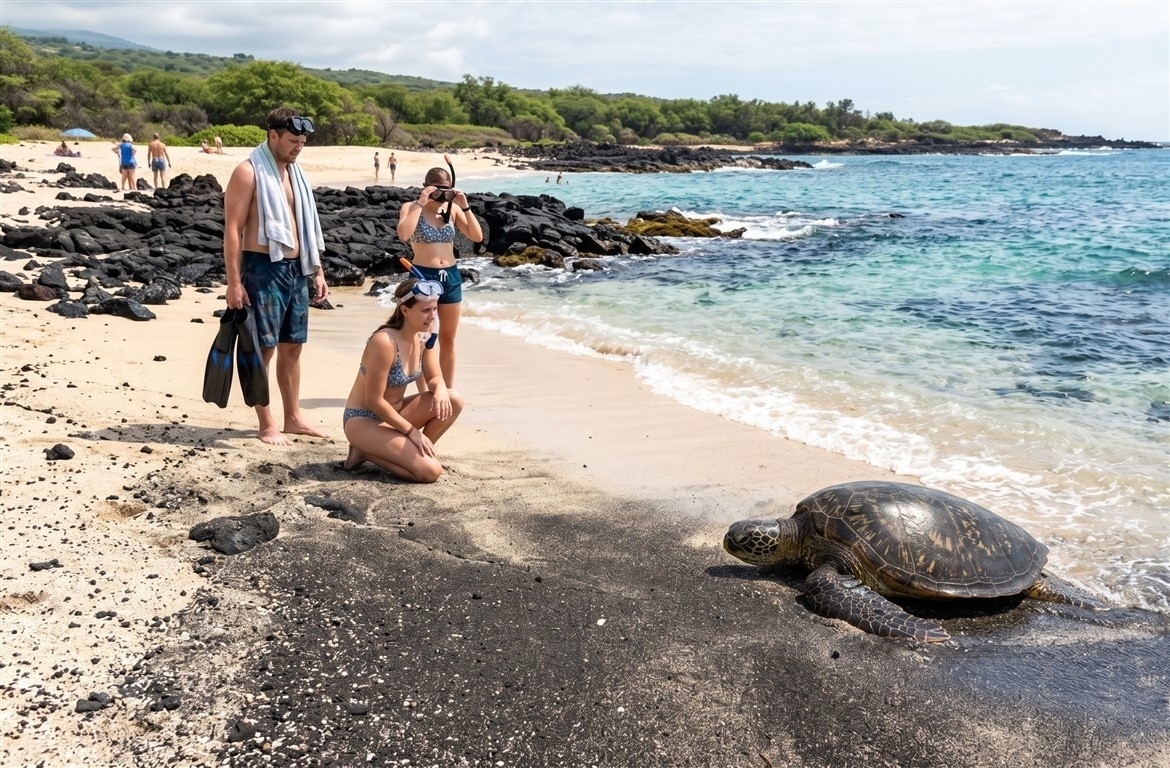

Top Spots for Turtle Sightings on the Big Island
Seeing a sea turtle instantly transforms a Big Island beach day. One moment, everyone’s wrestling with masks, towels, and snacks—you know, that usual sandy chaos. Then, a dark, graceful shape surfaces near the reef, takes a calm breath, and the whole shoreline falls utterly silent. That’s the powerful draw of honu, our Hawaiian green sea turtle.
The best spots to find turtles on the Big Island aren’t some hushed, secret coves locals guard with crossed arms. Many are actually quite well-known coastal gems: think Punaluʻu Black Sand Beach, Kahaluʻu Beach Park, Honaunau Bay, Kiholo Bay, Richardson Ocean Park, Puako, and Waialea Bay. The real trick lies in figuring out which kind of turtle experience suits your day. Beach viewing feels totally different from snorkeling. A peaceful morning varies wildly from a blustery afternoon. And a family with little ones definitely needs a different strategy than a strong swimmer hunting for crystal-clear water over volcanic ledges.
And let’s be clear: sightings are never a sure thing. These are wild animals, not performers waiting for their cue. That touch of unpredictability? It’s part of the magic. Sure, it can be a bit frustrating too.
Finding Sea Turtles on the Big Island
The Big Island offers turtle-watching beaches across several different coasts, each with its own vibe. The Kona side is bright, full of reefs, and packed with snorkel-friendly coves. Over on the Kohala Coast, you’ll find pale sands, dramatic lava rock, inviting tide pools, and easy resort access points. The Hilo side feels lush and a bit wilder, featuring darker sand and local beach parks. Head south, and Punaluʻu truly pulls visitors in for that iconic black-sand-and-honu moment.
Hawaiian green sea turtles often cruise around shallow reefs and algae-covered rocks looking for food. They also love to come ashore and rest. When they haul out, they can look almost surreal—like ancient stone carvings abandoned at the water’s edge.
Green Sea Turtles: Hawaiʻi’s Honu Culture
Honu aren’t just wildlife; they’re deeply woven into Hawaiʻi’s living identity. Visitors see them as photo opportunities, snorkel buddies, maybe even the highlight of their entire trip. But for many island residents, honu carry a much deeper cultural significance, a powerful sense of ancient connection. Treating them like mere props just feels wrong. Give them space, and the whole encounter becomes so much better, for everyone.
The Hawaiian green sea turtle is a protected marine animal. It breathes air, feeds in nearshore waters, and can spend long periods resting on beaches. A turtle that’s taking a break isn’t asking for help. It’s simply resting. This simple fact gets overlooked far too often.
Swimming with Turtles? What to Know.
You absolutely can get into the ocean and spot turtles while snorkeling on the Big Island. This happens all the time at places like Kahaluʻu, Two Step, Puako, and various other reef areas. What you absolutely cannot do is chase a turtle, touch it, block its path, feed it, hover over it, or swim aggressively after it for a selfie. A passive encounter is the name of the game: you float calmly, the turtle goes about its business, and everyone maintains their dignity.
If a turtle swims right towards you, just stay cool and gently drift away if necessary. If it’s coming up for air, give it a wide, clear lane. Turtles look so graceful underwater, but they are not delicate toys. They have strong beaks, and crowding them is plain bad behavior disguised as vacation excitement.
Ideal Times to Spot Turtles
Mornings are generally your best bet. The ocean often feels calmer, visibility tends to be better, finding parking is far less stressful, and the scorching midday heat hasn’t yet turned the beach into a frying pan. For snorkeling, these details really matter. For simply watching from the shore, sunny periods can make turtles easier to spot in shallow water and against dark lava.
Turtles might decide to rest on beaches during daylight hours, but no one can give you a precise appointment. The tide, the surf, food availability, warmth, people, and just plain turtle preference all get a vote in their schedule.
Hawaii’s Turtle Interaction Guidelines
Hawaiʻi’s rules for turtles are genuinely simple. Keep your distance. Don’t touch. Never feed them. Don’t chase. Don’t surround them. Please don’t use a turtle as a backdrop for your child’s portrait. The current federal guidance for viewing sea turtles in Hawaiʻi dictates at least 10 feet, or 3 meters, whether you’re on land or in the water.
That 10-foot distance is a minimum, not some challenge to see how close you can get. More space is always better, especially when a beach is crowded, when a turtle is trying to reach the water, or when waves are jostling people around.
Maintaining Distance from Turtles
Always stay at least 10 feet from sea turtles. Picture the length of a small car, then add a bit more for good measure. If the animal changes direction because of you, repeatedly lifts its head, stops moving towards the water, or feels boxed in by people, then the crowd is definitely too close.
On land, respect any posted signs or barriers. In the water, distance gets trickier because currents constantly shift bodies around. Start much farther away than you think you need to. The ocean has a way of closing gaps incredibly fast.
Mistakes to Avoid Around Turtles
Never, ever touch a turtle, not even lightly. Don’t splash near it. Don’t put food in the water. Absolutely do not ride, hold, grab, corner, or follow one around the reef. Don’t stand on coral just to get a better view. And please, please don’t send a child charging towards a basking honu because you think the photo would be “so cute.” That moment is anything but cute.
A respectful turtle encounter often looks quite uneventful from an outsider’s perspective: people standing back, speaking softly, simply watching. Then the turtle lifts its head or gracefully slides into the water, and suddenly, nobody wants to be anywhere else in the world.
Land-Based vs. Water Viewing
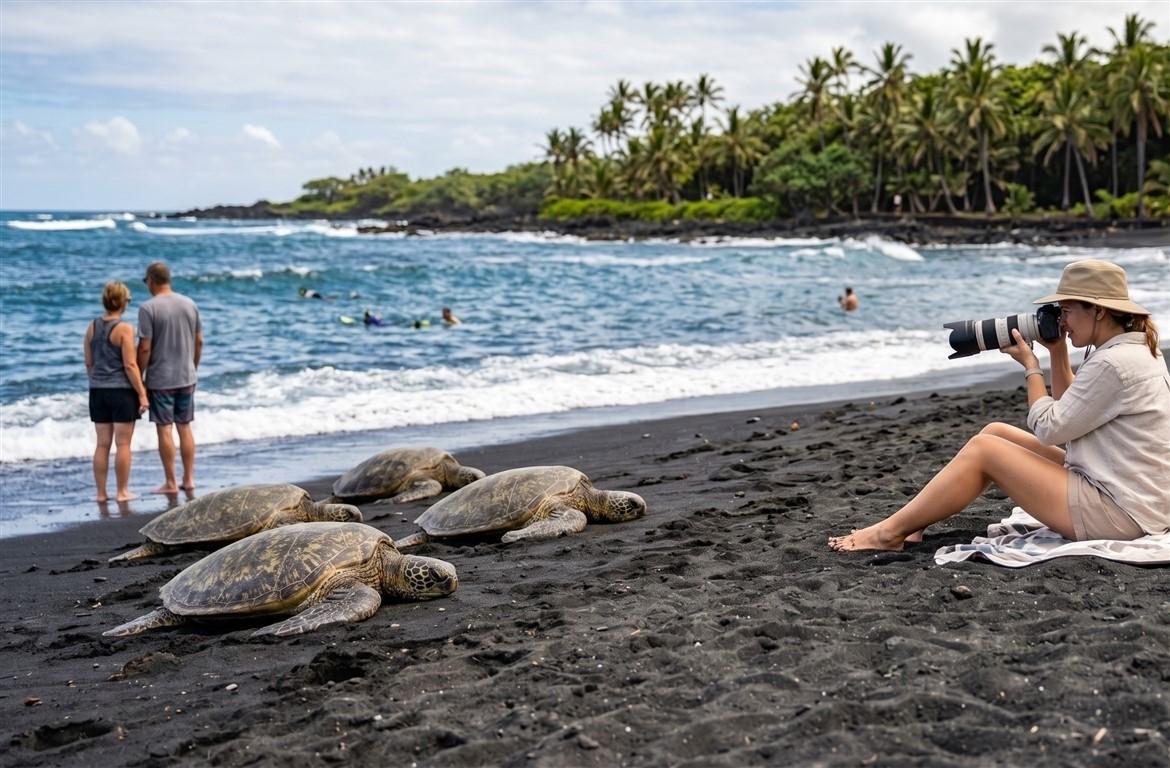
Watching from the beach is simpler for most visitors. You keep your feet dry, you can use a longer camera lens, it’s easier to manage kids, and you avoid any ocean-condition drama. Punaluʻu is the quintessential example of this.
Snorkeling offers a completely different kind of thrill. A honu gliding through clear water moves with such a slow, ancient rhythm. Yet, snorkeling does add risks: surge, currents, slippery rocks, shallow coral, poor visibility, and even nervous swimmers. Your best choice is always the one that matches the ocean right in front of you, not the plan you hashed out at breakfast.
Best Turtle-Watching Locations
These spots pop up repeatedly in Big Island turtle discussions for a good reason. They combine the right reef habitat, easy shoreline access, and good visibility for visitors. Some are truly stellar for photos. Others are perfect for snorkeling. And some are just fantastic for doing absolutely nothing, which is severely underrated.
Punaluʻu Black Sand Beach
Punaluʻu is that famous one: black sand, swaying coconut palms, vibrant blue water, and green sea turtles often found resting right near the shore. For countless visitors, this is the exact beach they envisioned long before their plane even touched down in Kona or Hilo.
This really stands out as a top choice for folks who want to see turtles without even getting into the water. The dark sand gives the whole scene a dramatic backdrop, and when honu are present, you can often spot them clearly from the land. Just keep a good distance. The beach can get incredibly busy, and a turtle surrounded by a ring of phones is still just a wild animal trying to rest.
Kahaluʻu Beach Park
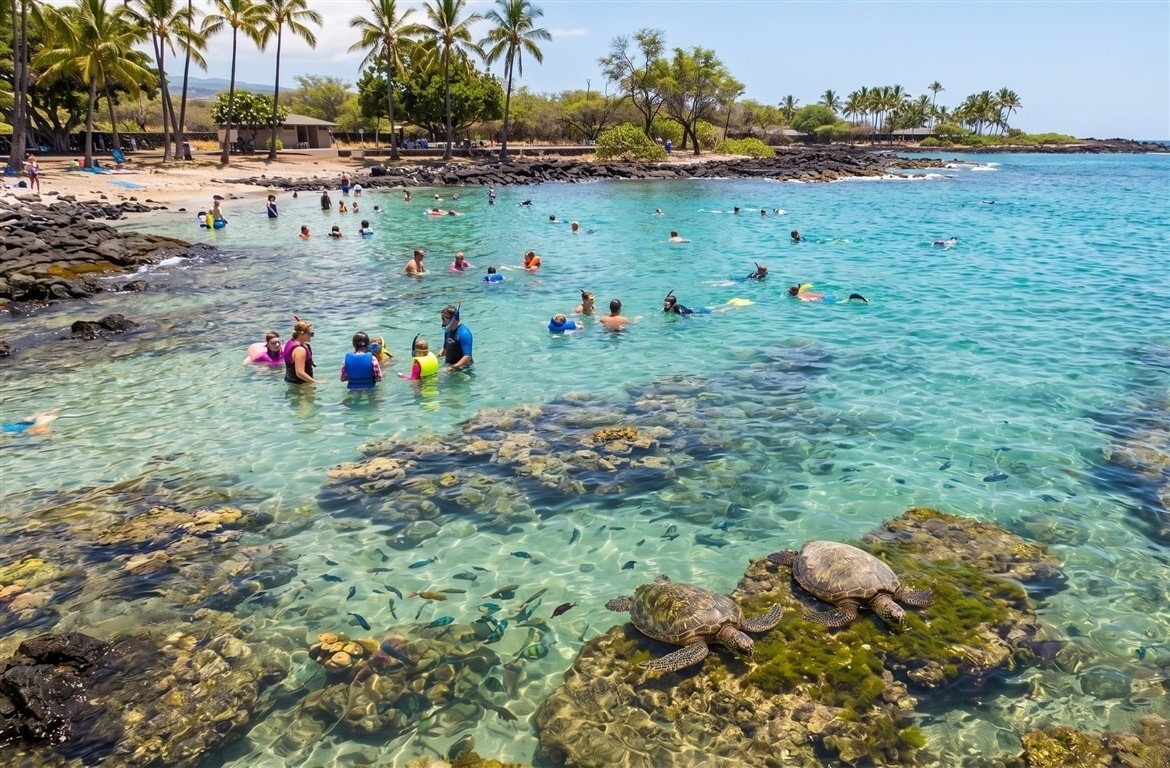
Kahaluʻu Beach Park, situated just south of Kailua-Kona, is one of the Big Island’s most welcoming snorkel spots when the conditions are calm. Its protected bay, abundant reef fish, and convenient shoreline setup make it a hit with beginners and families alike. Turtles show up here too, either feeding or gracefully navigating the shallows.
Because Kahaluʻu is so popular, it truly demands patience from you. Enter the water slowly. Be mindful of where your fins go. Give both the reef and the turtles plenty of room. Even the easiest turtle sighting in the world can feel terrible if you’re kicking coral to get there.
Honaunau Bay and Two Step
Honaunau Bay, affectionately known as Two Step, boasts a huge reputation among snorkelers. Its clear water, unique lava-rock entry, deep blue pockets, and vibrant reef life make it utterly unforgettable on a good day. Turtles do cruise through this area, though the entry and exit points aren’t exactly ideal for everyone.
The name “Two Step” comes from the natural rock ledge many swimmers use to get in and out. It can feel smooth one moment and incredibly awkward the next. Ocean surge changes the entire experience. Confident snorkelers usually adore it; anxious swimmers might not feel the same way.
Waialea Bay and Beach 69
Waialea Bay, also known by the charming name Beach 69, offers wonderful shade, a softer, more relaxed beach-day vibe, and fantastic snorkeling zones near rocks and reef when the water settles down. It’s more than just a turtle stop. This is the kind of place where people unpack, swim, explore, munch on fruit from a cooler, then completely forget what time they’d planned to leave.
Turtle sightings are definitely part of the draw, but they aren’t the sole reason to visit. That makes the whole day feel less fragile. If the honu decide not to make an appearance, the beach can still perfectly carry the afternoon.
Kiholo Bay
Kiholo Bay feels significantly more remote than those easy-access beach parks. Its expansive lava fields, stunning blue water, brackish lagoon areas, and a wilder coastline give it a distinct, rugged appeal. Turtles are frequently associated with this particular area, and patient walkers might just spot them in the quiet water or along the shore.
Remember to bring plenty of water and sun protection. Expect some walking. Services are quite limited compared to developed beach parks. Kiholo truly rewards those who are happy to slow down and observe carefully, rather than sprinting from one landmark to the next.
Richardson Ocean Park
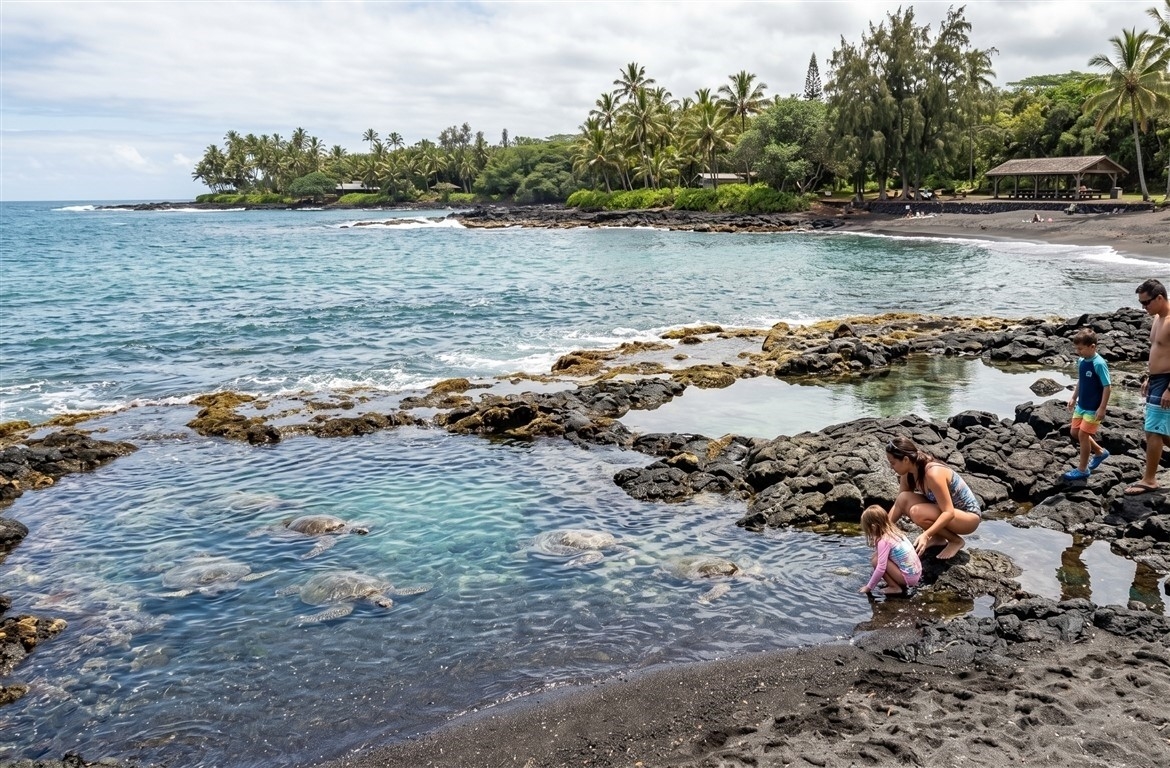
Richardson Ocean Park is a beloved Hilo-side spot, featuring dark sand, fascinating reef pools, and a distinctly local feel. When the ocean is cooperative, it works wonderfully for families seeking the texture of tide pools, convenient beach-park facilities, and a good chance of spotting turtles close to shore.
The east side of the island gets more rain, so the sea can often look a bit moody. That’s part of its charm. It also means visitors should really assess the water conditions before jumping in. Murky water, strong surge, or simply a nervous gut feeling are all excellent reasons to stay firmly on land.
Honuʻapo and Whittington Beach Park
Honuʻapo and the Whittington Beach Park area are nestled along the southeast coast, far from the bustling resort rhythms. A visit here is more about soaking in the shoreline atmosphere, admiring the ancient fishpond scenery, and the distinct possibility of spotting honu, rather than expecting a perfectly polished snorkel setup.
Come here for a quiet moment of pause. Scan the water’s edges. Keep your expectations flexible. Some of the best Big Island turtle moments actually happen when you’re not trying too hard at all.
Puako Tide Pools
Puako boasts expansive reef flats, intriguing tide pools, lava shelves, and a rich array of nearshore marine life. Turtles might be seen in this area, and the coastline truly attracts visitors who enjoy carefully exploring at low tide. “Carefully” is the key word here, doing a lot of heavy lifting.
Never step on coral. Don’t wander across fragile reef as if it’s mere pavement. Wear appropriate footwear for the lava, always check ocean conditions, and absolutely skip the water when strong waves are crashing hard over the rocks.
Top Snorkel Spots for Turtles
The “best” turtle snorkeling spot isn’t always the prettiest name on a map. It’s truly the place with the right water conditions for your ability on that particular day. Calm, clear, manageable, respectful. Those four words easily outweigh any amount of hype.
Best Spot for Beginners
Kahaluʻu Beach Park usually stands out as the most practical choice for beginners when conditions are cooperating. The bay is famous for its lively reef life, entry is straightforward compared to those lava-only access points, and visitors don’t need to be expert swimmers to thoroughly enjoy the shallows.
Beginners should still approach with caution. Use a flotation belt if you need one. Avoid standing on the reef. Keep your fins moving low and slow. If the water looks rough, your cozy beach towel wins every time.
Best Spot for Families
Punaluʻu is fantastic for families who want a solid chance at seeing turtles without needing to get everyone into the ocean. Kids can watch from a safe distance, parents can easily manage shade and snacks, and the striking black sand makes the setting memorable even before any honu appear.
For snorkeling families, Kahaluʻu can work beautifully in gentle conditions. Aim for early morning hours, keep the session brief, and ensure every swimmer understands the 10-foot rule before those masks go on.
Best Spot for Experienced Snorkelers
Two Step perfectly suits stronger snorkelers who feel comfortable with lava-rock entries, unpredictable surge, and deeper water. On a truly calm day, it can be absolutely breathtaking. On a rough day, it can quickly become a headache with sharp teeth.
Experienced doesn’t mean reckless. Watch other swimmers exit before you even think about entering. Look for wave sets. Protect your hands and knees around the rocks. If the entry looks nasty, just skip it and keep your skin attached to your body.
Best Shore-Access Turtle Spot
For dry-foot turtle observation, Punaluʻu is the undisputed champion. For shore-access snorkeling with excellent turtle potential, Kahaluʻu and Two Step are both strong contenders, each catering to a slightly different type of swimmer. Puako and Waialea Bay add a more adventurous feel when the sea is calm.
Turtle Sightings: Guided Snorkel Tours
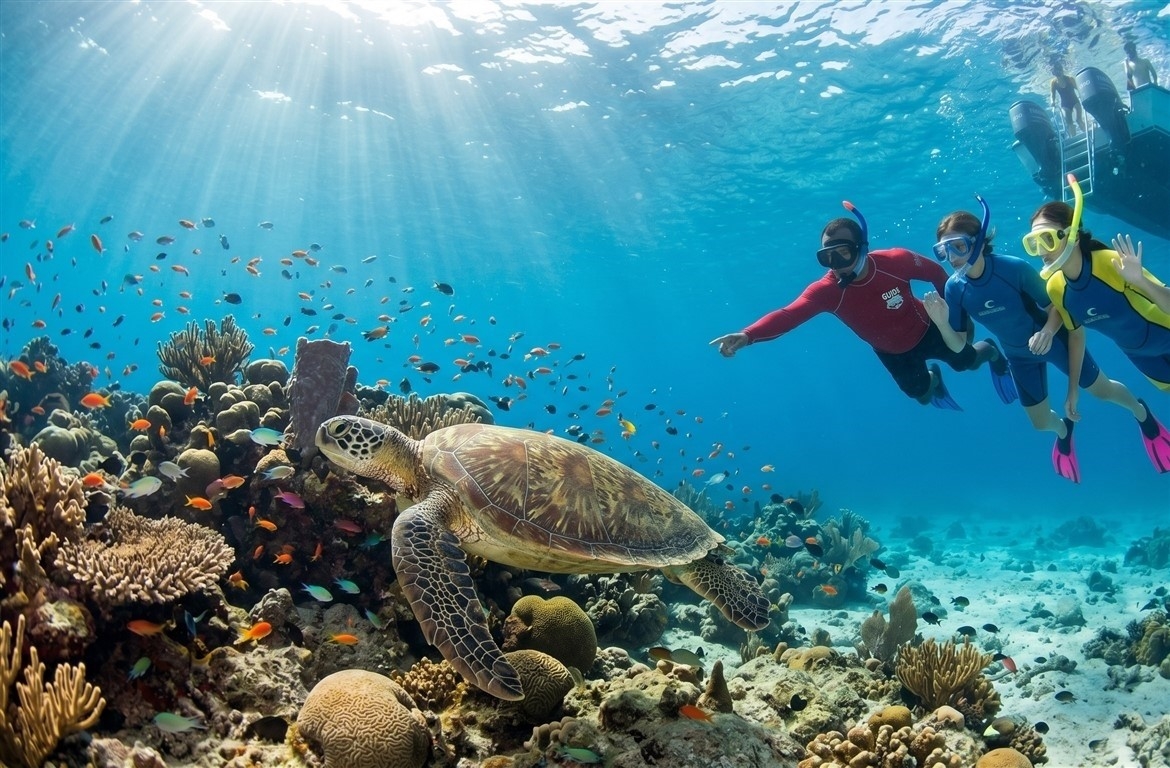
A guided snorkel trip can make perfect sense for travelers unfamiliar with the coast, lacking their own gear, or feeling a bit unsure about reading ocean conditions. The best crews really pay attention to swell, wind, visibility, and crowd dynamics. They also make sure to brief guests on wildlife distance rules before anyone even gets their feet wet.
You should never treat a tour as a guaranteed turtle sighting. The better promise is structure: safer logistics, valuable local knowledge, provided gear, boat access if used, and someone willing to honestly say, “Not here today,” which is frankly worth more than any bravado.
When a Tour Makes More Sense
Consider choosing a tour if your group includes nervous swimmers, first-time snorkelers, people without proper equipment, or travelers who crave reef interpretation rather than just a random swim. A tour can also be incredibly helpful when dealing with parking and shore entry sounds like the least fun part of your vacation.
What to Expect on the Water
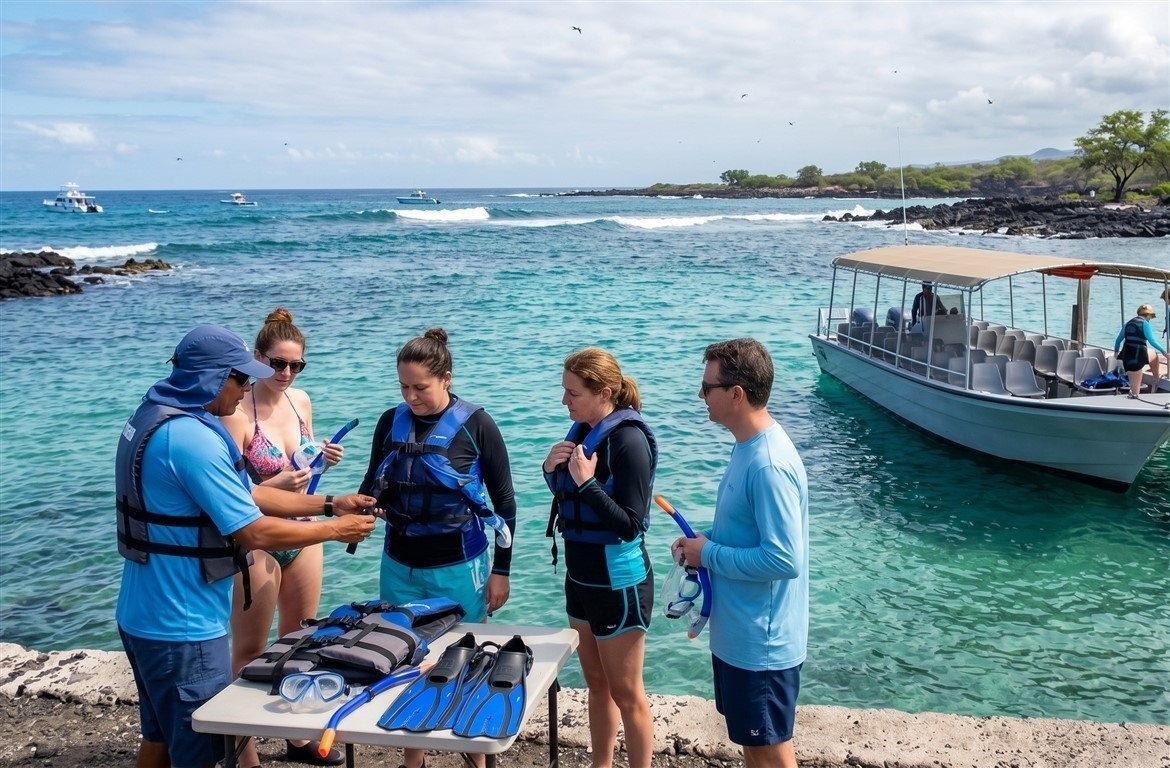
Expect a check-in process, a safety briefing, properly fitted gear, a discussion on wildlife etiquette, and a plan tailored to the day’s specific ocean conditions. Boat tours might cruise along the Kona coast or head towards well-known snorkel areas. Shore-based outings usually zero in on easy access, good technique, and helping you stay calm in the water.
The finest operators make turtle watching feel less like a frantic chase and more like a cherished privilege. That might sound a bit soft, until you witness the alternative: fifteen people flailing after a single turtle like a pile of dropped laundry caught in the wind.
Tour Areas With Good Turtle Odds
Kona-side reefs, Kahaluʻu-area excursions, trips around Kealakekua, and select south Kona snorkel routes are frequently mentioned by operators. Why? Because the water often stays clear, and reef life truly thrives there. Turtles often appear along these coasts, alongside vibrant reef fish and other fascinating marine creatures.
Turtle Viewing Zones by Region
Think of the Big Island in distinct zones. The Kona side serves as your classic snorkel base, offering easier access to sunny reef coves. South Kona introduces places like Two Step, where jagged lava and clear water define the experience. The southern route guides you toward Punaluʻu, that famous black sand beach. Kohala and Puako present lava shelves, charming tide pools, and accessible resort-area beaches. Hilo-side stops such as Richardson feature darker sand, lush, rain-washed greenery, and a distinctly less resort-centric mood.
A smart day rarely involves crossing the entire island just for a single, maybe-turtle sighting. Instead, pick a zone, then map out a flexible plan with a convenient backup beach nearby. The Big Island is huge. Its name isn’t just kidding around.
Planning Your Turtle-Watching Adventure
Always start with the ocean itself, not your meticulously planned itinerary. Check the surf and wind forecasts. If a lifeguard is on duty, ask them for advice. Arrive early, before parking lots become crammed and the afternoon wind starts to roughen the water’s surface. Pack for intense sun, sharp lava, and plenty of waiting. Turtle watching often involves a good deal of just waiting around.
What to Bring
- Polarized sunglasses: These drastically reduce glare, making dark shapes much easier to spot in shallow water from beaches, lava shelves, and overlooks.
- Reef-conscious sun protection: A long-sleeve rash guard, a wide-brimmed hat, portable shade, and mineral sunscreen are crucial for protecting your skin while minimizing messy sunscreen runoff near delicate reefs.
- Water and snacks: Remote beaches and long lava-coast walks can feel hotter than you’d expect. Dehydrated turtle hunters get grumpy remarkably fast.
- Snorkel gear that fits: A leaking mask will absolutely ruin your mood. Test your gear before swimming out, and skip any loose fins that make you kick wildly.
- Dry bag and towel: Lava, sand, rain, and salt spray all have strong opinions about your phone and car keys. Keep them safe.
- Patience: This is probably the least glamorous item on the list. It’s also the one that gets rewarded most often.
Essential Ocean Safety Tips
Take a few minutes to simply observe the water. Look for shore break, tell-tale current lines, whitewater crashing over rocks, signs of poor visibility, and any swimmers struggling to exit. Lava entries can be notoriously slippery. Waves always arrive in sets. The Pacific truly doesn’t care that you rented gear for the afternoon.
Never, ever turn your back on the ocean. That age-old island warning might sound dramatic until one sneaky wave suddenly smacks a visitor into a rock. Then it just sounds like plain common sense.
Reef-Safe Habits
Hawaiʻi has banned the sale of sunscreens containing oxybenzone and octinoxate. Many experienced travelers opt for mineral sunscreen, rash guards, and hats to lower their chemical footprint and reduce the need for constant reapplication near the water. Labels still matter immensely, as “reef” marketing can sometimes be a bit vague.
Do not stand on coral. Do not kick coral. Do not drag your fins across the reef simply because the turtle is “right there.” The reef is not just scenery. It’s a living, breathing habitat.
Parking and Facilities
Developed beach parks like Kahaluʻu, Punaluʻu, and Richardson tend to be easier for many visitors. They often provide more familiar access, clearly marked parking, and handy facilities. More remote or semi-remote areas such as Kiholo and some Puako access points will demand more from you: expect walking, significant sun exposure, fewer services, and better upfront planning.
Always carry out your trash. Close gates where signs are posted. Respect private property. These quiet, beautiful places remain pleasant only when visitors act like respectful guests, not conquerors.
Avoid These Turtle-Watching Blunders
The quickest way to ruin a honu encounter is to let it devolve into a chaotic crowd scene. One person edges too close, then another, then suddenly a tight ring forms. The turtle has nowhere to go. Nobody thinks *they’re* the problem because everyone else is doing it too. Classic beach nonsense.
Another common mistake: focusing exclusively on the most Instagram-famous stop and completely ignoring the actual conditions. Punaluʻu with rough surf and heavy crowds can often be far less satisfying than a quieter beach where you spot a single turtle from a respectful distance. It’s the same with snorkeling. A renowned reef in choppy, bad water is just a washing machine with fish.
People also forget that turtles aren’t the only incredible sight worth seeing. Think about the vibrant reef fish, the striking black sand, the intricate tide pools, the dramatic lava shelves, ancient palms swaying, rain clouds drifting over Mauna Loa, the distinct smell of salt mingling with warm rock. If your entire day’s happiness hinges solely on one animal making an appearance, the day can become strangely tense. Let the coast do more of the heavy lifting for your enjoyment.
Turtle Spot Quick Guide
| Location | Best For | Viewing Style | Practical Note |
|---|---|---|---|
| Punaluʻu Black Sand Beach | Families, photos, dry-foot viewing | Beach watching | Well-known for honu sightings; keep back from resting turtles. |
| Kahaluʻu Beach Park | Beginners and casual snorkelers | Shore snorkeling | Popular Kona-area reef; best when water is calm and clear. |
| Honaunau Bay / Two Step | Confident snorkelers | Lava-rock shore entry | Beautiful water on calm days; entry and exit need care. |
| Kiholo Bay | Scenic walks and slower wildlife watching | Shoreline spotting | Prepare for sun, walking, and limited services. |
| Richardson Ocean Park | Hilo-side beach time | Beach and reef-pool viewing | Good local feel; ocean clarity shifts with weather. |
| Puako Tide Pools | Careful tide-pool explorers | Shoreline and shallow reef | Watch footing, avoid coral, and skip rough-water days. |
Beach Watch vs. Snorkel Tour: Which is Best?
| Beach Viewing | Snorkel Tour |
|---|---|
| Easier for non-swimmers, young kids, photographers, and anyone who wants a low-effort turtle chance. | Better for visitors who want gear, safety support, reef context, and help |
0 Comment