


Visiting the Colosseum Interior
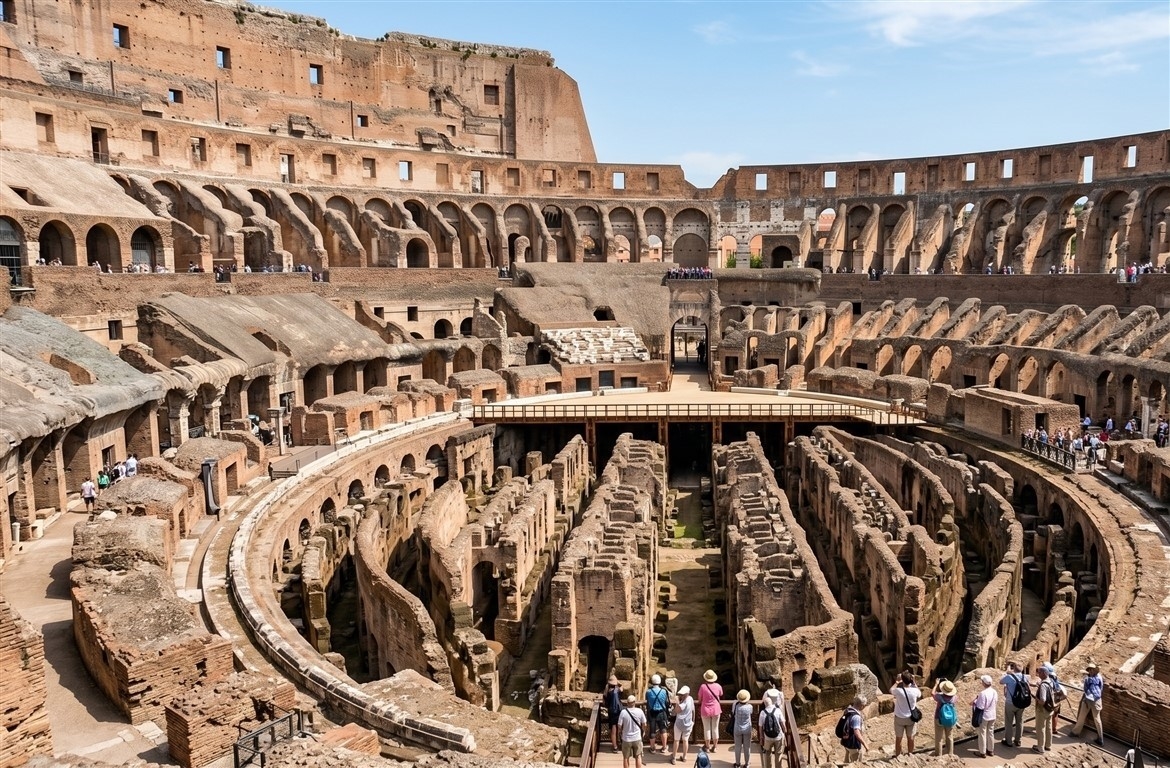
Yes, absolutely, you can step inside the Colosseum. Forget just lingering outside, gelato in hand, or snapping the same picture everyone else gets from Via dei Fori Imperiali. You’re allowed to actually enter this ancient amphitheater. Wander its old corridors. Peer down into the exposed underground chambers. And, with the right ticket, even walk right onto the arena floor, the very spot where Rome hosted its most incredible public spectacles.
The trick is simple: entry is tightly managed. The Colosseum isn’t a place where folks just stroll in whenever the mood strikes. They use timed tickets, thorough security checks, set visitor paths, and different access levels. A basic ticket gets you into the main building. But if you want to see the arena or the underground, you’ll need a different kind of ticket or a guided tour. Your experience can feel quite different based on what you pick.
And yes, even in 2026, it’s totally worth going inside. Sure, the outside is magnificent. But the real punch hits you when the modern city noise fades away and that massive oval opens up before you. You’ll see stone, shadows, worn stairways, broken seating tiers, and the skeletal remains of the stage right under your feet. That’s when the Colosseum truly stops being just a pretty picture on a postcard.
Entering Rome’s Colosseum
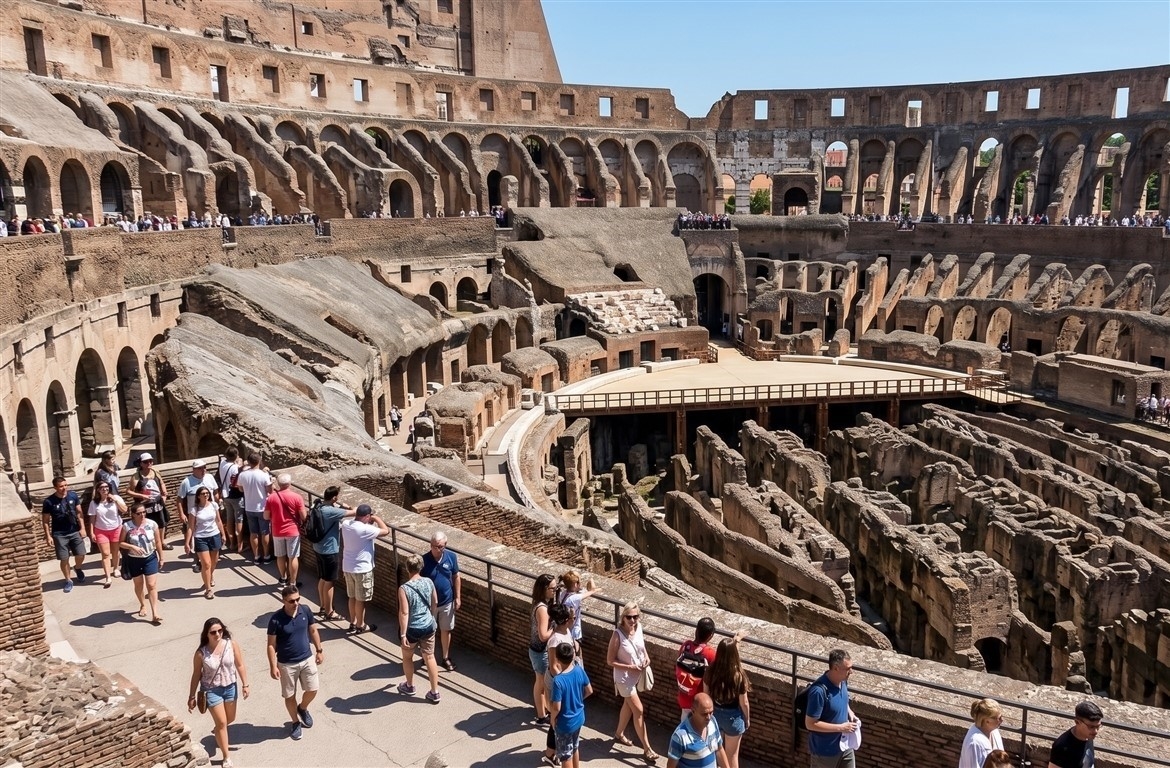
Visitors can definitely enter the Colosseum in Rome, provided they have a valid ticket. The usual path takes you through the first and second levels of the amphitheater, offering sweeping views across the arena and down into the hypogeum, that intricate underground network beneath the original wooden floor. Many tickets often bundle in access to the Roman Forum and Palatine Hill, as these three archaeological sites are deeply connected.
This immense structure, formally known as the Flavian Amphitheatre, first rose in the first century AD under the Flavian emperors. It could hold tens of thousands of onlookers, staging everything from gladiatorial battles and animal hunts to executions and dramatic mythological scenes. This wasn’t just a simple stadium. It was a finely-tuned machine for grand spectacle, managing huge crowds, broadcasting imperial messages, and showcasing Roman engineering genius.
Once inside, you won’t find a perfectly restored arena with shiny marble seats and painted walls. Instead, you’ll encounter a magnificent ruin, and that’s precisely where its power lies. The upper walls stand broken. Most of the arena floor is long gone. Those underground passages lie exposed, almost like a giant cutaway model. It feels raw. This very rawness helps you grasp just how enormous and complex this place truly was.
Some sections remain off-limits due to ongoing preservation efforts, safety concerns, or to manage visitor flow. So, the underground hypogeum, the arena floor itself, and the very highest tiers aren’t always part of a standard entry. Access can shift based on restoration work, special events, weather conditions, or new administrative rules. Travelers really should check their ticket type *before* buying, not just show up at the gate hoping for the best. Rome tends to be pretty unforgiving of poor planning.
Tickets for Colosseum Entry
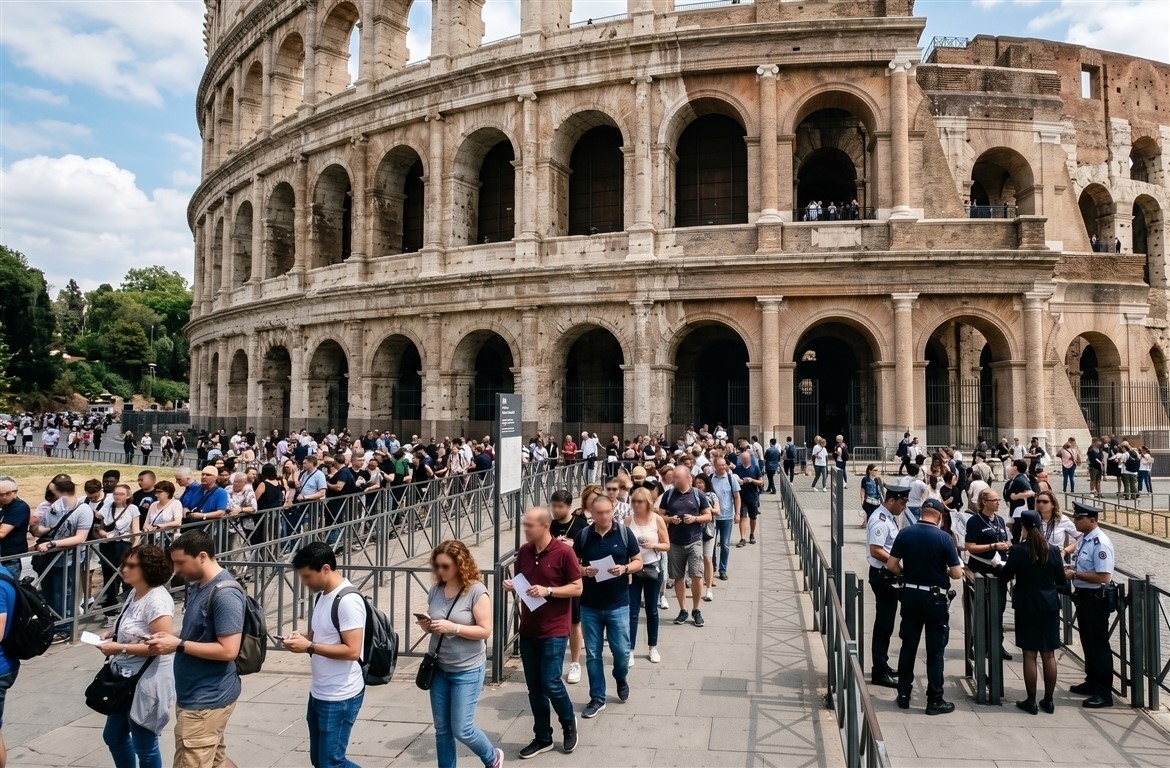
Oh yes. You absolutely need a ticket to get into the Colosseum. They operate on a timed admission system, meaning visitors pick (or get assigned) a specific entry slot. Showing up late can really mess things up, especially during busy times like spring, summer, school breaks, and long weekends. Keep in mind, the security line is totally separate from your ticket reservation. Just having a ticket doesn’t mean you’ll zip through the gate in thirty seconds.
Ticket names and what they cover might change, but the main categories are pretty straightforward. Standard entry gets you onto the main visitor path. Arena access lets you walk out onto a reconstructed part of the arena floor. Underground access takes you below the arena into the service tunnels workers, animals, scenery, and equipment once used. Full-experience tickets typically combine more than one of these special areas.
| Ticket type | Typical access | Best for |
|---|---|---|
| Standard entry | Main Colosseum levels, often includes nearby archaeological areas | First-timers seeking the classic view |
| Arena floor access | Standard route plus a section of the reconstructed arena platform | Travelers who want stunning photos and a unique perspective |
| Underground access | Hypogeum areas beneath the arena, usually with guided entry | History buffs and those curious about the monument’s mechanics |
| Guided full access | Restricted areas with expert commentary and managed movement | Anyone who wants context without digging for it alone |
| Evening or special visit | Limited routes that vary by season and availability | Returning visitors looking for a quieter experience |
Book your tickets way ahead, especially once your Rome travel dates are locked in. Same-day tickets can sell out fast, and third-party sellers might charge you more for similar access. Always read the access description very carefully. Just because a ticket says “Colosseum entry” doesn’t automatically mean you get to see the underground chambers, the arena floor, or that it includes a guided tour.
Inside the Colosseum: What to See
The interior of the Colosseum feels layered. From one viewpoint, it’s a magnificent ruined stadium. From another, it’s like a living diagram of Roman society: the rulers enjoying the best seats, wealthy citizens closer to the action, ordinary folks higher up, intricate machinery hidden below, and constant labor everywhere. People say stone can’t speak. Here, it almost does.
The Arena Floor
The original arena floor was crafted from wood and covered with sand. In fact, the Latin word for sand, harena, is where the arena gets its very name. Today, only a portion of this floor has been rebuilt. This allows visitors to stand where epic performances once unfolded, while still getting a clear view of the hypogeum directly below.
Accessing the arena offers a totally different sense of scale. From the regular viewing levels, you’re looking down, much like an ancient spectator. But from the floor, those massive walls loom around you. The arches seem even taller. The roar of the ancient crowd is long gone, of course, but the sheer shape of the place still feels like it presses in. It’s an incredibly theatrical view, and photographers absolutely adore it.
The Underground Hypogeum
The hypogeum is that incredible labyrinth of corridors, rooms, lifts, cages, and service areas tucked away beneath the arena. It was added after the Colosseum first opened and quickly became one of the monument’s most mind-boggling technical features. Animals, elaborate scenery, fighters, and stagehands all moved through this secret world before making their grand appearance above.
Going underground really shifts the whole atmosphere. The Colosseum suddenly feels less glamorous, much more raw and physical. You’ll navigate narrow passages, see rough stone walls. These were the spaces where workers waited, sweated, hauled heavy equipment, pushed mechanisms, and managed wild animals. The shows up top were dazzling; the work below was gritty. That contrast truly hits you hard.
The First and Second Tiers
The first and second tiers are the main areas typically explored by visitors with a standard ticket. These levels provide sweeping views across the entire amphitheater and right into the monument’s heart. They’re also the easiest spots to truly grasp the elaborate seating system, the clever circulation corridors, and that masterful oval geometry which made managing huge crowds possible.
From these tiers, you can clearly see the remnants of the seating banks and the towering outer walls, plus that exposed underground maze. The perspectives constantly change as you walk. One moment you’re admiring ancient arches and brickwork. The next, the Forum appears outside the monument, and the whole ancient city seems to lean into your view.
The Third Tier
The third tier sits higher up and usually requires special access when it’s available. Historically, these upper seats were further from the action and reserved for spectators of lower social status. This elevated position now grants a much wider view of the arena and the surrounding archaeological area.
Access to these higher sections has varied over the years due to safety measures, ongoing restoration work, and visitor management. When open, the height helps visitors appreciate the Colosseum as a structure on a city-wide scale, rather than just a single ruin. It feels less intimate than the arena floor. More expansive, more about Rome spread out below.
The Emperor’s Box
The emperor’s viewing area was precisely placed for both optimal visibility and symbolic power. The ruler didn’t just watch the games; he himself was a spectacle. Public entertainment in ancient Rome carried significant political weight, and seating arrangements were a huge part of that message.
Modern visitors don’t typically get to sit in a perfectly restored imperial box as if they’re attending a show. What remains is understood through its strategic placement, archaeological findings, and the building’s inherent logic. Still, the concept is easy to grasp. Best view. Maximum attention. Rome loved its hierarchies, and the Colosseum laid them out in stone.
Gladiator’s Gate
Gladiator’s Gate is the entrance historically used by the fighters as they stepped into the arena. On some specific arena tours, visitors actually get to walk through a path that mimics that dramatic journey from a dark corridor onto the open floor. It’s one of the most memorable transitions you can experience inside the monument.
The name itself carries significant weight because it transforms your visit from simple observation into a fleeting act of imagination. You step out, the arena stretches before you, and for a second, the building feels less like a ruin and more like a vibrant stage. A little theatrical? Yes. Effective? Absolutely.
Trap Doors and Stage Mechanisms
The Colosseum featured incredibly complex stage machinery, designed to lift animals, scenery, and performers from the hypogeum up into the arena. Ancient records and archaeological findings clearly show that the amphitheater supported elaborate spectacles, far beyond just straightforward combat.
Trap doors, cleverly designed lifts, ramps, cages, and perfectly coordinated crews helped create sudden, dramatic appearances. A painted landscape could rise from below. A wild animal might emerge from nowhere. A condemned prisoner could be woven into a staged mythological scene. Rome certainly had a taste for shock and awe, and this building was expertly engineered to deliver it.
Is an Interior Colosseum Visit Worth It?
Going inside the Colosseum is absolutely worth it for most people visiting Rome for the first time. The exterior gives you the sheer scale, but the interior reveals its true meaning. You truly understand how the seating worked, how the arena was laid out, how that incredible underground system supported the events, and how this monument intertwined entertainment with imperial power.
Here’s another big reason. Outside, the Colosseum has to compete with roaring traffic, persistent souvenir sellers, massive tour groups, and the general chaos of central Rome. Inside, even with crowds, the building itself takes over. That massive oval naturally draws your eye. The stone shifts color with the sun. You begin to notice the repairs, the empty spaces, the brickwork, the travertine, all the scars of time. It feels ancient in a way no photograph can ever truly capture.
Travelers with very little time might choose to just admire it from the outside, saving their paid visit for the Forum or the Vatican Museums. Fair enough. But skipping the interior means you miss the profound architectural logic of this amphitheater. The Colosseum was built to be entered, to be climbed, to be crossed, and to be gazed through. From the outside, it’s a powerful symbol. From the inside, it transforms into a living, breathing place.
Arena Floor or Underground: Which to Choose?
Both arena floor and underground access offer a much richer experience than a standard entry for those wanting a deeper dive. But they cater to different vibes. The arena floor feels dramatic and offers stunning visuals. The underground is all about intricate details and historical context. One gives you the performer’s perspective. The other reveals the intricate backstage machinery.
| Access area | What it feels like | Best choice for |
|---|---|---|
| Arena floor | Open, cinematic, easy to grasp instantly | Photos, first-time visits, shorter trips |
| Underground | Darker, tighter, more technically focused | Ancient history enthusiasts and truly curious travelers |
| Standard levels | Classic overview from the spectator’s vantage point | Budget-conscious visitors |
| Combined access | The most complete understanding of the monument | Travelers who don’t anticipate returning soon |
Go for the arena floor if you’re chasing a strong emotional impact and crystal-clear photo opportunities. Pick the underground if you’re really interested in *how* the Colosseum actually worked. If tickets are available and the price fits your budget, consider doing both. There’s no need to pretend every traveler wants the exact same experience.
Guided Tour or Standard Entry?
A standard ticket works perfectly fine for visitors who prefer exploring at their own pace and already have a basic understanding of the history. You can wander the main route, read the informational signs, snap photos, and linger where the views are best. It’s also often the easier choice for families with young children who might not appreciate a rigidly scheduled commentary.
A guided tour really shines when your primary goal is context. The Colosseum is packed with fascinating details that are easy to miss: the intricacies of seating arrangements, the different construction phases, restoration marks, underground logistics, crowd movement paths, and its deep connection with the Forum. A great guide can transform broken stone into a captivating story, without making it feel like a dull classroom lecture. A weak guide, well, that can certainly be a drag. So choose wisely.
- Pick standard entry if you value flexibility, a lower cost, and access to the main interior views. It’s ideal for travelers who are happy reading signs and mapping out their own journey through the Forum and Palatine Hill.
- Pick a guided visit if you want access to restricted areas, clearer explanations, and a better grasp of how the amphitheater functioned. Underground access is frequently linked to guided or specially controlled entries.
- Pick arena access if amazing photography and atmosphere are top priorities. Standing on the floor is an instantly understandable and unforgettable experience, even for those not obsessed with Roman history.
- Pick underground access if you want to explore the most revealing, behind-the-scenes part of the monument. It might not offer the grandest view, but it could be the most insightful one.
How to Book Colosseum Tickets
Booking should always happen before you arrive, especially between March and October, and around any holidays. The Colosseum uses timed slots, and popular access types sell out fast. Underground tickets are particularly limited because the space simply can’t handle endless crowds. Arena floor access also has strict capacity controls.
Stick to the official ticketing website or a highly reputable tour operator. Double-check the exact entry time, the meeting point, what areas are included, the cancellation policies, and whether the Roman Forum and Palatine Hill are part of your ticket. Ticket names can sound deceptively similar. Remember, “Full experience” and “standard entry” are definitely not the same thing.
- Choose your access level. First, decide if you want standard entry, arena floor, underground, or a combination. Do this *before* you start comparing prices, otherwise, all the options will quickly blur together.
- Select a timed slot. Morning slots are often great during hotter months. Late afternoon can offer beautiful light for photos, though summer crowds might still be thick.
- Check the meeting point. Some guided tours gather outside the monument, not directly at the main gate. Rome has tons of groups holding flags; confusion is pretty common.
- Bring identification. Tickets issued with names might require ID checks. Carry the document you used for booking, or at least a valid photo ID.
- Allow time for security. Bags get checked. Large luggage is absolutely not suitable for the monument. Travel light and you’ll move through much faster.
Don’t even think about booking a super-tight lunch reservation right after your entry time. A truly satisfying Colosseum visit can easily take one to two hours, and the broader archaeological area can stretch that even further. Rome truly rewards a bit of breathing room. It absolutely punishes a meticulously spreadsheeted itinerary.
Colosseum Visitor Tips
Wear comfortable shoes that can handle stone, stairs, dust, and uneven surfaces. The Colosseum is definitely not a polished museum floor. If you’re visiting in summer, bring plenty of water and sun protection. Shade moves around the monument, but it might not always be exactly where you need it. Winter visits are calmer and can be wonderfully crisp, with low light slicing across the ancient arches.
Photography is allowed for personal use in all visitor areas. However, drones, tripods, professional commercial equipment, and shooting in restricted zones all require special permission. Flash is utterly useless outdoors and honestly, just annoying indoors. You’ll usually get your best shots from the second level, the arena floor, and from the various exterior viewpoints around the monument after your visit.
Security rules dictate what you can bring inside. Avoid large backpacks, glass bottles, sharp objects, and any bulky luggage. There’s really no joy in arguing with security while your precious entry time slowly ticks away.
Families with children should prepare them beforehand. The history here includes violence, wild animals, executions, and public death. You don’t need to make the visit grim, but sugar-coating everything into “ancient sports” feels disingenuous. Kids often handle honest, age-appropriate explanations far better than adults anticipate.
For visitors with mobility challenges, accessible routes are available in some parts of the monument, and elevators serve certain areas. However, ancient ruins still present limitations: uneven paving, crowds, potential route changes, and restricted zones. Always check the most current access conditions before booking any specialized tickets.
Frequently Asked Questions
Guided or Self-Guided Colosseum Visit?
Yes, a standard entry ticket lets you explore the interior without a guide. You can follow the public route through the main levels and view both the arena and the underground from above. Restricted areas like the hypogeum, though, might require controlled access or a guided format.
Is it free to go inside the Colosseum?
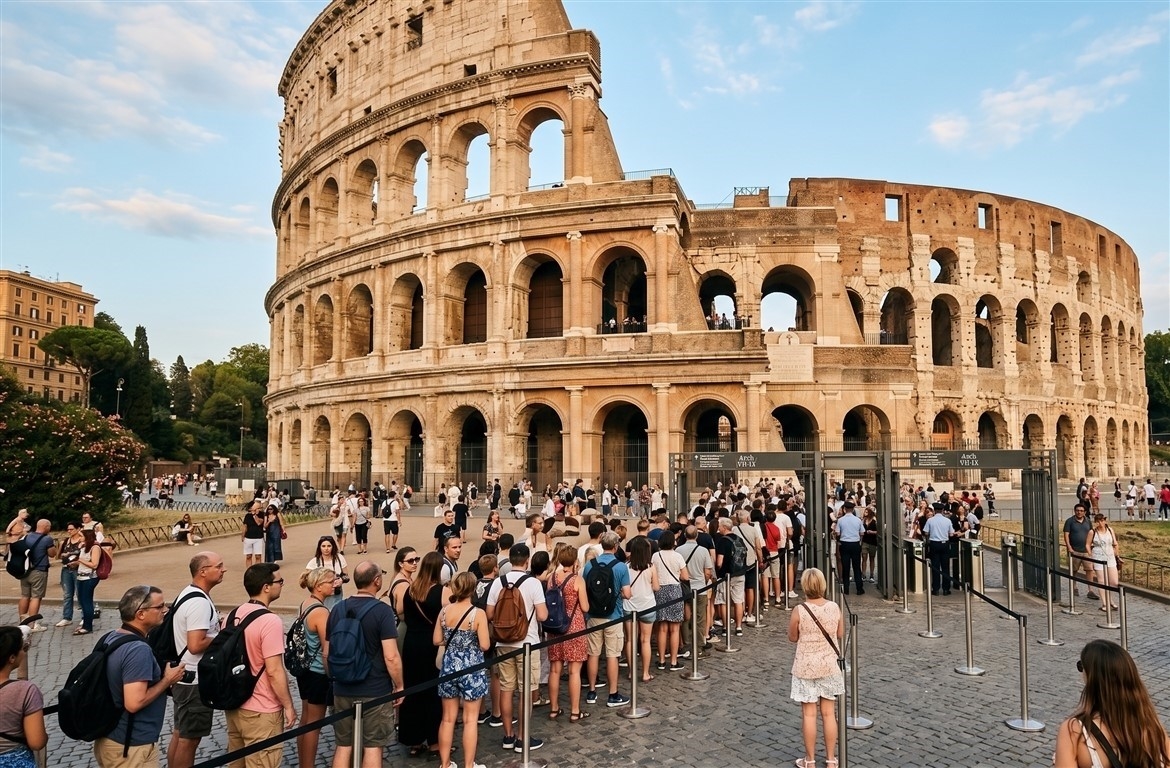
No, regular entry always requires a paid ticket. While free-entry days or special concessions might occasionally pop up, they typically come with huge crowds and very specific rules. Travelers planning a quick trip to Rome really shouldn’t base their schedule around hoping for free admission unless the date is already confirmed and verified.
Book Colosseum Tickets Early?
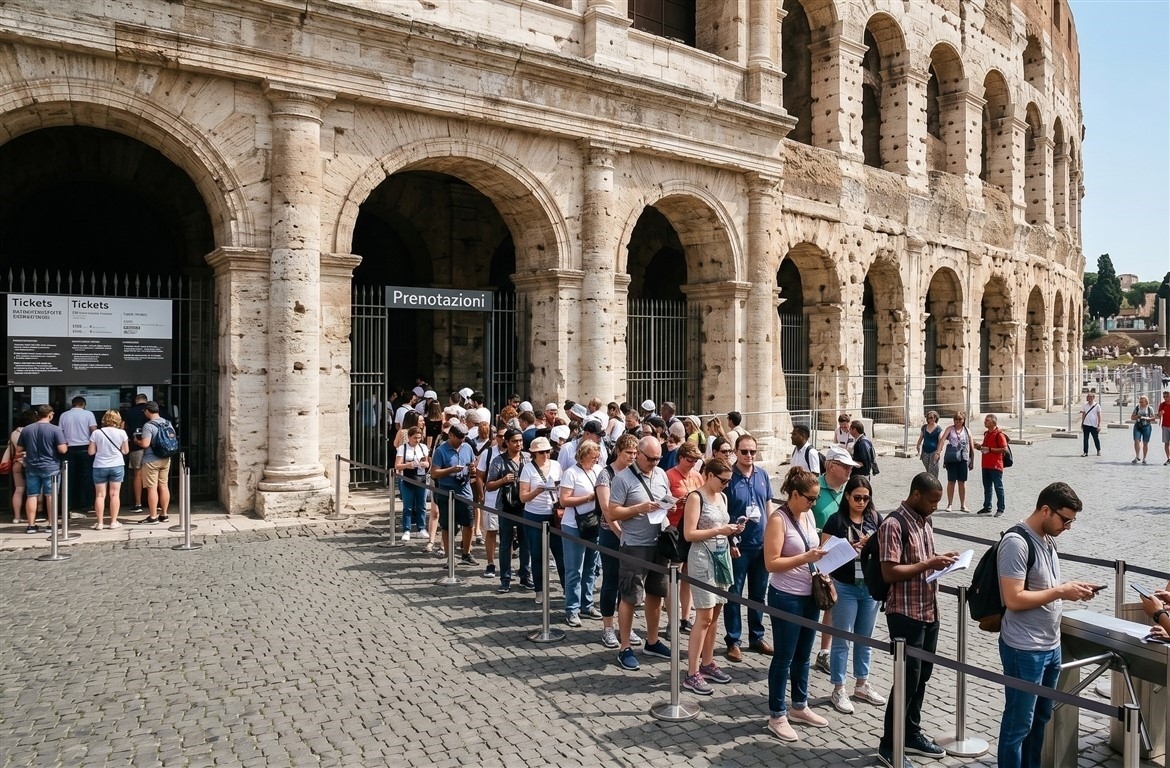
Booking in advance is highly, highly recommended. Timed slots consistently sell out, and premium areas like the underground have very limited capacity. Booking early gives you much better control over your entry time, your chosen route, and the price.
Can you take photos inside the Colosseum?
Yes, absolutely, personal photography is allowed in all public visitor areas. Tripods, drones, commercial photo shoots, and restricted spaces all operate under separate rules. The second level and the arena floor often provide some of the most dynamic angles inside the monument.
How Long is a Colosseum Visit?
A standard interior visit generally takes about one to two hours. You’ll need to add more time if you’ve opted for a guided tour, arena access, underground access, or a combined visit that includes the Roman Forum and Palatine Hill. Rushing through is possible, but it feels a bit like eating pasta while standing at a bus stop.
Best Part of the Colosseum to Visit?
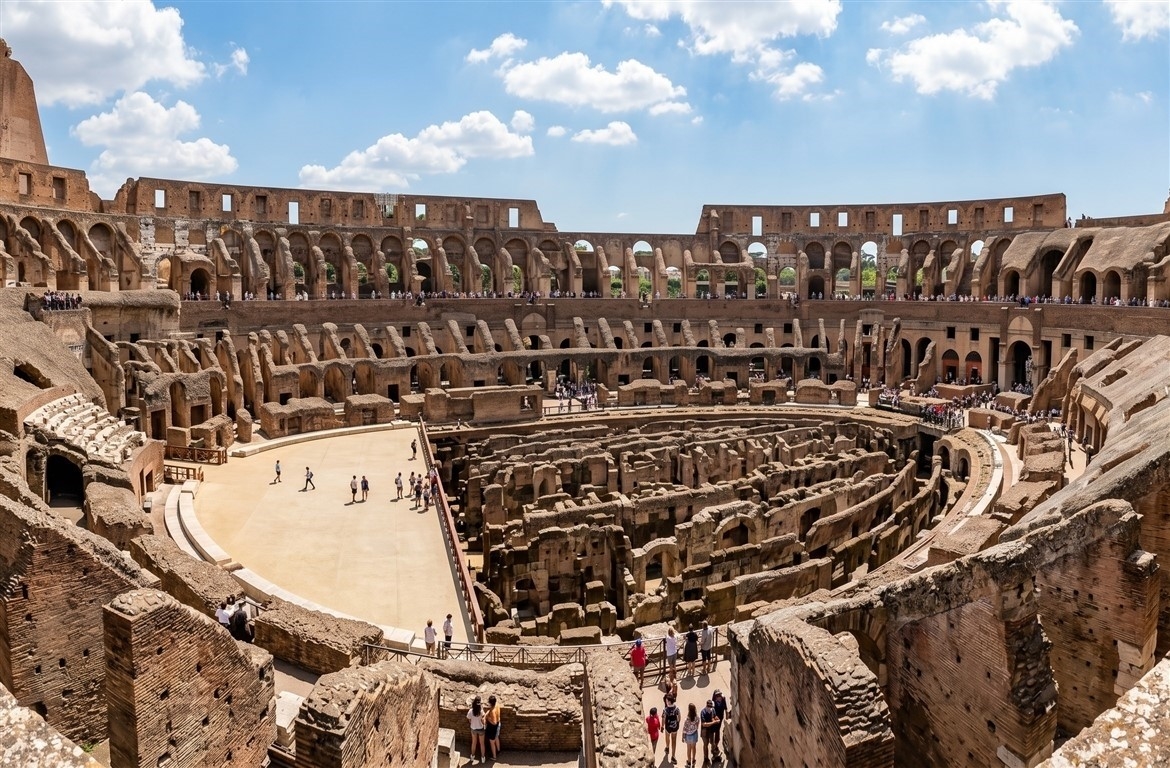
The “best” part really depends on what kind of experience you’re after. The arena floor offers the most dramatic, immersive view. The underground provides the clearest understanding of how the spectacles actually worked behind the scenes. And the second level gives you that classic, sweeping vista of the entire amphitheater.
Why is there no floor inside the Colosseum?
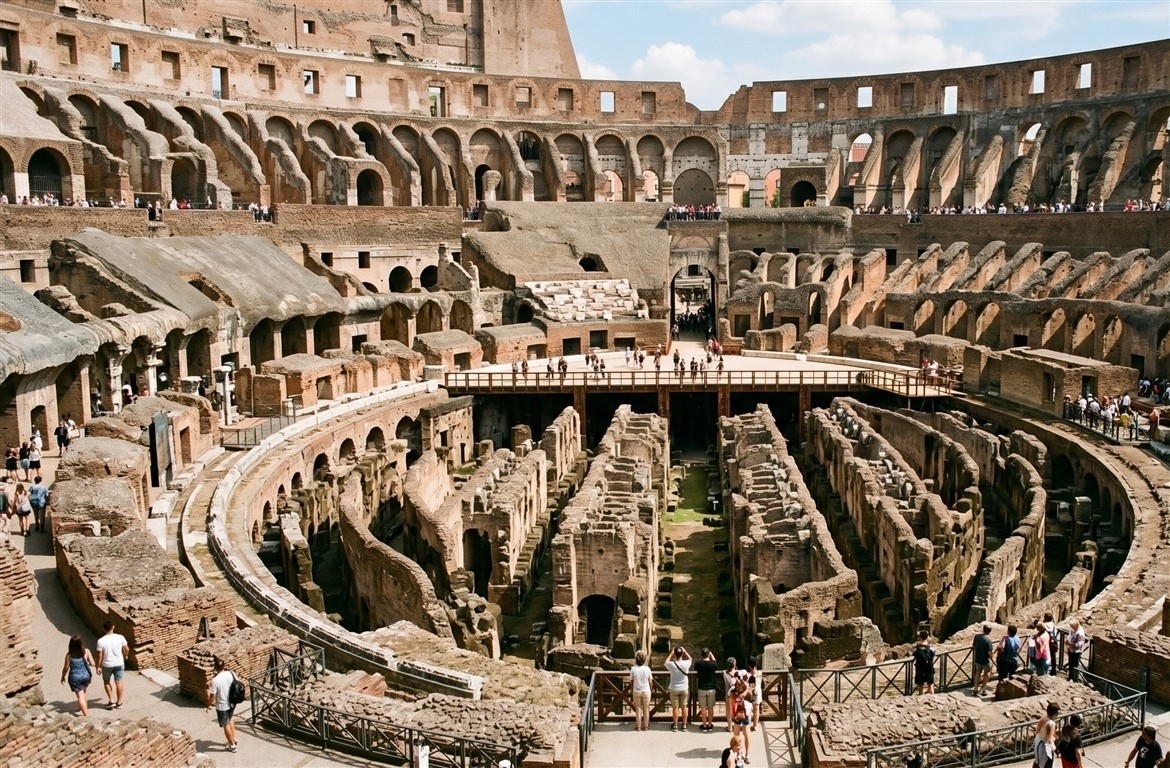
The original arena floor was constructed from wood, and unfortunately, it didn’t survive the centuries. With that floor gone, the intricate underground hypogeum is now fully visible from above. A reconstructed section has been added to help visitors visualize where the arena surface once stood.
Can you visit the Colosseum underground?
Yes, visitors can access the underground hypogeum, but you’ll need the correct ticket or tour. Entry is carefully limited because the area is fragile and space is quite confined. It truly is one of the most revealing sections of the entire monument.
Is the Colosseum arena floor worth it?
The arena floor is definitely worth it if you’re seeking a more immersive perspective than what standard entry offers. It’s particularly fantastic for photos and for truly appreciating the towering height of the surrounding walls. Visitors more focused on engineering and backstage history might, however, prefer the underground instead.
Colosseum Opening Hours
Opening hours can vary quite a bit by season, available daylight, holidays, and site management decisions. Generally, the Colosseum opens in the morning and closes later during brighter months, with the final entry always before closing time. Always check the current calendar before booking, as restoration work or special events can certainly alter access.
For your first Roman adventure, visiting the Colosseum’s interior absolutely earns its spot. Just make sure to book the right ticket, arrive with some extra time, and leave space afterward to explore the Forum. This incredible monument makes so much more sense when you see the arena, the underground, and the ancient city around it as one hard, brilliant piece of Roman theater.
0 Comment