


Semana Santa in Mexico: Traditions, Travel, and Best Places
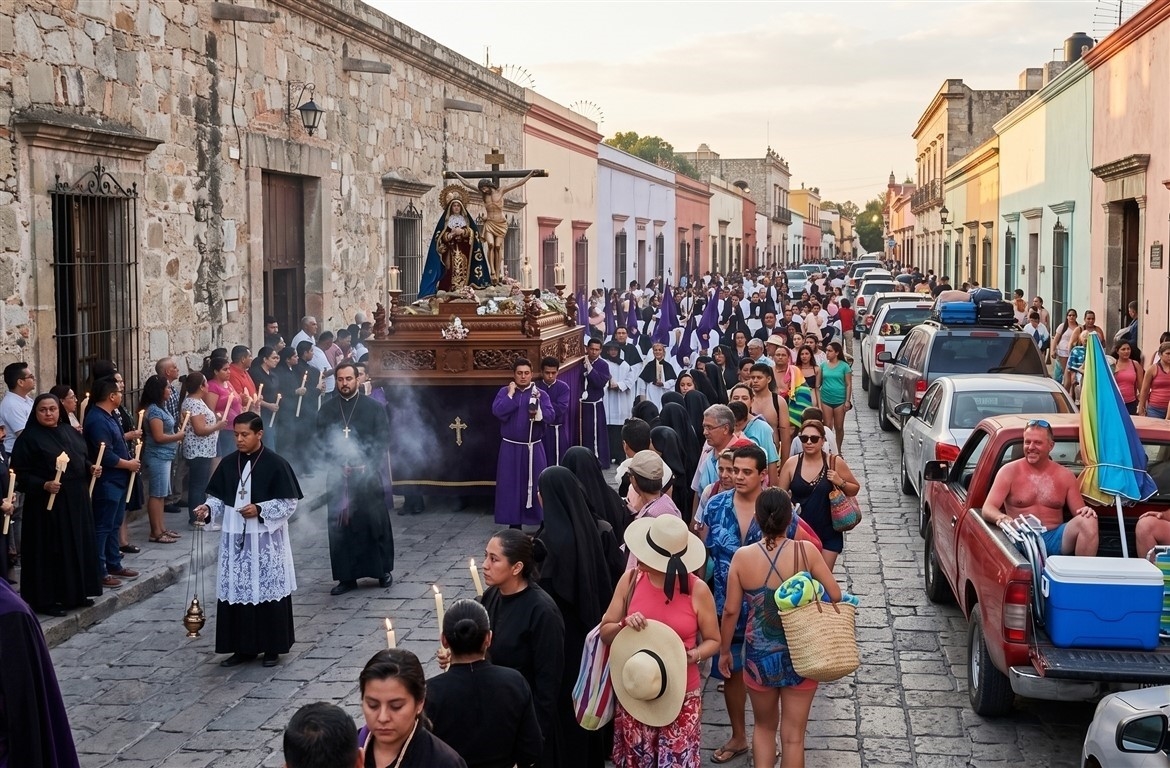
This isn’t some hushed holiday hiding behind church doors. No, Semana Santa in Mexico explodes into public view. Picture plazas buzzing, highways packed, beaches vibrant, markets overflowing, family kitchens bustling, and narrow colonial streets where candlelight dances on ancient stone. For 2026, mark your calendars: Holy Week kicks off on Palm Sunday, March 29, and wraps up on Easter Sunday, April 5. Good Friday lands on April 3. If you’re visiting, that whole week might just feel like you’re experiencing two different Mexicos simultaneously. One Mexico is deeply solemn, thick with incense, completely steeped in Catholic ritual. The other? Totally sunburned, wildly crowded, pretty loud, and heading straight for the coast with ice chests rattling in the back.
Both versions are absolutely real. Both carry immense weight.
Semana Santa – that’s Spanish for Holy Week – officially marks Lent’s final stretch and all the pivotal events leading up to Easter. Across the entire country, it stands out as one of the year’s most public religious observances, even in spots where everyday life has become a bit more secular. Churches pack to the brim. Streets often shut down. Passion Plays draw truly massive crowds. Families hit the road. Hotels? They’re completely booked. You’ll see seafood confidently taking over menus more than usual. And in some particular towns, an almost palpable silence settles.
What Holy Week Means in Mexico
Semana Santa is simply the week right before Easter in the Christian calendar. Here in Mexico, where Catholic traditions have influenced public life for ages, it’s packed with religious, cultural, and social significance. This week commemorates Jesus’ entry into Jerusalem, the Last Supper, the Crucifixion, that quiet waiting period before the Resurrection, and, of course, Easter Sunday itself.
That’s the core religious story. But around this core, Mexico has woven something far broader. Think grand public processions, big family get-togethers, school breaks, a surge in domestic travel, dramatic theatrical reenactments, unique food customs, and local rituals that can look wildly different from one region to the next. A visitor in Taxco, for instance, might witness hooded penitents walking through torchlit streets. Someone in Iztapalapa, a district in Mexico City, could be watching one of the nation’s most famous Passion Plays. Meanwhile, along the Pacific or Caribbean coast, that exact same week could be all about umbrellas, traffic, overflowing seafood restaurants, and kids gleefully cracking cascarones over their friends’ heads.
It’s sacred. It’s bustling. And no, it’s absolutely not always neat and tidy.
Holy Week Dates for 2026
For 2026, Semana Santa in Mexico begins on Palm Sunday, March 29. It concludes on Easter Sunday, April 5. The most widely observed days are Holy Thursday, April 2; Good Friday, April 3; Holy Saturday, April 4; and Easter Sunday, April 5.
Mexico doesn’t treat every single day of Holy Week as a federal public holiday. However, many schools, offices, and businesses will either slow down significantly or close for at least part of this period. The week following Easter, often called Semana de Pascua, also remains a vacation time for a lot of families. This two-week stretch creates one of the most intense travel windows on the Mexican calendar.
| 2026 Date | Day | Common Observance | Traveler Note |
|---|---|---|---|
| March 29 | Palm Sunday | Blessing of palms and church services | Church areas get crowded early |
| April 2 | Holy Thursday | Last Supper services and altar visits | Evening church visits are common |
| April 3 | Good Friday | Passion Plays and Crucifixion processions | Street closures are frequent |
| April 4 | Holy Saturday | Vigils and quieter family gatherings | Travel roads stay busy |
| April 5 | Easter Sunday | Mass, meals, and family celebrations | Many visitors start returning home |
Cultural Importance of Holy Week
Holy Week in Mexico carries a deep, long memory. Spanish Catholicism, indigenous performance traditions, strong neighborhood identity, and family obligations all converge on these same few days. The outcome isn’t some single, national script. It’s much more like a rich patchwork, carefully sewn together over many centuries.
In countless towns, religious brotherhoods meticulously organize the processions. Local families jump in, helping prepare costumes, flowers, platforms, candles, and all the food. Kids learn just by watching the adults; nobody needs to read a printed program. Older residents instinctively know which street the procession will take long before any route gets posted online. The best spot to watch? Likely from a curb, right beside a grandmother with her folding stool and a plastic bag full of snacks.
Faith is truly visible, but so is all that community labor. Semana Santa functions because people actively carry things: crosses, statues, sound equipment, chairs, massive pots of food, sleepy toddlers, and all those family expectations. Nobody has to announce it. You simply see it happen.
Religious Customs for Holy Week
Palm Sunday Observances
Palm Sunday kicks off Holy Week with the blessing of palm fronds. Many of these are intricately woven into crosses or beautiful decorative shapes. Outside churches, vendors are busy selling palms right near the entrance. Families carry them into Mass, then often keep them at home afterward. In Catholic tradition, these palms serve as a reminder of Jesus’ entry into Jerusalem.
In Mexican towns, this particular day can feel quite bright and communal, rather than heavy or somber. People dress neatly. The church steps transform into bustling meeting points. The week has just begun, but the most intense rituals are still waiting ahead.
Maundy Thursday Traditions
Maundy Thursday, known as Jueves Santo, commemorates the Last Supper. Evening services might feature the washing of feet, a symbolic gesture linked to humility and service. Another common custom in many Mexican communities is visiting seven churches or altars, a devotional route that often brings families and groups out onto the streets after dark.
For visitors, this evening offers a chance to walk slowly, dress respectfully, and avoid treating active worship as merely a stage set. Photos aren’t always welcome. A quiet question usually goes a lot further than simply raising your camera.
Good Friday Activities
Good Friday, Viernes Santo, stands as the most dramatic day of Semana Santa in Mexico. It marks the Crucifixion. Many towns organize Stations of the Cross, deeply silent processions, or full-scale Passion Plays with actors portraying Jesus, Roman soldiers, mourners, apostles, and large crowds.
Some of these reenactments are modest and intimate. Others are massive civic-religious events, demanding extensive rehearsals, elaborate security plans, significant media attention, and spectators who arrive hours early to secure a spot. Iztapalapa’s Passion Play in Mexico City is often the first name many travelers hear, and for good reason. It has become one of the most recognized Holy Week events in the entire country.
Holy Saturday Events
Holy Saturday sits right between grief and upcoming celebration. Churches might hold Easter Vigil services at night, featuring candles, readings, and the blessing of fire and water. The daytime mood really differs by location. Some families remain quiet and reflective. Others are already deep into vacation mode, especially in bustling resort areas.
Old customs once included the burning of Judas figures in certain parts of Mexico. This practice is less common and more geographically specific now. Where it still appears, it belongs to a long tradition of public satire and symbolic punishment, rather than simple holiday entertainment.
Easter Sunday Festivities
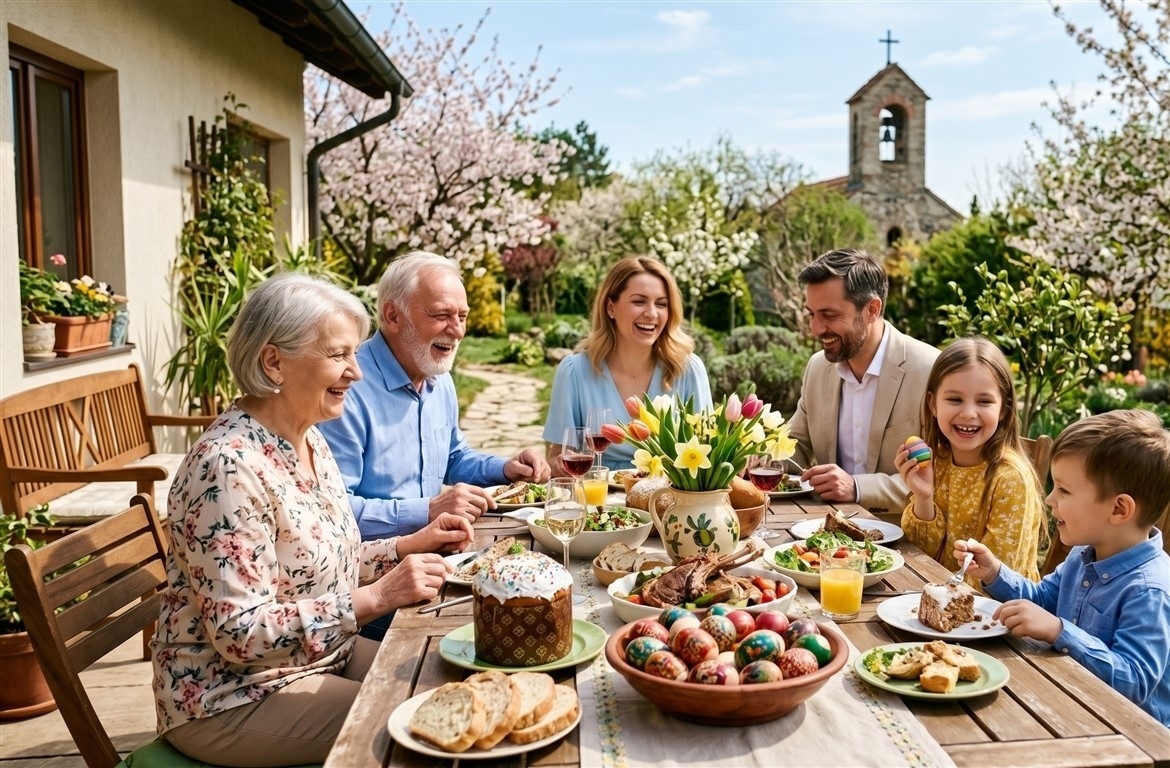
Easter Sunday joyfully celebrates the Resurrection. Masses take place all across the country, and families gather for special meals. Compared with the somber mood of Good Friday, the public atmosphere noticeably lifts. Bells ring. Restaurants fill up. Children play. Travelers who spent the previous day watching solemn processions might wake into a city that suddenly feels much lighter.
In tourist areas, Easter Sunday also marks the beginning of the return rush for many domestic travelers. Highways can become incredibly slow. Bus terminals get tense and crowded. Airports are definitely not the place for a casual, last-minute arrival.
Processions, Passion Plays, and Public Rituals
The public rituals of Semana Santa are a huge reason to travel in Mexico during Holy Week. Processions often feature statues of Christ, the Virgin Mary, various saints, mourners, musicians, incense bearers, and penitents. The visual language itself is ancient: purple cloth, flickering candles, fresh flowers, Roman costumes, heavy wooden crosses, deep drums, and faces made serious by the heat and intense concentration.
Passion Plays transform the story of Jesus’ final days into live, immersive theater. Some are performed within church courtyards. Others wind their way through entire neighborhoods and up hillsides. The actor portraying Jesus might carry a wooden cross through packed streets, surrounded by guards and a crowd that knows the ending but still watches every moment with rapt attention.
Not every traveler is fully prepared for the sheer intensity of these events. Good Friday in a traditional town isn’t some casual parade. People might cry. Participants could be walking barefoot. Silence itself can be a crucial part of the ritual. The line between spectator and intruder gets pretty thin when someone shoves forward just for a better photo. It’s better to step back a bit. The powerful moment will still be there for you to experience.
Regional Holy Week Customs in Mexico
Mexico City Events
Mexico City during Easter week can genuinely surprise visitors. Parts of the capital actually grow calmer because many residents head out for beaches, their hometowns, or short breaks. Traffic might even ease up in central neighborhoods. Museums, restaurants, and parks can feel more accessible, though checking holiday schedules is always a good idea.
But that quiet doesn’t apply everywhere. Iztapalapa draws enormous attention for its Passion Play, a tradition with incredibly deep local roots and major logistical demands. Anyone planning to go should prepare for intense crowds, closed streets, heat, long walks, and limited easy exits. This is not a casual pop-in event.
Taxco’s Solemn Beauty
Taxco, located in Guerrero, is one of Mexico’s most visually striking Holy Week destinations. This silver-mining town clings to steep hills, featuring whitewashed buildings, classic red-tile roofs, and the baroque Santa Prisca church at its very heart. During Semana Santa, processions move through the narrow streets, often after dark, with penitents and candlelight creating an austere, severe beauty.
Taxco is incredibly powerful, but it’s small. Hotels book up super early. The streets are steep. Crowds compress quickly, making comfortable shoes a non-negotiable item—unless you truly enjoy regret.
San Miguel de Allende Celebrations
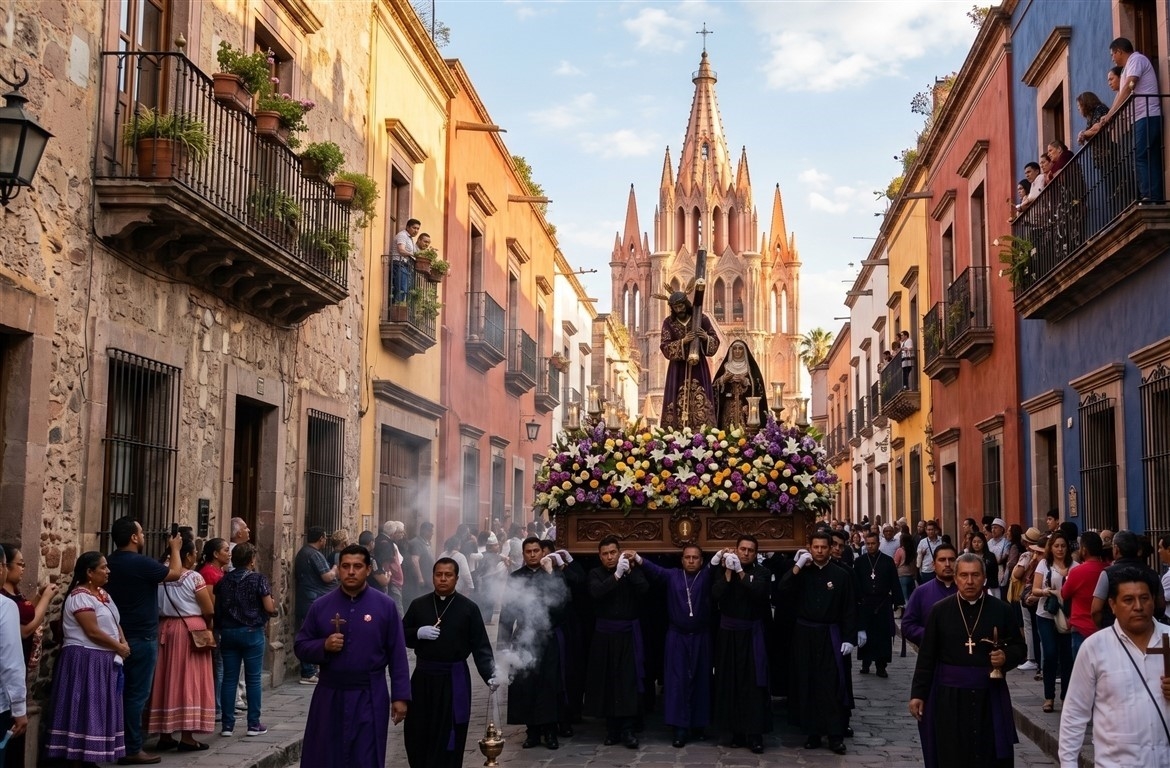
San Miguel de Allende frames Holy Week within a polished colonial setting of elegant churches, moving processions, vibrant flowers, and public ritual. The city is already wildly popular with international visitors, so Semana Santa simply adds another layer to a place that rarely feels undiscovered. Still, the ceremonies here can be genuinely moving, especially those around the historic center.
Travelers absolutely must reserve lodging early. And expect restaurants near the main square to fill up fast. This city rewards wandering, but never careless timing.
Oaxaca’s Rich Holy Week
Oaxaca offers a truly rich Holy Week experience, shaped by Catholic worship, indigenous heritage, ancient food traditions, and vibrant neighborhood life. Processions and church services take place right in the city, while nearby communities often keep their own distinct calendars and rituals. The setting adds so much texture: ancient stone churches, bustling markets, lively mezcal bars, serene courtyards, and the unmistakable smell of smoke and masa lingering in the air.
Oaxaca is also a seriously good food city. During Lent and Easter, you’ll find seafood, vegetable dishes, complex moles, artisan breads, and delicious sweets appearing alongside the everyday regional cooking. The holiday doesn’t replace Oaxaca’s incredible food culture. It simply folds right into it.
Iztapalapa’s Passion Play
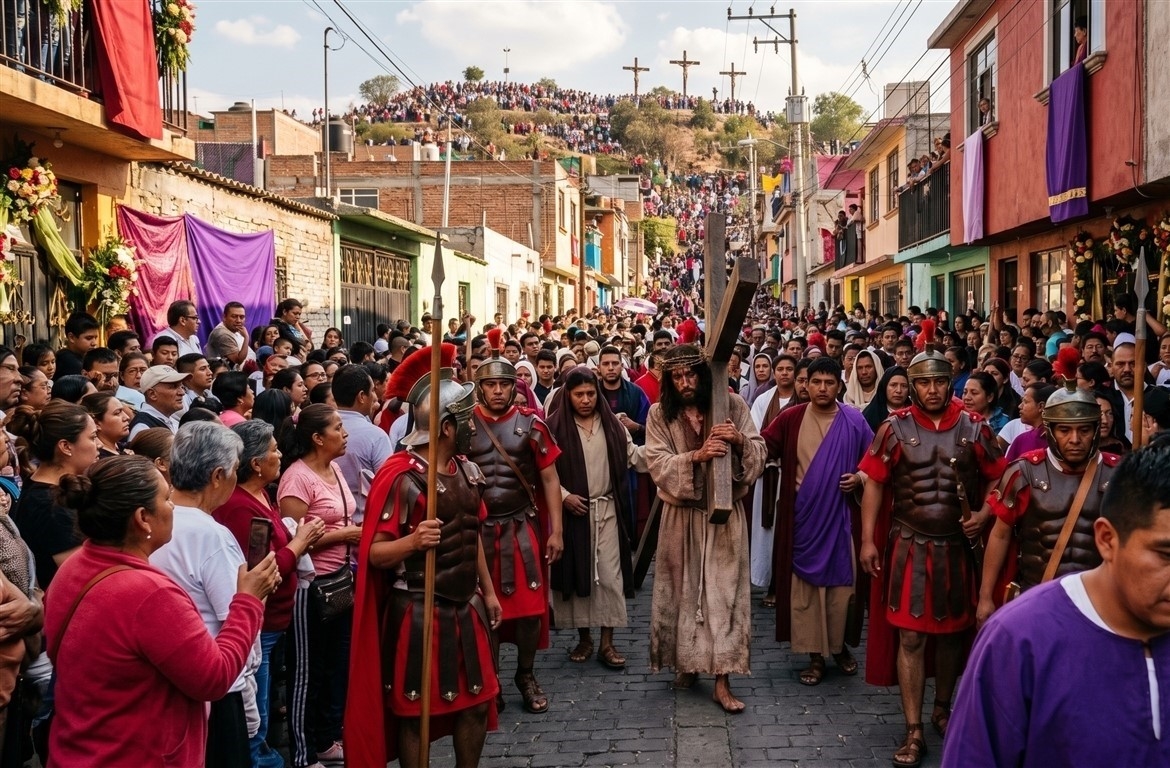
Iztapalapa really deserves its own specific mention. Its Passion Play isn’t just another Mexico City event. It’s a genuine community institution. Residents take on roles, train rigorously, rehearse tirelessly, and carry this tradition with immense pride. Crowds can be truly immense, and the atmosphere feels both deeply devotional and strongly civic.
Visitors absolutely need to arrive prepared: bring water, wear sun protection, pack plenty of patience, and have a solid plan for leaving. Respect is paramount here. This is someone’s home neighborhood long before it becomes anyone’s travel experience.
Coastal and Beach Destinations
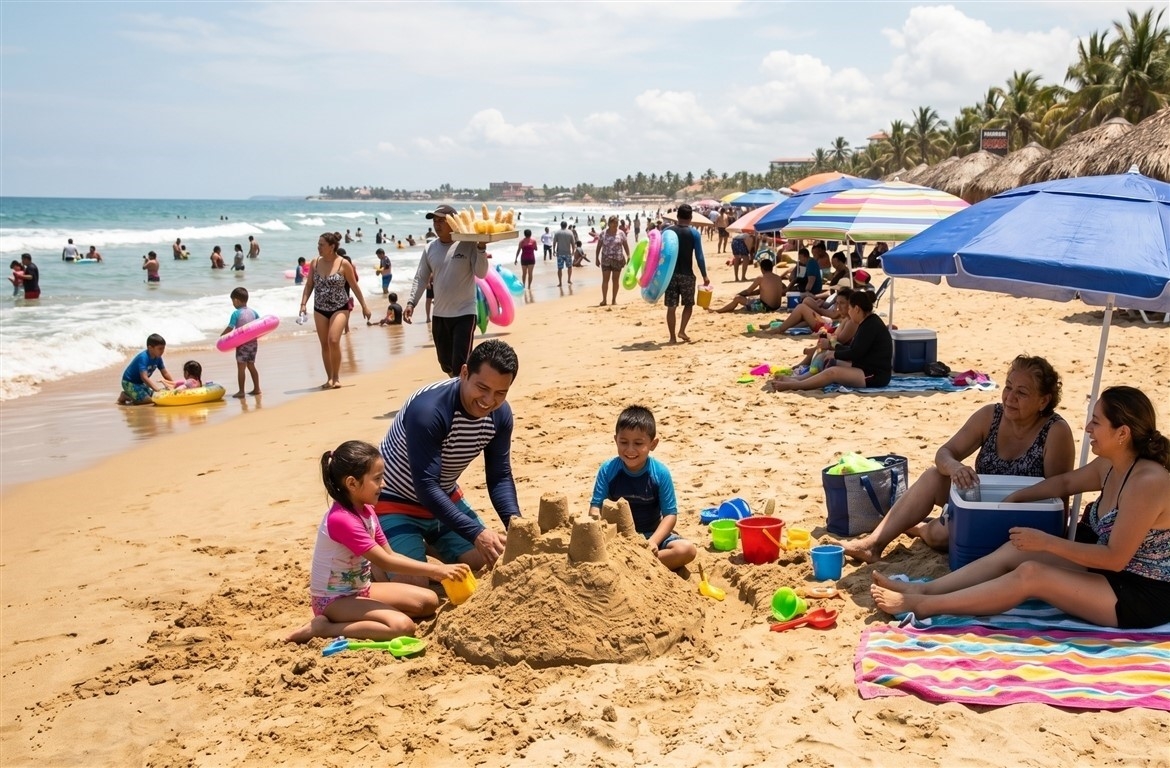
Along the coasts, Semana Santa transforms into peak domestic vacation season. Cancún, Playa del Carmen, Puerto Vallarta, Acapulco, Mazatlán, Los Cabos, Veracruz, and countless smaller beach towns welcome families, students, couples, and groups of friends. Prices shoot up. Beaches overflow. Parking becomes a competitive sport with no real winners.
The religious aspect of the week still exists in these coastal towns, but many travelers are definitely there for rest, seafood, vibrant nightlife, and warm water. A beach Semana Santa is less about quiet reflection and more about endurance: the heat, the constant music, the huge crowds, and the endless search for a table with some shade.
Holy Week as a Mexican Vacation Period
Semana Santa consistently ranks as one of Mexico’s busiest travel seasons. Why? Because it perfectly aligns with school breaks and prime family vacation time. Many Mexican families use this period for domestic trips: visiting relatives, enjoying beach holidays, or taking short escapes to charming colonial cities. The week immediately following Easter often extends this travel rush.
This is really important for foreign visitors to understand. A destination that felt perfectly affordable in February might become quite costly by late March. A quiet beach town could transform into a loud, happy, chaotic place where every single room is taken and every seafood restaurant has a waiting line. Bus seats simply vanish. Toll roads clog up near major cities. Rental cars cost more, sometimes much more.
Travelers who genuinely enjoy local energy might absolutely love it. But if you’re dreaming of empty beaches and flexible, spontaneous planning, you definitely should pick another week.
Traveling During Holy Week in Mexico
Why It’s a Busiest Travel Season
Holy Week creates a truly unique overlap: intense religious observance, a long school vacation, deep family tradition, and wonderfully favorable spring weather. The outcome is a massive national movement. People head for the beach, return to their hometowns, visit famous churches, or simply use the break for a proper trip after months of hard work.
Tourist services respond accordingly. Hotels often impose minimum stays. Popular restaurants start requiring reservations. Airlines and bus companies run completely full. In resort zones, a casual booking strategy can get very expensive, very fast.
Transportation and Lodging Advice
- Book lodging early in traditional towns and beach resorts. Taxco, San Miguel de Allende, Oaxaca, Cancún, Puerto Vallarta, and other high-demand destinations can fill up incredibly quickly. Early booking secures better locations, not just better prices. Staying far outside the center might sound fine until processions close streets or taxis become nearly impossible to find.
- Choose buses and flights with ample buffer time. During Semana Santa, delays are not at all shocking. Roads leading out of Mexico City, Guadalajara, Monterrey, Puebla, and other huge urban areas can slow to a crawl as families leave town. A tight connection after a long bus ride is a truly bad gamble.
- Check local event routes before choosing a hotel. A room situated right along the main procession route can be absolutely unforgettable. It can also be very loud, completely blocked off, and surprisingly hard to reach with luggage. Neither is inherently wrong. Just know exactly what you’ve booked.
- Always carry cash for small purchases. Palm vendors, quick snacks, local transport, public restrooms, and market meals often don’t accept cards. ATMs in busy resort towns can run low or attract ridiculously long lines during peak days.
Mexico City During Easter Week
Mexico City often feels surprisingly lighter during part of Semana Santa because so many residents leave. For museum-goers and food travelers, that can be an absolute gift. Neighborhoods like Roma, Condesa, Coyoacán, Centro Histórico, and San Ángel may feel less frantic than usual, though popular attractions will still draw visitors.
The clear exception is any area closely tied to major religious events. Iztapalapa stands as the obvious one. Around churches and along procession routes, movement slows dramatically. Streets close. Ride-share apps might struggle. A traveler who assumes the entire capital is empty will get a quick dose of reality.
Booking Early and Avoiding Crowds
For Semana Santa 2026, travelers should consider late March and early April as definite peak season. Hotels, long-distance buses, domestic flights, and popular resort restaurants all deserve your early attention. The most crowded period usually builds from Holy Thursday straight through Easter Sunday, then often lingers into Semana de Pascua in many beach destinations.
To really avoid the densest crowds, try to arrive before Holy Thursday. Consider staying slightly outside the absolute busiest plaza or beach strip. Schedule any long transfers early in the day. For colonial towns, mornings tend to be much easier for walking and photography. Evenings completely belong to processions, dinners, and crowds that seem to materialize out of nowhere.
Top Places for Semana Santa Experience
| Destination | Best For | Crowd Level | Travel Character |
|---|---|---|---|
| Iztapalapa | Large Passion Play | Very high | Intense, local, demanding |
| Taxco | Night processions | High | Solemn and visually striking |
| San Miguel de Allende | Colonial setting and ceremonies | High | Beautiful, busy, polished |
| Oaxaca City | Culture, food, and processions | Medium to high | Layered, flavorful, walkable |
| Mexico City | Urban travel with select rituals | Mixed | Quieter in areas, packed near events |
| Beach resorts | Family vacations and sun | Very high | Loud, festive, expensive |
For a first Semana Santa trip, Taxco delivers pure drama. San Miguel offers unmatched beauty. Oaxaca presents incredible depth. Mexico City gives you fascinating contrast. Beach resorts, of course, offer pleasure too, just not the same kind. A traveler truly chasing religious tradition shouldn’t spend the entire week confined to a hotel zone. And someone seeking pure rest shouldn’t book a room right beside the loudest procession route in town. Sounds totally obvious, right? Yet, people still do it.
Mexico City or Beach for Easter Week?
| Mexico City | Beach Destinations |
|---|---|
| Some neighborhoods feel calmer as residents leave town. | Resorts and beaches fill with domestic vacationers. |
| Best for museums, food, architecture, and selected rituals. | Best for swimming, seafood, nightlife, and family trips. |
| Iztapalapa and church areas can be extremely crowded. | Main beaches, restaurants, and roads get packed. |
| Hotel prices may be more manageable than in peak resort zones. | Hotel rates and minimum stays often rise sharply. |
| Good choice for travelers who like urban space and culture. | Good choice for travelers who accept noise and crowds. |
Traditional Mexican Easter Foods
Seafood and Lent Dishes
During Lent and Holy Week, many Catholics purposefully avoid meat on Fridays. This means seafood becomes much more visible on family tables and restaurant menus alike. Ceviche, shrimp dishes, hearty fish soups, fried fish, tuna preparations, and refreshing seafood cocktails are common in coastal areas, and even in cities far from the shore. In bustling markets, the very air shifts: you’ll smell lime, chile, fried batter, warm tortillas, and that distinct salty edge from the seafood stalls.
Vegetable dishes also hold a very important place. Nopales, robust beans, squash, rice, vibrant chiles, and comforting soups can all make appearances in meatless meals. Mexico doesn’t need to struggle to cook deliciously without meat. The country’s pantry is simply too good for that.
Regional Holiday Meals
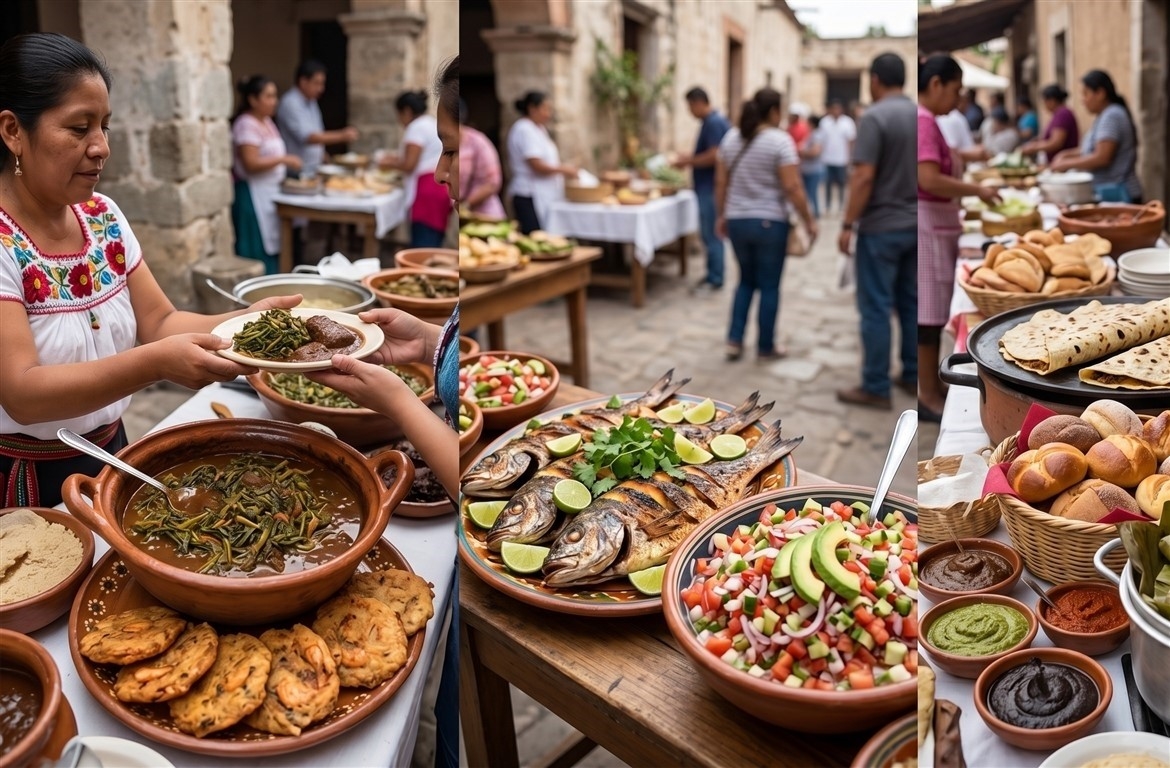
Food during Semana Santa truly varies by region and by family tradition. Households in Central Mexico might prepare romeritos, a dish often associated with Christmas, but also seen during Lent in some homes. It’s typically served with mole and savory dried shrimp patties. Coastal families, predictably, lean
0 Comment